Tudo o que vale a pena saber antes de ir.
La Paz sits at 3,650 metres above sea level in a dramatic canyon carved into the Andean altiplano, the surrounding peaks rising to over 6,000 metres above a city of nearly a million people. It is simultaneously one of the world's most visually spectacular capital cities and one of the most physically challenging: the altitude affects every visitor in the first 48 hours, limiting energy, disrupting sleep, and requiring a recalibration of what 'a full day of activity' means. Once acclimatised, however, La Paz is a compelling, complex, deeply Bolivian city that rewards unhurried exploration. The LGBTQ+ scene is concentrated in Sopocachi — a middle-class neighbourhood above the city centre known for its bohemian character, independent caf—s, art galleries, and the kind of mixed creative-and-professional population that tends to generate more inclusive social environments.
Within Sopocachi, the gay venues occupy a small but established circuit. Diesel Nacional is the anchor: a bar-club that serves as La Paz's most prominent LGBTQ+ venue and the natural first stop for visiting gay travellers. The space is larger than a neighbourhood bar, with a dance floor that comes alive on weekend nights, a crowd that spans Bolivians and international visitors, and a programming that includes drag shows, themed events, and DJ nights across the week. Mongolia bar offers a more neighbourhood-oriented experience — a smaller venue with a loyal local following and the relaxed atmosphere of a place where regulars know each other.
It is a useful venue for visitors who want to experience the scene as it actually functions for La Paz residents rather than as a tourist attraction. Coyote Bar rounds out the main La Paz circuit with another option in the Sopocachi vicinity, providing a third space in a scene that is small enough that the same faces appear across all three venues on active evenings.
Where to stay
For accommodation, Casa Grande Hotel in the Calacoto neighbourhood represents the upper tier of the La Paz hotel market — a large, professionally run hotel with full international standards that serves both business and leisure travellers. Its location in Calacoto (the city's wealthiest residential neighbourhood, sometimes called the Zona Sur) places it away from Sopocachi but in a comfortable, secure area with good restaurant and caf? options. La Paz taxis are inexpensive and the telef—rico (cable car system, one of the world's largest urban cable car networks) provides a remarkable and practical way to move between the canyon floor and the higher city levels.
Pride & events
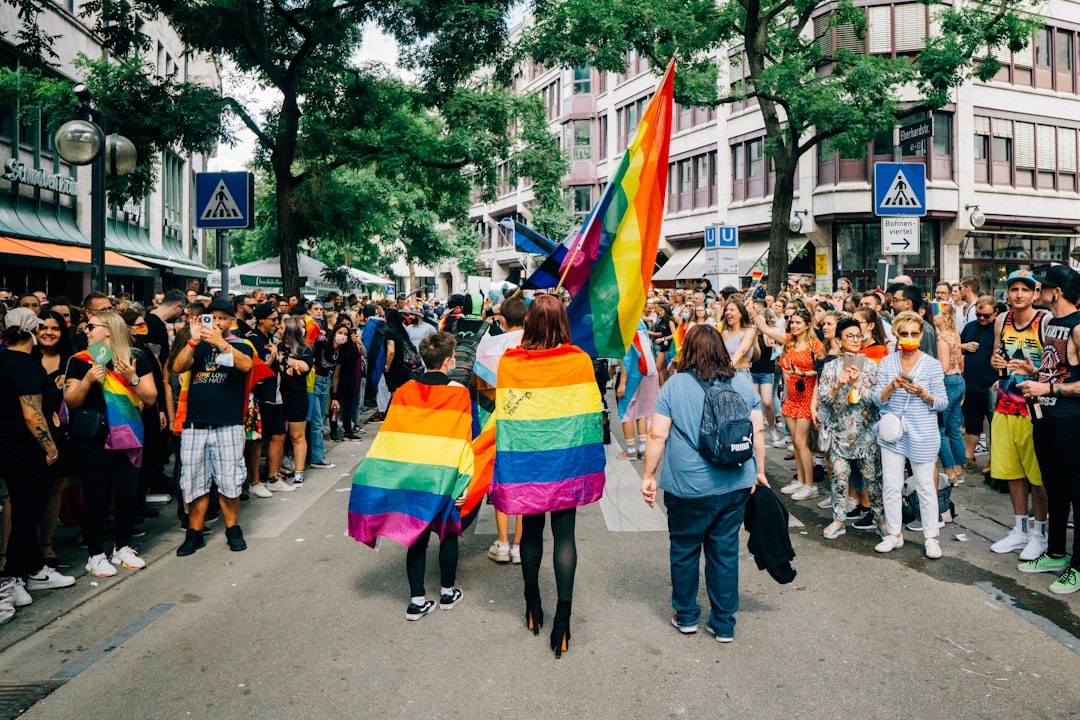
La Paz Pride is held annually in June, typically on or near the last Saturday of the month. The march moves through the city centre and into Sopocachi, and while it is smaller than the major Pride events in Quito, Buenos Aires, or Bogot?, it is a genuine and politically significant event: a public assertion of LGBTQ+ visibility in a country that offers no legal recognition and limited social acceptance. The march has faced opposition from religious groups, including counter-protests and occasional official obstruction, but has proceeded each year with police protection. The cultural attractions of La Paz repay significant time.
The Mercado de las Brujas (Witches' Market) on Calle Melchor Jim—nez is a genuinely extraordinary market selling ritual items for Aymara spiritual practices: dried llama foetuses, herbal remedies, colourful powders, amulets, and incense. It is not a performance for tourists — it is a functioning market serving a living religious tradition. The Valle de la Luna (Moon Valley), a 30-minute drive from the city centre, is a landscape of eroded clay pinnacles and canyons that looks, accurately, like the surface of the moon. The Museo Nacional de Etnograf—a y Folklore on Calle Ingavi documents the extraordinary diversity of Bolivian indigenous cultures across the highlands and lowlands.
A practical note on movement: La Paz is a vertical city. The city centre and Sopocachi are connected to the higher levels (El Alto, Zona Norte) by the telef—rico cable car network — ten lines connecting different altitudes, offering spectacular views across the canyon and altiplano and costing approximately 3 bolivianos per trip. The cable car system is both practical transport and one of the best urban experiences in La Paz.


 Bares e Clubes Gays
⭐ Destaque
Bares e Clubes Gays
⭐ Destaque