Atividade entre pessoas do mesmo sexo legalizada desde 2010; a Constituição de 2013 proíbe discriminação por orientação sexual, identidade e expressão de gênero. Não há casamento, uniões civis ou alteração legal de gênero. A sociedade é conservadora; discrição é aconselhada.
Nunca perca um evento gay em Suva
Um e-mail por semana — a programação do fim de semana, festas e promoções. Sem spam, cancele a qualquer momento.
Weekly event updates. Notifications appear on your lock screen.
On iPhone: first add GayOut to your Home Screen (Share → Add to Home Screen), then open it from there to enable notifications.
Suva Gay: Um Guia de Viagem LGBTQ+ para a Capital das Fiji
Suva é a maior cidade do Pacífico Sul fora da Austrália e Nova Zelândia e, como capital das Fiji, é o canto mais cosmopolita de uma nação insular, de resto, profundamente tradicional. Para viajantes LGBTQ+, Suva é uma cidade de contrastes silenciosos: a lei é mais progressista do que a maioria dos visitantes espera, enquanto as atitudes sociais do dia a dia permanecem conservadoras e firmemente enraizadas na vida da igreja e da comunidade. Compreender a lacuna entre as duas é a chave para uma visita relaxada e respeitosa.
O Quadro Legal — Melhor do que a sua Reputação
As Fiji descriminalizaram a atividade homossexual em 2010 sob o Crimes Decree, tornando-se uma das primeiras nações insulares do Pacífico a revogar as suas leis de sodomia da era colonial. Foi mais longe em 2013: a Constituição das Fiji proíbe explicitamente a discriminação com base na orientação sexual, identidade de género e expressão de género — continua a ser a única constituição nacional no mundo que nomeia os três. No papel, isso coloca as Fiji à frente de muitos países maiores e mais ricos.
Os limites importam tanto quanto. Casamentos entre pessoas do mesmo sexo e uniões civis não são reconhecidos e têm sido expressamente proibidos desde 2002. Não existe um processo legal para alterar um marcador de género em documentos oficiais, e as identidades tradicionais de terceiro género não têm reconhecimento formal. Viajantes cujos passaportes ostentam um marcador de género "X" devem confirmar os requisitos de entrada atuais antes de voar, pois as Fiji reconhecem apenas o sexo binário na documentação.
Vida Quotidiana e Atitudes Sociais
Fiji é uma sociedade religiosa e comunitária, e demonstrações abertas de afeto entre qualquer casal — seja gay ou heterossexual — são consideradas inapropriadas em público. Hostilidade explícita para com visitantes LGBTQ+ é incomum, especialmente em resorts internacionais e nos círculos mais urbanos e influenciados por estudantes em Suva, em torno da University of the South Pacific. Mesmo assim, a maioria das pessoas LGBTQ+ locais vive de forma discreta, e os viajantes farão melhor em ler o ambiente e corresponder a essa discrição, particularmente fora da capital.
A Cena: Comunidade, Não Discotecas
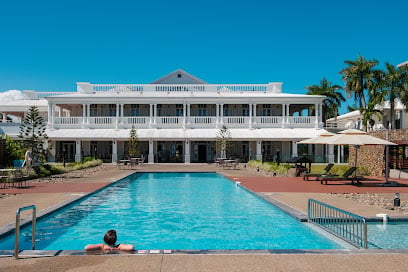
Suva não tem bares, discotecas ou saunas dedicados a gays, e essa é simplesmente a realidade no terreno, e não uma falha neste guia. A vida LGBTQ+ em Fiji está organizada em torno de grupos de defesa e comunitários, em vez de locais comerciais. A vida noturna que existe é mainstream e mista: locais de longa data como o Traps Bar e o O'Reilly's, na Victoria Parade e arredores, são os locais que os locais descrevem como os mais descontraídos e acolhedores, embora nenhum deles seja um local gay. O grandioso e antigo Grand Pacific Hotel, à beira-mar, é a estadia de referência da cidade e é confortável para hóspedes LGBTQ+.
Comunidade e Advocacia
Suva é o centro do movimento LGBTQ+ de Fiji, e conhecer as suas organizações é a forma mais autêntica de se conectar com a vida queer local. A Rainbow Pride Foundation é o principal organismo de defesa LGBTIQ+ do país, com centros comunitários em todo Fiji. A Haus of Khameleon é um movimento liderado por mulheres trans que trabalha no reconhecimento legal de género e na violência de género. A DIVA for Equality reúne pessoas lésbicas, bissexuais e transmasculinas, e mulheres marginalizadas, enquanto a Oceania Pride é uma rede focada em jovens, e a Drodrolagi Movement apoia estudantes LGBTI na University of the South Pacific ("drodrolagi" é fijiano para arco-íris).
Orgulho e Eventos
Fiji não realiza um festival anual de Orgulho ou um grande desfile de rua. A primeira marcha do Orgulho do país ocorreu em Lautoka em 2018, e tentativas de realizar uma em Suva enfrentaram obstáculos de licenciamento. O principal momento recorrente é o IDAHOBIT em meados de maio, celebrado em Suva com painéis, encontros comunitários e eventos de conscientização organizados por grupos como Oceania Pride e Rainbow Pride Foundation. Se a sua visita coincidir com meados de maio, contactar estas organizações é a melhor forma de descobrir o que está a acontecer.
Onde Ficar e Como se Deslocar
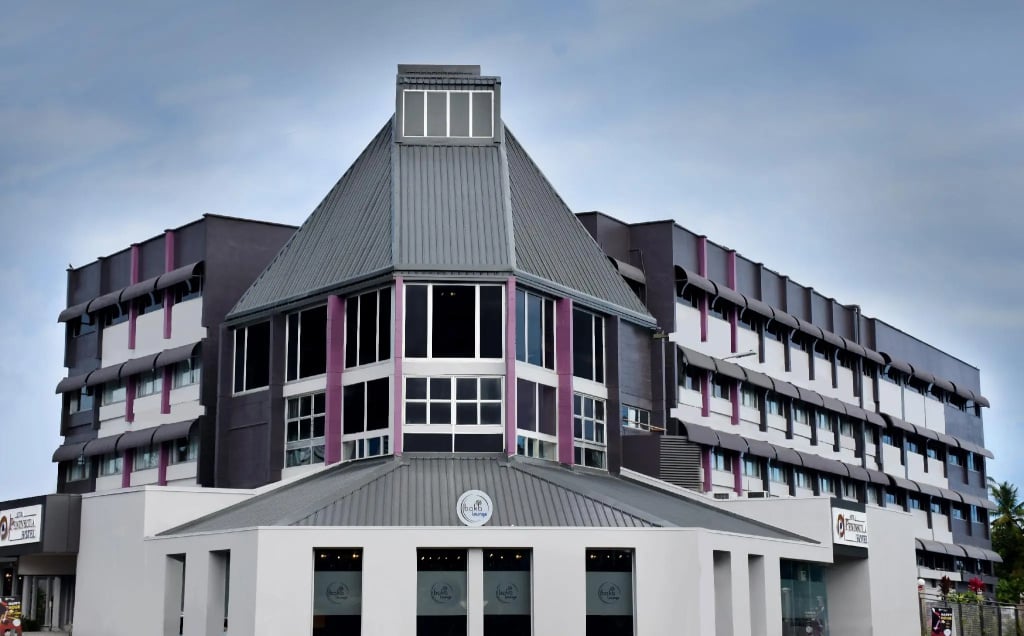
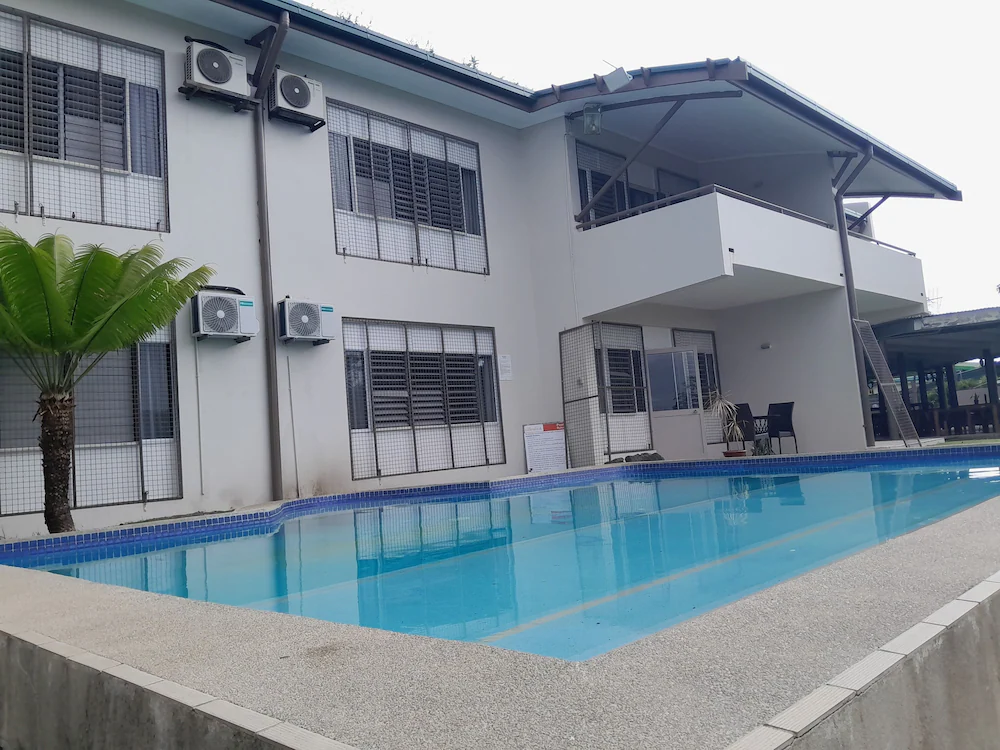
A maioria dos visitantes baseia-se no centro, em torno da Victoria Parade, a uma curta distância a pé do paredão marítimo, do Fiji Museum e dos principais restaurantes e bares. O Grand Pacific Hotel é o histórico hotel de referência; o Peninsula International, apartamentos estilo Holiday e uma variedade de apartamentos com serviço e hotéis de gama média completam as opções. Suva é uma cidade para se percorrer a pé durante o dia; à noite, utilize táxis, que são baratos e com taxímetro.
Dicas de Segurança
Suva é geralmente segura, mas precauções urbanas comuns aplicam-se após o anoitecer. Discrição em relação a demonstrações públicas de afeto é aconselhável para todos. Aplicações de encontros como o Grindr são usadas discretamente; exerça a cautela habitual ao conhecer novas pessoas. As proteções constitucionais de Fiji são reais, mas a aceitação social ainda não acompanha a lei — uma abordagem amigável e discreta faz muita diferença.
Perguntas frequentes
Fiji descriminalizou a atividade entre pessoas do mesmo sexo em 2010, e a Constituição de 2013 protege explicitamente contra a discriminação baseada em orientação sexual, identidade de gênero e expressão de gênero. Na prática, Suva é geralmente segura para viajantes LGBTQ+, especialmente na capital mais urbana, embora a sociedade permaneça conservadora e demonstrações públicas de afeto por qualquer casal sejam mal vistas. Use as precauções urbanas habituais após o anoitecer, mantenha um perfil discreto e você terá uma visita tranquila.
Não. Suva não tem um bairro ou vila gay definido. A vida LGBTQ+ aqui se concentra em organizações comunitárias e de defesa em vez de um distrito geográfico. A área central ao redor da Victoria Parade é onde a vida noturna mainstream e amigável para gays da cidade e a maioria dos hotéis estão concentrados.
Suva não tem bares, clubes ou saunas gays dedicados. A vida noturna é mainstream e mista — locais como o Traps Bar e o O'Reilly's na Victoria Parade e arredores são considerados os mais descontraídos e acolhedores, mas não são locais gays. A maneira mais autêntica de se conectar com a vida queer em Suva é através de suas organizações comunitárias, como a Rainbow Pride Foundation e a Oceania Pride.
Fiji não tem um festival anual de Pride ou um grande desfile de rua. A primeira marcha do Pride do país foi realizada em Lautoka em 2018. O principal momento LGBTQ+ recorrente é o IDAHOBIT em meados de maio, marcado em Suva com painéis, eventos de conscientização e reuniões comunitárias organizadas por grupos como Oceania Pride e Rainbow Pride Foundation.
Sim. O setor de hospitalidade de Fiji é acolhedor, e os hotéis de Suva são confortáveis para hóspedes LGBTQ+. O histórico Grand Pacific Hotel na orla é a estadia icônica da cidade, e há uma boa variedade de hotéis de gama média e apartamentos com serviços no centro, incluindo o Peninsula International e inúmeras opções de estilo de apartamento.
As atitudes são moldadas pelas fortes tradições cristãs e comunitárias de Fiji, então a sociedade é amplamente conservadora e a maioria das pessoas LGBTQ+ locais vive discretamente. Ao mesmo tempo, Fiji tem leis notavelmente progressistas, e o centro de Suva — com suas universidades e ONGs — é o ambiente mais aberto do país. Hostilidade aberta contra visitantes é incomum, mas discrição é apreciada.
Suas preferências de privacidade.
Usamos cookies para manter o GayOut funcionando e, com seu consentimento, medir o uso. Saiba mais
Suas preferências de privacidade
Usamos cookies para manter o GayOut funcionando, lembrar suas preferências e (com sua autorização) medir como o site é usado. Você pode aceitar tudo, recusar tudo ou escolher o que permite. Saiba mais
Essenciais
Necessários para login, prevenção de fraudes, proteção CSRF e para lembrar seu idioma. Não podem ser desativados.
Sempre ativo
Lembra seus favoritos, modo escuro e outras preferências de interface entre visitas.
Nos ajuda a entender quais páginas as pessoas visitam (Google Analytics, estatísticas do servidor) para melhorarmos.
Usado por pixels de campanhas. Nenhum está ativo no momento — reservado para uso futuro.
Instalar GayOut
Adicione o GayOut à tela inicial para acesso rápido, favoritos offline e alertas de Pride.


 Hotel Gay-Friendly
Em destaque
(1846)
Hotel Gay-Friendly
Em destaque
(1846)