Гомосексуальність є законною в Південній Кореї, однак одностатеві шлюби та партнерства не визнаються. Рішення Верховного суду 2024 року поширило деякі переваги медичного страхування на одностатевих партнерів. Стаття 92-6 Військового кримінального кодексу досі криміналізує одностатеві дії серед військовослужбовців, а законопроєкт про заборону дискримінації залишається заблокованим. Сеул є безпечним і гостинним містом із жвавим гей-середовищем у районах Ітхевон і Чжонно 3-га, хоча суспільство залишається консервативним.
Не пропустіть жодної гей-події у Тегу
Один лист на тиждень — розклад вихідних, вечірки та акції. Без спаму, відписка будь-коли.
Weekly event updates. Notifications appear on your lock screen.
On iPhone: first add GayOut to your Home Screen (Share → Add to Home Screen), then open it from there to enable notifications.
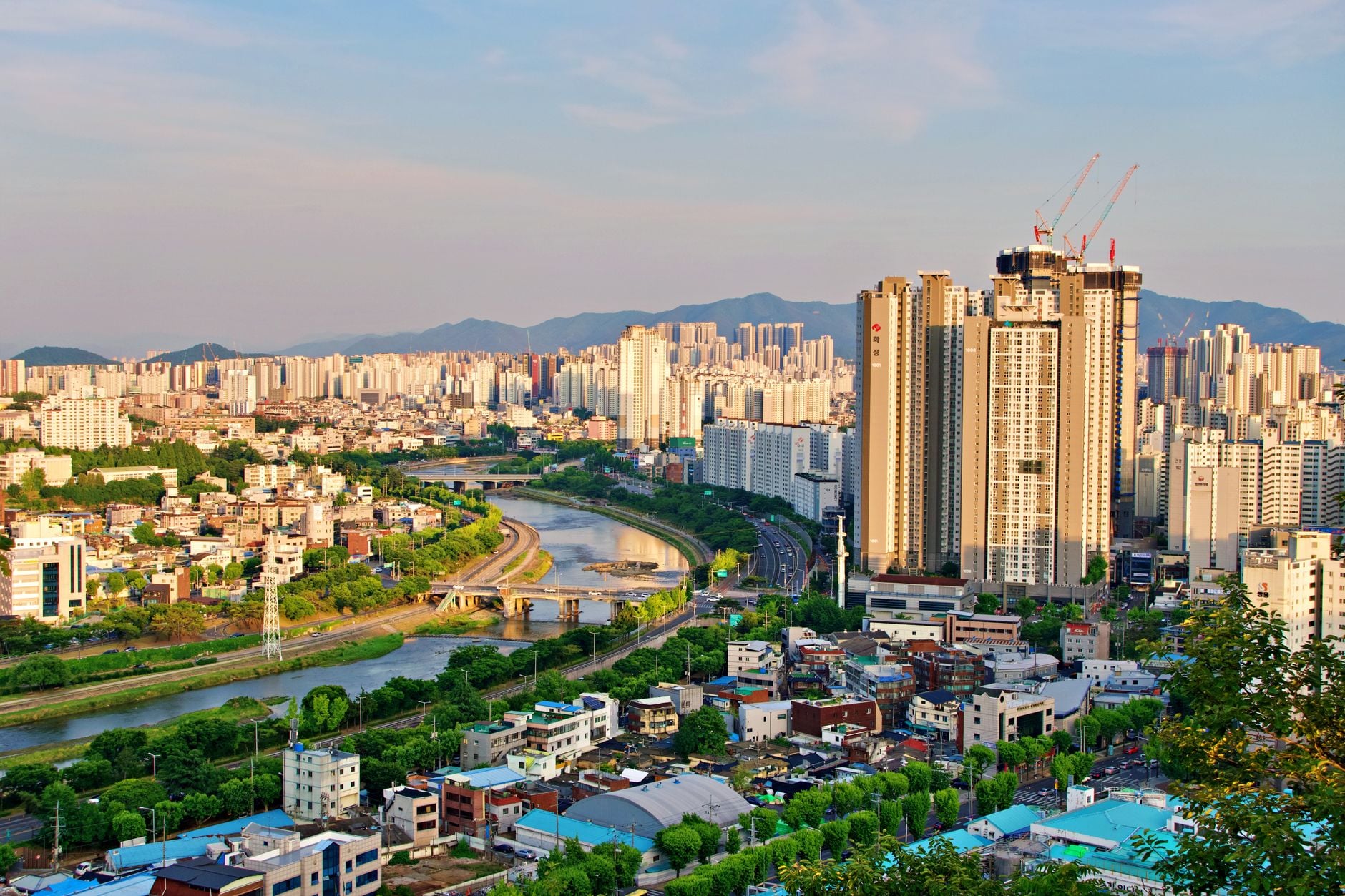
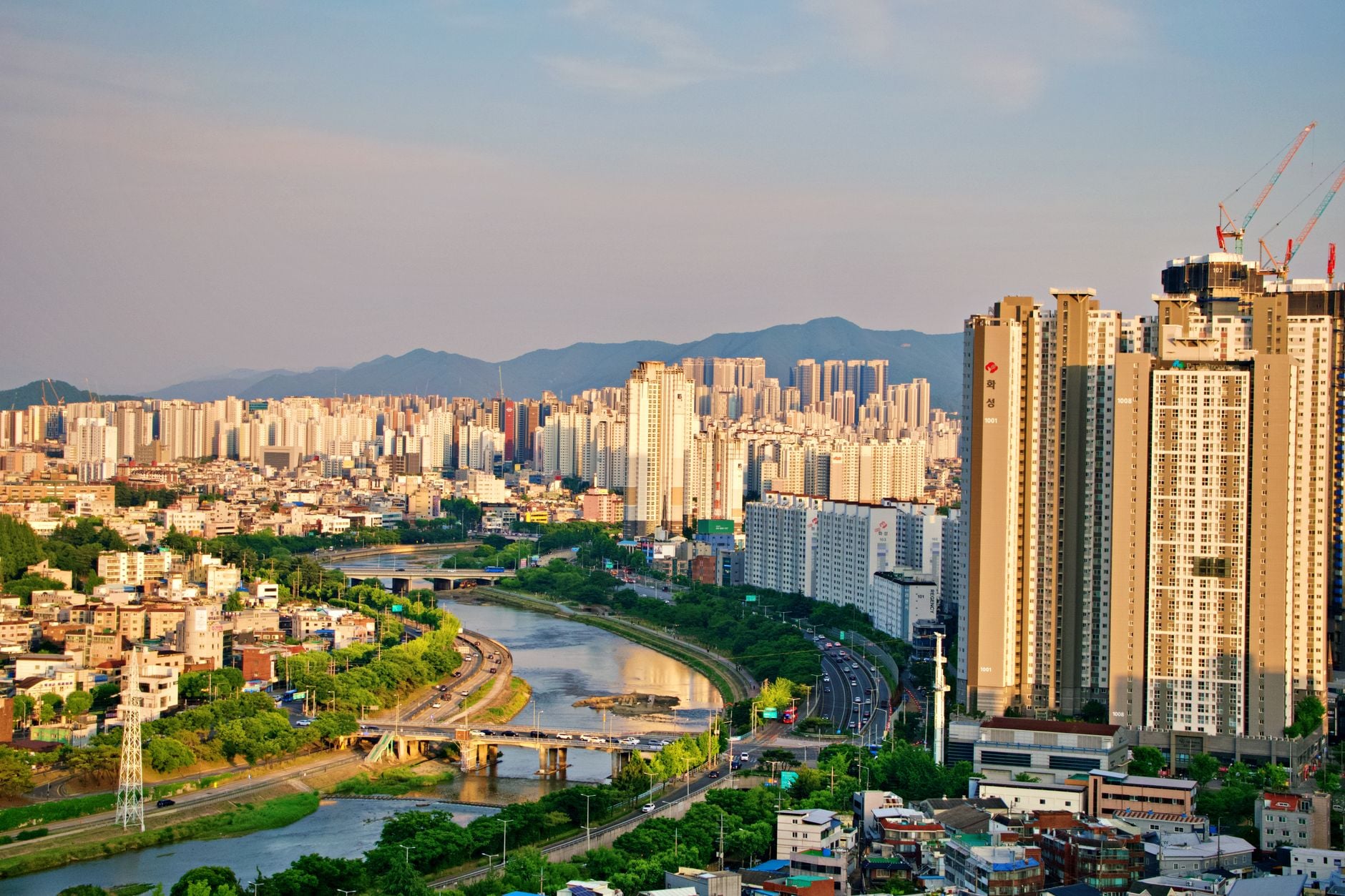
Daegu, located in southeastern South Korea, is the country's fourth-largest city with a population of around 2.4 million. While it doesn't have the international visibility of Seoul, the city has a genuine, if smaller, LGBTQ+ community. Understanding the scene requires knowing both where to find it and the broader context of LGBTQ+ life in South Korea.
History and Context
South Korea has made significant strides in LGBTQ+ acceptance over the past two decades, though it remains a conservative society with no national anti-discrimination law protecting sexual orientation or gender identity. Despite this, younger generations are increasingly open-minded. Daegu's LGBTQ+ scene emerged gradually from the 1990s onward, with most activity historically concentrated in Seoul. However, the internet and social media have enabled communities to form in secondary cities. Daegu's scene developed organically around certain neighborhoods and became more visible in the 2000s.
Key Neighborhoods
Dongseongno (동성로) is the primary LGBTQ+ social hub in Daegu. Located in Jung-gu (central district), this historic downtown area has undergone revitalization and naturally attracted LGBTQ+ venues and gathering spaces. The neighborhood is characterized by narrow streets, small restaurants, bars, and cafes. While Dongseongno hosts the annual Pride parade and much of the city's general nightlife, Daegu's actual cluster of gay bars sits a short distance east: a small bar alley along Dongbu-ro 28-gil in Sincheon-dong (Dong-gu), directly opposite Dongdaegu Station. Several gay bars — including SO BAR, Dope, 1인2역, STAY and Lux One-Shot Bar — are within a couple of blocks of one another there, making bar-hopping easy. Dongseongno is reached via Daegu Metropolitan Subway Line 1 (Jungangno or Banwoldang stations); the gay-bar alley is by Dongdaegu Station on Line 1.
The neighborhood surrounding Daegu's universities, particularly in the northern parts of the city, also has some LGBTQ+ friendly cafes and student-oriented venues, though these are less concentrated than Dongseongno.
Venues and Nightlife
Daegu's gay venues include small bars, clubs, and karaoke establishments (noraebang). The scene is intimate rather than expansive—venues tend to be basement-level bars or small clubs that can feel like private spaces. Popular types of establishments include:
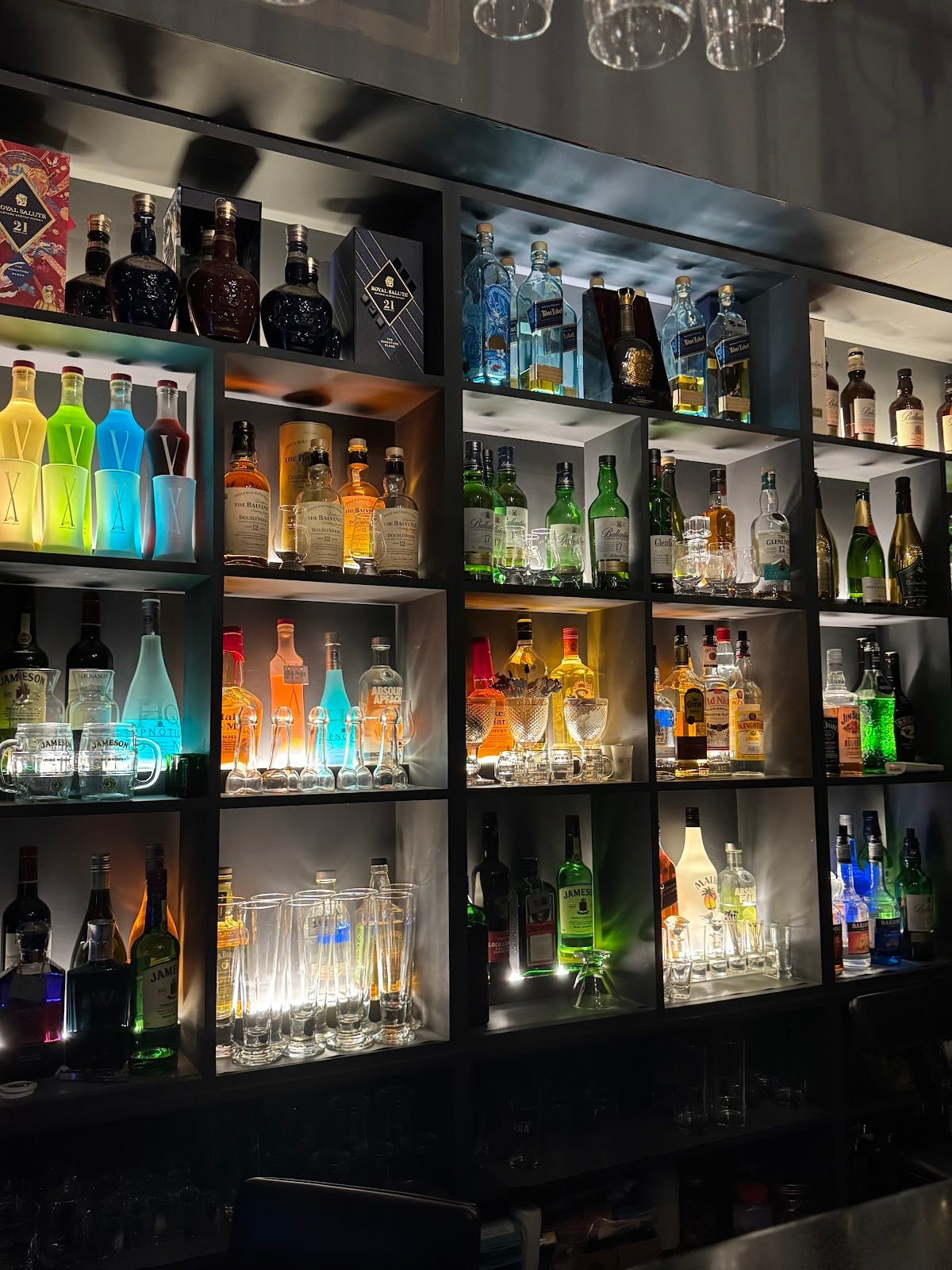
Gay bars: Small venues where locals gather, typically operating from evening into late night. These are social spaces where conversation and karaoke are central activities. Most serve beer, soju (Korean spirit), and mixed drinks.
Clubs: A few dance clubs in Dongseongno cater to LGBTQ+ clientele, particularly on weekends. These tend to be smaller than major Seoul clubs but offer good music and atmosphere.
Noraebangs (karaoke): LGBTQ+ friendly karaoke rooms are common; these private, rented rooms are a major social activity in Korean culture.
Cafes and restaurants: An increasing number of cafes and dining establishments in Dongseongno are LGBTQ+-owned or friendly.
While specific venue names change due to closures and openings, travelers should check current resources like GagaGu (a Korean LGBTQ+ social app) or local online forums for up-to-date venue information and recommendations. Many venues are not extensively advertised to tourists and are best discovered through local connections or online communities. For bathhouse culture, Taepyeong Sauna near Daegu Station is the venue most often identified within the local gay community. Community life is anchored by organizations such as Rainbow Human Rights Solidarity (무지개인권연대) and the Daegu Queer Culture Festival Organizing Committee.
Daegu Queer Culture Festival (대구 퀴어문화축제), typically held in September, is the city's major annual LGBTQ+ event. First held in 2009, it is South Korea's second-oldest Pride after Seoul. The festival includes a parade through central Daegu (though the exact location varies year to year), performances, film screenings, and cultural events. Participation has grown over the years, though the festival remains smaller than Seoul Queer Culture Festival. The festival serves as both celebration and advocacy, with both supporters and conservative protesters historically present. Despite challenges, it continues as an important visibility marker for the local community.
Other events include smaller film festivals, discussion panels, and community gatherings organized by local LGBTQ+ organizations and student groups.
Where to Stay
Dongseongno area: Staying in or near this neighborhood puts travelers close to the gay scene. Budget hotels and guesthouses are readily available at reasonable prices.
Jungangno Station area: Close to Dongseongno with good subway access and numerous accommodation options.
Banwol Station vicinity: Another convenient area with access to downtown and LGBTQ+ venues.
Main districts: Hotels in central Daegu around Daegu Station or in modern districts like Suseong-gu offer comfort and accessibility, though they're further from the gay scene.
Accommodation in Daegu is significantly cheaper than Seoul. Budget guesthouses (jjimjilbang) start around 30,000 KRW per night, while mid-range hotels range from 80,000–150,000 KRW. English-speaking staff are common in central areas.
Daegu is a safe city by international standards with low crime rates. However, LGBTQ+ travelers should be mindful of social attitudes. While younger generations are increasingly accepting, public displays of affection between same-sex couples may attract attention or negative reactions in some contexts. Dongseongno and university areas are more progressive; other areas less so.
Transgender individuals and those who don't conform to gender norms may face more challenging situations. Healthcare providers are generally professional but may lack experience with transgender health issues.
Violence against LGBTQ+ people is rare but discrimination in employment and housing is possible for long-term residents. Short-term travelers are unlikely to encounter serious problems, though discretion in non-LGBTQ+ spaces is advisable.
Transportation
Daegu Metropolitan Subway: A clean, efficient system with three lines covering major areas. Subway cards (T-money cards) can be purchased at convenience stores. Most signage includes English. The system is affordable at around 1,250 KRW per ride for shorter distances.
Buses: Extensive bus network covering the entire city. Less tourist-friendly than subway but very comprehensive.
Taxis: Readily available and inexpensive. Drivers generally don't speak English, so having destinations written in Korean is helpful.
Bikes: Daegu has bike rental programs and is relatively bike-friendly in certain areas.
Renting a car is unnecessary for tourists focusing on central Daegu and day trips.
Food
Daegu has a strong food culture. Daegu-jjim (대구찜), a steamed fish stew, is the signature dish. Other local specialties include makchang (grilled small intestines), which is popular in the Yangnyeongsi area. Dongseongno has numerous restaurants, from casual street food vendors to sit-down establishments. Korean BBQ (galbijim, bulgogi) is ubiquitous. Vegetarian options exist but are less common; diners with specific dietary needs should learn relevant Korean phrases.
Day Trips and Nearby Attractions
Palgongsan Provincial Park: A mountain area about 40 km northeast, accessible by bus. Popular for hiking with temple sites and scenic views. Day trip accessible.
Seokbinggo: A natural ice cave area, cooler option on hot days.
Bukseongsan Provincial Park: Hiking area with less crowding than Palgongsan.
Haetsal Market (해사랑): Historic market offering traditional Korean goods and street food.
Daegu National Museum: Contemporary Korean art and cultural exhibits.
Seoul day trip: About 4 hours by KTX (Korean Train Express) from Daegu Station, making Seoul accessible for a longer excursion.
Practical Information
Language: English proficiency is lower than in Seoul. Learning basic Korean phrases is helpful. Translation apps (Naver, Kakao) are essential tools.
Currency: South Korean Won (KRW). ATMs are widely available. Credit cards accepted in most establishments.
Visa: Most Western passport holders receive 90-day visa exemptions. Check requirements based on nationality.
Internet: High-speed internet is ubiquitous. Portable WiFi routers can be rented at the airport.
Electricity: 220V, Type C and F plugs (European standard).
When to Visit
Best Time to Visit: Spring (April–May) and fall (September–October) offer pleasant weather. Daegu Queer Culture Festival in October combines good weather with a major LGBTQ+ event. Summers are hot and humid; winters are cold and can be gray.
Conclusion
Daegu offers an authentic, smaller-scale LGBTQ+ travel experience in South Korea. It's ideal for travelers seeking to understand local LGBTQ+ culture beyond the Seoul bubble, connect with a genuine community, and enjoy excellent Korean food and cultural experiences. The scene is modest but welcoming, and the city's affordability and accessibility make it an appealing destination. Visitors should approach with realistic expectations about visibility and openness while maintaining reasonable discretion, but can expect warm hospitality and memorable experiences.
Часті запитання
Тегу історично був більш консервативним містом, ніж Сеул. Хоча ЛГБТК+ спільнота стала більш помітною та організованою, варто бути уважними до свого оточення.
ЛГБТК+-сцена Тегу не має єдиного концентрованого «геївського району». Історичний центр міста, Донсонно, — це місце, де зосереджено більшість ЛГБТК+-закладів та відбувається основна активність, тоді як інші розпорошені бари й клуби можна знайти в таких районах, як Банвольдон.
Daegu Pride — щорічний фестиваль квір-культури в Тегу (대구퀴어문화축제) — проводиться щороку у вересні. Уперше його провели 2009 року, тож це другий за віком Прайд у Південній Кореї після Сеула. Парад проходить центром міста Тегу від Меморіального центрального парку 28 лютого до вулиці Dongseongno. Точні дати змінюються щороку через переговори щодо отримання дозволів, тому перед поїздкою перевіряйте інформацію на сайті dqcf.org.
У Тегу є небагато гей-заведень, зокрема барів і невеликих клубів, переважно розташованих у районі Dongseongno. Ці заклади зазвичай подають напої та можуть мати невеликі танцполи або лаунж-зони. Деякі сауни також відомі як місця, які відвідують або орієнтовані на геїв.
Спільнота ЛГБТК+ у Тегу зазвичай використовує онлайн-платформи та додатки для пошуку й обміну інформацією про місця, оскільки сцена є неформальною, а заклади можуть змінюватися. Додатки для знайомств, такі як Hornet і Grindr, є основними способами спілкування.
ЛГБТК+ спільнота в Тегу менша, ніж у Сеулі. Це означає меншу анонімність, але водночас потенційно більш автентичні соціальні зв’язки.
Ваші налаштування конфіденційності.
Ми використовуємо файли cookie для роботи GayOut і, за вашою згодою, для вимірювання використання. Докладніше
Ваші налаштування конфіденційності
Ми використовуємо файли cookie, щоб забезпечити роботу GayOut, зберігати ваші налаштування та (за вашої згоди) вимірювати використання сайту. Ви можете прийняти всі, відхилити всі або обрати, що саме дозволяєте. Докладніше
Необхідні
Потрібні для входу в систему, запобігання шахрайству, захисту від CSRF та збереження вашої мовної локалізації. Не можуть бути вимкнені.
Завжди увімкнено
Запам’ятовують ваші улюблені місця, темний режим та інші налаштування інтерфейсу між візитами.
Допомагає нам зрозуміти, які сторінки відвідують користувачі (Google Analytics, серверна статистика), щоб ми могли покращувати сайт.
Використовується пікселями відстеження кампаній. Наразі жоден не активний, зарезервовано для майбутнього використання.
Встановити GayOut
Додайте GayOut на головний екран для швидшого доступу, офлайн-збереження улюблених та сповіщень про Pride.


 Геї-бари та клуби
Рекомендовано