


![FERAL★ [FLASH MELBOURNE]](https://static.wixstatic.com/media/e869d9_729bbcee6ed64253881848d9cfe57f72%7Emv2.png/v1/fit/w_2500,h_1330,al_c/e869d9_729bbcee6ed64253881848d9cfe57f72%7Emv2.png)














In this guide · 15 sections
- Smith Street: the scene today
- Midsumma Festival
- How Melbourne differs from Sydney
- Australia's legal record
- When to go
- Bars
- Saunas
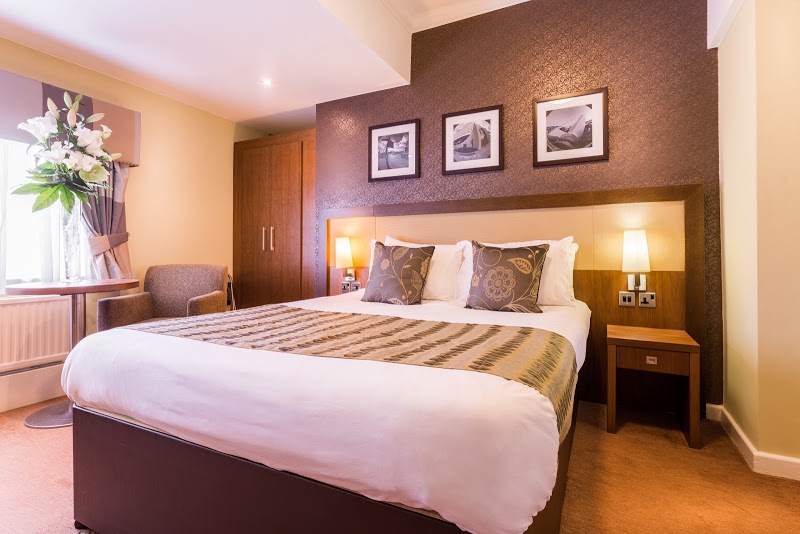
- Hotels
- Events
- Practical notes
- FAQ
- Where is Melbourne's gay scene?
- What is Midsumma Festival?
- How does Melbourne's gay scene differ from Sydney's?
- When is the best time to visit Melbourne for LGBTQ+ travel?
Smith Street: the scene today
Melbourne's gay life used to run along Commercial Road, a strip through Prahran and South Yarra in the inner south-east. Through the 1980s and 1990s that was the whole scene, anchored by the Market Hotel and the Xchange Hotel. Both closed around 2011, and the centre of gravity moved north. Today the heart of queer Melbourne is Smith Street, on the Fitzroy-Collingwood border, with venues spreading through the inner north and out to Footscray in the west. Commercial Road still has the odd long-running spot, but it is a historic strip now rather than the live district it once was.
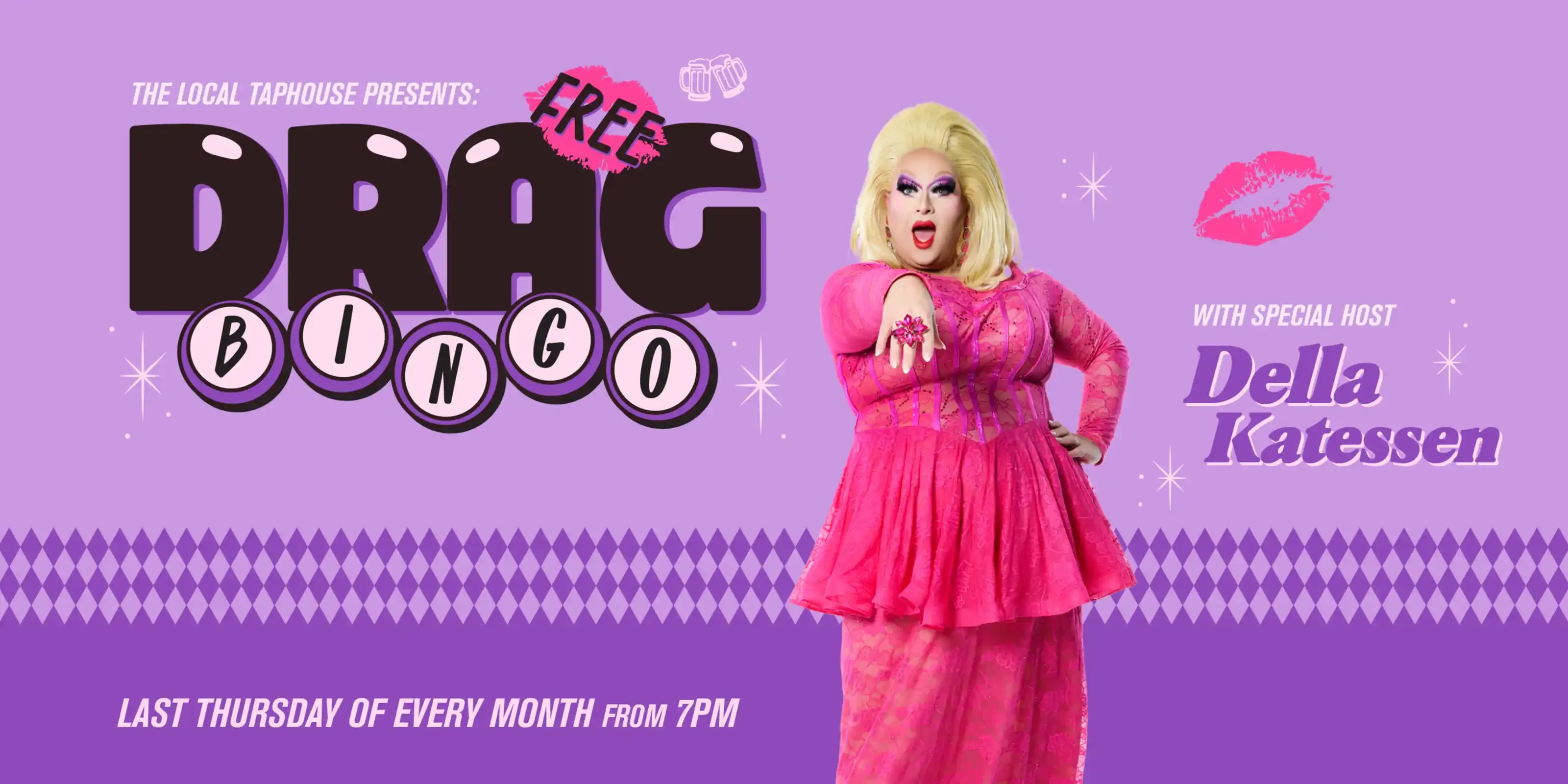
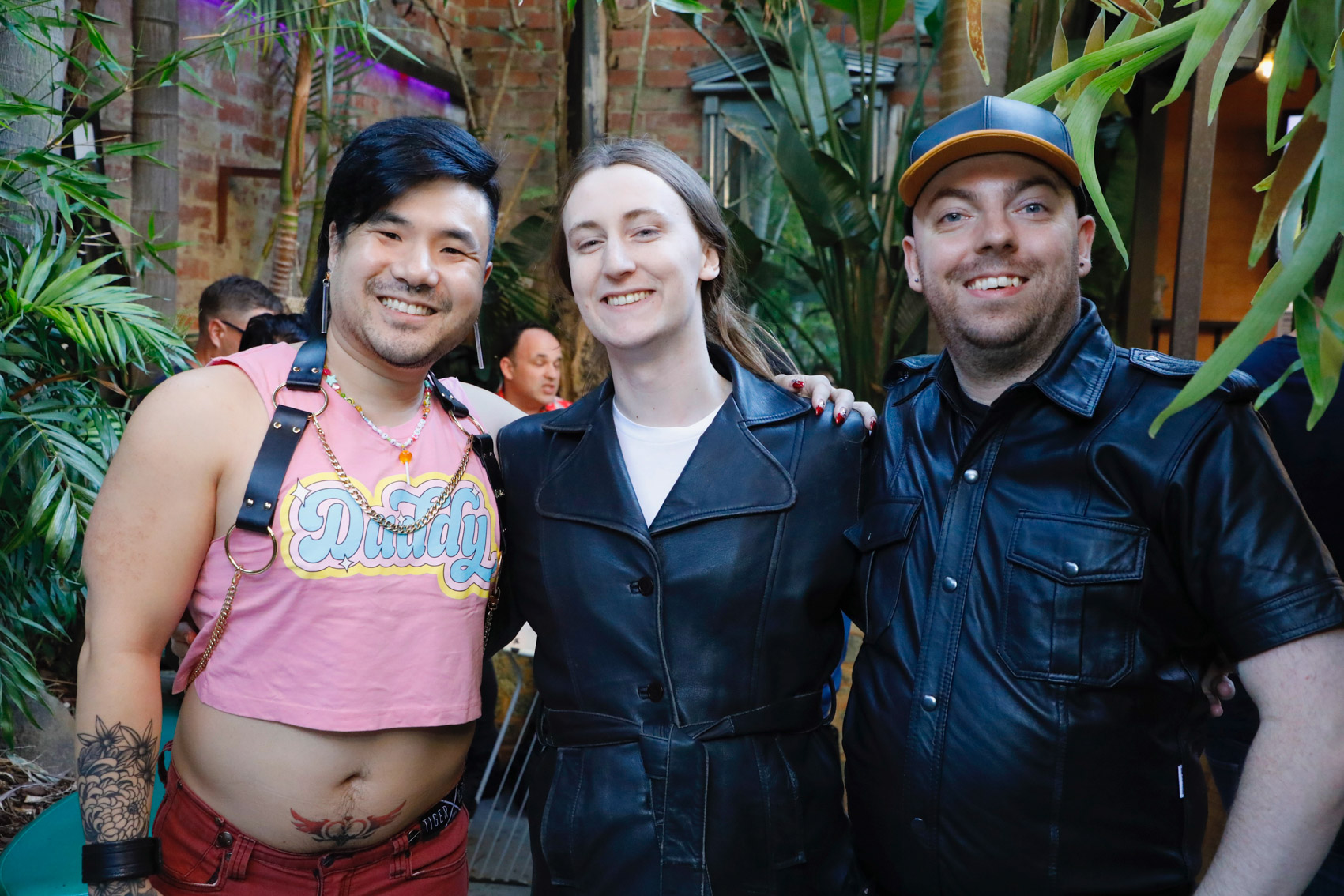
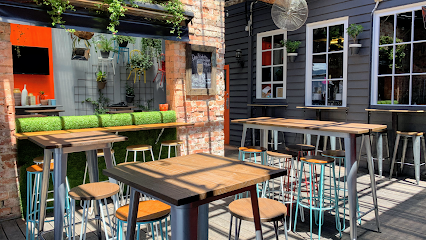
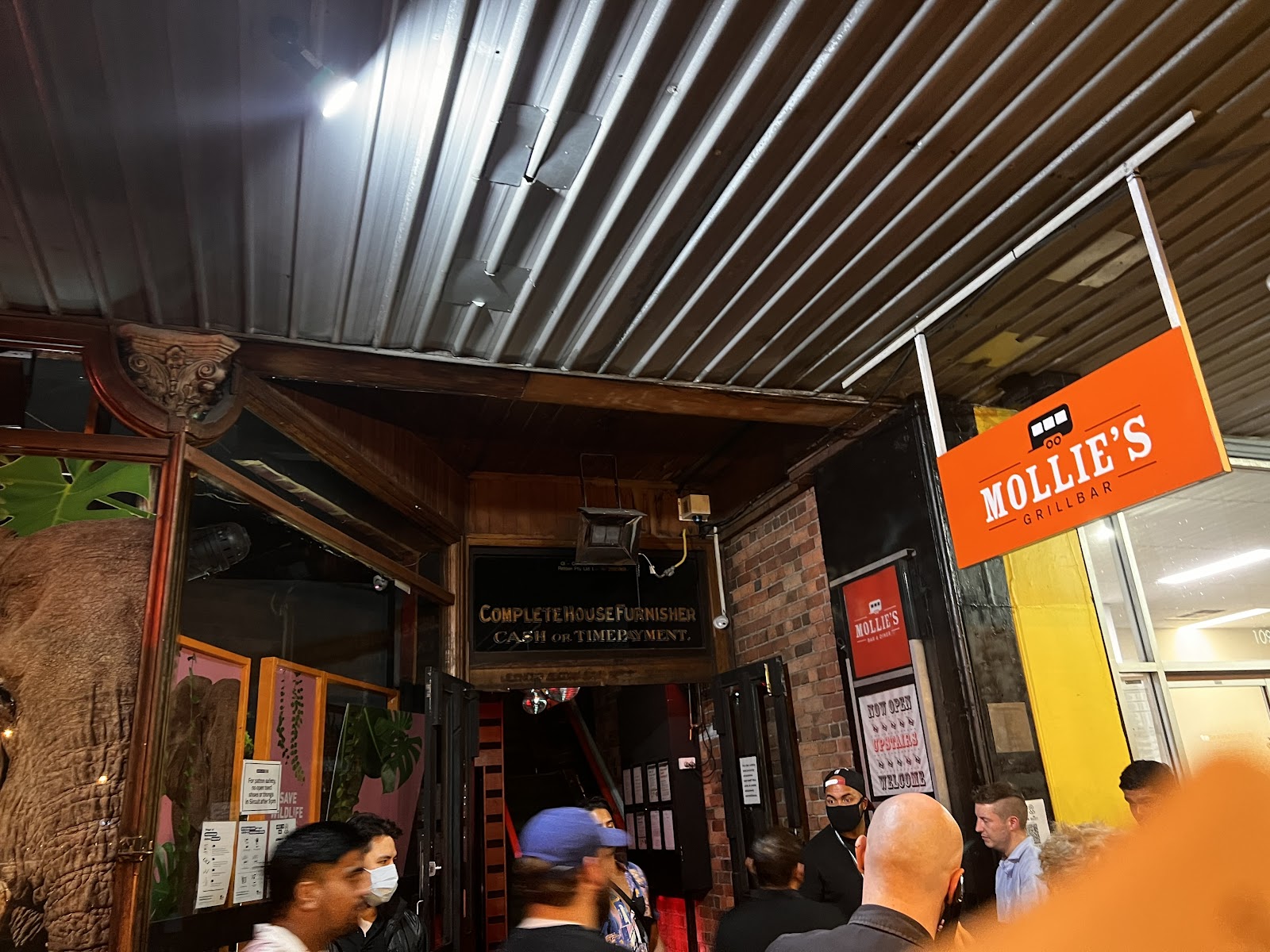
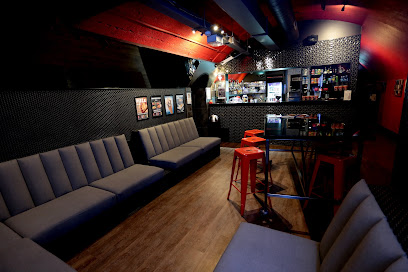
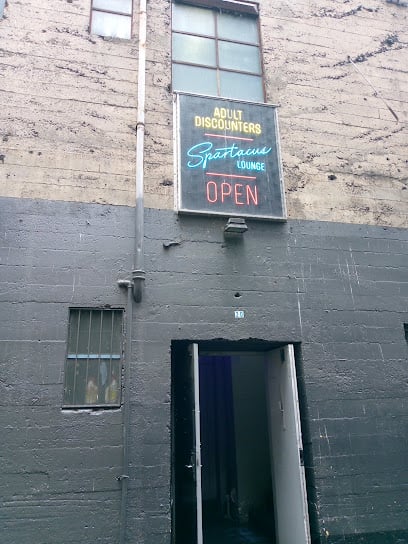
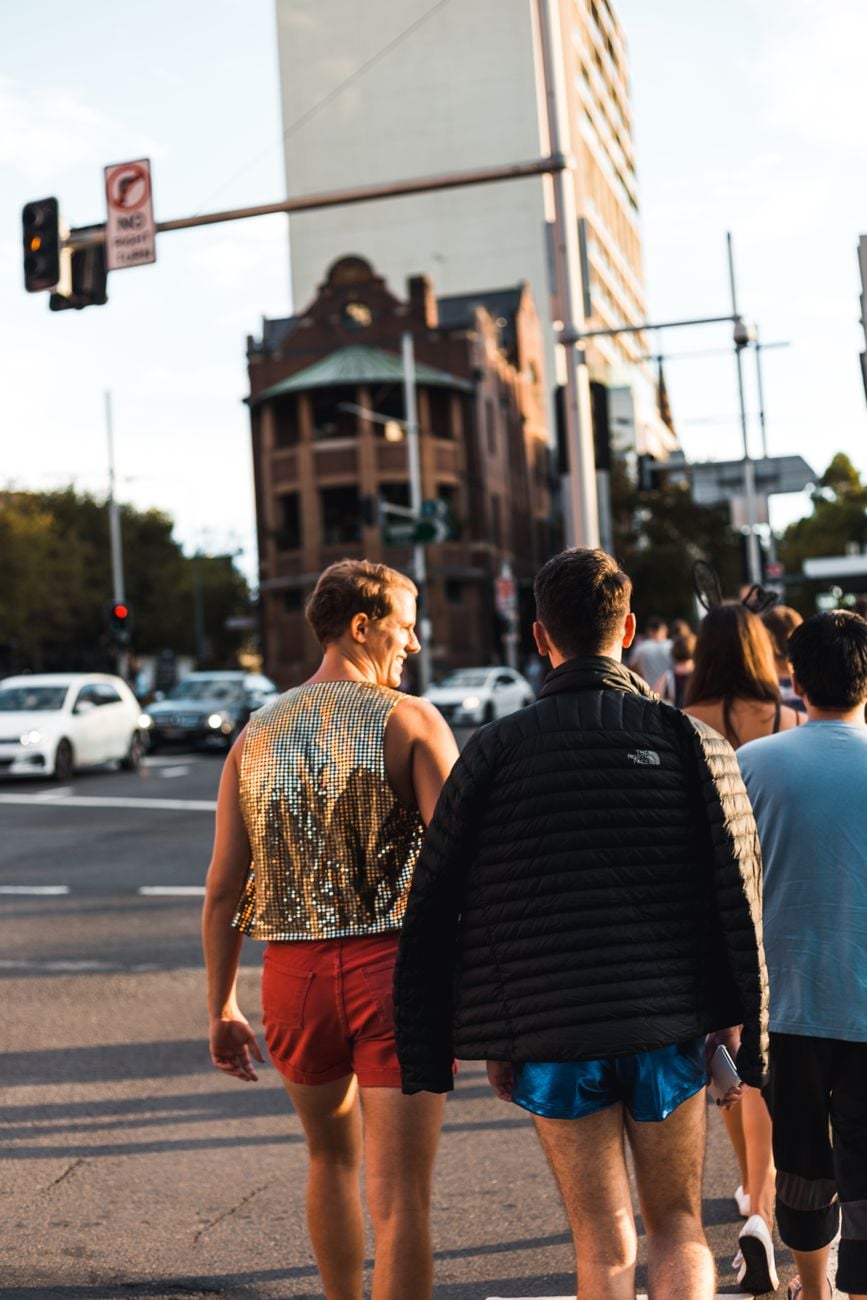
Smith Street and the streets around it hold the explicitly queer venues: dance bars, drag rooms, a cabaret bar, a cruise room and men-only pubs, most within a short walk or a single tram ride of each other. People who live in the inner north go out in the inner north, and that is where a visitor will find the densest, most reliably queer night out.
Midsumma Festival
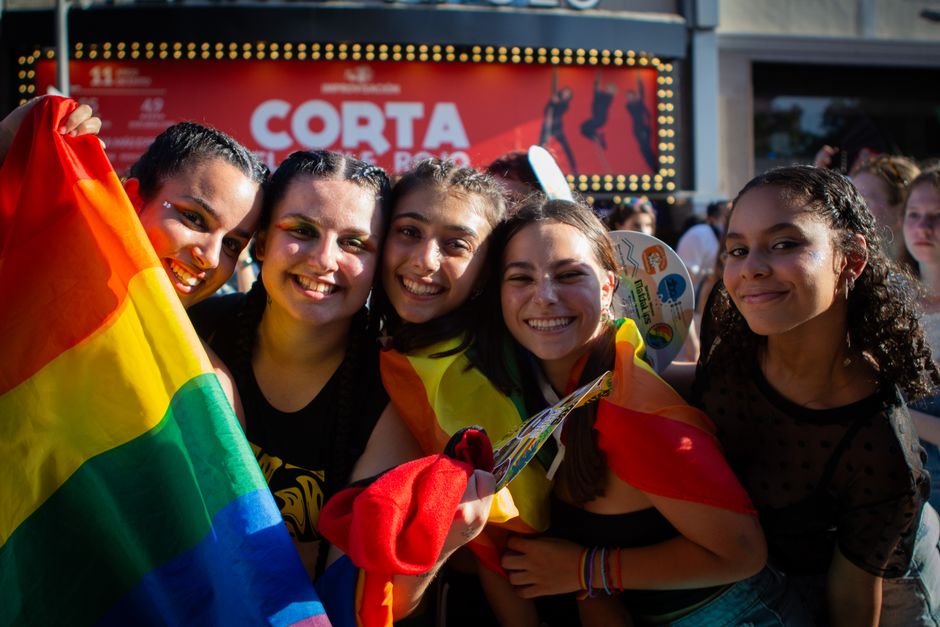
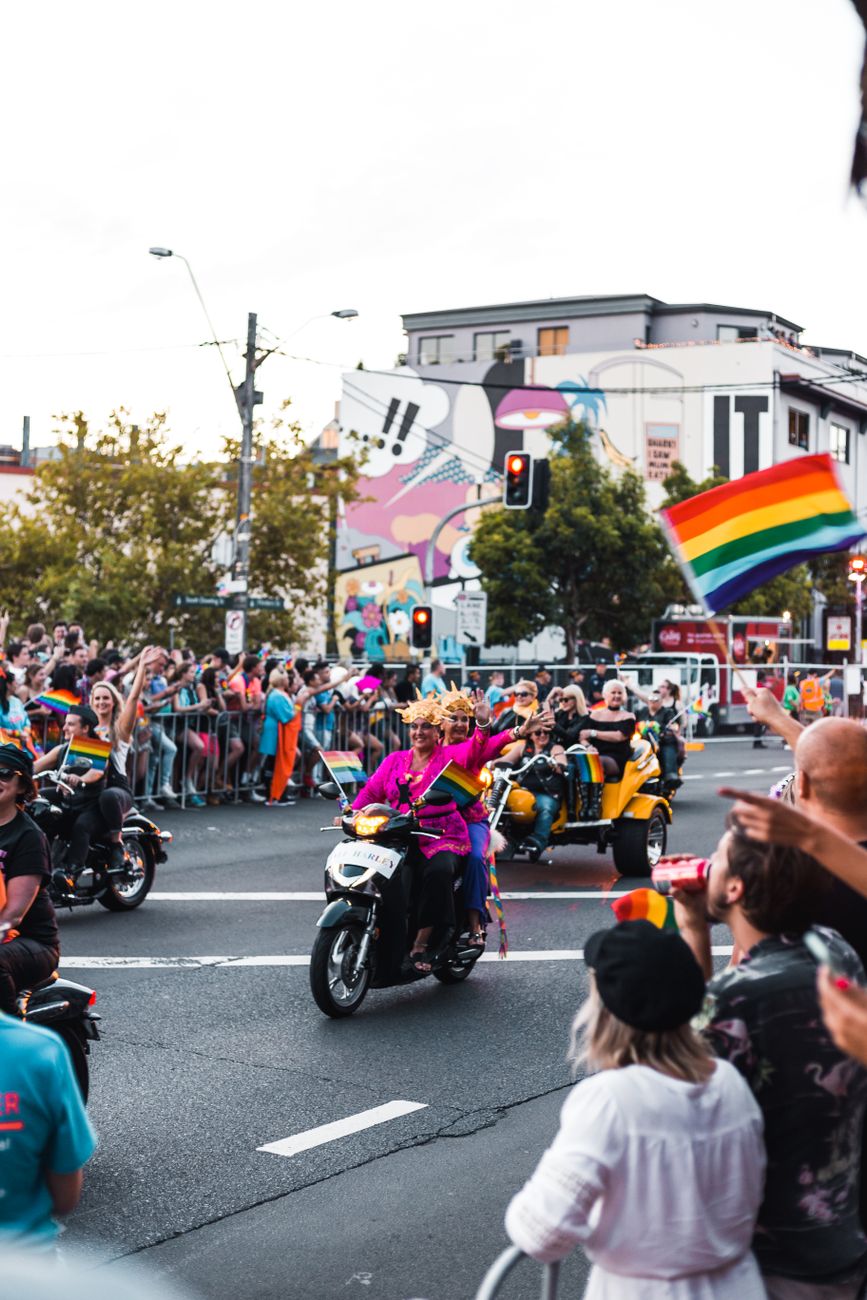
Midsumma Festival is Melbourne's main LGBTQ+ event. It runs from mid-January to early February — 18 January to 8 February in 2026 — for about three weeks. It is primarily an arts festival: theatre, visual art, performance, cabaret, music and community events across dozens of venues. It opens with the Midsumma Carnival, a big outdoor community day at Alexandra Gardens, and closes with the Midsumma Pride March through St Kilda's Fitzroy Street. In March, the rural town of Daylesford hosts ChillOut, Australia's largest regional queer festival, over the Labour Day long weekend.
How Melbourne differs from Sydney
Melbourne and Sydney are forever compared, and it extends to the gay scene. Sydney's is historically bigger and more commercial, built around Oxford Street and the Sydney Gay and Lesbian Mardi Gras, Australia's best-known LGBTQ+ event internationally. Melbourne's scene is less beach-and-parade, more arts-and-culture, spread through the inner-city suburbs rather than concentrated on one strip. Midsumma is an arts festival; Mardi Gras is a parade. Melbourne's winters are cold, and its culture leans indoors — cafes, bars, theatres and music. Most visitors also rate the coffee and food ahead of Sydney's.
Australia's legal record
Australia passed marriage equality in December 2017 after a national postal survey. Victoria decriminalised homosexuality in 1981 and has strong anti-discrimination protections. Melbourne's day-to-day atmosphere is open and there are no areas to avoid.

When to go
January to early February for Midsumma is the peak LGBTQ+ season. Melbourne's summer (December to February) is warm but can spike above 40°C before a cool change. Autumn (March to May) is the city at its best: mild, less crowded, in its daily rhythm.
Bars
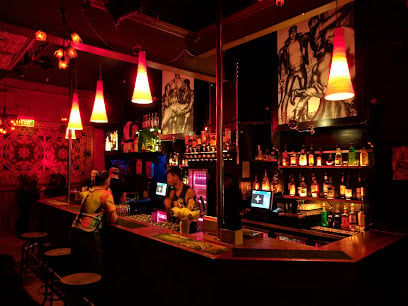
- Sircuit Bar — Long-running Smith Street dance bar and one of the anchors of queer Collingwood.
- The Peel Hotel — A Melbourne institution in Collingwood, part pub, part late-night dancefloor.
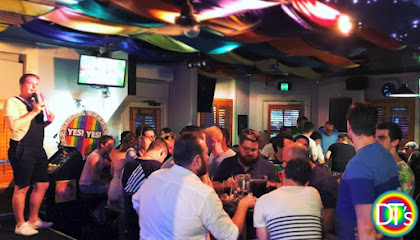
- DT's Hotel — A relaxed, welcoming gay pub in Richmond.
- Subway Sauna — CBD men-only sauna, open around the clock.
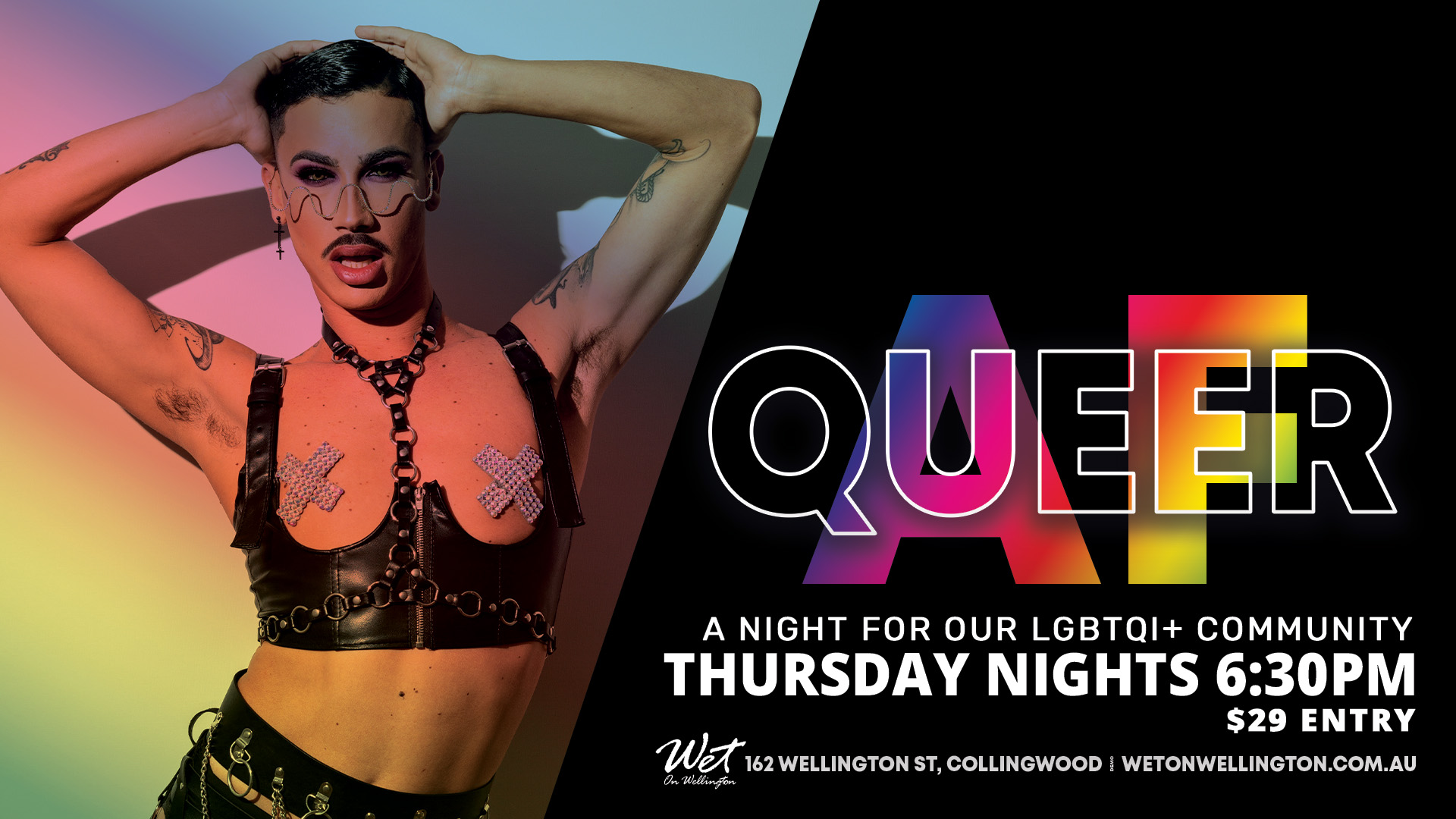
- Wet on Wellington — Collingwood men-only sauna with a full week of themed nights.
- — Just 700 metres from Etihad Stadium, Best Western Atlantis Hotel has a heated indoor swimming pool and a well-equipped fitness centre. All air-conditioned rooms come with a 32-inch flat-screen TV.
- Hotel Grand Chancellor Melbourne — Enjoy some of Melbourne CBD's best views from the heated rooftop swimming pool at Hotel Grand Chancellor Melbourne. It's in the heart of the theatre district and has 2 restaurants.
- Hotel Sophia — Just a 10-minute walk from Southern Cross Railway Station, Hotel Sophia has a restaurant and bar, a billiards table, and a 24-hour reception. Rooms are air-conditioned with satellite TV.
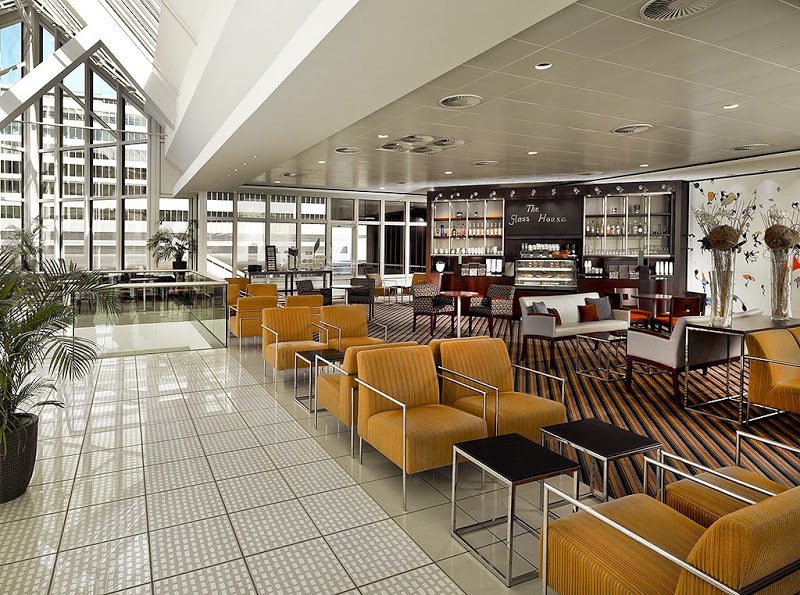
- Langham — The Langham is a five-star hotel along Melbourne's Yarra River, with a health club, full-service spa and an indoor pool.
- Mantra St Kilda Road — The Mantra St Kilda Road has a 24-hour reception, a gym and the Bistro Bakini restaurant, a short distance from the Chapel Street precinct.
- Park Hyatt Melbourne — The Park Hyatt Melbourne has 240 art-deco rooms, an indoor pool, a 24-hour gym, sauna and steam room, a day spa and the Radii restaurant.
- Pegasus Apart'Hotel — Pegasus Aparthotel is a family-friendly four-star aparthotel with a spa tub, cafe and fitness centre, within a ten-minute walk of Queen Victoria Market.
- Pensione Hotel Melbourne - by 8Hotels — Pensione Boutique Hotel has a rooftop sundeck, cafe and bar in the Melbourne CBD, with the free City Circle tram at the door.
- Getting there: Melbourne Airport (Tullamarine) is about 25km from the CBD. There's no rail link; SkyBus or taxi/rideshare gets you in.
- Transit: Trams are the primary inner-city transport and free within the CBD fare zone. The 86 tram runs the length of Smith Street.
- Cost: Melbourne is one of Australia's more expensive cities, but generally cheaper than Sydney for accommodation.
- Best months: March to May (autumn) for pleasant weather; January to February for Midsumma.
For the full breakdown, see the Melbourne gay bars guide.
Saunas
See the Melbourne gay saunas guide for details.
Hotels
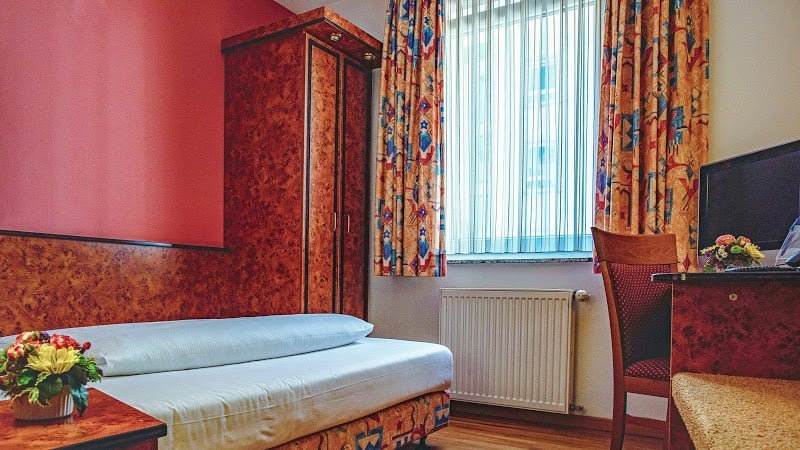
Staying in Fitzroy or Collingwood puts you in the middle of the current scene. South Yarra and Prahran suit visitors who want the Chapel Street shopping and dining strip. Trams connect both areas well to the CBD and to each other.
Events
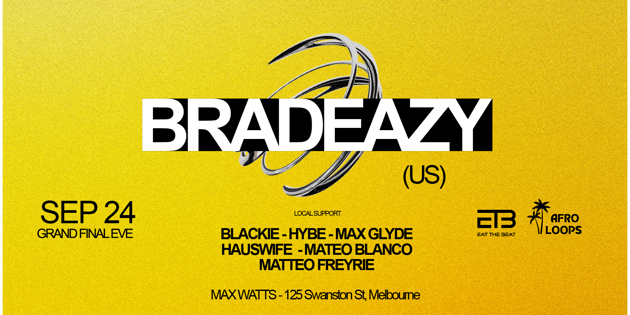
The main annual event is Midsumma Festival (mid-January to early February). The Midsumma Carnival is the outdoor community gathering; the Pride March through St Kilda closes the festival.
Practical notes

FAQ
Where is Melbourne's gay scene?
The heart of it is Smith Street, on the Fitzroy-Collingwood border in the inner north, with more venues through Collingwood, Fitzroy and out in Footscray. The old Commercial Road strip in South Yarra is now largely historic — its two big hotels closed around 2011.

What is Midsumma Festival?
Melbourne's main LGBTQ+ event, running mid-January to early February (18 January to 8 February in 2026). It's primarily an arts festival across dozens of venues, opening with the Midsumma Carnival at Alexandra Gardens and closing with the Pride March through St Kilda.
How does Melbourne's gay scene differ from Sydney's?
Melbourne's is less beach-and-parade and more arts-and-culture, spread through inner-city suburbs rather than one strip. Sydney has the larger, more established scene on Oxford Street and the Mardi Gras parade. Melbourne's Midsumma is an arts festival.

When is the best time to visit Melbourne for LGBTQ+ travel?
January to early February for Midsumma Festival. March to May for pleasant autumn weather and a less crowded city. Summer (December to February) is warm but can include extremely hot days.
