Everything worth knowing before you go.
Adelaide was Australia’s first jurisdiction to decriminalise male homosexuality, in 1975. That early legal move helped a small but real LGBTQ+ community put down roots in the arts, hospitality, and creative sectors. Adelaide’s queer scene is more intimate, more integrated than Sydney or Melbourne—there’s no single “gay village.” But it’s well established and welcoming, anchored each November by one of the country’s most loved queer arts festivals.
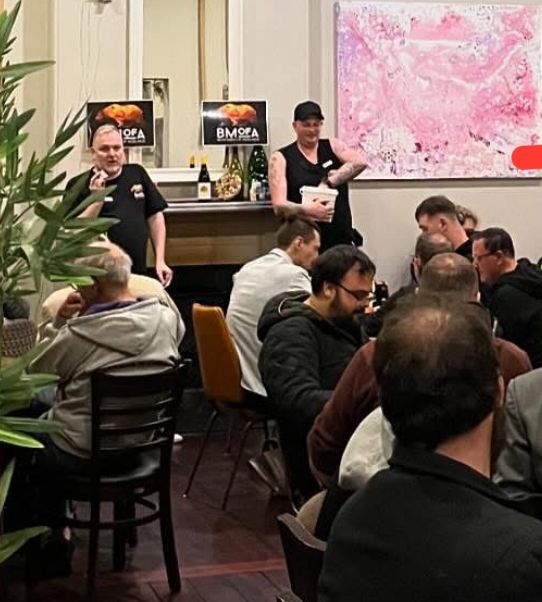
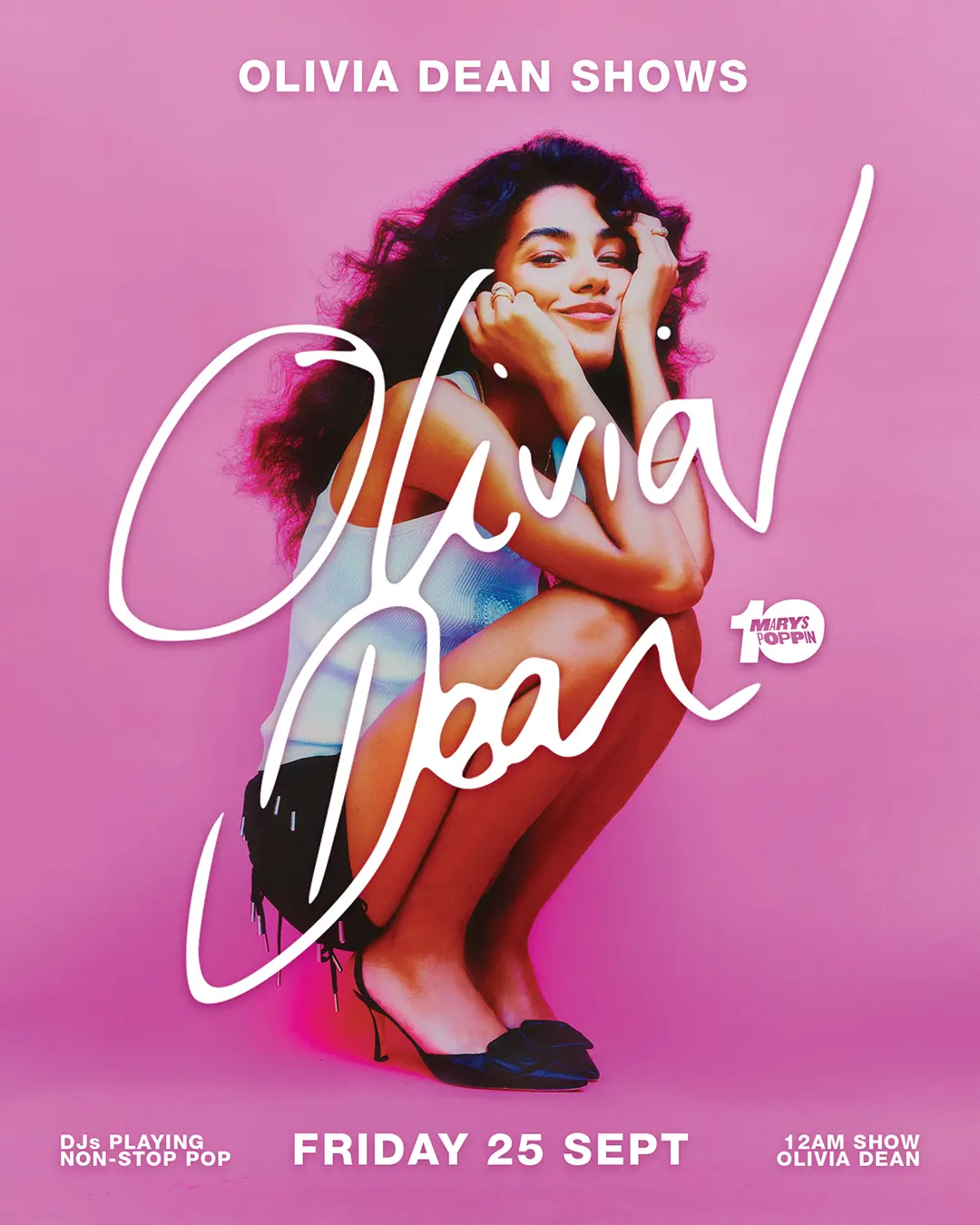
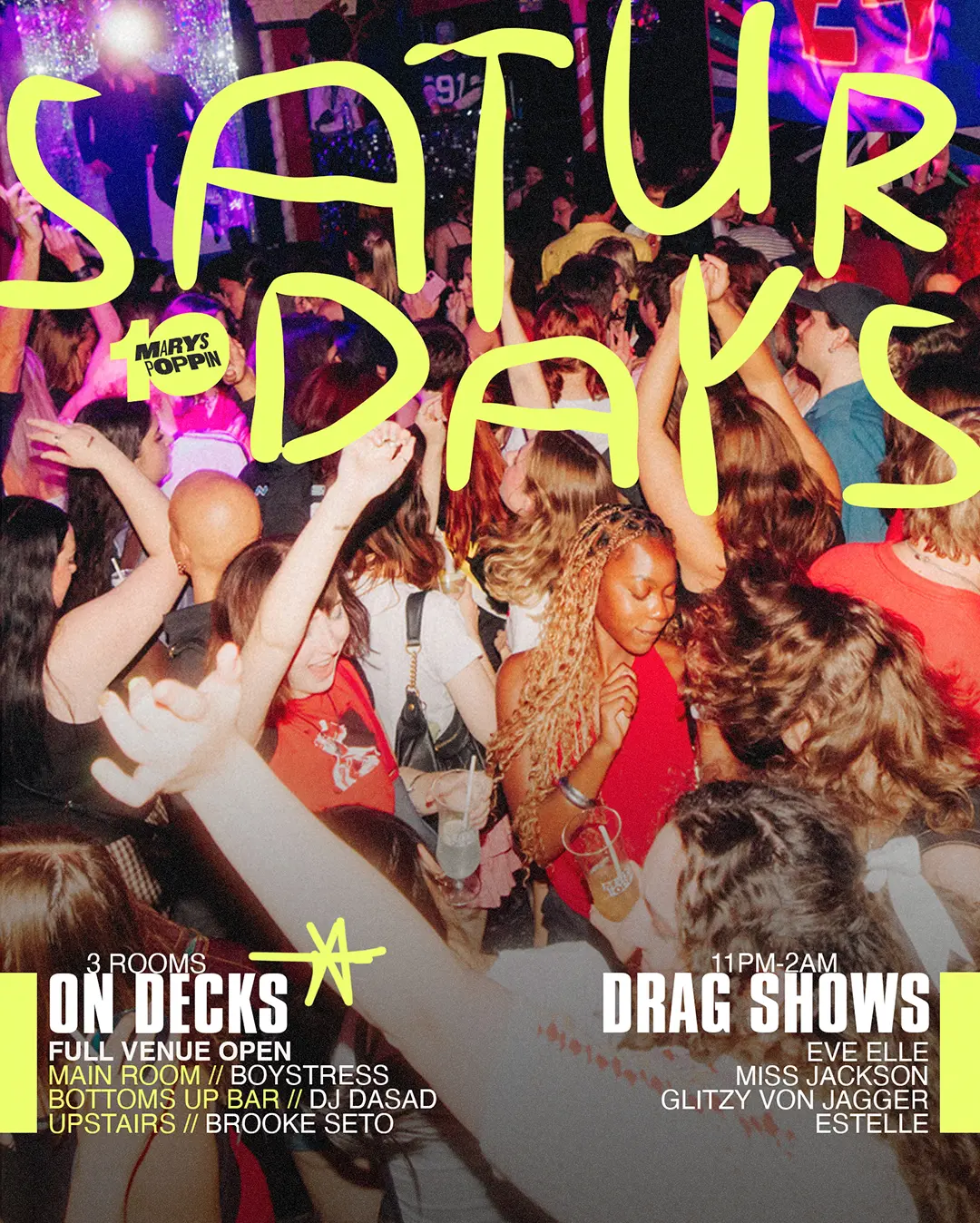
Adelaide’s queer nightlife today revolves around one dedicated club and a rotating calendar of queer nights at mixed venues. Mary’s Poppin, in Synagogue Place in the East End, is the city’s go-to LGBTQIA+ spot. Queer-owned and open since 2016, it became the gay club after the long-running Mars Bar closed in 2017. It stages drag, DJs, and party nights across multiple rooms on weekends. My Lover Cindi, a dedicated venue on Flinders Street, closed in 2024. That’s why so much of the scene now moves between welcoming mixed bars. Look for recurring queer nights like Gay Bingo and drag events around the CBD’s small-bar laneways (Peel and Leigh Streets).
For men, Pulteney 431 on Pulteney Street is Adelaide’s only gay men’s sauna. It’s one of Australia’s longest-running men-only venues, open since 1977, with a sauna, steam room, spa, cabins, and regular themed nights.
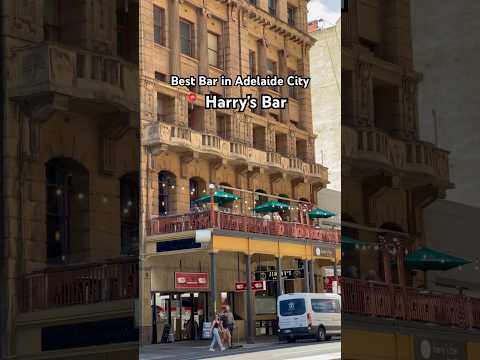
The compact CBD and inner suburbs hold almost everything of interest. The East End, around Rundle Street, is the main dining and entertainment quarter and home to Mary’s Poppin. The West End, around Hindley Street, handles much of the late-night action. The small-bar precincts of Peel and Leigh Streets are where a lot of the queer-friendly drinking happens. North Adelaide, across the River Torrens, is a quieter district of pubs, cafés, and boutique hotels.
November is Adelaide’s “Pridevember.” The centerpiece is Feast Festival, the city’s LGBTQIA+ arts and cultural festival, first held in 1997 and run by the non-profit Feast Festival Inc. In 2026, it runs from November 1 to 22 with more than 160 events: theater, cabaret, drag, film, visual art, parties, and community days. The festival opens on its first weekend with the Adelaide Pride March (organized by Pride Adelaide, first marched in 2003), South Australia’s largest single-day Pride event, which winds through the East End. Beyond November, the Adelaide Fringe (February-March)—the southern hemisphere’s largest open-access arts festival—is packed with queer-created cabaret and performance.
Pulteney 431 handles the sauna scene. For sun and sea, Maslin Beach, about 45 kilometers south on the Fleurieu coast, is Australia’s first legally designated clothing-optional beach (1975). Its far southern end is the recognized gay-popular nude stretch. Dedicated cruising “beats” have largely faded in Adelaide. The historic parkland beats around the South Parklands closed off in the mid-2000s, so the sauna and app-based meeting have absorbed most of that activity.
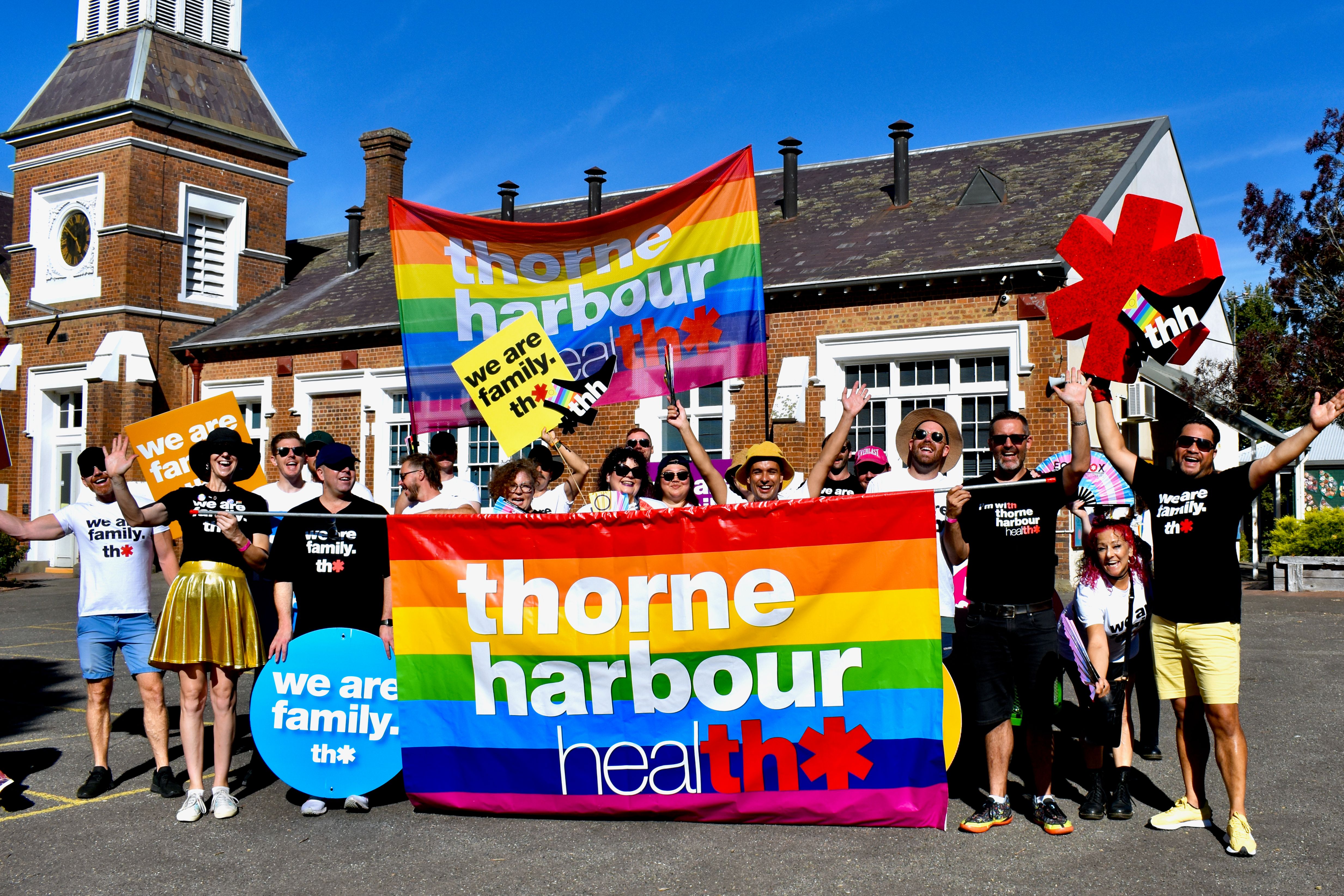
Adelaide has a strong queer support network. SAMESH (a Thorne Harbour Health and SHINE SA partnership) leads on LGBTIQA+ sexual health and HIV support. Thorne Harbour Health runs counseling, peer support, and social groups from its South Australian base. SHINE SA and Bfriend (Uniting Communities) provide sexual-health services and peer support. SA Rainbow Advocacy Alliance handles policy and advocacy. Pride Adelaide and Feast Festival Inc. drive the events calendar.
The CBD has plenty of mid-range and boutique hotels within walking distance of the East and West End scenes. Options include the Mayfair Hotel, EOS by SkyCity, The Chancellor on Currie, Mantra Hindmarsh Square, and the Grosvenor on North Terrace, with the Oval Hotel and Breakfree in North Adelaide. Book early for Pridevember, when the city fills for Feast.
Adelaide is flat and walkable, with a free City Connector bus loop, trams running from the CBD to Glenelg beach, and Adelaide Metro buses and trains to the suburbs. Taxis and rideshare are easy to find. You only really need a car for day trips to the Barossa Valley wine region, the Fleurieu Peninsula (including Maslin Beach), or the Adelaide Hills.
Adelaide is generally very safe for LGBTQ+ travelers. South Australia has strong anti-discrimination protections. Same-sex marriage has been legal Australia-wide since 2017. Public displays of affection are unremarkable in the inner city. Standard night-out precautions apply. Adelaide observes daylight saving from October to April; November brings pleasant spring weather (around 20-25 degrees)—ideal for Feast.













 Gay Bars & Clubs
Featured
(428)
Gay Bars & Clubs
Featured
(428)