Homosexuality is legal in South Korea, but same-sex marriage and partnerships are not recognised. A 2024 Supreme Court ruling extended some health-insurance benefits to same-sex partners. Military Penal Code Article 92-6 still criminalises same-sex acts among soldiers, and an anti-discrimination bill remains stalled. Seoul is safe and welcoming, with lively gay scenes in Itaewon and Jongno 3-ga, though society stays conservative.
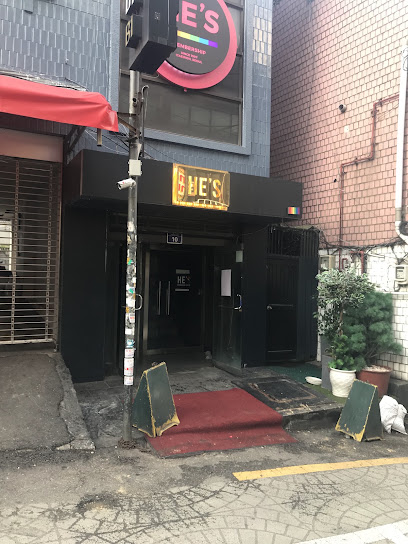
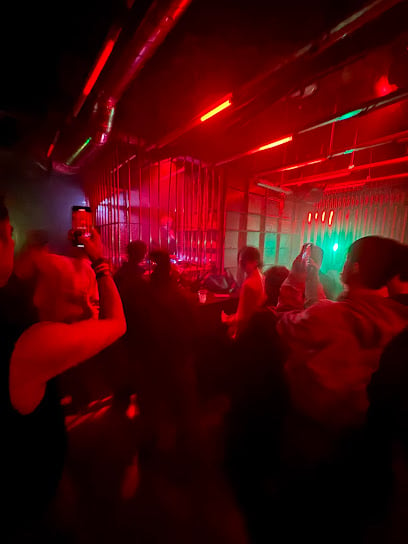
One of Homo Hill's oldest and most reliable bars. Community-rooted atmosphere, approachable crowd, and a conversational vibe that makes it the ideal starting point for a night in Itaewon's gay…
Seoul's visible LGBTQ+ community emerged gradually from the 1990s onward, developing primarily in spaces frequented by foreigners and young Seoulites seeking anonymity from Korea's traditionally conservative society. The first documented gay bar in Seoul opened in Itaewon in the late 1980s, and the neighborhood has remained the unofficial gay district ever since. While Korean LGBTQ+ activism has grown, legal protections remain limited—same-sex marriage is not recognized, and no national anti-discrimination law exists. Despite these constraints, Seoul's young generation has become increasingly accepting, and the city's queer cultural scene has expanded significantly since the early 2000s.
Key Neighborhoods
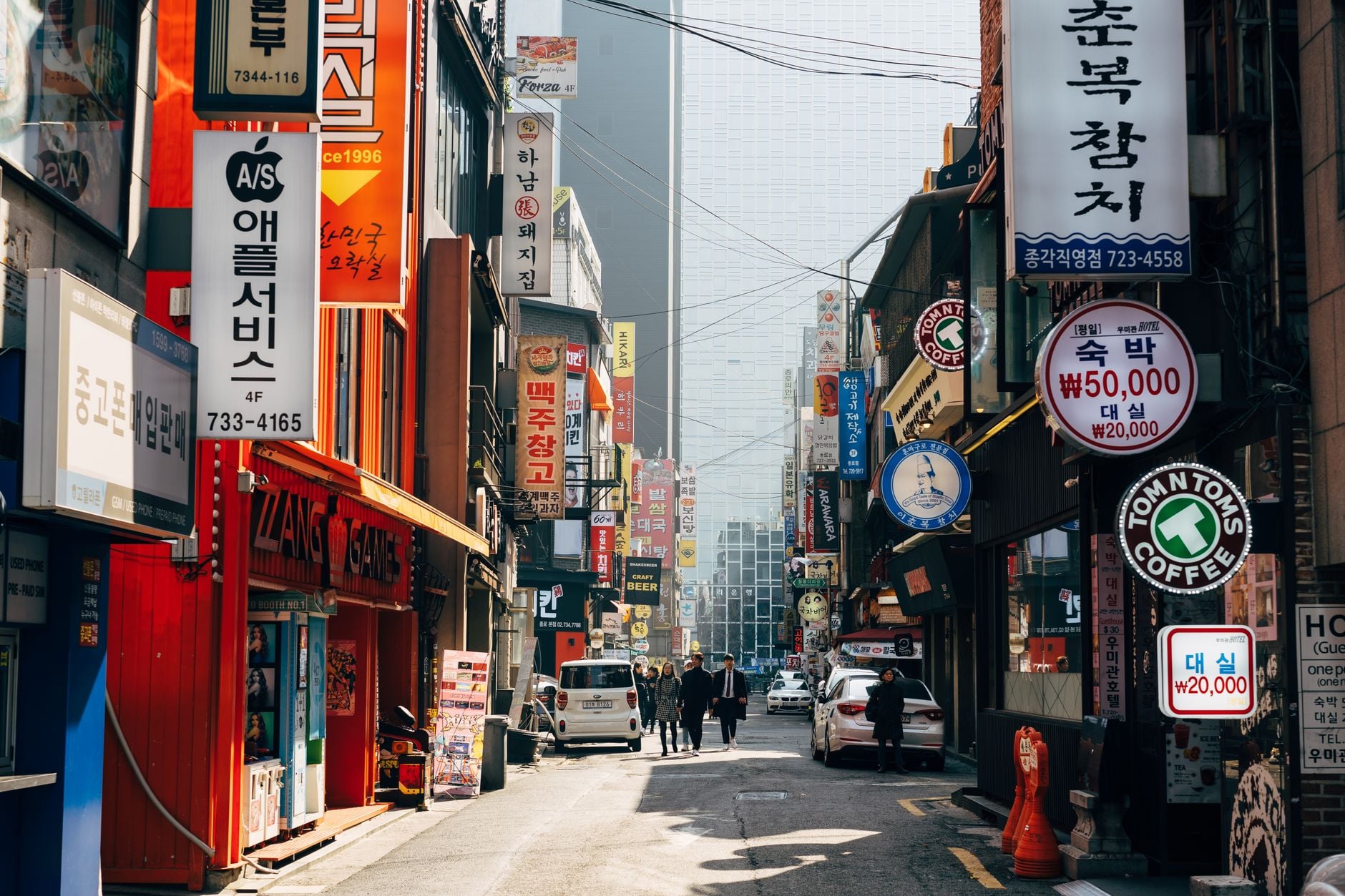
Itaewon is the primary LGBTQ+ destination, located near Seoul Station in the Jung-gu district. The neighborhood stretches along a main road with numerous side alleys ('nogeuns') containing gay bars, clubs, and casual hangouts. The area is walkable and accessible via subway Line 6 (Itaewon Station). Most English-speaking staff concentrate here, making navigation easier for international travelers.
Hongdae, in the Mapo-gu district near Hongik University, serves as an alternative queer space with a younger, artsy demographic. While less exclusively gay than Itaewon, Hongdae hosts queer-friendly cafes, galleries, and indie venues. It's accessible via subway Line 2 (Hongik University Station) and appeals to travelers seeking less commercialized, more authentic cultural experiences.
Gangnam, the wealthy southern district famous from the "Gangnam Style" song, has a growing but less visible LGBTQ+ presence. Some venues exist but are less concentrated than Itaewon.
Venues and Nightlife
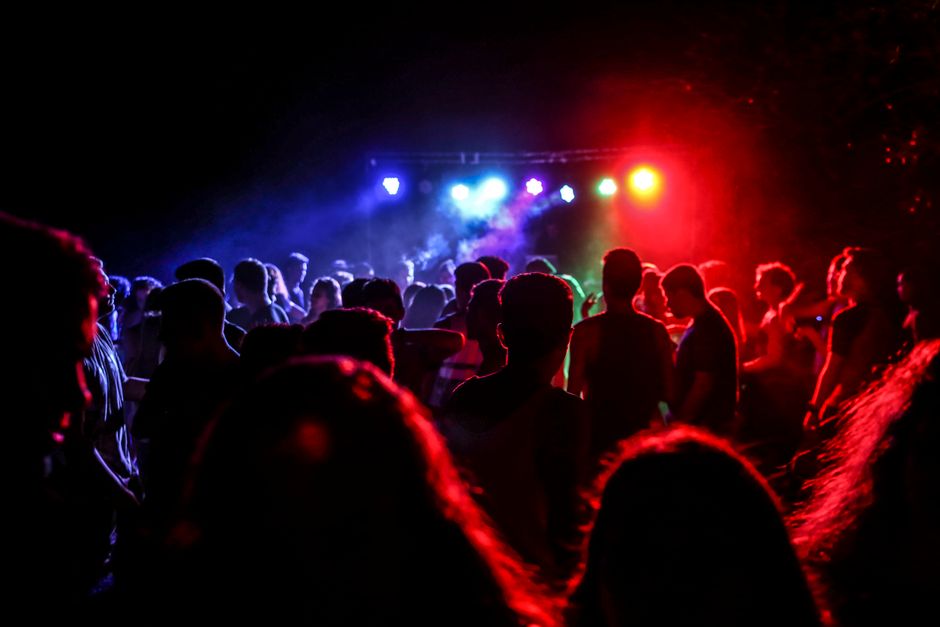
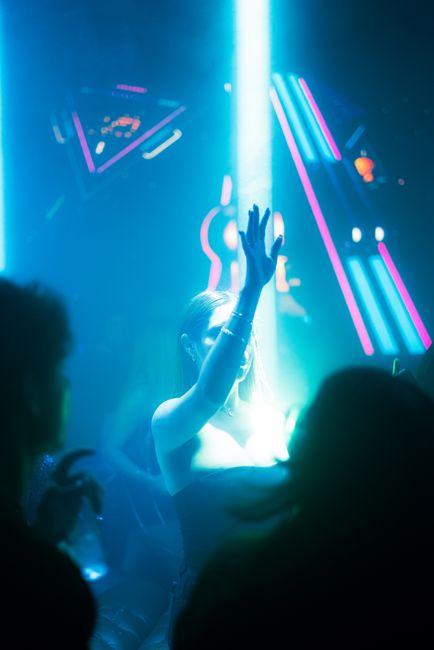
Itaewon's bar and club scene focuses on casual drinking establishments, dance clubs, and saunas. Popular spots have historically included establishments catering to different crowds—some targeting international visitors, others frequented primarily by Korean locals. The scene shifts somewhat year to year as venues close and new ones open; checking recent travel forums or local LGBTQ+ websites closer to travel dates ensures current recommendations.
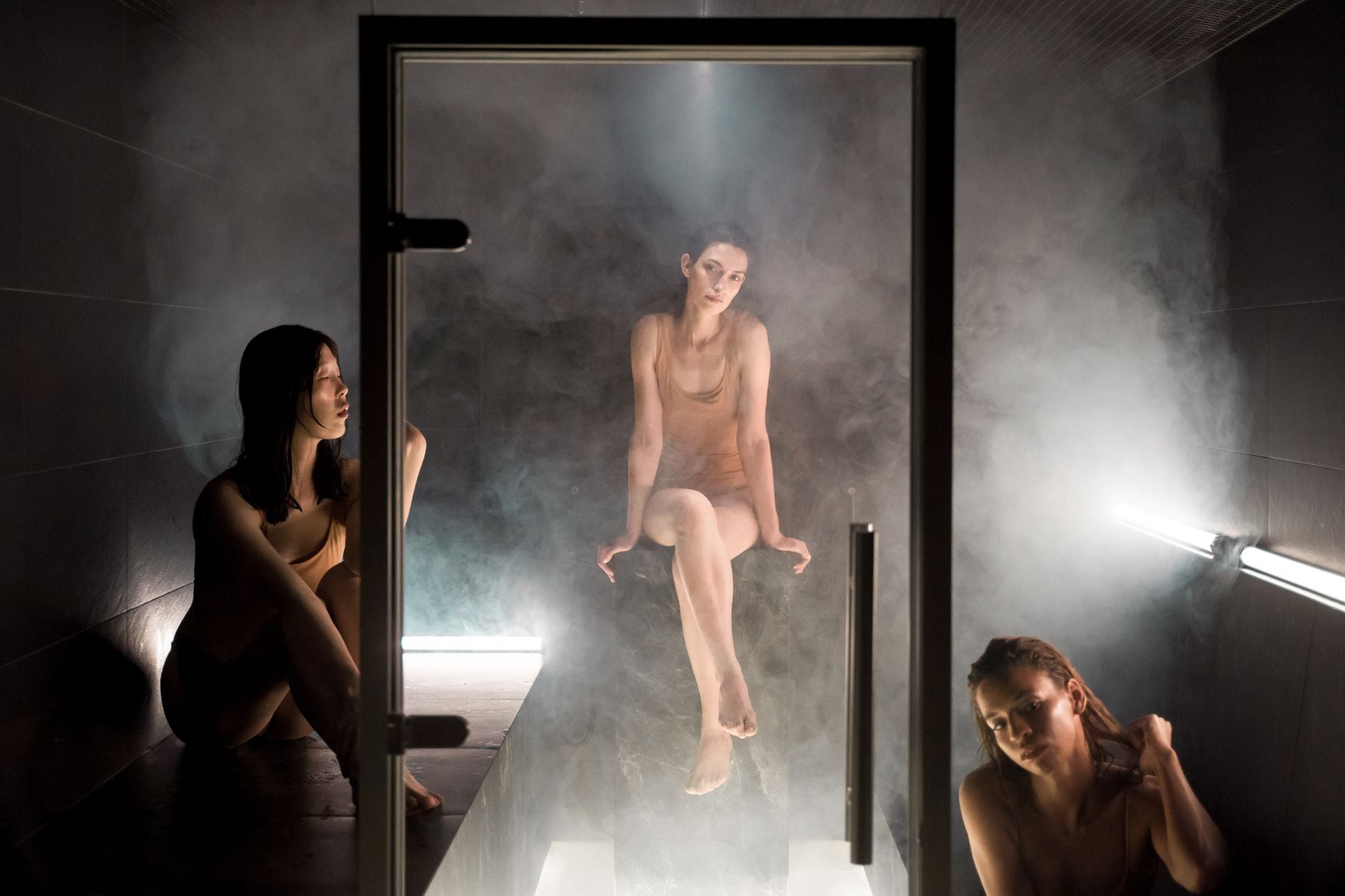
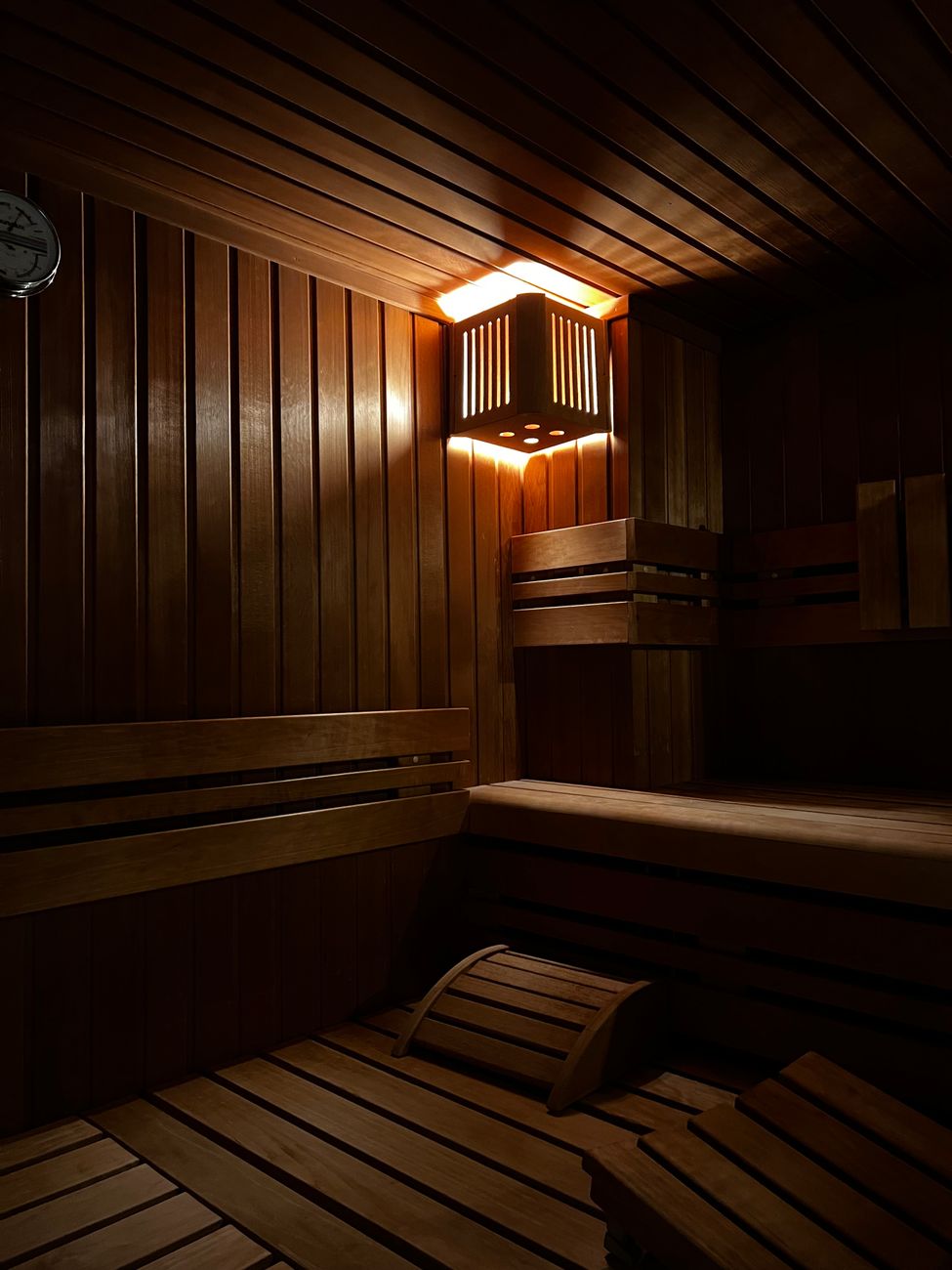
Saunas and bathhouses carry significant cultural weight in Korean gay culture as social and sexual meeting spaces. Itaewon hosts several such venues, which operate 24 hours. These function as gyms, saunas, and sleeping accommodation combined, offering affordable accommodation options—rooms can be rented by the hour or night.
Hongdae features more subdued venues: coffee shops, small bars, and live music venues with queer programming or welcoming atmospheres. These attract those seeking community over pure nightlife.
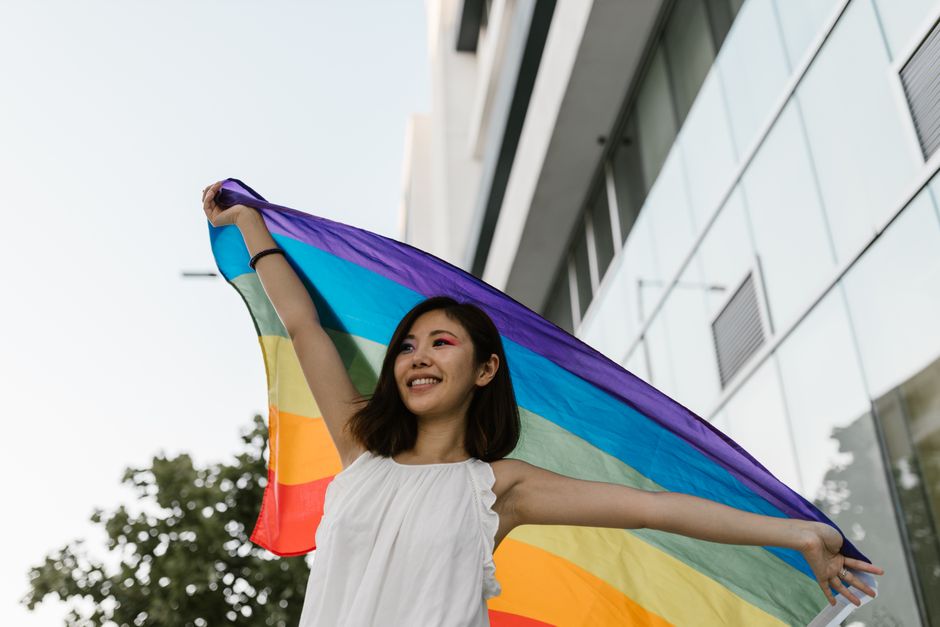
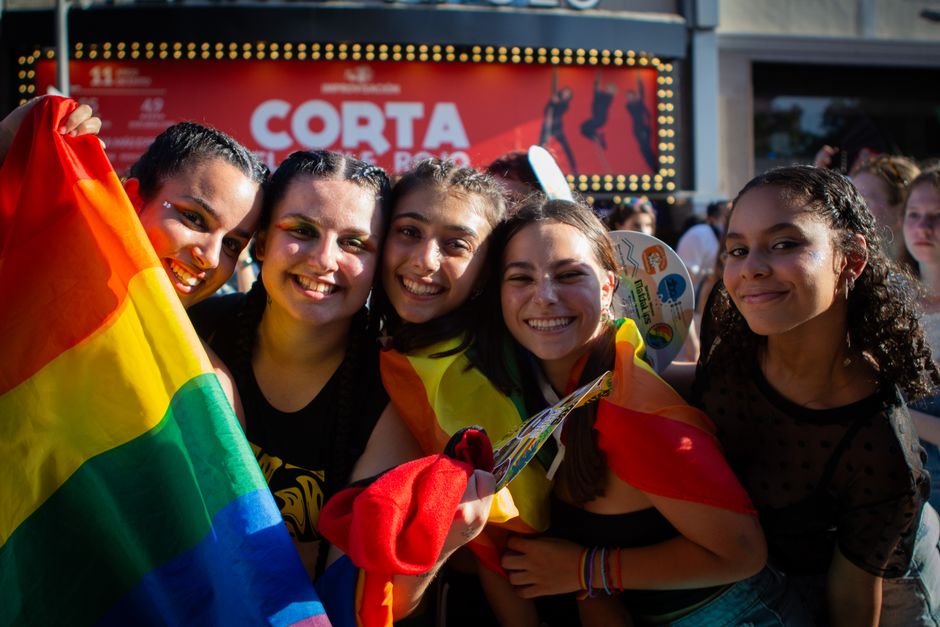
Seoul Queer Culture Festival, held annually in June, represents the city's largest LGBTQ+ event. The festival spans multiple days with concerts, cultural performances, film screenings, and a street parade. Parade routes vary but typically involve central Seoul areas. Attendance has grown to several thousand participants. The event occurs in early summer; exact dates vary yearly.
Several smaller film festivals, art exhibitions, and performance events occur throughout the year. The LGBTQ+ Film Festival typically occurs in autumn.
Accommodation
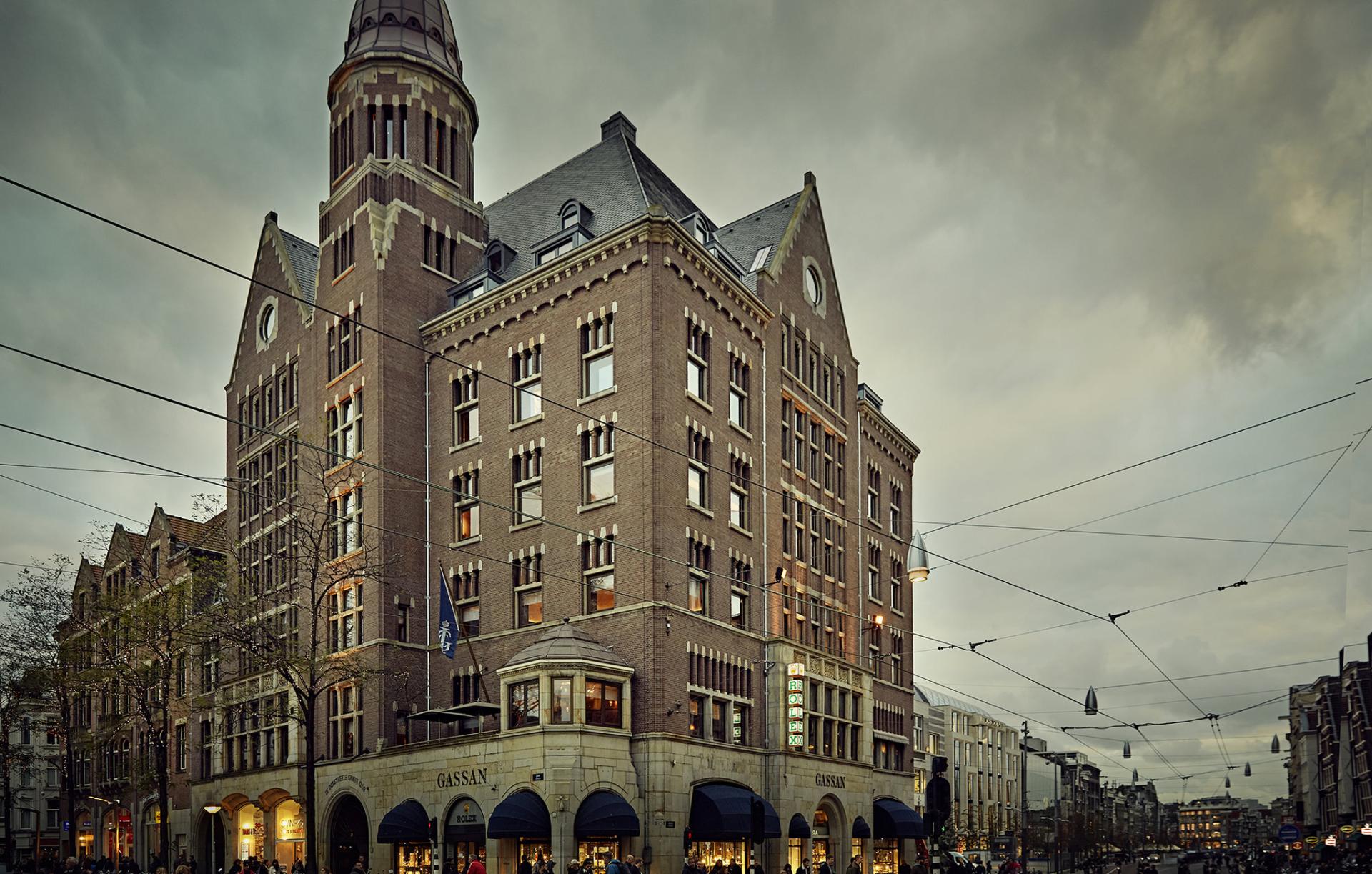
Itaewon hotels and guesthouses range from budget to luxury. Staying in Itaewon offers walkability to most venues and convenience but may feel less authentically Korean. Mid-range hotels in surrounding areas (such as near Seoul Station or Myeongdong) offer queer-friendly service with broader city access. Many international hotel chains explicitly welcome LGBTQ+ guests.
Some travelers book rooms in saunas/bathhouses as budget accommodation, which requires comfort with communal facilities and Korean bathing culture but costs significantly less than hotels.
Seoul's subway system is efficient, English-friendly, and the primary transportation method. Subway Line 6 reaches Itaewon; Line 2 reaches Hongdae and connects to other areas. Taxis are cheap and readily available but require Korean language or smartphone translation apps. Rideshare apps like Kakao Map and Naver Map work well with English input.
Safety Considerations
Seoul is physically safe and crime-affecting tourists is rare. LGBTQ+ specific concerns center on social acceptance rather than legal persecution. Public displays of affection by same-sex couples may attract stares or comments in many areas, though Itaewon and Hongdae are noticeably more accepting. No legal prohibition exists on homosexuality itself, but same-sex couples should avoid excessive public affection outside progressive neighborhoods. Discrimination in accommodation or services is possible but uncommon in tourist-oriented establishments.
Food and Culture
Seoul offers world-class Korean cuisine and international dining. Itaewon has diverse international restaurants reflecting its expat population. Hongdae features trendy cafes and fusion restaurants. LGBTQ+ travelers should experience Korean barbecue, street food markets, and traditional restaurants—most establishments serve everyone respectably regardless of orientation.
Drinking culture is central to Korean socializing; soju and Korean beer accompany most social occasions. Nightlife often continues very late into early morning hours.
Day Trips and Broader Exploration
Seoul's LGBTQ+ scene concentrates in these districts. Travelers should not expect visible gay culture in suburban areas, smaller cities, or rural regions. However, Seoul's excellent transit connects to surrounding areas worth visiting: the DMZ, traditional palaces, and nearby cities like Incheon or Suwon.
Practical Tips
Download translation apps and offline maps before arrival. Learn a few Korean phrases; while many Seoulites speak English in central areas, Korean language attempts earn goodwill. Keep copies of important documents separate from originals. Verify Pride dates and venue information via recent travel blogs or local LGBTQ+ websites, as scenes evolve. Budget for cash, as some smaller venues lack card readers. Most importantly, balance prudent awareness of local social conservatism with the fact that Seoul remains a welcoming destination for most LGBTQ+ travelers seeking good nightlife, culture, and food.
Frequently asked questions
While Seoul has a thriving LGBTQ+ scene, acceptance varies by age, religion, and socioeconomic status. Discretion is important for local residents, a dynamic visitors should understand and respect.
Itaewon, especially "Homo Hill" on Usadan-ro 12-gil, is the international gay hub with the highest concentration of bars and clubs. Jongno 3-ga, around Nakwon-dong, is the heart of the local Korean gay scene and is packed with long-running, mostly Korean-speaking bars. Hongdae draws a younger, artsy queer crowd, and Gangnam has a handful of venues.
Seoul's main Pride event, the Seoul Queer Culture Festival (SQCF), is Korea's largest LGBTQ+ celebration and is held annually in late spring, usually in June (recent editions fell in mid-June). It centres on central Seoul near City Hall Plaza and includes a parade, performances, the Korea Queer Film Festival and community booths, though it has sometimes faced venue disputes and counter-protests.
Itaewon contains the highest concentration of gay bars, clubs, and venues. Hongdae has fewer exclusively gay venues but attracts queer youth.
Same-sex marriage is not recognized in South Korea, and legal protections remain incomplete.
Seoul hosts one of East Asia's most vibrant LGBTQ+ nightlife scenes, particularly among younger generations. The community has grown significantly with increased internet access.
Your privacy choices.
We use cookies to run GayOut and, with your consent, measure usage. Learn more
Your privacy choices
We use cookies to keep GayOut running, remember your preferences, and (with your permission) measure how the site is used. You can accept all, reject all, or pick what you allow. Learn more
Essential
Required for sign-in, fraud prevention, CSRF protection and remembering your language. Cannot be disabled.
Always on
Remembers your favourites, dark mode and other interface preferences across visits.
Helps us understand which pages people visit (Google Analytics, server-side stats) so we can improve.
Used by campaign tracking pixels. None are active right now, reserved for future use.
Install GayOut
Add GayOut to your home screen for faster access, offline favourites, and Pride alerts.











 Gay Bars & Clubs
Featured
(74)
Gay Bars & Clubs
Featured
(74)