







 Gay Bars & Clubs
Featured
(57)
Gay Bars & Clubs
Featured
(57)

🇯🇵
Gay Osaka 2026
LGBTQ+ Travel Guide & City Directory · Osaka
2,750,000 residents
22:18 GMT+09:00
View on Maps
24°C · Cloudy
JPY ¥
KIX · 37 km
Build a 3-Day Osaka Trip
26 Gay Bars & Clubs
8 Gay Saunas
5 Gay-Friendly Hotels
8 Gay-Friendly Restaurants
2 LGBTQ+ Organizations
LGBTQ+ Legal Status in Japan
Based on national laws as of 2025
70/100
LGBTQ+ Friendly
Legal 42/60 · Scene 28/40 · Japan national score
Japan — Gay Travel Index profile →
Compare all 208 countries →
Legal rights details
✓
Same-sex relations legal
✓
Equal age of consent
✗
Partnership / union
✗
Same-sex marriage
✗
Adoption rights
✗
Anti-discrimination law
✓
Legal gender change
No national recognition of same-sex partnerships. Many municipalities issue partnership certificates. National same-sex marriage ruling is expected from courts. Social acceptance varies widely.
Upcoming Events in Osaka
Know an event that's not listed here?
+ Add it now
Never miss a gay event in Osaka
One email a week — the weekend lineup, parties and deals. No spam, unsubscribe anytime.
Weekly event updates. Notifications appear on your lock screen.
On iPhone: first add GayOut to your Home Screen (Share → Add to Home Screen), then open it from there to enable notifications.
Gay Bars & Clubs in Osaka
View all 26 →
Gay Bars & Clubs
Featured
(57)
 Gay Bars & Clubs
Featured
(223)
Gay Bars & Clubs
Featured
(223)
EAGLE OSAKA
Gay Bars & Clubs
Welcoming nightlife venue in Osaka's Kita Ward with an inclusive atmosphere for LGBTQ+ guests.
gay
mixed-lgbtq
chill
Verified by GayOut
Sep 2026
 Gay Bars & Clubs
Featured
(85)
Gay Bars & Clubs
Featured
(85)
Explosion
Gay Bars & Clubs
Inclusive nightlife venue in Osaka's Kita Ward offering a welcoming atmosphere for LGBTQ+ guests.
gay
mixed-lgbtq
chill
Verified by GayOut
Sep 2026
 Gay Bars & Clubs
(142)
Gay Bars & Clubs
(142)
Grand Slam
Gay Bars & Clubs
An inclusive nightlife venue in Osaka welcoming LGBTQ+ guests and allies.
gay
mixed-lgbtq
chill
Verified by GayOut
Sep 2026
Gay Saunas in Osaka
View all 8 → Gay Saunas
Featured
(136)
Gay Saunas
Featured
(136)
大吉 Daikichi
Gay Saunas
Welcoming sauna venue in Osaka's Kita Ward offering relaxation and social space.
wet-area
dry-sauna
mixed-crowd
Verified by GayOut
Sep 2026
 Gay Saunas
(27)
Gay Saunas
(27)
Ajito sauna
Gay Saunas
A gay sauna in Kobe offering relaxation and social space for LGBTQ+ visitors.
gay-only
dry-sauna
wet-area
Verified by GayOut
Sep 2026
 Gay Saunas
(61)
Gay Saunas
(61)
SPORTS MEN'S CLUB OSAKA
Gay Saunas
Inclusive sauna facility in Osaka welcoming LGBTQ+ guests seeking relaxation and social atmosphere.
wet-area
dry-sauna
mixed-crowd
Verified by GayOut
Sep 2026
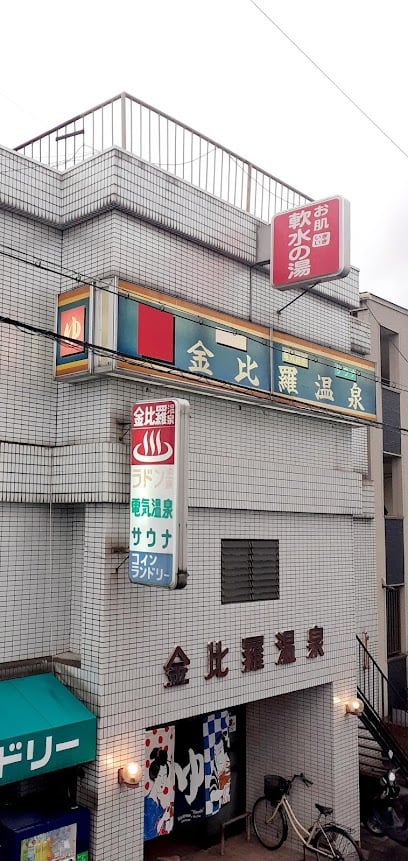 Gay-Friendly Saunas
(333)
Gay-Friendly Saunas
(333)
Gay-Friendly Hotels in Osaka
View all 5 →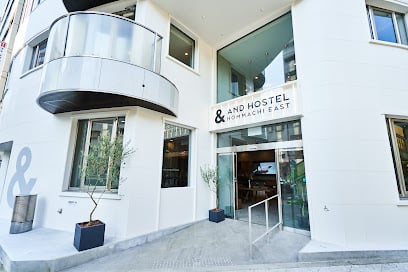 Gay-Friendly Hotel
(1201)
Gay-Friendly Hotel
(1201)
&And Hostel Hommachi East
Gay-Friendly Hotel
Streamlined dorms & private rooms in a casual hostel featuring a lounge & a restaurant/bar.
gay-friendly
wifi
air-conditioning
LGBTQ+ Friendly
Sep 2026
 Gay-Friendly Hotel
(2214)
Gay-Friendly Hotel
(2214)
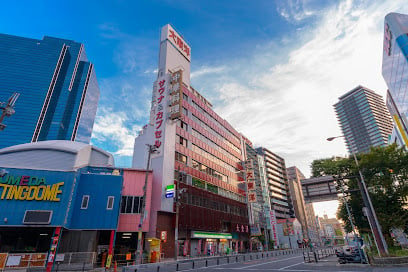
Capsule Hotel Daitoyo
Gay-Friendly Hotel
Snug capsules in a casual lodging catering to men, with a spa, hot spring baths & a restaurant/bar.
gay-friendly
spa
adults-only
LGBTQ+ Friendly
Sep 2026
 Gay-Friendly Hotel
(124)
Gay-Friendly Hotel
(124)
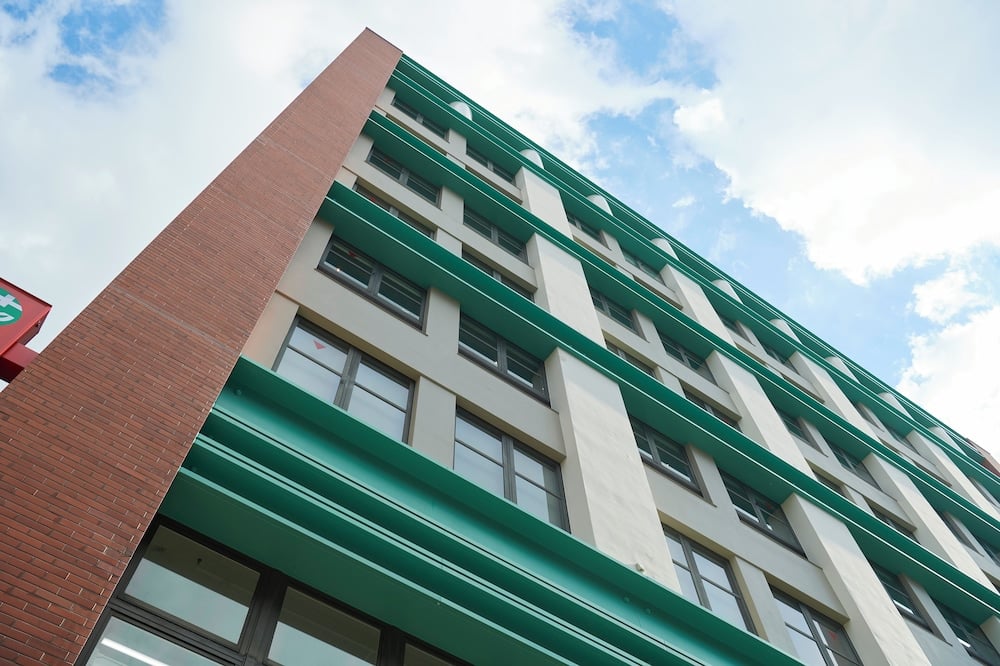
TONES OSAKA
Gay-Friendly Hotel
An inclusive and welcoming hotel in Osaka, Japan, perfect for LGBTQ+ travelers seeking a comfortable stay.
gay-friendly
year-round
wifi
LGBTQ+ Friendly
Sep 2026
 Gay-Friendly Hotel
(393)
Gay-Friendly Hotel
(393)
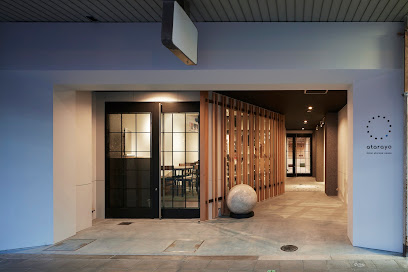
hotel atarayo osaka
Gay-Friendly Hotel
A welcoming and inclusive stay in the heart of Osaka, Japan.
gay-friendly
wifi
air-conditioning
LGBTQ+ Friendly
Sep 2026
Where to stay in Osaka
via Stay22Where to stay in Osaka
Loading map…
🎟️ Tours & Experiences in Osaka
via GetYourGuideSkip-the-line tickets, walking tours, day trips and unique LGBTQ+ friendly experiences — booked instantly with free cancellation.

- Free cancellation
- Reserve now, pay later
- Mobile tickets
Gay-Friendly Restaurants in Osaka
View all 8 →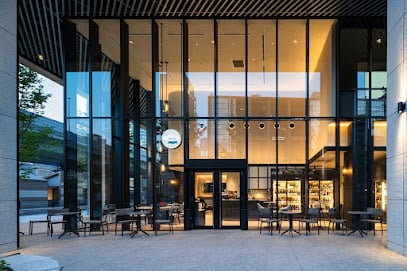 Gay-Friendly Restaurants
(256)
Gay-Friendly Restaurants
(256)
cafe boo & passion et nature 堂島浜店
Gay-Friendly Restaurants
Inclusive Osaka cafe offering delicious food and a welcoming atmosphere for all.
LGBTQ+ Friendly
Sep 2026
 Gay-Friendly Restaurants
(2669)
Gay-Friendly Restaurants
(2669)
 Gay-Friendly Restaurants
(231)
Gay-Friendly Restaurants
(231)
 Gay-Friendly Restaurants
(11713)
Gay-Friendly Restaurants
(11713)
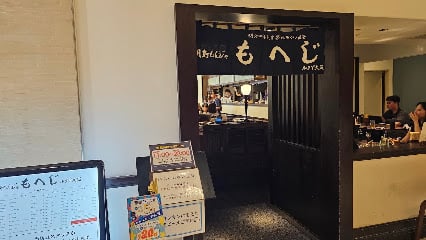
Tsukishima Monja Moheji Lucua Osaka 10th floor
Gay-Friendly Restaurants
Monjayaki
LGBTQ+ Friendly
Sep 2026
LGBTQ+ Organizations in Osaka
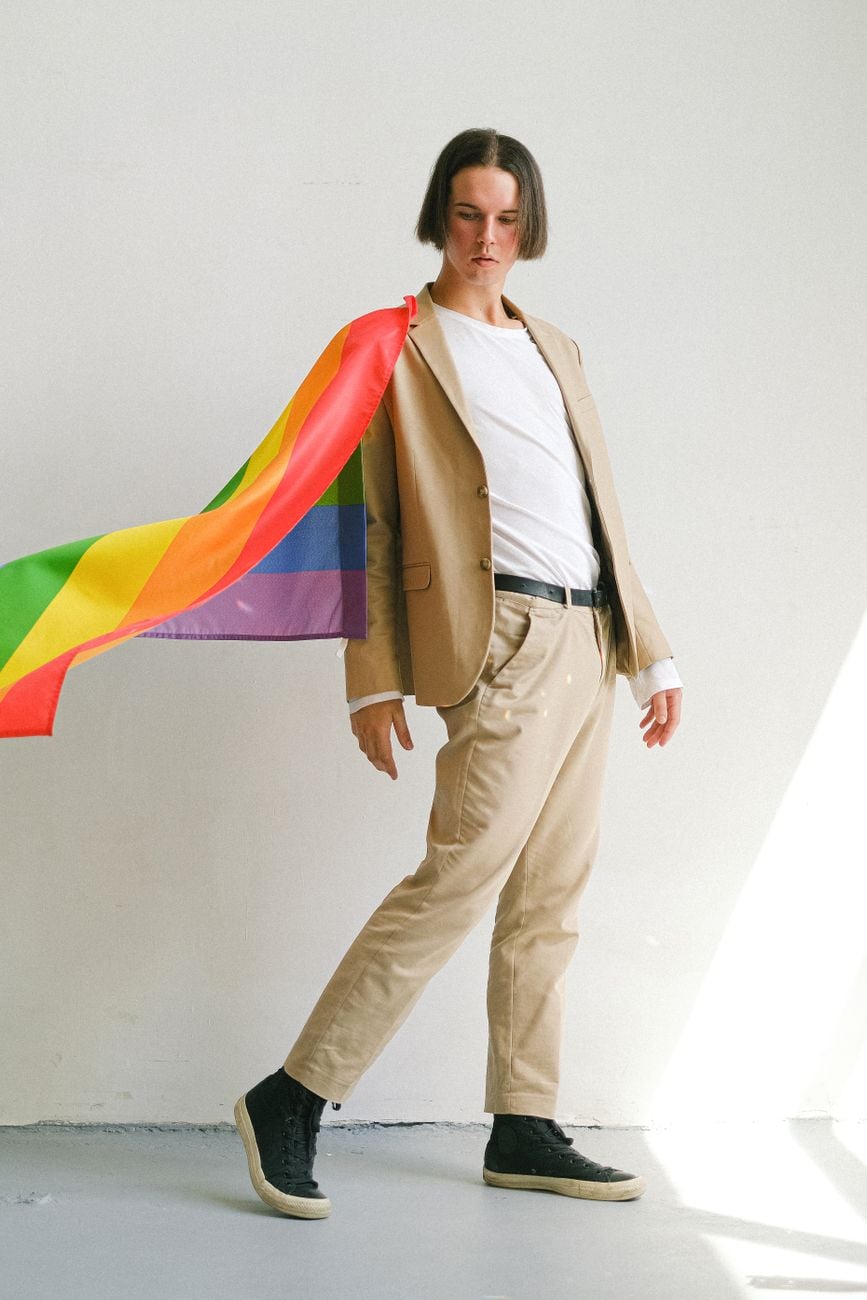 LGBTQ+ Organizations
Featured
(18)
LGBTQ+ Organizations
Featured
(18)
dista
Doyama-cho, Kita Ward
dista (distaおおさか) is a community and sexual-health drop-in space for gay and bisexual men in the Doyama-cho gay quarter of Kita Ward, run by the NPO MASH Osaka since 2002. It offer
gay
Verified by GayOut
Sep 2026
 LGBTQ+ Organizations
(3)
LGBTQ+ Organizations
(3)
QWRC(居場所、にじのそら相談室)
Osaka
QWRC (Queer and Women's Resource Center) is an Osaka-based NPO founded in 2003 that provides a community space and confidential consultation for LGBTQ people and women across the K
gay
Verified by GayOut
Sep 2026
Mega Events in Osaka

Date TBA
MEGA EVENT
Osaka, Japan
Kansai Queer Film Festival
The Kansai Queer Film Festival screens in both Osaka and Kyoto, bringing an international programme of LGBTQ+ cinema to Japan's…
More Guides for Osaka
Gay Bars & Clubs in Osaka
Gay Bars & Clubs in Osaka: Your Ultimate Guide to an Electrifying Night Out Osaka, a vibrant metropolis known for its delicious food, quirky culture, and w
Gay Hotels in Osaka
Gay Gay Hotels in Osaka: Your Ultimate LGBTQ+ Travel Guide Osaka, often dubbed Japan's kitchen, is a vibrant metropolis known for its incredible food, bust
Gay Saunas in Osaka
Gay Saunas in Osaka: A Comprehensive Guide Osaka, a vibrant and dynamic city known for its delicious food, lively entertainment, and friendly locals, also
Travel Guide
Gay Osaka — Your Complete Guide
Everything worth knowing before you go.
Gay venues
32
LGBTQ+ status
Legal but conservative
In this guide · 9 sections
Osaka's LGBTQ+ Scene: History and Overview
Osaka is Japan's second city for gay life after Tokyo, and the beating heart of the LGBTQ+ scene in the wider Kansai region. While Japan combines traditional social reserve with de facto acceptance in its big cities, Osaka's merchant-city, working-class character has long made it a little more open and unpretentious than business-focused Tokyo. From the 1990s onward a distinct gay quarter took shape in Doyama-cho, and today the city offers everything from tiny owner-run shot bars to dance clubs, plus the densest cluster of gay saunas in western Japan.
Key Neighbourhoods
Doyama-cho (堂山町), in Kita Ward just east of Umeda Station, is the undisputed centre of Osaka's gay scene. It is a small, tightly packed grid of multi-storey buildings — the Pearl Leisure Building, Nakadori Leisure Building and others — filled with dozens of gay bars, shot bars and clubs. After dark it lights up with neon, and it is easy to walk from one venue to the next. Because it sits beside Umeda, Osaka's main transit hub, it is quick to reach from anywhere in the city.
A second, more scattered scene runs through the southern Minami districts — Namba, Shinsaibashi and Soemon-cho in Chuo Ward. These venues tend to draw a slightly older, more relaxed crowd than the dense Umeda-side quarter, and are spread among the general nightlife rather than concentrated in one block.

Venues and Nightlife
Most of Osaka's gay bars are small, owner-run counter bars seating a handful of guests, often with karaoke and a loyal regular clientele; others are livelier social bars and dance spots. Long-standing Doyama venues include EAGLE OSAKA, Explosion, Grand Slam, DEER, XOXO and club vogue, while the bear bar Dungaree and southern venues such as Gaydoru Master (Namba) and Golden Ball (Shinsaibashi) round out the scene. Bars are busiest Thursday to Saturday; weeknights are quieter and better for conversation. Staff may speak limited English, but a translation app and a smile go a long way.
Osaka is also Kansai's sauna and hattenba (cruising) hub. Genuine gay saunas such as Daikichi (大吉), SPORTS MEN'S CLUB OSAKA, K-1, Glory Hole Osaka (GHO) and BLACK cater to gay and bisexual men, ranging from relaxed traditional bathhouses to explicitly cruising-oriented spaces. Standard Japanese bathhouse etiquette applies: wash thoroughly before entering communal areas, and respect others' boundaries and consent.
Pride and Major Events
Osaka's flagship Pride is Rainbow Festa! (レインボーフェスタ!), held each October at Ogimachi Park (扇町公園) in Kita Ward, together with the Kansai Rainbow Parade. It is one of the largest LGBTQ+ events in western Japan, with a parade, stages, food and community stalls drawing thousands of participants. (Note it is an autumn event — not June or August.) Smaller club nights and themed parties run year-round.

Rights and Recognition
Osaka City has issued same-sex partnership certificates since July 2018, expanding to a broader family-ship system in August 2022, and Osaka Prefecture introduced its own partnership system in January 2020. Japan does not yet recognise same-sex marriage nationally, and there are no anti-LGBTQ+ criminal laws; social attitudes in Osaka are generally easy-going and welcoming.
Where to Stay
Staying around Umeda/Kita or in Doyama-cho itself puts visitors within walking distance of the main gay quarter, with plenty of business hotels and international chains nearby. The Namba/Shinsaibashi area to the south is also central and well connected, and handy for the southern venues.
Find gay-friendly hotels in Osaka, japan
Real prices · Free cancellation · Verified bookings

Transit and Navigation
Osaka's public transport is fast and extensive. The Osaka Metro (Midosuji, Tanimachi and Yotsubashi lines among others) and the JR Osaka Loop Line (大阪環状線) connect all major districts, with Umeda/Osaka Station and Namba Station as the principal hubs. A rechargeable IC card such as ICOCA makes travel seamless. Trains generally stop running between around midnight and 1am, so plan a taxi if you stay out late.
Safety and Social Considerations
Osaka is very safe for LGBTQ+ travellers, with low crime and no anti-LGBTQ+ laws. Public displays of affection are uncommon across Japanese society in general rather than being singled out, so this reflects cultural norms rather than hostility. Normal urban caution is enough.

Food and Day Trips
Osaka is famous nationwide for its street food — takoyaki, okonomiyaki and kushikatsu — and for an affordable, casual dining culture. Kyoto (about 15 minutes by shinkansen or 30–45 by local train), Kobe and Nara are all easy day trips, letting visitors balance queer nightlife with classic Kansai sightseeing.
Frequently asked questions
Yes. Osaka is very safe, with low crime and no anti-LGBTQ+ laws. Its gay scene is casual and welcoming, Osaka City has recognised same-sex partnerships since 2018, and the city hosts the annual Rainbow Festa! Pride each October.
Doyama-cho (堂山町) in Kita Ward, just east of Umeda Station, is the heart of Osaka's gay scene — a compact quarter packed with gay bars and clubs. A smaller, more scattered scene runs through the southern Minami districts around Namba, Shinsaibashi and Soemon-cho.
Staying around Umeda/Kita or in Doyama-cho itself puts you within walking distance of the main gay quarter. The Namba/Shinsaibashi area to the south is also central, well connected and close to the southern venues.
Osaka's flagship Pride is Rainbow Festa! (レインボーフェスタ!), held each October at Ogimachi Park (扇町公園) in Kita Ward, together with the Kansai Rainbow Parade. It is an autumn event, not a June or August one.
Osaka has small owner-run counter and shot bars, livelier social and dance bars, and Kansai's densest cluster of gay saunas and cruising venues. Most gay bars are concentrated in Doyama-cho, with more scattered spots around Namba and Shinsaibashi.
Yes. Doyama-cho alone holds dozens of gay bars and clubs within a few walkable blocks, and Osaka is the sauna and cruising hub of the Kansai region, making it Japan's liveliest gay scene outside Tokyo.
Cities like Osaka
Gay Osaka on YouTube
Videos representative of Japan

Tokyo Gay Scene: Things You MUST Know Before You Go
Know a great venue in Osaka?
Help the community by adding it to our directory — it's free and reviewed within 48 hours.
Gay Osaka — Interactive Map
Trips planned for Osaka
Real itineraries other travellers built with our planner.