No national recognition of same-sex partnerships. Many municipalities issue partnership certificates. National same-sex marriage ruling is expected from courts. Social acceptance varies widely.
Nagoya isn't Tokyo or Osaka. It’s a bit more buttoned-up, and its gay scene took longer to develop. But since the 2000s, it's found its footing, with dedicated spots and groups where people can connect and be themselves. Japan's views on LGBTQ+ people vary; big cities are generally more open, while smaller towns can be traditional. Nagoya, a major city, leans progressive thanks to its younger population, but legal protections are still limited. Same-sex marriage isn't a thing here, and national anti-discrimination laws don't cover sexual orientation or gender identity, though some local governments have started recognizing partnerships.
The Scene's Center
Sakae is where it all happens for LGBTQ+ nightlife. It's Nagoya's main entertainment and shopping district. Specifically, head to Joshidai-koji (女子大小路) in Sakae 4-chome. It's a short walk from Sakae Station (Higashiyama and Meijo subway lines). Most gay bars and small clubs are packed into this walkable strip. You'll find restaurants, convenience stores, and all the usual city stuff around it.
Other neighborhoods are fine for general sightseeing, like Naka Ward or the Nagoya Castle area. The city's compact and easy to get around, even if you’ve never been here before.
Bars, Clubs, and Bathhouses
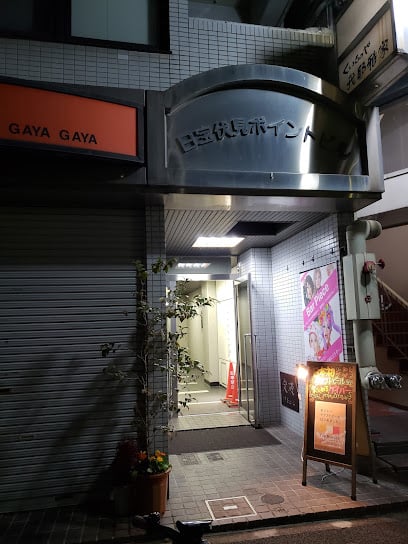
Nagoya's gay venues are smaller and more intimate than what you'd find in Tokyo or Osaka. Joshidai-koji in Sakae 4-chome has a tight cluster of them. There are casual counter bars like Gay Mix Bar CARNET, Kimagure Cats, Flag, Tendercia, and Dining & Gay Bar Noir. Bar Piece is drag-focused, and Club LOVER:z is a dance club. Many of these places are on upper floors, so look carefully for signs. Asking at tourist info or checking local community sites helps.
You'll find both Japanese-style gay bars, often with karaoke and open to mixed groups, and more Western-style dance clubs. Many are small, holding fewer than 100 people, which makes for a close-knit vibe. They usually open in the evening and close in the early morning, with Fridays and weekends being the busiest.
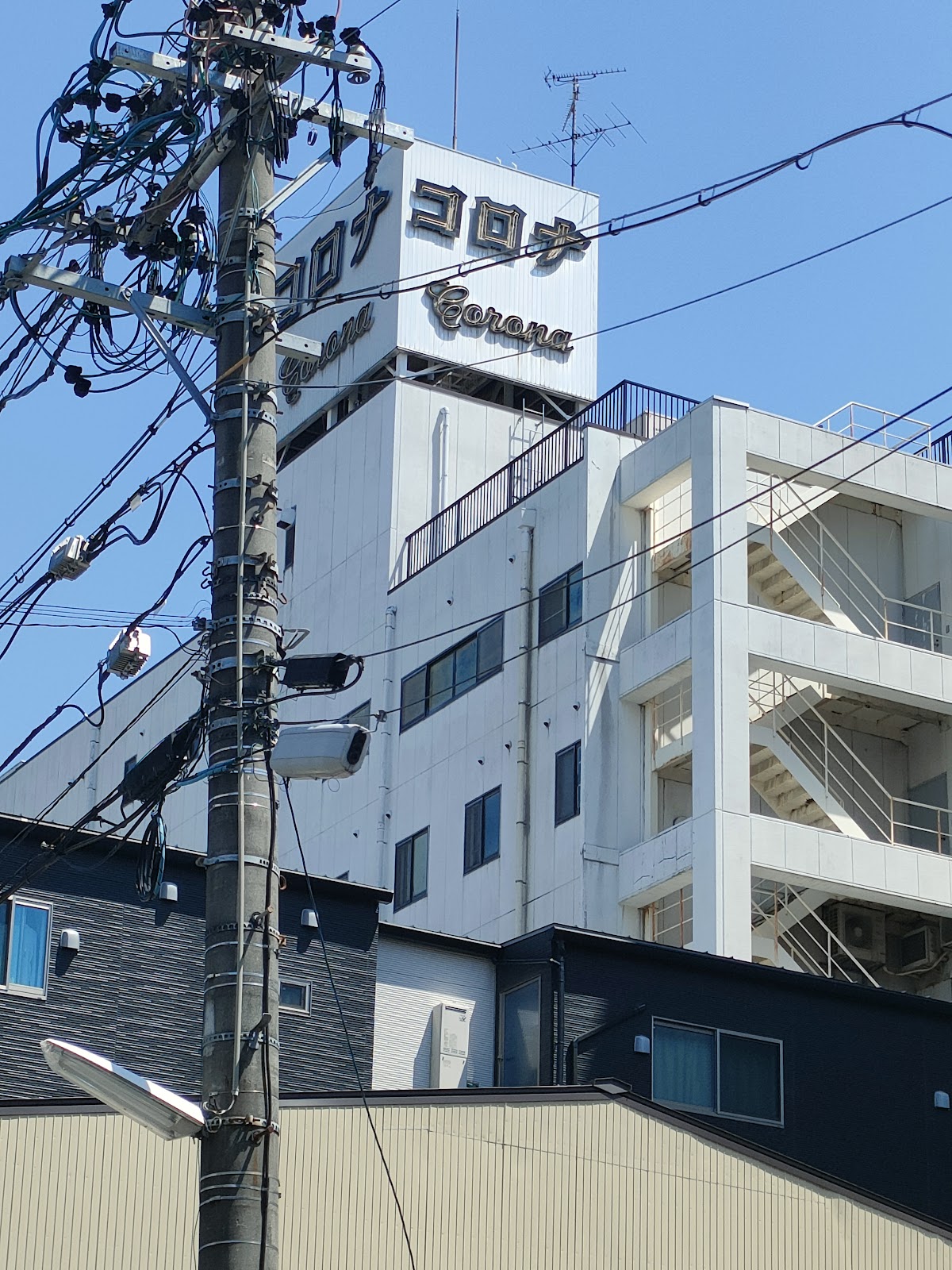
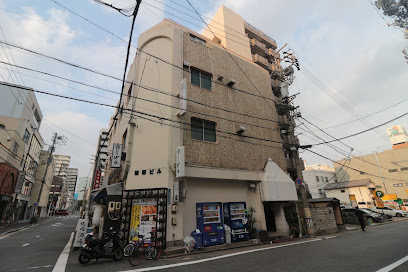
Saunas and bathhouses have a long history in Japanese gay culture. Corona Club, near Nagoya Station, is the city's main gay bathhouse (24-hour, men-only). There are also men-only cruising clubs like X-tribe in Sakae and the older Sauna New Kanayama near Kanayama Station. These are adult spaces with their own customs, so do some research on etiquette before you go.
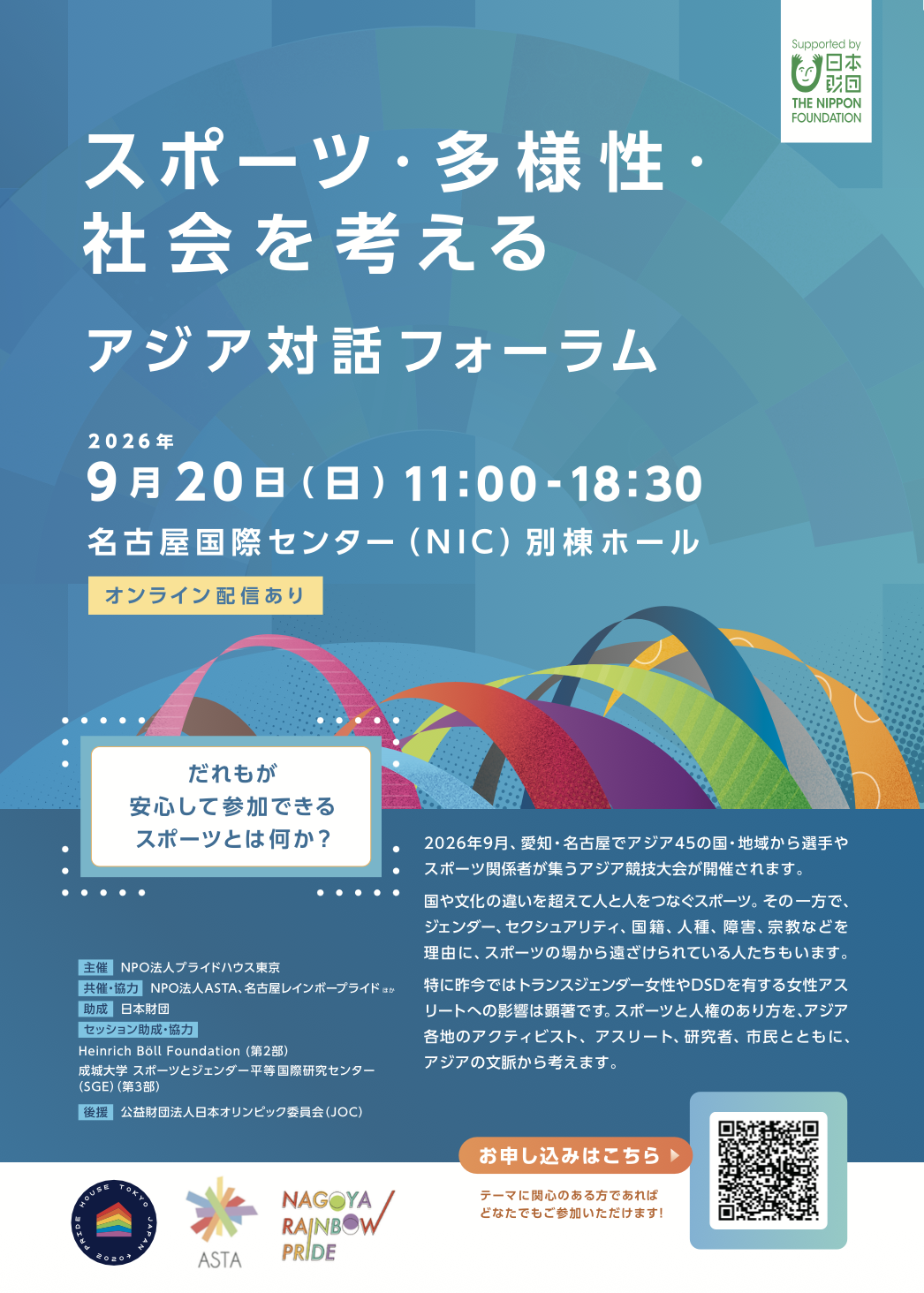
Nagoya Rainbow Pride happens every May. It centers on the Oasis 21 complex in Sakae. It started small in 2019 (after the Nijiiro Domanaka Parade, which ran from 2012–2017) and has grown into central Japan's largest Pride event, drawing thousands. It includes a parade through central Nagoya, stages with performances, and community booths, but it's less commercial than Tokyo or Osaka's Pride. Dates and formats change, so check local LGBTQ+ sites or the Nagoya city tourism website closer to your trip.
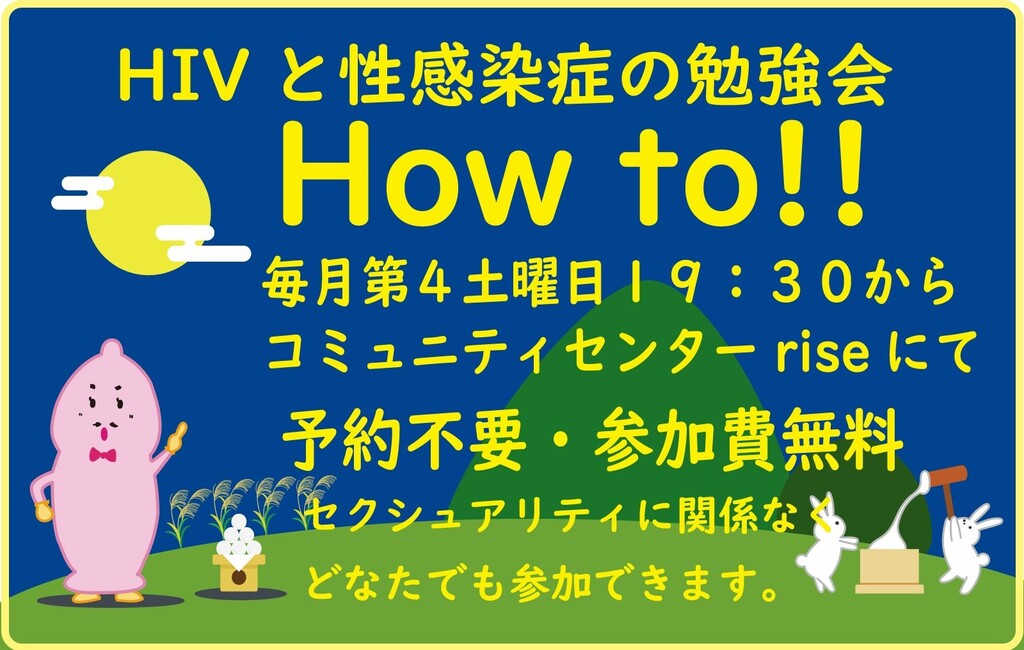
Beyond Pride, local groups put on regular social events, discussion groups, and networking. Big international gay circuit events aren't common in Nagoya, but Tokyo is only 2-3 hours away by bullet train if you're looking for something bigger.
Where to Stay
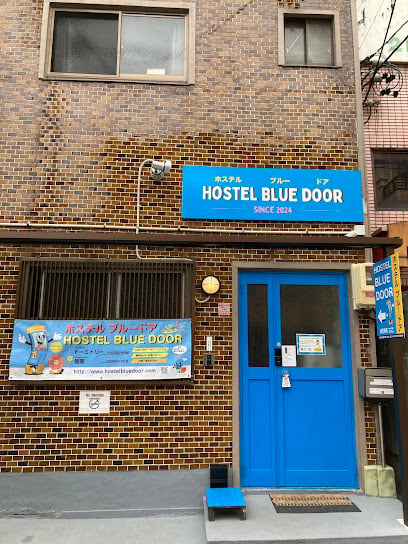
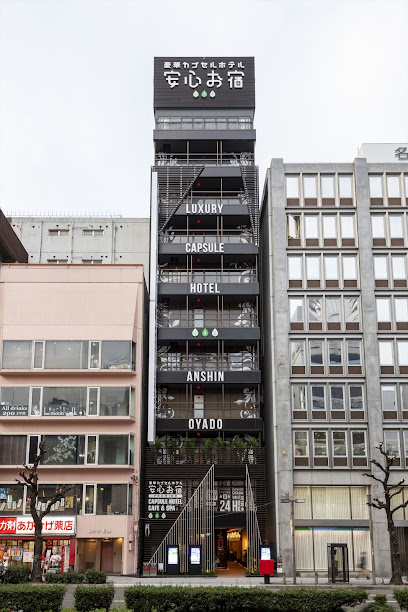
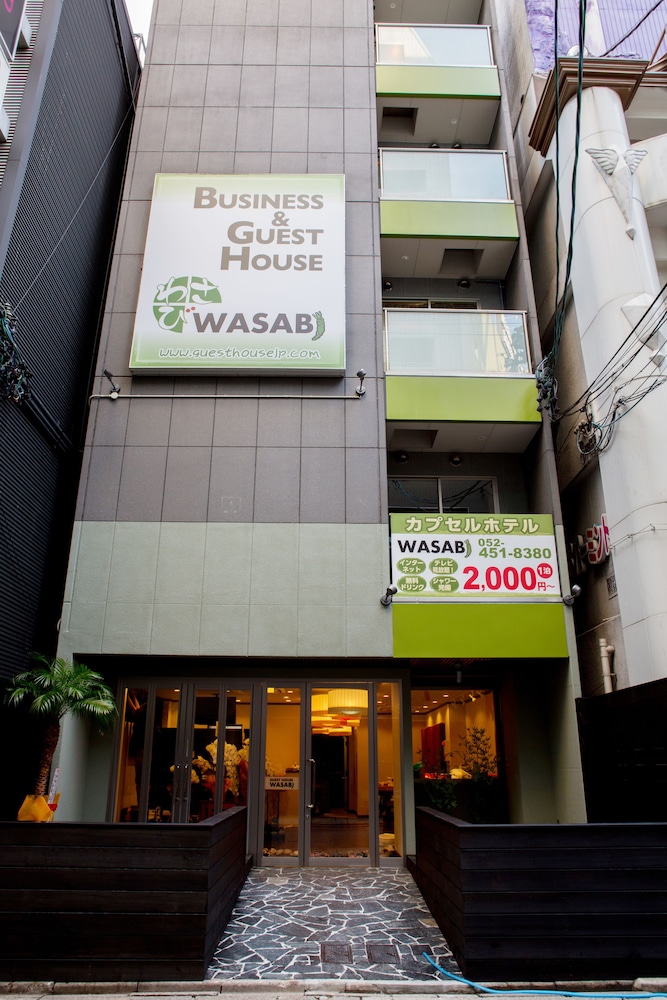
Nagoya has plenty of hotels and guesthouses at all price points. Staying in or near Sakae puts you close to the LGBTQ+ venues. It's also a general business area, so hotels there are usually business-oriented and mid-priced. Naka and Kanayama are other central neighborhoods with good transport and various accommodations.
You won't find many LGBTQ+-specific guesthouses like you might in Tokyo, but major hotel chains are generally welcoming and professional. Lots of smaller hotels and guesthouses are LGBTQ+-friendly even if they don't explicitly say so.
Nagoya's public transport is excellent. The subway, bus network, and local railways are clean, punctual, and easy to use. Buy an IC card (like Manaca) at any station for all transit systems. Nagoya Station is a major hub with bullet train (Shinkansen) connections to Tokyo (about 1 hour 45 minutes), Kyoto (1 hour), and Osaka (45 minutes), making day trips simple.
Walking is safe and pleasant in central areas. Taxis are reliable and fairly affordable for short trips.
Food and Culture
Nagoya has its own distinct cuisine. Try miso nikomi udon (hearty noodles in a thick miso broth) and chicken dishes like tebasaki (grilled chicken wings). The city also has good ramen, sushi, and izakaya. Most restaurants are welcoming. Smaller places might have a language barrier, but major areas and chains use picture menus or English signs.
Beyond food, check out Nagoya Castle, the Tokugawa Art Museum, and the Port of Nagoya Public Aquarium. The city is also a good base for day trips to places like Takayama and Shirakawa-go (traditional villages) or Kyoto's temples and shrines.
Safety and Legal Notes
Japan is very safe, and Nagoya has low crime rates. LGBTQ+ travelers should take normal precautions. While open hostility is rare in urban areas, public displays of affection between same-sex couples might get stares, especially outside entertainment districts. Many Japanese people are polite and non-confrontational, even if they're not used to seeing LGBTQ+ couples.
There are no specific legal dangers for LGBTQ+ travelers. Same-sex marriage isn't legal, and some services might operate on traditional assumptions. Hotels are professional and will accommodate same-sex couples without issue.
Practical Tips
A few basic Japanese phrases help, especially in smaller venues. English proficiency is lower than in Tokyo but improving, particularly among younger people and in tourist areas.
Internet access is good. Get a SIM card or rent a mobile hotspot at the airport for navigation and communication.
Visa requirements depend on your nationality; most Western travelers get 90-day tourist visas on arrival. Check current requirements before you go.
Be mindful of cultural norms regarding LGBTQ+ visibility. Nagoya is progressive for Japan, but public displays of affection are still less common than in Western countries. Community venues are welcoming spaces where openness is expected.
Day Trips
Kyoto is about an hour away by bullet train; Tokyo is under two hours, making multi-city trips easy. Closer options include Kanazawa (about 3 hours) for historic temples and gardens, and the Ise Shrine area (about 1 hour) for spiritual and cultural interest.
Frequently asked questions
Nagoya has a vibrant and authentic LGBTQ+ community. While the scene is more discreet than in larger cities like Tokyo, it is genuinely welcoming to those who explore it respectfully.
The heart of Nagoya's gay scene is the Joshidai-koji (女子大小路) entertainment street in Sakae 4-chome, Naka Ward — a short walk from Sakae Station. Its side streets hold a dense cluster of small gay bars, with a few more venues scattered elsewhere in central Sakae.
Nagoya Rainbow Pride is held each May, centered on the Oasis 21 complex in Sakae. The current festival has run since 2019, succeeding the earlier Nijiiro Domanaka Parade (2012–2017), and features a parade through central Nagoya with stage performances and community booths. It is central Japan's largest LGBTQ+ celebration.
Nagoya's venue landscape consists of small to mid-sized bars and clubs, many located in compact buildings. You can find a range of establishments from sophisticated cocktail lounges to casual izakayas with LGBTQ+ clientele.
Popular options in the Sakae gay quarter include Bar Piece (a drag and gay bar), Gay Mix Bar CARNET, Kimagure Cats, Flag and Tendercia, along with the dance club Club LOVER:z. Most are small counter bars, so a warm welcome and a quick chat with the staff are part of the experience.
Nagoya's LGBTQ+ scene is smaller and less internationally known than Tokyo or Osaka. It has developed a vibrant, authentic community rooted in local culture rather than tourism.
Your privacy choices.
We use cookies to run GayOut and, with your consent, measure usage. Learn more
Your privacy choices
We use cookies to keep GayOut running, remember your preferences, and (with your permission) measure how the site is used. You can accept all, reject all, or pick what you allow. Learn more
Essential
Required for sign-in, fraud prevention, CSRF protection and remembering your language. Cannot be disabled.
Always on
Remembers your favourites, dark mode and other interface preferences across visits.
Helps us understand which pages people visit (Google Analytics, server-side stats) so we can improve.
Used by campaign tracking pixels. None are active right now, reserved for future use.
Install GayOut
Add GayOut to your home screen for faster access, offline favourites, and Pride alerts.




![11月28日 HIV等無料検査会[iTesting@Nagoya]](https://aln.sakura.ne.jp/rise/wp-content/uploads/2026/09/iTesting1128OL-scaled.jpg)
 Gay Bars & Clubs
Featured
(21)
Gay Bars & Clubs
Featured
(21)