No national recognition of same-sex partnerships. Many municipalities issue partnership certificates. National same-sex marriage ruling is expected from courts. Social acceptance varies widely.
Fukuoka, the capital of Fukuoka Prefecture on Kyushu’s northern coast, doesn’t get enough credit as an LGBTQ+ destination. Tokyo and Osaka usually hog the spotlight for gay Japan, but Fukuoka has its own thing: a relaxed southern vibe, a gay quarter that’s easy to find your way around, and a genuine local community. They’re practical and welcoming.
A Compact, Local Gay Scene
Fukuoka’s LGBTQ+ presence grew through the 90s and 2000s. Today, it has a modest but resilient bar scene and active community groups. The city government has been notably progressive, introducing a same-sex partnership oath system in April 2018 (one of Japan's earliest adopters). Fukuoka Prefecture followed suit with its own system in April 2022. Same-sex marriage still isn't recognized nationally, but these local systems show an increasingly accepting urban culture.
Where the Gay Scene Actually Is: Sumiyoshi & Haruyoshi
Don't go looking for gay nightlife on the famous Nakasu entertainment island—that's mostly a straight area. Instead, head to the quieter blocks of Sumiyoshi (住吉) and its neighbor Haruyoshi (春吉), in Hakata Ward. This is roughly the area between Canal City Hakata and Tenjin, about a ten-to-fifteen-minute walk from Hakata Station's Hakata-guchi exit. Here, small counter bars sit close together, making bar hopping easy. You'll find a few more bars scattered around Nakasu and toward Tenjin/Kego, but Sumiyoshi is the main spot. It’s also where the city's community center and main gay sauna are.
Bars and Nightlife
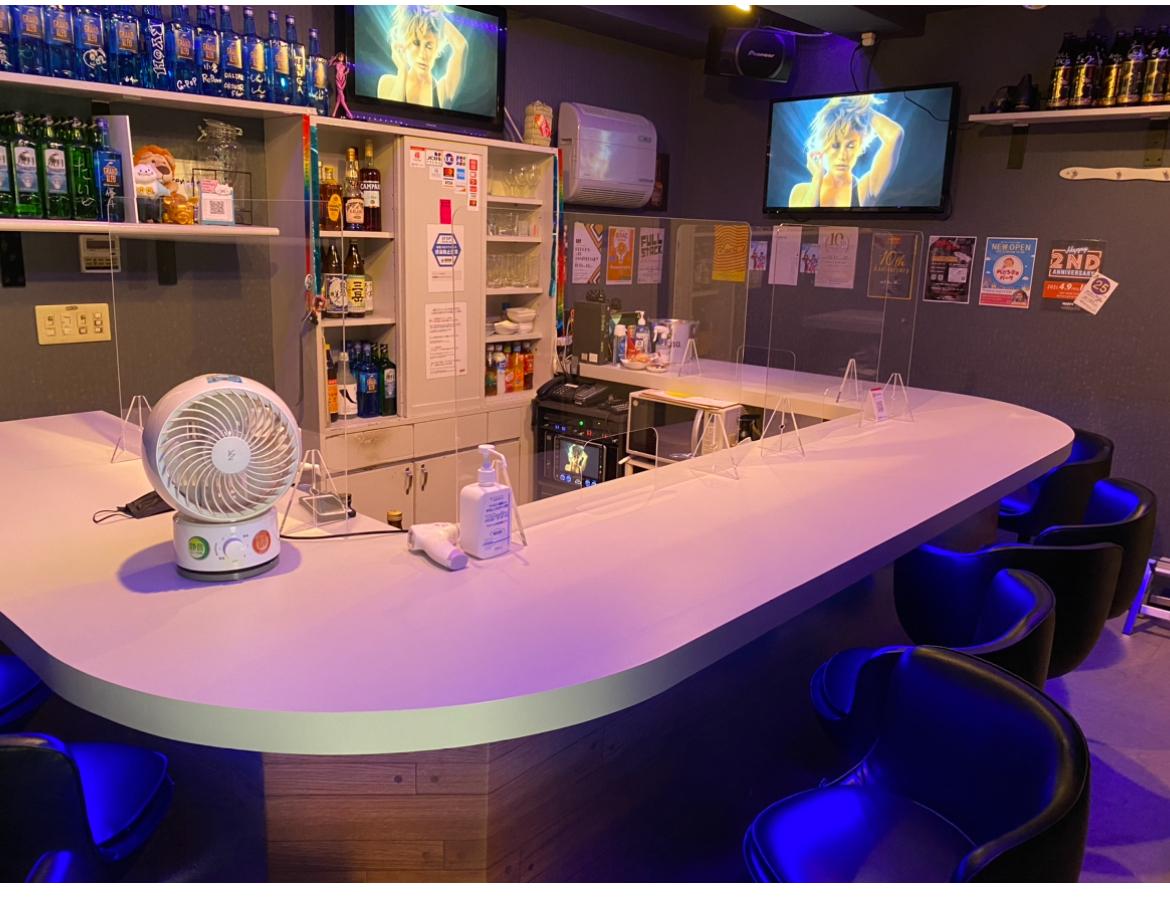
Fukuoka’s gay nightlife centers on intimate counter bars, not big clubs. Most hold only ten to thirty people and focus on conversation. Gay Bar Magical Banana (マジカルバナナ) is a friendly Sumiyoshi mainstay, celebrating its twelfth anniversary in 2026. It's one of the easiest bars for first-timers. Bar OVERALL, near the entrance to the Sumiyoshi cluster, is popular with foreign visitors thanks to its English-speaking owner. GLAMOROUS (グラマラス) is a welcoming gay/mixed bar in the same block. Over toward Nakasu, you'll find ぱろす (Paros) and アンビシャス (Ambitious), both established gay bars, plus mixed spots like GPOP that attract an LGBTQ-friendly crowd. Most bars open around 8–9 PM and close around 2–3 AM. English is limited at many places, but their small size means other patrons and staff often help newcomers.
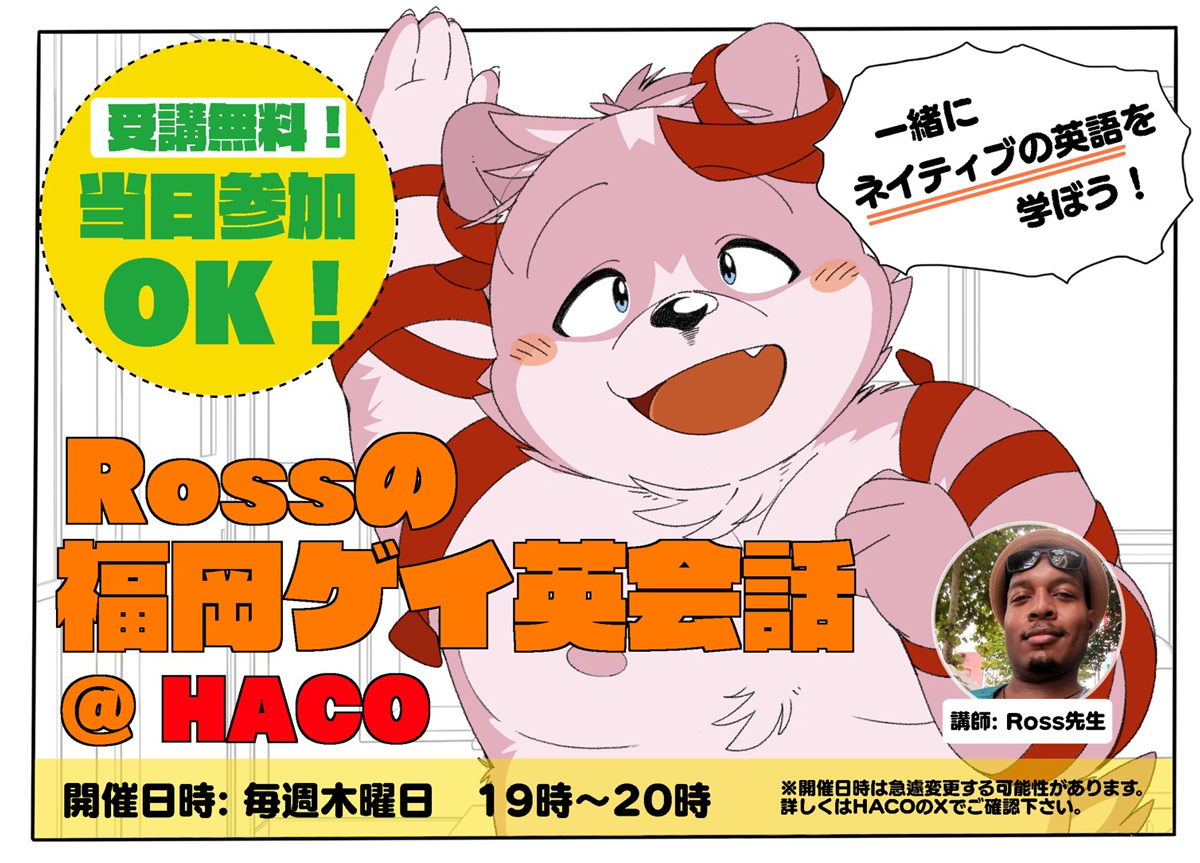
For something livelier, the drag revue あんみつ姫 (Anmitsu Hime) puts on regular cabaret shows. Community underwear and themed parties pop up throughout the year—the community center HACO is the best place to find out what's on.
Fukuoka’s one well-known gay bathhouse/cruise spot is GOLD SIGN (ゴールドサイン) in Sumiyoshi, Hakata Ward. This men-only hattenba has a dry sauna, private cubicles, and a cruise maze. It's open late and through the weekend. It’s Japanese-language-first and can be brusque with non-Japanese speakers, so be prepared. Beyond GOLD SIGN, Fukuoka doesn't have a Western-style commercial gay spa scene; the region's larger sauna culture is for general wellness.
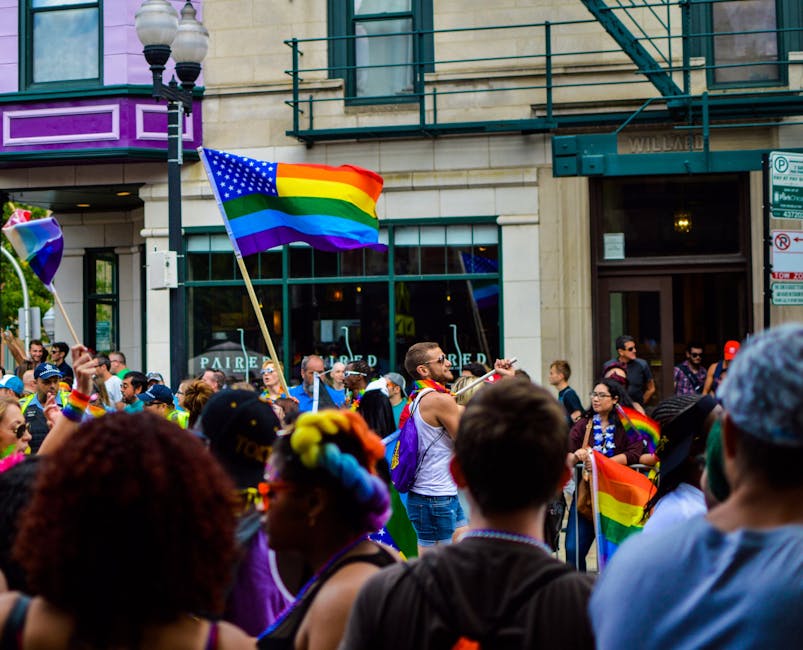
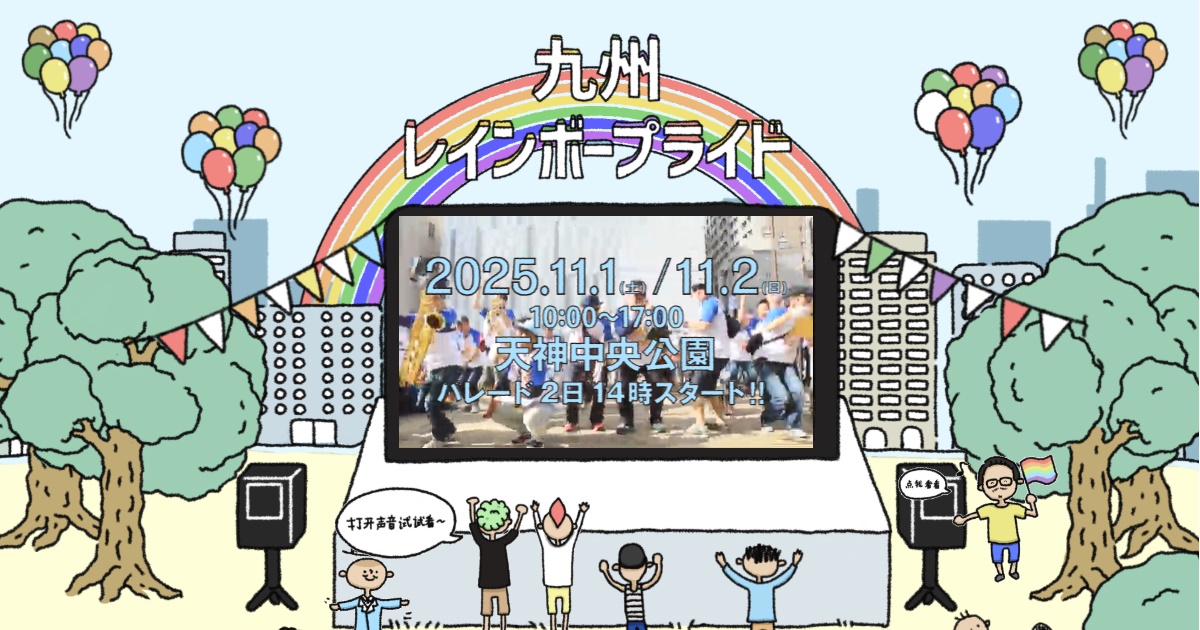
Kyushu Rainbow Pride (九州レインボープライド) is Fukuoka’s biggest LGBTQ+ celebration, and the largest Pride in the Kyushu region. The NPO Colorful Change Lab (カラフルチェンジラボ) organized the first one in 2015. It happens each autumn—the 2026 edition runs Saturday 17 and Sunday 18 October at Tenjin Central Park (天神中央公園) in Chuo Ward. You’ll find community booths and stage performances both days, with the parade on Sunday afternoon. Admission is free, and recent years have drawn tens of thousands of people from across the region. Dates shift (recent editions have been in late October or early November), so check cclabo.org before you travel.
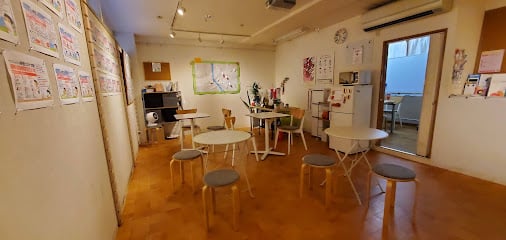
The city also has strong community organizations. Rainbow Soup (レインボーソープ) is one of Fukuoka's leading LGBTQ+ NPOs, offering awareness programs, seminars, and consultation services. HACO, the Fukuoka Community Center run by Love Act Fukuoka, is a drop-in space in Sumiyoshi (4-4-21 Sumiyoshi, Hakata Ward). It focuses on gay and bisexual men and sexual-health resources, and is usually open Thursday–Saturday evenings. FRENS supports LGBTQ+ youth and their families.
Accommodation
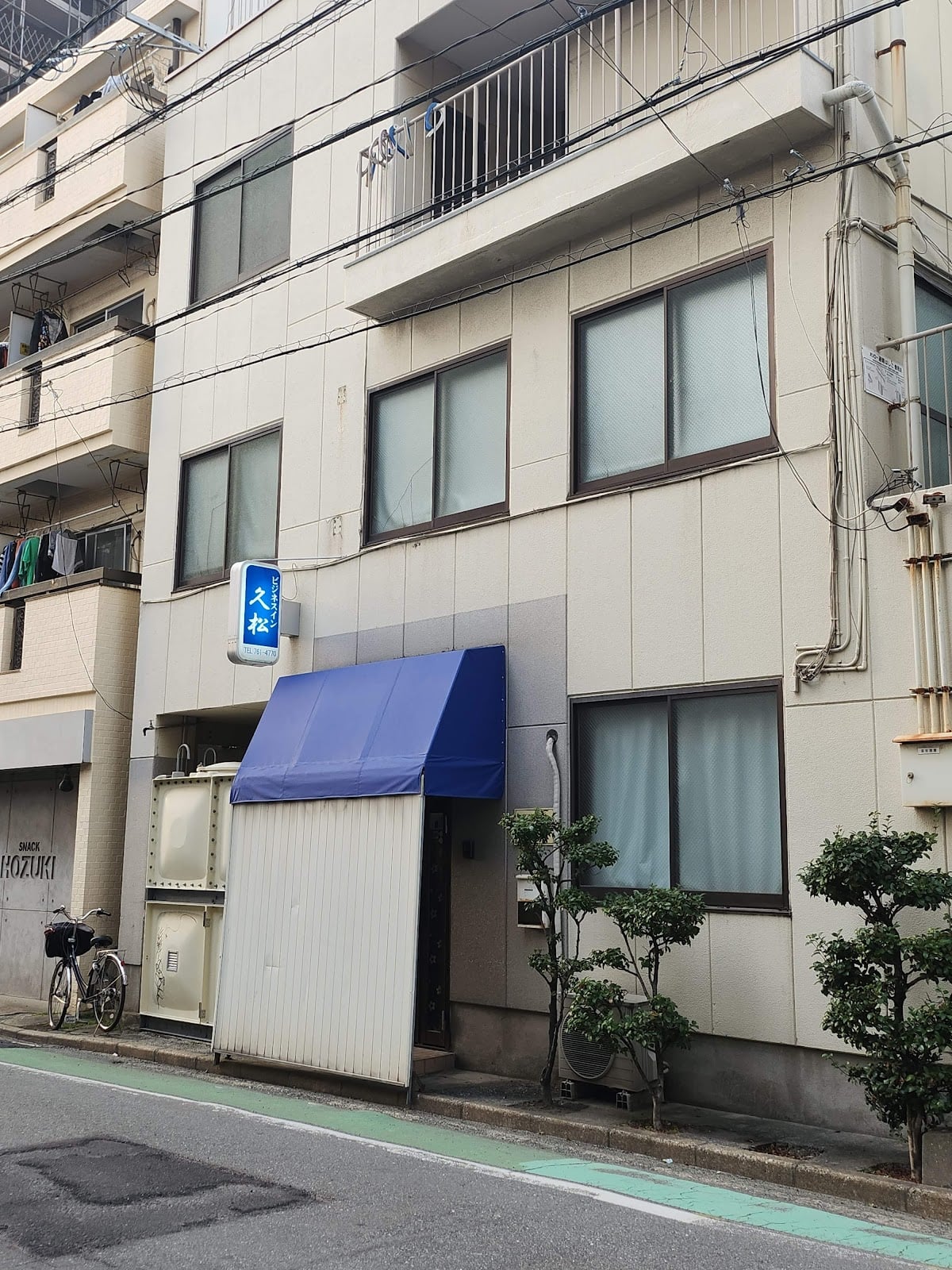
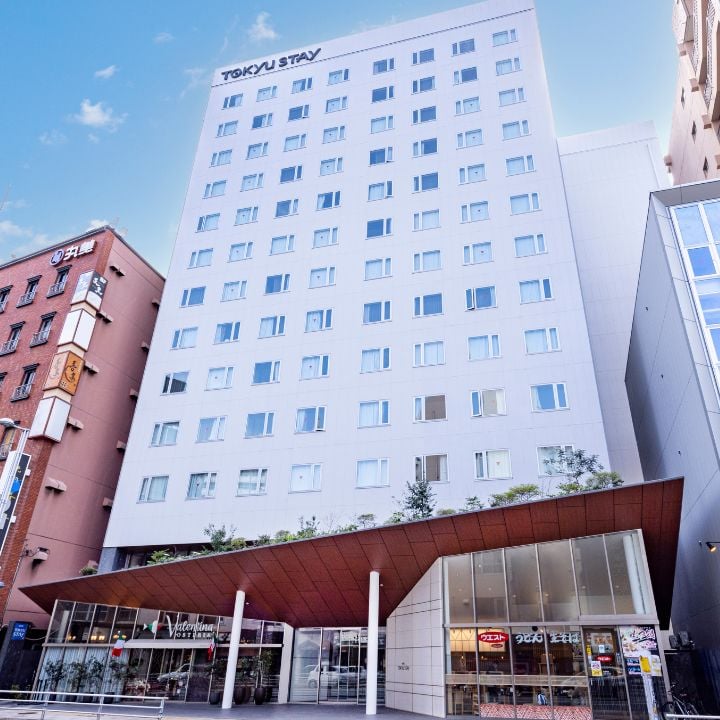
Fukuoka doesn't have exclusively gay hotels, but the city has plenty of standard hotels, business hotels, and hostels where LGBTQ+ travelers won’t have issues. Staying in the Tenjin, Hakata, or Sumiyoshi/Haruyoshi areas puts you within walking distance of the gay bars, dining, and transit. International chains, stylish design hotels, and capsule hotels cluster around Hakata Station and Tenjin.
Hakata Station is the city’s main hub. You can get there by Shinkansen from Osaka (about 2.5 hours), Kyoto (about 3.5 hours), and Tokyo (about 5 hours). The Fukuoka City Subway has three lines—the Kūkō (Airport) Line, the Hakozaki Line, and the Nanakuma Line (extended to Hakata in 2023). It connects easily with JR and private railways across Kyushu. Fukuoka is famous for how close its airport is to the city center: Fukuoka Airport (FUK) is only about five minutes from Hakata Station and eleven minutes from Tenjin by subway. The central districts are very walkable, and IC cards (Sugoca and compatible cards) make transit payments simple.
Food and Dining
Fukuoka has one of Japan's great food identities, built on Hakata ramen—thin noodles in a rich tonkotsu pork broth. The city's yatai (屋台) open-air food stalls, mostly around Tenjin and Nakasu, are a signature experience. You sit shoulder-to-shoulder with locals over ramen, oden, and drinks. Fresh seafood, izakaya culture, and late-night dining make Fukuoka a pleasure for food-focused travelers.
Day Trips
Fukuoka makes a great base for exploring Kyushu. Dazaifu, with its Dazaifu Tenmangu shrine, is a short train ride away. Yanagawa offers traditional canal boat tours. The onsen resort town of Beppu, in Oita Prefecture, is within easy reach for hot-spring lovers. Nagasaki, about two hours away, adds history and a welcoming atmosphere.
Safety and Practical Notes
Japan is generally very safe, including for LGBTQ+ travelers, and Fukuoka is no different. Public displays of same-sex affection are less common than in many Western cities and may draw glances, but hostility is rare. The main practical challenge is language, not safety: English is limited in some nightlife spots, so a translation app helps. With its friendly local scene, superb food, excellent transit, and central Kyushu location, Fukuoka rewards travelers looking to experience gay Japan beyond Tokyo and Osaka.
Frequently asked questions
Yes. Fukuoka is a very safe city for LGBTQ+ travellers, in line with Japan generally. Violent hostility is rare, and the compact gay quarter in Sumiyoshi is easy and comfortable to explore. Public displays of same-sex affection are less common than in the West and may draw glances, but the city is welcoming. Fukuoka City has offered a same-sex partnership oath system since 2018, and there are active local support organisations.
The gay scene centres on Sumiyoshi (住吉) and neighbouring Haruyoshi (春吉) in Hakata Ward — a compact area of small bars between Canal City and Tenjin, about a 10–15 minute walk from Hakata Station. Note that the famous Nakasu entertainment island is mainly a mainstream/straight nightlife district, not the gay hub, though a few gay bars sit around Nakasu and toward Tenjin.
Fukuoka's main Pride is Kyushu Rainbow Pride (九州レインボープライド), held each autumn at Tenjin Central Park and organised by NPO Colorful Change Lab. It is usually in late October or early November — the 2026 edition runs 17–18 October. Dates shift yearly, so confirm at cclabo.org before planning.
Fukuoka's gay bars cluster in the Sumiyoshi and Haruyoshi districts of Hakata Ward, between Canal City and Tenjin. Established venues include Gay Bar Magical Banana, Bar OVERALL (foreigner-friendly) and GLAMOROUS in the Sumiyoshi block, plus ぱろす (Paros) and アンビシャス (Ambitious) toward Nakasu. Most are small counter bars open from around 8–9 PM until late.
No, there are no exclusively gay hotels in Fukuoka. However, the many business hotels, design hotels, capsule hotels and hostels around Hakata Station, Tenjin and Canal City are all comfortable and welcoming for LGBTQ+ travellers, and put you within walking distance of the gay bars and dining.
Fukuoka's scene is smaller and more intimate than Tokyo's Shinjuku Ni-chome or Osaka's Doyama, built around a tight cluster of small counter bars in Sumiyoshi rather than a large gay quarter. What it offers instead is a friendly, local, easy-to-navigate community, excellent food, and its own regional Pride (Kyushu Rainbow Pride) — an appealing option for travellers who want an authentic Japanese city beyond the big two.
Your privacy choices.
We use cookies to run GayOut and, with your consent, measure usage. Learn more
Your privacy choices
We use cookies to keep GayOut running, remember your preferences, and (with your permission) measure how the site is used. You can accept all, reject all, or pick what you allow. Learn more
Essential
Required for sign-in, fraud prevention, CSRF protection and remembering your language. Cannot be disabled.
Always on
Remembers your favourites, dark mode and other interface preferences across visits.
Helps us understand which pages people visit (Google Analytics, server-side stats) so we can improve.
Used by campaign tracking pixels. None are active right now, reserved for future use.
Install GayOut
Add GayOut to your home screen for faster access, offline favourites, and Pride alerts.



 Gay Bars & Clubs
Featured
(949)
Gay Bars & Clubs
Featured
(949)