No national recognition of same-sex partnerships. Many municipalities issue partnership certificates. National same-sex marriage ruling is expected from courts. Social acceptance varies widely.
Just a 5-minute walk from JR Shinjuku Station, the men-only hotel Green Plaza Shinjuku Capsule features a sauna, a rooftop public hot tub and free Wi-Fi in some areas.
Shinjuku City has emerged as Asia's most dynamic LGBTQ+ destination, anchored by the legendary Ni-chōme district. This comprehensive guide covers everything needed for an unforgettable visit to one of the world's most vibrant queer communities.
HISTORY OF THE SCENE
The LGBTQ+ scene in Shinjuku has deep historical roots. While Japan's legal status regarding same-sex relationships remains complicated—same-sex marriage is not federally recognized, though some municipalities offer partnership certificates—Tokyo's cultural acceptance has allowed a thriving queer community to flourish for decades. Ni-chōme began developing as a gay district in the 1960s and 1970s, gradually transforming into the world-class destination it is today. The neighborhood survived the 1990s HIV crisis, economic recessions, and changing nightlife trends to become increasingly popular with international visitors and young Japanese queers seeking community. Unlike Western gay districts that have gentrified or diminished, Ni-chōme has actually expanded and modernized while maintaining its distinct character.
NI-CHŌME: THE HEART OF GAY SHINJUKU
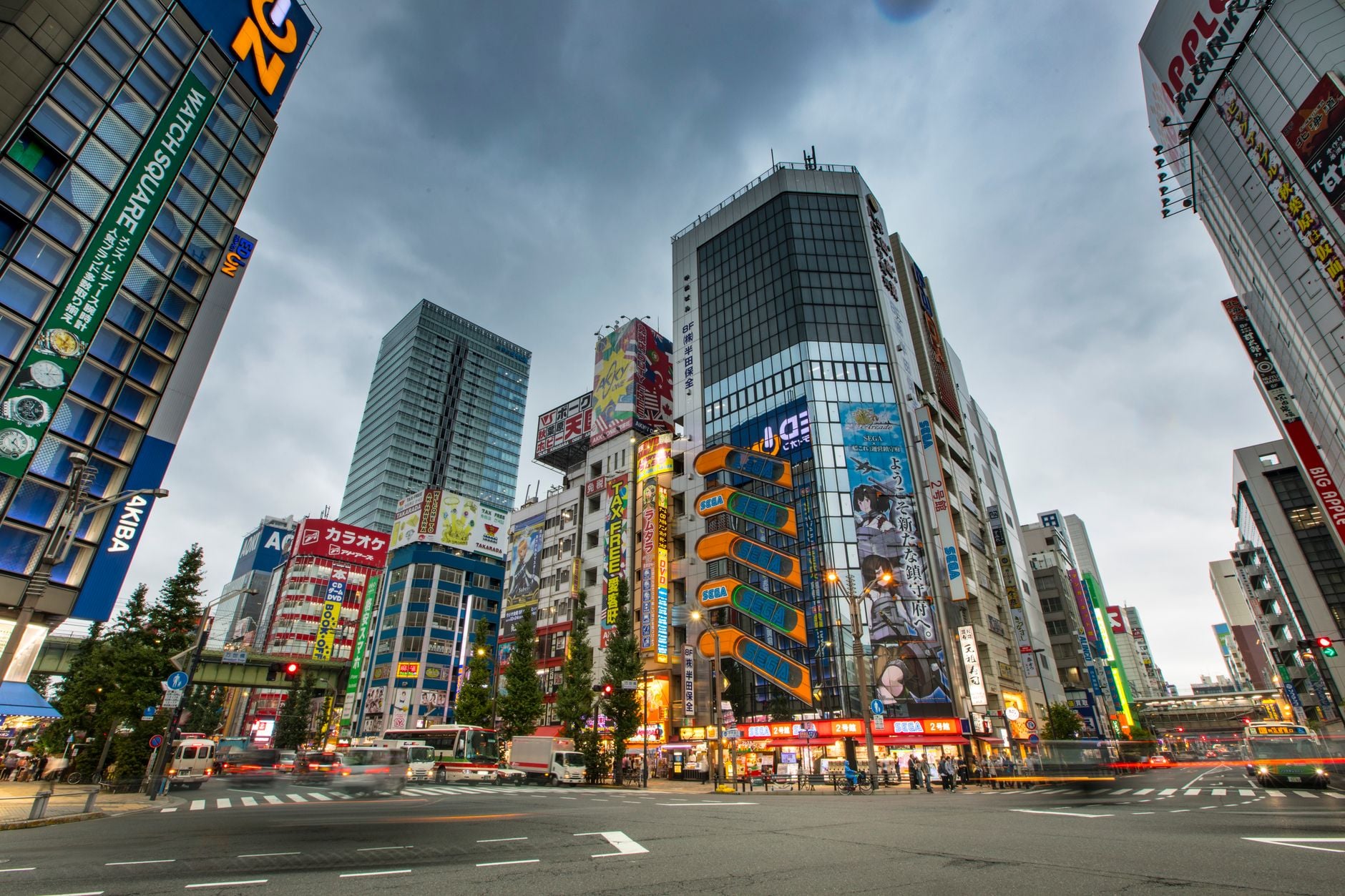
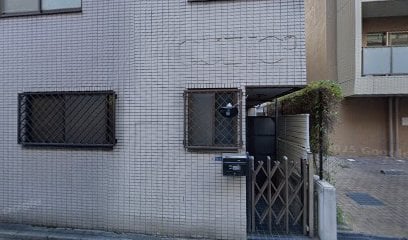
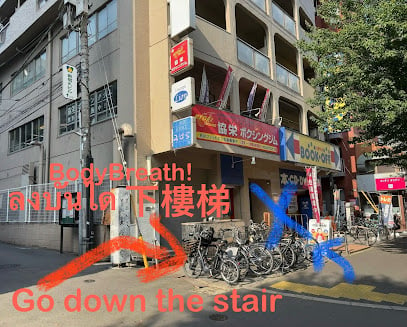
The Ni-chōme district (literally "2nd block") occupies roughly four square blocks in central Shinjuku, accessible via Shinjuku Station or, more directly, Shinjuku-sanchōme Station (exit C5/C7) on the Marunouchi, Fukutoshin, and Toei Shinjuku lines. The neighborhood is remarkably walkable despite its density. Above ground, Ni-chōme appears as an ordinary Japanese business district by day, but comes alive after sunset with neon signs, izakaya lanterns, and streams of well-dressed revelers. Most venues are located on multiple floors of unmarked buildings, accessible through narrow doorways and staircases—this intentional discretion reflects both Japanese cultural norms and the practical reality that many venues operate in tight spaces.
VENUES AND NEIGHBORHOODS
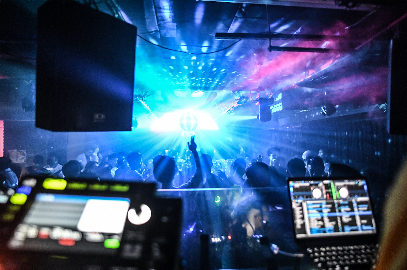
Ni-chōme contains approximately 300 establishments catering to the LGBTQ+ community. While specific venues change ownership, relocate, or close, several long-established favorites have operated for decades. The district includes diverse venue types: traditional hostess bars where servers provide entertainment and conversation; standing bars (tachinomiya) where guests stand shoulder-to-shoulder in intimate spaces; dance clubs featuring international DJs and circuit parties; saunas offering traditional Japanese bathing culture with sexual spaces; drag venues with nightly shows; and casual izakayas indistinguishable from straight establishments except for clientele.
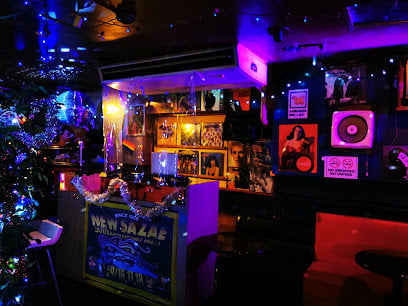
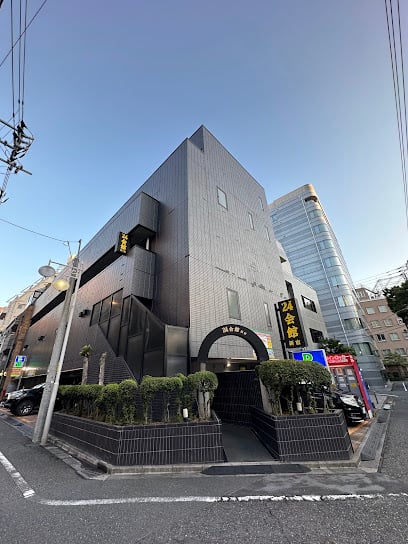
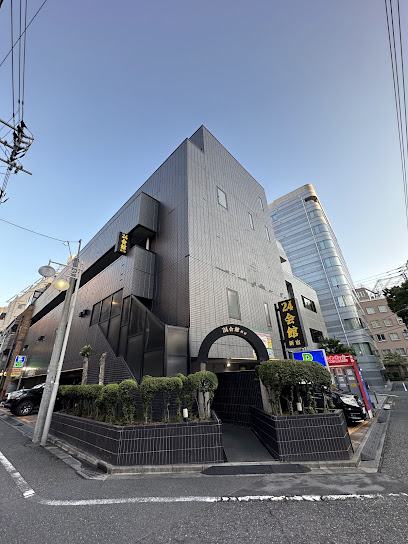
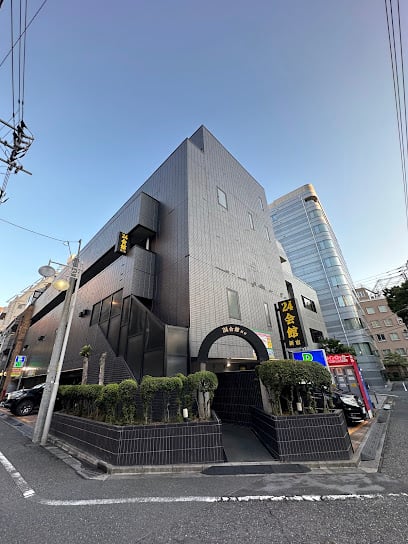
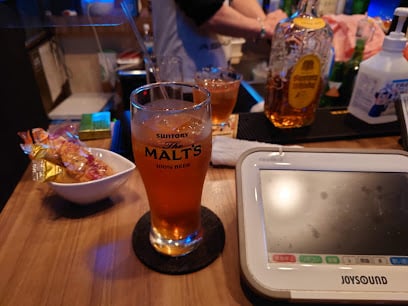
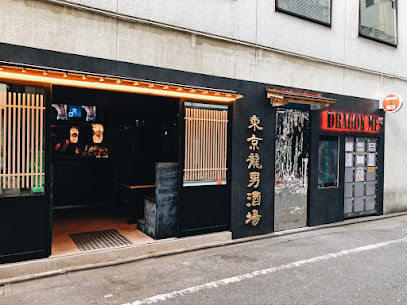
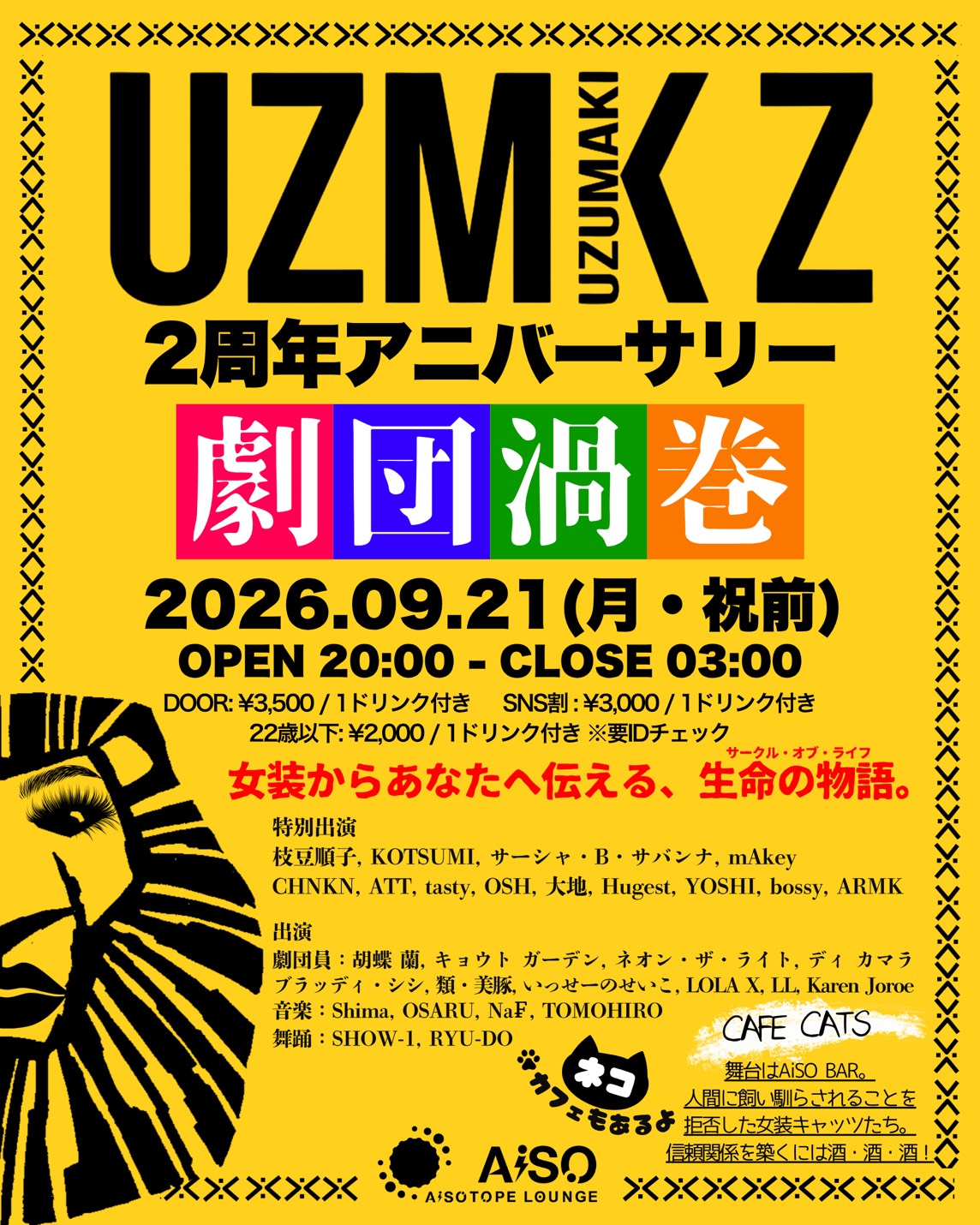
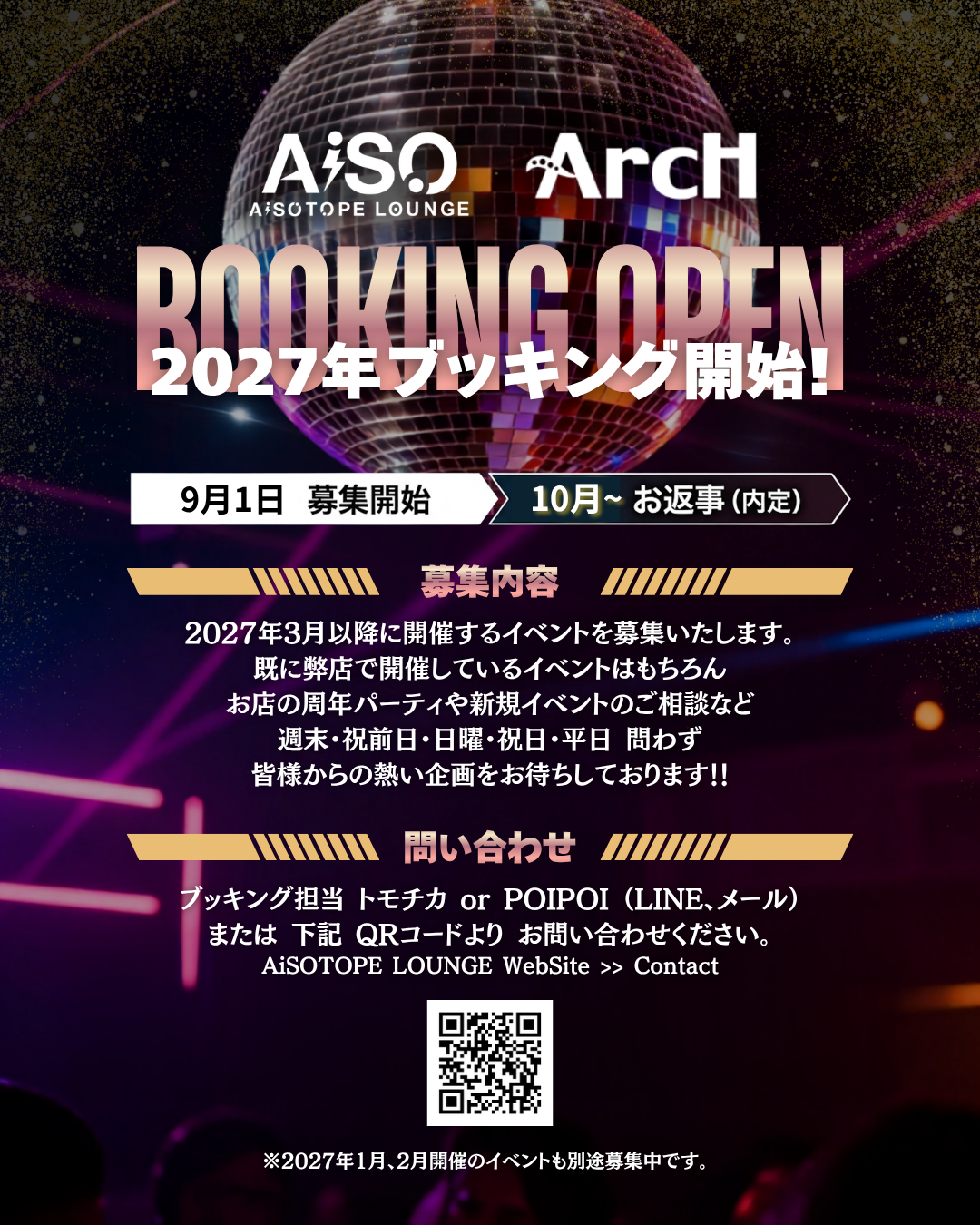
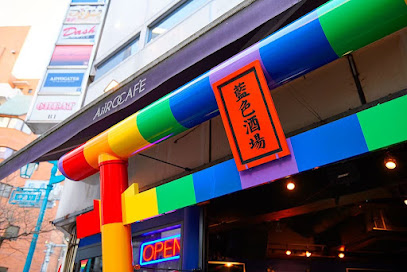
Long-running favourites include AiiRO Cafe, the open-fronted standing bar under the rainbow torii that serves as Ni-chōme's unofficial gathering point; AiSOTOPE Lounge and Arty Farty, the district's dependable dance venues; Dragon Men and EAGLE Tokyo; and New Sazae, a legendary all-night bar open since 1966. Bar Gold Finger anchors the queer women's scene with its signature women-only nights. The sauna scene is led by 24 Kaikan, the flagship gay bathhouse of Ni-chōme, alongside a cluster of men-only cruising venues (hattenba) in the surrounding 5-chōme and Gyoenmae blocks—a distinctly Japanese approach to gay leisure culture.
Beyond Ni-chōme, the broader Shinjuku area includes additional queer venues. Roppongi, an entertainment district several kilometres to the southeast, hosts a handful of upscale gay bars and clubs. East Shinjuku and the area around Shinjuku Station contain additional venues, though Ni-chōme remains the concentrated hub.
PRIDE AND ANNUAL EVENTS
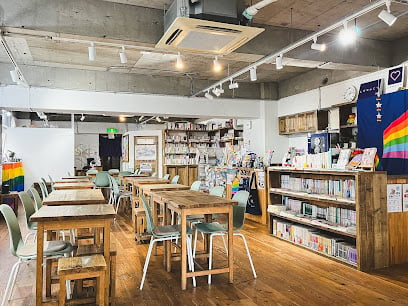
Tokyo Rainbow Pride, Japan's largest Pride event, takes place each June (moved from its former late-April/early-May slot in 2025) and is centered on Yoyogi Park and Shibuya with a street festival and parade drawing 200,000+ participants. The parade is not staged in Shinjuku itself, but Ni-chōme's bars and clubs run extended Pride-season programming, and Pride House Tokyo Legacy—Japan's first permanent LGBTQ+ community centre, on the edge of Ni-chōme—hosts talks and events year-round. The city also hosts numerous smaller events, circuit parties, and community gatherings year-round. Summer months see particularly active event calendars, with many venues hosting special parties and themed nights.
TRANSPORT AND NAVIGATION
Shinjuku Station is Tokyo's busiest train hub, with multiple lines converging: JR Yamanote Line, Chuo Line, Sobu Line, and several metro lines. Shinjuku-sanchōme Station on the Marunouchi Line provides direct access to Ni-chōme. The entire Tokyo metro system is extremely efficient, safe, and English-friendly, with apps like Google Maps providing real-time transit information. Taxis are abundant and reasonably priced for late-night transport, though many drivers don't speak English—having a destination address written in Japanese helps significantly. Ride-sharing services operate in Tokyo, offering alternatives to taxis.
WHERE TO STAY
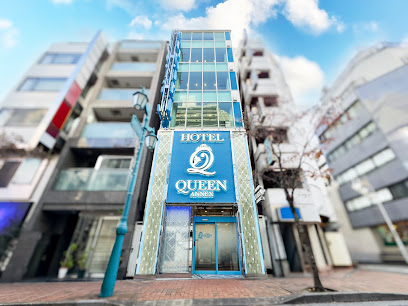
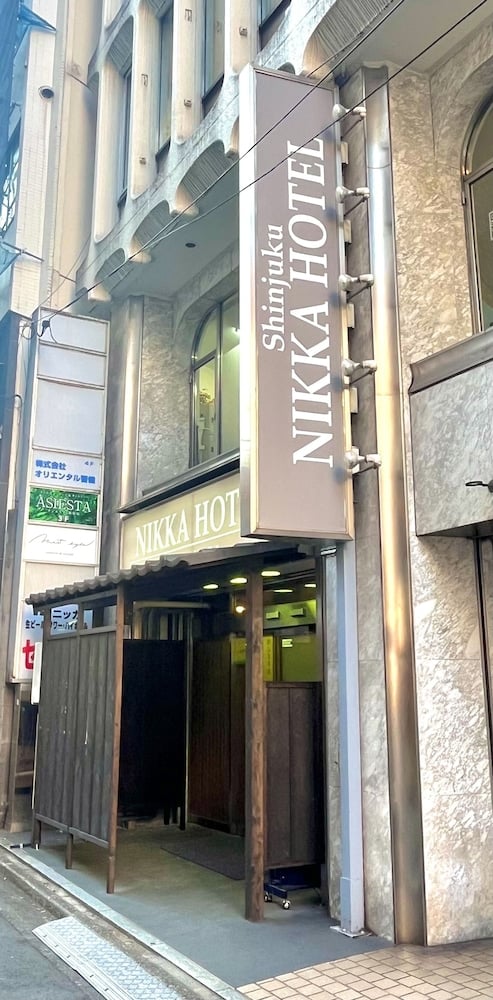
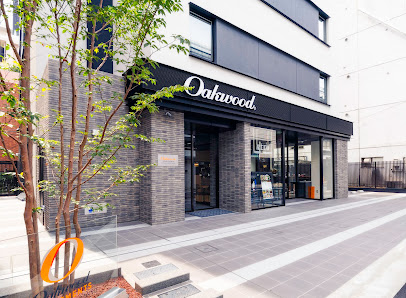
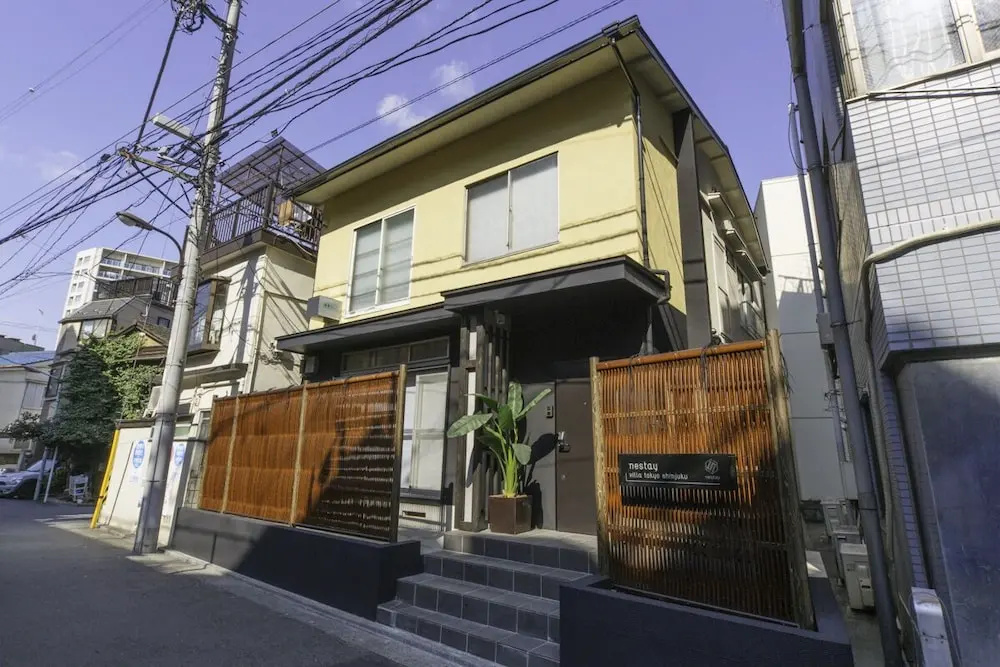
Shinjuku itself offers extensive accommodation from budget capsule hotels to luxury five-star properties. Hotels in Shinjuku proper provide convenient central location with quick access to Ni-chōme. For those seeking neighborhood immersion, guesthouses and small hotels within or immediately adjacent to Ni-chōme offer authentic experience, though rooms tend to be compact per Japanese standards. Nearby neighborhoods like Yotsuya, Shibuya, and Ikebukuro are easily accessible via short train rides. Business hotels throughout Shinjuku offer comfortable mid-range options. Booking platforms like Booking.com, Agoda, and Japanese-specific sites like Rakuten Travel provide extensive options.
Japan ranks among the world's safest countries with minimal violent crime. LGBTQ+ travelers should note that while acceptance in urban Tokyo is generally high, legal protections remain limited. Same-sex marriage is not recognized federally, though Tokyo and some municipalities offer partnership recognition. Public displays of affection in Shinjuku's gay district are entirely normal and welcome; outside these spaces, Japanese culture generally discourages physical affection between any couples in public. Ni-chōme is extremely safe with constant foot traffic, police presence, and community awareness. Drink spiking and predatory behavior occur but are rare and heavily discouraged by venue staff. Most bars have clear protocols for problematic behavior. Using common sense with strangers, staying with friends, and using trusted transportation home ensures safety. Homophobia exists in Japan as in all countries, but is generally expressed through social avoidance rather than confrontation. Travelers from countries with visa-free access to Japan benefit from straightforward entry.
FOOD AND DINING
Shinjuku offers extraordinary culinary diversity. Ni-chōme itself contains numerous LGBTQ+-friendly restaurants and izakayas serving yakitori (grilled chicken), ramen, sushi, tempura, and modern fusion cuisine. Many establishments display rainbow flags or cater explicitly to the queer community. Beyond Ni-chōme, Shinjuku's broader dining scene is unmatched—Michelin-starred restaurants, casual street food, conveyor belt sushi, curry houses, and every conceivable cuisine exist within walking distance. Omoide Yokocho, a famous alley of tiny yakitori restaurants, is located in Shinjuku and offers authentic grilled meat and drinks in atmospheric surroundings. Izakaya culture emphasizes casual group dining and drinking, making them ideal for solo travelers to meet locals. Convenience stores (konbini) offer excellent prepared food at reasonable prices. Ramen shops stay open late, providing sustenance during and after nights out.
DAY ACTIVITIES AND ATTRACTIONS
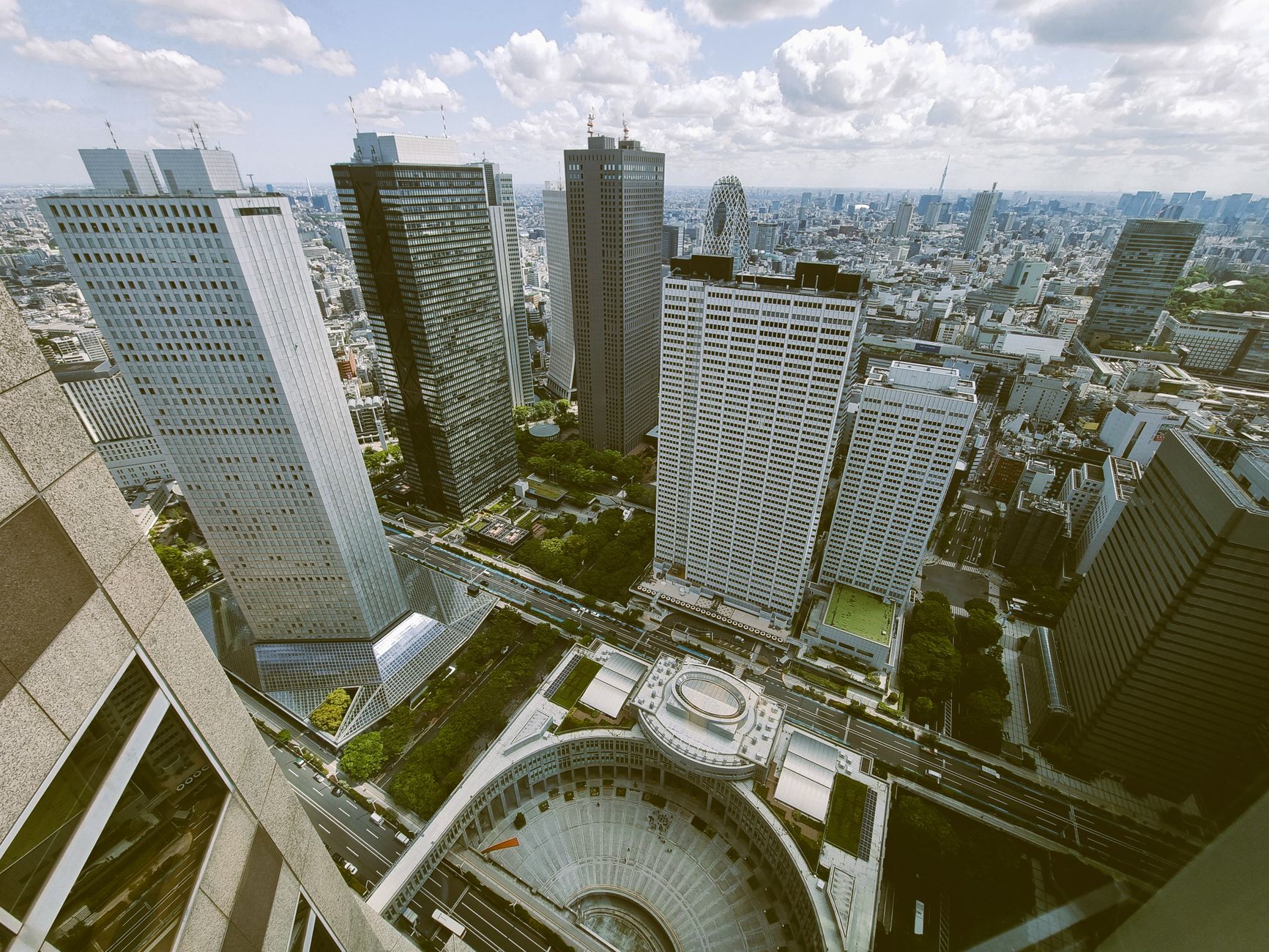
While Shinjuku's nightlife dominates LGBTQ+ travel, the neighborhood and surrounding areas offer substantial daytime appeal. The Shinjuku Gyoen National Garden provides an expansive park with seasonal flowers, walking paths, and cultural significance. Meiji Shrine in adjacent Shibuya represents Japan's most important Shinto shrine, set within a forested sanctuary. Tokyo Metropolitan Government Building offers free observation decks with panoramic city views. The neighborhood's department stores—Isetan, Takashimaya, Mitsukoshi—showcase Japanese retail excellence and fashion. The Museum of Modern Art and other cultural institutions provide arts engagement. Kabukicho, Shinjuku's famous entertainment district, features theaters, arcades, and entertainment venues. Nearby Shibuya Crossing represents Tokyo's most iconic intersection. For queer-specific daytime activity, some venues host daytime events or lounges; community centers occasionally offer cultural programming. Many visitors balance night activities with Tokyo's remarkable daytime offerings.
DAY TRIPS FROM SHINJUKU
Shinjuku's central location on Tokyo's rail network enables easy day trips. Nikko, two hours north, offers historic temples and natural scenery. Kamakura, an hour south, features Buddhist temples, beaches, and hiking. Mt. Fuji can be accessed via train to Hakone or Kawaguchiko with scenic views and hot springs. Yokohama, 40 minutes south, offers waterfront attractions and cultural museums. The Izu Islands are accessible via ferry or helicopter for beach getaways. Nearly all of Japan's major destinations are reachable within 2-4 hours via the efficient Shinkansen (bullet train) system.
PRACTICAL INFORMATION
Language: English proficiency in Tokyo is higher than elsewhere in Japan, particularly in entertainment districts and among younger people. Many venues in Ni-chōme have English speakers, particularly staff accustomed to international guests. Download translation apps like Google Translate for navigating menus and basic conversations. Having key phrases written in Japanese proves helpful.
Money: Japan is predominantly cash-based despite modernization. ATMs at convenience stores accept most international cards. Credit cards are increasingly accepted in larger establishments but not universally. The yen fluctuates; at time of writing, exchange rates favor international visitors from strong-currency countries.
Visa Requirements: Citizens of most developed nations enjoy 90-day visa-free entry to Japan. Citizens of certain nations require advance visas; check requirements well before travel.
Phones and Internet: Rental SIM cards, pocket wifi devices, and temporary phone plans are available at airports. Most accommodations offer free wifi. The Suica/Pasmo rechargeable card simplifies train and bus payments.
Weather and Seasons: Spring (March-May) and autumn (September-November) offer ideal weather. Summer (June-August) is hot and humid; winter (December-February) is cold but generally clear. Typhoon season occurs September-October.
Frequently asked questions
Shinjuku's LGBTQ+ scene has a history of openness. While Japan does not recognize same-sex marriage, urban centers like Shinjuku foster openly gay culture with remarkable openness compared to neighboring countries.
Shinjuku Ni-chōme (新宿二丁目) is the main gay district and the largest concentration of LGBTQ+ venues in Asia. It sits just east of Shinjuku Station and is most directly reached from Shinjuku-sanchōme Station (exit C5/C7). The compact area packs in roughly 300 bars, clubs, saunas and cafés.
Shinjuku's bar scene emphasizes intimacy and regularity. Many establishments cater to specific niches, such as venues exclusively for women, bears, older men, or specific nationalities.
Yes. Ni-chōme has several larger, tourist-friendly venues with dance floors and DJ nights — AiSOTOPE Lounge, Arty Farty, Dragon Men and the landmark AiiRO Cafe among them. These draw a mixed international crowd and usually have English-speaking staff. Most of the district, though, is made up of tiny specialist bars seating a dozen or so guests.
Ni-chōme is a contained, intimate world despite being in central Tokyo. The streets are narrow and lined with tiny bars, with many venues having a capacity under 20 people.
Tokyo Rainbow Pride, Japan's biggest Pride, is held each June around Yoyogi Park and Shibuya rather than in Shinjuku itself, but Ni-chōme's bars run their own Pride-season street parties. Throughout the year the district hosts drag shows, circuit parties and community events, and Pride House Tokyo Legacy — Japan's first permanent LGBTQ+ centre, near Shinjuku-Gyoenmae — runs talks and exhibitions.
Your privacy choices.
We use cookies to run GayOut and, with your consent, measure usage. Learn more
Your privacy choices
We use cookies to keep GayOut running, remember your preferences, and (with your permission) measure how the site is used. You can accept all, reject all, or pick what you allow. Learn more
Essential
Required for sign-in, fraud prevention, CSRF protection and remembering your language. Cannot be disabled.
Always on
Remembers your favourites, dark mode and other interface preferences across visits.
Helps us understand which pages people visit (Google Analytics, server-side stats) so we can improve.
Used by campaign tracking pixels. None are active right now, reserved for future use.
Install GayOut
Add GayOut to your home screen for faster access, offline favourites, and Pride alerts.






![[9/25Fri] La Noche – Women-only Latin Dance Night💃✨](https://secure.meetupstatic.com/photos/event/a/8/2/b/600_531823051.jpeg)



 Gay Bars & Clubs
Featured
(273)
Gay Bars & Clubs
Featured
(273)