كل ما يستحق المعرفة قبل السفر.
LGBTQ+ status
Legal but conservative
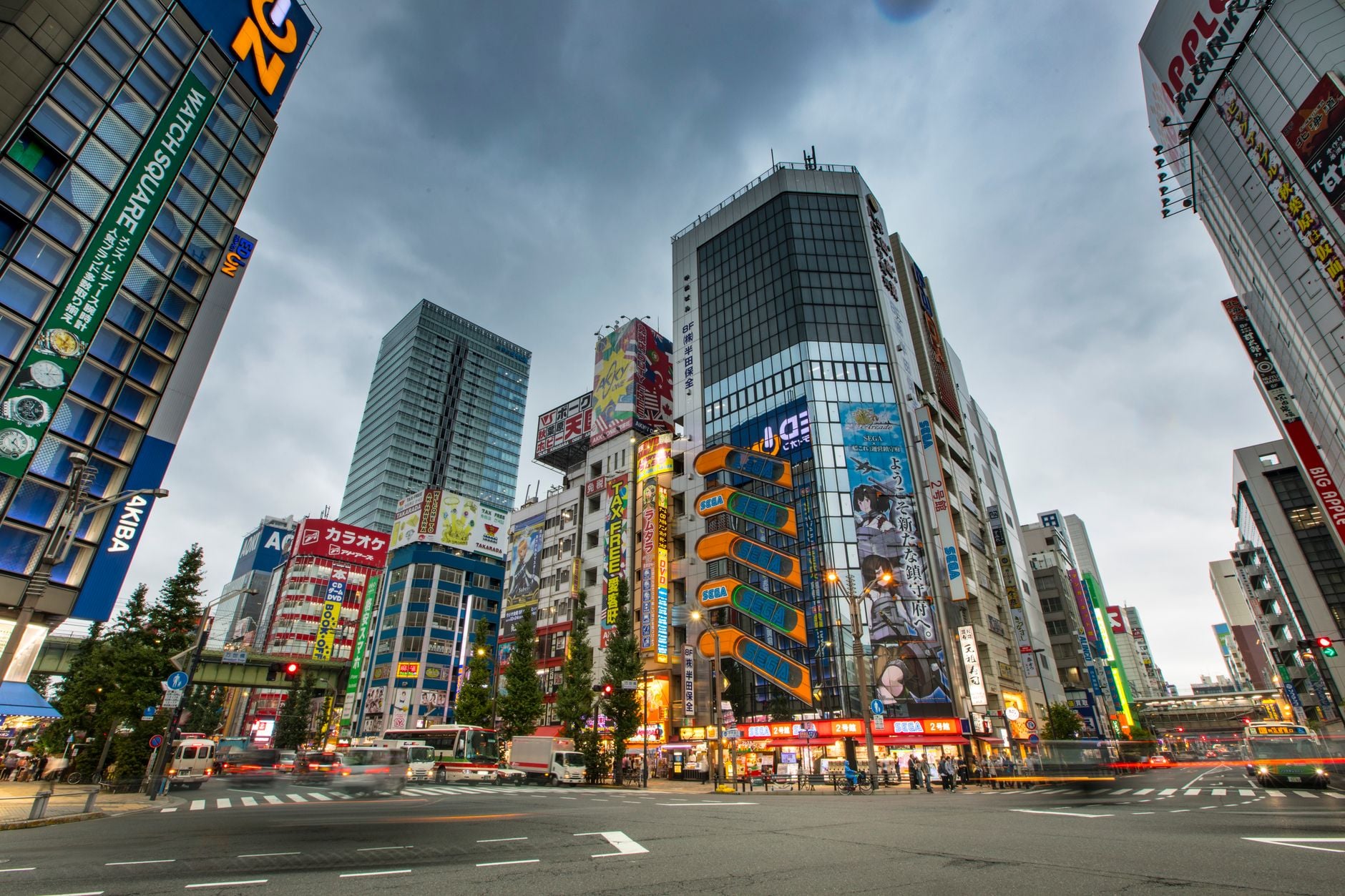
شينجوكو: عاصمة مجتمع الميم في طوكيو
برزت مدينة شينجوكو كوجهة مجتمع الميم الأكثر حيوية في آسيا، والتي يرتكز وجودها على حي ني-تشومي الأسطوري. يقدم هذا الدليل الشامل كل ما تحتاجه لزيارة لا تُنسى لأحد أكثر مجتمعات المثليين والمتحولين جنسياً والمزدوجي الميل الجنسي والمتحولين جنسياً والميول الجنسية الأخرى (queer) حيوية في العالم.
تاريخ المشهد
للمشهد الخاص بمجتمع الميم في شينجوكو جذور تاريخية عميقة. في حين أن الوضع القانوني في اليابان فيما يتعلق بالعلاقات المثلية لا يزال معقداً - فالزواج المثلي غير معترف به فيدرالياً، على الرغم من أن بعض البلديات تقدم شهادات شراكة - فقد سمح القبول الثقافي في طوكيو بازدهار مجتمع المثليين والمتحولين جنسياً والمزدوجي الميل الجنسي والمتحولين جنسياً والميول الجنسية الأخرى (queer) المزدهر لعقود. بدأ حي ني-تشومي في التطور كحي للمثليين في الستينيات والسبعينيات، ليتحول تدريجياً إلى الوجهة العالمية التي هو عليها اليوم. نجا الحي من أزمة فيروس نقص المناعة البشرية في التسعينيات، والركود الاقتصادي، وتغير اتجاهات الحياة الليلية ليصبح شائعاً بشكل متزايد لدى الزوار الدوليين والمثليين والمتحولين جنسياً والمزدوجي الميل الجنسي والمتحولين جنسياً والميول الجنسية الأخرى (queer) اليابانيين الشباب الذين يبحثون عن مجتمع. على عكس أحياء المثليين الغربية التي شهدت تحسينات حضرية أو تراجعاً، توسع حي ني-تشومي وحدّث نفسه بالفعل مع الحفاظ على طابعه المميز.
ني-تشومي: قلب شينجوكو للمثليين
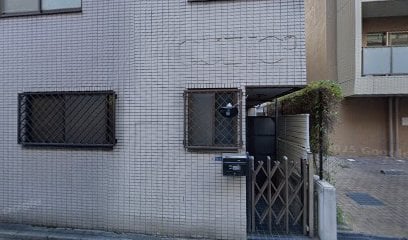
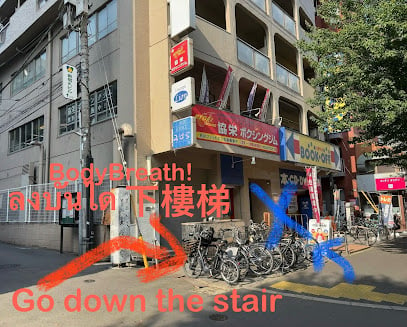
يشغل حي ني-تشومي (والذي يعني حرفياً "القطعة الثانية") ما يقرب من أربع كتل مربعة في وسط شينجوكو، ويمكن الوصول إليه عبر محطة شينجوكو أو بشكل مباشر أكثر عبر محطة شينجوكو-سانتشومي (مخرج C5/C7) على خطوط مارونوتشي، فوكوتوشين، وتوي شينجوكو. الحي قابل للمشي بشكل ملحوظ على الرغم من كثافته. فوق الأرض، يبدو ني-تشومي كحي أعمال ياباني عادي خلال النهار، ولكنه ينبض بالحياة بعد غروب الشمس مع لافتات النيون، وفوانيس الإيزاكايا، وتدفقات من المحتفلين ذوي الملابس الأنيقة. تقع معظم أماكن السهر في طوابق متعددة من المباني غير المميزة، ويمكن الوصول إليها عبر أبواب ضيقة ودرج - وهذا التكتم المتعمد يعكس كلاً من المعايير الثقافية اليابانية والواقع العملي بأن العديد من أماكن السهر تعمل في مساحات ضيقة.
أماكن السهر والأحياء
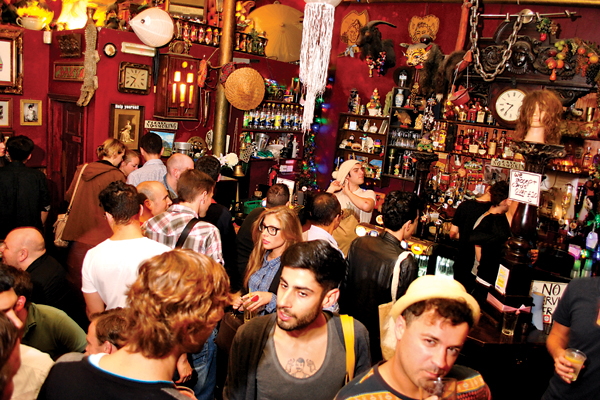
ني-تشومي تضم حوالي 300 مؤسسة تخدم مجتمع الميم عين. وبينما تتغير ملكية أماكن معينة، أو تنتقل، أو تغلق، فقد عملت العديد من الأماكن المفضلة الراسخة منذ عقود. يشمل الحي أنواعًا متنوعة من الأماكن: حانات الاستضافة التقليدية حيث يقدم المضيفون الترفيه والمحادثة؛ حانات الوقوف (tachinomiya) حيث يقف الضيوف جنبًا إلى جنب في مساحات حميمة؛ نوادي الرقص التي تضم دي جي دوليين وحفلات Circuit؛ حمامات تقدم ثقافة الاستحمام اليابانية التقليدية مع مساحات جنسية؛ أماكن عروض السحب (drag) مع عروض ليلية؛ وحانات إيزاكايا عادية لا يمكن تمييزها عن المؤسسات المغايرة باستثناء روادها.
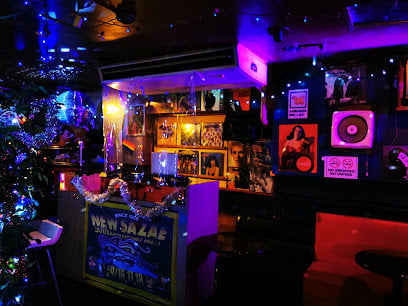
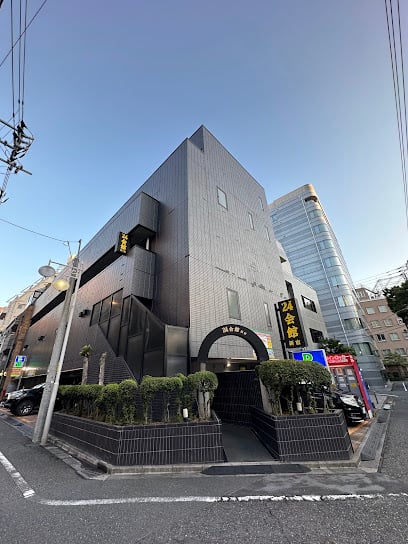
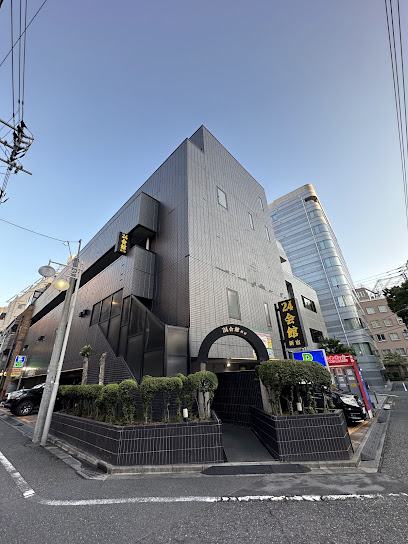
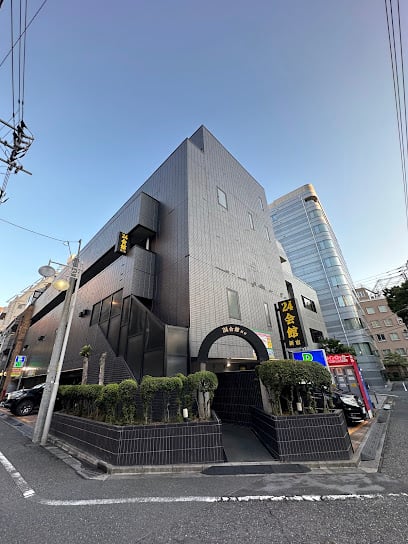
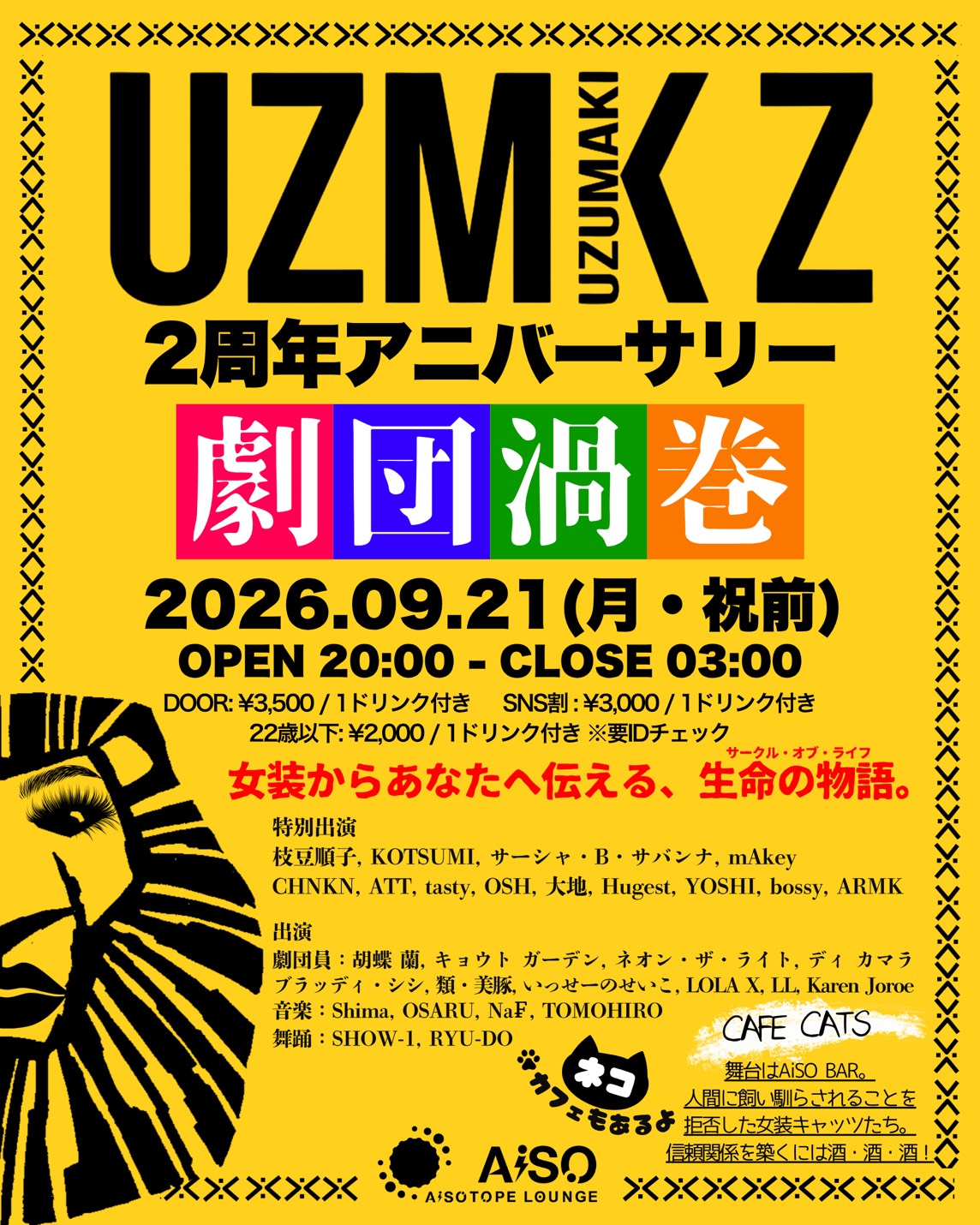
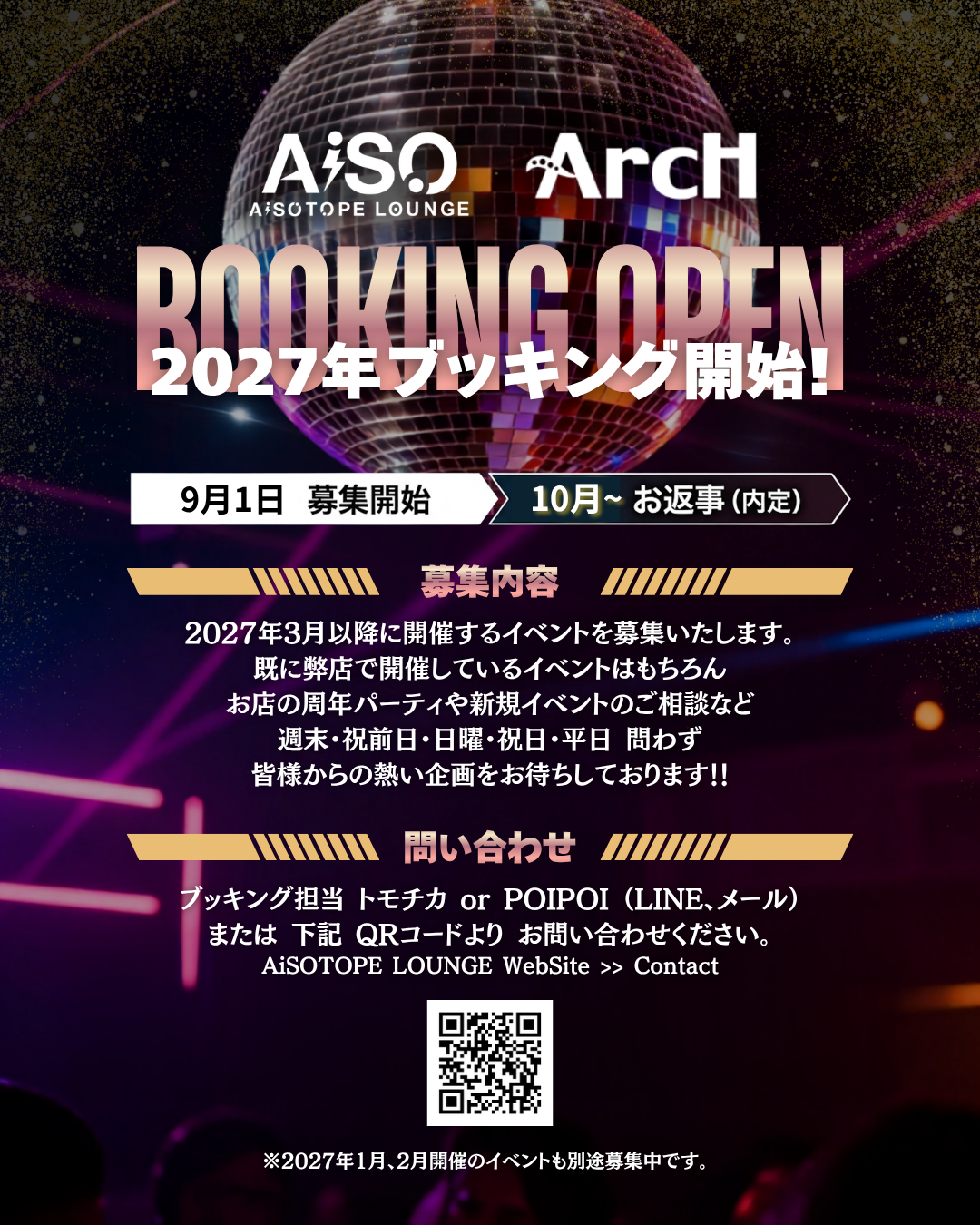
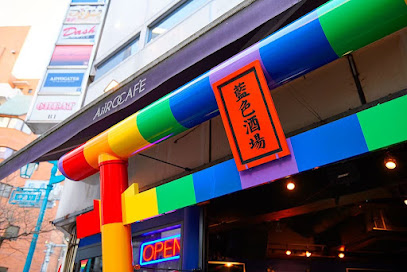
تشمل الأماكن المفضلة التي تعمل منذ فترة طويلة AiiRO Cafe، حانة الوقوف ذات الواجهة المفتوحة تحت بوابة توري قوس قزح التي تعمل كنقطة تجمع غير رسمية لني-تشومي؛ AiSOTOPE Lounge و Arty Farty، أماكن الرقص الموثوقة في الحي؛ Dragon Men و EAGLE Tokyo؛ و New Sazae، حانة أسطورية مفتوحة طوال الليل منذ عام 1966. ترسو Bar Gold Finger مشهد النساء الكويرات بحفلاتها المميزة المخصصة للنساء فقط. يقود مشهد الساونا 24 Kaikan، وهو حمام المثليين الرائد في ني-تشومي، جنبًا إلى جنب مع مجموعة من أماكن التجول المخصصة للرجال فقط (hattenba) في كتل 5-تشومي و Gyoenmae المحيطة - وهو نهج ياباني مميز لثقافة الترفيه للمثليين.
إلى جانب ني-تشومي، تشمل منطقة شينجوكو الأوسع أماكن كوير إضافية. تستضيف روبونجي، وهي منطقة ترفيهية على بعد عدة كيلومترات إلى الجنوب الشرقي، عددًا قليلاً من حانات ونوادي المثليين الراقية. يحتوي شرق شينجوكو والمنطقة المحيطة بمحطة شينجوكو على أماكن إضافية، على الرغم من أن ني-تشومي تظل المركز المتركز.
الاعتزاز والفعاليات السنوية
مدينة شينجوكو
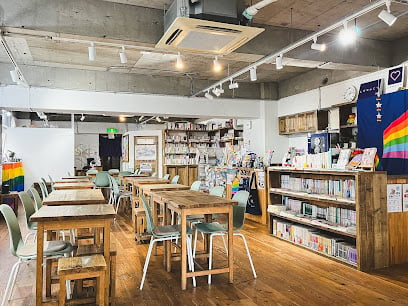
"طوكيو رينبو برايد" (Tokyo Rainbow Pride)، أكبر فعاليات الفخر في اليابان، تُقام كل شهر يونيو (تم نقلها من موعدها السابق في أواخر أبريل/أوائل مايو اعتبارًا من عام 2025) وتتركز حول حديقة يويوجي (Yoyogi Park) وشيبويا (Shibuya)، حيث تجذب مسيرة واحتفالات الشوارع أكثر من 200 ألف مشارك. لا تُقام المسيرة في شينجوكو نفسها، لكن الحانات والنوادي في حي ني-تشومي (Ni-chōme) تقدم برامج موسعة خلال موسم الفخر، ويستضيف مركز "برايد هاوس طوكيو ليجاسي" (Pride House Tokyo Legacy) - أول مركز مجتمعي دائم للمثليين والمتحولين جنسياً ومزدوجي الميل الجنسي والمغايرين جنسياً في اليابان، على أطراف ني-تشومي - ندوات وفعاليات على مدار العام. كما تستضيف المدينة العديد من الفعاليات الأصغر وحفلات الدوائر والتجمعات المجتمعية على مدار العام. تشهد أشهر الصيف تقويم فعاليات نشط بشكل خاص، حيث تستضيف العديد من الأماكن حفلات خاصة وأمسيات ذات طابع خاص.
المواصلات والتنقل
تُعد محطة شينجوكو (Shinjuku Station) مركز القطارات الأكثر ازدحامًا في طوكيو، حيث تلتقي خطوط متعددة: خط JR Yamanote Line، وخط Chuo Line، وخط Sobu Line، والعديد من خطوط المترو. توفر محطة شينجوكو-سانتشومي (Shinjuku-sanchōme Station) على خط مارونوتشي (Marunouchi Line) وصولاً مباشرًا إلى ني-تشومي. نظام مترو طوكيو بأكمله فعال للغاية وآمن وصديق للمتحدثين باللغة الإنجليزية، مع تطبيقات مثل خرائط جوجل (Google Maps) توفر معلومات النقل في الوقت الفعلي. سيارات الأجرة متوفرة بكثرة وبأسعار معقولة للنقل في وقت متأخر من الليل، على الرغم من أن العديد من السائقين لا يتحدثون الإنجليزية - وجود عنوان الوجهة مكتوبًا باللغة اليابانية يساعد بشكل كبير. تعمل خدمات مشاركة الركوب في طوكيو، مما يوفر بدائل لسيارات الأجرة.
أماكن الإقامة
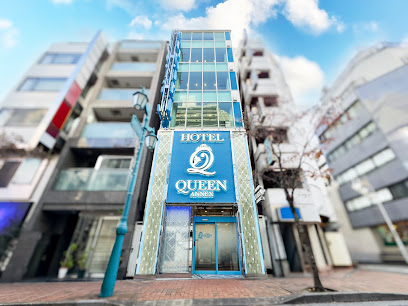
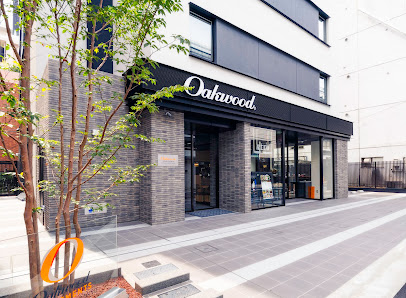
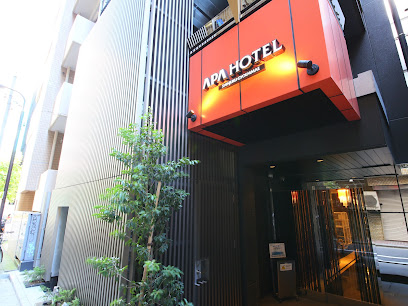
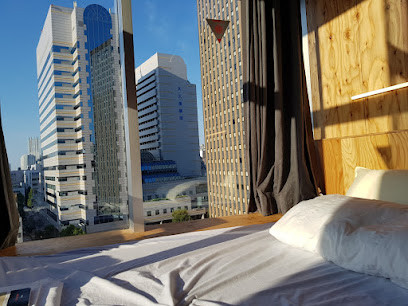
تقدم مدينة شينجوكو نفسها خيارات إقامة واسعة تتراوح من فنادق الكبسولات الاقتصادية إلى الفنادق الفاخرة ذات الخمس نجوم. توفر الفنادق في قلب شينجوكو موقعًا مركزيًا مريحًا مع سهولة الوصول إلى Ni-chōme. أما بالنسبة للباحثين عن الانغماس في أجواء الحي، فإن بيوت الضيافة والفنادق الصغيرة داخل Ni-chōme أو المجاورة لها مباشرة تقدم تجربة أصيلة، على الرغم من أن الغرف تميل إلى أن تكون صغيرة وفقًا للمعايير اليابانية. يمكن الوصول بسهولة إلى الأحياء القريبة مثل Yotsuya و Shibuya و Ikebukuro عبر رحلات قطار قصيرة. توفر فنادق الأعمال في جميع أنحاء شينجوكو خيارات مريحة متوسطة المدى. توفر منصات الحجز مثل Booking.com و Agoda والمواقع اليابانية المتخصصة مثل Rakuten Travel خيارات واسعة.
اعتبارات السلامة
تحتل اليابان مرتبة بين أكثر دول العالم أمانًا مع حد أدنى من الجرائم العنيفة. يجب على المسافرين من مجتمع الميم ملاحظة أنه بينما يكون القبول في طوكيو الحضرية مرتفعًا بشكل عام، فإن الحماية القانونية لا تزال محدودة. لا يتم الاعتراف بالزواج من نفس الجنس على المستوى الفيدرالي، على الرغم من أن طوكيو وبعض البلديات تقدم الاعتراف بالشراكة. المظاهر العلنية للمودة في الحي المثلي في شينجوكو طبيعية تمامًا ومرح بها؛ خارج هذه المساحات، تشجع الثقافة اليابانية بشكل عام على تجنب المودة الجسدية بين أي زوجين في الأماكن العامة. Ni-chōme آمن للغاية مع حركة مرور مستمرة للأقدام، ووجود الشرطة، ووعي المجتمع. يحدث تسميم المشروبات والسلوك المفترس ولكنه نادر ويتم تثبيطه بشدة من قبل موظفي الأماكن. معظم الحانات لديها بروتوكولات واضحة للسلوك الإشكالي. استخدام الحس السليم مع الغرباء، والبقاء مع الأصدقاء، واستخدام وسائل نقل موثوقة للعودة إلى المنزل يضمن السلامة. رهاب المثلية موجود في اليابان كما في جميع البلدان، ولكنه يُعبر عنه بشكل عام من خلال التجنب الاجتماعي بدلاً من المواجهة. يستفيد المسافرون من البلدان التي لديها إعفاء من التأشيرة لدخول اليابان من دخول مباشر.
الطعام والمطاعم
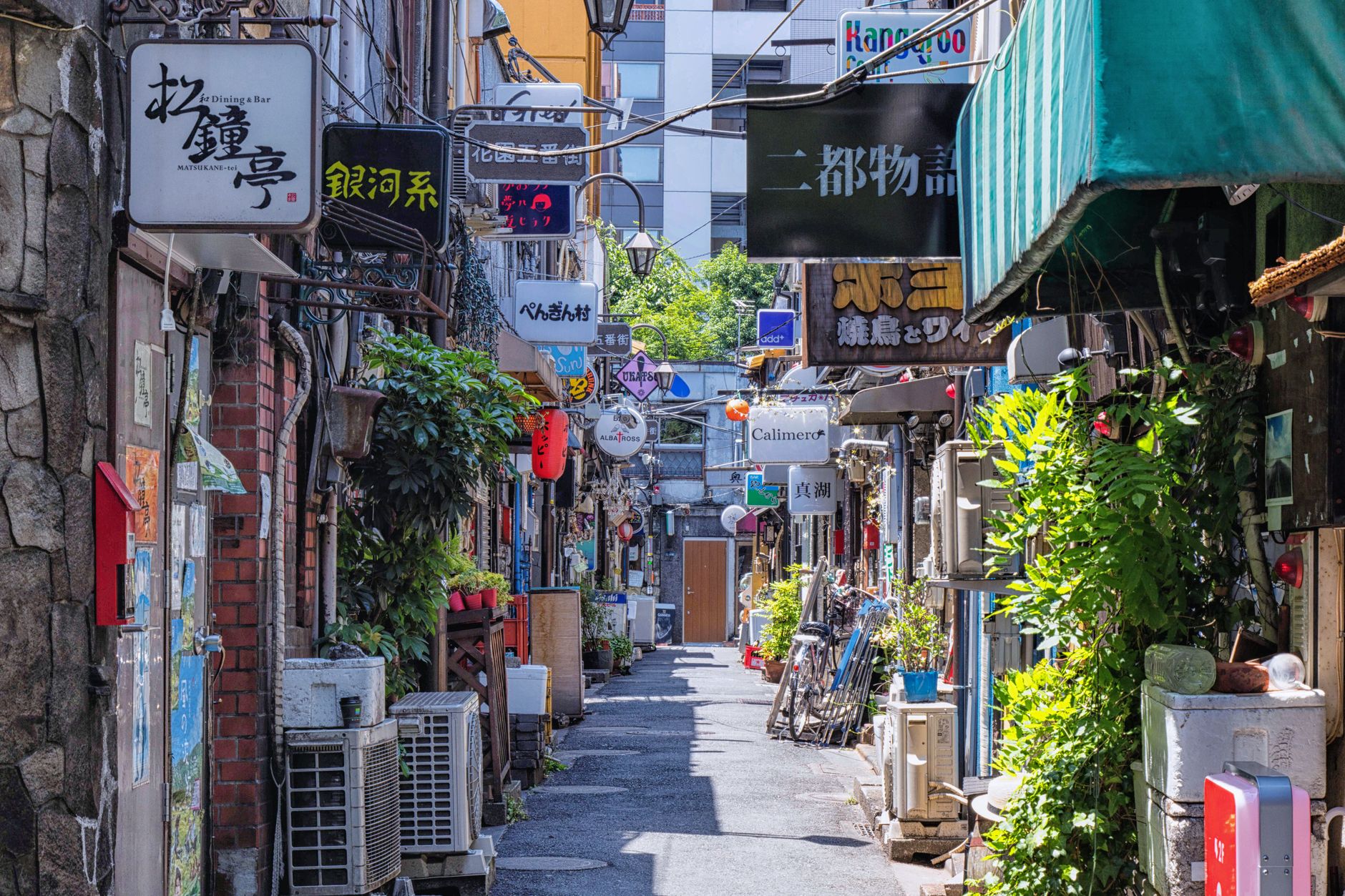
تقدم شينجوكو تنوعًا استثنائيًا في فنون الطهي. تضم منطقة Ni-chōme نفسها العديد من المطاعم والحانات اليابانية (izakayas) الصديقة لمجتمع الميم عين، والتي تقدم أطباق الياكيتوري (الدجاج المشوي)، والرامن، والسوشي، والتيمبورا، والمأكولات العصرية المبتكرة. تعرض العديد من المؤسسات أعلام قوس قزح أو تخدم بشكل صريح المجتمع الكوير. خارج Ni-chōme، لا مثيل لمشهد الطعام الأوسع في شينجوكو – فالمطاعم الحائزة على نجمة ميشلان، وأطعمة الشارع العادية، والسوشي على سير متحرك، ومطاعم الكاري، وجميع أنواع المأكولات التي يمكن تخيلها موجودة على مسافة قريبة. يقع Omoide Yokocho، وهو زقاق شهير يضم مطاعم ياكيتوري صغيرة، في شينجوكو ويقدم اللحوم المشوية الأصيلة والمشروبات في أجواء ساحرة. تؤكد ثقافة الإيزاكايا على تناول الطعام والشراب الجماعي غير الرسمي، مما يجعلها مثالية للمسافرين المنفردين للقاء السكان المحليين. توفر المتاجر الصغيرة (konbini) أطعمة جاهزة ممتازة بأسعار معقولة. تظل مطاعم الرامن مفتوحة لوقت متأخر، مما يوفر الغذاء خلال وبعد الليالي الطويلة.
أنشطة نهارية ومعالم سياحية
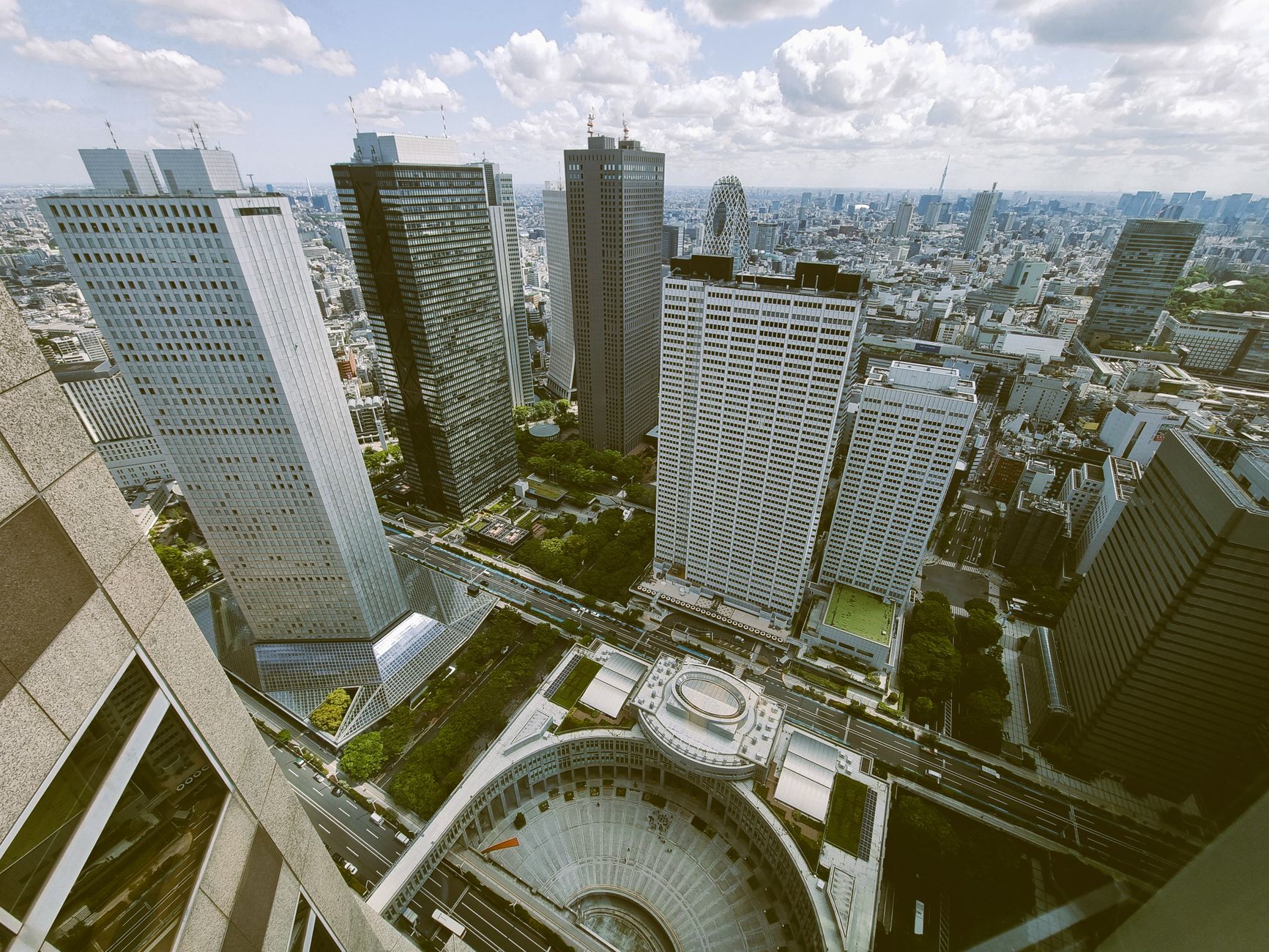
بينما تهيمن الحياة الليلية في Shinjuku على سياحة مجتمع الميم، تقدم المنطقة والمناطق المحيطة بها جاذبية كبيرة خلال النهار. توفر حديقة Shinjuku Gyoen الوطنية متنزهًا واسعًا يضم زهورًا موسمية ومسارات للمشي وأهمية ثقافية. يمثل ضريح Meiji Shrine في Shibuya المجاورة أقدم وأهم ضريح شنتو في اليابان، ويقع داخل محمية غابات. يوفر مبنى حكومة مدينة طوكيو (Tokyo Metropolitan Government Building) منصات مراقبة مجانية توفر إطلالات بانورامية على المدينة. تعرض المتاجر الكبرى في الحي — Isetan، Takashimaya، Mitsukoshi — التميز الياباني في مجال التجزئة والأزياء. يوفر متحف الفن الحديث (Museum of Modern Art) والمؤسسات الثقافية الأخرى تفاعلًا فنيًا. يضم حي Kabukicho، منطقة الترفيه الشهيرة في Shinjuku، مسارح وألعابًا وترفيهًا. يمثل تقاطع Shibuya Crossing القريب أشهر تقاطع في طوكيو. بالنسبة للأنشطة النهارية المخصصة لمجتمع الميم، تستضيف بعض الأماكن فعاليات أو صالات نهارية؛ تقدم المراكز المجتمعية أحيانًا برامج ثقافية. يوازن العديد من الزوار بين الأنشطة الليلية والعروض النهارية الرائعة في طوكيو.
رحلات يومية من Shinjuku
يتيح الموقع المركزي لـ Shinjuku على شبكة السكك الحديدية في طوكيو رحلات يومية سهلة. تقدم Nikko، على بعد ساعتين شمالًا، معابد تاريخية ومناظر طبيعية خلابة. تضم Kamakura، على بعد ساعة جنوبًا، معابد بوذية وشواطئ ومسارات للمشي. يمكن الوصول إلى جبل Fuji عبر القطار إلى Hakone أو Kawaguchiko مع مناظر خلابة وينابيع ساخنة. تقدم Yokohama، على بعد 40 دقيقة جنوبًا، معالم سياحية على الواجهة البحرية ومتاحف ثقافية. يمكن الوصول إلى جزر Izu عبر العبارة أو المروحية لقضاء عطلات شاطئية. يمكن الوصول إلى جميع الوجهات الرئيسية في اليابان تقريبًا في غضون 2-4 ساعات عبر نظام قطار الشينكانسن (Shinkansen) الفعال.
معلومات عملية
اللغة: مستوى إتقان اللغة الإنجليزية في طوكيو أعلى منه في أي مكان آخر في اليابان، خاصة في مناطق الترفيه وبين الشباب. العديد من الأماكن في Ni-chōme لديها متحدثون باللغة الإنجليزية، لا سيما الموظفون المعتادون على الضيوف الدوليين. قم بتنزيل تطبيقات الترجمة مثل Google Translate للتنقل في القوائم والمحادثات الأساسية. كتابة عبارات رئيسية باللغة اليابانية ستكون مفيدة.
المال: اليابان تعتمد بشكل أساسي على النقد على الرغم من التحديث. تقبل أجهزة الصراف الآلي في المتاجر الشاملة معظم البطاقات الدولية. يتم قبول بطاقات الائتمان بشكل متزايد في المؤسسات الكبيرة ولكن ليس في كل مكان. الين متقلب؛ في وقت كتابة هذه السطور، تفضل أسعار الصرف الزوار الدوليين من البلدان ذات العملات القوية.
متطلبات التأشيرة: يتمتع مواطنو معظم الدول المتقدمة بدخول اليابان لمدة 90 يومًا بدون تأشيرة. يحتاج مواطنو دول معينة إلى تأشيرات مسبقة؛ تحقق من المتطلبات قبل السفر بوقت طويل.
الهواتف والإنترنت: تتوفر بطاقات SIM للإيجار وأجهزة واي فاي محمولة وخطط هواتف مؤقتة في المطارات. توفر معظم أماكن الإقامة خدمة واي فاي مجانية. تسهل بطاقة Suica/Pasmo القابلة لإعادة الشحن دفع أجرة القطارات والحافلات.
الطقس والفصول: الربيع (مارس-مايو) والخريف (سبتمبر-نوفمبر) يوفران طقسًا مثاليًا. الصيف (يونيو-أغسطس) حار ورطب؛ الشتاء (ديسمبر-فبراير) بارد ولكنه صافٍ بشكل عام. موسم الأعاصير يحدث في سبتمبر-أكتوبر.



![[9/25Fri] La Noche – Women-only Latin Dance Night💃✨](https://secure.meetupstatic.com/photos/event/a/8/2/b/600_531823051.jpeg)


 حانات ونوادٍ مثلية
مميز
(273)
حانات ونوادٍ مثلية
مميز
(273)