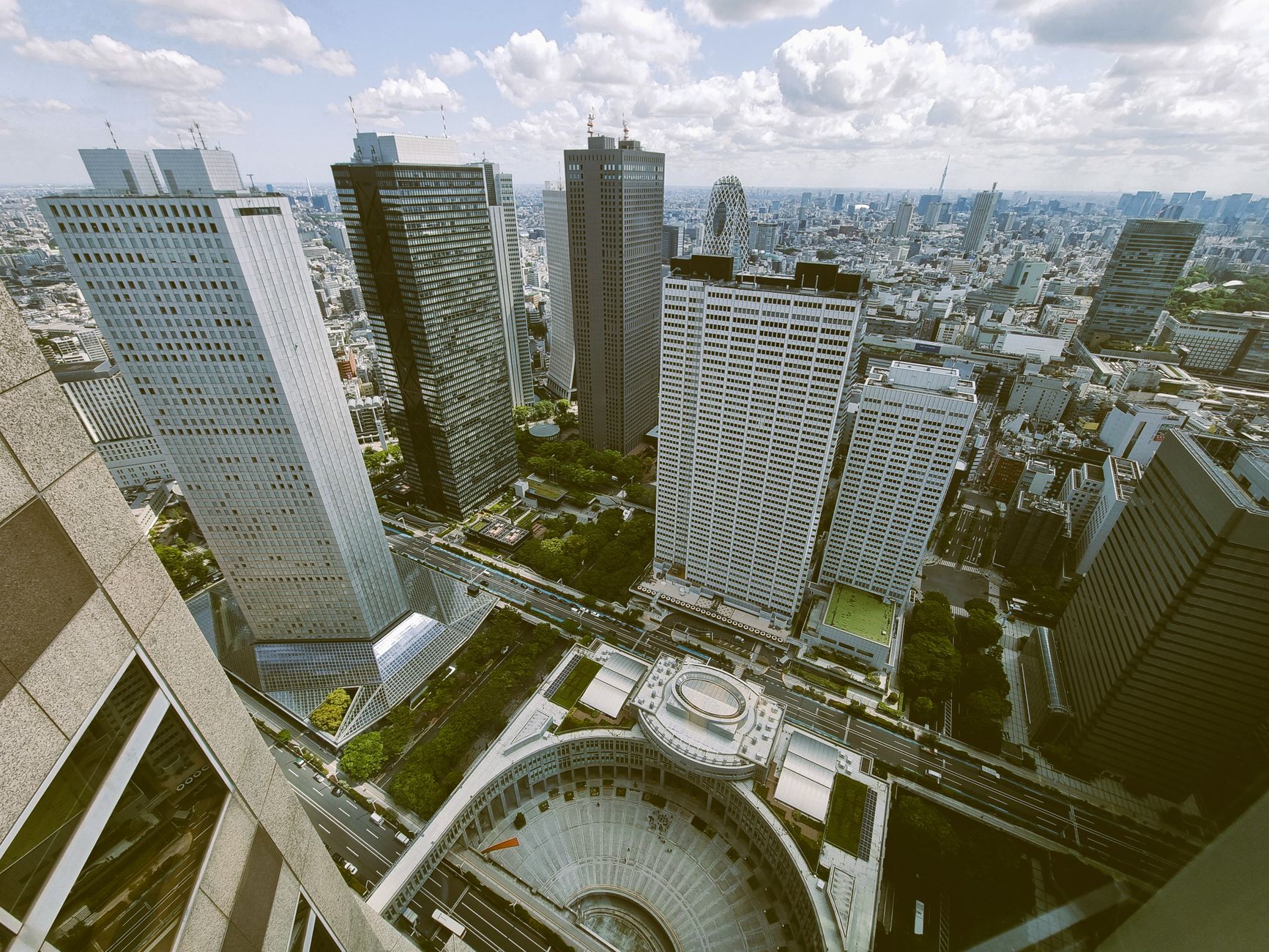
Eşcinsel birlikteliklerin ulusal düzeyde tanınması yok. Birçok belediye birliktelik sertifikası veriyor. Ulusal eşcinsel evlilik kararı mahkemelerden bekleniyor. Sosyal kabul büyük ölçüde değişkenlik gösteriyor.
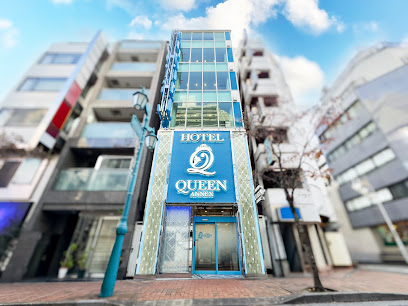
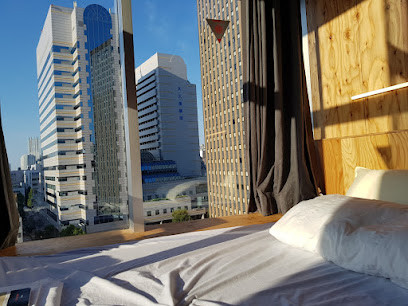
JR Shinjuku Station'dan sadece 5 dakikalık yürüyüş uzaklığında bulunan, erkeklere özel otel Green Plaza Shinjuku Capsule, sauna, çatı katında halka açık sıcak küvet ve bazı alanlarda ücretsiz Wi-Fi…
Shinjuku, efsanevi Ni-chōme bölgesiyle Asya'nın en dinamik LGBTQ+ destinasyonu olarak öne çıkıyor. Bu kapsamlı rehber, dünyanın en canlı queer topluluklarından birine unutulmaz bir ziyaret için gereken her şeyi kapsıyor.
SAHNENİN TARİHİ
Shinjuku'daki LGBTQ+ sahnesinin köklü bir tarihi var. Japonya'da eşcinsel ilişkilerle ilgili yasal durum karmaşık olmaya devam etse de (eşcinsel evlilik federal düzeyde tanınmıyor, ancak bazı belediyeler ortaklık sertifikaları sunuyor), Tokyo'nun kültürel kabulü yıllardır gelişen bir queer topluluğunun filizlenmesine olanak tanıdı. Ni-chōme, 1960'lar ve 1970'lerde bir gay bölgesi olarak gelişmeye başladı ve zamanla bugünkü dünya standartlarındaki destinasyonuna dönüştü. Mahalle, 1990'lardaki HIV krizi, ekonomik durgunluklar ve değişen gece hayatı trendlerinden sağ çıkarak, uluslararası ziyaretçiler ve topluluk arayan genç Japon queer'ler arasında giderek daha popüler hale geldi. Kentleşen veya küçülen Batılı gay bölgelerinin aksine, Ni-chōme kendine özgü karakterini koruyarak genişlemiş ve modernleşmiştir.
NI-CHŌME: GAY SHINJUKU'NUN KALBİ
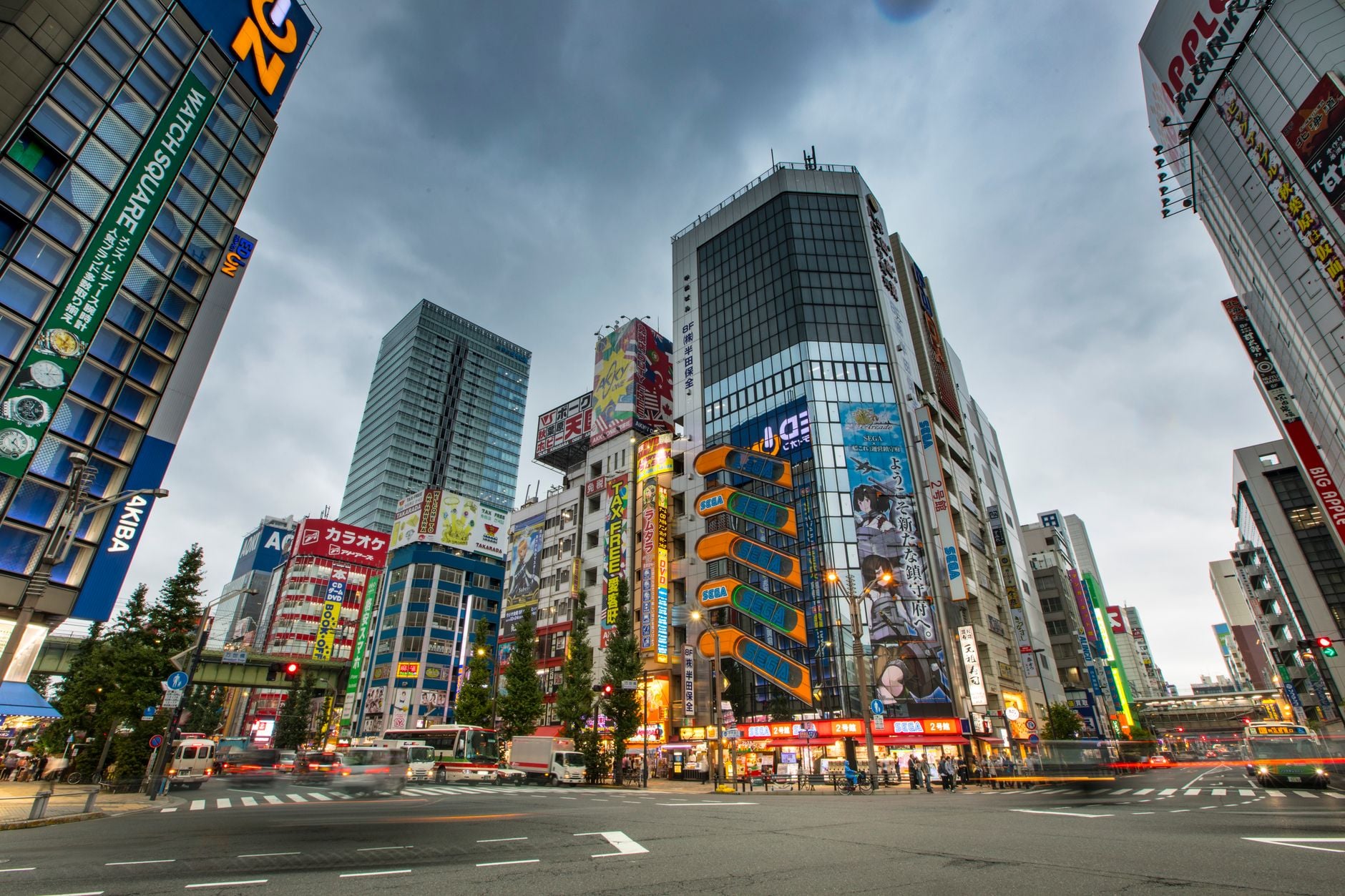
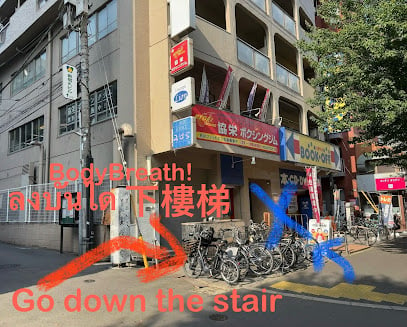
Ni-chōme bölgesi (kelimenin tam anlamıyla "2. blok"), Shinjuku'nun merkezinde yaklaşık dört blok karelik bir alanı kaplar ve Shinjuku İstasyonu'ndan veya daha doğrudan Marunouchi, Fukutoshin ve Toei Shinjuku hatlarındaki Shinjuku-sanchōme İstasyonu'ndan (C5/C7 çıkışı) ulaşılabilir. Yoğunluğuna rağmen mahalle oldukça yürünebilir. Yüzeyde, Ni-chōme gündüzleri sıradan bir Japon iş bölgesi gibi görünür, ancak gün batımından sonra neon tabelalar, izakaya fenerleri ve şık giyimli eğlence düşkünlerinin akışıyla canlanır. Mekanların çoğu, dar kapılardan ve merdivenlerden erişilebilen, işaretlenmemiş binaların çok katlılarında yer alır; bu kasıtlı gizlilik, hem Japon kültürel normlarını hem de birçok mekanın dar alanlarda faaliyet göstermesinin pratik gerçeğini yansıtır.
MEKANLAR VE MAHALLELER
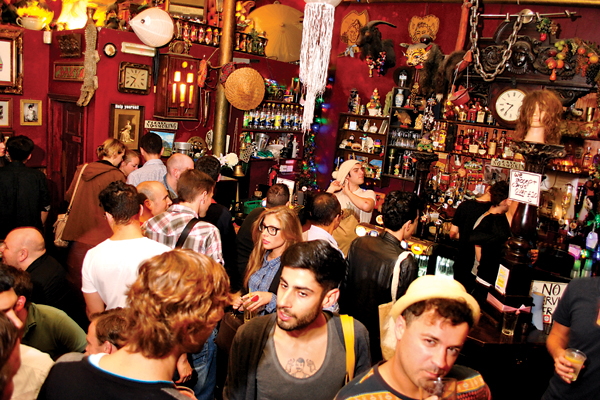
Ni-chōme, yaklaşık 300 adet LGBTQ+ topluluğuna hizmet veren işletmeye ev sahipliği yapmaktadır. Belirli mekanlar el değiştirebilir, taşınabilir veya kapanabilir olsa da, uzun süredir hizmet veren bazı favoriler onlarca yıldır faaliyet göstermektedir. Bölge, çeşitli mekan türlerini içermektedir: sunucuların eğlence ve sohbet sağladığı geleneksel hostes barları; samimi alanlarda omuz omuza durulan ayakta barlar (tachinomiya); uluslararası DJ'lerin ve circuit partilerinin sahne aldığı dans kulüpleri; cinsel alanlarla geleneksel Japon banyo kültürünü sunan saunalar; her gece şovların yapıldığı drag mekanları; ve müşteri kitlesi dışında heteroseksüel mekanlardan ayırt edilemeyen rahat izakayalar.
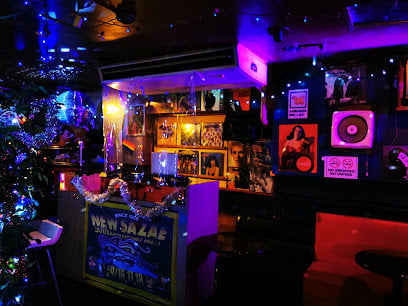
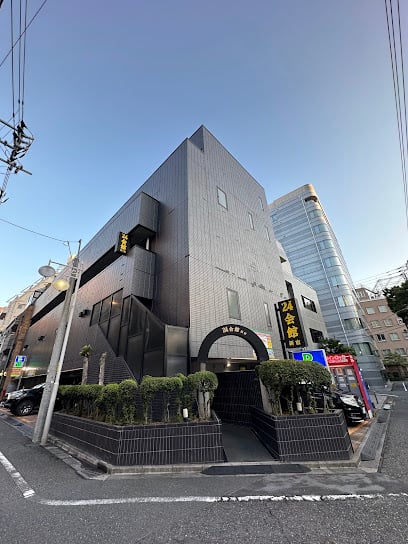
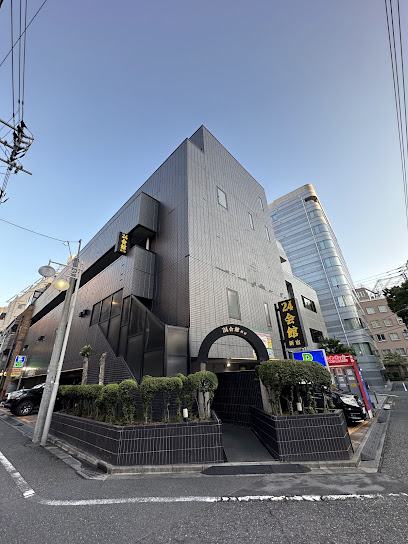
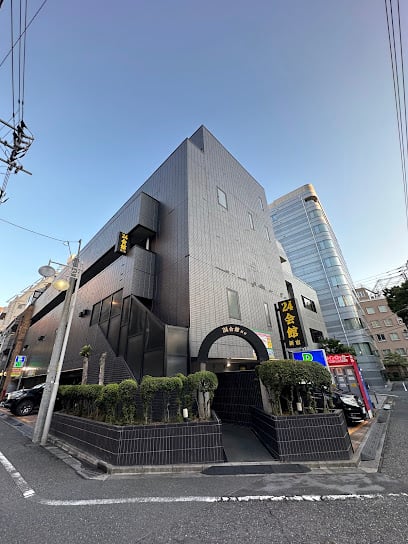
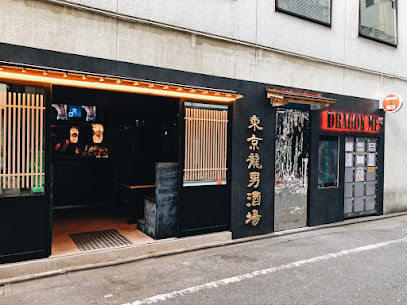
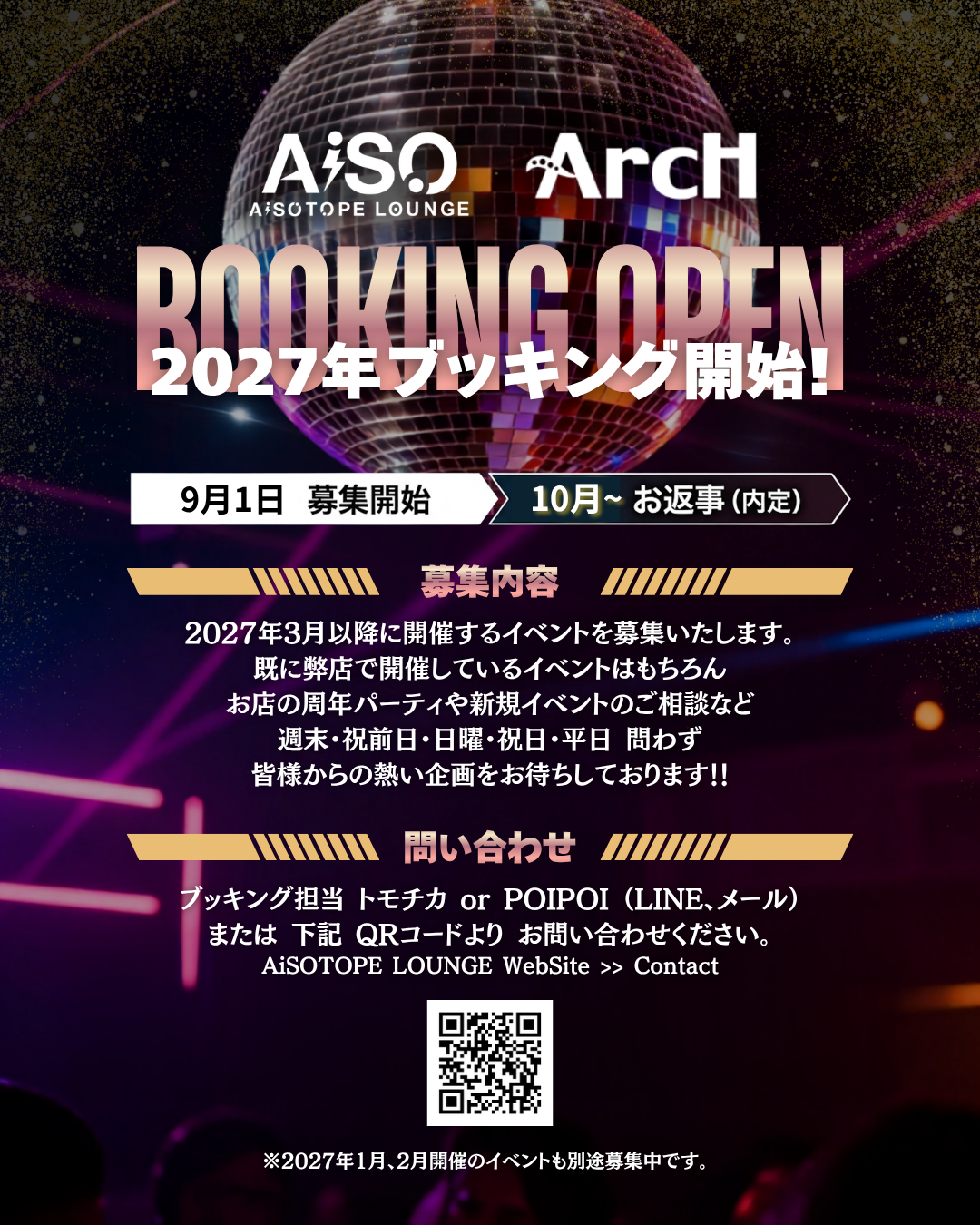
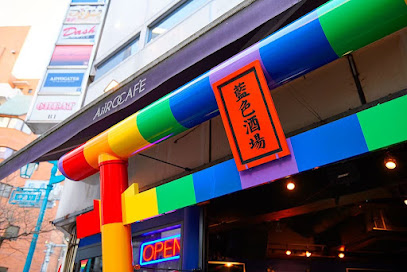
Uzun süredir popüler olan mekanlar arasında, Ni-chōme'nin gayri resmi buluşma noktası olarak hizmet veren, gökkuşağı torii altındaki açık cepheli ayakta bar AiiRO Cafe; bölgenin güvenilir dans mekanları AiSOTOPE Lounge ve Arty Farty; Dragon Men ve EAGLE Tokyo; ve 1966'dan beri açık olan efsanevi gece-gündüz bar New Sazae bulunmaktadır. Bar Gold Finger, kendine özgü kadınlara özel geceleriyle kuir kadın sahnesinin temelini oluşturmaktadır. Sauna sahnesine, Ni-chōme'nin amiral gemisi gay hamamı olan 24 Kaikan öncülük etmektedir; bununla birlikte çevredeki 5-chōme ve Gyoenmae bloklarında yer alan bir grup sadece erkeklere yönelik gezinme mekanları (hattenba) da bulunmaktadır; bu, gay eğlence kültürüne özgü Japon yaklaşımını yansıtmaktadır.
Ni-chōme'nin ötesinde, daha geniş Shinjuku bölgesi ek kuir mekanları içermektedir. Birkaç kilometre güneydoğuda yer alan eğlence bölgesi Roppongi, birkaç seçkin gay bar ve kulübe ev sahipliği yapmaktadır. East Shinjuku ve Shinjuku Station çevresi ek mekanlar barındırmaktadır, ancak Ni-chōme yoğunlaşmış merkez olmaya devam etmektedir.
PRIDE VE YILLIK ETKİNLİKLER
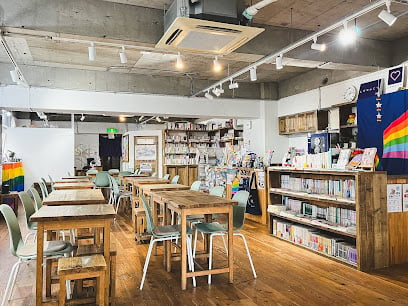
Tokyo Rainbow Pride, Japonya'nın en büyük Pride etkinliği, her Haziran ayında (2025'ten itibaren eski nisan sonu/mayıs başı tarihlerinden kaydırılmıştır) düzenleniyor ve Yoyogi Park ile Shibuya merkezli olup, sokak festivali ve geçit töreniyle 200.000'den fazla katılımcıyı ağırlıyor. Geçit töreni Shinjuku'da yapılmasa da, Ni-chōme'deki bar ve kulüpler Pride sezonunda özel programlar sunuyor ve Ni-chōme'nin kenarında yer alan Japonya'nın ilk kalıcı LGBTQ+ topluluk merkezi Pride House Tokyo Legacy, yıl boyunca söyleşilere ve etkinliklere ev sahipliği yapıyor. Şehir ayrıca yıl boyunca çok sayıda küçük etkinlik, circuit partisi ve topluluk buluşmasına ev sahipliği yapıyor. Yaz ayları, birçok mekanın özel partiler ve temalı geceler düzenlediği, özellikle hareketli etkinlik takvimlerine sahne oluyor.
ULAŞIM VE NAVİGASYON
Shinjuku Station, JR Yamanote Line, Chuo Line, Sobu Line ve çeşitli metro hatlarının kesiştiği Tokyo'nun en yoğun tren merkezidir. Marunouchi Hattı üzerindeki Shinjuku-sanchōme Station, Ni-chōme'ye doğrudan erişim sağlar. Tüm Tokyo metro sistemi son derece verimli, güvenli ve İngilizce dostudur; Google Maps gibi uygulamalar gerçek zamanlı ulaşım bilgileri sunar. Taksiler bolca bulunur ve gece geç saatlerde ulaşım için makul fiyatlıdır, ancak birçok sürücü İngilizce konuşmaz – varış adresinin Japonca yazılı olması önemli ölçüde yardımcı olur. Araç paylaşım hizmetleri Tokyo'da faaliyet göstererek taksilere alternatifler sunar.
NEREDE KALINIR
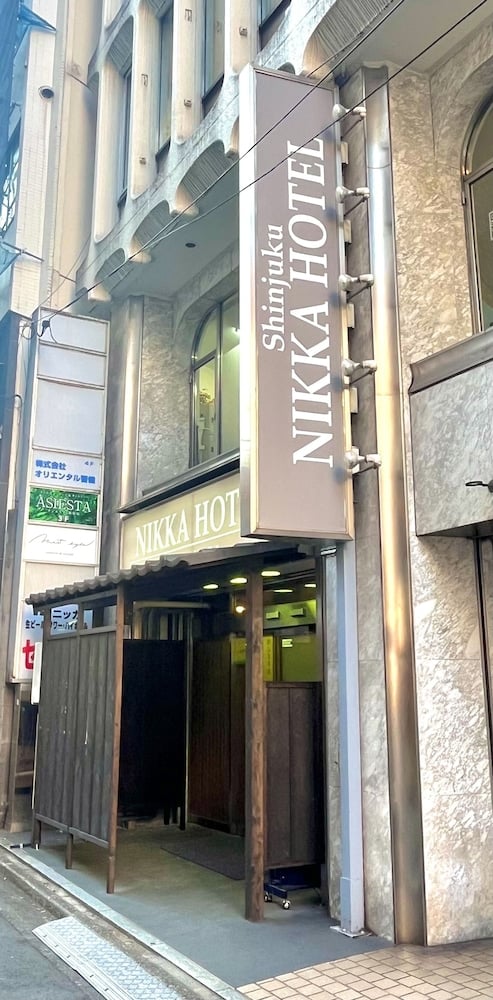
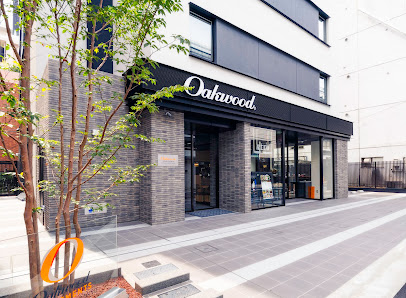
Shinjuku'nin kendisi, bütçe dostu kapsül otellerden lüks beş yıldızlı tesislere kadar geniş bir konaklama seçeneği sunuyor. Shinjuku'nun merkezindeki oteller, Ni-chōme'ye hızlı erişim sağlayan merkezi bir konum avantajı sunar. Mahalle atmosferini yaşamak isteyenler için Ni-chōme'nin içinde veya hemen yakınındaki misafirhaneler ve küçük oteller otantik bir deneyim sunar, ancak odalar Japon standartlarına göre genellikle küçüktür. Yotsuya, Shibuya ve Ikebukuro gibi yakın semtler kısa tren yolculuklarıyla kolayca ulaşılabilir. Shinjuku genelindeki iş otelleri rahat ve orta sınıf seçenekler sunar. Booking.com, Agoda gibi platformlar ve Rakuten Travel gibi Japonya'ya özgü siteler geniş seçenekler sunmaktadır.
GÜVENLİK ÖNLEMLERİ
Japonya, şiddet suçlarının en az olduğu dünyanın en güvenli ülkeleri arasında yer almaktadır. LGBTQ+ gezginler, Tokyo'nun kentsel bölgelerinde genel olarak kabulün yüksek olduğunu, ancak yasal korumaların sınırlı kaldığını unutmamalıdır. Eşcinsel evlilik federal düzeyde tanınmamaktadır, ancak Tokyo ve bazı belediyeler ortaklık tanıma hizmeti sunmaktadır. Shinjuku'nun gay bölgesindeki kamusal alanda sevgi gösterileri tamamen normal ve hoş karşılanmaktadır; bu alanların dışında, Japon kültürü genel olarak çiftler arasında kamusal alanda fiziksel sevgi gösterilerini teşvik etmez. Ni-chōme, sürekli insan trafiği, polis varlığı ve topluluk farkındalığı ile son derece güvenlidir. İçki zehirlenmesi ve taciz edici davranışlar meydana gelebilir ancak nadirdir ve mekan personeli tarafından şiddetle caydırılır. Çoğu bar, sorunlu davranışlar için net protokoller uygular. Yabancılarla sağduyulu olmak, arkadaşlarınızla birlikte kalmak ve evinize güvenilir ulaşım kullanmak güvenliği sağlar. Japonya'da da diğer tüm ülkelerde olduğu gibi homofobi mevcuttur, ancak genellikle yüzleşme yerine sosyal kaçınma yoluyla ifade edilir. Japonya'ya vizesiz giriş hakkı olan ülkelerden gelen gezginler, sorunsuz bir girişten faydalanır.
YEMEK VE İÇME
Shinjuku, olağanüstü bir mutfak çeşitliliği sunuyor. Ni-chōme'nin kendisi, yakitori (ızgara tavuk), ramen, suşi, tempura ve modern füzyon mutfağı sunan çok sayıda LGBTQ+-dostu restoran ve izakaya barındırıyor. Birçok mekan gökkuşağı bayrakları sergiliyor veya açıkça queer topluluğuna hitap ediyor. Ni-chōme'nin ötesinde, Shinjuku'nun daha geniş yeme-içme sahnesi eşsizdir; Michelin yıldızlı restoranlar, salaş sokak lezzetleri, döner bantlı suşi mekanları, köri evleri ve akla gelebilecek her türlü mutfak yürüme mesafesinde bulunuyor. Küçük yakitori restoranlarının yer aldığı ünlü bir ara sokak olan Omoide Yokocho, Shinjuku'da yer alıyor ve atmosferik bir ortamda otantik ızgara etler ve içecekler sunuyor. İzaka kültürü, rahat grup yemeklerini ve içmeyi vurguluyor, bu da onları yalnız seyahat edenlerin yerel halkla tanışması için ideal kılıyor. Marketler (konbini), uygun fiyatlarla mükemmel hazır yemekler sunuyor. Ramen dükkanları geç saatlere kadar açık kalarak, gece dışarıda geçirilen zamanlar sırasında ve sonrasında karın doyurmayı sağlıyor.
GÜNDÜZ AKTİVİTELERİ VE GEZİLECEK YERLER
Shinjuku'nun gece hayatı LGBTQ+ seyahatinde öne çıksa da, mahalle ve çevresi gündüzleri de oldukça çekici seçenekler sunuyor. Shinjuku Gyoen Ulusal Bahçesi, mevsimlik çiçekleri, yürüyüş yolları ve kültürel önemiyle geniş bir park alanı sunuyor. Bitişiğindeki Shibuya'da yer alan Meiji Tapınağı, ormanlık bir sığınak içinde bulunan Japonya'nın en önemli Şinto tapınağıdır. Tokyo Metropolitan Hükümet Binası, şehrin panoramik manzaralarını sunan ücretsiz gözlem güvertelerine sahip. Mahallenin büyük mağazaları—Isetan, Takashimaya, Mitsukoshi—Japon perakende mükemmelliğini ve modasını sergiliyor. Modern Sanat Müzesi ve diğer kültürel kurumlar sanatla buluşma imkanı sunuyor. Shinjuku'nun ünlü eğlence bölgesi Kabukicho, tiyatroları, atari salonları ve eğlence mekanlarıyla dolu. Yakındaki Shibuya Crossing, Tokyo'nun en ikonik kavşağıdır. Queer'lere özel gündüz aktiviteleri için bazı mekanlar gündüz etkinlikleri veya dinlenme salonları düzenliyor; toplum merkezleri zaman zaman kültürel programlar sunuyor. Birçok ziyaretçi gece aktivitelerini Tokyo'nun dikkat çekici gündüz seçenekleriyle dengeliyor.
SHINJUKU'DAN GÜNDÜZ GEZİLERİ
Shinjuku'nun Tokyo'nun demiryolu ağındaki merkezi konumu, kolay günübirlik gezilere olanak tanıyor. İki saat kuzeydeki Nikko, tarihi tapınakları ve doğal manzaralarıyla büyüleyici. Bir saat güneydeki Kamakura, Budist tapınakları, plajları ve yürüyüş parkurlarıyla keşfedilmeyi bekliyor. Fuji Dağı'na, manzaralı ve kaplıcalı Hakone veya Kawaguchiko'ya trenle ulaşılabilir. Kırk dakika güneydeki Yokohama, sahil şeridi cazibe merkezleri ve kültürel müzeler sunuyor. Izu Adaları, plaj kaçamakları için feribot veya helikopterle ulaşılabilir. Japonya'nın büyük destinasyonlarının neredeyse tamamına, verimli Shinkansen (hızlı tren) sistemiyle 2-4 saat içinde ulaşmak mümkün.
PRATİK BİLGİLER
Dil: Japonya'nın diğer bölgelerine kıyasla Tokyo'da İngilizce yaygınlığı daha yüksektir, özellikle eğlence bölgelerinde ve gençler arasında. Ni-chōme'deki birçok mekanda, özellikle uluslararası misafirlere alışkın personel İngilizce konuşabilmektedir. Menülerde gezinmek ve temel sohbetler için Google Translate gibi çeviri uygulamaları indirin. Temel ifadelerin Japonca yazılı olması faydalı olacaktır.
Para: Modernleşmeye rağmen Japonya ağırlıklı olarak nakit tabanlı bir ülkedir. Marketlerdeki ATM'ler çoğu uluslararası kartı kabul etmektedir. Büyük işletmelerde kredi kartı kullanımı giderek yaygınlaşsa da evrensel değildir. Yen dalgalanır; yazı yazıldığı sırada, döviz kurları güçlü para birimine sahip ülkelerden gelen uluslararası ziyaretçiler lehinedir.
Vize Gereksinimleri: Gelişmiş ülkelerin çoğunun vatandaşları Japonya'ya 90 gün vizesiz giriş hakkına sahiptir. Belirli ülkelerin vatandaşları önceden vizeye ihtiyaç duyar; seyahatten çok önce gereksinimleri kontrol edin.
Telefon ve İnternet: Havaalanlarında kiralık SIM kartlar, cep wifi cihazları ve geçici telefon planları mevcuttur. Çoğu konaklama yerinde ücretsiz wifi sunulmaktadır. Suica/Pasmo şarj edilebilir kartı tren ve otobüs ödemelerini kolaylaştırır.
Hava Durumu ve Mevsimler: İlkbahar (Mart-Mayıs) ve sonbahar (Eylül-Kasım) ideal hava koşulları sunar. Yaz (Haziran-Ağustos) sıcak ve nemlidir; kış (Aralık-Şubat) soğuktur ancak genellikle açık havaya sahiptir. Tayfun sezonu Eylül-Ekim aylarında görülür.
Sıkça sorulan sorular
Shinjuku'nun LGBTQ+ sahnesinin açıklıkla dolu bir geçmişi var. Japonya'da eşcinsel evlilik tanınmasa da, Shinjuku gibi büyük şehirler komşu ülkelere kıyasla dikkate değer bir açıklıkla açıkça gey kültürü barındırıyor.
Shinjuku Ni-chōme (新宿二丁目), Asya'daki ana gay bölgesi ve LGBTQ+ mekanlarının en büyük yoğunluğudur. Shinjuku İstasyonu'nun hemen doğusunda yer alır ve en doğrudan Shinjuku-sanchōme İstasyonu'ndan (çıkış C5/C7) ulaşılır. Kompakt alan yaklaşık 300 bar, kulüp, sauna ve kafeyi barındırır.
Shinjuku'nun bar ortamı samimiyeti ve sürekliliği ön planda tutuyor. Birçok mekan kadınlara, ayılara, yaşlı erkeklere veya belirli milliyetlere özel mekanlar gibi özel nişlere hitap ediyor.
Evet. Ni-chōme'de dans pistleri ve DJ geceleri olan birkaç daha büyük, turist dostu mekan bulunmaktadır — AiSOTOPE Lounge, Arty Farty, Dragon Men ve simgeleşmiş AiiRO Cafe bunlardan bazılarıdır. Bunlar karma uluslararası bir kalabalığı çeker ve genellikle İngilizce konuşan personele sahiptir. Ancak bölgenin çoğu, bir düzine kadar misafiri ağırlayan küçük uzmanlık barlarından oluşmaktadır.
Ni-chōme, merkez Tokyo'da olmasına rağmen kapalı, samimi bir dünyadır. Sokaklar dar ve minik barlarla dolu, birçok mekanın kapasitesi 20 kişinin altında.
Japonya'nın en büyük Pride etkinliği olan Tokyo Rainbow Pride, her Haziran Yoyogi Parkı ve Shibuya çevresinde, Shinjuku'nun kendisinde değil, düzenlenir, ancak Ni-chōme'deki barlar kendi Pride sezonu sokak partilerini yürütür. Yıl boyunca bölge drag şovlarına, devre partilerine ve topluluk etkinliklerine ev sahipliği yapar ve Japonya'nın ilk kalıcı LGBTQ+ merkezi olan Pride House Tokyo Legacy (Shinjuku-Gyoenmae yakınında) söyleşiler ve sergiler düzenler.
Gizlilik tercihlerin.
GayOut'u çalıştırmak ve onayınızla kullanımı ölçmek için çerezler kullanıyoruz. Daha fazla bilgi
Gizlilik tercihlerin
GayOut'u çalışır tutmak, tercihlerini hatırlamak ve (izninle) sitenin nasıl kullanıldığını ölçmek için çerez kullanıyoruz. Tümünü kabul edebilir, tümünü reddedebilir veya neye izin vereceğini seçebilirsin. Daha fazla bilgi
Zorunlu
Giriş, dolandırıcılık önleme, CSRF koruması ve dil tercihinin hatırlanması için gerekli. Devre dışı bırakılamaz.
Her zaman açık
Favorilerini, koyu modu ve diğer arayüz tercihlerini ziyaretler arasında hatırlar.
İnsanların hangi sayfaları ziyaret ettiğini anlamamıza yardımcı olur (Google Analytics, sunucu tarafı istatistikler) — böylece geliştirebiliriz.
Kampanya takip pikselleri tarafından kullanılır. Şu anda hiçbiri aktif değil, ileride kullanılmak üzere ayrılmıştır.
GayOut'u Yükle
GayOut'u ana ekranına ekle; daha hızlı erişim, çevrimdışı favoriler ve Pride bildirimleri kazan.




 Gay Barlar ve Kulüpler
Öne Çıkan
(273)
Gay Barlar ve Kulüpler
Öne Çıkan
(273)