Keine nationale Anerkennung von gleichgeschlechtlichen Partnerschaften. Viele Gemeinden stellen Partnerschaftsurkunden aus. Eine nationale Entscheidung zur gleichgeschlechtlichen Ehe wird von Gerichten erwartet. Die gesellschaftliche Akzeptanz variiert stark.
Nur 5 Gehminuten vom JR Shinjuku Station entfernt, bietet das reine Männerhotel Green Plaza Shinjuku Capsule eine Sauna, einen öffentlichen Whirlpool auf dem Dach und kostenloses Wi-Fi in einigen…
Shinjuku City hat sich zur dynamischsten LGBTQ+-Destination Asiens entwickelt, mit dem legendären Viertel Ni-chōme als Herzstück. Dieser umfassende Reiseführer deckt alles ab, was Sie für einen unvergesslichen Besuch in einer der lebendigsten queeren Gemeinschaften der Welt benötigen.
GESCHICHTE DER SZENE
Die LGBTQ+-Szene in Shinjuku hat tiefe historische Wurzeln. Während der rechtliche Status von gleichgeschlechtlichen Beziehungen in Japan nach wie vor kompliziert ist – gleichgeschlechtliche Ehen sind nicht auf Bundesebene anerkannt, obwohl einige Gemeinden Partnerschaftsurkunden anbieten –, hat die kulturelle Akzeptanz Tokios es einer blühenden queeren Gemeinschaft ermöglicht, sich seit Jahrzehnten zu entfalten. Ni-chōme begann sich in den 1960er und 1970er Jahren als schwules Viertel zu entwickeln und verwandelte sich allmählich in die Weltklasse-Destination, die es heute ist. Das Viertel überstand die HIV-Krise der 1990er Jahre, wirtschaftliche Rezessionen und sich ändernde Trends im Nachtleben, um bei internationalen Besuchern und jungen japanischen Queers, die Gemeinschaft suchen, immer beliebter zu werden. Im Gegensatz zu westlichen schwulen Vierteln, die gentrifiziert oder verkleinert wurden, hat sich Ni-chōme tatsächlich erweitert und modernisiert, während es seinen unverwechselbaren Charakter beibehalten hat.
NI-CHŌME: DAS HERZ VON GAY SHINJUKU
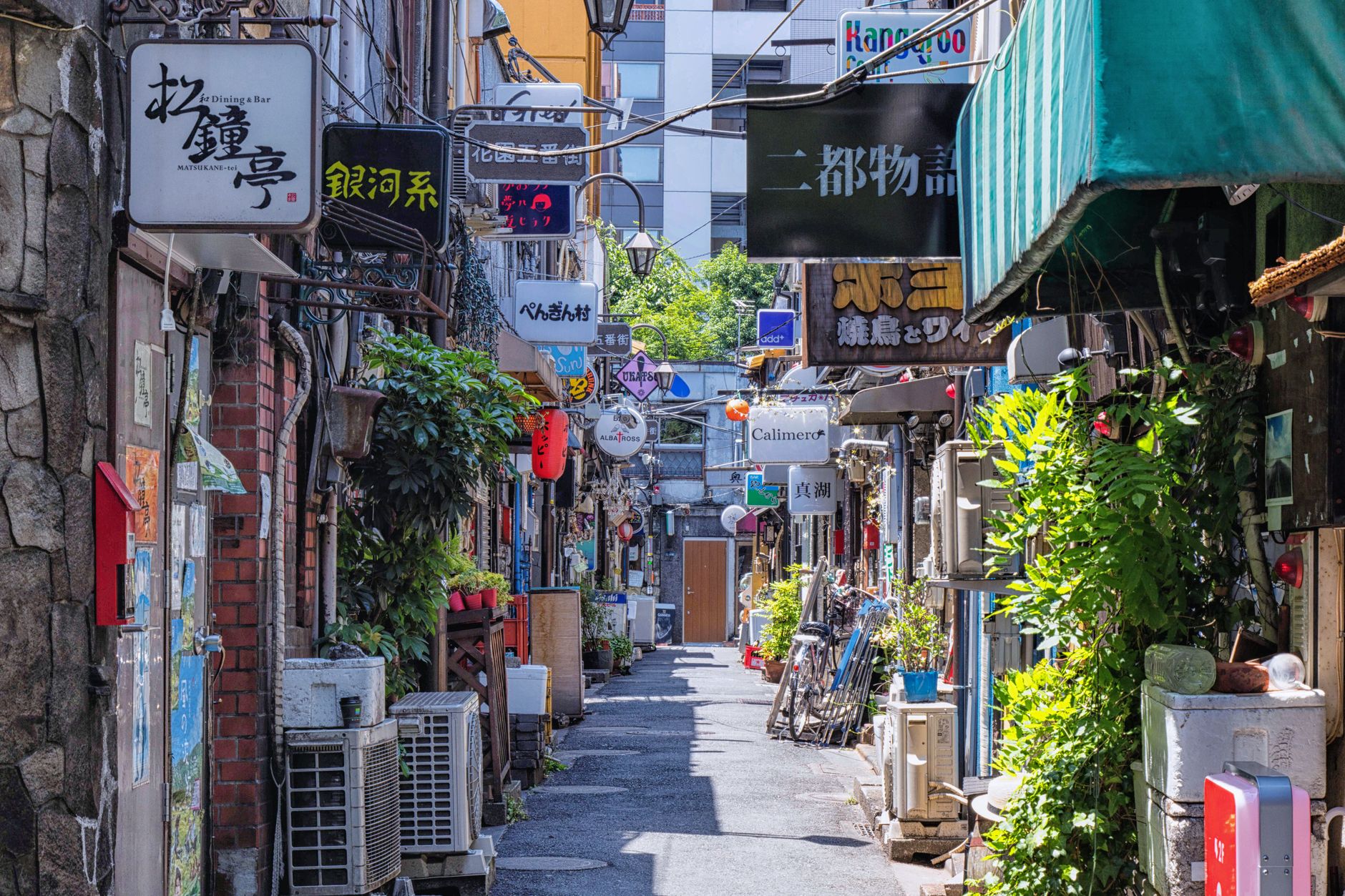
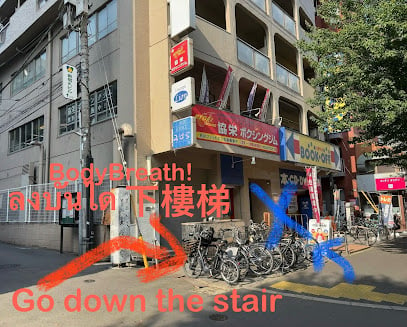
Das Viertel Ni-chōme (wörtlich "2. Block") erstreckt sich über etwa vier Stadtblöcke im Zentrum von Shinjuku und ist über den Bahnhof Shinjuku oder, direkter, den Bahnhof Shinjuku-sanchōme (Ausgang C5/C7) an den Linien Marunouchi, Fukutoshin und Toei Shinjuku erreichbar. Das Viertel ist trotz seiner Dichte bemerkenswert gut zu Fuß erkundbar. Oberirdisch erscheint Ni-chōme tagsüber als ein gewöhnliches japanisches Geschäftsviertel, erwacht aber nach Sonnenuntergang mit Neonschildern, Izakaya-Laternen und Strömen gut gekleideter Feiernder zum Leben. Die meisten Lokale befinden sich in mehrstöckigen, unbeschilderten Gebäuden, zugänglich durch schmale Türen und Treppen – diese bewusste Diskretion spiegelt sowohl japanische kulturelle Normen als auch die praktische Realität wider, dass viele Lokale auf engstem Raum operieren.
LOKALE UND VIERTEL
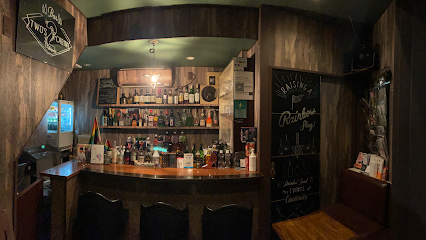
Ni-chōme beherbergt rund 300 Lokale, die sich an die LGBTQ+-Community richten. Auch wenn sich die Eigentümer spezifischer Lokale ändern, sie umziehen oder schließen, sind einige lang etablierte Favoriten seit Jahrzehnten in Betrieb. Der Bezirk umfasst vielfältige Lokalarten: traditionelle Hostess-Bars, in denen die Bedienung Unterhaltung und Konversation bietet; Steh-Bars (tachinomiya), in denen Gäste Schulter an Schulter auf engstem Raum stehen; Tanzclubs mit internationalen DJs und Circuit-Partys; Saunen, die traditionelle japanische Badekultur mit sexuell aufgeladenen Räumen verbinden; Drag-Lokale mit täglichen Shows; und zwanglose Izakayas, die sich von heterosexuellen Etablissements nur durch ihre Klientel unterscheiden.
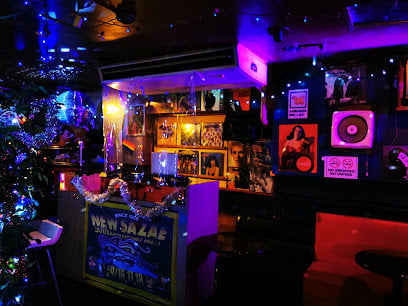
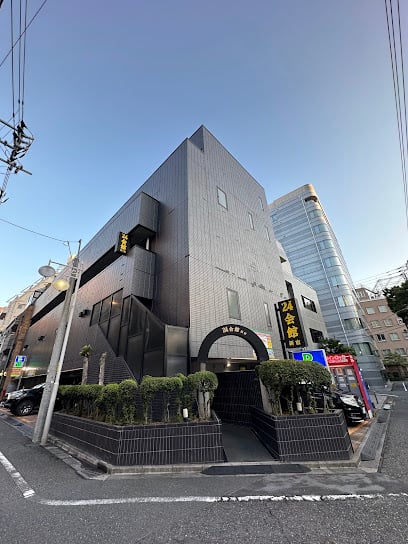
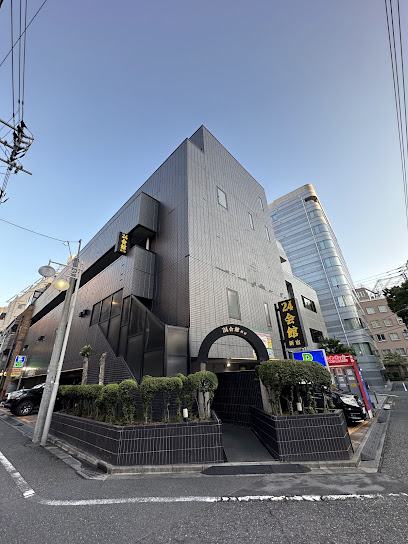
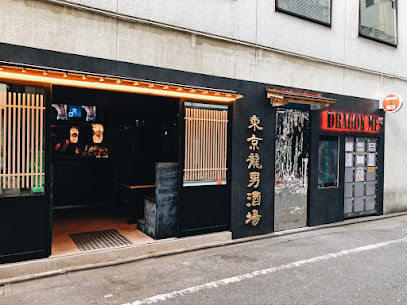
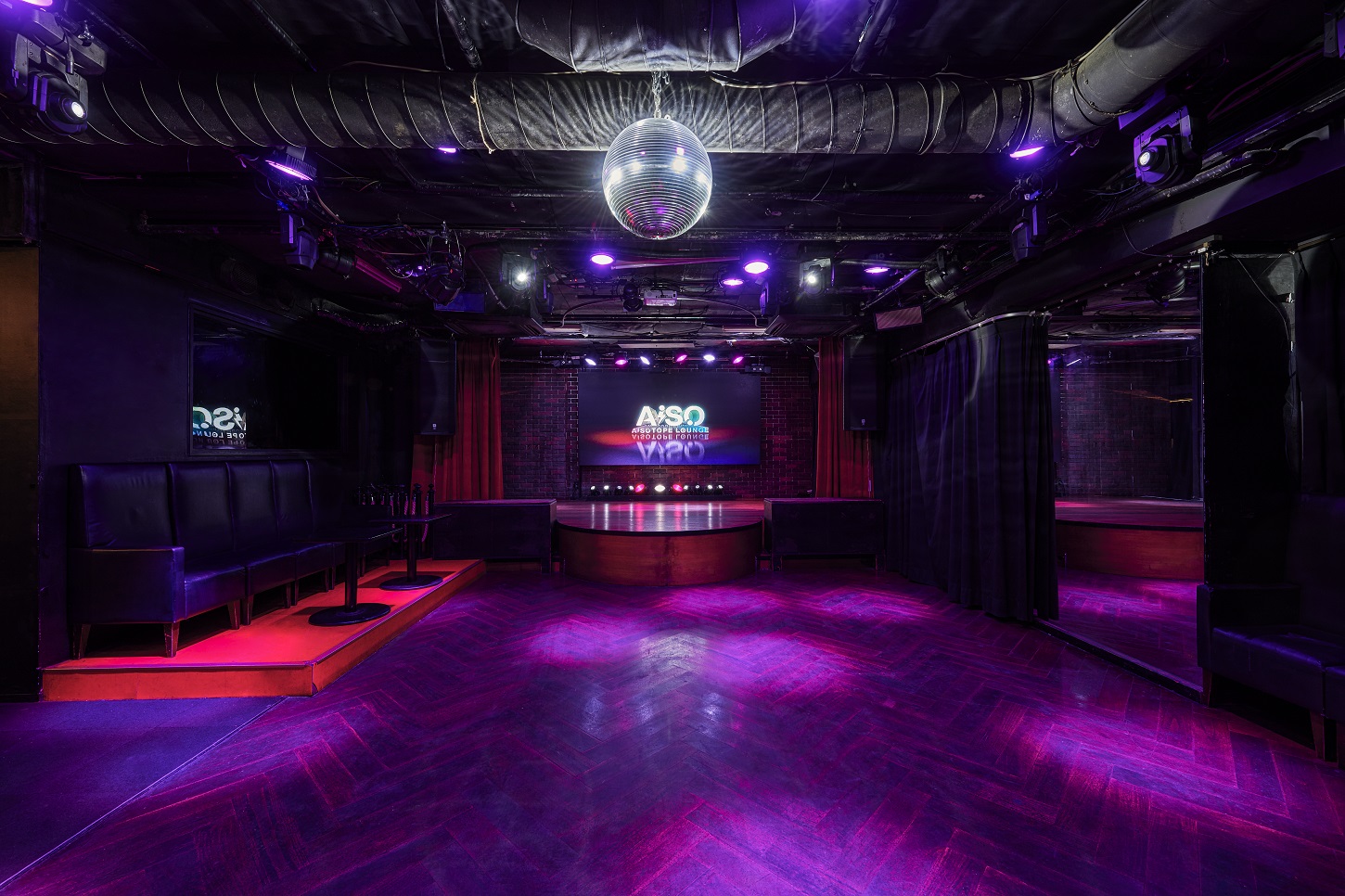
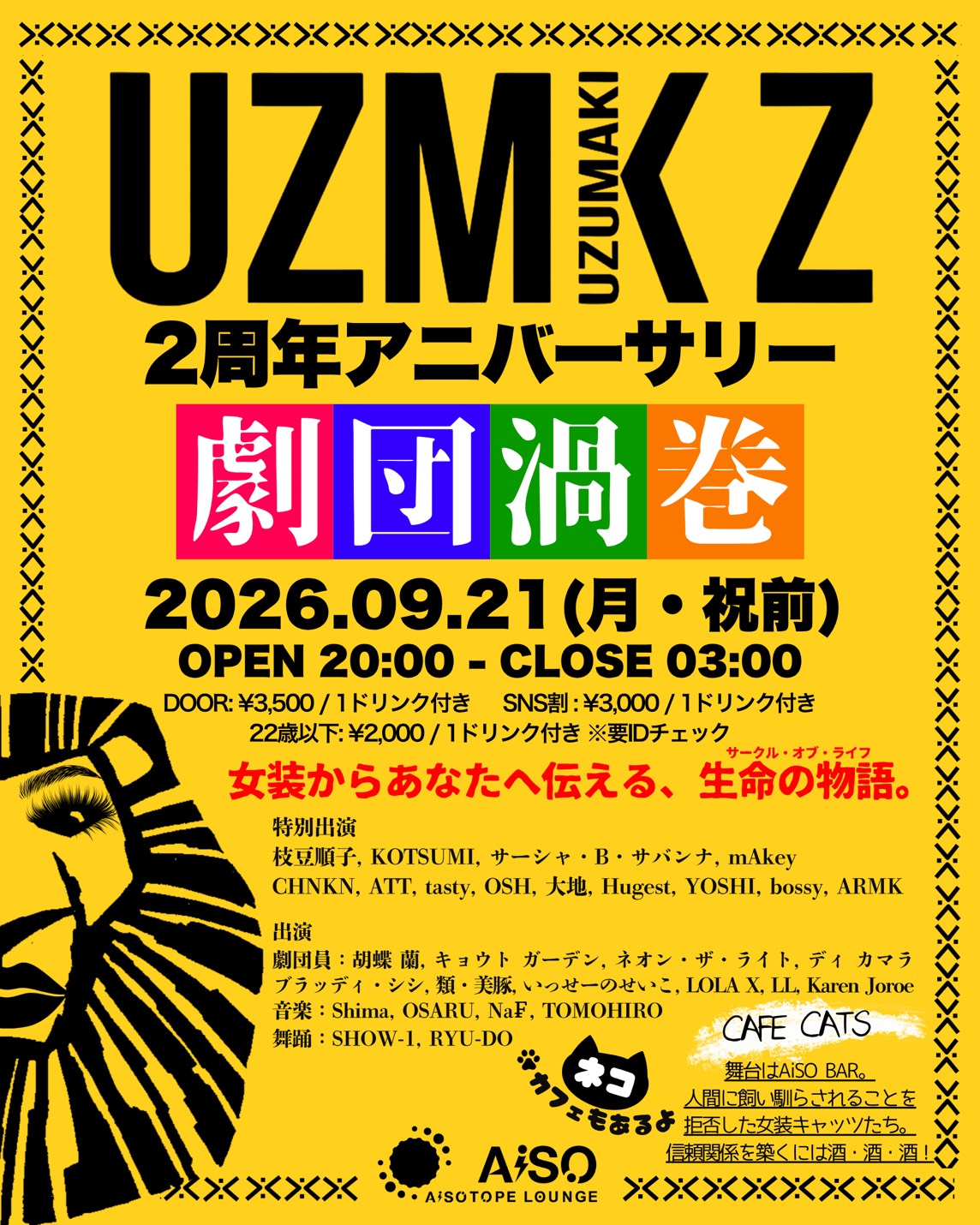
Zu den langjährigen Favoriten zählen das AiiRO Cafe, die offene Steh-Bar unter dem Regenbogen-Torii, die als inoffizieller Treffpunkt von Ni-chōme fungiert; die AiSOTOPE Lounge und Arty Farty, die zuverlässigen Tanzlokale des Bezirks; Dragon Men und EAGLE Tokyo; sowie das New Sazae, eine legendäre Bar, die seit 1966 rund um die Uhr geöffnet ist. Die Bar Gold Finger ist mit ihren speziellen "Women-Only"-Nächten ein Ankerpunkt für die queere Frauenszene. Die Saunenszene wird vom 24 Kaikan angeführt, dem Flaggschiff-Schwulen-Badehaus von Ni-chōme, zusammen mit einer Ansammlung von Männer-Cruising-Lokalen (hattenba) in den umliegenden Vierteln 5-chōme und Gyoenmae – ein ausgesprochen japanischer Ansatz zur queeren Freizeitkultur.
Außerhalb von Ni-chōme bietet die weitere Umgebung von Shinjuku zusätzliche queere Lokale. Roppongi, ein Unterhaltungsviertel einige Kilometer südöstlich, beherbergt eine Handvoll gehobener Schwulenbars und -clubs. East Shinjuku und die Gegend um den Bahnhof Shinjuku enthalten weitere Lokale, auch wenn Ni-chōme weiterhin der konzentrierte Nabel bleibt.
PRIDE UND JÄHRLICHE VERANSTALTUNGEN
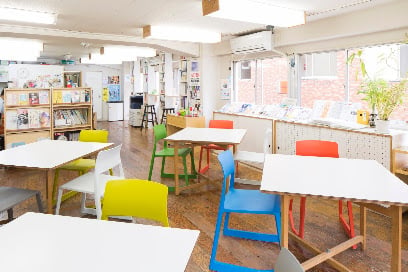
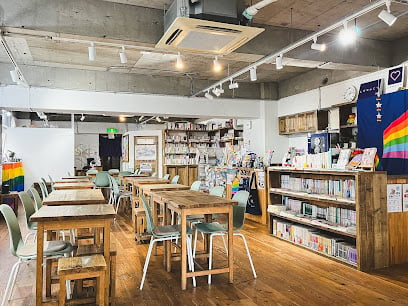
Tokyo Rainbow Pride, Japans größtes Pride-Event, findet jedes Jahr im Juni statt (ab 2025 wird es vom früheren Termin Ende April/Anfang Mai verschoben) und konzentriert sich auf den Yoyogi Park und Shibuya mit einem Straßenfest und einer Parade, zu der über 200.000 Teilnehmer kommen. Die Parade findet zwar nicht in Shinjuku selbst statt, aber die Bars und Clubs in Ni-chōme bieten während der Pride-Saison ein erweitertes Programm an. Pride House Tokyo Legacy – Japans erstes permanentes LGBTQ+-Community-Zentrum am Rande von Ni-chōme – veranstaltet das ganze Jahr über Vorträge und Events. Die Stadt beherbergt zudem zahlreiche kleinere Veranstaltungen, Circuit Partys und Community-Treffen. Besonders im Sommer ist der Veranstaltungskalender sehr voll, und viele Locations bieten spezielle Partys und Motto-Abende an.
TRANSPORT UND ORIENTIERUNG
Der Bahnhof Shinjuku ist Tokios geschäftigster Eisenbahnknotenpunkt, an dem mehrere Linien zusammenlaufen: JR Yamanote Line, Chuo Line, Sobu Line und mehrere Metrolinien. Der Bahnhof Shinjuku-sanchōme an der Marunouchi Line bietet direkten Zugang zu Ni-chōme. Das gesamte Tokioter U-Bahn-System ist äußerst effizient, sicher und englischfreundlich. Apps wie Google Maps liefern Echtzeit-Verkehrsinformationen. Taxis sind reichlich vorhanden und für den späten Transport preislich angemessen, auch wenn viele Fahrer kein Englisch sprechen – eine Zieladresse auf Japanisch hilft dabei erheblich. Fahrdienstvermittlungsdienste sind in Tokio verfügbar und bieten Alternativen zu Taxis.
UNTERKUNFT
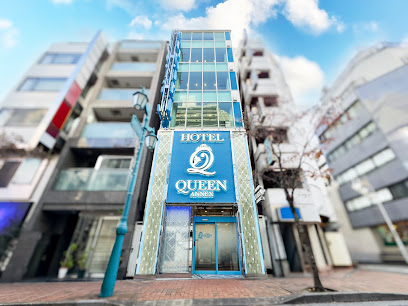
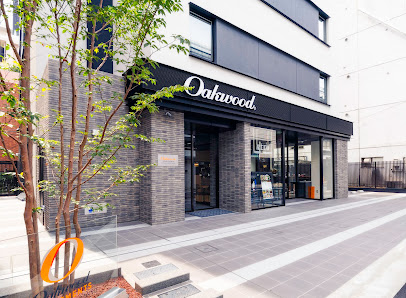
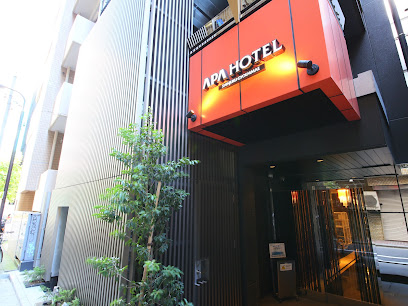
Shinjuku selbst bietet eine breite Palette an Unterkünften, von preiswerten Kapselhotels bis hin zu luxuriösen Fünf-Sterne-Häusern. Hotels in Shinjuku selbst bieten eine praktische zentrale Lage mit schnellem Zugang zu Ni-chōme. Wer tiefer in die Nachbarschaft eintauchen möchte, findet in oder unmittelbar neben Ni-chōme Pensionen und kleine Hotels, die ein authentisches Erlebnis bieten, auch wenn die Zimmer nach japanischen Standards eher kompakt ausfallen. Nahegelegene Viertel wie Yotsuya, Shibuya und Ikebukuro sind über kurze Zugfahrten leicht erreichbar. Businesshotels in ganz Shinjuku bieten komfortable Mittelklasseoptionen. Buchungsplattformen wie Booking.com, Agoda und japanische Seiten wie Rakuten Travel bieten eine Fülle von Möglichkeiten.
SICHERHEITSHINWEISE
Japan zählt zu den sichersten Ländern der Welt mit minimaler Gewaltkriminalität. LGBTQ+-Reisende sollten beachten, dass die Akzeptanz im urbanen Tokio zwar generell hoch ist, rechtliche Schutzmaßnahmen jedoch begrenzt bleiben. Die gleichgeschlechtliche Ehe wird auf Bundesebene nicht anerkannt, obwohl Tokio und einige Gemeinden Partnerschaften anerkennen. Öffentliche Zuneigungsbekundungen im Gay-Viertel von Shinjuku sind völlig normal und willkommen; außerhalb dieser Bereiche ist es in der japanischen Kultur generell unüblich, dass sich Paare öffentlich körperlich nahekommen. Ni-chōme ist extrem sicher mit ständigem Fußgängerverkehr, Polizeipräsenz und einem ausgeprägten Gemeinschaftsgefühl. K.o.-Tropfen und übergriffiges Verhalten kommen vor, sind aber selten und werden von den Mitarbeitern der Lokale stark missbilligt. Die meisten Bars haben klare Protokolle für problematisches Verhalten. Gesunder Menschenverstand im Umgang mit Fremden, das Bleiben bei Freunden und die Nutzung vertrauenswürdiger Transportmittel nach Hause gewährleisten die Sicherheit. Homophobie existiert in Japan wie in allen Ländern, äußert sich aber meist durch soziale Ausgrenzung statt Konfrontation. Reisende aus Ländern mit visafreiem Zugang nach Japan profitieren von einer unkomplizierten Einreise.
ESSEN UND TRINKEN
Shinjuku bietet eine außergewöhnliche kulinarische Vielfalt. Ni-chōme selbst beherbergt zahlreiche LGBTQ+-freundliche Restaurants und Izakayas, die Yakitori (gegrilltes Hähnchen), Ramen, Sushi, Tempura und moderne Fusionsküche servieren. Viele Lokale hissen Regenbogenfahnen oder richten sich explizit an die queere Community. Abseits von Ni-chōme ist Shinjukus breitere Gastronomieszene unübertroffen – Michelin-Sterne-Restaurants, zwangloses Streetfood, Kaiten-Sushi, Curry-Häuser und jede erdenkliche Küche sind fußläufig erreichbar. Omoide Yokocho, eine berühmte Gasse mit winzigen Yakitori-Restaurants, befindet sich in Shinjuku und bietet authentisches Grillfleisch und Getränke in atmosphärischer Umgebung. Die Izakaya-Kultur legt Wert auf zwangloses gemeinsames Essen und Trinken, was sie ideal für Alleinreisende macht, um Einheimische kennenzulernen. Convenience Stores (Konbini) bieten exzellente Fertiggerichte zu vernünftigen Preisen. Ramen-Shops haben lange geöffnet und versorgen Nachtschwärmer während und nach ihren Ausgeh-Nächten.
TAGESAKTIVITÄTEN UND SEHENSWÜRDIGKEITEN
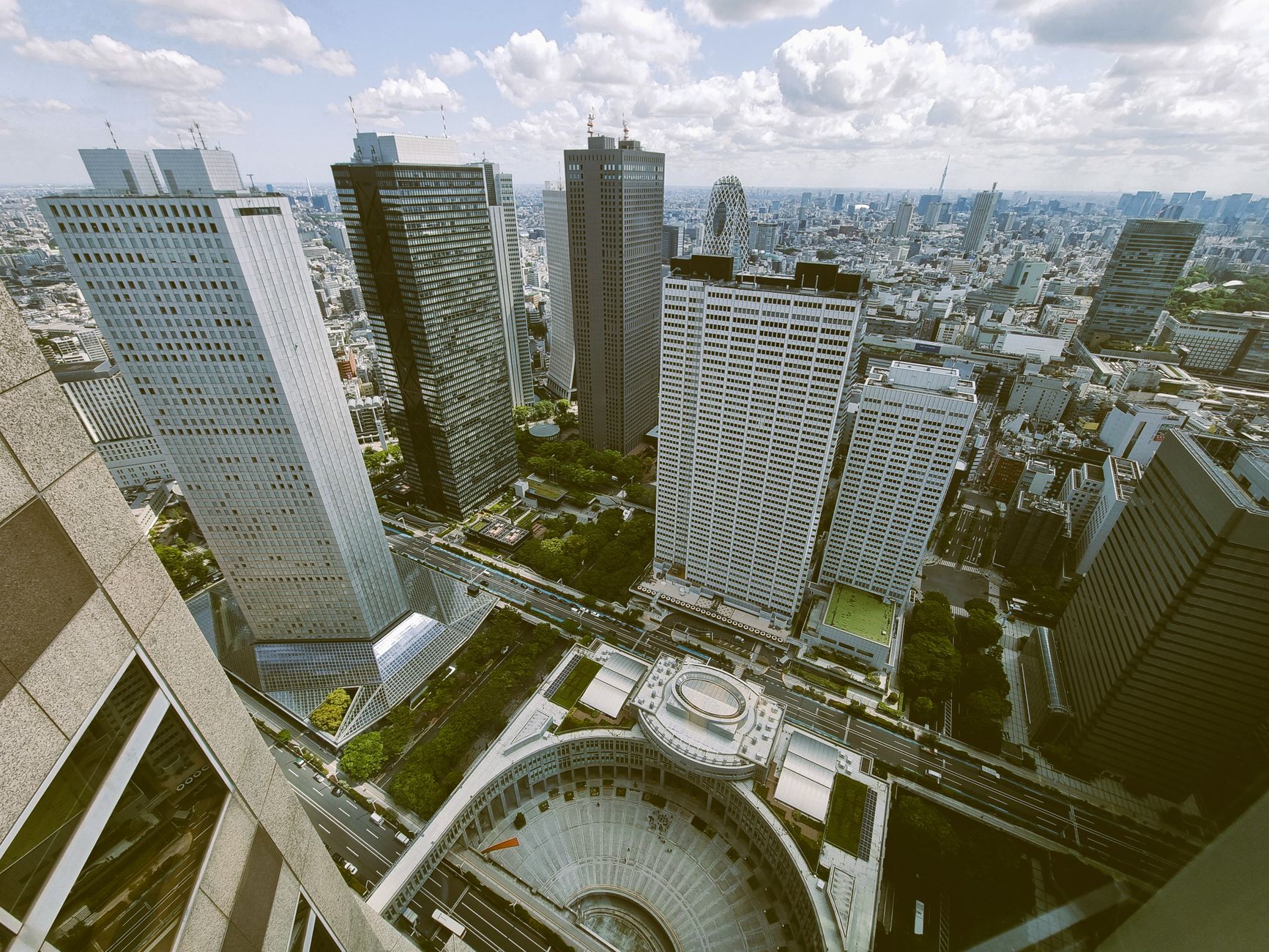
Obwohl das Nachtleben von Shinjuku die LGBTQ+-Reiseziele dominiert, bieten das Viertel und seine Umgebung auch tagsüber viel Anziehungskraft. Der Shinjuku Gyoen National Garden ist eine weitläufige Parkanlage mit saisonalen Blumen, Spazierwegen und kultureller Bedeutung. Der Meiji-Schrein im angrenzenden Shibuya ist der wichtigste Shinto-Schrein Japans und liegt in einem Waldschutzgebiet. Das Tokyo Metropolitan Government Building bietet kostenlose Aussichtsplattformen mit Panoramablick über die Stadt. Die Kaufhäuser des Viertels – Isetan, Takashimaya, Mitsukoshi – präsentieren japanische Einzelhandelskompetenz und Mode. Das Museum of Modern Art und andere Kultureinrichtungen bieten Kunstgenuss. Kabukicho, Shinjukus berühmtes Vergnügungsviertel, beherbergt Theater, Spielhallen und Unterhaltungslokale. Die nahegelegene Shibuya Crossing ist Tokios ikonischste Kreuzung. Für spezifisch queere Tagesaktivitäten bieten einige Lokale tagsüber Veranstaltungen oder Lounges an; Gemeindezentren bieten gelegentlich kulturelle Programme. Viele Besucher kombinieren Nachtaktivitäten mit Tokios bemerkenswerten Tagesangeboten.
TAGESAUSFLÜGE VON SHINJUKU
Shinjukus zentrale Lage am Tokioter Schienennetz ermöglicht einfache Tagesausflüge. Nikko, zwei Stunden nördlich, bietet historische Tempel und Naturlandschaften. Kamakura, eine Stunde südlich, lockt mit buddhistischen Tempeln, Stränden und Wanderwegen. Der Fuji kann per Zug nach Hakone oder Kawaguchiko erreicht werden, mit malerischen Ausblicken und heißen Quellen. Yokohama, 40 Minuten südlich, bietet Attraktionen am Wasser und Kulturmuseen. Die Izu-Inseln sind per Fähre oder Helikopter für Strandurlaube erreichbar. Fast alle wichtigen Ziele Japans sind innerhalb von 2-4 Stunden über das effiziente Shinkansen-System (Hochgeschwindigkeitszug) erreichbar.
PRAKTISCHE INFORMATIONEN
Sprache: Die Englischkenntnisse in Tokio sind höher als anderswo in Japan, insbesondere in den Ausgehvierteln und bei jüngeren Leuten. Viele Lokale in Ni-chōme haben englischsprachiges Personal, besonders solche, die an internationale Gäste gewöhnt sind. Laden Sie Übersetzungs-Apps wie Google Translate herunter, um Menüs zu verstehen und einfache Gespräche zu führen. Es ist hilfreich, wichtige Sätze auf Japanisch dabei zu haben.
Geld: Japan ist trotz Modernisierung überwiegend bargeldbasiert. Geldautomaten in Convenience Stores akzeptieren die meisten internationalen Karten. Kreditkarten werden in größeren Etablissements zunehmend akzeptiert, aber nicht überall. Der Yen schwankt; zum Zeitpunkt der Erstellung dieses Textes begünstigen die Wechselkurse internationale Besucher aus Ländern mit starker Währung.
Visabestimmungen: Bürger der meisten entwickelten Länder genießen eine 90-tägige visumfreie Einreise nach Japan. Bürger bestimmter Länder benötigen ein Visum im Voraus; prüfen Sie die Bestimmungen lange vor Ihrer Reise.
Telefone und Internet: Miet-SIM-Karten, Pocket-WLAN-Geräte und temporäre Handyverträge sind an Flughäfen erhältlich. Die meisten Unterkünfte bieten kostenloses WLAN. Die wiederaufladbare Karte Suica/Pasmo vereinfacht die Bezahlung von Zügen und Bussen.
Wetter und Jahreszeiten: Frühling (März-Mai) und Herbst (September-November) bieten ideales Wetter. Sommer (Juni-August) ist heiß und feucht; Winter (Dezember-Februar) ist kalt, aber generell klar. Die Taifun-Saison findet im September und Oktober statt.
Häufig gestellte Fragen
Die LGBTQ+-Szene in Shinjuku hat eine lange Geschichte der Offenheit. Auch wenn Japan die gleichgeschlechtliche Ehe nicht anerkennt, fördern urbane Zentren wie Shinjuku eine offen schwule Kultur mit bemerkenswerter Offenheit im Vergleich zu Nachbarländern.
Shinjuku Ni-chōme (新宿二丁目) ist der Haupt-Gay-Distrikt und die größte Konzentration von LGBTQ+-Lokalen in Asien. Er liegt östlich des Bahnhofs Shinjuku und ist am direktesten vom Bahnhof Shinjuku-sanchōme (Ausgang C5/C7) zu erreichen. Das kompakte Gebiet umfasst rund 300 Bars, Clubs, Saunen und Cafés.
Die Barszene in Shinjuku legt Wert auf Intimität und Regelmäßigkeit. Viele Lokale richten sich an spezifische Nischen, wie z. B. Lokale ausschließlich für Frauen, Bären, ältere Männer oder bestimmte Nationalitäten.
Ja. Ni-chōme hat mehrere größere, touristfreundliche Lokale mit Tanzflächen und DJ-Nächten – darunter AiSOTOPE Lounge, Arty Farty, Dragon Men und das bekannte AiiRO Cafe. Diese ziehen ein gemischtes internationales Publikum an und haben in der Regel englischsprachiges Personal. Der größte Teil des Bezirks besteht jedoch aus winzigen Spezialitätenbars, die etwa ein Dutzend Gäste fassen.
Ni-chōme ist eine abgeschlossene, intime Welt, obwohl es im Zentrum von Tokio liegt. Die Straßen sind eng und gesäumt von winzigen Bars, wobei viele Lokale eine Kapazität von unter 20 Personen haben.
Die Tokyo Rainbow Pride, Japans größte Pride, findet jedes Juni rund um den Yoyogi Park und Shibuya statt, nicht in Shinjuku selbst, aber die Bars in Ni-chōme veranstalten ihre eigenen Straßenpartys zur Pride-Saison. Das ganze Jahr über finden im Bezirk Drag-Shows, Circuit-Partys und Community-Events statt, und das Pride House Tokyo Legacy – Japans erstes permanentes LGBTQ+-Zentrum in der Nähe von Shinjuku-Gyoenmae – bietet Vorträge und Ausstellungen an.
Ein fehlender Veranstaltungsort, ein geschlossenes Geschäft oder veraltete Informationen? Teilen Sie es uns mit – wir freuen uns darüber. Nichts ist erforderlich.
Nichts verpassen
Die neuesten LGBTQ+-Events und Eröffnungen direkt in Ihr Postfach.
Geben Sie Ihre E-Mail ein, um Pride-Event-Updates und Hinweise zu neuen Locations zu erhalten.
Ihre Datenschutz-Einstellungen.
Wir verwenden Cookies, um GayOut zu betreiben und, mit Ihrer Zustimmung, die Nutzung zu messen. Mehr erfahren ↗
Ihre Datenschutz-Einstellungen
Wir verwenden Cookies, damit GayOut zuverlässig läuft, Ihre Einstellungen gespeichert werden und (mit Ihrer Einwilligung) wir messen können, wie die Seite genutzt wird. Sie können alles akzeptieren, alles ablehnen oder gezielt auswählen. Mehr erfahren ↗
Erforderlich
Erforderlich für Anmeldung, Betrugsschutz, CSRF-Schutz und das Speichern Ihrer Sprache. Können nicht deaktiviert werden.
Immer aktiv
Speichert Ihre Favoriten, den Dark Mode und weitere Oberflächeneinstellungen zwischen Besuchen.
Hilft uns zu verstehen, welche Seiten besucht werden (Google Analytics, serverseitige Statistiken), damit wir besser werden.
Wird von Kampagnen-Tracking-Pixeln genutzt. Derzeit keine aktiv, für zukünftige Nutzung reserviert.
GayOut installieren
Fügen Sie GayOut zu Ihrem Startbildschirm hinzu — schnellerer Zugriff, Favoriten offline und Pride-Hinweise.








![[9/25Fri] La Noche – Women-only Latin Dance Night💃✨](https://secure.meetupstatic.com/photos/event/a/8/2/b/600_531823051.jpeg)


 Schwule Bars & Clubs
Empfohlen
(311)
Schwule Bars & Clubs
Empfohlen
(311)