Национальное признание однополых партнерств отсутствует. Многие муниципалитеты выдают свидетельства о партнерстве. Национальное решение по однополым бракам ожидается от судов. Социальное принятие сильно варьируется.
Всего в 5 минутах ходьбы от станции JR Shinjuku находится мужской отель Green Plaza Shinjuku Capsule с сауной, общественной горячей ванной на крыше и бесплатным Wi-Fi в некоторых зонах.
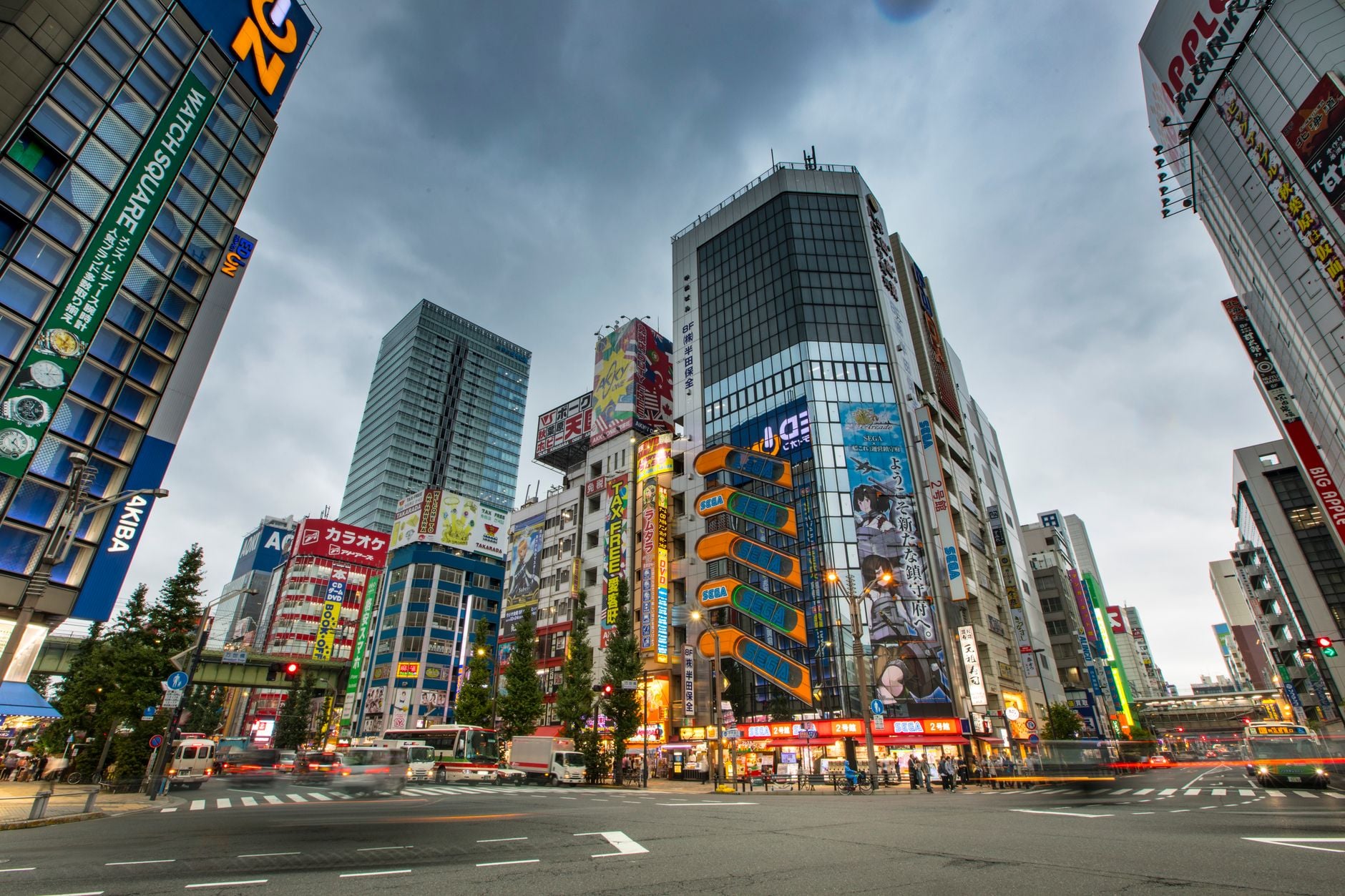
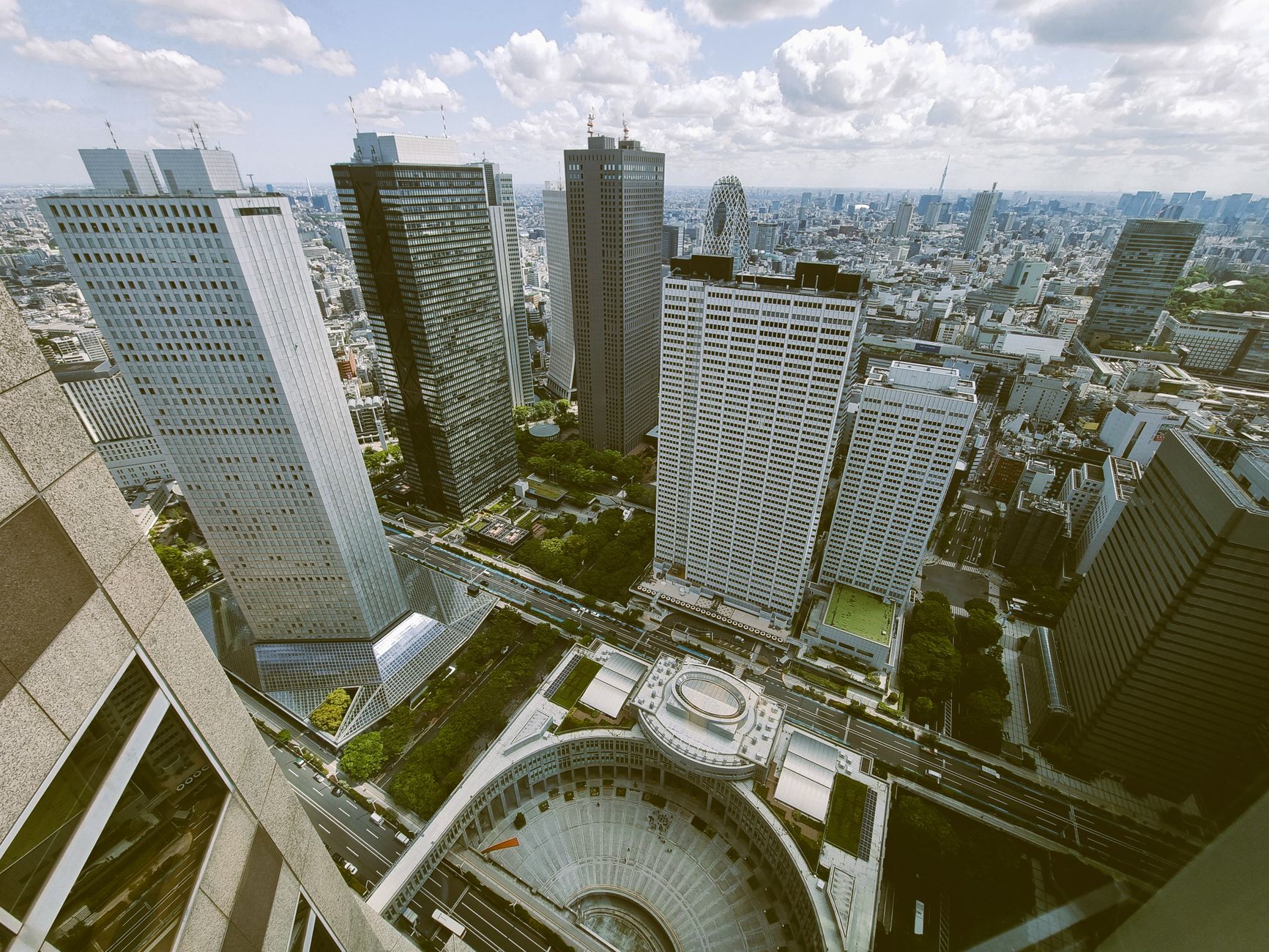
Город Синдзюку стал самым динамичным LGBTQ+ направлением в Азии, ядром которого является легендарный район Ni-chōme. Это подробное руководство охватывает все необходимое для незабываемого визита в одно из самых ярких квир-сообществ мира.
ИСТОРИЯ СЦЕНЫ
LGBTQ+ сцена в Синдзюку имеет глубокие исторические корни. Хотя юридический статус однополых отношений в Японии остается сложным — однополые браки не признаются на федеральном уровне, хотя некоторые муниципалитеты предлагают свидетельства о партнерстве — культурное принятие в Токио позволило процветающему квир-сообществу развиваться на протяжении десятилетий. Ni-chōme начал формироваться как гей-район в 1960-х и 1970-х годах, постепенно превратившись в мировое направление, которым он является сегодня. Район пережил кризис ВИЧ в 1990-х годах, экономические спады и меняющиеся тенденции ночной жизни, став все более популярным среди иностранных посетителей и молодых японских квиров, ищущих сообщество. В отличие от западных гей-районов, которые подверглись джентрификации или пришли в упадок, Ni-chōme фактически расширился и модернизировался, сохранив свой уникальный характер.
NI-CHŌME: СЕРДЦЕ ГЕЙ-СИНДЗЮКУ
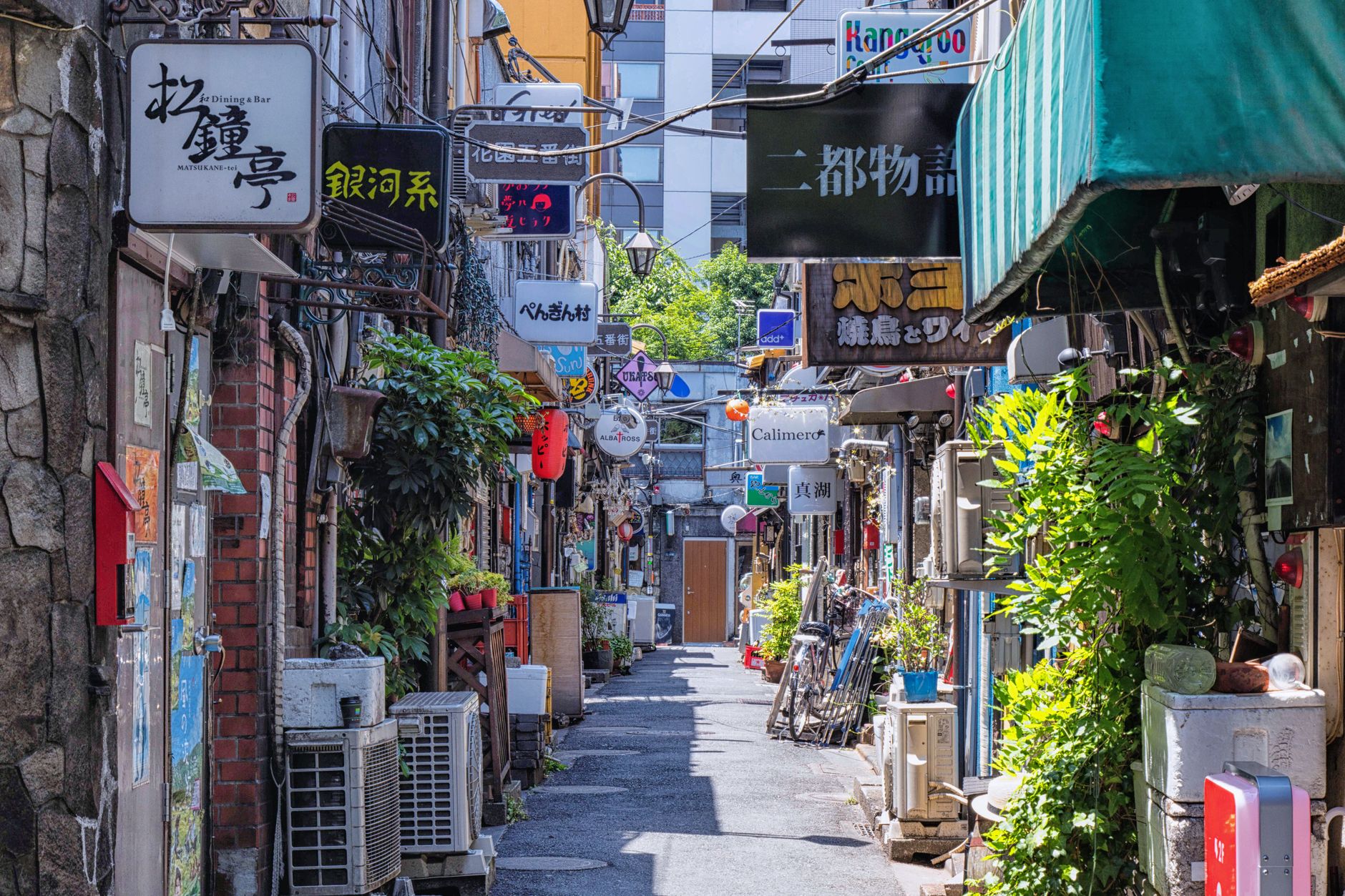
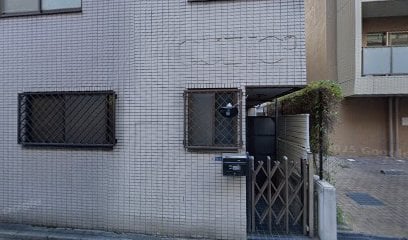
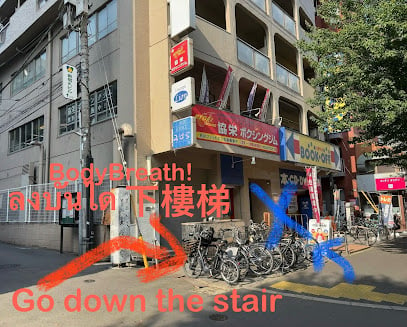
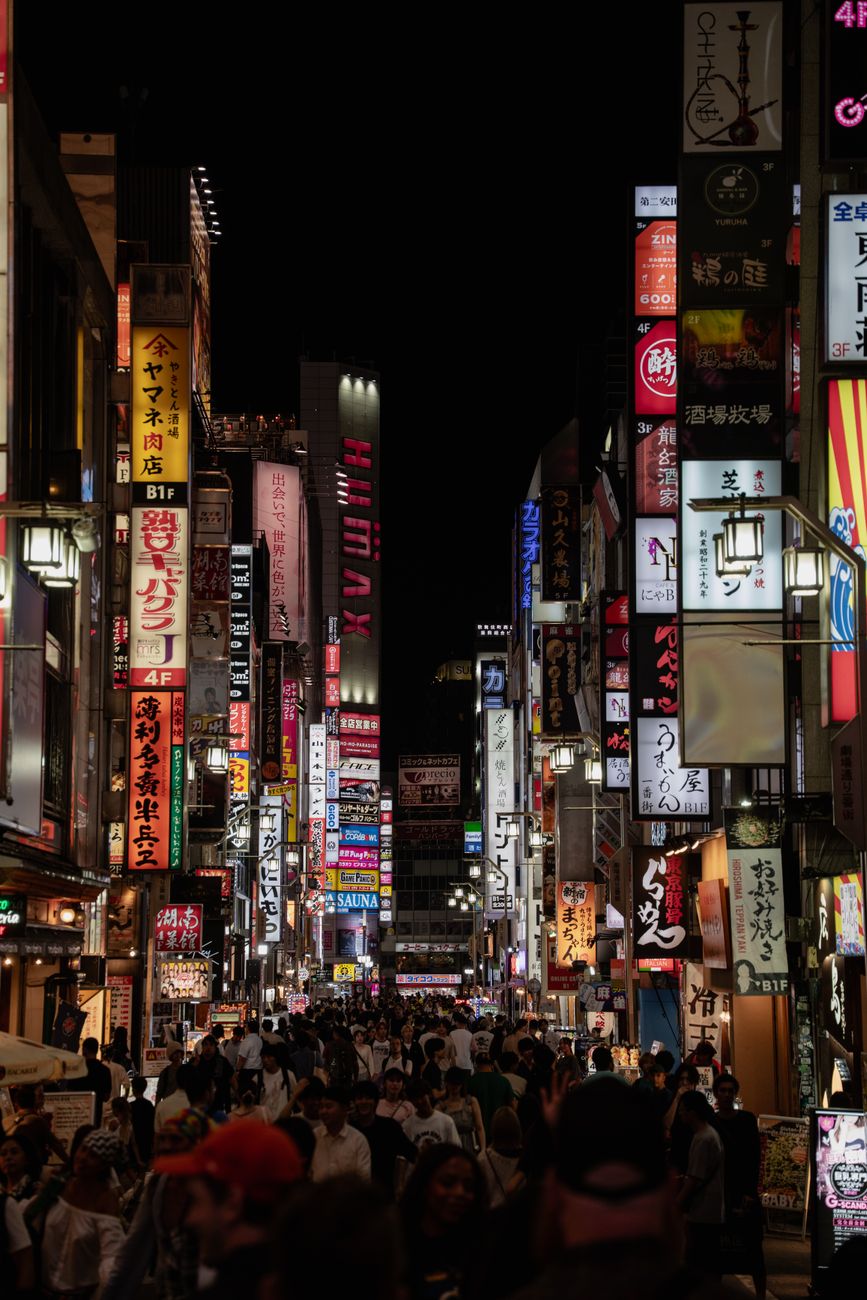
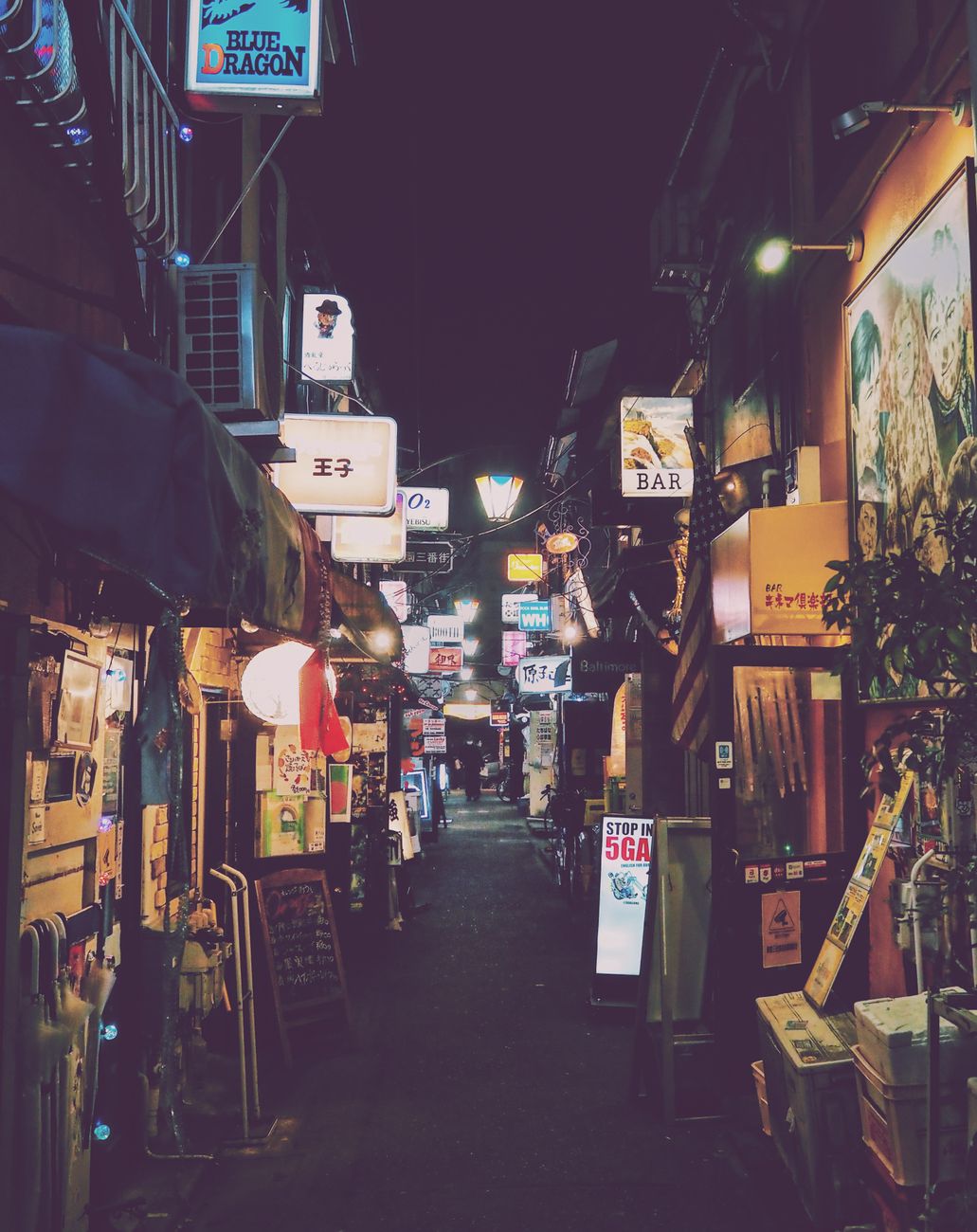
Район Ni-chōme (буквально "2-й квартал") занимает примерно четыре городских квартала в центре Синдзюку, до него можно добраться со станции Shinjuku Station или, что более удобно, со станции Shinjuku-sanchōme Station (выходы C5/C7) на линиях Marunouchi, Fukutoshin и Toei Shinjuku. Район удивительно удобен для пеших прогулок, несмотря на свою плотность. На поверхности Ni-chōme днем выглядит как обычный японский деловой район, но оживает после захода солнца неоновыми вывесками, фонарями идзакая и потоками хорошо одетых посетителей. Большинство заведений расположены на нескольких этажах зданий без вывесок, доступ к ним осуществляется через узкие дверные проемы и лестницы — такая намеренная сдержанность отражает как японские культурные нормы, так и практическую реальность того, что многие заведения расположены в тесных пространствах.
ЗАВЕДЕНИЯ И РАЙОНЫ
Ни-тёмэ насчитывает около 300 заведений, ориентированных на ЛГБТК+ сообщество. Хотя владельцы конкретных заведений меняются, они переезжают или закрываются, некоторые давние фавориты работают уже десятилетия. Район включает в себя разнообразные типы заведений: традиционные хостес-бары, где персонал развлекает и поддерживает беседу; стоячие бары (tachinomiya), где гости стоят плечом к плечу в тесных пространствах; танцевальные клубы с международными диджеями и circuit parties; сауны, предлагающие традиционную японскую культуру купания с сексуальными зонами; заведения с драг-шоу, где представления проходят каждую ночь; и обычные идзакаи, неотличимые от заведений для гетеросексуалов, за исключением посетителей.
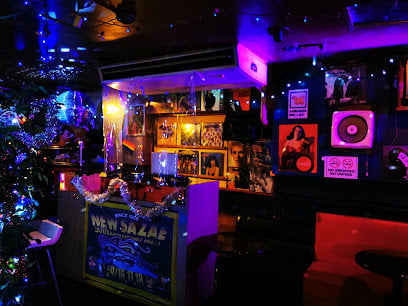
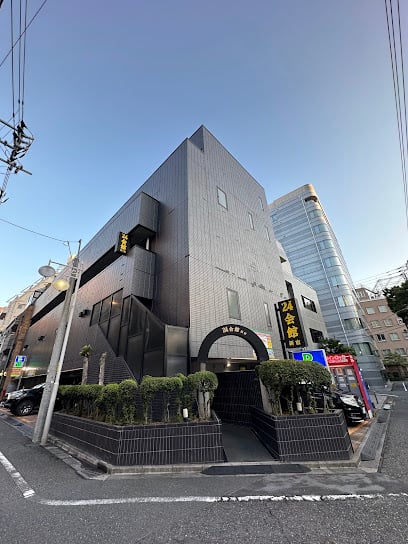
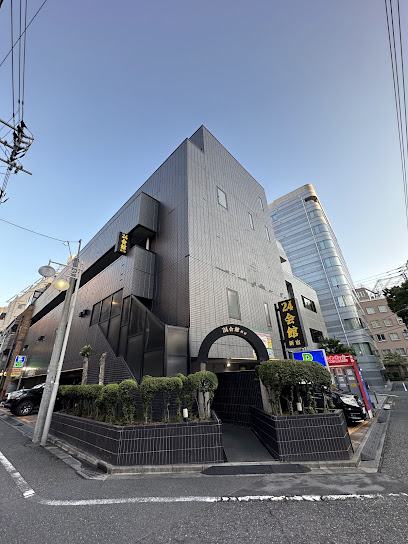
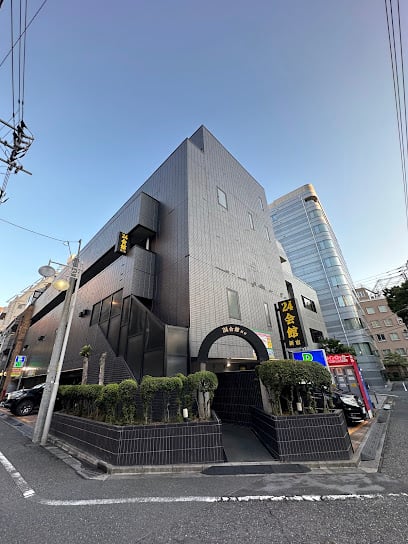
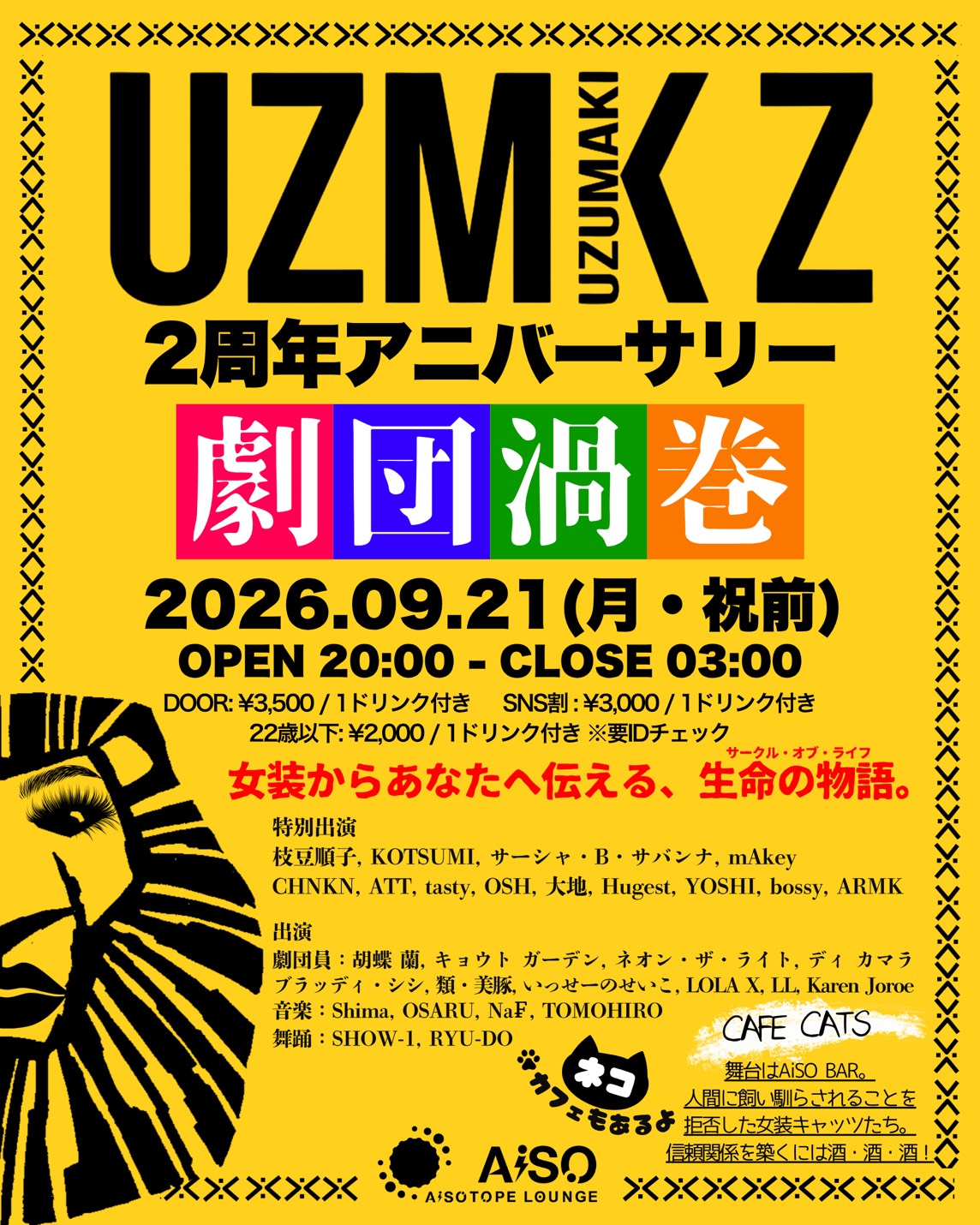
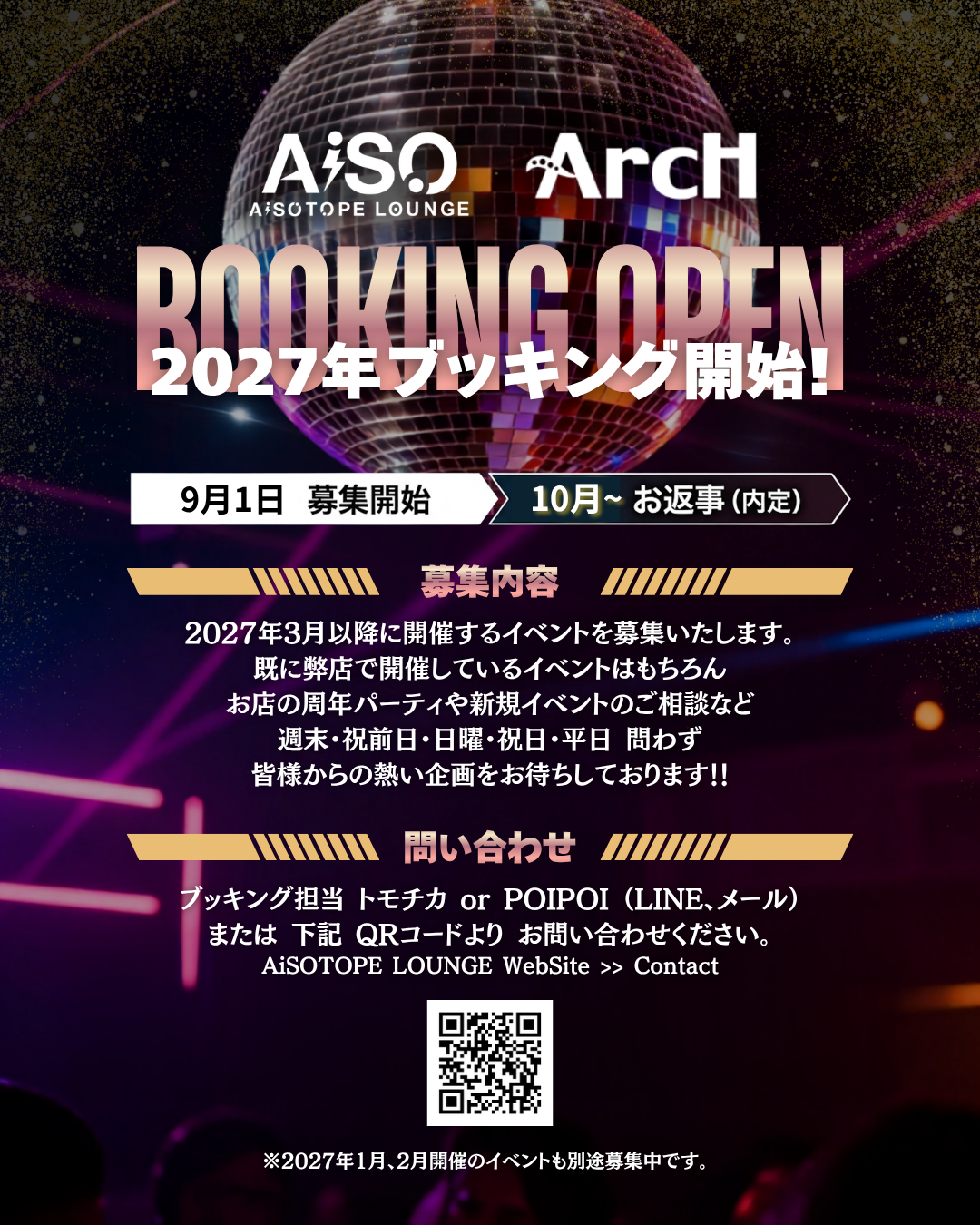
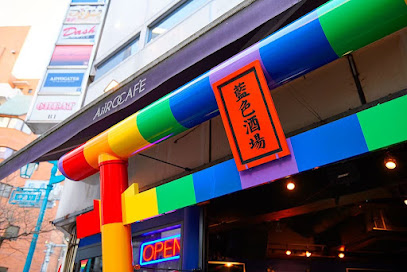
Среди давних фаворитов — AiiRO Cafe, стоячий бар с открытым фасадом под радужными тории, который служит неофициальным местом сбора Ни-тёмэ; AiSOTOPE Lounge и Arty Farty, надежные танцевальные заведения района; Dragon Men и EAGLE Tokyo; а также New Sazae, легендарный круглосуточный бар, работающий с 1966 года. Bar Gold Finger является центром сцены для квир-женщин благодаря своим фирменным вечерам только для женщин. Сауны представлены 24 Kaikan, флагманским гей-бассейном Ни-тёмэ, наряду с кластером мужских круизных заведений (hattenba) в окрестных кварталах 5-тёмэ и Гёэнмаэ — это явно японский подход к культуре гей-досуга.
За пределами Ни-тёмэ, в более широком районе Синдзюку есть и другие квир-заведения. Роппонги, развлекательный район в нескольких километрах к юго-востоку, предлагает несколько элитных гей-баров и клубов. Восточный Синдзюку и район вокруг станции Синдзюку также содержат дополнительные заведения, хотя Ни-тёмэ остается сконцентрированным центром.
PRIDE И ЕЖЕГОДНЫЕ МЕРОПРИЯТИЯ
Tokyo Rainbow Pride, крупнейшее в Японии мероприятие в честь Прайда, проходит в июне (с 2025 года перенесено с конца апреля/начала мая) и сосредоточено в парке Йойоги и районе Сибуя. Уличный фестиваль и парад собирают более 200 000 участников. Сам парад проходит не в Синдзюку, но бары и клубы района Ni-chōme в этот период устраивают расширенную программу, а Pride House Tokyo Legacy — первый в Японии постоянный центр ЛГБТК+ сообщества, расположенный на окраине Ni-chōme — круглый год проводит лекции и мероприятия. Кроме того, в городе круглый год проходит множество небольших мероприятий, вечеринок и встреч сообщества. Летом расписание мероприятий особенно насыщенное, многие заведения устраивают специальные вечеринки и тематические ночи.
ТРАНСПОРТ И НАВИГАЦИЯ
Станция Shinjuku — самый оживленный транспортный узел Токио, где пересекаются несколько линий: JR Yamanote Line, Chuo Line, Sobu Line и несколько линий метро. Станция Shinjuku-sanchōme на линии Marunouchi обеспечивает прямой доступ к району Ni-chōme. Вся система токийского метро чрезвычайно эффективна, безопасна и дружелюбна к англоговорящим пассажирам; приложения вроде Google Maps предоставляют информацию о движении транспорта в реальном времени. Такси в изобилии и по разумным ценам для ночных поездок, хотя многие водители не говорят по-английски — наличие адреса назначения, написанного по-японски, значительно облегчает задачу. В Токио работают сервисы райдшеринга, предлагающие альтернативу такси.
ГДЕ ОСТАНОВИТЬСЯ
Сам Синдзюку предлагает широкий выбор жилья: от бюджетных капсульных отелей до роскошных пятизвездочных гостиниц. Отели в самом Синдзюку удобны своим центральным расположением и быстрым доступом к Ni-chōme. Для тех, кто хочет полностью погрузиться в атмосферу района, гестхаусы и небольшие отели в Ni-chōme или непосредственно рядом с ним предложат аутентичный опыт, хотя номера, как правило, компактны по японским меркам. Ближайшие районы, такие как Yotsuya, Shibuya и Ikebukuro, легко доступны на короткой поездке на поезде. Бизнес-отели по всему Синдзюку предлагают комфортабельные варианты среднего ценового сегмента. Платформы бронирования, такие как Booking.com, Agoda, а также японские сайты вроде Rakuten Travel, предоставляют обширный выбор.
МЕРЫ БЕЗОПАСНОСТИ
Япония входит в число самых безопасных стран мира с минимальным уровнем насильственных преступлений. Путешественникам из ЛГБТК+ сообщества стоит отметить, что, хотя в Токио в целом уровень принятия высок, юридическая защита остается ограниченной. Однополые браки на федеральном уровне не признаются, хотя Токио и некоторые муниципалитеты предлагают признание партнерства. Публичные проявления чувств в гей-квартале Синдзюку абсолютно нормальны и приветствуются; за пределами этих зон японская культура, как правило, не поощряет физические проявления нежности между любыми парами на публике. Ni-chōme чрезвычайно безопасен благодаря постоянному потоку людей, присутствию полиции и бдительности местного сообщества. Случаи подсыпания в напитки и хищнического поведения встречаются, но редки и активно пресекаются персоналом заведений. Большинство баров имеют четкие протоколы действий в случае проблемного поведения. Соблюдение здравого смысла при общении с незнакомцами, пребывание в компании друзей и использование проверенного транспорта для возвращения домой гарантируют безопасность. Гомофобия существует в Японии, как и во всех странах, но обычно выражается через социальное избегание, а не конфронтацию. Путешественники из стран с безвизовым режимом для въезда в Японию могут рассчитывать на простое оформление.
ЕДА И РЕСТОРАНЫ
Синдзюку поражает своим кулинарным разнообразием. Сам район Ni-chōme насчитывает множество ресторанов и идзакая, дружелюбных к ЛГБТК+-сообществу, где подают якитори (жареную курицу), рамэн, суши, темпуру и блюда современной фьюжн-кухни. Многие заведения украшены радужными флагами или открыто ориентированы на квир-аудиторию. Помимо Ni-chōme, гастрономическая сцена всего Синдзюку не имеет себе равных: рестораны со звездами Мишлен, уличная еда, суши на конвейере, карри-хаусы и кухни на любой вкус находятся в шаговой доступности. Omoide Yokocho, знаменитый переулок с крошечными ресторанчиками якитори, расположен в Синдзюку и предлагает аутентичное жареное мясо и напитки в атмосферной обстановке. Культура идзакая предполагает непринужденный групповой прием пищи и напитки, что делает их идеальным местом для соло-путешественников, желающих познакомиться с местными жителями. В круглосуточных магазинах (конбини) можно найти отличные готовые блюда по разумным ценам. Рамэнные открыты допоздна, предлагая подкрепиться во время и после ночных приключений.
ДНЕВНЫЕ РАЗВЛЕЧЕНИЯ И ДОСТОПРИМЕЧАТЕЛЬНОСТИ
Хотя ночная жизнь Синдзюку доминирует в LGBTQ+ туризме, район и его окрестности предлагают немало интересного и днем. Национальный сад Синдзюку-Гёэн — это обширный парк с сезонными цветами, прогулочными дорожками и богатой историей. Святилище Мэйдзи в соседнем Сибуя — важнейшее синтоистское святилище Японии, расположенное в лесной роще. Здание Токийского столичного правительства предлагает бесплатные смотровые площадки с панорамным видом на город. Универмаги района — Isetan, Takashimaya, Mitsukoshi — демонстрируют японское мастерство в сфере розничной торговли и моды. Музей современного искусства и другие культурные учреждения открывают возможности для знакомства с искусством. Кабукитё, знаменитый развлекательный квартал Синдзюку, изобилует театрами, игровыми залами и местами для развлечений. Неподалеку Сибуя-Кроссинг — самый знаковый перекресток Токио. Для дневных развлечений, ориентированных на квир-сообщество, некоторые заведения проводят дневные мероприятия или открывают лаунжи; общественные центры иногда предлагают культурные программы. Многие посетители сочетают ночные развлечения с удивительными дневными предложениями Токио.
ОДНОДНЕВНЫЕ ПОЕЗДКИ ИЗ СИНДЗЮКУ
Центральное расположение Синдзюку в железнодорожной сети Токио позволяет легко совершать однодневные поездки. Никко, расположенный в двух часах к северу, предлагает исторические храмы и живописные пейзажи. Камакура, в часе езды к югу, славится буддийскими храмами, пляжами и возможностями для пеших прогулок. До горы Фудзи можно добраться на поезде до Хаконе или Кавагутико, откуда открываются живописные виды и находятся горячие источники. Йокогама, в 40 минутах к югу, предлагает набережные и культурные музеи. Острова Идзу доступны на пароме или вертолете для пляжного отдыха. Почти до всех крупных туристических центров Японии можно добраться за 2-4 часа с помощью эффективной системы скоростных поездов Синкансэн.
ПРАКТИЧЕСКАЯ ИНФОРМАЦИЯ
Язык: В Токио уровень владения английским выше, чем в других частях Японии, особенно в развлекательных районах и среди молодежи. Во многих заведениях Ни-тёмэ есть англоговорящий персонал, привыкший к международным гостям. Загрузите приложения для перевода, такие как Google Translate, для навигации по меню и ведения простых разговоров. Наличие ключевых фраз, написанных на японском, окажется полезным.
Деньги: Япония преимущественно наличная, несмотря на модернизацию. Банкоматы в круглосуточных магазинах принимают большинство международных карт. Кредитные карты все чаще принимаются в крупных заведениях, но не повсеместно. Йена колеблется; на момент написания обменные курсы благоприятны для международных посетителей из стран с сильной валютой.
Визовые требования: Граждане большинства развитых стран имеют право на безвизовый въезд в Японию на 90 дней. Гражданам определенных стран требуются предварительные визы; проверьте требования заблаговременно до поездки.
Телефоны и интернет: Арендованные SIM-карты, устройства карманного Wi-Fi и временные тарифные планы доступны в аэропортах. Большинство мест проживания предлагают бесплатный Wi-Fi. Перезаряжаемая карта Suica/Pasmo упрощает оплату проезда в поездах и автобусах.
Погода и сезоны: Весна (март-май) и осень (сентябрь-ноябрь) предлагают идеальную погоду. Лето (июнь-август) жаркое и влажное; зима (декабрь-февраль) холодная, но обычно солнечная. Сезон тайфунов приходится на сентябрь-октябрь.
Часто задаваемые вопросы
ЛГБТК+ сцена Синдзюку имеет долгую историю открытости. Несмотря на то, что Япония не признает однополые браки, такие городские центры, как Синдзюку, способствуют открытой гей-культуре с замечательной степенью открытости по сравнению с соседними странами.
Shinjuku Ni-chōme (新宿二丁目) — главный гей-район и крупнейшее скопление ЛГБТК+ заведений в Азии. Он расположен к востоку от станции Shinjuku и наиболее легко доступен со станции Shinjuku-sanchōme (выход C5/C7). Компактная территория вмещает около 300 баров, клубов, саун и кафе.
Барная сцена Синдзюку делает акцент на интимности и регулярности. Многие заведения ориентированы на определенные ниши, такие как заведения исключительно для женщин, медведей, пожилых мужчин или представителей определенных национальностей.
Да. В Ni-chōme есть несколько более крупных, ориентированных на туристов заведений с танцполами и диджейскими вечерами — среди них AiSOTOPE Lounge, Arty Farty, Dragon Men и знаковый AiiRO Cafe. Они привлекают разнообразную международную публику и обычно имеют англоговорящий персонал. Однако большая часть района состоит из крошечных специализированных баров, вмещающих дюжину или около того гостей.
Ни-тёмэ — это замкнутый, интимный мир, несмотря на то, что он находится в центре Токио. Улицы узкие и заставлены крошечными барами, при этом многие заведения вмещают менее 20 человек.
Tokyo Rainbow Pride, крупнейший Прайд в Японии, проводится каждый июнь в районе парка Yoyogi и Сибуи, а не в самом Синдзюку, но бары Ni-chōme устраивают свои собственные уличные вечеринки в сезон Прайда. В течение года район принимает дрэг-шоу, циркуиты и общественные мероприятия, а Pride House Tokyo Legacy — первый постоянный ЛГБТК+ центр Японии, недалеко от Shinjuku-Gyoenmae — проводит лекции и выставки.
Настройки приватности.
Мы используем файлы cookie, чтобы обеспечить работу GayOut и, с вашего согласия, измерять использование. Подробнее
Настройки приватности
Мы используем куки, чтобы сайт работал, запоминал ваши настройки и (с вашего согласия) собирал статистику использования. Вы можете принять всё, отклонить или выбрать сами. Подробнее
Необходимые
Нужны для входа, защиты от мошенничества, защиты CSRF и сохранения языка. Отключить нельзя.
Всегда включено
Запоминают избранное, тёмный режим и другие настройки интерфейса между визитами.
Помогают нам понять, какие страницы посещают (Google Analytics, серверная статистика), чтобы мы могли улучшать сайт.
Используются пикселями отслеживания рекламы. Сейчас не активны, оставлены на будущее.
Установить GayOut
Добавьте GayOut на главный экран — быстрый доступ, избранное офлайн и анонсы Прайдов.




![[9/25Fri] La Noche – Women-only Latin Dance Night💃✨](https://secure.meetupstatic.com/photos/event/a/8/2/b/600_531823051.jpeg)



 Гей-бары и клубы
Рекомендуем
(273)
Гей-бары и клубы
Рекомендуем
(273)