No national recognition of same-sex partnerships. Many municipalities issue partnership certificates. National same-sex marriage ruling is expected from courts. Social acceptance varies widely.
Discover R's Attic in Sapporo, Hokkaido: an inclusive and welcoming spot for the LGBTQ+ community. Experience a friendly atmosphere in Japan's vibrant north.
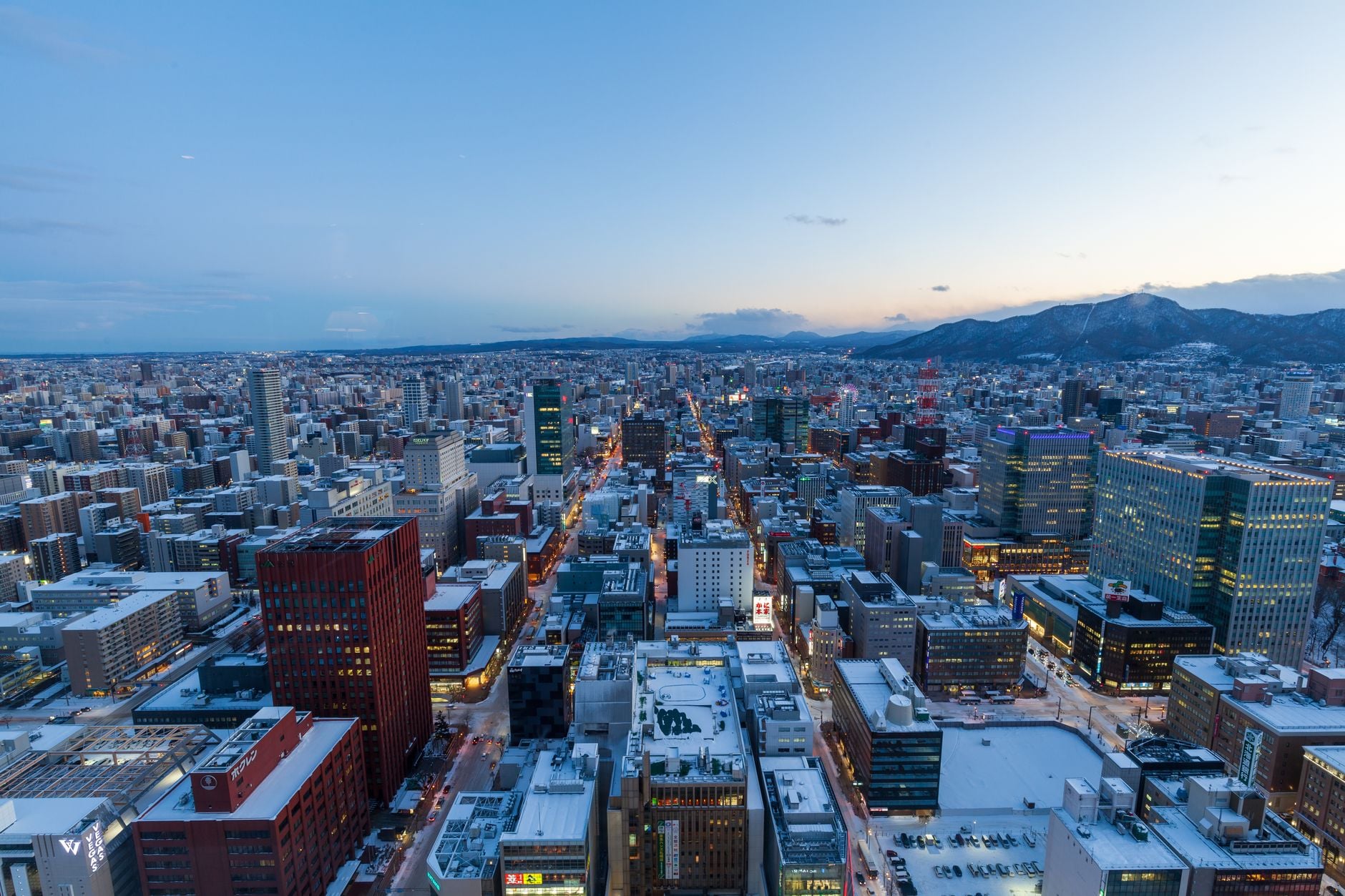
Sapporo, the capital of Hokkaido and Japan's fifth-largest city, has emerged as an increasingly welcoming destination for LGBTQ+ travelers seeking authentic experiences beyond Tokyo and Osaka. While Japan's broader social attitudes toward LGBTQ+ issues remain conservative—with no same-sex marriage recognition and limited legal protections—Sapporo's urban center has developed a visible and growing queer community that extends warm hospitality to visitors.
History of Sapporo's LGBTQ+ Scene
Like many Japanese cities, Sapporo's organized gay scene developed gradually from the 1990s onward, with early gay bars opening in central districts catering to a small but dedicated community. The late 2000s and 2010s saw gradual expansion and increasing visibility, though the scene remains smaller and less commercialized than major metropolitan centers. Sapporo hosted one of Japan's earliest pride marches back in 1996; the modern Sapporo Rainbow Pride has run since 2018 as a grassroots initiative and has grown substantially, becoming an annual fixture with city support and mainstream media coverage. The community here tends to be collaborative rather than competitive, with bar owners, activists, and residents working together to build acceptance and safety. Sapporo has also been a legal frontrunner: in 2017 it became the first of Japan's government-designated major cities to introduce a same-sex partnership system, and in March 2021 the Sapporo District Court ruled that the lack of legal recognition for same-sex marriage is unconstitutional.
Neighborhoods and Districts
The gay scene is concentrated in Susukino, Sapporo's main nightlife district in Chuo Ward. The densest cluster of gay bars sits around Minami 6-jo Nishi 6 (South 6 West 6), particularly in multi-storey buildings such as the No.6 G Building and the nearby SA Building, where a dozen small counter bars operate floor by floor. More gay bars and men-only saunas are scattered a few blocks around, between Minami 4-jo and Minami 7-jo. Susukino Station on the Namboku subway line puts you within a short walk of almost everything. Gantetsu Ramen Yokocho, sometimes mislabelled as a gay district, is simply a well-known ramen alley and is not part of the scene.
Key Venues and Establishments
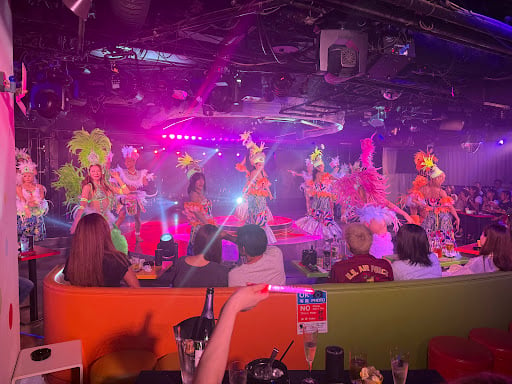
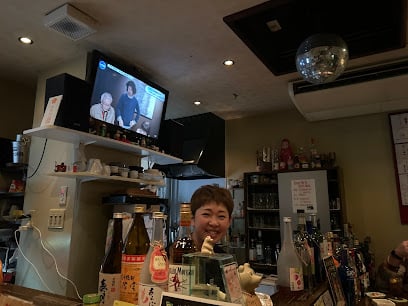
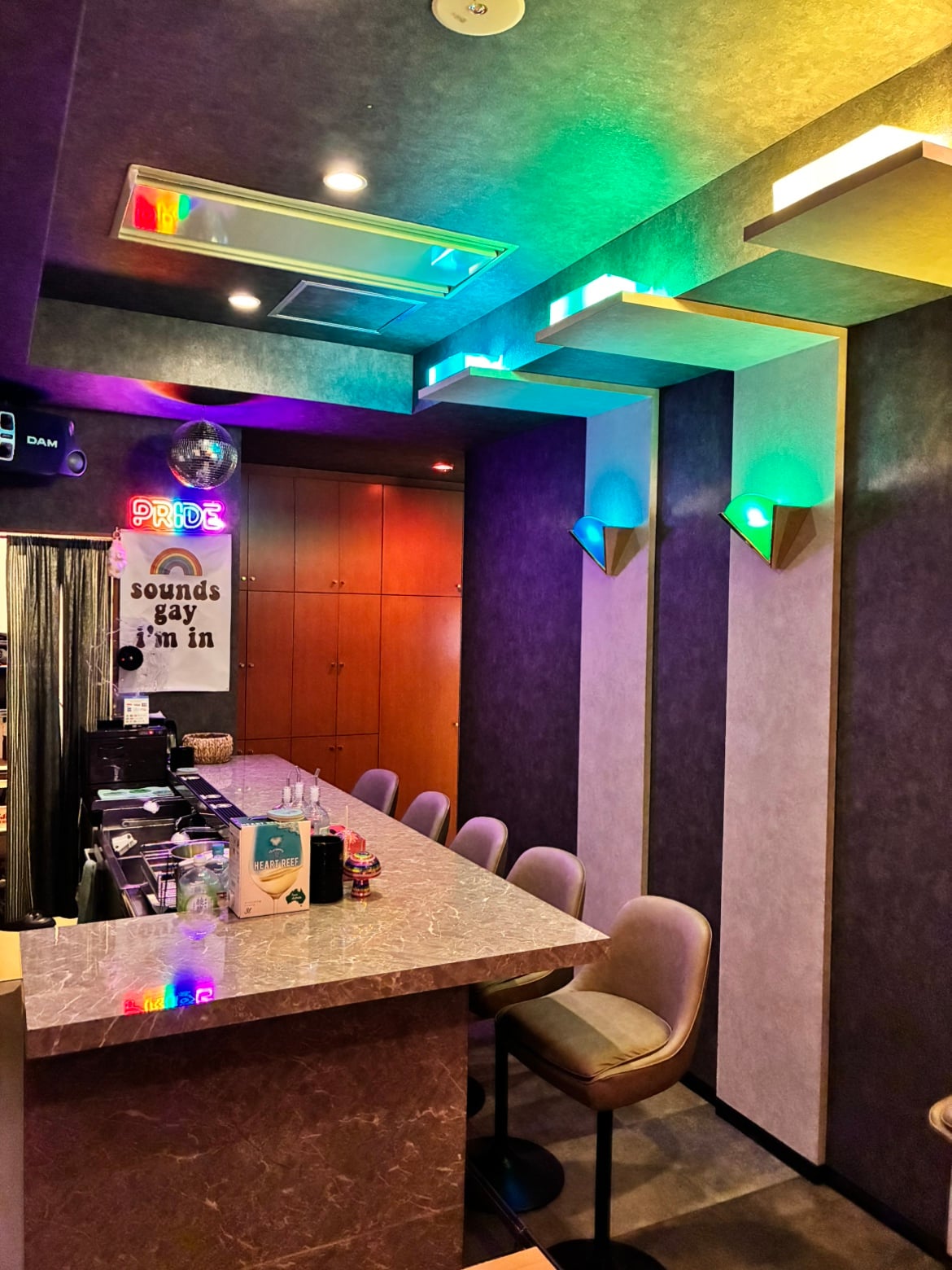
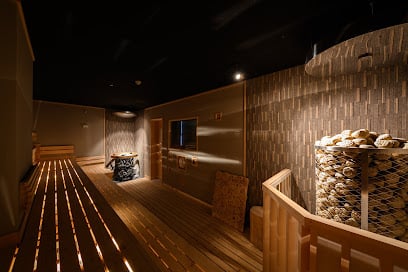
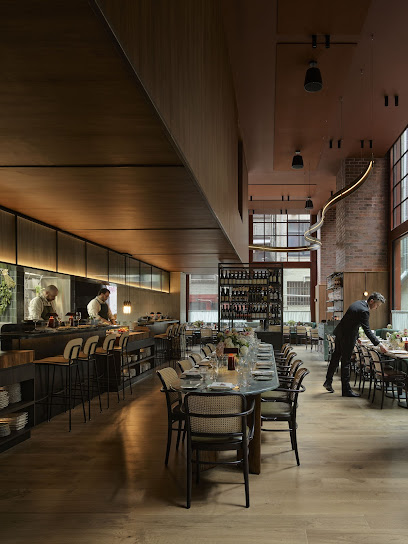
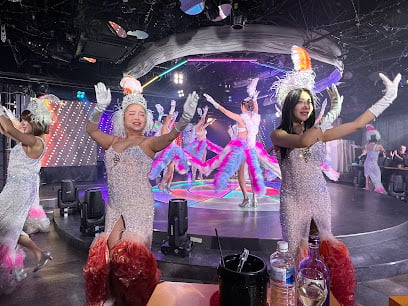
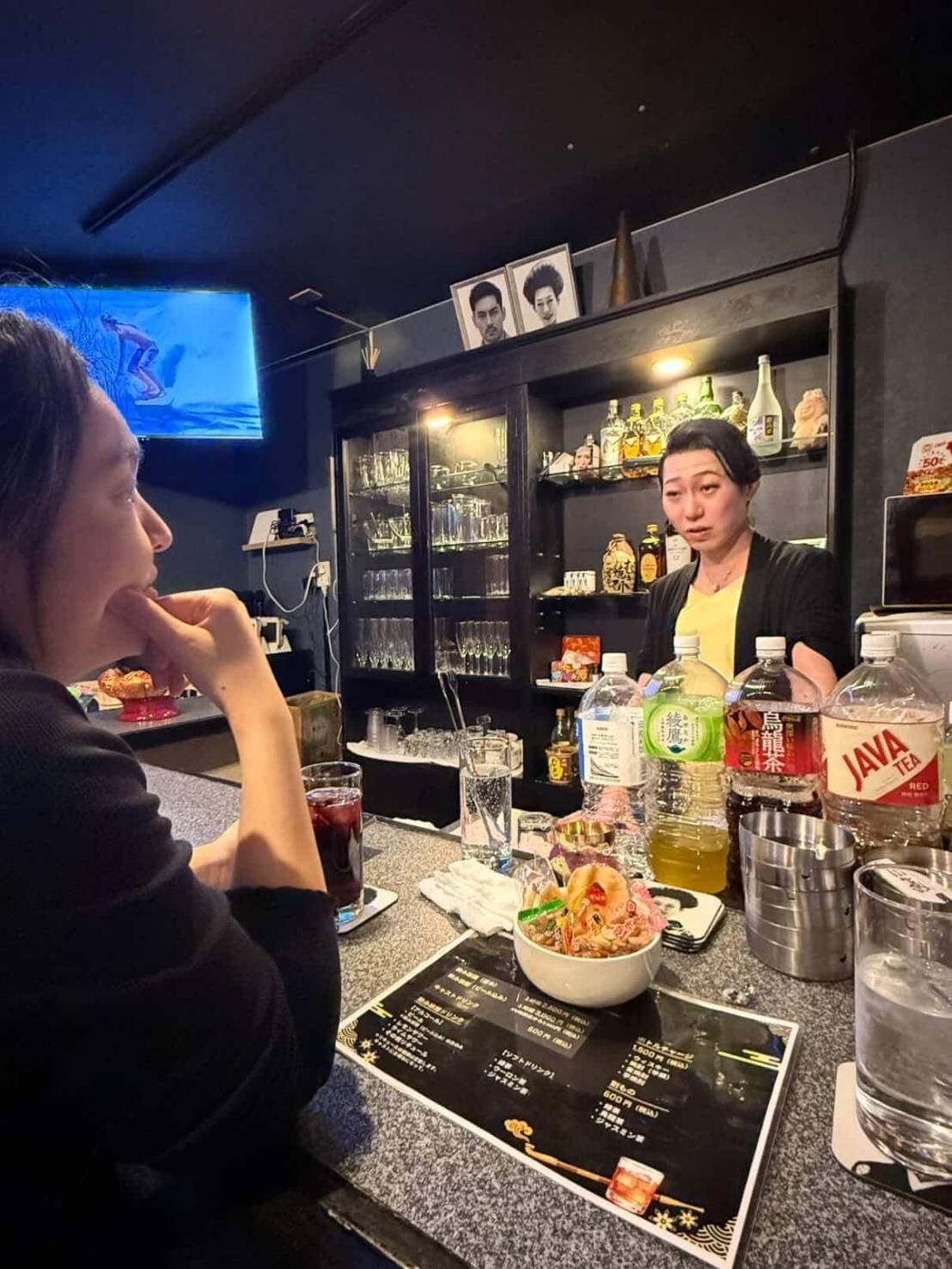
Sapporo's gay bar scene, while modest in scale, offers welcoming spaces. Long-running counter bars around Minami 6-jo Nishi 6 include Karuma, Bar Orb, Marmelo and Condor, alongside newer spots such as le coeur, Hayate, Excellent Luck and the karaoke bar Bridge. For shows, Believe×Believe and Banana Bar host lively drag and 'okama' cabaret, while LaLaToo is the go-to gay dance venue. Monkey Mountain, a home-style karaoke bar, sits a few blocks north near Minami 4-jo. Men-only saunas such as BYCS, LAGOON and SWEAT ACTIVE serve the cruise scene. The bars generally feature a mix of local regulars and international visitors, with most staff willing to assist non-Japanese speakers. Many establishments are small, intimate spaces rather than large clubs, fostering genuine community connection. Karaoke bars with LGBTQ+ clientele are also popular gathering spots, reflecting broader Japanese social culture.
Pride and Community Events
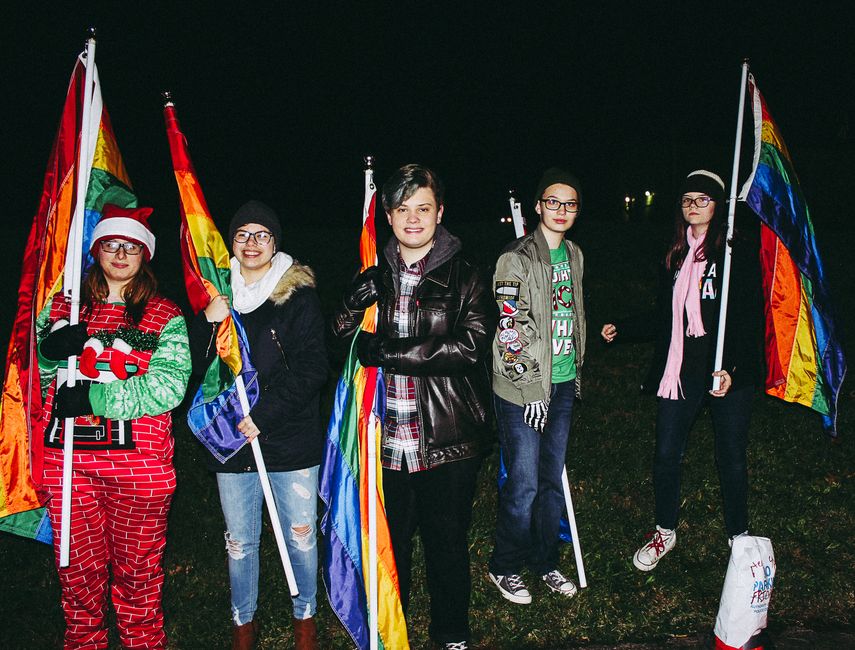
Sapporo Rainbow Pride takes place each September, typically drawing several thousand participants and spectators. The event features a public march through central Sapporo, festival activities, stage performances, and community booths. Unlike more commercialized Pride events in larger Japanese cities, Sapporo Pride maintains a grassroots, community-driven character. The event has grown year-over-year and increasingly receives recognition from city government and mainstream media. Beyond Pride, the community organizes film screenings, discussion groups, and social gatherings throughout the year. The Hokkaido Queer Film Festival and similar cultural events provide additional opportunities for community gathering and expression.
Where to Stay
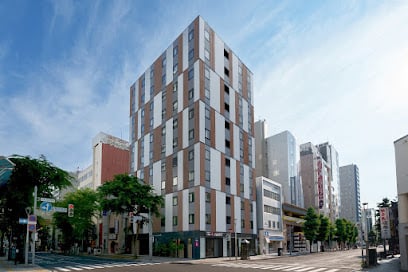
Sapporo offers numerous hotels and accommodations across various price ranges. Most mainstream hotels are gay-friendly and welcoming to LGBTQ+ travelers; Japanese hospitality culture generally extends courtesy regardless of sexual orientation or gender identity. Budget options include capsule hotels and hostels; mid-range selections feature business hotels and contemporary properties; luxury travelers have options including international hotel chains. No specifically LGBTQ+-branded accommodations are well-established in Sapporo, but this reflects the general approach in Japan where LGBTQ+ travelers integrate into mainstream hospitality without requiring separate facilities.
Sapporo is generally safe for LGBTQ+ travelers. Violent hate crimes targeting gay individuals are rare, and major cities including Sapporo have normalized LGBTQ+ presence. However, public displays of affection between same-sex couples may attract attention or occasional negative commentary, particularly outside central districts or entertainment areas. Using common sense regarding public behavior recommended—discretion advisable but not necessary. Police are unlikely to harass LGBTQ+ individuals, though broader Japanese society tends toward modesty in public intimacy regardless of relationship type. Healthcare access is good; major hospitals in Sapporo can address medical needs, though staff may have limited English proficiency, so translation apps or services prove useful.
Transit and Getting Around
Sapporo features excellent public transportation including subway, tram, and bus systems. The subway connects major areas including Susukino station (near the gay district), Odori Park, and outlying neighborhoods. Most transportation accepts IC cards (like Kitaca cards specific to Hokkaido) or can be paid per-journey. Navigation apps like Google Maps function reliably for transit directions. Taxis are readily available but expensive for frequent use; public transit proves more economical. Bikes are available for rental and popular among locals for navigating the city's relatively flat terrain.
Food and Dining
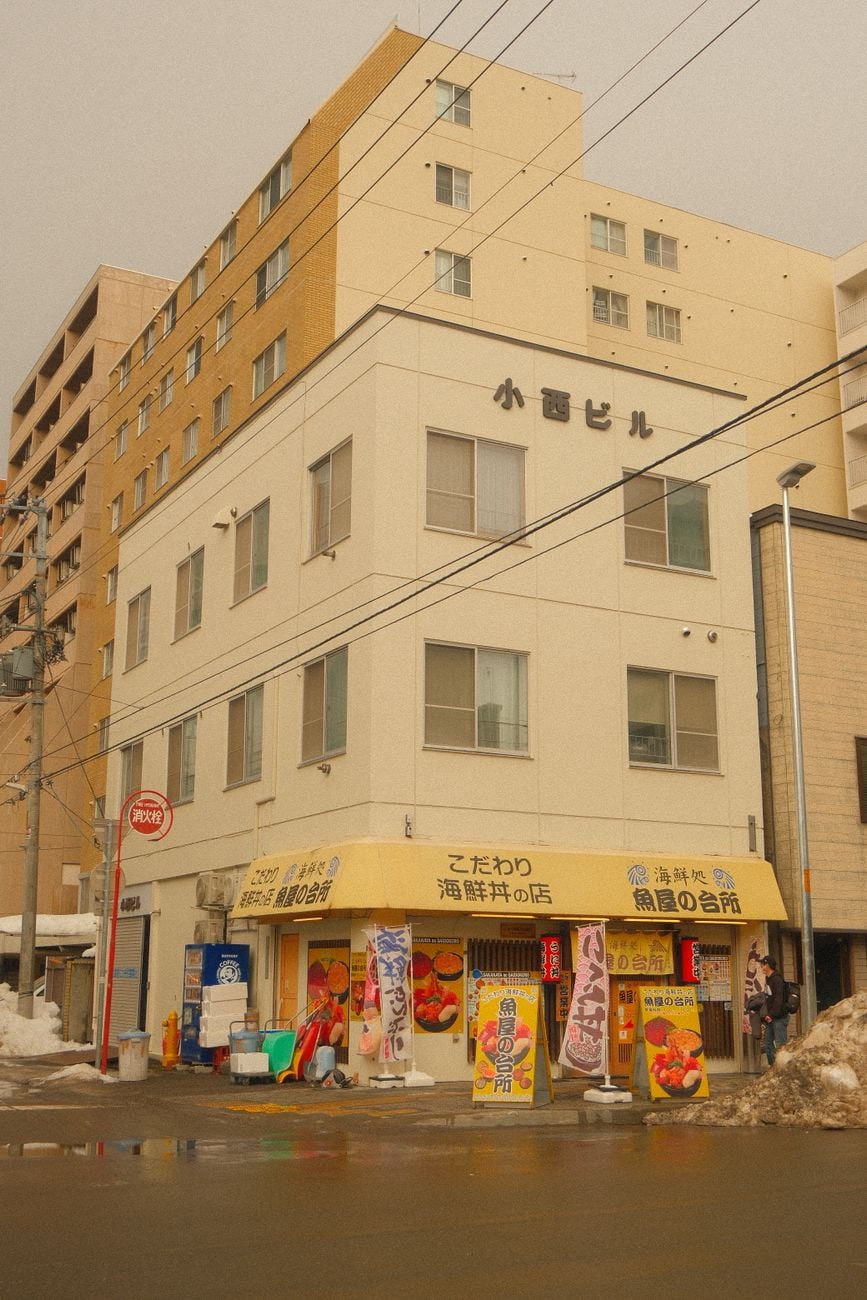
Sapporo's food scene is exceptional, particularly for ramen—Sapporo ramen represents one of Japan's most celebrated regional varieties, featuring rich miso-based broth. Gantetsu Ramen Yokocho offers traditional ramen experiences in a historic setting. Beyond ramen, Sapporo excels in seafood given Hokkaido's coastal location; fresh scallops, crab, and salmon feature prominently in restaurants. Izakayas (casual dining establishments serving alcohol and small plates) provide affordable, convivial dining experiences. Many LGBTQ+-friendly bars serve food alongside drinks, offering casual socializing opportunities. Vegetarian and vegan options exist but require navigation, as Japanese cuisine traditionally emphasizes seafood-based broths.
Day Trips and Attractions
Sapporo serves as a hub for exploring Hokkaido's natural attractions. Maruyama Forest and park areas provide hiking and nature experiences within the city. Maruyama Shrine offers cultural and spiritual sites. Beyond the city, accessible day trips include Otaru (a historic port town 30 minutes away with museums, galleries, and scenic coastal areas), Jozankei hot spring resort (40 minutes south, featuring traditional bathhouse culture and mountain scenery), and Niseko (90 minutes south, renowned for skiing in winter and hiking in summer). Hokkaido's national parks and natural areas are accessible via day trips or overnight excursions. Travelers interested in rural experiences can venture to farming communities and small towns reflecting Hokkaido's agricultural heritage.
Cultural Experiences and Activities
Sapporo offers museums including the Hokkaido Museum and Museum of Modern Art Sapporo. The Sapporo Beer Museum provides historical context and tasting experiences. Odori Park serves as the city's green heart, hosting seasonal events and providing recreational space. Winter visitors can access skiing, snowboarding, and winter festivals; summer brings outdoor concerts, markets, and festivals. The city's botanical gardens offer peaceful respite.
Practical Information
Language barriers exist but are manageable in central Sapporo. Younger people and hospitality staff increasingly speak basic English. Translation apps prove invaluable. Currency is Japanese yen; ATMs in convenience stores accept international cards. Japan's overall cost of living is moderate to high compared to many destinations; daily budgets of 8,000-15,000 yen cover modest meals and activities, with accommodation representing the largest expense.
Conclusion
Sapporo offers LGBTQ+ travelers an authentic Japanese experience combining natural beauty, culinary excellence, and an emerging queer community. While the scene is smaller and less developed than Tokyo or Osaka, this quality appeals to travelers seeking genuine connection over commercialized tourism. Visitors find welcoming locals, excellent infrastructure, and the opportunity to explore Hokkaido's unique character while connecting with Japan's queer community beyond major metropolitan centers.
Frequently asked questions
Sapporo's Susukino neighborhood, the heart of the gay scene, is well-lit and busy in the evening, contributing to a sense of safety for nighttime visitors. The gay scene is described as having an emphasis on community connection and staff and patrons are generally welcoming to visitors.
Susukino is unquestionably the heart of Sapporo's gay scene and contains the vast majority of gay bars, clubs, and social venues. This area is easily navigable on foot and Susukino Station provides convenient access.
Sapporo Rainbow Pride is held each September. In 2026 it takes place on 26-27 September, centred on Minami 1-jo Dori in central Sapporo, with a street festival of booths and stage performances plus a parade. The modern event has run since 2018, continuing a tradition that dates back to one of Japan's earliest pride marches, held in Sapporo in 1996.
Sapporo's gay bar scene centers on small-to-medium sized establishments, many of which are intimate, locals-oriented spaces. You can find casual meeting spots to more themed venues, with both Japanese and international-friendly bars.
Most of Sapporo's gay bars are clustered in Susukino around Minami 6-jo Nishi 6, especially in the No.6 G Building and the SA Building, where you can walk the floors and find venues like le coeur, Hayate, Excellent Luck, Bridge and Karuma. This guide's venue listings are kept current, and community organisations such as Nijiiro Hokkaido and the Sapporo Rainbow Pride Executive Committee are good sources for events and up-to-date information.
Sapporo's LGBTQ+ scene is smaller and more intimate than in major metropolitan centers like Tokyo. It grew organically within Susukino and has an emphasis on community connection rather than commercialization.
Your privacy choices.
We use cookies to run GayOut and, with your consent, measure usage. Learn more
Your privacy choices
We use cookies to keep GayOut running, remember your preferences, and (with your permission) measure how the site is used. You can accept all, reject all, or pick what you allow. Learn more
Essential
Required for sign-in, fraud prevention, CSRF protection and remembering your language. Cannot be disabled.
Always on
Remembers your favourites, dark mode and other interface preferences across visits.
Helps us understand which pages people visit (Google Analytics, server-side stats) so we can improve.
Used by campaign tracking pixels. None are active right now, reserved for future use.
Install GayOut
Add GayOut to your home screen for faster access, offline favourites, and Pride alerts.




 Gay Bars & Clubs
Featured
(53)
Gay Bars & Clubs
Featured
(53)