






![[9/25Fri] La Noche – Women-only Latin Dance Night💃✨](https://secure.meetupstatic.com/photos/event/a/8/2/b/600_531823051.jpeg)


 Gay Bars & Clubs
(31)
Gay Bars & Clubs
(31)
🇯🇵
Gay Tokyo 2026
LGBTQ+ Travel Guide & City Directory
14,000,000 residents
08:48 GMT+09:00
View on Maps
21°C · Partly cloudy
JPY ¥
HND · 18 km
Build a 3-Day Tokyo Trip
3 Gay Bars & Clubs
4 Gay Saunas
1 Cruising Areas
5 Gay-Friendly Hotels
5 Gay-Friendly Restaurants
3 LGBTQ+ Organizations
1 Gay Spas & Wellness
LGBTQ+ Legal Status in Japan
Based on national laws as of 2025
70/100
LGBTQ+ Friendly
Legal 42/60 · Scene 28/40 · Japan national score
Japan — Gay Travel Index profile →
Compare all 208 countries →
Legal rights details
✓
Same-sex relations legal
✓
Equal age of consent
✗
Partnership / union
✗
Same-sex marriage
✗
Adoption rights
✗
Anti-discrimination law
✓
Legal gender change
No national recognition of same-sex partnerships. Many municipalities issue partnership certificates. National same-sex marriage ruling is expected from courts. Social acceptance varies widely.
Upcoming Events in Tokyo
19
SEP
6:15 AM
Hi ga Kurenai & Mikity Honmono Special Unit: "Gakeppuchi (Tentative) — Debut Performance! 'Pucchi' Solo Live Show"
AiSOTOPE LOUNGE
Live Show

19
SEP
9:00 AM
Eikaiwa Rainbow Tokyo | LGBTQ+ & allies 🏳️🌈 | Shinjuku 2 chome
Community Center Akta
Community

19
SEP
10:15 AM
Peinyamunyamu & Eishin Fudemura Special Unit: "Puchi-Out — First Reveal! Puchi One-Man Live"
AiSOTOPE LOUNGE
 🎽
🎽
22
SEP
2:00 AM
🎽 Women Only 🏃♀️ Imperial Palace Night Run ➕ International Meetup @ Cafe 🌎
ENGLISH ONLY CAFE
Community
Women / Sapphic
Know an event that's not listed here?
+ Add it now
Never miss a gay event in Tokyo
One email a week — the weekend lineup, parties and deals. No spam, unsubscribe anytime.
Weekly event updates. Notifications appear on your lock screen.
On iPhone: first add GayOut to your Home Screen (Share → Add to Home Screen), then open it from there to enable notifications.
Gay Bars & Clubs in Tokyo
Gay Bars & Clubs
(31)
GENBA
Gay Bars & Clubs
(4)
GENBA
Ueno
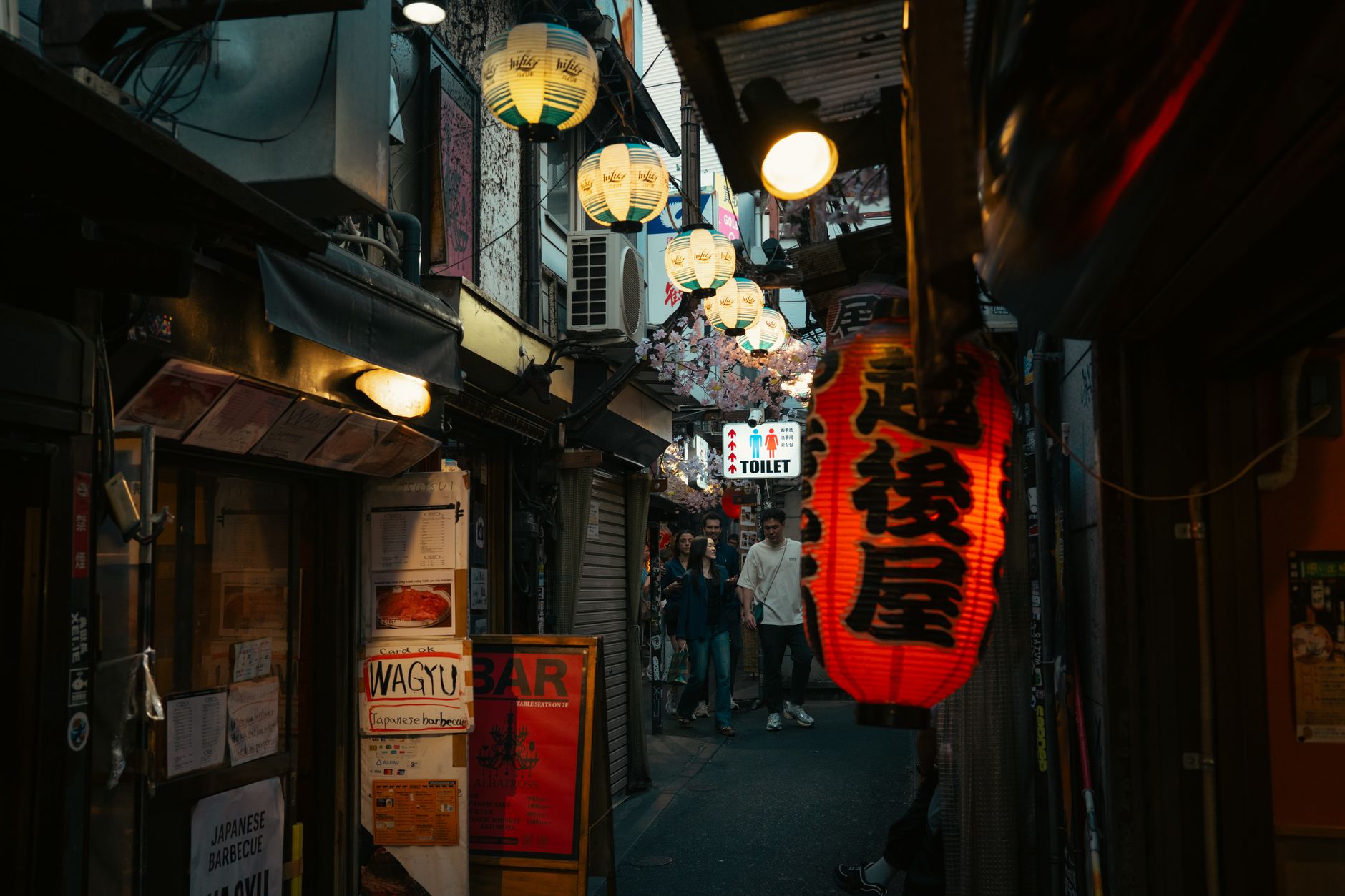
Ueno's young shot bar — opened 2024, beginner-friendly, DJ nights, a fresh face in the old quarter.
dj-sets
mixed-lgbtq
gay-men
Verified by GayOut
Sep 2026
 Gay Bars & Clubs
GREEN DAYZ
Ueno
Relaxed Ueno gay bar three minutes from the station — relaunched 2022, bottle-keep culture and local regulars.
chill
mixed-lgbtq
gay-men
Verified by GayOut
Sep 2026
Gay Saunas in Tokyo
 Gay Saunas
(19)
Gay Saunas
(19)
24 Kaikan Asakusa
Gay Saunas
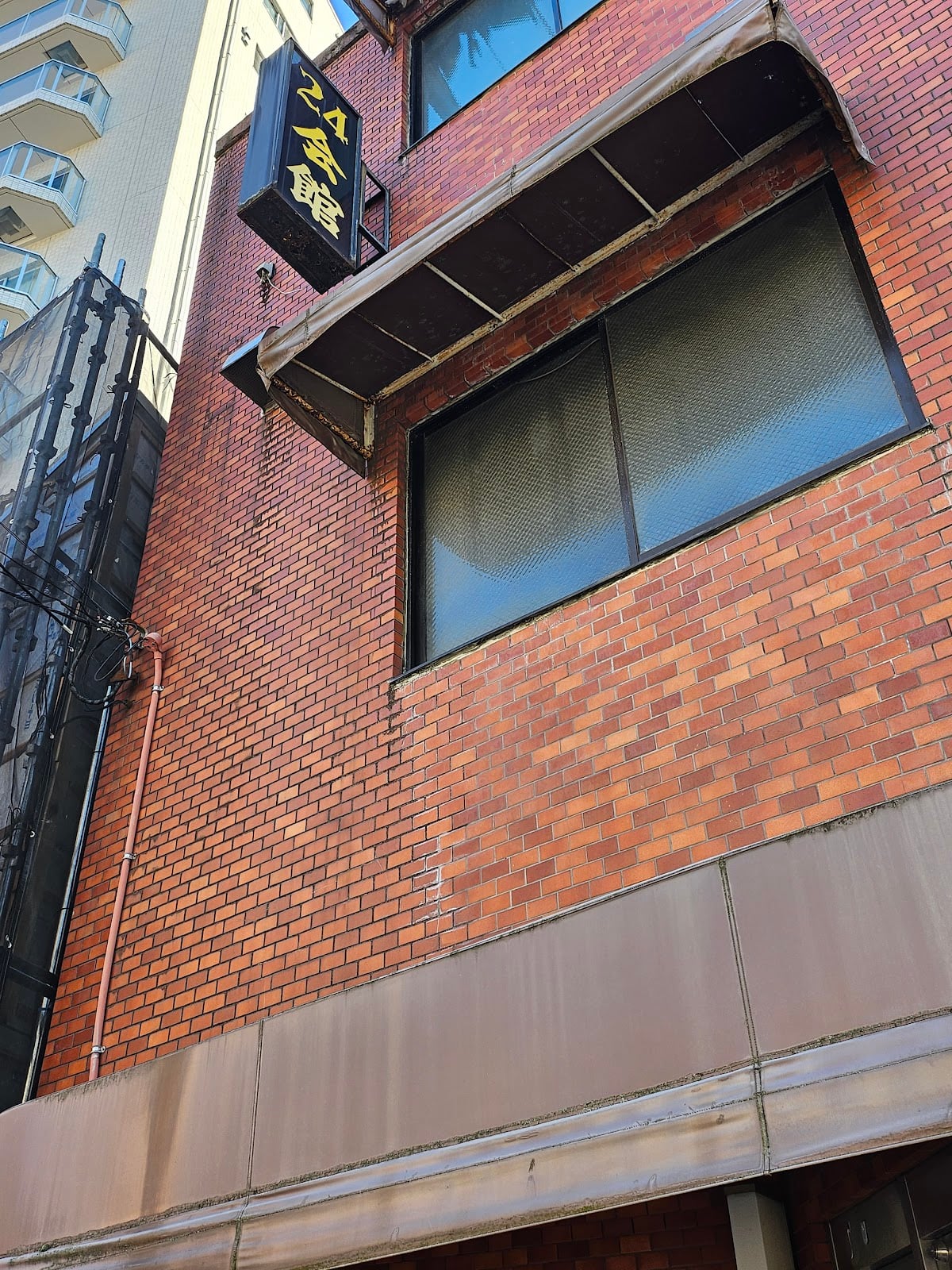
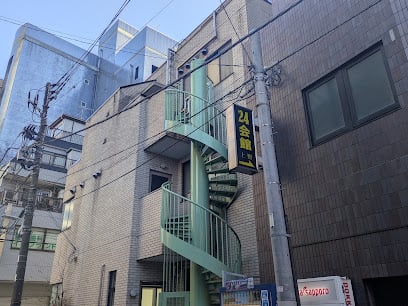
The old-town tower of the 24 Kaikan chain, behind Sensō-ji — mature crowd, rooftop sun deck, open 24/365. Card payment only.
gay-only
wet-area
dry-sauna
Verified by GayOut
Jul 2026
 Gay-Friendly Saunas
(26)
Gay-Friendly Saunas
(26)
Jinya
Ikebukuro
Ikebukuro's old-school gay sauna and men's hotel — open since 1973, ¥2,800 flat for up to 24 hours, mature and bear-friendly.
cruisy
gay-only
open-24h
LGBTQ+ Friendly
Aug 2026
 Gay Saunas
(113)
Gay Saunas
(113)
24 Kaikan Ueno
Ueno
The bear-and-muscle tower of the 24 Kaikan chain — ten floors, three sauna types, a free rooftop-level gym, open 24/365.
food
dry-sauna
steam-room
Verified by GayOut
Sep 2026
Daiban Kaikan Ueno
Gay Saunas
(113)
Daiban Kaikan Ueno
Ueno
Ueno's budget gay sauna — the cheapest tier of Tokyo's bathhouse scene, 24 hours, all ages and body types.
24-hour-access
overnight-stay
cash-only
Verified by GayOut
Sep 2026
Cruising Areas in Tokyo
 Cruising Areas
(34814)
Cruising Areas
(34814)
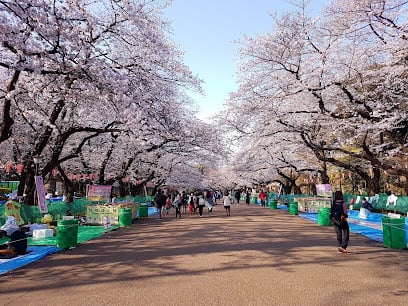
Ueno Park
Ueno, Taitō
Tokyo's best-documented outdoor spot — the hedged gardens behind the concert hall, after dark, maximum discretion.
outdoor-cr
park-cr
night-active
Verified by GayOut
Sep 2026
Gay-Friendly Hotels in Tokyo
View all 5 →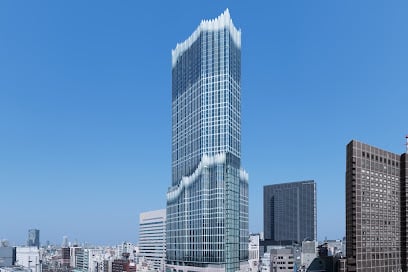 Gay-Friendly Hotel
(337)
Gay-Friendly Hotel
(337)
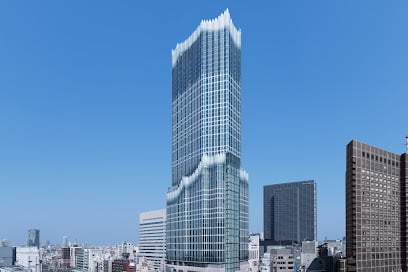
BELLUSTAR TOKYO, A Pan Pacific Hotel
Gay-Friendly Hotel
One of Tokyo's better-rated stays — a solid, welcoming base close to the action.
gay-friendly
card-payments
reservations
LGBTQ+ Friendly
Aug 2026
 Gay-Friendly Hotel
(12720)
Gay-Friendly Hotel
(12720)
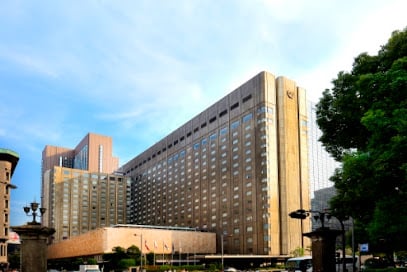
Imperial Hotel Tokyo
Gay-Friendly Hotel
A dependable Tokyo hotel with strong guest scores and an easy location.
gay-friendly
card-payments
reservations
LGBTQ+ Friendly
Aug 2026
 Gay-Friendly Hotel
(3789)
Gay-Friendly Hotel
(3789)
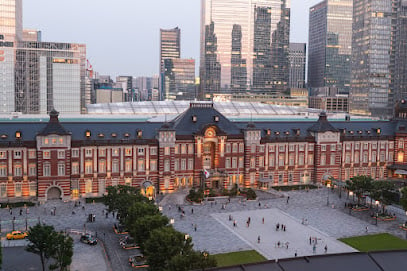
The Tokyo Station Hotel
Gay-Friendly Hotel
A popular choice with consistently good guest ratings in Tokyo.
gay-friendly
year-round
wifi
LGBTQ+ Friendly
Aug 2026
 Gay-Friendly Hotel
(1261)
Gay-Friendly Hotel
(1261)
HOTEL GROOVE SHINJUKU, A PARKROYAL Hotel
Gay-Friendly Hotel
Comfortable rooms and a location that keeps Tokyo's scene within easy reach.
gay-friendly
mixed-lgbtq
gay-popular
LGBTQ+ Friendly
Aug 2026
Where to stay in Tokyo
via Stay22Where to stay in Tokyo
Loading map…
🎟️ Tours & Experiences in Tokyo
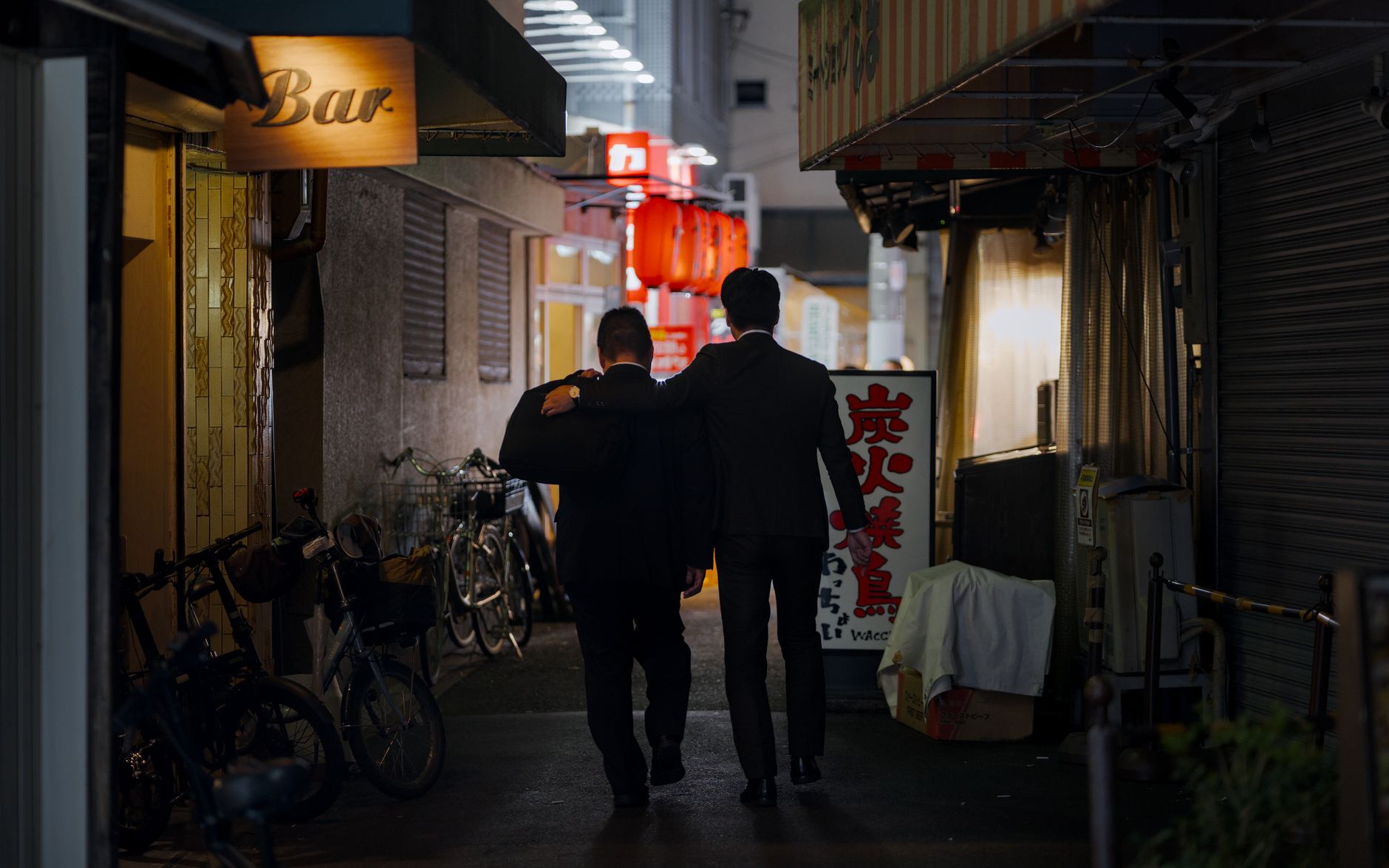
via GetYourGuideSkip-the-line tickets, walking tours, day trips and unique LGBTQ+ friendly experiences — booked instantly with free cancellation.


- Free cancellation
- Reserve now, pay later
- Mobile tickets
Gay-Friendly Restaurants in Tokyo
View all 5 →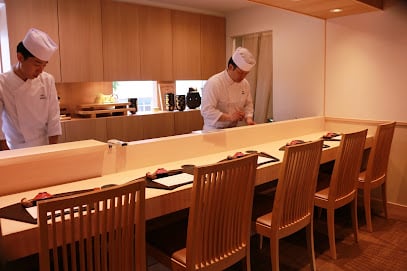 Gay-Friendly Restaurants
(458)
Gay-Friendly Restaurants
(458)
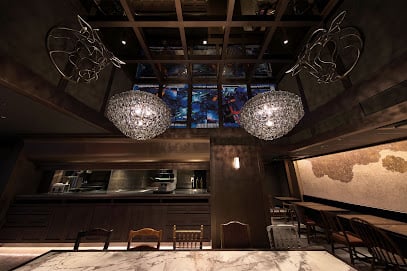 Gay-Friendly Restaurants
(634)
Gay-Friendly Restaurants
(634)
Kobe Beef Dining WAGYU TOK
Gay-Friendly Restaurants
Tokyo's premier spot for melt-in-your-mouth Kobe beef. Inclusive dining with exceptional service.
food
gay-friendly
LGBTQ+ Friendly
Aug 2026
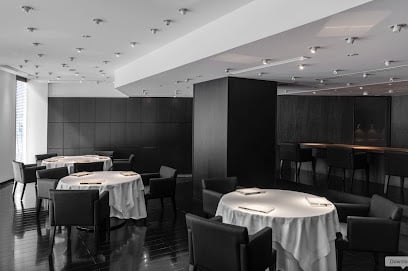 Gay-Friendly Restaurants
(715)
Gay-Friendly Restaurants
(715)
Narisawa
Gay-Friendly Restaurants
Narisawa in Tokyo: Innovative Satoyama Cuisine in an LGBTQ+ friendly setting. Price range: 2.
gay-friendly
LGBTQ+ Friendly
Aug 2026
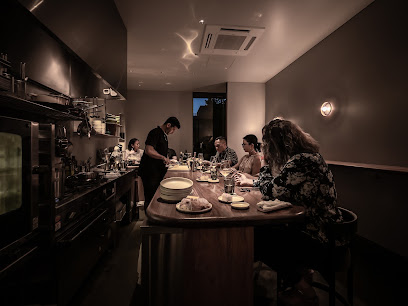 Gay-Friendly Restaurants
(204)
Gay-Friendly Restaurants
(204)
Mark's Tokyo
Gay-Friendly Restaurants
Mark's Tokyo offers an exceptional dining experience with a blend of Hawaiian, Japanese, and Italian flavors. LGBTQ+ friendly.
gay-friendly
LGBTQ+ Friendly
Aug 2026
LGBTQ+ Organizations in Tokyo
Marriage For All Japan
LGBTQ+ Organizations
Marriage For All Japan
Minato
Japan's marriage-equality campaign — the public-interest association behind the 'Freedom to Marry for All' lawsuits now before the Supreme Court.
Verified by GayOut
Sep 2026
Stonewall Japan
LGBTQ+ Organizations
Stonewall Japan
LGBTQ+ Organizations
The volunteer network for Japan's international LGBTQIA+ community — English-language events, peer support and regional groups, Kanto/Tokyo included.
Verified by GayOut
Sep 2026
Tokyo Rainbow Pride (NPO)
LGBTQ+ Organizations
Tokyo Rainbow Pride (NPO)
LGBTQ+ Organizations
The NPO that produces Tokyo Pride every June — Asia's biggest Pride — plus Youth Pride, a human-rights conference and queer art programming.
Verified by GayOut
Sep 2026
Gay-Friendly Spas & Wellness in Tokyo
 Gay-Friendly Spas & Wellness
The Oneness 8
Gay-Friendly Spas & Wellness
The Oneness 8 is a professional men’s relaxation massage service based in Tokyo, offering outcall massage throughout Tokyo’s 23 wards and nearby areas.
gay-friendly
LGBTQ+ Friendly
Aug 2026
Mega Events in Tokyo

02
OCT
MEGA EVENT
Tokyo, Japan
Sinland Tokyo Circuit Festival 2026
The Sinland Tokyo Circuit Festival, a prominent fixture on the international LGBTQ+ event calendar, established itself as a…

Date TBA
MEGA EVENT
Tokyo, Japan
Tokyo Rainbow Week
Tokyo Rainbow Week is the broader festival framework around Tokyo Rainbow Pride — a week of events, exhibitions, corporate ally…

Date TBA
MEGA EVENT
⭐ Featured
Tokyo, Japan
Tokyo Rainbow Pride 2027
Tokyo Rainbow Pride, Japan's biggest LGBTQ+ event, happens every June. It's in the middle of the world's largest city. For years…
Date TBA
MEGA EVENT
Tokyo, Japan
AGARTHA 2027
AGARTHA is Japan's largest gay circuit party — a full takeover of ZEROTOKYO, the five-floor mega-club inside Shinjuku's Tokyu…

Date TBA
MEGA EVENT
Tokyo, Japan
Rainbow Reel Tokyo
Rainbow Reel Tokyo (formerly the Tokyo International Lesbian and Gay Film Festival) is one of Japan's longest-running queer film…

Date TBA
MEGA EVENT
Tokyo, Japan
Asian Queer Film Festival Tokyo
The Asian Queer Film Festival is Tokyo's dedicated showcase for LGBTQ+ cinema from across Asia — a region whose queer stories are…
More Guides for Tokyo
Travel Guide
Gay Tokyo — Your Complete Guide
Everything worth knowing before you go.
Gay venues
7
LGBTQ+ status
Legal but conservative
For the full venue-by-venue map of the Ni-chōme scene — more than 40 listed bars, clubs, saunas and community spaces — see our dedicated Shinjuku district guide. Tokyo-wide events, hotels and the Ueno scene live on this page.
Frequently asked questions
Tokyo's de facto acceptance is strong, and discrimination protections have expanded. Shinjuku Ni-chōme, the center of Tokyo's gay scene, is easy to navigate and safe, with good lighting and crowds throughout the evening.
Shinjuku Ni-chōme is the undisputed center of Tokyo's gay scene. This several-block area east of Shinjuku Station contains hundreds of gay-oriented venues.
Yes, while Shinjuku Ni-chōme caters to a wide range of communities, some venues within the neighborhood cater specifically to women.
Yes, Tokyo's LGBTQ+ scene is one of Asia's most developed and visible. Shinjuku Ni-chōme alone has hundreds of gay-oriented venues, from small bars to larger clubs.
Same-sex marriage remains unrecognized at the national level in Japan, though some municipalities offer partnership certificates.
Roppongi, an upscale entertainment district, hosts some gay-friendly clubs and venues, though it is more mainstream and international-focused. Shibuya also offers gay-friendly nightlife and culture venues.
Cities like Tokyo
Gay Tokyo on YouTube
Videos representative of Japan

Tokyo Gay Scene: Things You MUST Know Before You Go
Know a great venue in Tokyo?
Help the community by adding it to our directory — it's free and reviewed within 48 hours.
Gay Tokyo — Interactive Map
Trips planned for Tokyo
Real itineraries other travellers built with our planner.