Tokyo's LGBTQ+ Community and Spaces
Tokyo's LGBTQ+ community has a history of developing discreetly, with spaces for connection gradually emerging. For much of the late 20th century, visibility was limited by cultural norms favoring privacy. Shinjuku's Ni-chōme district began to coalesce as a hub for LGBTQ+ venues from the 1970s and 1980s. As global LGBTQ+ visibility increased, so did the prominence of Tokyo's scene. While same-sex marriage is not legally recognized nationwide, Tokyo and some municipalities offer partnership recognition systems, and social acceptance is notably high, particularly among younger generations in urban areas.
Key Neighborhoods
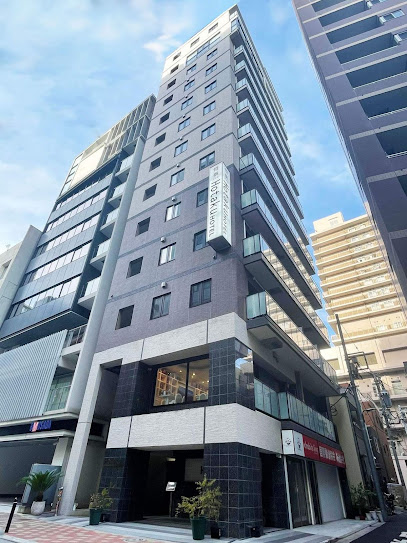
Shinjuku Ni-chōme, often referred to as Ni-chōme, is the primary center for Tokyo's gay scene. Located east of Shinjuku Station, this area features a concentration of bars, clubs, and venues within a compact network of streets. Many establishments are small, fostering an intimate atmosphere with regulars and welcoming staff. While some venues may have specific entry requirements, many are open to visitors. It is advisable to check with local resources for the most current information on venue accessibility.
Shibuya, known for its youth culture and entertainment, offers a range of LGBTQ+-friendly clubs and venues, though the ward's real queer significance is Yoyogi Park, home of the Pride festival. This area tends to be trendier and attracts a younger crowd, with larger dance venues and a mix of mainstream and queer-focused nightlife. Shibuya also hosts significant Pride events.
Harajuku, adjacent to Shibuya, has a more dispersed queer-friendly culture, with some independent boutiques appealing to LGBTQ+ visitors, though it is not as concentrated a gay neighborhood as Ni-chōme or Shibuya.
Asakusa and other historic central Tokyo areas do not typically feature LGBTQ+ venues but are welcoming to all visitors exploring cultural sites.
Venues and Nightlife
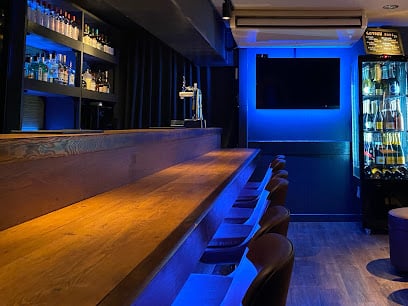
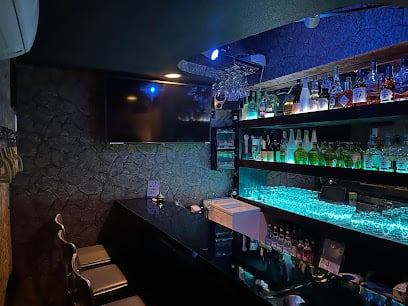
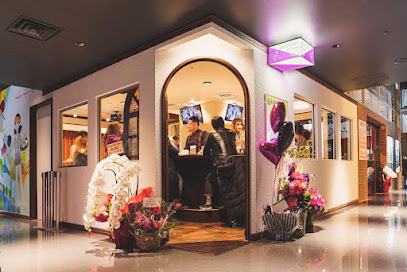
Ni-chōme's bar scene is a defining aspect of Tokyo's gay experience. Numerous bars cater to various communities, including leather bars, women-focused spaces, and transgender-friendly spots. The emphasis in Ni-chōme is on social connection and community.
For larger dance clubs and clubbing experiences, venues in Shibuya and Roppongi often host LGBTQ+ events. Tokyo's nightlife generally continues until the early morning hours, with bars not having legally mandated closing times.
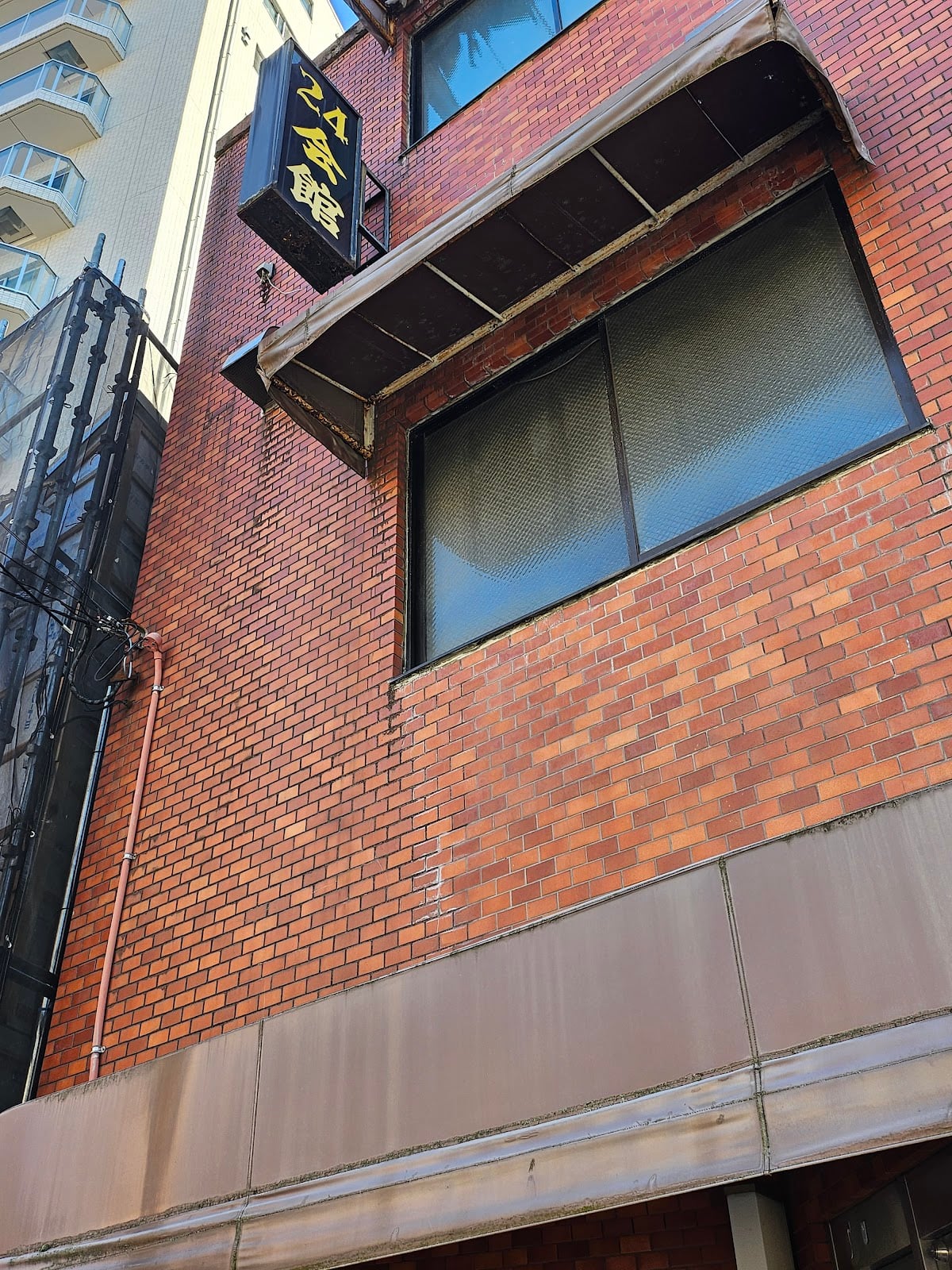
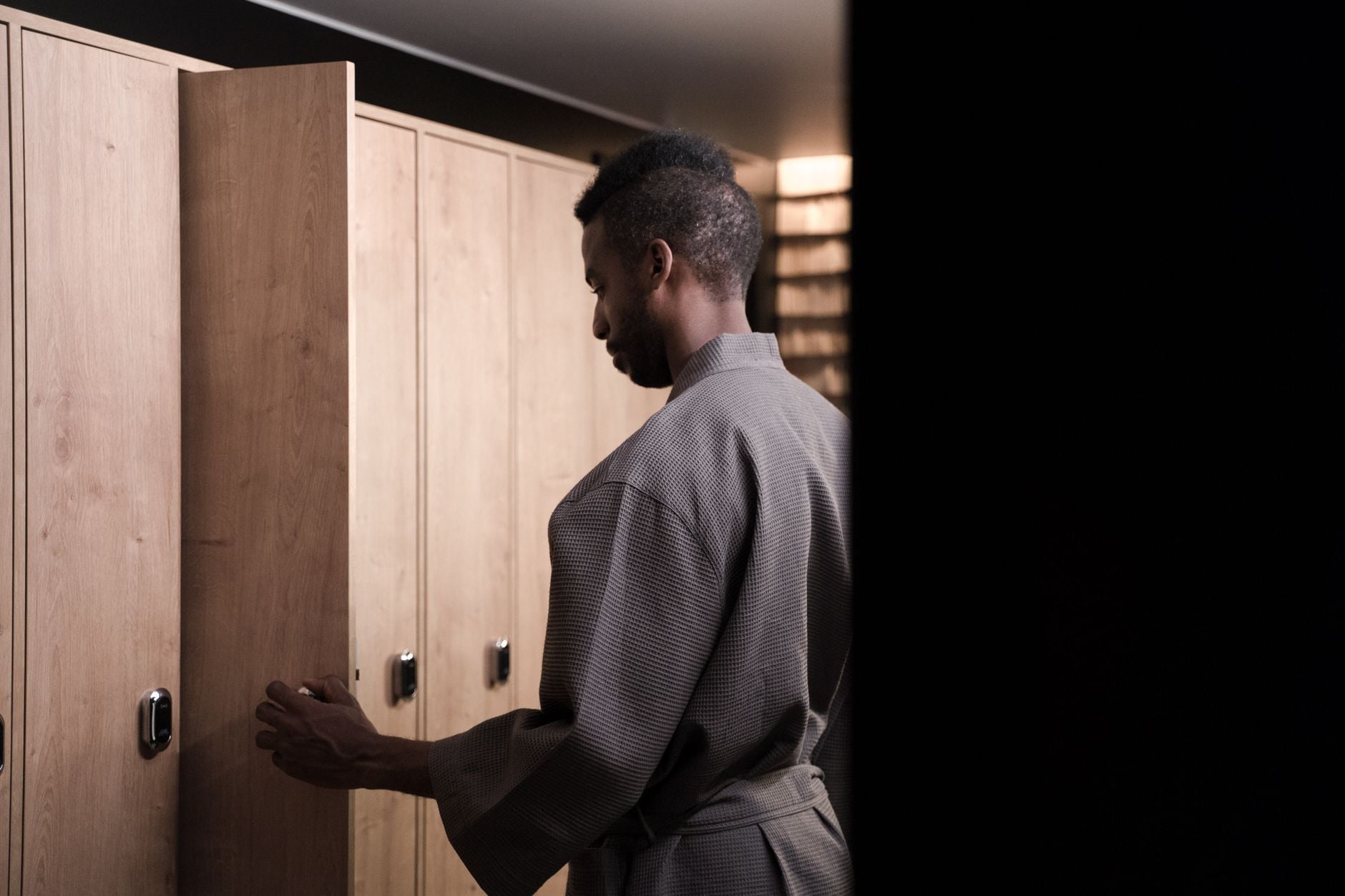
Tokyo's gay bathhouse scene centres on the famous 24 Kaikan towers — all three branches (Asakusa, Ueno and Shinjuku) run around the clock and admit foreign visitors — plus budget houses like Daiban Kaikan and the old-school
Jinya over in Ikebukuro.
Pride and Major Events
Tokyo Pride (formerly
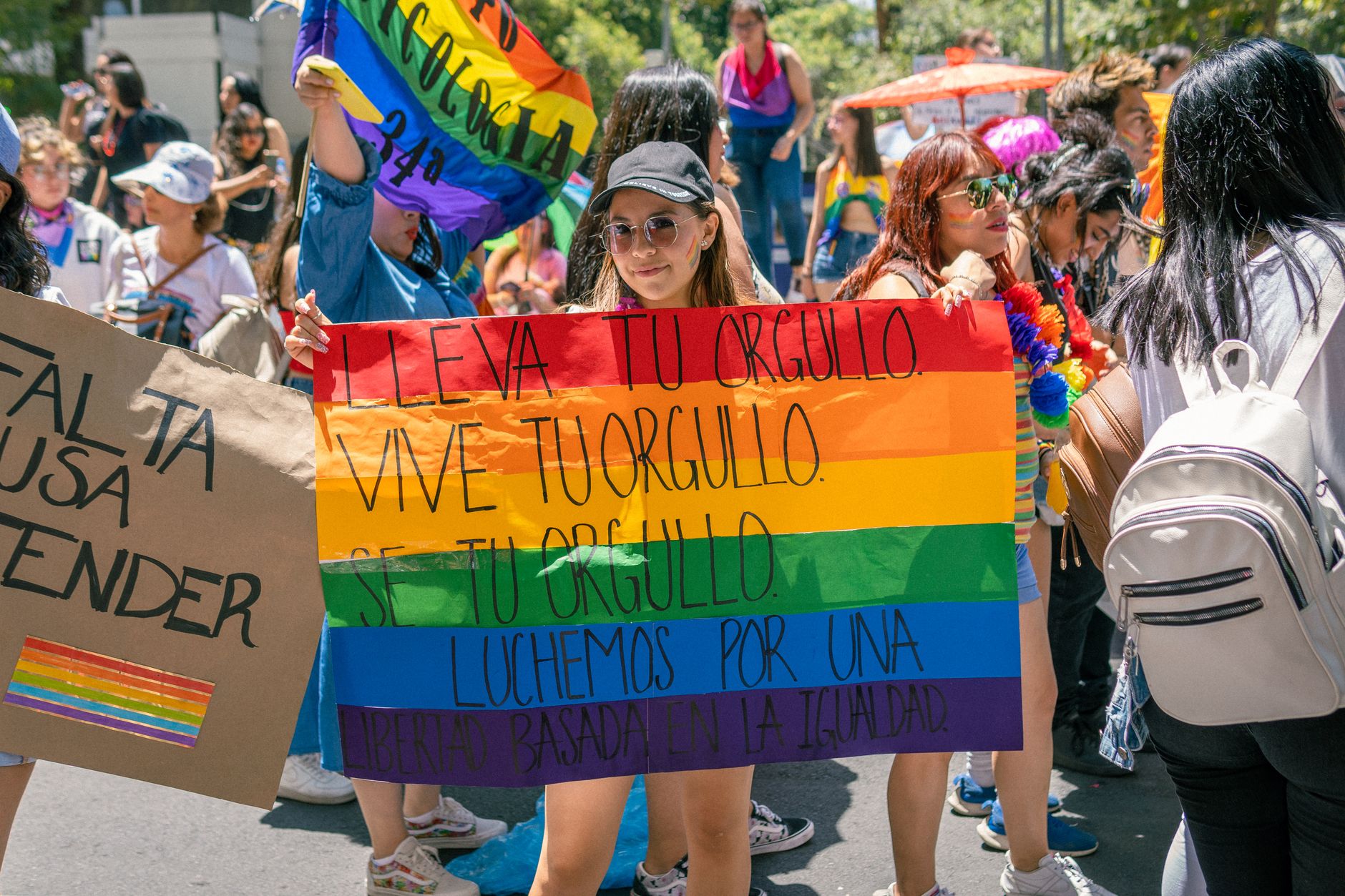
Tokyo Rainbow Pride) now takes place over a weekend in early June, aligned with global Pride Month — the festival fills Yoyogi Park and the Sunday parade loops through Shibuya and Harajuku, drawing crowds above 200,000. The event includes a parade, community stages, and various booths. Daytime events are often family-friendly. This is one of the largest Pride celebrations in Asia.
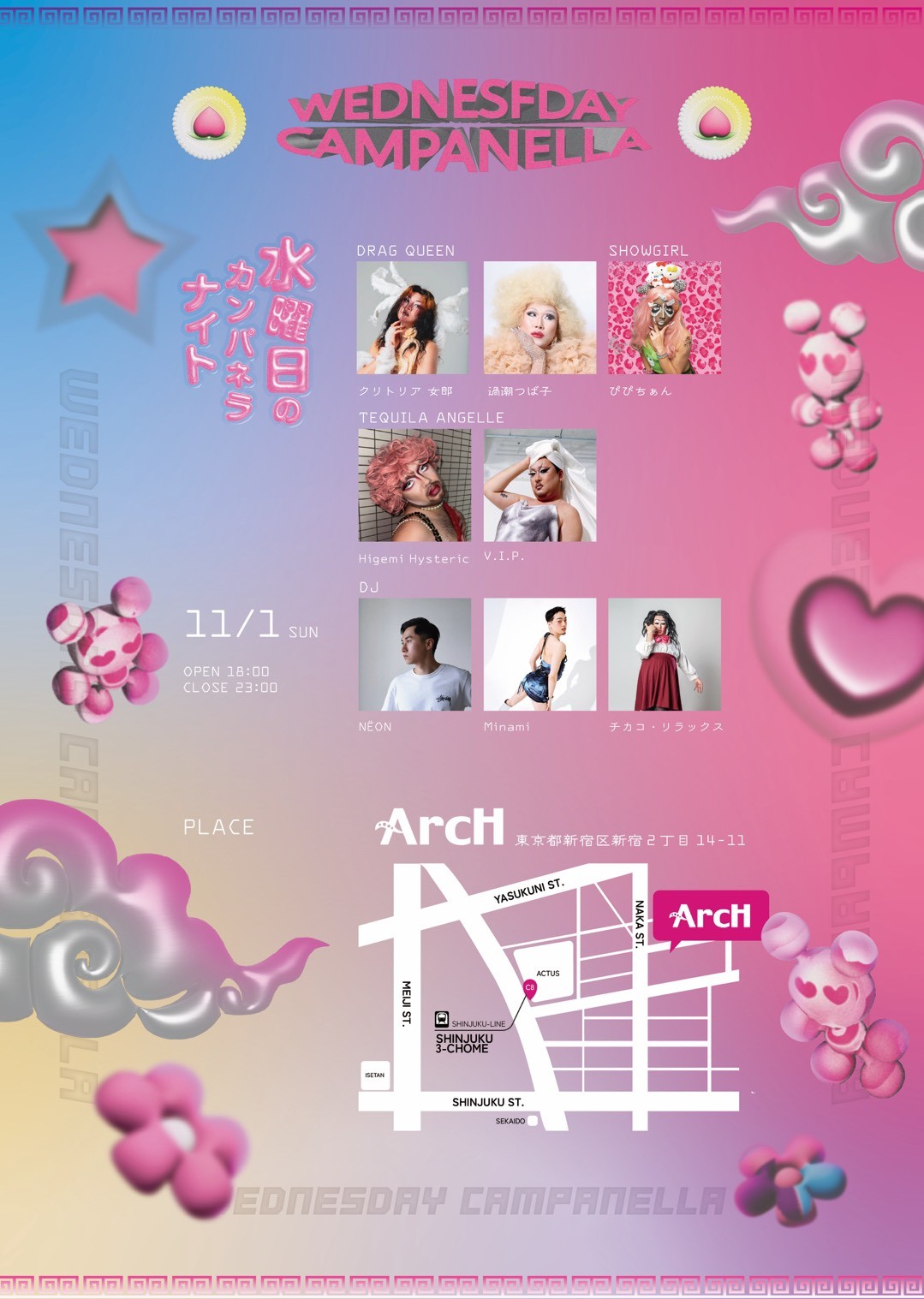
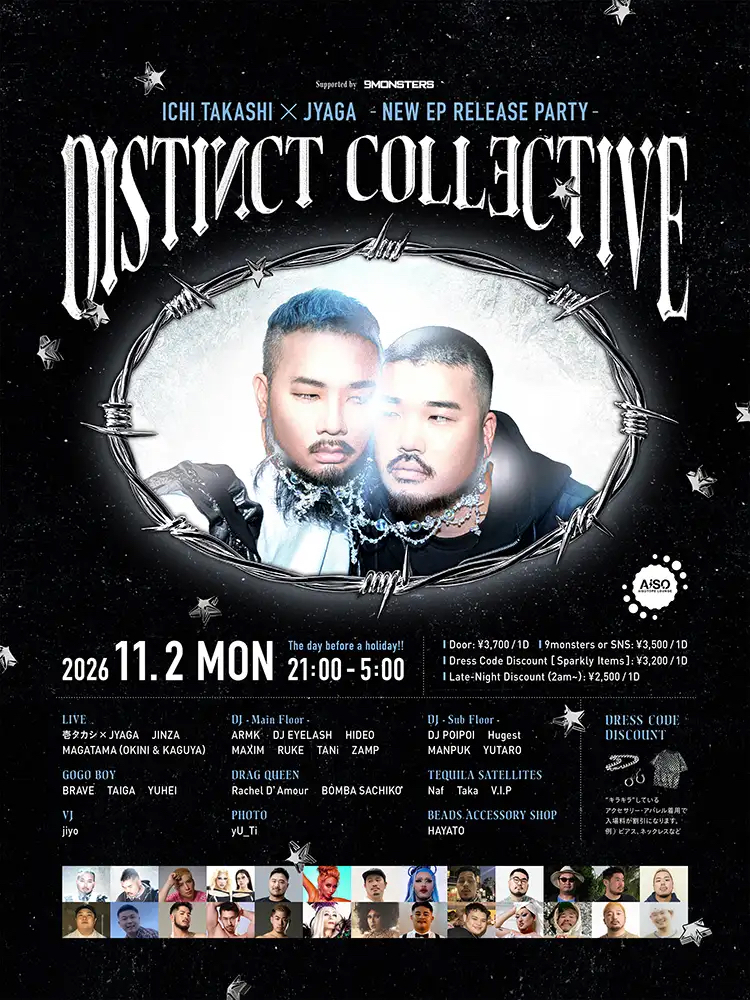
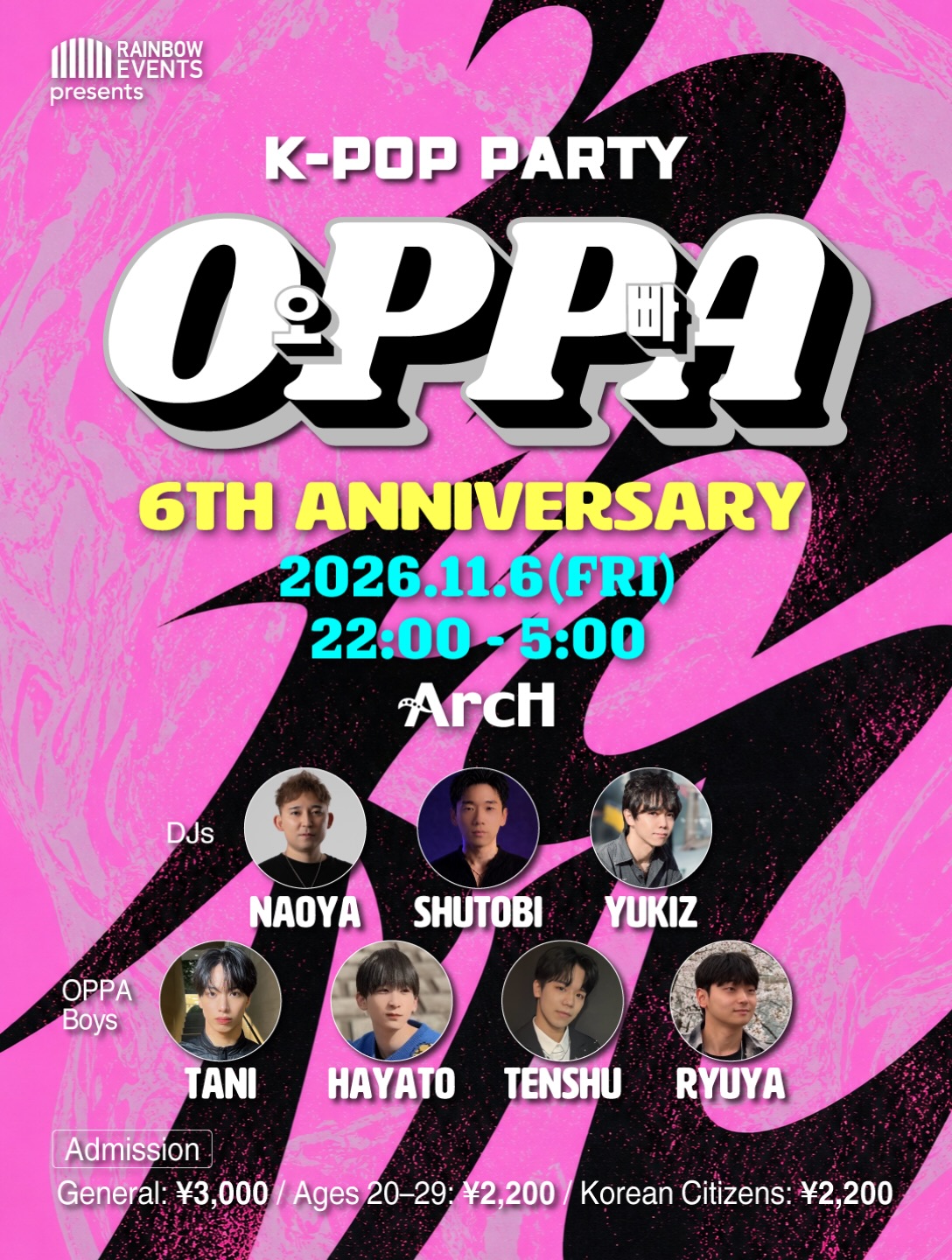
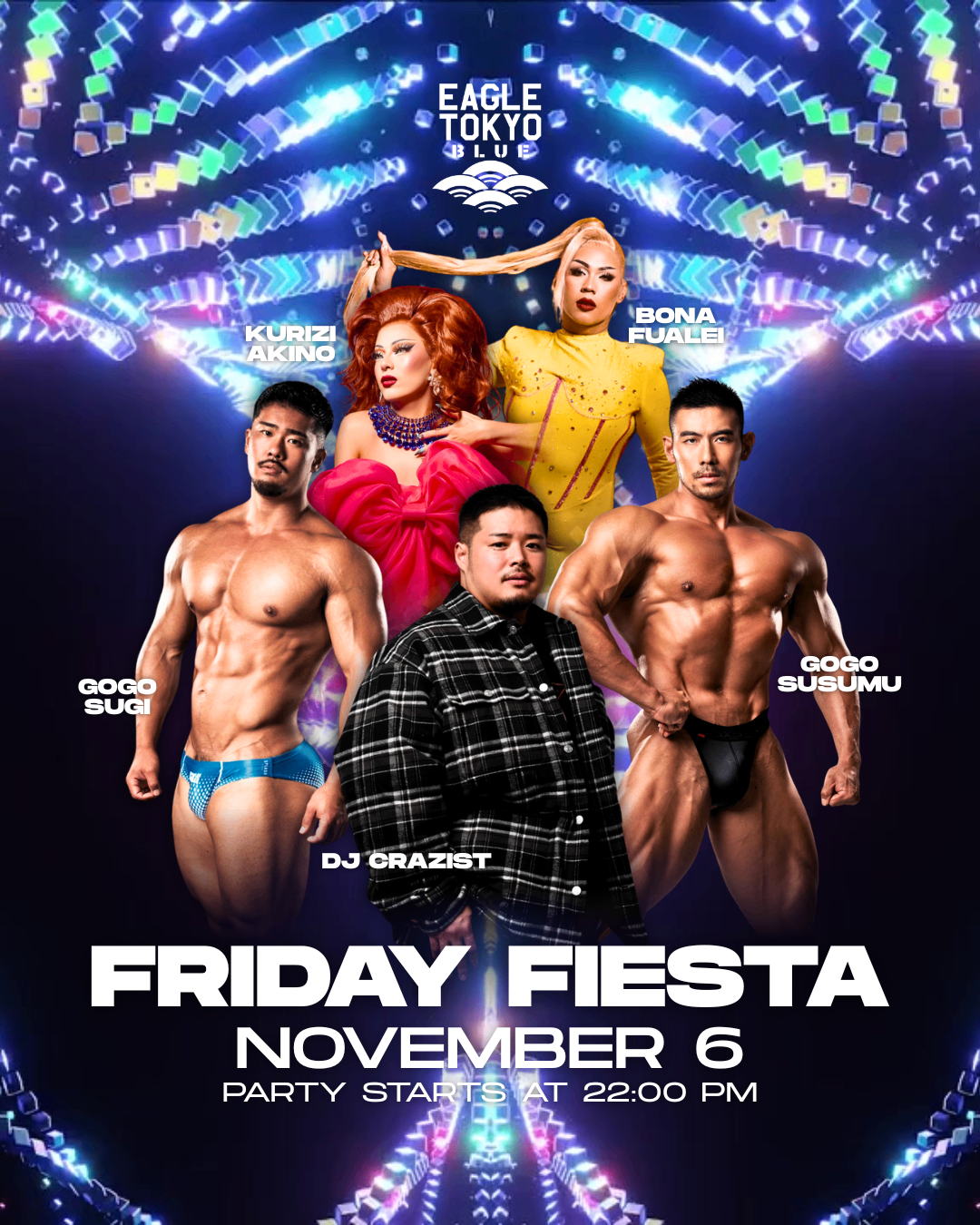
Throughout the year, Tokyo hosts various circuit parties, drag shows, and LGBTQ+ film festivals. Information on these events can be found through local LGBTQ+ media and websites closer to travel dates.
Where to Stay
Shinjuku offers convenience for LGBTQ+ travelers due to its proximity to Ni-chōme and excellent transport links. Shibuya is also well-located for nightlife and general tourism. Harajuku and central areas like Marunouchi provide good transit access. Many travelers choose Shinjuku for its direct access to the scene, while others prefer quieter bases along the JR Yamanote line for convenient access to the city.
Safety Considerations
Japan is generally safe for LGBTQ+ travelers, with Tokyo being particularly accepting in urban settings. Public displays of affection between same-sex couples are uncommon, mirroring the general reserve in public affection for all couples in Japanese culture. Holding hands or showing affection is unlikely to attract negative attention. Transgender travelers may encounter documentation challenges in certain contexts, though Tokyo is more progressive than many other parts of Japan. Researching specific venues in advance if this is a concern is recommended. Petty crime can occur in busy entertainment areas late at night, and standard travel precautions are advised.
Transit and Getting Around
Tokyo's train and subway system is efficient and user-friendly. The JR Yamanote loop line connects major neighborhoods including Shinjuku and Shibuya. Ni-chōme is a short walk from Shinjuku Station. IC cards like Suica or Pasmo facilitate easy payment. Trains operate until midnight, with night buses available for later travel. Taxis are available but costly.
Food and Culture
Tokyo's culinary scene is extensive. Many restaurants and izakayas are welcoming to LGBTQ+ patrons. Some venues in Ni-chōme offer combined dining and social spaces, and LGBTQ+-owned cafes and restaurants can be found throughout the city. Popular food districts such as Tsukiji, Shinjuku's Omoide Yokocho, and various ramen alleys are open to all visitors.
Day Trips and Cultural Activities
Beyond Tokyo's museums, temples, gardens, and shopping, day trips offer further cultural exploration. Destinations like Nikko, Mount Fuji, Hakone, and Kamakura are accessible via the train system and are welcoming to LGBTQ+ visitors.
Practical Tips
Booking accommodations in advance is recommended, especially during Pride season. Respectful behavior is appreciated when entering smaller venues in Ni-chōme. Learning basic Japanese phrases can be helpful. Current information on venues and events is best obtained from regularly updated online resources and local guides. Many younger Japanese individuals speak English, while signage in central areas is often bilingual. Visa requirements vary by nationality; consult the Japanese embassy website. Travel insurance is advisable.
For the full venue-by-venue map of the Ni-chōme scene — more than 40 listed bars, clubs, saunas and community spaces — see our dedicated Shinjuku district guide. Tokyo-wide events, hotels and the Ueno scene live on this page.







 ゲイバー&クラブ
おすすめ
(89)