כל מה שכדאי לדעת לפני הנסיעה.
LGBTQ+ status
Legal but conservative
שינג'וקו: בירת הלהט"ב של טוקיו
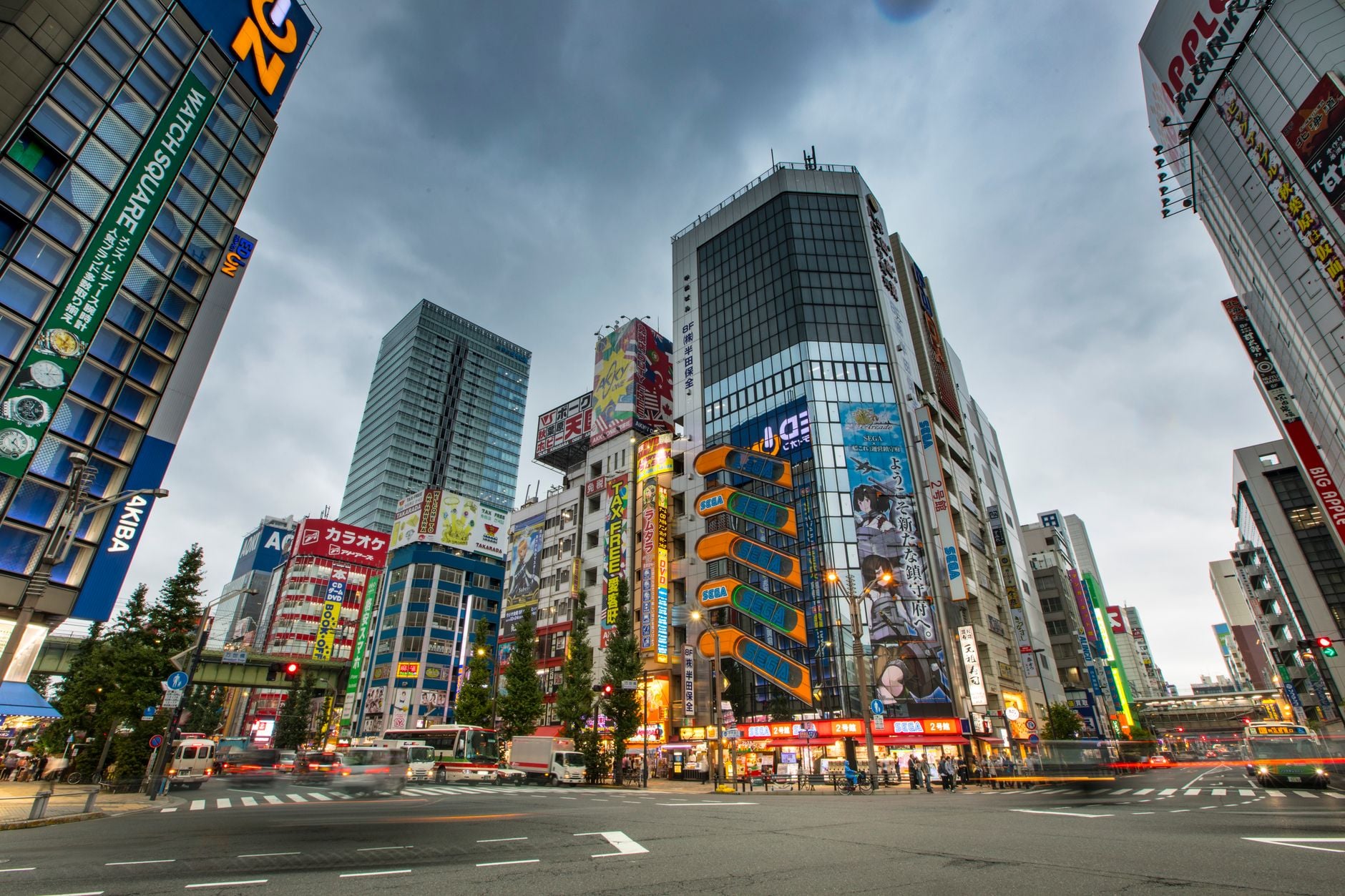
שינג'וקו התפתחה כיעד הלהט"ב הדינמי ביותר באסיה, כשהיא נשענת על רובע Ni-chōme האגדי. המדריך המקיף הזה מכסה את כל מה שדרוש לביקור בלתי נשכח באחת הקהילות הקוויריות התוססות ביותר בעולם.
היסטוריה של הסצנה
לסצנה הלהט"בית בשינג'וקו יש שורשים היסטוריים עמוקים. בעוד שהמעמד החוקי ביפן בנוגע ליחסים חד-מיניים נותר מורכב – נישואים חד-מיניים אינם מוכרים ברמה הפדרלית, אם כי כמה עיריות מציעות תעודות זוגיות – הקבלה התרבותית בטוקיו אפשרה לקהילה קווירית משגשגת לפרוח במשך עשורים. Ni-chōme החלה להתפתח כרובע גאה בשנות ה-60 וה-70, והפכה בהדרגה ליעד ברמה עולמית כפי שהוא היום. השכונה שרדה את משבר האיידס של שנות ה-90, מיתון כלכלי ושינויים במגמות חיי הלילה, והפכה פופולרית יותר ויותר בקרב מבקרים בינלאומיים וצעירים יפנים קווירים המחפשים קהילה. בניגוד לרובעים גאים מערביים שעברו ג'נטריפיקציה או דעכו, Ni-chōme למעשה התרחבה והתחדשה תוך שמירה על אופייה הייחודי.
NI-CHŌME: לב שינג'וקו הגאה
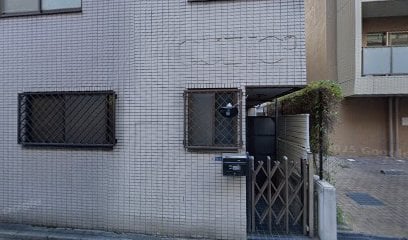
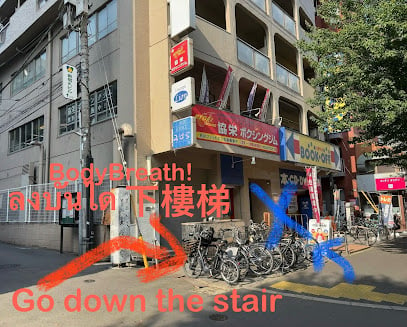
רובע Ni-chōme (מילולית "בלוק שני") משתרע על פני כארבעה בלוקים מרובעים במרכז שינג'וקו, ונגיש דרך תחנת Shinjuku Station או, באופן ישיר יותר, תחנת Shinjuku-sanchōme Station (יציאה C5/C7) בקווי Marunouchi, Fukutoshin ו-Toei Shinjuku. השכונה נוחה מאוד להליכה למרות צפיפותה. מעל פני הקרקע, Ni-chōme נראית כשכונת עסקים יפנית רגילה בשעות היום, אך מתעוררת לחיים לאחר השקיעה עם שלטי ניאון, פנסי איזאקאיה וזרמים של חוגגים לבושים היטב. רוב המקומות ממוקמים במספר קומות של בניינים ללא שלטים, נגישים דרך פתחי דלתות צרים ומדרגות – דיסקרטיות מכוונת זו משקפת הן נורמות תרבותיות יפניות והן את המציאות המעשית שרבים מהמקומות פועלים בחללים צפופים.
מקומות בילוי ושכונות
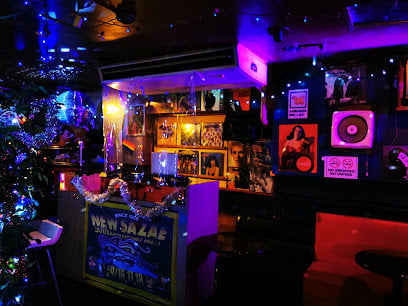
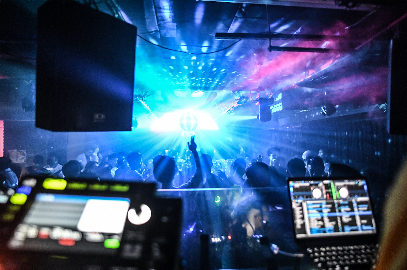
ני-צ'ומה (Ni-chōme) מכילה כ-300 מקומות המיועדים לקהילת הלהט"ב. בעוד שבעלויות של מקומות ספציפיים משתנות, הם עוברים דירה או נסגרים, כמה מוסדות ותיקים ומועדפים פועלים כבר עשרות שנים. הרובע כולל סוגים מגוונים של מקומות: ברים מסורתיים עם מלצריות המספקות בידור ושיחה; ברים עומדים (tachinomiya) שבהם האורחים עומדים כתף אל כתף בחללים אינטימיים; מועדוני ריקודים המציגים תקליטנים בינלאומיים ומסיבות סירקוט (circuit parties); סאונות המציעות את תרבות הרחצה היפנית המסורתית עם חללים אינטימיים; מקומות דראג עם מופעים ליליים; ואיזאקאיות (izakayas) מזדמנות שאינן ניתנות להבחנה ממקומות המיועדים להטרוסקסואלים, למעט הלקוחות.
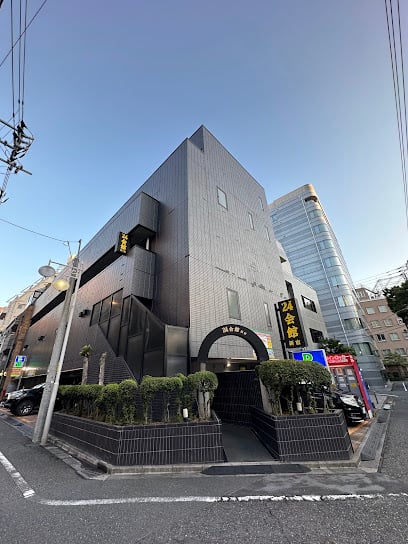
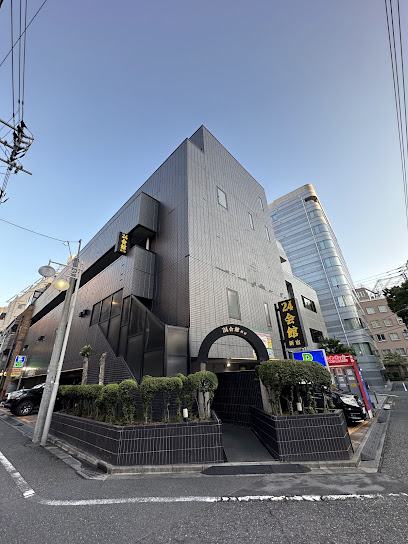
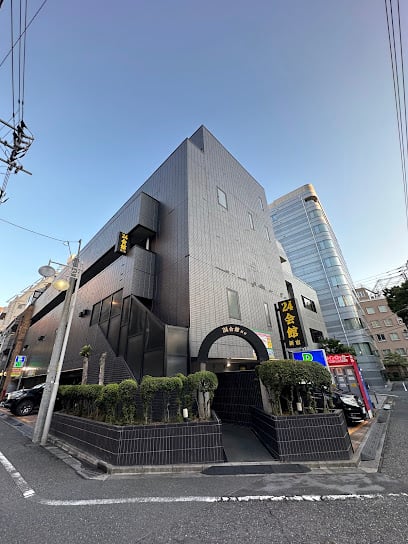
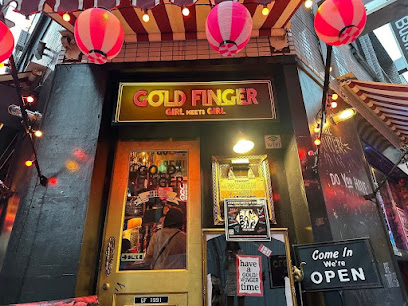
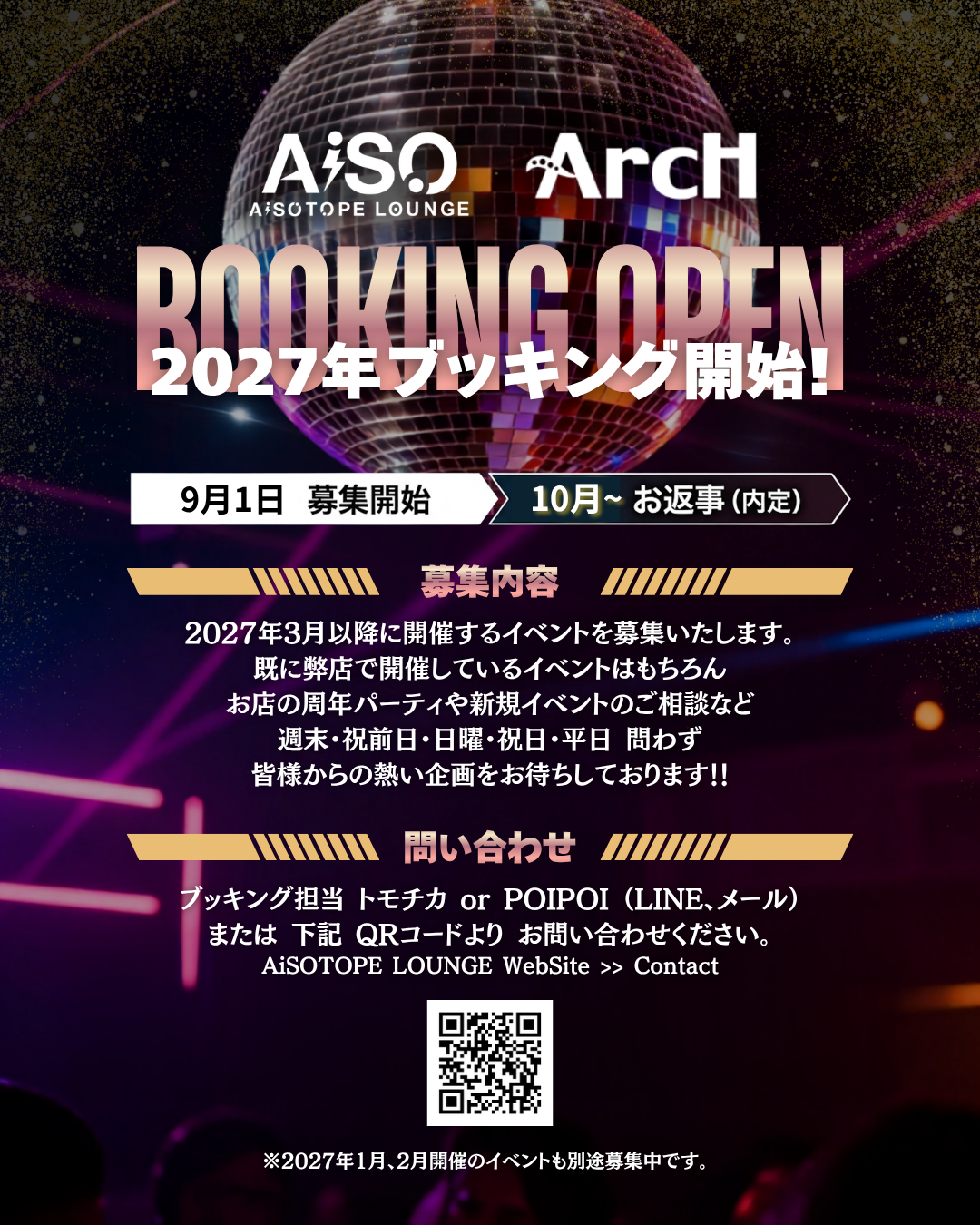
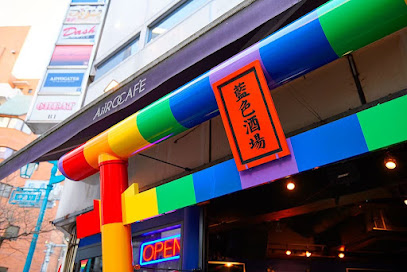
בין המקומות האהובים והוותיקים נמנים AiiRO Cafe, הבר העומד הפתוח תחת שער הטורי הצבעוני המשמש כנקודת המפגש הלא רשמית של ני-צ'ומה; AiSOTOPE Lounge ו-Arty Farty, מועדוני הריקודים האמינים של הרובע; Dragon Men ו-EAGLE Tokyo; ו-New Sazae, בר אגדי הפתוח כל הלילה ופועל מאז 1966. Bar Gold Finger עוגן את הסצנה הנשית הקווירית עם לילות הנשים בלבד הייחודיים שלו. סצנת הסאונות מובילה על ידי 24 Kaikan, בית המרחץ הגאה המוביל של ני-צ'ומה, לצד צבר של מקומות קרוזינג לגברים בלבד (hattenba) בבלוקים הסמוכים 5-chōme ו-Gyoenmae – גישה יפנית מובהקת לפנאי גאה.
מעבר לני-צ'ומה, אזור Shinjuku הרחב יותר כולל מקומות קוויריים נוספים. Roppongi, רובע בילויים הנמצא כמה קילומטרים דרומית-מזרחית, מארח מספר ברים ומועדונים גאים יוקרתיים. מזרח Shinjuku והאזור סביב תחנת Shinjuku מכילים מקומות נוספים, אם כי ני-צ'ומה נותרה המרכז המרוכז.
גאווה ואירועים שנתיים
טוקיו ריינבו פרייד (Tokyo Rainbow Pride), אירוע הפריד הגדול ביפן, מתקיים מדי יוני (הועבר ממועד קודם בסוף אפריל/תחילת מאי בשנת 2025) ומתרכז בפארק יויוגי (Yoyogi Park) ושיבויה (Shibuya) עם פסטיבל רחוב ומצעד המושכים למעלה מ-200,000 משתתפים. המצעד אינו מתקיים בשנג'וקו עצמה, אך הברים והמועדונים של ני-צ'ומה (Ni-chōme) מציעים תוכניות מורחבות לעונת הפריד, ובית הפריד טוקיו לגאסי (Pride House Tokyo Legacy)—המרכז הקהילתי הקבוע הראשון של ה-LGBTQ+ ביפן, בשולי ני-צ'ומה—מארח הרצאות ואירועים לאורך כל השנה. העיר מארחת גם אירועים קטנים רבים, מסיבות סירקויט (circuit parties) ומפגשים קהילתיים לאורך כל השנה. חודשי הקיץ מתאפיינים בלוחות אירועים פעילים במיוחד, כאשר מקומות רבים מארחים מסיבות מיוחדות וערבי נושא.
תחבורה והתמצאות
תחנת שנג'וקו (Shinjuku Station) היא מרכז הרכבות העמוס ביותר בטוקיו, עם קווים רבים המתכנסים בה: קו JR Yamanote, קו Chuo, קו Sobu, וכמה קווי מטרו. תחנת שנג'וקו-סנצ'ומה (Shinjuku-sanchōme Station) בקו Marunouchi מספקת גישה ישירה לני-צ'ומה. כל מערכת המטרו של טוקיו יעילה ביותר, בטוחה וידידותית לאנגלית, עם אפליקציות כמו Google Maps המספקות מידע תנועה בזמן אמת. מוניות זמינות במחירים סבירים לתחבורה בשעות הלילה המאוחרות, אם כי נהגים רבים אינם דוברי אנגלית—כתיבת כתובת היעד ביפנית מסייעת משמעותית. שירותי שיתוף נסיעות פועלים בטוקיו, ומציעים חלופות למוניות.
איפה ללון
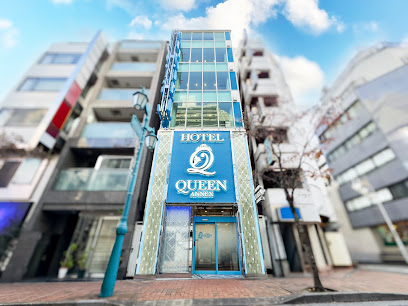
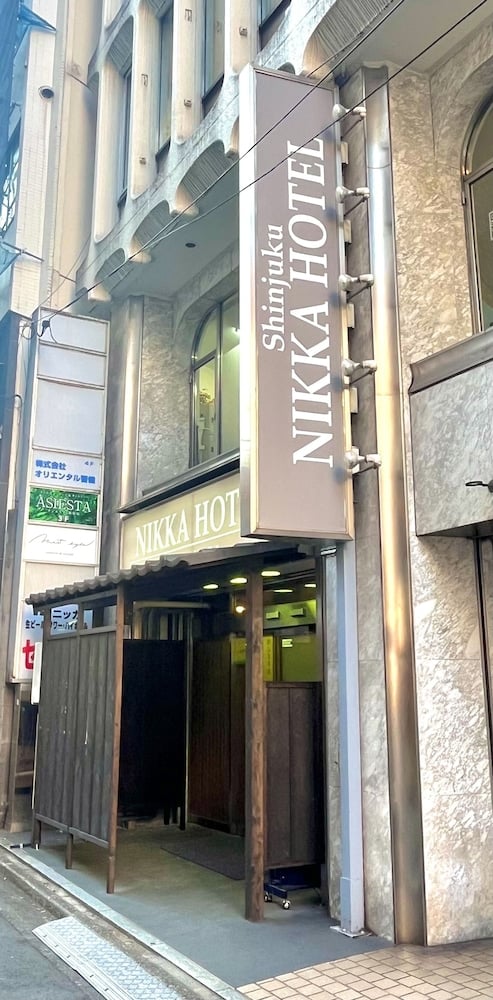
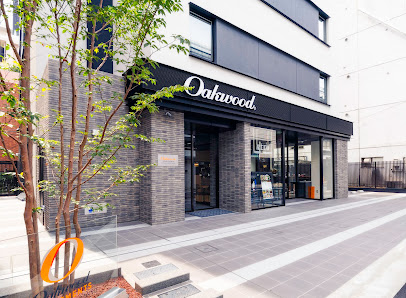
שינג'וקו עצמה מציעה מגוון רחב של מקומות לינה, החל ממלונות קפסולה תקציביים ועד מלונות יוקרה בדירוג חמישה כוכבים. מלונות בשינג'וקו עצמה מספקים מיקום מרכזי ונוח עם גישה מהירה ל-Ni-chōme. למי שמחפש טבילה ברובע, בתי הארחה ומלונות קטנים בתוך Ni-chōme או בסמוך לה מציעים חוויה אותנטית, אם כי החדרים נוטים להיות קומפקטיים לפי הסטנדרטים היפניים. שכונות סמוכות כמו Yotsuya, Shibuya ו-Ikebukuro נגישות בקלות באמצעות נסיעות רכבת קצרות. מלונות עסקים ברחבי שינג'וקו מציעים אפשרויות נוחות בטווח הביניים. פלטפורמות הזמנות כמו Booking.com, Agoda, ואתרים יפניים ספציפיים כמו Rakuten Travel מספקים מגוון רחב של אפשרויות.
שיקולי בטיחות
יפן מדורגת בין המדינות הבטוחות בעולם עם פשיעה אלימה מינימלית. מטיילים להט"ב צריכים לציין שבעוד שהקבלה בטוקיו העירונית גבוהה בדרך כלל, ההגנות החוקיות נותרות מוגבלות. נישואים חד-מיניים אינם מוכרים ברמה הפדרלית, אם כי טוקיו וכמה עיריות מציעות הכרה בזוגיות. גילויי חיבה פומביים ברובע הגאה של שינג'וקו הם נורמליים ומבורכים לחלוטין; מחוץ למרחבים אלו, התרבות היפנית בדרך כלל מתנגדת לחיבה פיזית בין כל זוגות בפומבי. Ni-chōme בטוחה ביותר עם תנועת הולכי רגל מתמדת, נוכחות משטרתית ומודעות קהילתית. דקירת משקאות והתנהגות טורפנית מתרחשות אך הן נדירות ומוגבלות מאוד על ידי צוות המקומות. לרוב הברים יש פרוטוקולים ברורים להתנהגות בעייתית. שימוש בהיגיון בריא עם זרים, הישארות עם חברים ושימוש בתחבורה מהימנה הביתה מבטיחים בטיחות. הומופוביה קיימת ביפן כמו בכל מדינה, אך היא בדרך כלל באה לידי ביטוי באמצעות הימנעות חברתית ולא עימות. מטיילים ממדינות עם גישה ללא ויזה ליפן נהנים מכניסה פשוטה.
אוכל וסעודה
שינג'וקו מציעה מגוון קולינרי יוצא דופן. ני-צ'ומה (Ni-chōme) עצמה מכילה מסעדות ואיזקאיות רבות ידידותיות לקהילה הלהט"בית, המגישות יאקיטורי (עוף בגריל), ראמן, סושי, טמפורה ומטבח פיוז'ן מודרני. מקומות רבים מציגים דגלי גאווה או פונים במפורש לקהילה הקווירית. מעבר לני-צ'ומה, סצנת האוכל הרחבה יותר של שינג'וקו אינה ניתנת להשוואה – מסעדות עם כוכבי מישלן, אוכל רחוב קז'ואלי, סושי על מסוע, בתי קארי, וכל מטבח שניתן להעלות על הדעת נמצאים במרחק הליכה. אומוידה יוקוצ'ו (Omoide Yokocho), סמטה מפורסמת של מסעדות יאקיטורי זעירות, ממוקמת בשינג'וקו ומציעה בשרים בגריל אותנטיים ומשקאות באווירה מיוחדת. תרבות האיזקאיות מדגישה ארוחות ושתייה קז'ואליות בקבוצות, מה שהופך אותן לאידיאליות למטיילים בודדים לפגוש מקומיים. חנויות נוחות (konbini) מציעות אוכל מוכן מצוין במחירים סבירים. חנויות ראמן נשארות פתוחות עד מאוחר, ומספקות תזונה במהלך ואחרי בילויים ליליים.
פעילויות ואטרקציות ליום
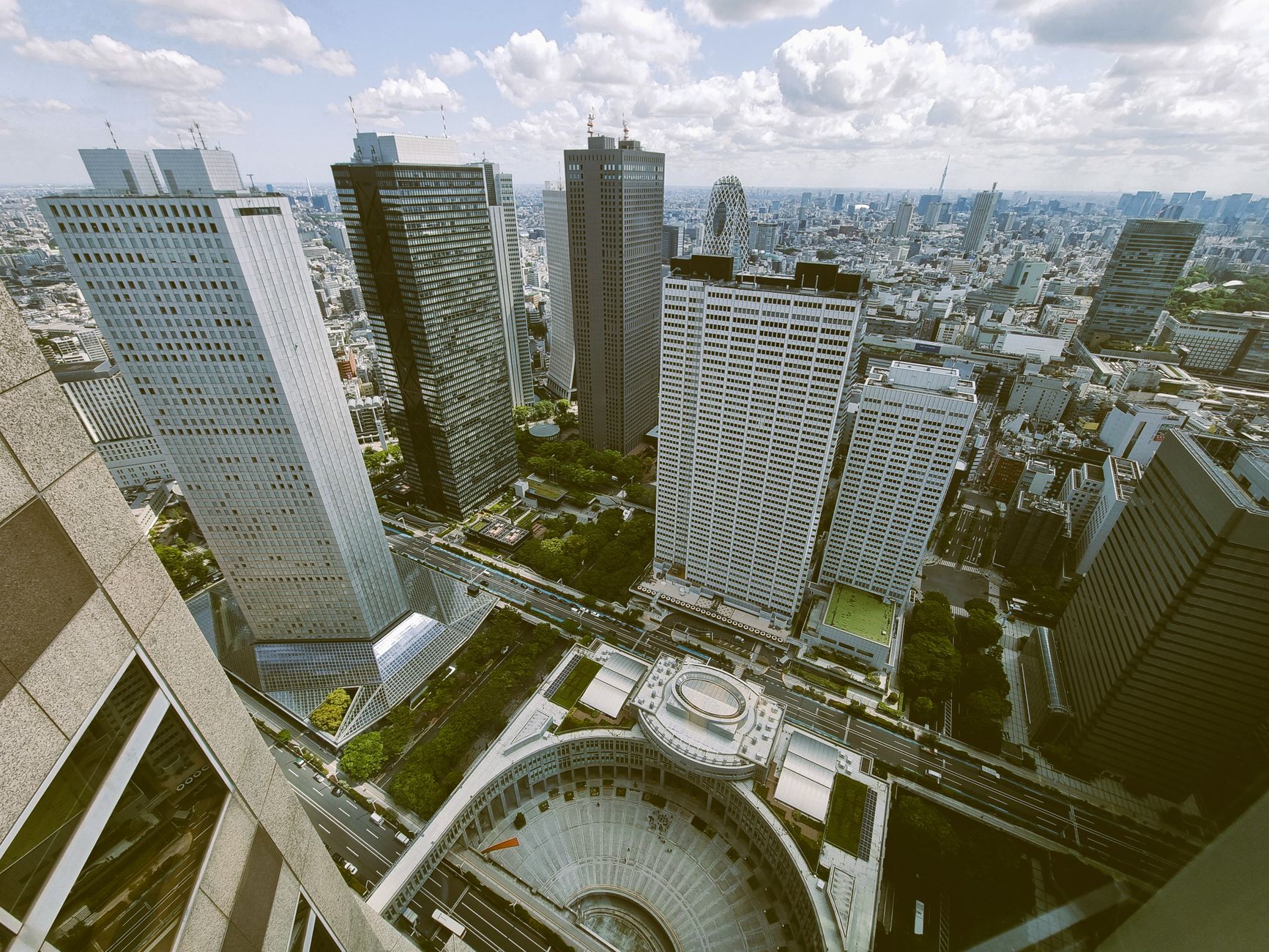
בעוד שחיי הלילה של Shinjuku שולטים בתיירות הלהט"בית, השכונה והאזורים הסובבים אותה מציעים אטרקציות משמעותיות בשעות היום. גן Shinjuku Gyoen הלאומי הוא פארק רחב ידיים עם פרחים עונתיים, שבילי הליכה ומשמעות מרכזית. מקדש Meiji הסמוך ב-Shibuya מייצג את המקדש השינטואיסטי החשוב ביותר ביפן, השוכן בתוך מקלט יער. בניין ממשלת מטרופולין טוקיו (Tokyo Metropolitan Government Building) מציע סיפוני תצפית חינמיים עם נופים פנורמיים של העיר. בתי הכלבו בשכונה – Isetan, Takashimaya, Mitsukoshi – מציגים את מצוינות הקמעונאות והאופנה היפנית. המוזיאון לאמנות מודרנית ומוסדות תרבות נוספים מציעים עיסוק באמנות. Kabukicho, רובע הבידור המפורסם של Shinjuku, כולל תיאטראות, ארקדות ומתקני בידור. מעבר Shibuya הסמוך מייצג את הצומת האיקוני ביותר של טוקיו. לפעילויות יום ספציפיות לקהילה הקווירית, חלק מהמקומות מארחים אירועים או לאונג'ים בשעות היום; מרכזי קהילה מציעים לעיתים תוכניות תרבותיות. מבקרים רבים מאזנים בין פעילויות לילה לבין ההיצע המדהים של טוקיו בשעות היום.
טיולי יום מ-SHINJUKU
המיקום המרכזי של Shinjuku ברשת הרכבות של טוקיו מאפשר טיולי יום קלים. Nikko, שעתיים צפונה, מציעה מקדשים היסטוריים ונוף טבעי. Kamakura, שעה דרומה, כוללת מקדשים בודהיסטיים, חופים ומסלולי הליכה. ניתן להגיע להר פוג'י (Mt. Fuji) ברכבת ל-Hakone או Kawaguchiko עם נופים ציוריים ומעיינות חמים. Yokohama, 40 דקות דרומה, מציעה אטרקציות על קו המים ומוזיאונים תרבותיים. איי Izu נגישים באמצעות מעבורת או מסוק לחופשות חוף. כמעט כל היעדים המרכזיים של יפן ניתנים להגעה תוך 2-4 שעות באמצעות מערכת הרכבות המהירות Shinkansen (רכבת קליע).
מידע שימושי
שפה: רמת האנגלית בטוקיו גבוהה יותר מאשר במקומות אחרים ביפן, במיוחד באזורי הבילוי ובקרב צעירים. במתחם Ni-chōme, רבים מהמקומות מאוישים בעובדים דוברי אנגלית, במיוחד כאלה המורגלים באירוח אורחים בינלאומיים. מומלץ להוריד אפליקציות תרגום כמו Google Translate לצורך ניווט בתפריטים ושיחות בסיסיות. כדאי להכין מראש משפטים מרכזיים כתובים ביפנית.
כסף: יפן היא מדינה המבוססת בעיקר על מזומן, למרות המודרניזציה. כספומטים בחנויות נוחות מקבלים את רוב כרטיסי האשראי הבינלאומיים. כרטיסי אשראי מתקבלים יותר ויותר במקומות גדולים, אך לא באופן אוניברסלי. הין משתנה; בזמן כתיבת שורות אלו, שערי החליפין נוחים למבקרים בינלאומיים ממדינות בעלות מטבע חזק.
דרישות ויזה: אזרחים מרוב המדינות המפותחות נהנים מכניסה ללא ויזה ליפן למשך 90 יום. אזרחים ממדינות מסוימות נדרשים להוציא ויזה מראש; בדקו את הדרישות זמן רב לפני הנסיעה.
טלפונים ואינטרנט: ניתן לרכוש כרטיסי SIM להשכרה, מכשירי Wi-Fi ניידים ותוכניות טלפון זמניות בשדות התעופה. רוב מקומות הלינה מציעים Wi-Fi חינם. כרטיס ה-Suica/Pasmo הנטען מקל על תשלומים ברכבות ובאוטובוסים.
מזג אוויר ועונות: האביב (מרץ-מאי) והסתיו (ספטמבר-נובמבר) מציעים מזג אוויר אידיאלי. הקיץ (יוני-אוגוסט) חם ולח; החורף (דצמבר-פברואר) קר אך בדרך כלל בהיר. עונת הטייפונים מתרחשת בספטמבר-אוקטובר.




 בארים ומועדונים לקהילה הגאה
מומלץ
(273)
בארים ומועדונים לקהילה הגאה
מומלץ
(273)