No national recognition of same-sex partnerships. Many municipalities issue partnership certificates. National same-sex marriage ruling is expected from courts. Social acceptance varies widely.
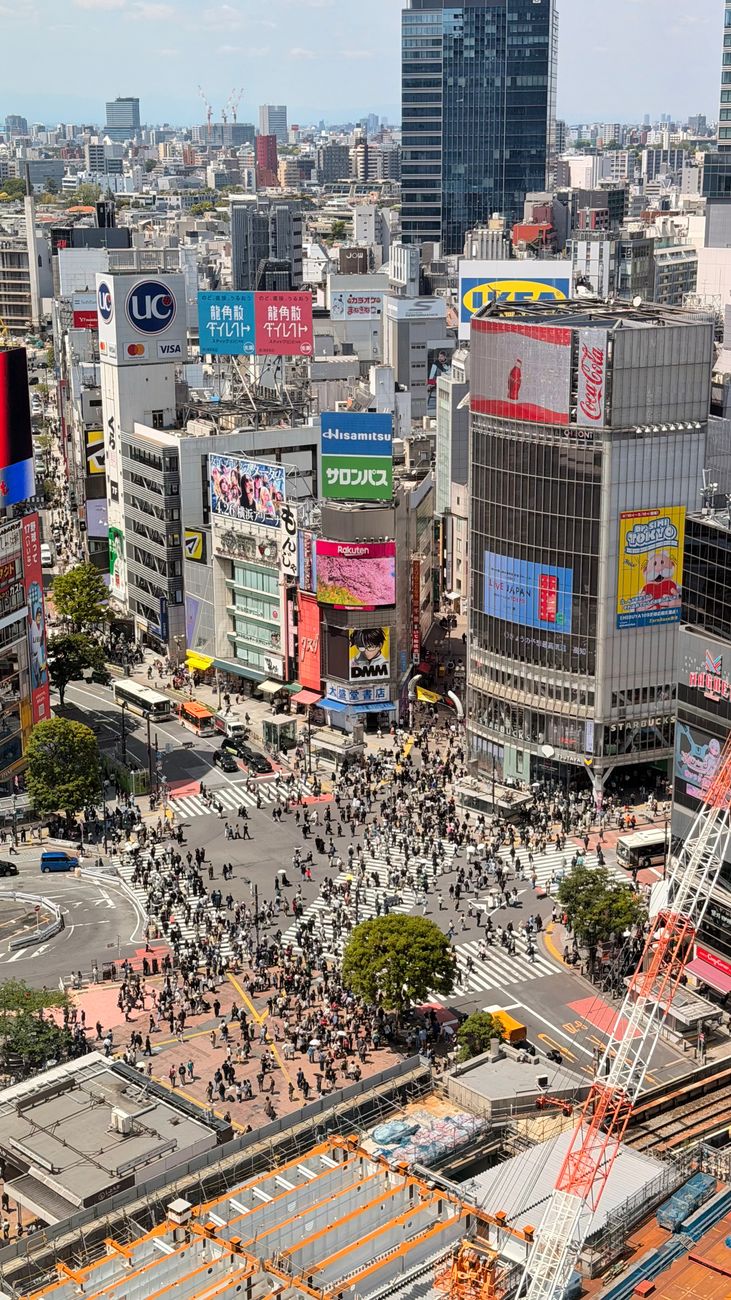
Shibuya is one of Tokyo's most famous special wards, best known for its youth culture, fashion and the Shibuya Crossing — and it holds a special place in LGBTQ+ Japan. In 2015 Shibuya became the first municipality in the country to issue same-sex partnership certificates, a landmark that other wards and cities soon followed. Shibuya ward is also home to Yoyogi Park, the venue for Tokyo's main Pride celebration. Its own gay nightlife, however, is modest and scattered rather than a single district: Tokyo's overwhelming gay hub remains Shinjuku Ni-chōme, a short train ride north in the neighbouring ward. What Shibuya offers is a handful of welcoming gay bars, a relaxed and youthful atmosphere, and world-class shopping, dining and transport.
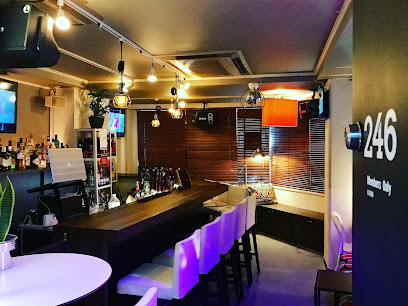
There is no dedicated "gay quarter" in Shibuya in the way that Shinjuku has Ni-chōme; instead the ward's gay bars are spread across two small pockets. A few sit in central Shibuya near Dōgenzaka, a short walk from the station — including Shibuya Gay Bar HOME, the friendly all-LGBTQ+-staffed bar 渋谷ゲイバー 246, and the neighbourhood spot Bar Tnb. The second pocket is Ebisu, one stop away on the Yamanote Line, which has its own low-key cluster of intimate gay bars such as Bar LOGiN, アンドエム (And M) and MATOME. These venues integrate seamlessly with Shibuya's mainstream nightlife, so visitors move easily between gay bars and the district's shops, restaurants and clubs.
Most of Shibuya's gay bars are small, staff-led rooms on the upper floors of multi-tenant buildings, so it helps to check building directories and floor numbers, and drag-and-karaoke bars such as Campy!bar in Shibuya PARCO add colour to the mix. Shibuya does not have a large gay dance club of its own, and it has no gay saunas — Tokyo's gay bathhouses, like the well-known 24 Kaikan, are concentrated in Shinjuku Ni-chōme rather than Shibuya. For cruising, an indoor men-only venue operates in the Maruyama-chō area near Dōgenzaka, but Shibuya's role is really as a comfortable, central base rather than a bathhouse destination. Venues open and close quickly, so it is always worth checking current listings and social media before a night out.
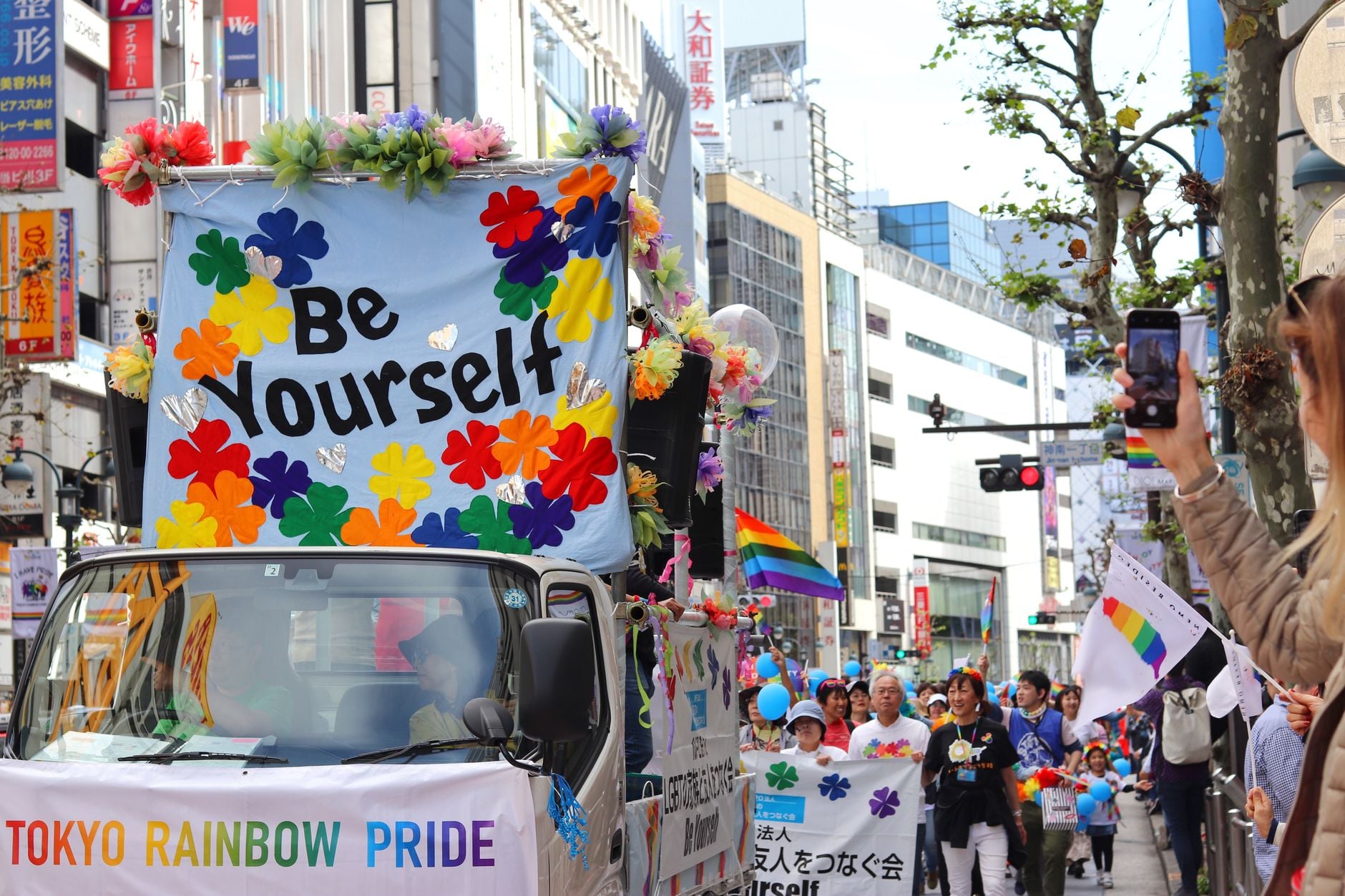
Tokyo Rainbow Pride — rebranded simply "Tokyo Pride" in 2025 and now held in June to align with global Pride Month — is the region's major annual LGBTQ+ event, and it takes place squarely in Shibuya ward. The festival is centred on the Event Plaza in Yoyogi Park, with a parade of roughly 15,000 marchers winding through Shibuya and Harajuku; recent editions have drawn well over 250,000 attendees, making it one of Asia's largest Pride celebrations. The two-day festival features stages, vendor booths and community-organisation tables, and many bars across Tokyo host Pride-season parties in the surrounding weeks. Shibuya's own LGBTQ+ civic life is anchored by its 2015 partnership ordinance and by organisations such as ReBit, a certified nonprofit based in Yoyogi that supports LGBTQ+ youth and runs education programmes nationwide.
Neighboring areas provide excellent support infrastructure. Harajuku, immediately adjacent, offers world-class fashion shopping, quirky cafes, and the serene Meiji Shrine. Shinjuku, a few train stops away, contains its own gay district (also called 2chōme historically) and additional entertainment venues. The Shibuya Crossing area itself, while not exclusively LGBTQ+, is one of the world's most famous intersections and remains a major gathering point and photo opportunity.
Where to Stay
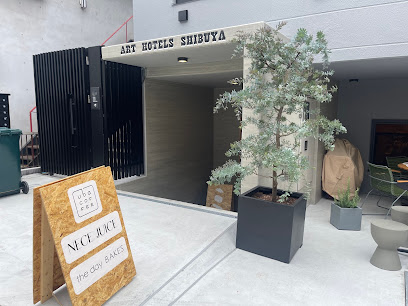
Accommodation options range significantly. International chain hotels throughout Shibuya welcome LGBTQ+ travelers, and Japan's hospitality culture generally maintains strict non-discrimination policies. Smaller hotels and capsule hotels near the station offer budget options. Some travelers prefer staying in nearby Shinjuku or Harajuku to access different neighborhoods while maintaining proximity to central Tokyo. Online reviews on TripAdvisor and similar sites often note whether properties have explicitly welcomed LGBTQ+ guests.
Transit in Shibuya operates via Tokyo's extensive train and subway system. The Shibuya Station itself is a major hub served by multiple rail lines including the JR Yamanote Line, Tokyo Metro Ginza Line, Tokyo Metro Fukutoshin Line, and Tokyu train lines. Most visitors rely on the rechargeable Suica or Pasmo transit cards. Walking between venues is practical, though Shibuya's hilly topography and narrow streets require attention. Taxis are widely available but expensive; rideshare services have limited presence compared to Western cities.
Dining in Shibuya spans from Michelin-starred restaurants to affordable ramen and conveyor-belt sushi. The area contains countless izakayas (casual Japanese pubs), conveyor-belt sushi restaurants, and international cuisines. LGBTQ+ travelers should note that Japan's restaurant culture often involves smaller portions across multiple courses rather than single large dishes. Restaurant staff generally maintain professional hospitality regardless of patron demographics; homophobic incidents in service establishments are rare, though some traditional venues may be unfamiliar with non-Japanese visitors.
Safety considerations for LGBTQ+ travelers: Japan maintains low violent crime rates generally, and hate crimes targeting LGBTQ+ individuals are uncommon. However, legal protections remain incomplete—Japan has no nationwide anti-discrimination law protecting LGBTQ+ workers or service users. Same-sex relationships are legal and decriminalized, but same-sex marriage is not recognized nationally, though some municipalities have implemented partnership recognition. LGBTQ+ travelers should exercise normal urban awareness (avoiding extremely intoxicated states, protecting valuables) but need not fear specific threats related to sexual orientation or gender identity. The Tokyo metropolitan area and Shibuya specifically represent among the safest and most LGBTQ+-friendly areas in Japan. Public displays of affection between same-sex couples are notably less common than in some Western cities but are not legally prohibited or typically met with hostility.
Language considerations: English proficiency among younger service workers and in tourist-oriented venues is improving but not universal. Learning basic Japanese greetings and the ability to read katakana (used for foreign terms) enhances the experience. LGBTQ+ terminology in Japanese differs from English; apps like Google Translate assist with communication. Most major venues frequented by international visitors have English-language websites or information available.
Day Trips
Day trips from Shibuya offer excellent options. Nikko, reachable via train in approximately two hours, features historic shrines and mountain scenery. Kamakura, about one hour away, provides coastal temples and beaches. Mount Fuji and the Hakone region are accessible as overnight excursions. These trips offer respite from urban intensity while remaining feasible for visitors based in Shibuya.
Planning a Shibuya visit optimally involves researching venue current status (websites and social media provide up-to-date information), understanding the festival calendar to coordinate with Pride or other events, and leveraging online LGBTQ+ travel communities for real-time recommendations. The scene evolves continuously, and recommendations from recent travelers often prove more current than guidebooks. First-time visitors should arrive with flexible expectations, as discovering unexpected venues often provides memorable experiences.
Frequently asked questions
Yes. Japan has low violent-crime rates and Tokyo's central wards, including Shibuya, are among the most LGBTQ+-friendly areas in the country. Shibuya was the first municipality in Japan to introduce same-sex partnership certificates, in 2015. Same-sex activity is legal, though there is still no national same-sex marriage or comprehensive anti-discrimination law. Public displays of affection are less common than in some Western cities but are not met with hostility.
Shibuya's gay bars sit in two small pockets. In central Shibuya, near Dōgenzaka, you'll find Shibuya Gay Bar HOME, the all-LGBTQ+-staffed 渋谷ゲイバー 246 and Bar Tnb. A second cluster is in nearby Ebisu — one stop away — with intimate bars such as Bar LOGiN, アンドエム (And M) and MATOME. Campy!bar in Shibuya PARCO adds a drag-and-karaoke option. For a bigger scene, Tokyo's main gay district, Shinjuku Ni-chōme, is a short train ride north.
Tokyo Rainbow Pride — rebranded "Tokyo Pride" in 2025 — is now held in June, in line with global Pride Month. The festival is centred on Yoyogi Park in Shibuya ward, with a parade through Shibuya and Harajuku, and recent editions have drawn well over 250,000 attendees. Dates are announced each year, but it typically falls on a weekend in early-to-mid June.
Shinjuku Ni-chōme is Tokyo's historic and by far its largest gay district, with hundreds of bars plus gay saunas and cruising venues. Shibuya's own scene is much smaller — a scattering of welcoming gay bars in central Shibuya and Ebisu — but the ward carries real LGBTQ+ significance as Japan's first partnership-certificate municipality and as the home of Yoyogi Park, where Tokyo Pride takes place. Many visitors base themselves in Shibuya and travel to Ni-chōme for a bigger night out.
Shibuya Station is a major hub on the JR Yamanote Line, the Tokyo Metro Ginza, Hanzōmon and Fukutoshin lines, and several Tokyu lines. The central bars near Dōgenzaka are within walking distance of the station, while the Ebisu cluster is one stop away on the Yamanote Line. A rechargeable Suica or Pasmo card makes hopping between Shibuya, Ebisu and Shinjuku easy. Note that many bars are on the upper floors of buildings, so check addresses and floor numbers.
No. Shibuya does not have a large dedicated gay dance club, and it has no gay saunas — Tokyo's gay bathhouses, such as 24 Kaikan, are in Shinjuku Ni-chōme rather than Shibuya. Shibuya's gay venues are small, friendly bars, and there is one indoor men-only cruising venue near Dōgenzaka. For clubbing on a larger scale, head to Shinjuku or to Tokyo's big circuit-party events, several of which take place during Pride season in Yoyogi Park.
Your privacy choices.
We use cookies to run GayOut and, with your consent, measure usage. Learn more
Your privacy choices
We use cookies to keep GayOut running, remember your preferences, and (with your permission) measure how the site is used. You can accept all, reject all, or pick what you allow. Learn more
Essential
Required for sign-in, fraud prevention, CSRF protection and remembering your language. Cannot be disabled.
Always on
Remembers your favourites, dark mode and other interface preferences across visits.
Helps us understand which pages people visit (Google Analytics, server-side stats) so we can improve.
Used by campaign tracking pixels. None are active right now, reserved for future use.
Install GayOut
Add GayOut to your home screen for faster access, offline favourites, and Pride alerts.



![[9/25Fri] La Noche – Women-only Latin Dance Night💃✨](https://secure.meetupstatic.com/photos/event/a/8/2/b/600_531823051.jpeg)

 Gay Bars & Clubs
Featured
(89)
Gay Bars & Clubs
Featured
(89)