Everything worth knowing before you go.
LGBTQ+ status
Legal but conservative
Kobe’s LGBTQ+ scene has grown over the last few decades, following wider shifts in Japan. You won't find sprawling districts like you might in other big cities; Kobe's community and its venues are tighter, more concentrated. Being an international port city has historically made it a bit more open culturally. Still, Japan is a conservative country, and the scene here tends to be discreet. While Japan doesn't have national same-sex marriage, Kobe City did introduce its Life Partnership system in December 2023, giving same-sex couples municipal recognition. Younger generations and entertainment areas in cities like Kobe show increasing acceptance.
Sannomiya, just north of Kobe Station, is the city's main entertainment and nightlife area. Most of the LGBTQ+ venues cluster along Higashimon-gai (東門街) alley, east of Ikuta Shrine. You'll often find these places in basements or on upper floors, which is typical for Japanese gay venues that prefer a low profile. The neighborhood is walkable, well-lit, and easy to explore. Sannomiya is also Kobe's commercial hub, so you can combine shopping and dining with your evening plans.
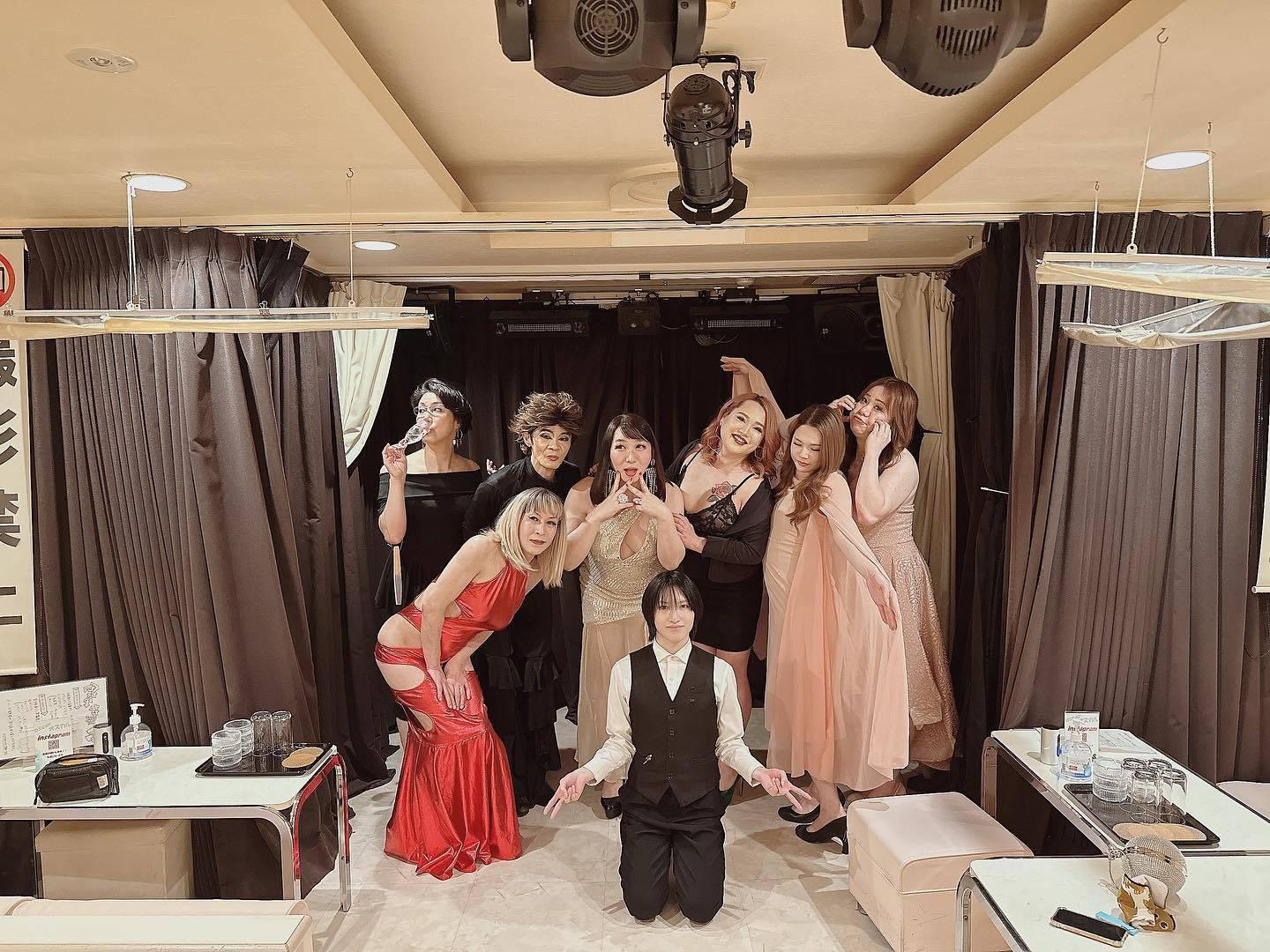
Kobe's gay nightlife has several established bars and clubs. Check their current operating hours before you go; Japanese venues can change or close without much warning. You’ll find smaller cocktail bars, often frequented by local gay men, alongside places that might put on occasional dance events, karaoke, or live performances. Most bars are small, holding maybe 20-40 people, which means regulars and newcomers can easily chat. Dress codes are usually casual to smart-casual. Japanese venues generally keep an orderly, respectful atmosphere.
Some venues might have cover charges, usually 1,000 to 3,000 yen, and often require drink purchases. It's less common here than in more exclusive scenes elsewhere, but some places might have membership systems or specific entry rules. English can be limited in smaller bars, but staff are usually helpful with international visitors.
The city also has public bathhouses, sento and onsen, used by the gay community. These are general public spaces and keep to social norms around discretion. Some have served as informal meeting spots for gay men.
Kobe Pride happens every May, usually with a parade through the city center, information booths, and performances. It's smaller than events in bigger cities, but it’s an important moment of visibility for the local LGBTQ+ community. Beyond Pride, clubs sometimes host parties and themed nights. If you want more nightlife options, Osaka’s larger LGBTQ+ scene is about a 35-minute train ride away.
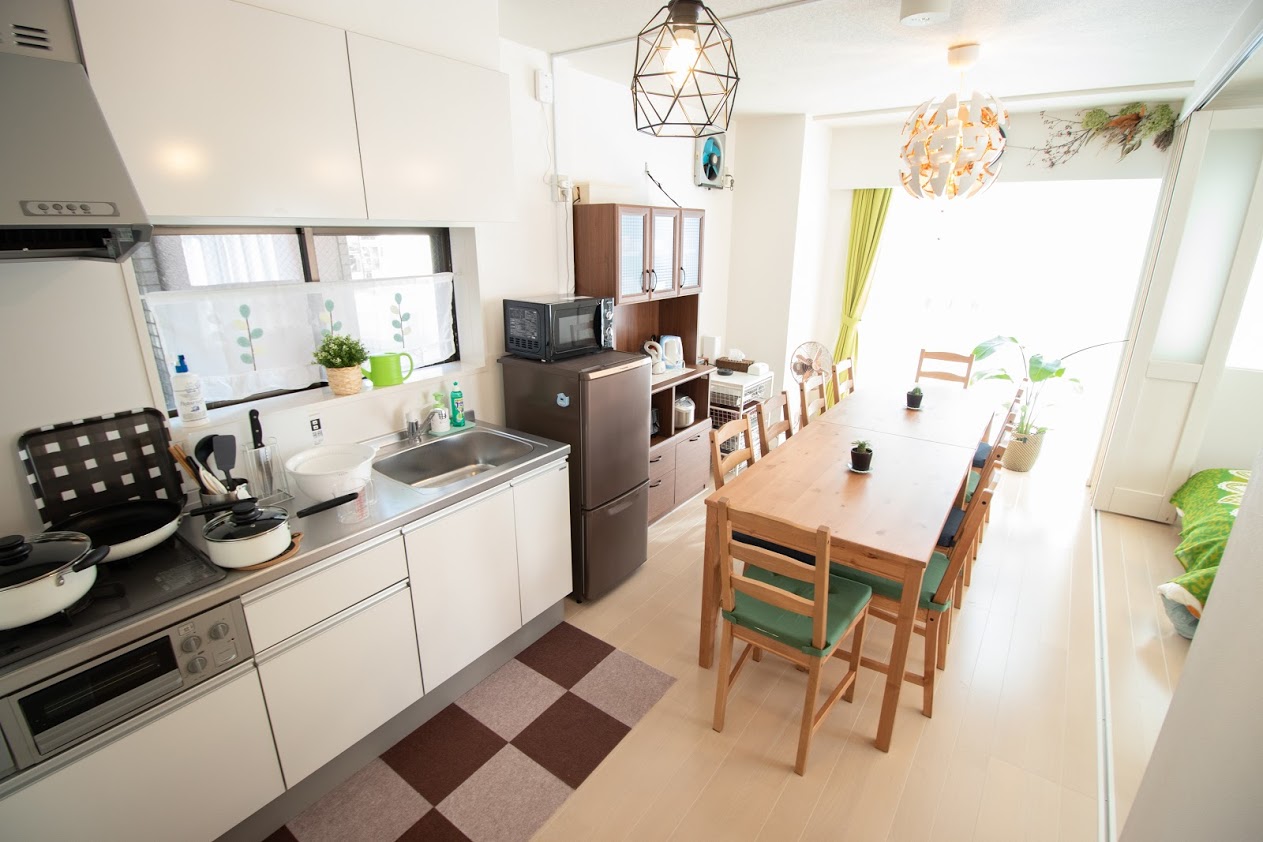
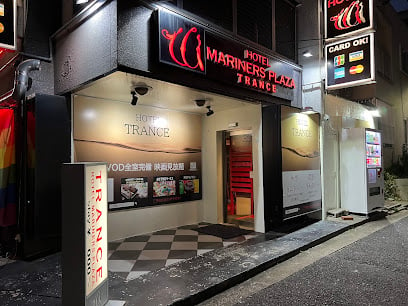
Sannomiya has hotels for every budget, from business hotels to more upscale options, all close to the district's venues. You can also find lodging around Motomachi and Kobe Station. For travelers prioritizing gay nightlife, Sannomiya is the most direct choice. The district's good train connections make staying in other central neighborhoods practical.
Kobe is generally safe, with low violent crime rates. Still, LGBTQ+ travelers should remember Japan's broader social context. Public displays of affection between same-sex couples are rare, and while overt discrimination isn’t common, it can happen. Most gay venues prioritize privacy, and staff generally won't share patron information. It’s wise to be discreet, especially outside entertainment districts. Younger LGBTQ+ individuals in Japan might be less open about their identities than their Western counterparts, so communicate sensitively. Police interactions are rare for tourists, and authorities don't usually target LGBTQ+ individuals in major cities, but the legal framework is stricter than in many Western countries.
Kobe has multiple train lines meeting at Kobe Station; Sannomiya is easy to get to via JR, Hankyu, and Hanshin lines. The city center is walkable. The Kobe Municipal Subway and Port Liner connect outlying districts and Port Island. Taxis are plentiful and metered. Public transport is efficient, and major stations have English signage, making it pretty easy to get around.
Kobe is famous for its premium beef. The city also has international cuisines, reflecting its port history. Sannomiya has many dining options. Most restaurants in Kobe don't have a specific LGBTQ+ atmosphere; Japanese dining culture is usually neutral about sexual orientation, with places serving a general clientele.
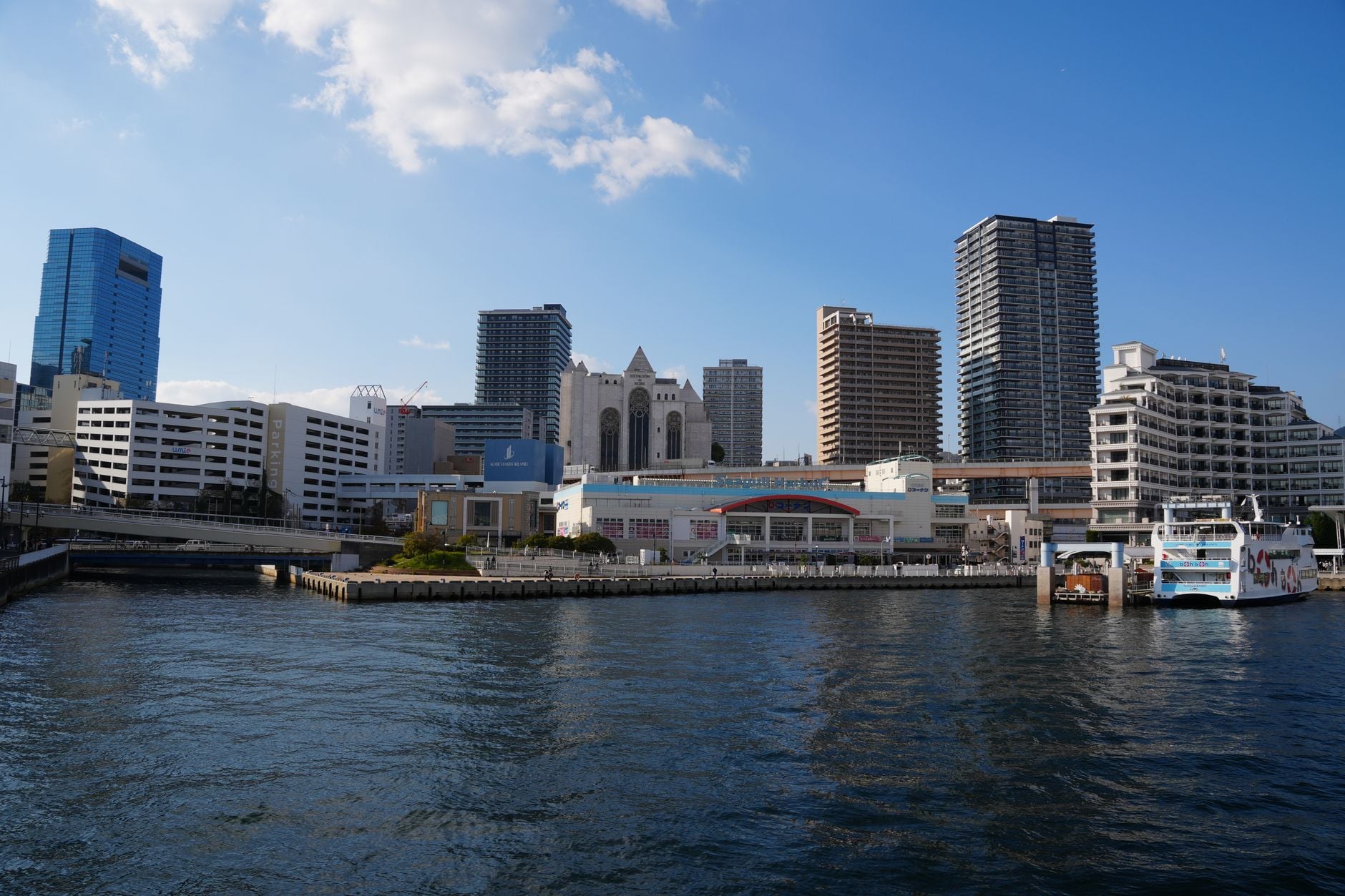
Beyond Sannomiya, Motomachi has shopping and cafes. Kobe Harborland, the waterfront area, has parks, museums, and dining with bay views. The historic Kitano district, on the hills north of downtown, shows off 19th-century Western-influenced architecture and cultural spots. Meriken Park gives you scenic waterfront access.
Kobe’s location in the Kansai region makes it easy to explore nearby areas. Kyoto, a cultural center, is about 75-90 minutes away by train. Osaka, a big city with a larger LGBTQ+ scene, is 30-40 minutes away by train. Himeji Castle, a historic structure, is about 50 minutes south by train.
May is a good time to visit for Kobe Pride. Spring (April-May) and autumn (September-November) have pleasant weather. Summers are hot and humid; winters are mild but can be rainy. Kobe usually has fewer crowds than Tokyo or Kyoto, so it's accessible all year.
Learning basic Japanese phrases can improve interactions, especially in smaller places where English might be limited. Translation apps help with menus and signs. Respecting local customs, like taking off shoes indoors and keeping voices down on public transport, makes for better experiences. Many LGBTQ+ travelers like Kobe for its less touristy, more integrated feel of Japanese gay culture compared to bigger cities.


 Gay Bars & Clubs
Featured
(26)
Gay Bars & Clubs
Featured
(26)