Шлюб між особами однієї статі (Ehe für alle) легалізовано 1 жовтня 2017 року. Цивільні партнерства (Lebenspartnerschaft) були доступні з 2001 року. Спільне усиновлення для пар однієї статі дозволено з 2017 року. Діють сильні федеральні засоби захисту від дискримінації (AGG, Загальний закон про рівне поводження 2006 року), які охоплюють сферу зайнятості, товарів і послуг. Конверсійна терапія заборонена для неповнолітніх у 2020 році; повна заборона для дорослих запропонована, але станом на 2026 рік ще не прийнята. Юридична зміна гендерної приналежності трансгендерних осіб вимагає психологічної оцінки та судового рішення…
Dresden's modern LGBTQ+ community took shape in the decades after World War II. The city, devastated in 1945, was rebuilt in East Germany, where homosexuality was decriminalised in 1968, earlier than in the West, though open gay life stayed limited under the GDR's social conservatism. After reunification in 1990 the city opened up, and the 1990s brought visible gay bars and organised community spaces, including Gerede e.V., founded in 1995 and still the scene's backbone today.
The scene is well established if modest next to Berlin or Hamburg. It benefits from a large student population and the city's standing as a cultural and tourist destination. Christopher Street Day (CSD) has grown from small gatherings into a recognised city festival.
Neighbourhoods and Layout
The heart of gay Dresden is the Äußere Neustadt (Outer New Town) on the north bank of the Elbe, a young, arty, tolerant district of galleries, independent shops and late-night bars. Almost every gay venue sits here, clustered around Alaunstraße, Prießnitzstraße, Görlitzer Straße and Louisenstraße, an easy walk from Martin-Luther-Platz. This is where you will spend your evenings.
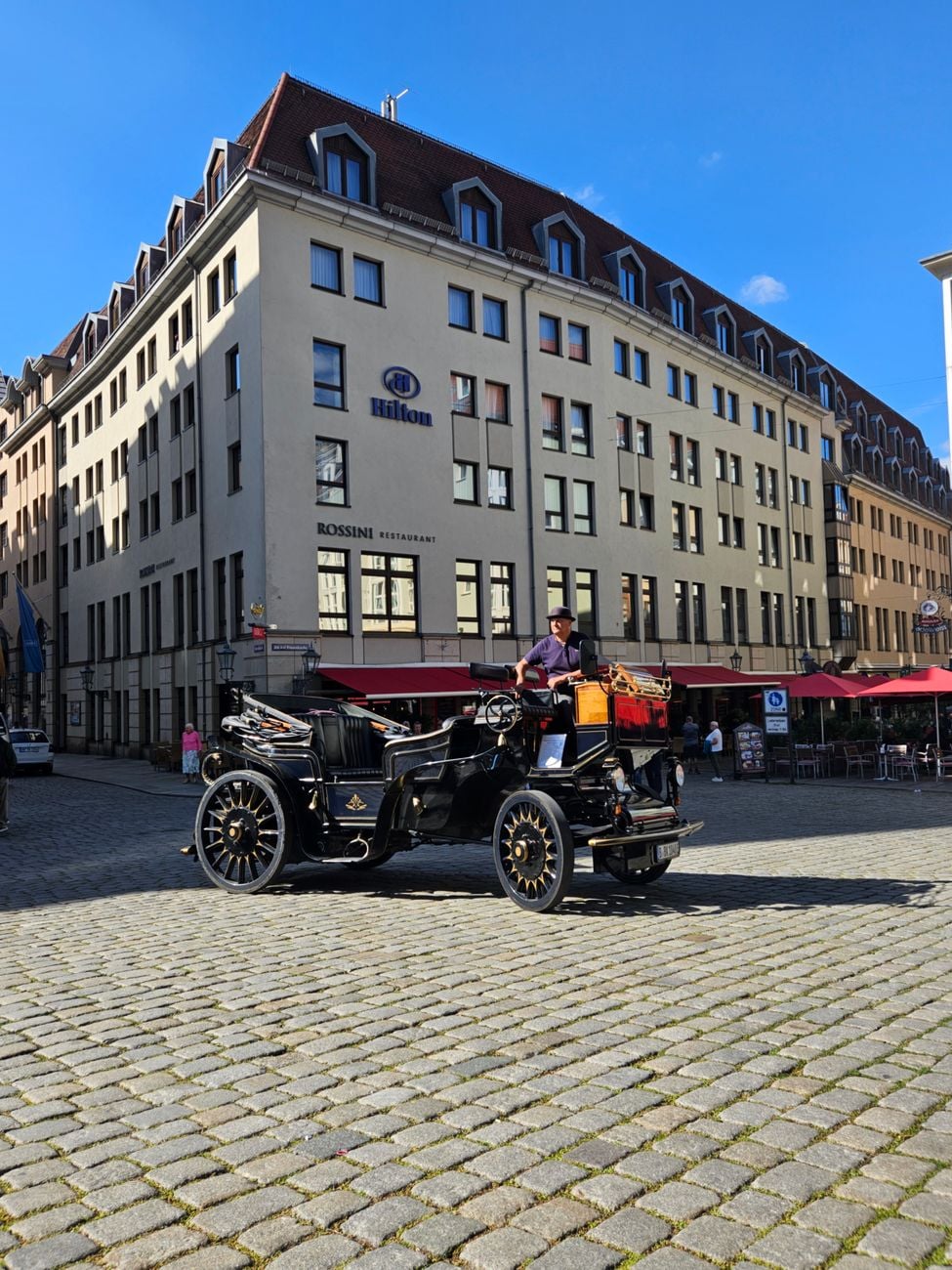
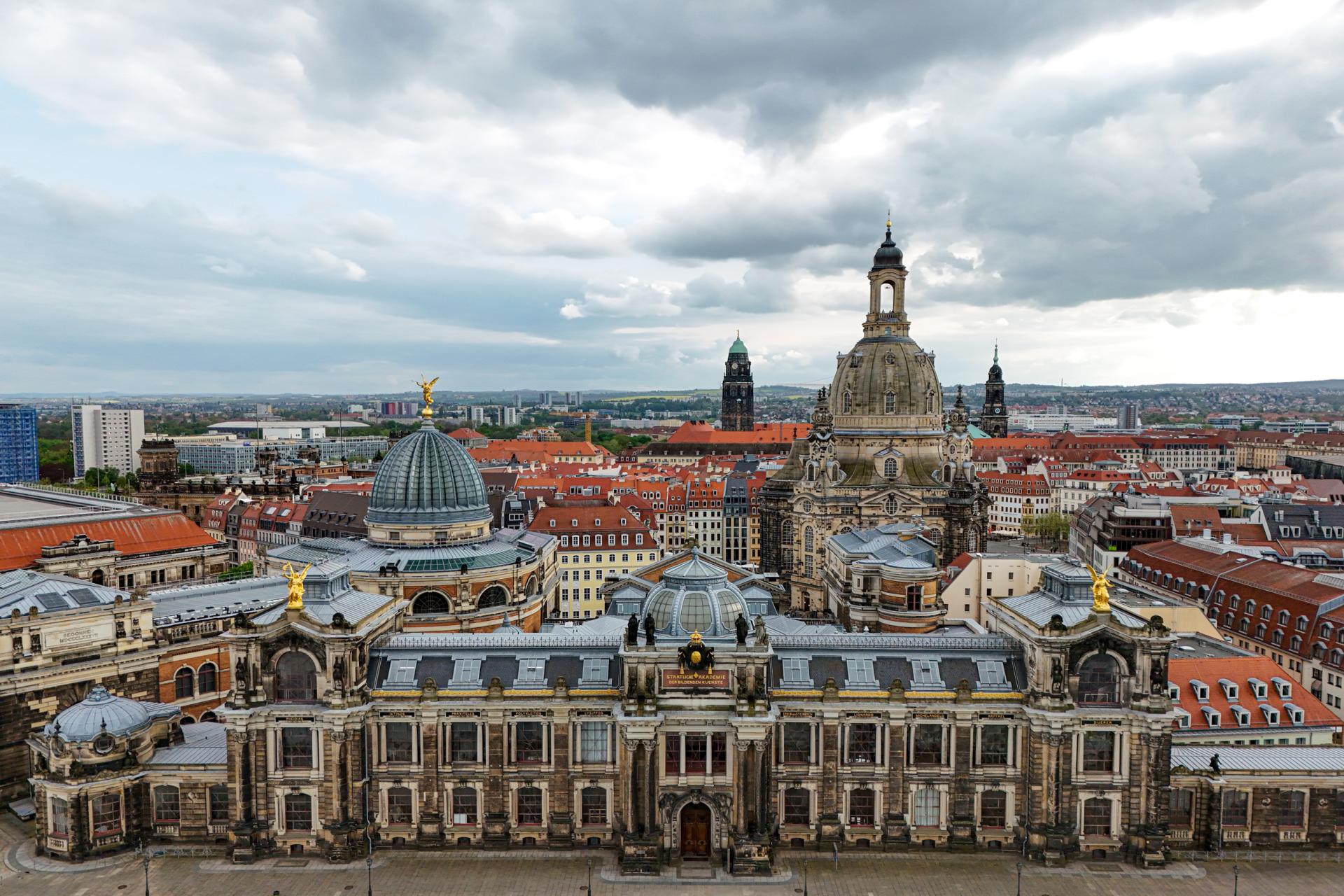
The Altstadt (Old Town) across the river holds the famous sights, the Frauenkirche, the Zwinger and the Semperoper, plus most of the hotels, but it is not where the gay nightlife happens. Stay near the Altstadt for sightseeing and cross into the Neustadt (a 10 to 15 minute walk or a short tram ride) for the bars.
Gay Venues
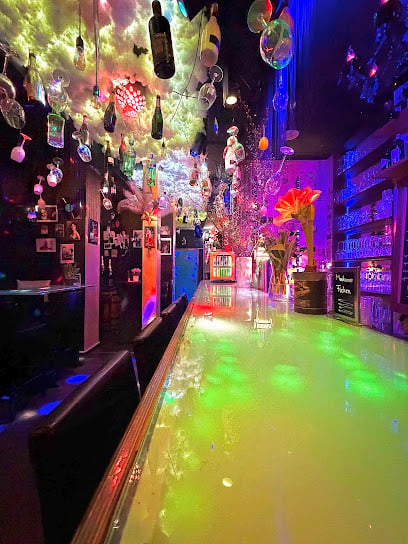
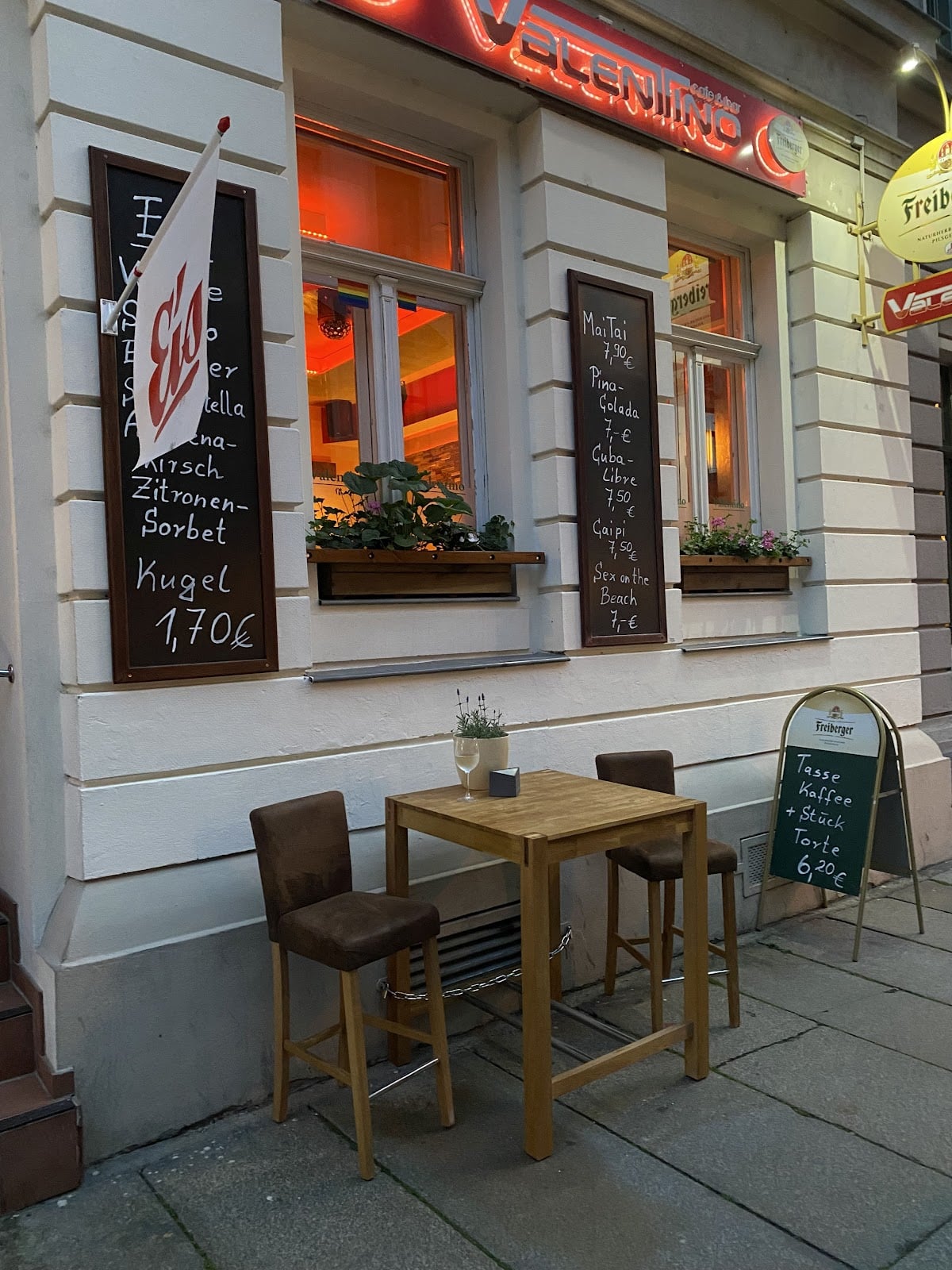
The city's flagship gay bar is Boys on Alaunstraße, a compact, friendly spot that fills up later in the evening. Nearby, Bar Saxxim on Görlitzer Straße is a cosy cocktail bar with a strong community following, while Café Valentino on Jordanstraße is a laid-back gay café-bar, good for a quiet coffee or drink by day and evening. The volunteer-run Infocafé Kontakt on Prießnitzstraße, operated by Gerede e.V., is a relaxed meeting place rather than a party bar.
For a more specialised night out, Bunker on Prießnitzstraße is a leather-and-fetish club run by the local Leather Club Dresden, with playrooms and dress-code Saturdays, and PickUp on Jordanstraße is a men's cruise club. Larger dance nights and queer party series (such as Think Pink and Boytox) pop up in mainstream clubs around the city, especially around Pride, so check local listings for dates.
Saunas
Dresden has one dedicated gay sauna, Paradise Dresden (Man's Paradise) on Friedensstraße in the Leipziger Vorstadt, just north of the Neustadt. It has been running for over twenty years and offers sauna and steam facilities, a bar and cruising areas; it is men-only most days, with a few mixed days each month.
The best-known outdoor cruising area is the Großer Garten, the city's huge central park, where activity concentrates on the wooded paths from spring to early autumn. Suburban spots include Cossebaude and the Oberwartha reservoir to the west. Same-sex activity is legal in Germany; stick to public areas and use ordinary discretion after dark.
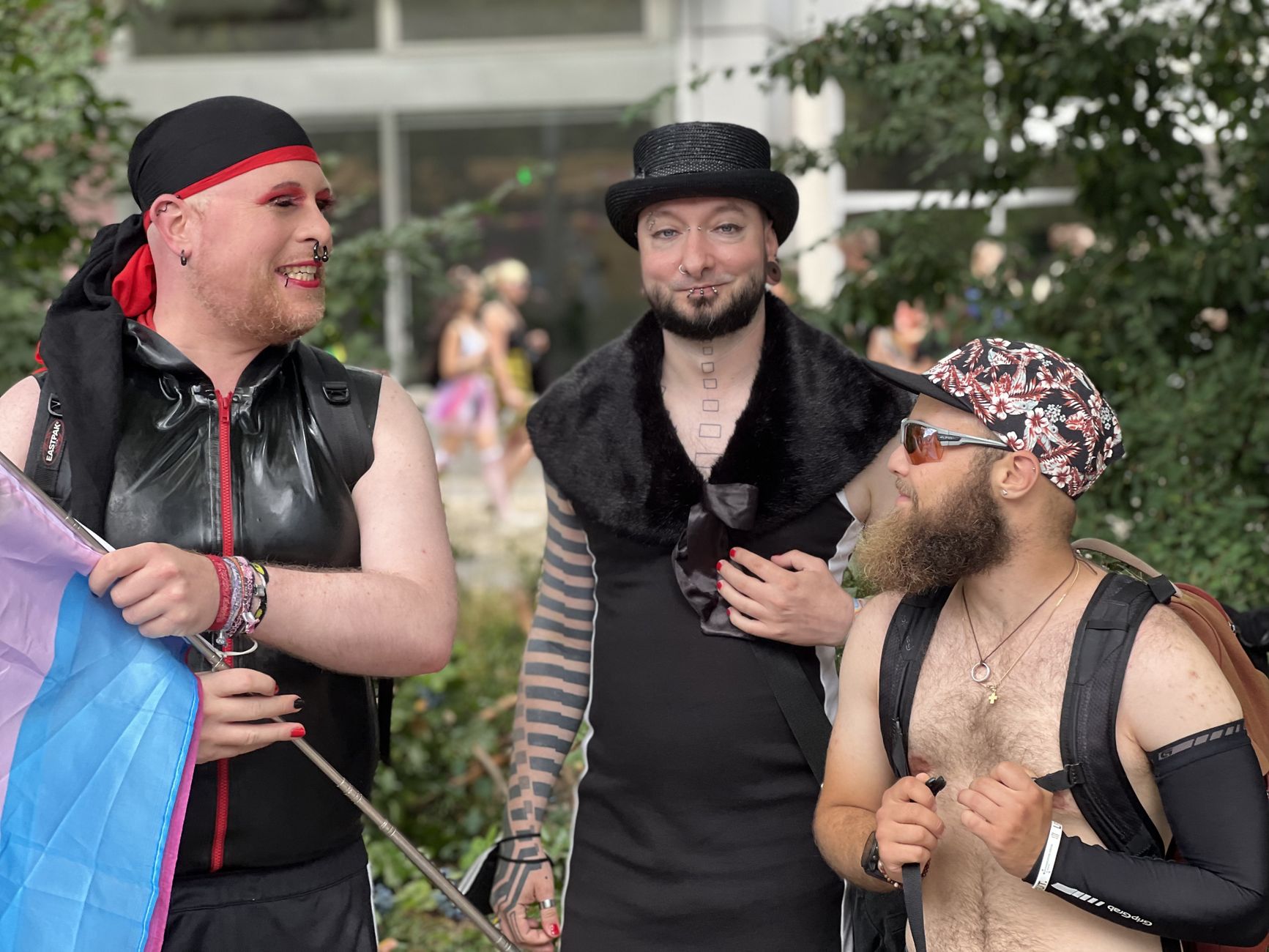
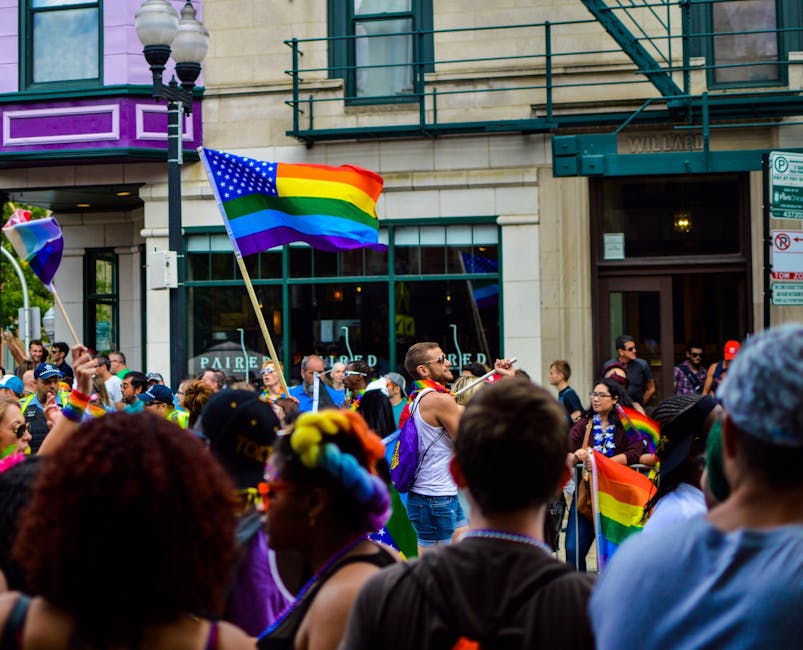
Christopher Street Day Dresden (CSD Dresden) is the main event, held in late spring. In 2027 the street festival runs 27-29 May on the Altmarkt in the city centre, with the parade on Saturday 29 May. Organised by CSD Dresden e.V., it has grown from a few hundred participants to several thousand. Queer film screenings and cultural programming run through the year too.
Where to Stay
The Altstadt is the most convenient base for sightseeing, with everything from budget chains to luxury hotels near the Frauenkirche and Altmarkt. The Neustadt offers a more local, alternative feel and puts you within walking distance of the bars, think guesthouses, hostels and design hotels around Bautzner and Königsbrücker Straße. Prices are moderate by German big-city standards.
Germany offers comprehensive legal protections for LGBTQ+ people, including marriage equality since 2017 and anti-discrimination law. Dresden is generally safe and welcoming, especially in the Neustadt. Saxony is politically more conservative than western Germany and has seen far-right demonstrations, but these do not target LGBTQ+ tourists; normal big-city awareness is enough.
Часті запитання
Dresden has become noticeably more progressive and welcoming, with an increasing LGBTQ+ presence. While Saxony as a whole remains more conservative than western Germany, the city proper has seen a counter-response from progressive residents, including the LGBTQ+ community, leading to increased visibility and political engagement.
Dresden's LGBTQ+ scene is concentrated in the Äußere Neustadt (Outer New Town) on the north bank of the Elbe, a young, bohemian district. Most gay bars, cafés and community spaces sit within a short walk of each other around Alaunstraße, Prießnitzstraße and Görlitzer Straße. The Altstadt across the river has the sights and the hotels but not the nightlife.
Dresden's gay scene is smaller and more low-key than cities like Berlin or Cologne, but it is established and growing. Christopher Street Day has expanded significantly in recent years.
Christopher Street Day (CSD Dresden) is the city's main LGBTQ+ celebration, held in late spring. In 2027 it culminates with the parade on Saturday 29 May and a street festival on the Altmarkt in the city centre. Organised by CSD Dresden e.V., it has grown from a few hundred participants to several thousand.
Yes. Dresden has plenty of LGBTQ+-friendly accommodation across all budgets. Many hotels cluster in the Altstadt near the main sights, while the Neustadt, close to the gay bars, offers design hotels, guesthouses and hostels. As across Germany, hotels welcome same-sex couples as standard.
Dresden offers genuine hospitality and an increasingly visible LGBTQ+ presence. While the scene is smaller and more low-key than Berlin or Cologne, the city proper has become noticeably more progressive and welcoming, especially in response to past far-right movements.
Ваші налаштування конфіденційності.
Ми використовуємо файли cookie для роботи GayOut і, за вашою згодою, для вимірювання використання. Докладніше
Ваші налаштування конфіденційності
Ми використовуємо файли cookie, щоб забезпечити роботу GayOut, зберігати ваші налаштування та (за вашої згоди) вимірювати використання сайту. Ви можете прийняти всі, відхилити всі або обрати, що саме дозволяєте. Докладніше
Необхідні
Потрібні для входу в систему, запобігання шахрайству, захисту від CSRF та збереження вашої мовної локалізації. Не можуть бути вимкнені.
Завжди увімкнено
Запам’ятовують ваші улюблені місця, темний режим та інші налаштування інтерфейсу між візитами.
Допомагає нам зрозуміти, які сторінки відвідують користувачі (Google Analytics, серверна статистика), щоб ми могли покращувати сайт.
Використовується пікселями відстеження кампаній. Наразі жоден не активний, зарезервовано для майбутнього використання.
Встановити GayOut
Додайте GayOut на головний екран для швидшого доступу, офлайн-збереження улюблених та сповіщень про Pride.







 Геї-бари та клуби
(47)