Everything worth knowing before you go.
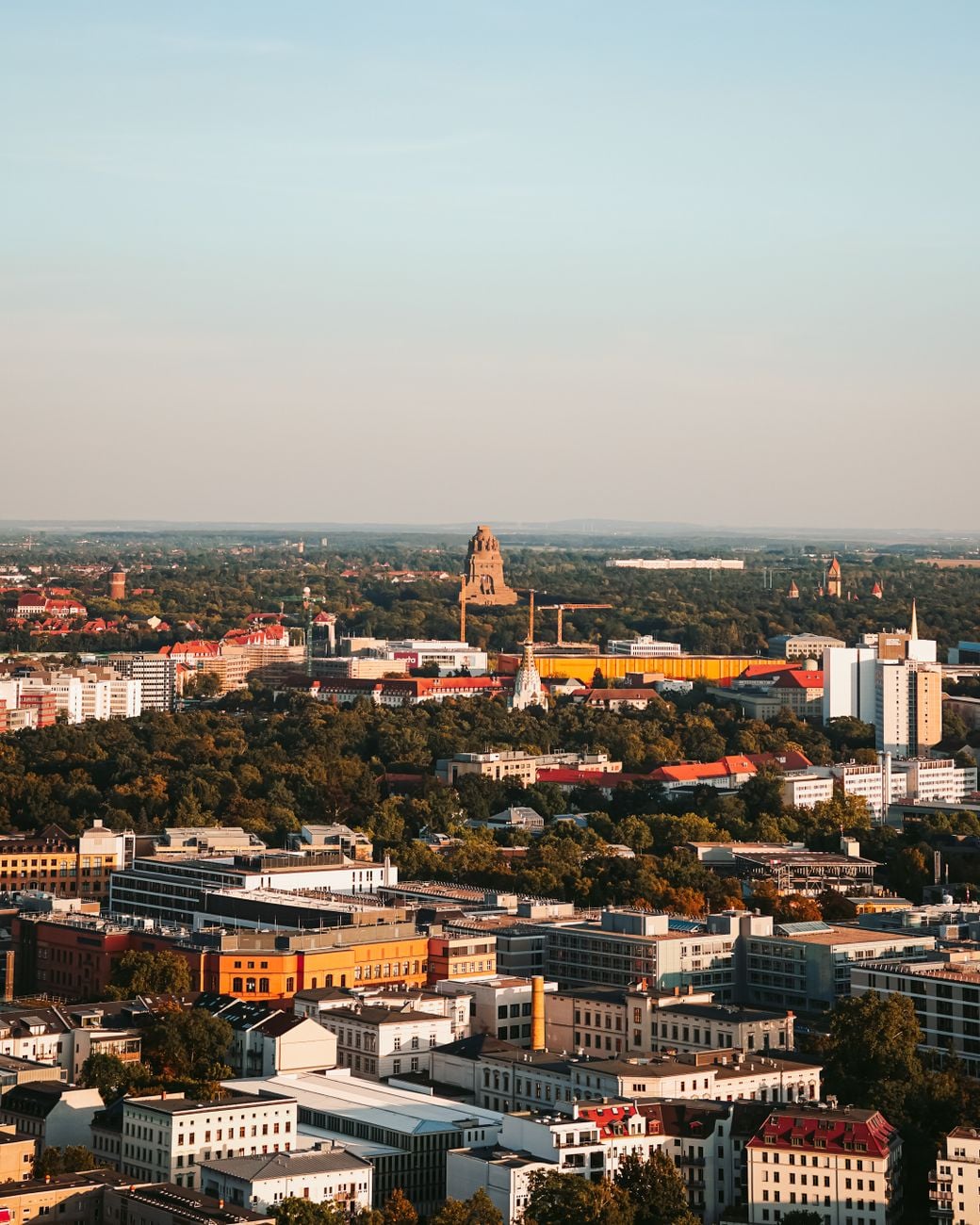
Leipzig offers a distinct LGBTQ+ experience, quite different from the big, concentrated scenes of Berlin or Cologne. There is no single gay village here; instead the city's queer life is woven into its bohemian, artist-run neighbourhoods, alongside independent clubs, galleries and alternative venues. It rewards travellers who like an authentic, low-key scene over a commercial one.
Leipzig's queer presence grew strongly after German reunification. Cheap rents and an artistic reputation drew LGBTQ+ creatives, and since the 2000s the city has built a genuinely queer-friendly cultural ecosystem with a DIY, socially engaged feel.
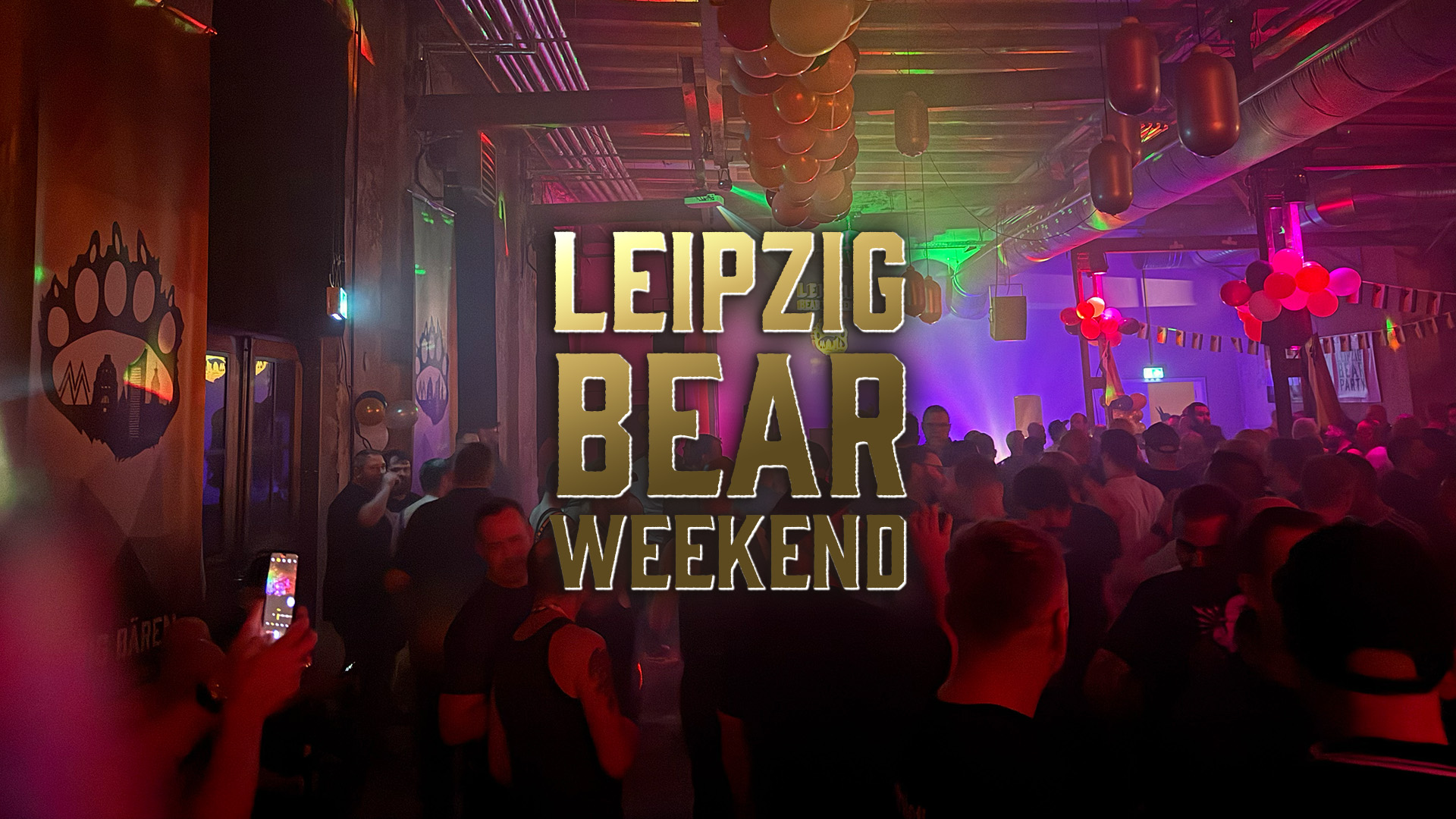
The traditional gay-bar core sits in the Zentrum (postcode 04109), a compact cluster you can walk between. Otto-Schill-Straße 10 is the anchor address, home to both COCKS Gay Bar (a men's cruise and fetish bar) and Clubsauna Stargayte, the city's only gay sauna and one of the largest in Germany. A few minutes away are Richy Gaybar on Universitätsstraße, a young, friendly karaoke bar opposite the university, and the Apart Bar on Reichsstraße, a relaxed gay cocktail bar.
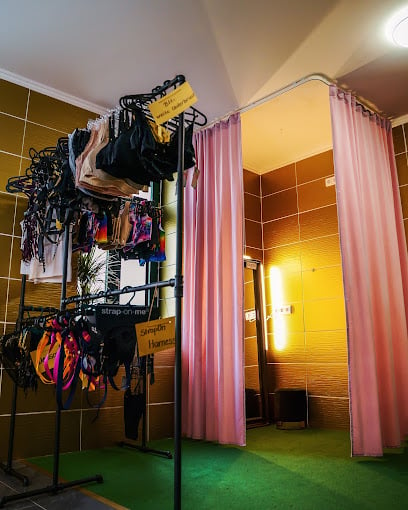
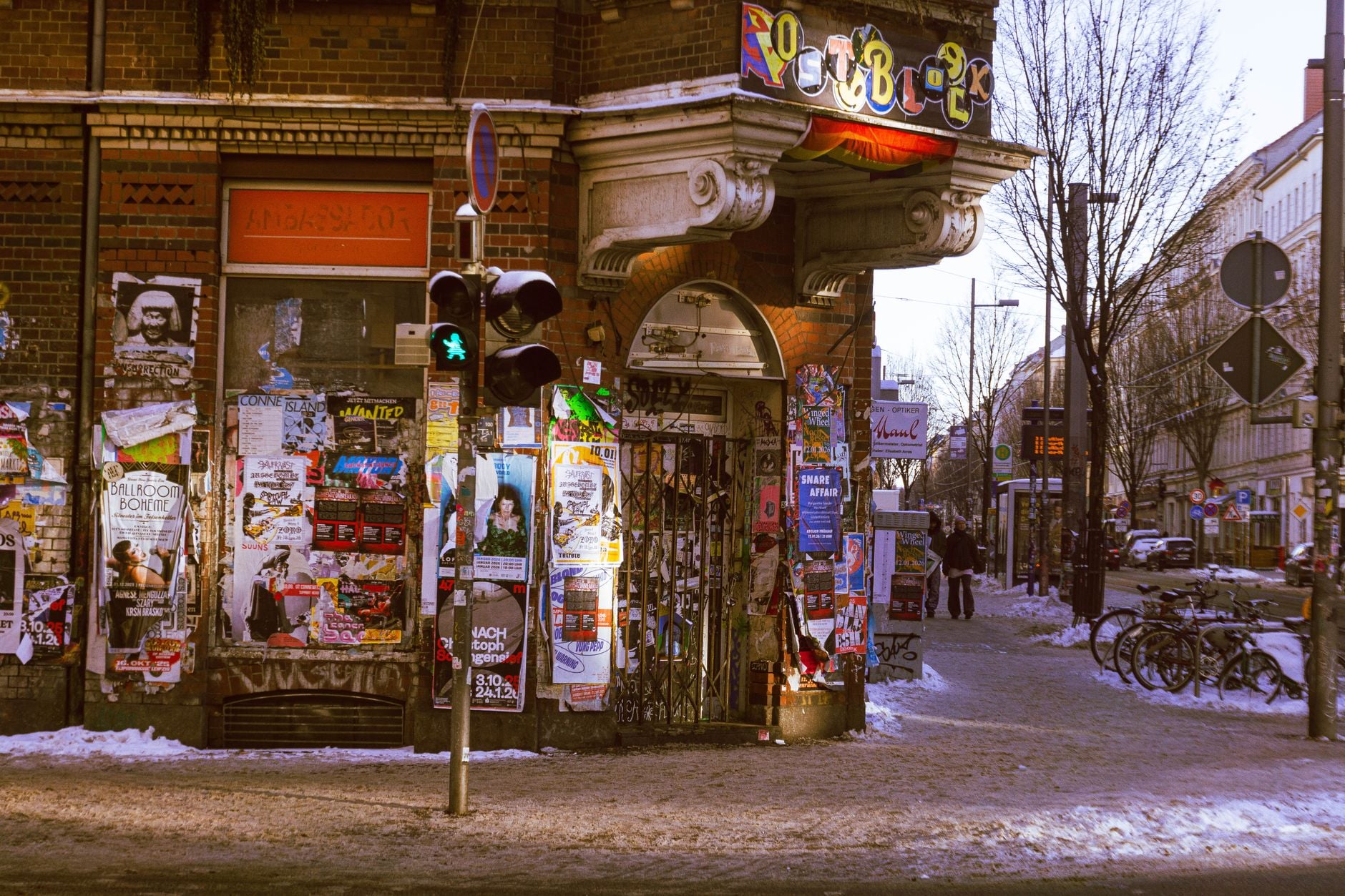
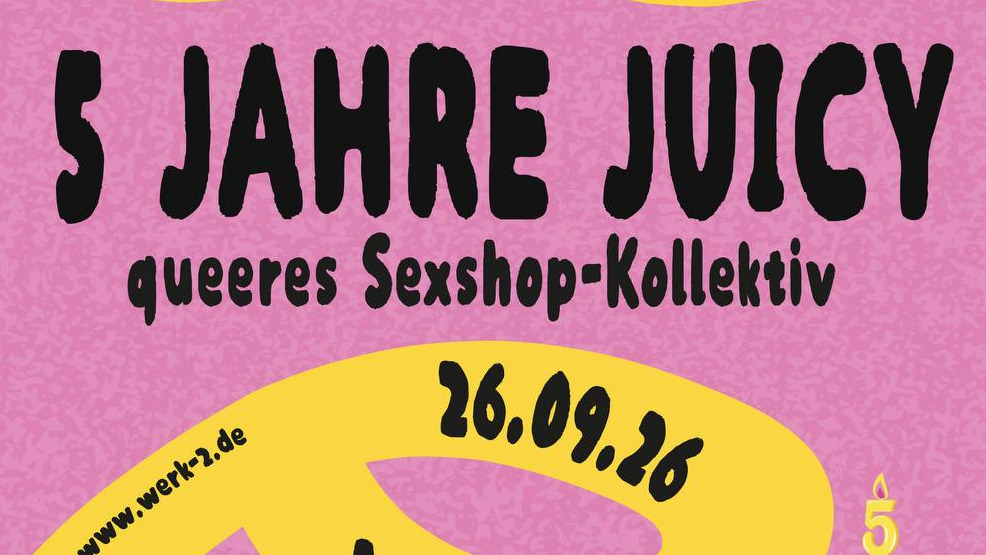
South of the centre, the Südvorstadt runs along Karl-Liebknecht-Straße (locals call it 'KarLi'), an alternative strip of bars, cafés and shops. Staubsauger, a long-running gay bar and dance cellar, is here. Further west, in up-and-coming Lindenau and Plagwitz around the Karl-Heine-Straße, you'll find pixi, a queer collective bar with a beer garden, plus RosaLinde Leipzig e.V., the city's main LGBTIQ+ centre on Demmeringstraße. The Juicy queer sex shop rounds out the small but real retail side. Connewitz, further south, is Leipzig's left-alternative heartland and reliably queer-friendly.
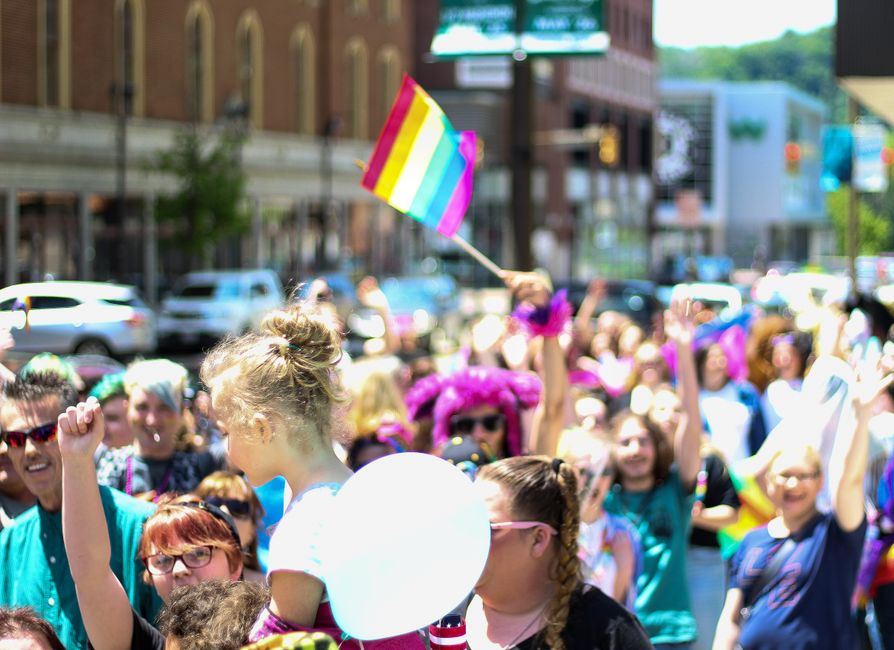
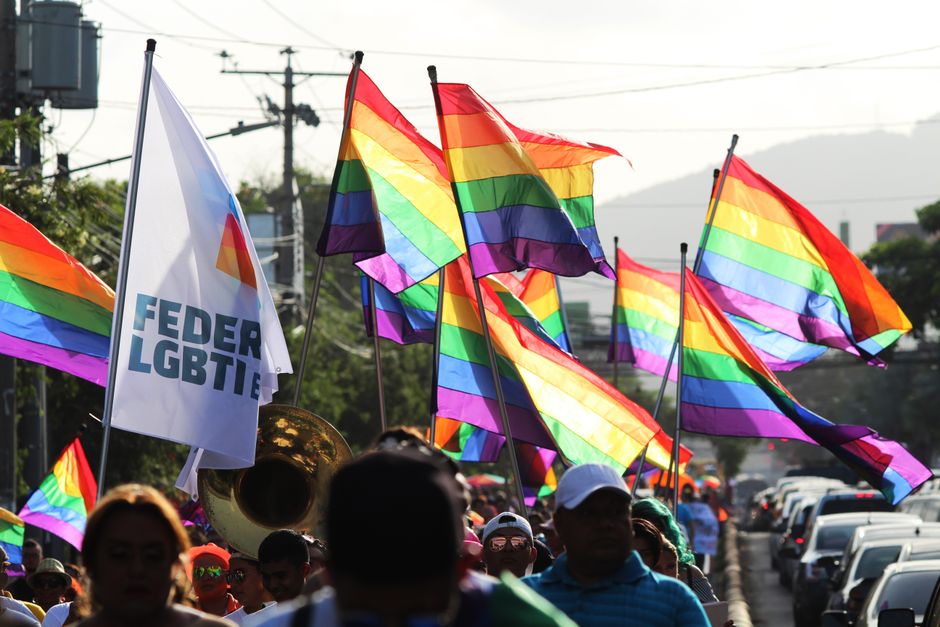
Christopher Street Day (CSD) is Leipzig's main LGBTQ+ celebration and, unlike many guides claim, it falls in July, not September. In 2026 the CSD week runs from 10 to 18 July, organised by CSD Leipzig e.V., building to the main demonstration and parade through the city centre on Saturday 18 July and a street festival on Augustusplatz. Pride Week adds club nights, talks, film screenings and community events across the city.
For support and information beyond nightlife, RosaLinde Leipzig e.V. offers counselling, youth, trans* and refugee programmes, and AIDS-Hilfe Leipzig provides testing, prevention and confidential advice. Germany's high safety standards apply here: Leipzig is a progressive, left-leaning university city with a visible queer community, street harassment is uncommon, and public displays of affection are generally accepted.
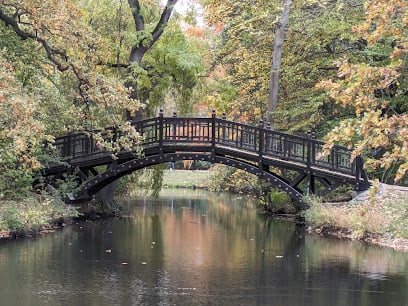
Because Germany is a safe, high-index country, outdoor cruising areas can be named. Long-standing spots include the wooded western side of Clara-Zetkin-Park around the Nonnenweg, and the quieter shores of two lakes south and west of the city, Cospudener See and Kulkwitzer See, both busiest in warm weather. These are public spaces shared with families and swimmers, so discretion, respect for other visitors and taking no for an answer are essential.
Getting Around
Getting around is easy: trams, buses and the S-Bahn cover the city, the centre is very walkable, and cycling is well supported. Most gay venues and the Zentrum sit within a short walk or tram ride of each other. Leipzig has an excellent, affordable food scene with strong vegetarian and vegan options, especially around the Südvorstadt, plus world-class culture in the Gewandhaus orchestra, the Museum of Fine Arts and the Museum of Contemporary History. Easy day trips include Dresden (about 90 minutes by train), the porcelain town of Meissen, and hiking in Saxon Switzerland. The best time to visit is May to September, taking in CSD in July, and Leipzig remains noticeably cheaper than Berlin or Munich.












 Gay-Friendly Bars & Clubs
Featured
(75)
Gay-Friendly Bars & Clubs
Featured
(75)