Same-sex marriage (Ehe für alle) legalised 1 October 2017. Civil partnerships (Lebenspartnerschaft) had been available since 2001. Joint adoption rights for same-sex couples since 2017. Strong federal anti-discrimination protections (AGG, General Equal Treatment Act 2006) covering employment, goods and services. Conversion therapy banned for minors 2020; full ban for adults proposed but not yet enacted as of 2026. Trans legal gender change requires psychological assessment and court order…
Cologne locals insist that Bear culture got its start in Germany, and along with Hombres, this large and convivial joint is the best place for bears, cubs and masculine men.
Popular gay bar in Cologne that attracts mostly young guys. Pop and dance music, by far the best playlist of all the gay bars. If you’re super nice to the bar man he’ll take requests for songs too.
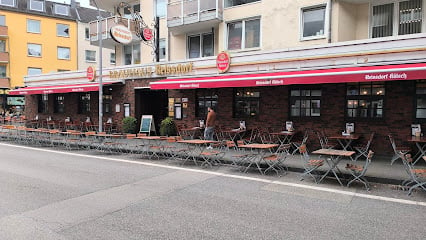
At Ex Corner, you're one of the guys. With a great mix of patrons, it's everyman's bar. Come for the laid-back and friendly atmoshpere, stay and make a friend.
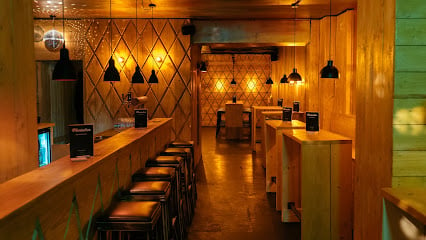
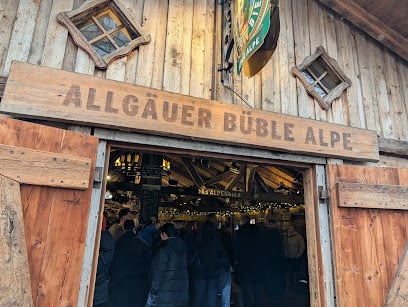
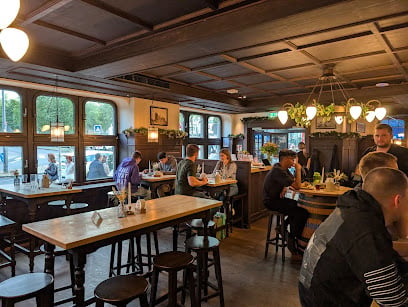
One of the most popular gay bar in the Old Town of Cologne. The special interiors, self-built tables, unique door handles, the elaborate light show that changing decorations, and always varied…
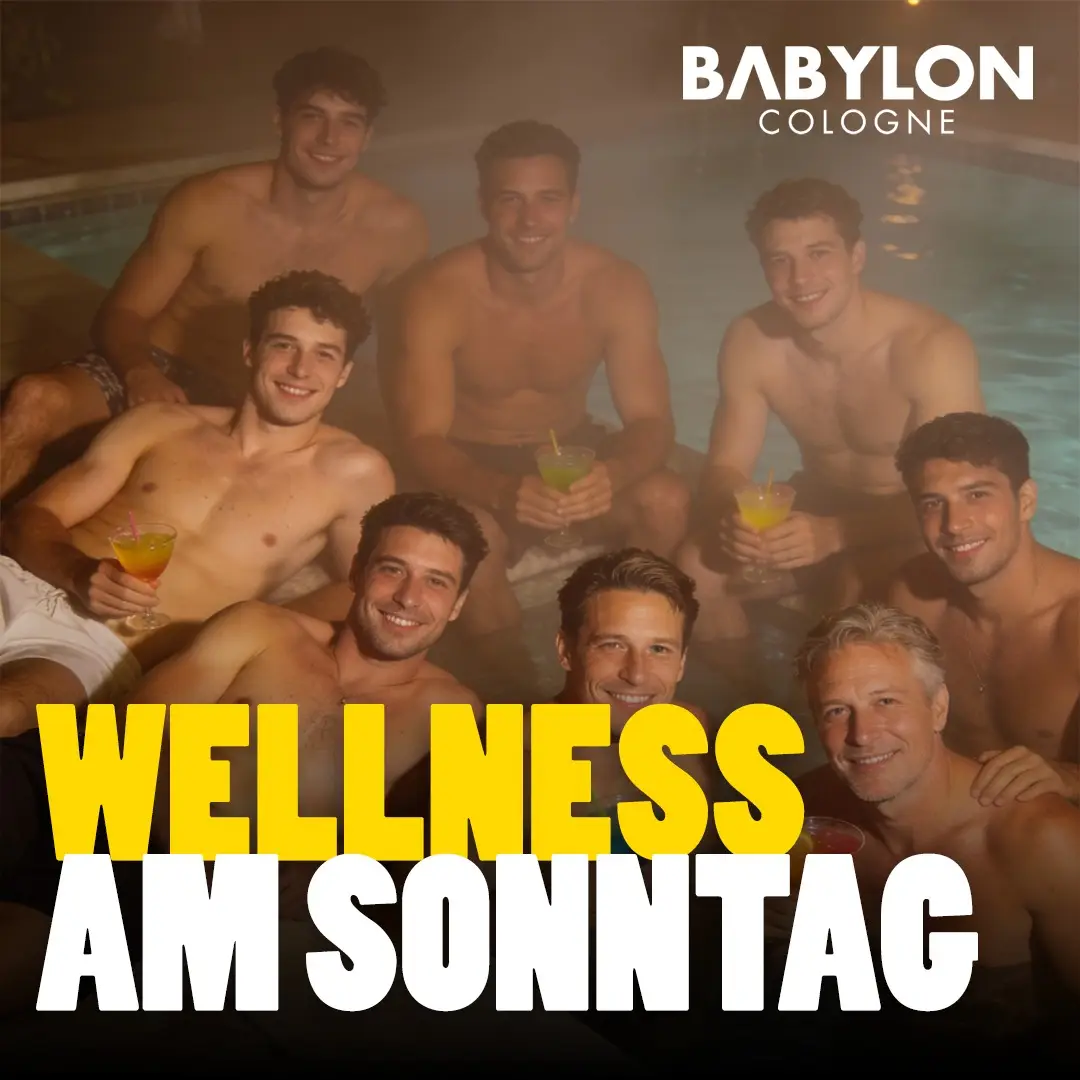
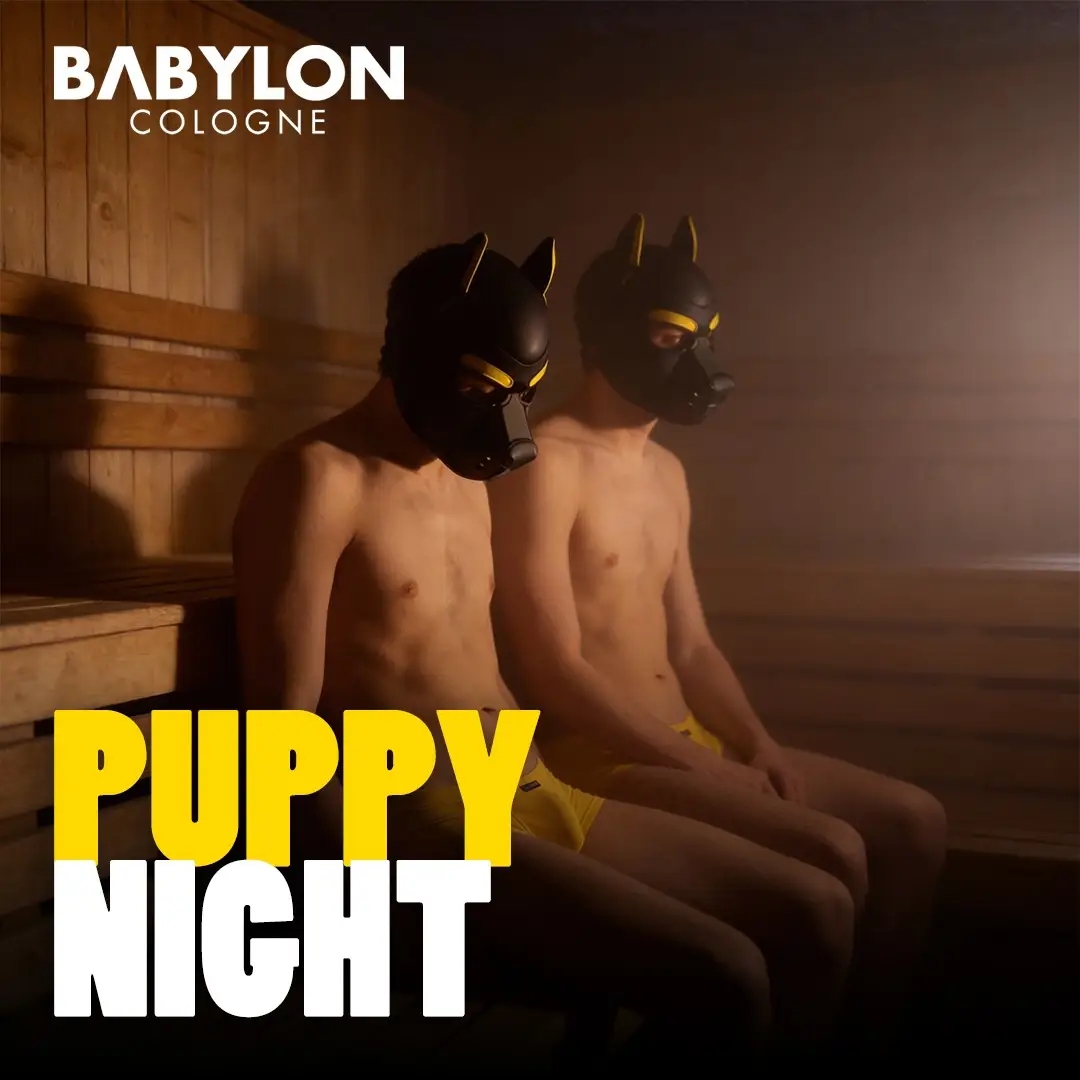
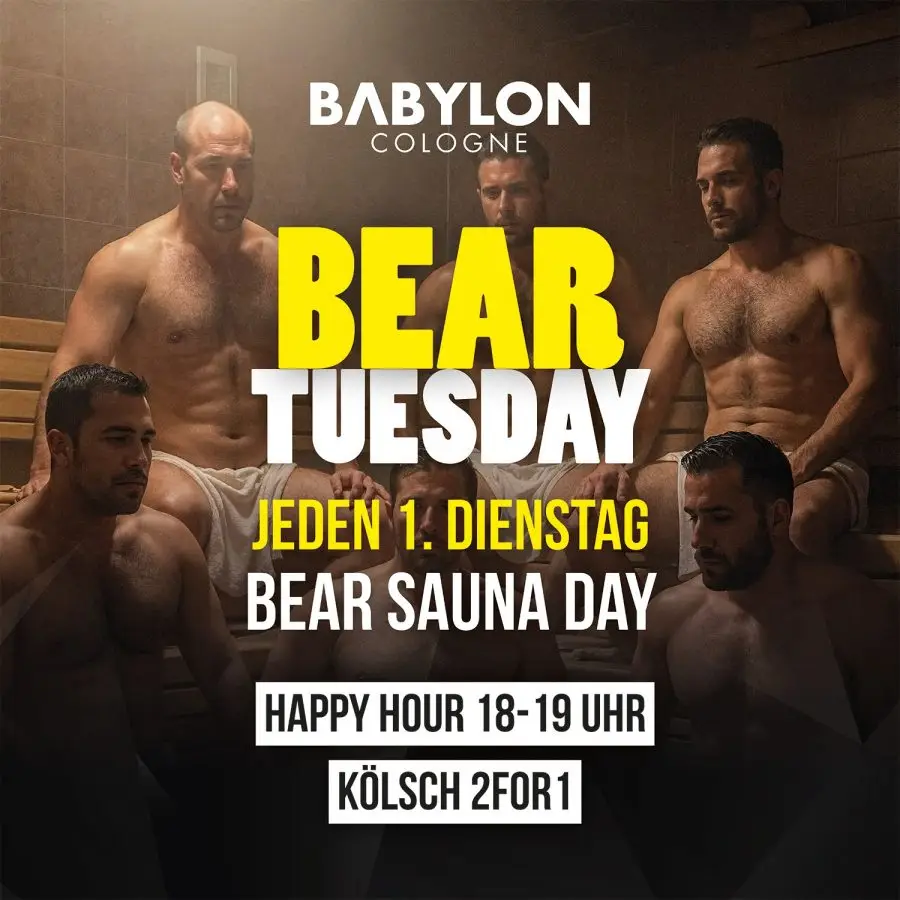
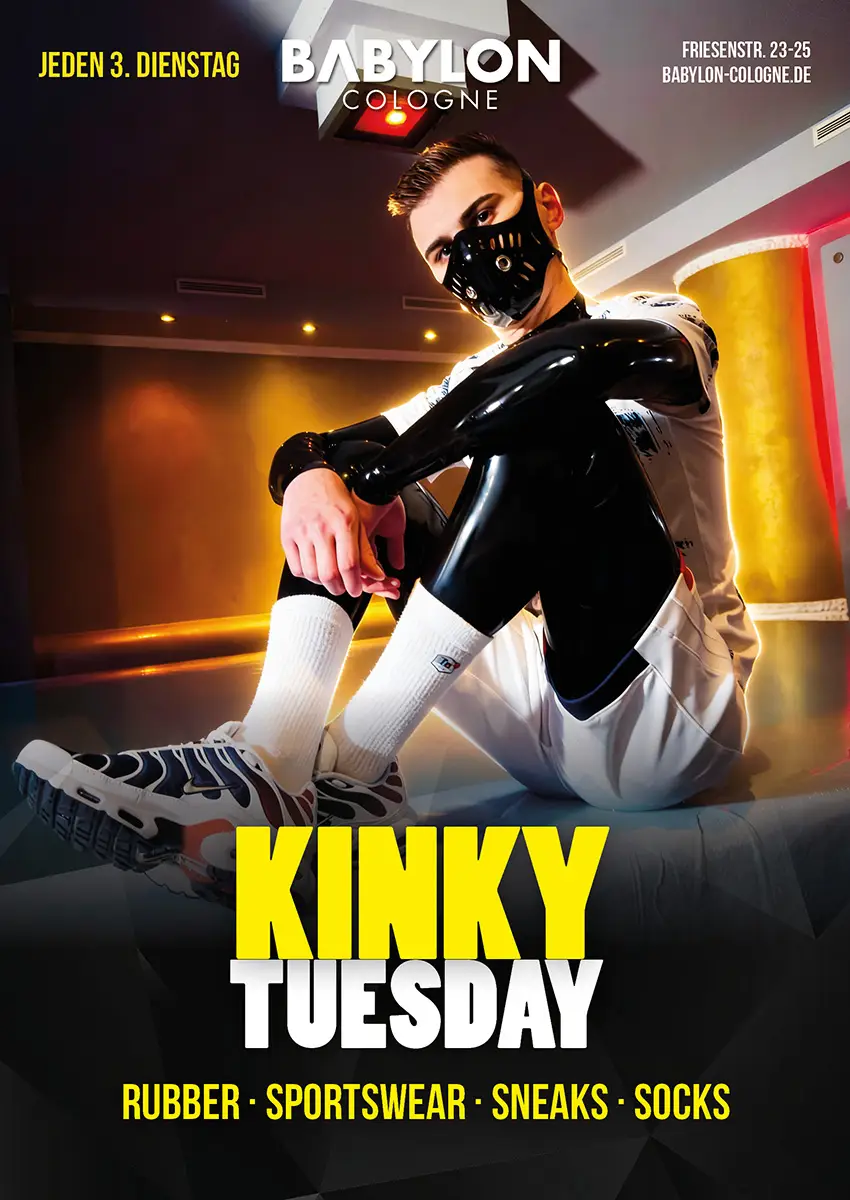
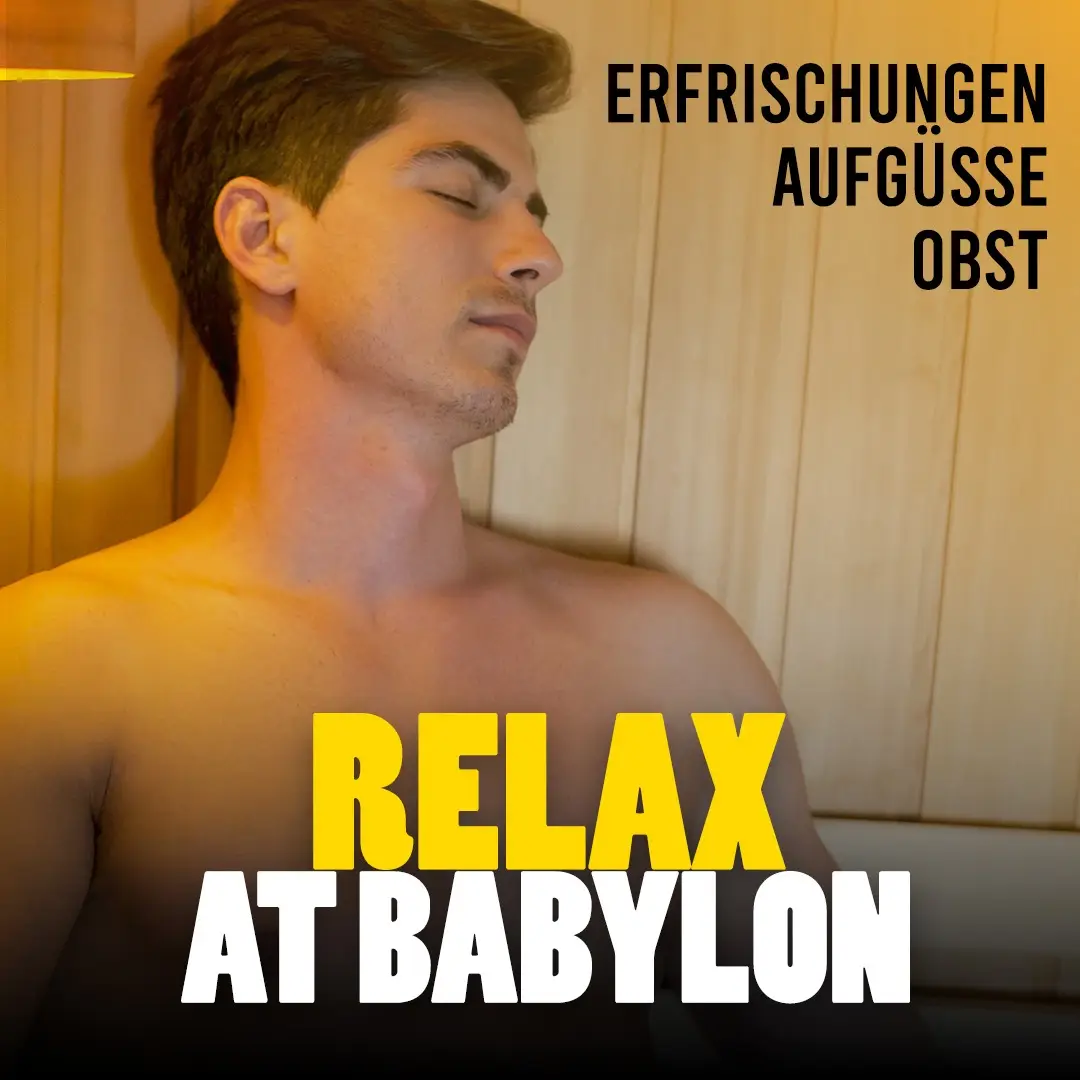
Badehaus Babylon Cologne is one of the most beautiful gay saunas in Europe, famous for its pool in the inner courtyard in Mediterranean style. Outstanding gay sauna.
Young and stylish popular gay sauna in Cologne. With hot-jacuzzi, an entire new bar and vast cruising-areas. Young local crowd. Open every day of the year. Entrance 17.
A relatively new gay concept store has already proven very popular with Cologne’s gay crowd. MGW sells large selection of gay adult toys, fetish gear, magazines and more.
A large gay cruising bar and club in Cologne, The biggest and the most popular with a dance floor on the main level and play areas with private cabins downstairs.
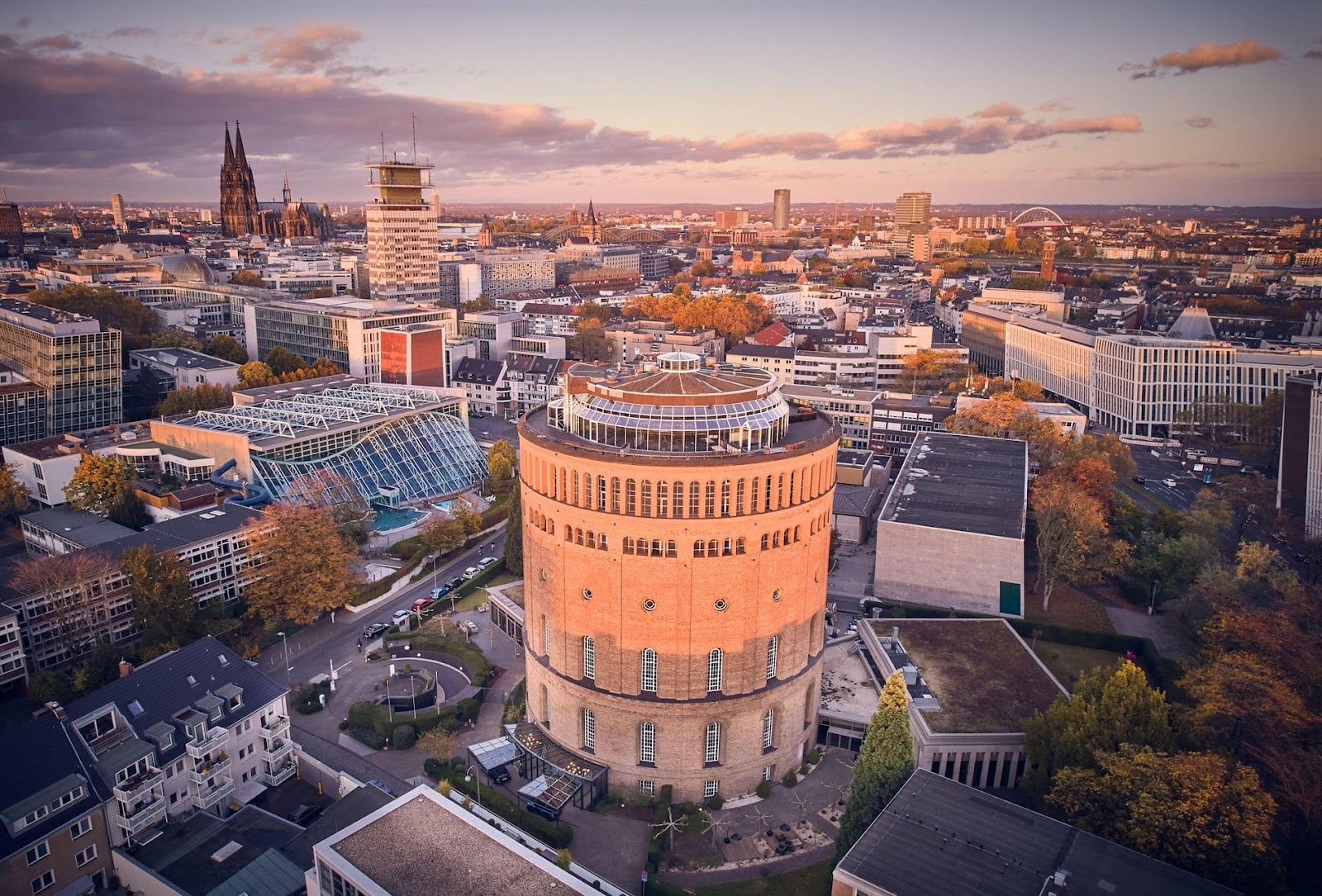
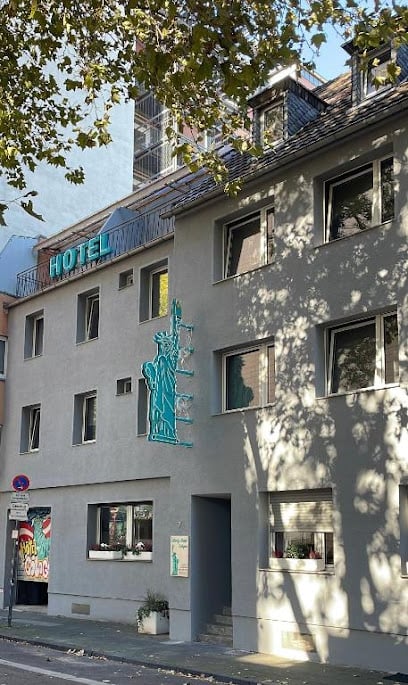
Luxury hotel in a converted 19th-century water tower in the gay district — the most dramatic hotel in Cologne, gay-friendly, 10 minutes' walk from the Schaafenstraße.
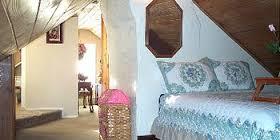
Hotel Cologne Rudolfplatz has a guest rooms feature a comfortable beds, satellite TV and desk. Majority of the rooms are gigantic, far bigger than most hotels. Some rooms have great city views.
The stylish HOPPER Hotel et cetera offers 48 modern, en suite guest rooms. The hotel has a gym, solarium and sauna, and the onsite restaurant has a courtyard terrace, serving a variety of…
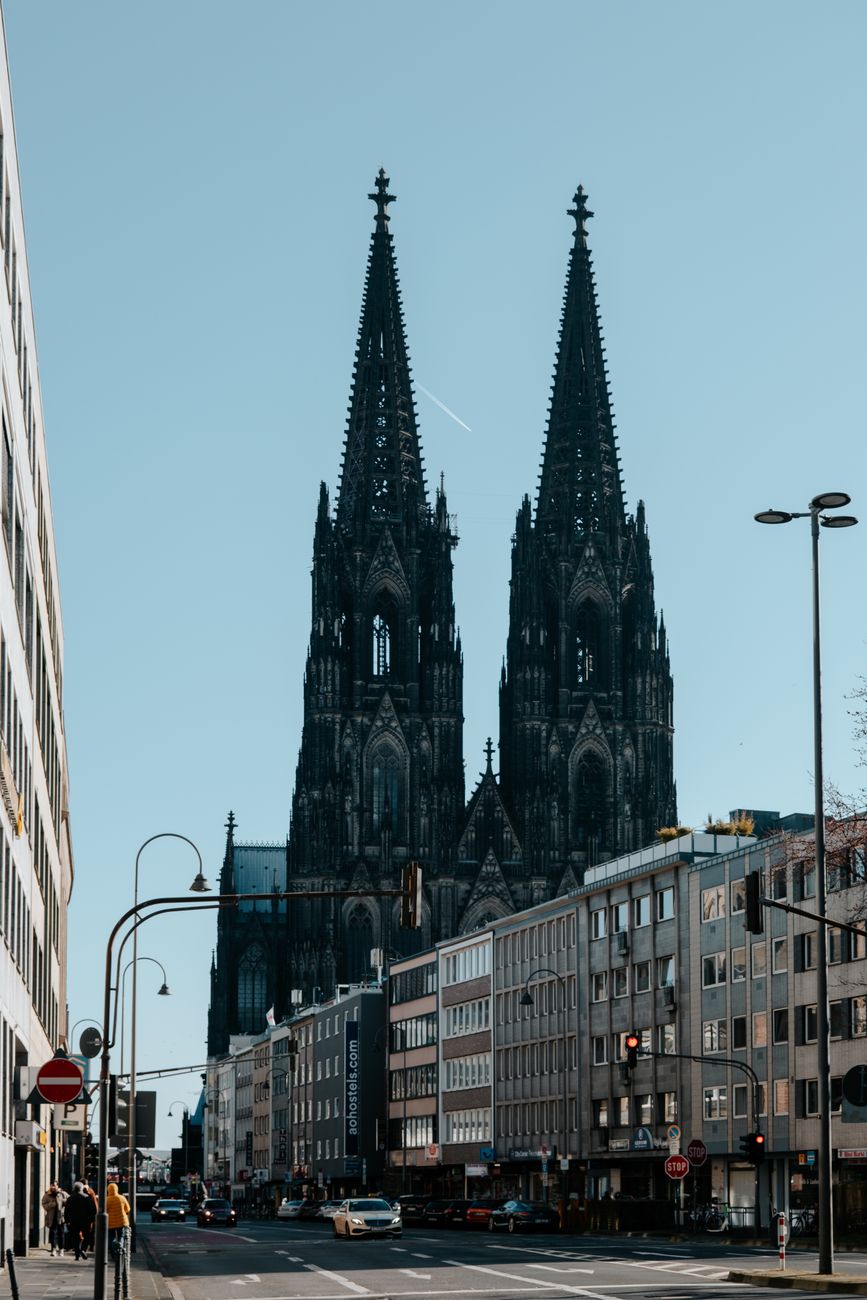
Cologne has one of Germany's oldest and most established LGBTQ+ communities, with documented gay life dating back well over a century despite the persecution of the Nazi era. The modern scene took shape from the 1970s onward, expanding through the 1980s and 1990s into the network of bars and institutions that exists today. Alongside Berlin and Munich, Cologne now ranks among Germany's top gay destinations, combining a strong local community with plenty of visitor infrastructure.
The geographic heart of the scene is the Bermudadreieck (Bermuda Triangle), the cluster of gay venues around Rudolfplatz at the western edge of the old inner city. The main artery is Schaafenstraße, lined with bars such as Die Mumu, ExCorner, Exile on Main Street and the Iron cocktail lounge; the surrounding streets — Mühlenbach, Mauritiuswall, Am Rinkenpfuhl and Pipinstraße — fill out the triangle with spots like COX (a bear and men's bar), My Lord, Barcelon, Schampanja, IxBar, Hennes' Terrasse and Nachteule. Everything sits within a few minutes' walk, giving the quarter an intimate, village-like feel in the middle of a major city. Just to the south, around Mathiasstraße in the Altstadt-Süd, is the city's leather and cruise corner, home to Deck 5, Station 2B, Pullermanns and Kinkz. A short walk north, the Belgisches Viertel (around Friesenstraße and Friesenwall) is a more laid-back, mixed area with queer-friendly cafés and bars such as Café Era and Bliss Bar.
Cologne's bar and club scene is substantial and varied, ranging from cosy neighbourhood pubs and cocktail lounges to cruise bars and weekend dance clubs like VENUE Weekend Club and Klub Domhof, plus regular gay and lesbian party nights at venues such as the Gloria Theater. Sauna culture is a significant part of German gay life, and Cologne keeps three dedicated gay saunas: Phoenix on Richard-Wagner-Straße and Vulcanus on Marienplatz, both with large cruising areas, and the Badehaus Babylon on Friesenstraße, the biggest of the three and a decades-old institution with an outdoor pool.
Cologne Pride (ColognePride), the city's signature event, is one of Europe's largest. Held each July — in 2026 the street festival runs 3–5 July with the main parade on Sunday 5 July — it spans several days and draws well over a million visitors. The parade winds through the city centre, and stages, cultural performances and parties fill the surrounding streets, organised by the Kölner Lesben- und Schwulentag (KLuST e.V.). Pride month brings a wider programme of club nights, film screenings and community events. Cologne also hosts other recurring highlights, including the European Bear Weekend in November and Cologne Fetish Pride around Pentecost in late May.
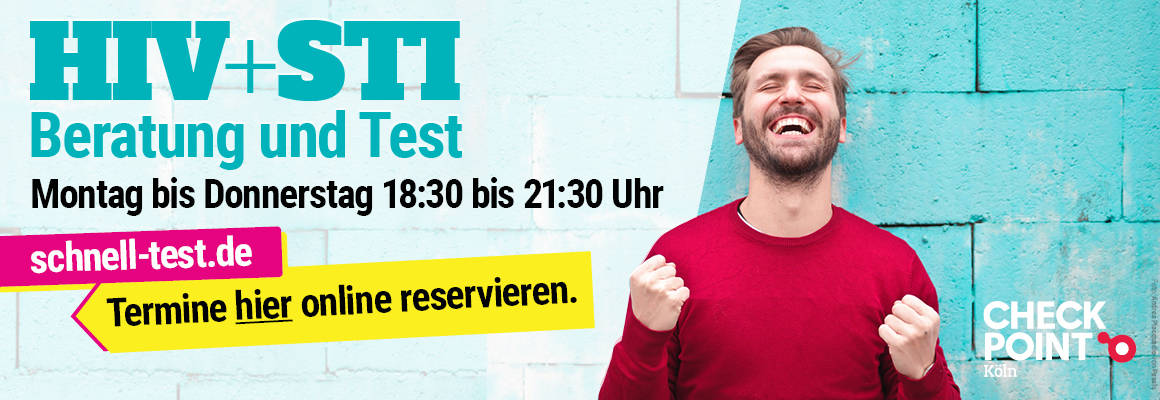
Community support is strong. rubicon e.V., on Rubensstraße near Rudolfplatz, is the city's main LGBTIQ+ counselling and community centre, offering advice, youth and senior programmes and social groups. Aidshilfe Köln runs Checkpoint Köln on Pipinstraße, providing free, anonymous HIV and STI testing and sexual-health advice. Together with ColognePride these organisations anchor a well-connected local scene.
Where to Stay
Accommodation is plentiful. Staying near Rudolfplatz or in the neighbouring Neustadt and Belgisches Viertel puts you within walking distance of the gay quarter, while the Altstadt by the cathedral is convenient for sightseeing though generally pricier. Many hotels and guesthouses are explicitly LGBTQ+-friendly, and short-term rentals are widely available across the city.
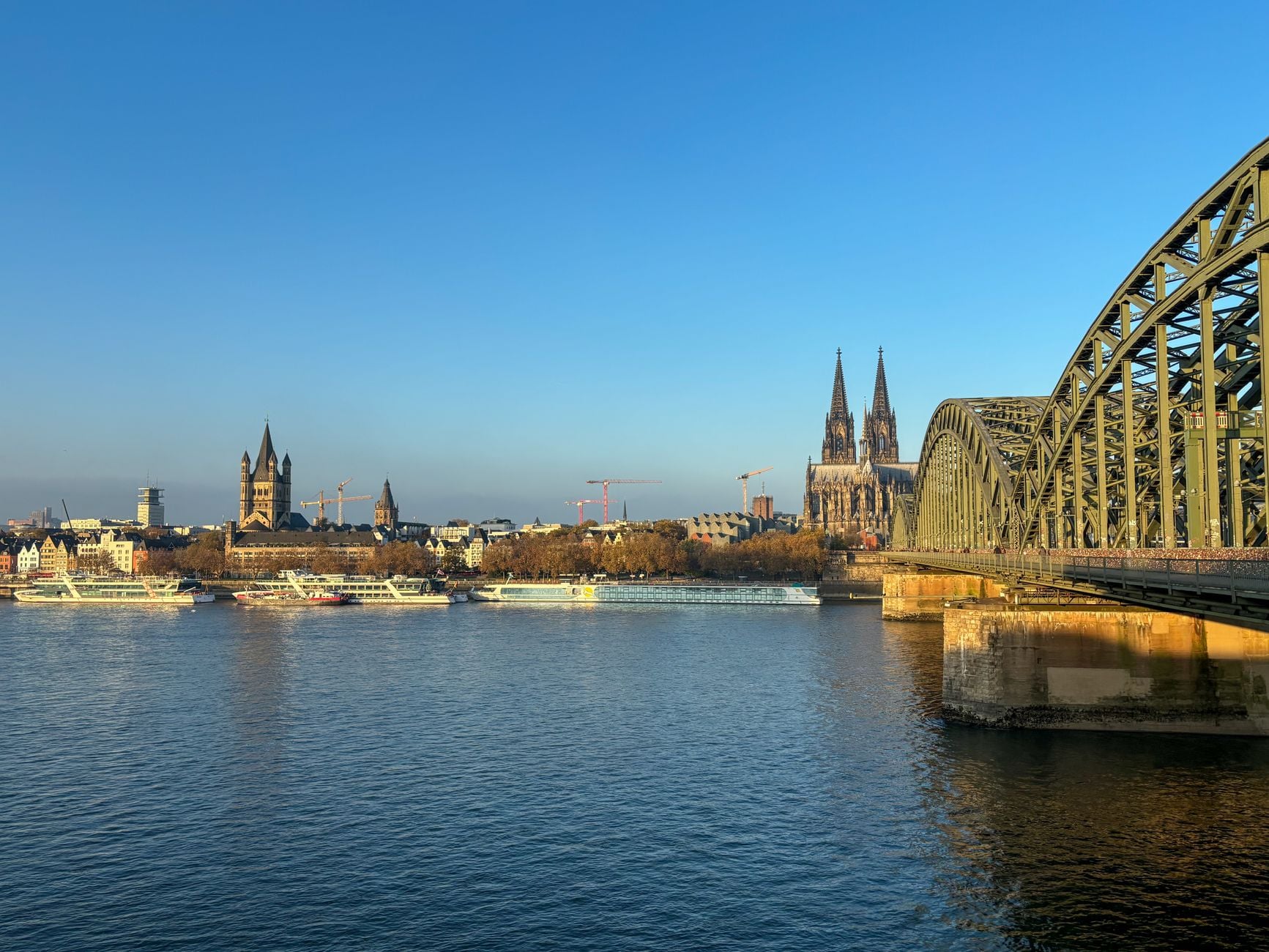
Getting around Cologne is straightforward. The KVB public-transport network runs U-Bahn, trams and buses with excellent coverage, and the gay quarter is compact and highly walkable. The city is cyclist-friendly with extensive bike lanes. Cologne Bonn Airport (CGN) is about 15 kilometres from the centre, roughly 15 minutes by S-Bahn to the main station (Köln Hauptbahnhof), which sits right beside the cathedral and Altstadt, making arrival by rail very easy.
Safety
Safety in Cologne is generally excellent for LGBTQ+ travellers. Germany has robust legal protections including marriage equality and comprehensive anti-discrimination laws, and Cologne is a notably progressive city where a visible LGBTQ+ presence is normal in daily life. Same-sex couples can hold hands and show affection without meaningful risk. Standard urban awareness applies, particularly late at night around nightlife areas and at outdoor cruising spots such as Aachener Weiher, where there have been occasional reports of harassment.
Food & Drink
Food culture is a highlight. The local speciality, Kölsch (a pale, top-fermented beer), is served in traditional beer halls across the city, and Cologne cuisine features hearty dishes like Sauerbraten and Himmel un Ääd. Around the gay quarter you will find plenty of international restaurants, casual eateries and cafés that double as daytime social hubs, and vegetarian and vegan options are easy to come by.
Day trips are rewarding. The Rhine Valley, a UNESCO World Heritage site to the south, offers castles, wine villages and river cruises within about an hour. Düsseldorf, with its own gay scene, is roughly 40 kilometres north and about 30 minutes by train, and Bonn — Beethoven's birthplace and the former West German capital — lies just to the south. The Eifel region provides rural scenery and outdoor recreation, all easily reached by Germany's excellent rail network.
Practical information: Germany uses the euro (EUR). German is the main language, but English is widely spoken in Cologne, especially in tourist areas and the gay scene. Most cards are accepted, though some smaller bars still prefer cash, and public toilets often charge a small fee. Public displays of affection between same-sex couples are entirely unremarkable here. The best time to visit depends on your priorities: Pride in early July brings the biggest celebration but also the largest crowds and highest prices, late spring and early autumn offer pleasant weather with an active scene, and even the grey winter months are brightened by Cologne's famous Christmas markets and Carnival.
Frequently asked questions
The primary gay district is the Bermudadreieck (Bermuda Triangle) around Rudolfplatz, a compact cluster of streets — above all Schaafenstraße, plus Mühlenbach, Mauritiuswall, Am Rinkenpfuhl and Mathiasstraße. The nearby Belgisches Viertel (Belgian Quarter) is a more relaxed secondary area with queer-friendly cafés and bars.
Most gay bars and clubs concentrate in the Bermudadreieck around Rudolfplatz. Key streets are Schaafenstraße (Die Mumu, ExCorner, Exile, Iron), Mühlenbach and Mauritiuswall (COX, My Lord, IxBar, Hennes' Terrasse, Schampanja), and Mathiasstraße for the leather and cruise venues (Deck 5, Station 2B, Pullermanns). Everything is within a 10–15 minute walk.
Cologne is famous for its open, easy-going attitude and love of celebration. The Bermudadreieck around Rudolfplatz has a lively, walkable street scene with plenty of outdoor seating, while the Belgisches Viertel offers a more relaxed, less commercial vibe. The city hits its exuberant peak during ColognePride in July.
Yes, many bars cater to different crowds, some focusing on younger people, others on a more mature clientele. Clubs often feature different musical styles like techno, house, pop, and commercial dance music.
Gay dance clubs in Cologne typically operate Thursday through Sunday nights, with peak hours after midnight.
Yes. rubicon e.V. on Rubensstraße is the city's main LGBTIQ+ counselling and community centre, Aidshilfe Köln runs Checkpoint Köln for free, anonymous HIV and STI testing, and the Kölner Lesben- und Schwulentag (KLuST) organises ColognePride. Together they anchor a well-connected local community.
Your privacy choices.
We use cookies to run GayOut and, with your consent, measure usage. Learn more
Your privacy choices
We use cookies to keep GayOut running, remember your preferences, and (with your permission) measure how the site is used. You can accept all, reject all, or pick what you allow. Learn more
Essential
Required for sign-in, fraud prevention, CSRF protection and remembering your language. Cannot be disabled.
Always on
Remembers your favourites, dark mode and other interface preferences across visits.
Helps us understand which pages people visit (Google Analytics, server-side stats) so we can improve.
Used by campaign tracking pixels. None are active right now, reserved for future use.
Install GayOut
Add GayOut to your home screen for faster access, offline favourites, and Pride alerts.









 Gay Bars & Clubs
(3)
Gay Bars & Clubs
(3)