Same-sex marriage (Ehe für alle) legalised 1 October 2017. Civil partnerships (Lebenspartnerschaft) had been available since 2001. Joint adoption rights for same-sex couples since 2017. Strong federal anti-discrimination protections (AGG, General Equal Treatment Act 2006) covering employment, goods and services. Conversion therapy banned for minors 2020; full ban for adults proposed but not yet enacted as of 2026. Trans legal gender change requires psychological assessment and court order…
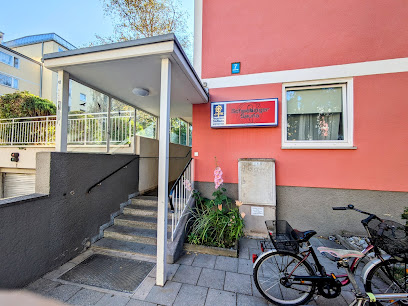
Munich's most famous gay institution — a guesthouse and restaurant since 1864, gay since 1975. The most historically significant LGBTQ+ venue in Bavaria. Rainer Werner Fassbinder drank here.
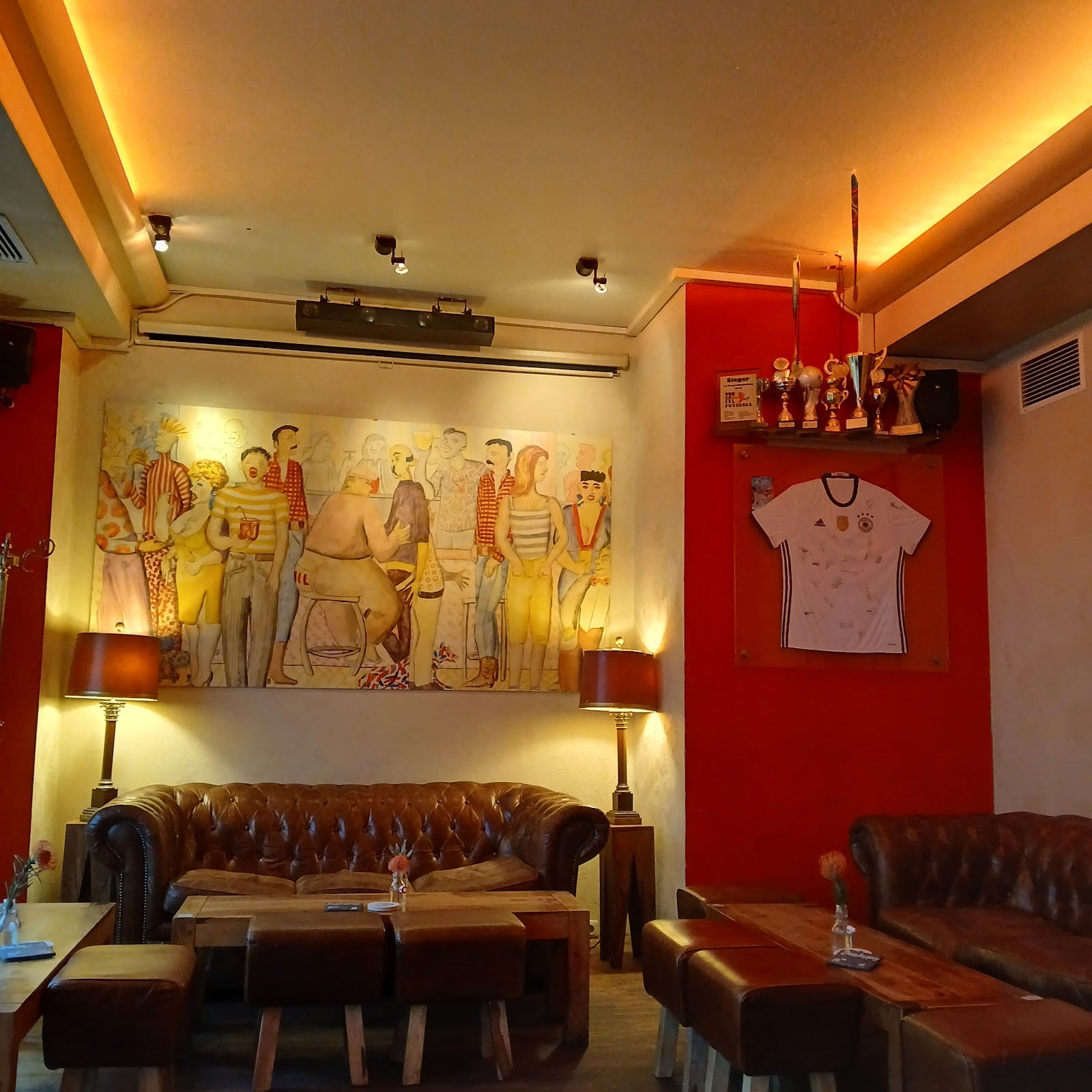
Lesbian and queer women's café-bar at the Sendlinger Tor end of the Glockenbachviertel — breakfasts, cocktails, community events. Munich's primary daytime lesbian gathering point.
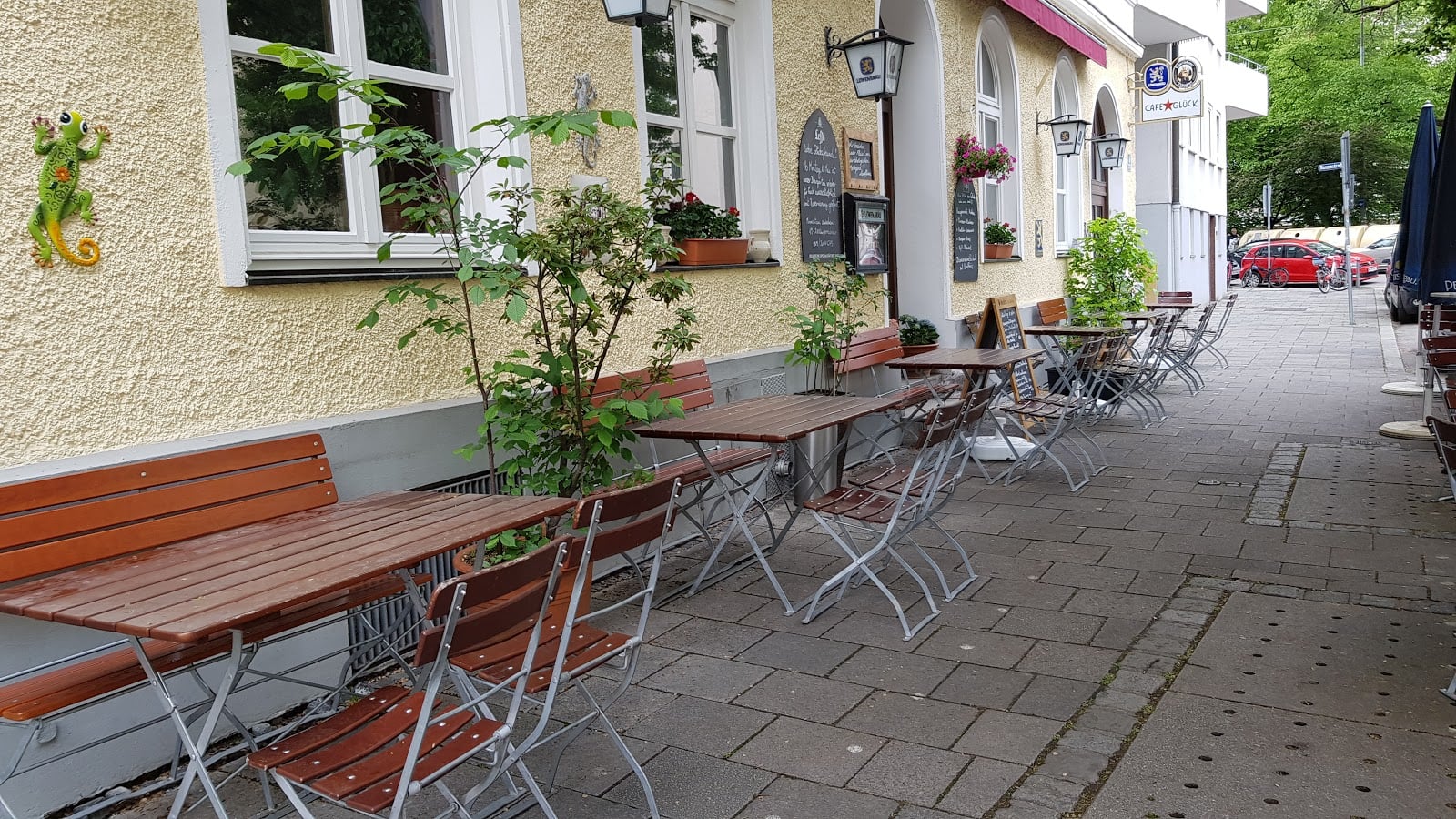
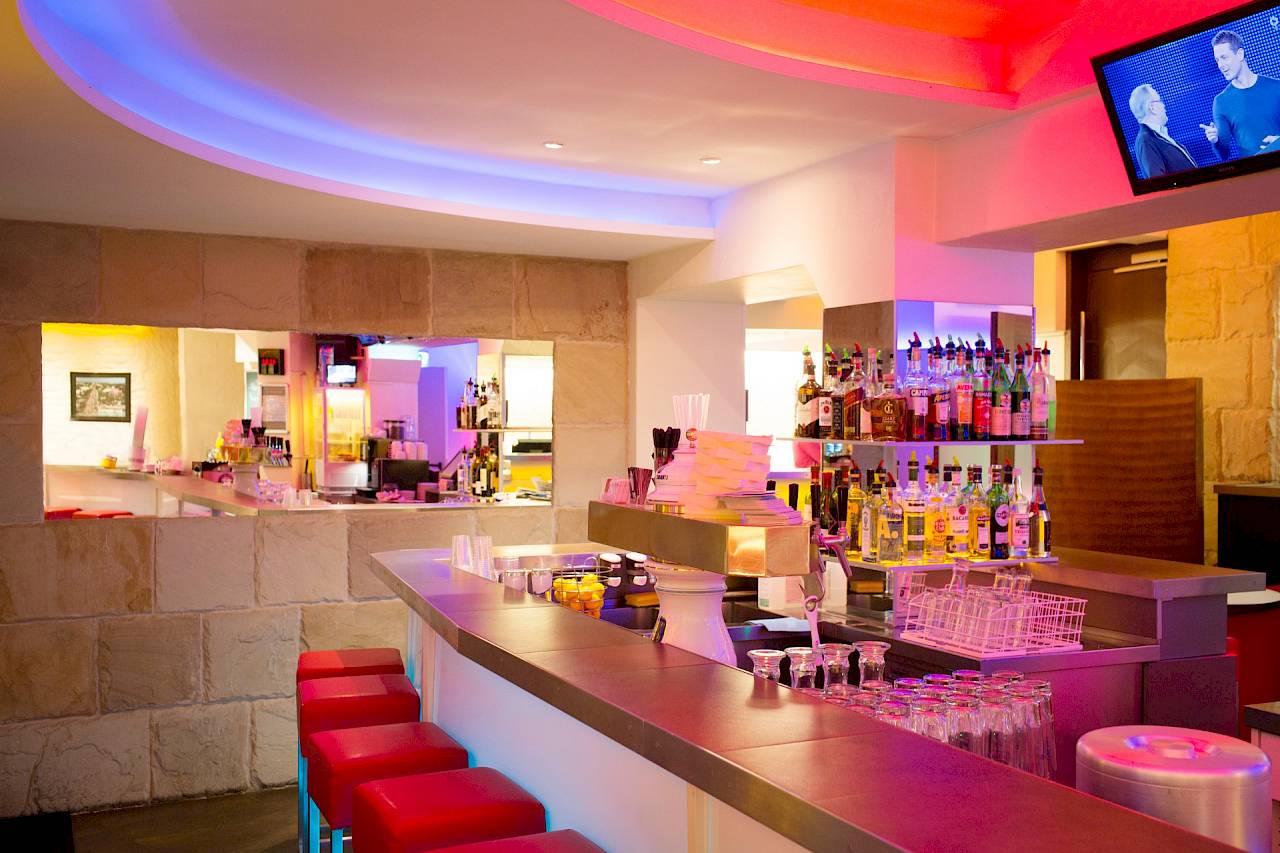
Glockenbachviertel's most social gay bar — Hans-Sachs-Straße corner location, terrace, diverse queer crowd. The community living room of Munich's gay district.
The sauna complex attached to Munich's most famous gay institution — steam, dry sauna, pool, darkrooms and rest area in the same historic building as the restaurant and hotel. A Munich institution.
Erotixx is a Gay adult online store in Germany that sells everything from DVD’s, toys, condoms. Erotixx has a cruising area with relaxing cabins, movie lounge and internet terminal.
BUDDY is Munich’s oldest gay adult shop selling underwear, jockstraps, leather gear, DVD’s, toys, accessories, etc. BUDDY has a small, cruisy cinema in the back.
Duplexx is a Gay cruise club, adult shop & cinema in central Munich. Duplexx sells everything from DVD’s, toys, condoms and other accessories. There’s also have cruising area.
Gay hotel in Munich's most historic LGBTQ+ building — 25 rooms, Glockenbachviertel location, attached restaurant, beer garden and sauna. The first-choice gay hotel in Bavaria.
Located just moments from the best gay bars around Sendlinger Tor. Carat Hotel offers modern, en suite rooms, suites and apartments that overlook the hotel’s courtyard or park.
The budget friendly Hotel Bristol Munich is located very close to the Sendlinger Tor U-Bahn station, close to gay bars, restaurants and cafes, and less than 10 minutes to Karlsplatz (Stachus) and…
A 5-minute walk from Hauptbahnhof U-Bahn station. The relaxed rooms offer free Wi-Fi, flat-screen TVs, desks and minibars. Suites add separate living and dining areas.
Bavarian restaurant & pub located in the heart of Munich. Andy’s Krablergarten serves a selection of meals and drinks throughout the day. A great place to go during the summer months.
Sub is a cultural centre for the LGBT community in Munich (Schwules Kommunikations und Kulturzentrum) under one roof. From gay to gray, trans to sports, etc.
The pink triangle plaque at the Dachau Memorial honouring the camp's homosexual prisoners — made by activists in 1985, admitted to the memorial room only in 1995.
Munich's LGBTQ+ Scene: A Historical Overview and Contemporary Life
Munich's LGBTQ+ history is a narrative of endurance. Early activism in Weimar Germany faced severe disruption under Nazi rule. Following World War II, a more private gay scene emerged in West Munich, becoming more visible from the 1970s. The modern LGBTQ+ movement gained traction in the 1980s and 1990s, with the Glockenbachviertel solidifying as the primary hub for LGBTQ+ life. Today, Munich's scene blends established venues with contemporary spaces, prioritizing community engagement over overt commercialism.
The Glockenbachviertel: Munich's LGBTQ+ Hub
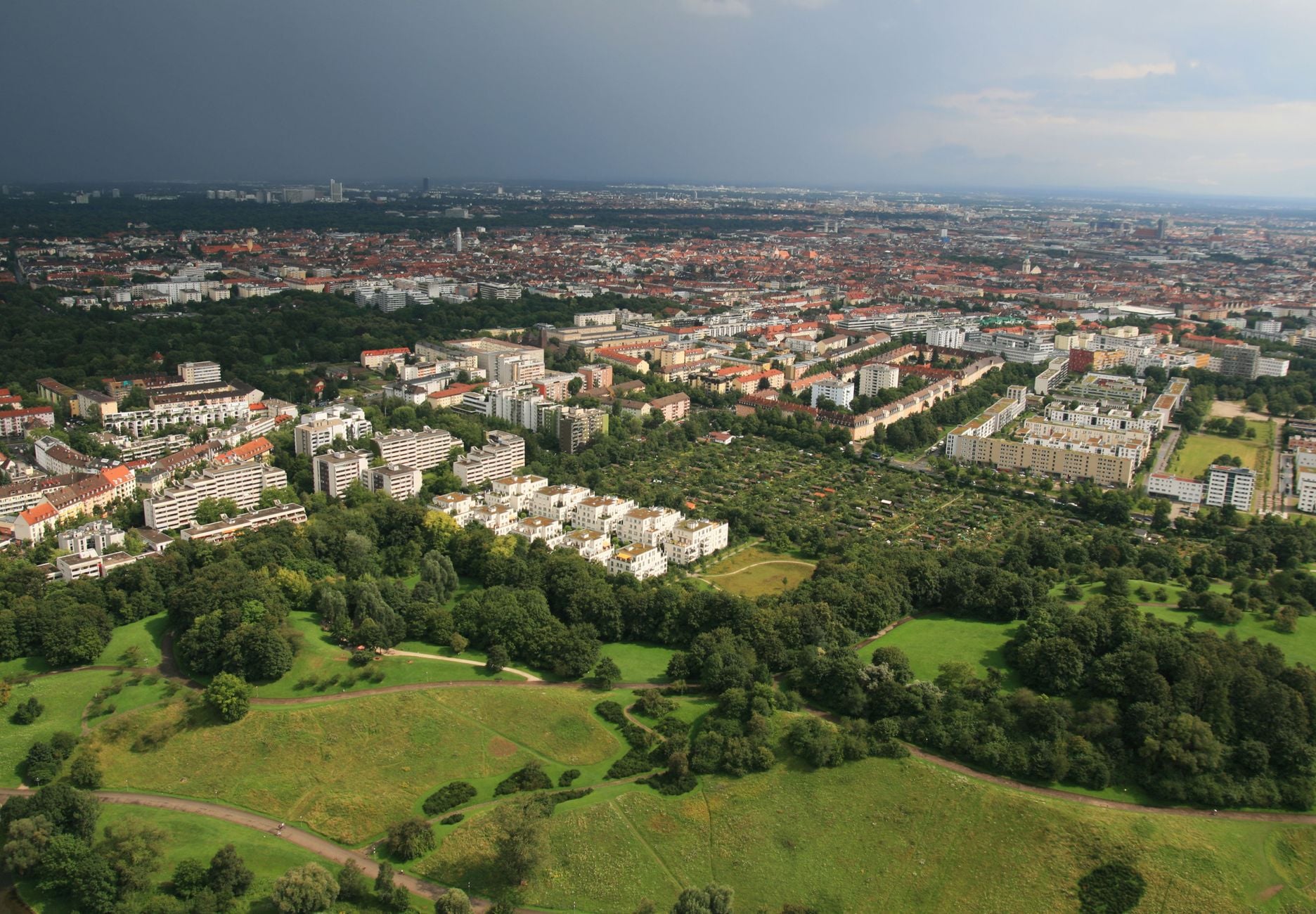
South of Marienplatz, the Glockenbachviertel, often referred to as the Gärtnerplatzviertel, serves as Munich's central LGBTQ+ district. Its boundaries generally encompass Reichenbachstrasse, Klenzestrasse, and the Isar River. Streets like Müllerstraße, Hans-Sachs-Straße, Reichenbachstraße, and the area around Gärtnerplatz host a concentration of LGBTQ+-friendly bars, restaurants, and shops. The atmosphere feels like a local neighborhood, with many establishments welcoming both residents and visitors, fostering a sense of community.
Within the Glockenbachviertel, the historic Deutsche Eiche (a gay hotel, café-restaurant and bathhouse on Reichenbachstraße) is a landmark, alongside the veteran leather bar Ochsengarten (open since 1967) and lively party bars such as Prosecco and Nil. Two gay saunas operate nearby, and the community centre Sub sits on Müllerstraße.
Venues and Nightlife
Munich's nightlife includes dedicated LGBTQ+ venues and mixed establishments. The Deutsches Theaterhaus occasionally hosts relevant events. While Munich has dance clubs that sometimes feature LGBTQ+ nights, the scene is less club-centric than in some other major cities. Saunas are a notable part of Munich's gay culture, with several establishments providing modern amenities and social spaces. Most are community-focused rather than solely for cruising.
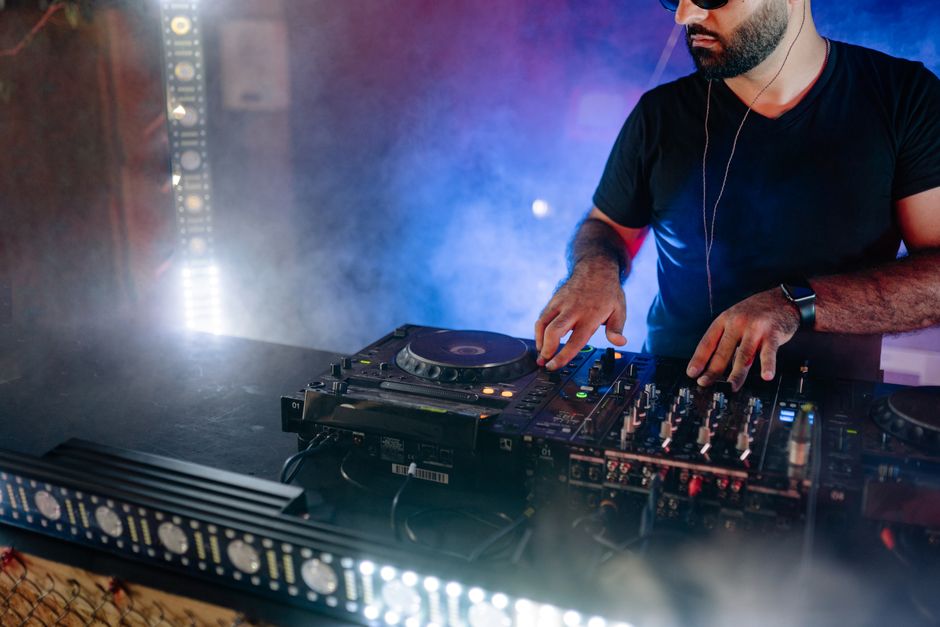
For drinks, the Glockenbachviertel provides a range of options, from intimate wine bars to livelier spots with DJs on weekends. Many bars welcome a diverse clientele, reflecting Munich's integrated gay scene.
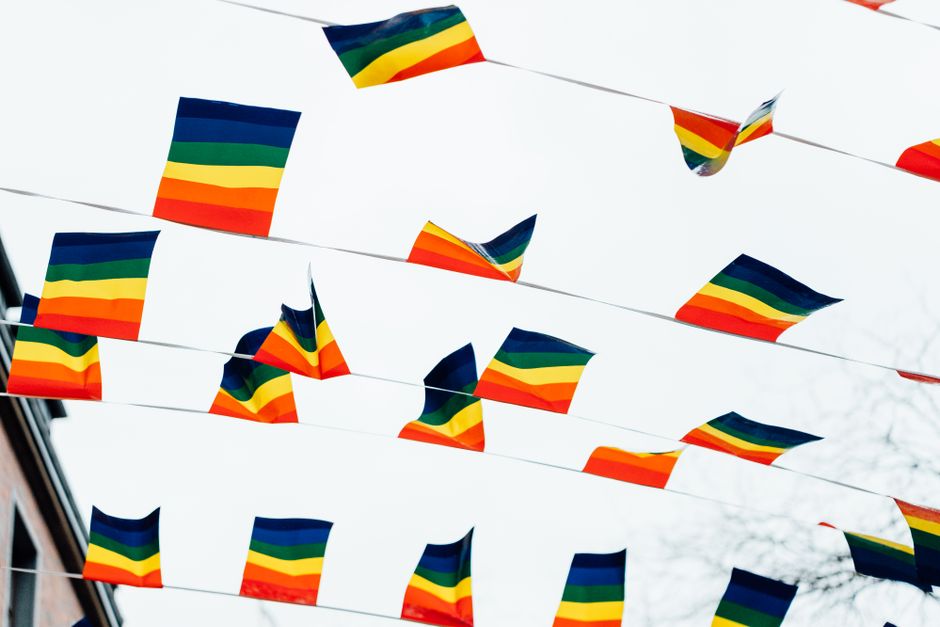
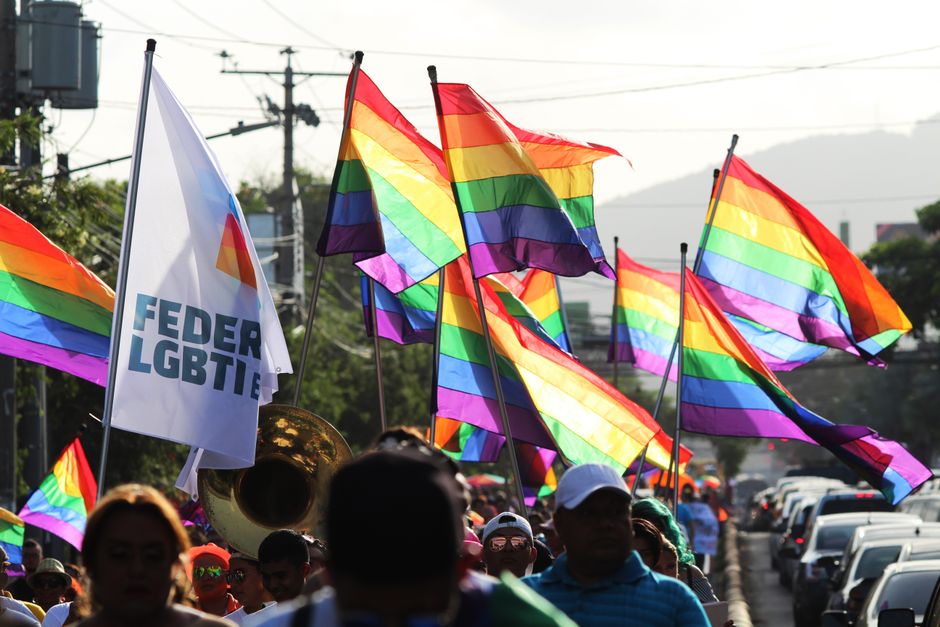
Christopher Street Day (CSD) Munich, held in the second half of June, is the city's main LGBTQ+ event. The celebration includes a large parade that draws hundreds of thousands of participants. In 2026 the PolitParade takes place on Saturday 27 June, winding through the city centre to the street festival, with the Pride Weeks running through mid-to-late June. The event features political discussions, cultural performances, and music, extending an inclusive welcome to allies and families.
Leading up to the main CSD event, various Pride-related activities take place in June. While LGBTQ+ focused events are most concentrated around this period, cultural institutions across Munich offer programming throughout the year.
Where to Stay
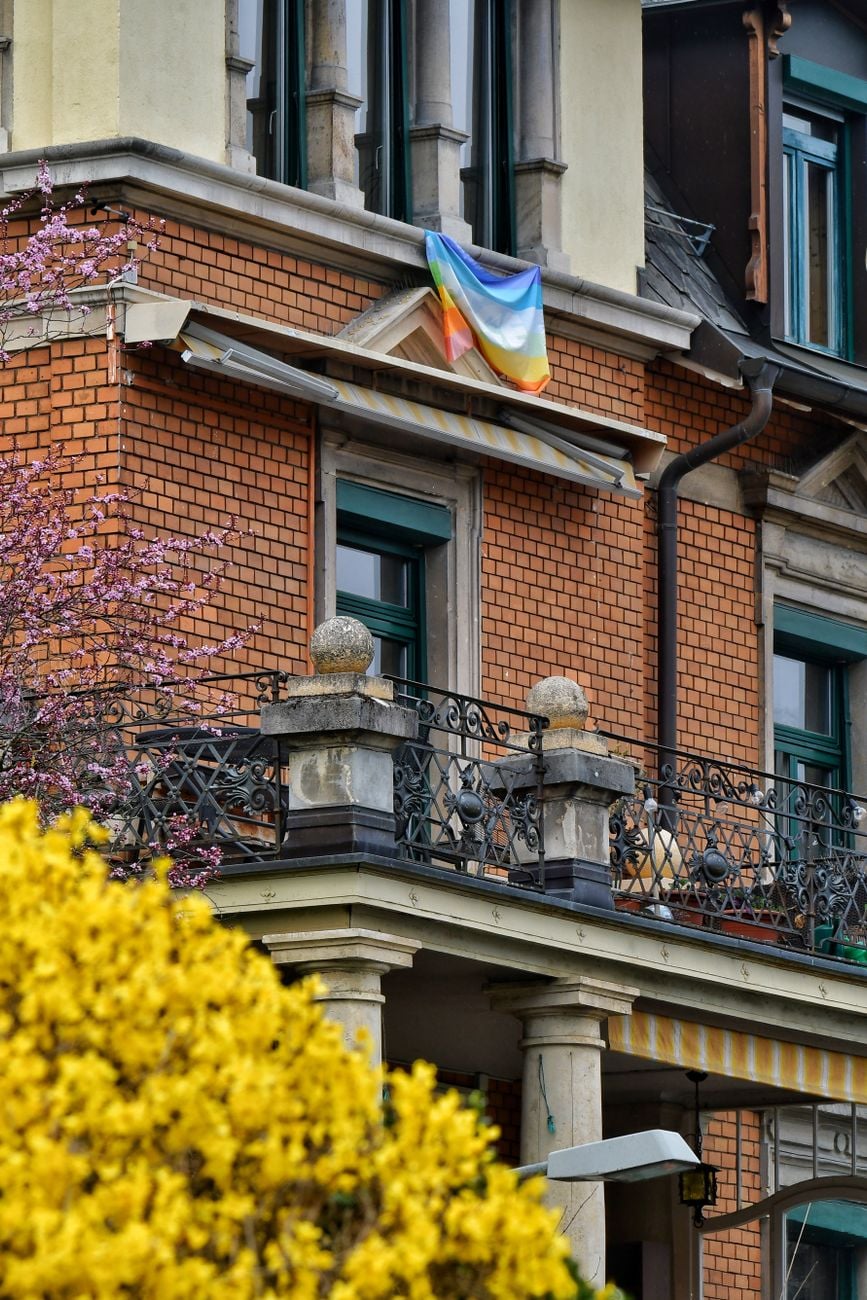
Staying in or near the Glockenbachviertel provides convenient access to LGBTQ+ venues, restaurants, and cafes. The neighborhood offers a selection of smaller hotels and guesthouses, with apartment rentals also available. Alternatively, accommodation in the Altstadt (Old Town) near Marienplatz places visitors close to major attractions and offers easy public transport connections to the Glockenbachviertel. Hotels throughout Munich are generally welcoming to LGBTQ+ travelers, with many displaying rainbow flags during Pride season.
Munich's public transit system, operated by MVG, is efficient and easy to navigate, comprising the U-Bahn (subway), S-Bahn (regional rail), trams, and buses. Many venues in the Glockenbachviertel are within walking distance of the U-Bahn station Fraunhoferstrasse or other central stations. Tickets and day passes are reasonably priced. The system is accessible and generally safe. Cycling is also a popular way to explore the city, with extensive bike lanes.
Safety and General Considerations
Munich is considered a very safe city with low crime rates and a generally welcoming atmosphere for LGBTQ+ travelers. The Glockenbachviertel is safe both day and night, with standard urban precautions advised. While Bavaria has a conservative political reputation, Munich itself is cosmopolitan and progressive, with established legal protections for LGBTQ+ individuals. Same-sex marriage is legal nationwide, and anti-discrimination laws are in place. English is commonly spoken in LGBTQ+ venues, tourist areas, and hotels, particularly by younger people.
Food and Culinary Scene
Munich is known for its Bavarian cuisine, including pretzels, weisswurst, and schweinshaxe. LGBTQ+-friendly restaurants can be found in the Glockenbachviertel and across the city, offering a range of dining experiences. The neighborhood features Italian, Mediterranean, and international restaurants. Beer gardens are a characteristic Munich experience; many are welcoming to a mixed clientele, especially during warmer months. The English Garden, a large urban park, includes beer gardens such as Hirschau and Seehaus, which are relaxed, mixed spaces.
Munich's proximity to the Alps facilitates day trips. Within the city, the English Garden offers opportunities for outdoor activities. Nymphenburg Palace, a Baroque residence with gardens, is accessible by public transport. Lake Starnberg and Lake Ammersee, reachable by S-Bahn, provide options for swimming and hiking. The Bavarian Alps, including towns like Mittenwald and Garmisch-Partenkirchen, are accessible by train. Neuschwanstein Castle is a popular day excursion. Some Alpine villages near Munich have developed LGBTQ+-friendly accommodations, particularly in areas known for outdoor recreation.
Cultural Attractions
Munich boasts numerous cultural institutions. The Deutsches Museum is a large science museum. The Pinakothek museums showcase Old Master paintings and modern art. The Bavarian royal residences, such as Nymphenburg Palace, offer insights into history and architecture. The city's architectural styles range from Gothic to modern. The LGBTQ+ community contributes to Munich's cultural landscape through active artists and performers.
Tips for Visitors
To best experience Munich's LGBTQ+ scene, some research is recommended, as it is less overtly commercialized than in some larger cities. Websites and apps focused on gay Munich can provide current venue listings and event information. Learning a few basic German phrases can be helpful.
Frequently asked questions
The Glockenbachviertel (Gärtnerplatzviertel) is the undisputed centre of Munich's LGBTQ+ scene, home to almost all of the city's gay bars, cafés, clubs and shops around Müllerstraße, Hans-Sachs-Straße and Gärtnerplatz. Schwabing, historically a bohemian quarter, retains a progressive feel and hosts the Schwabinger Men Sauna, but is no longer the main hub.
The Glockenbachviertel is home to many gay venues, including Café Nil, a long-standing gay cafe and meeting point. Visitors can explore side streets and plazas to discover cozy bars, galleries, and cafes.
Munich hosts one of Germany's most established and visible LGBTQ+ communities, with institutional support including city-funded LGBTQ+ centers and inclusion in municipal policy. The city center and neighborhoods like Glockenbachviertel and Schwabing are generally welcoming.
Christopher Street Day (CSD) München — Munich's Pride — takes place in June. The Pride Weeks run through the second half of the month, with the main PolitParade and street festival on the final weekend; in 2026 the parade is on Saturday 27 June. It regularly draws several hundred thousand people into the city centre.
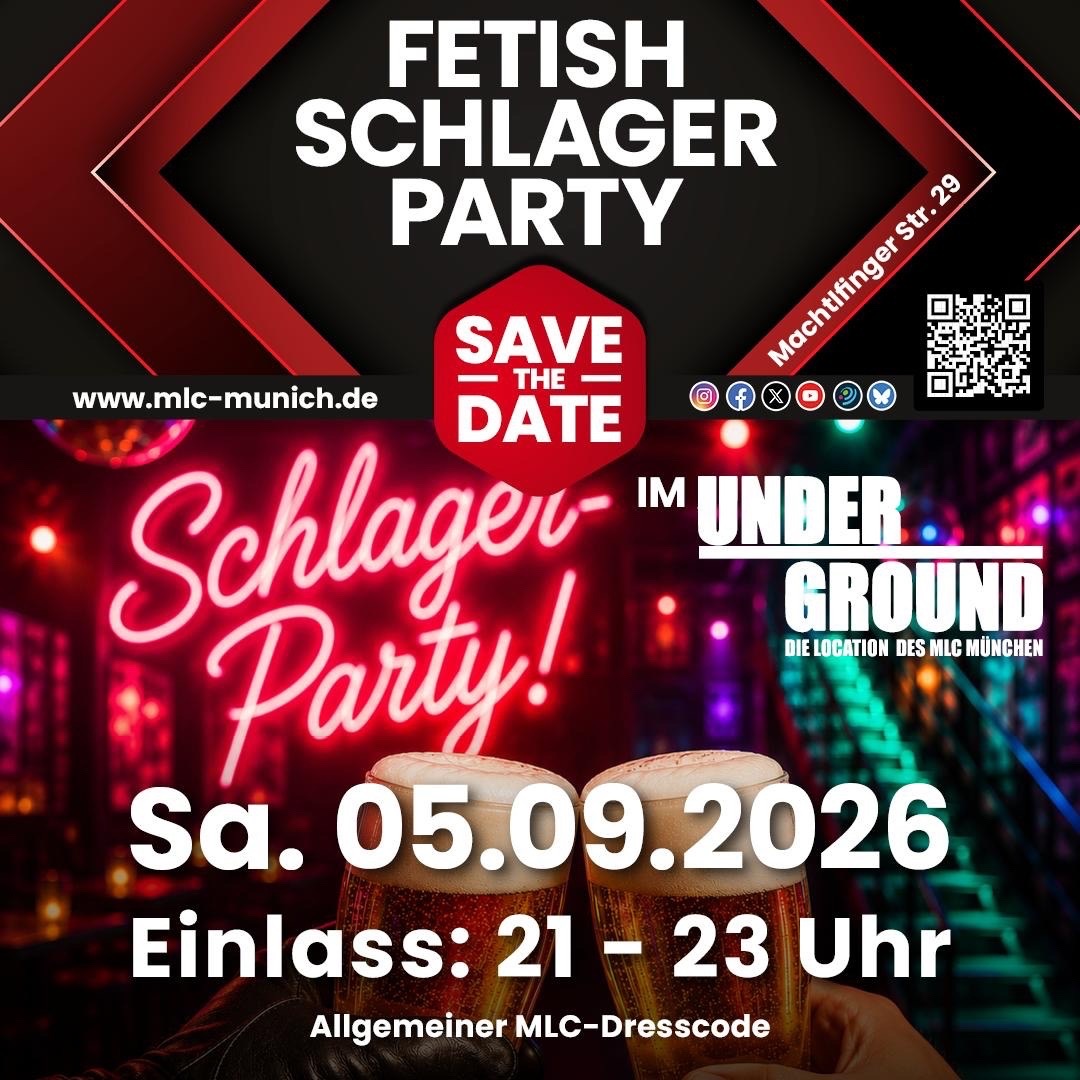
Yes. NY Club near the Hauptbahnhof is Munich's main gay dance club, while Prosecco in the Glockenbachviertel is a lively party bar known for Schlager and pop. PALAIS hosts recurring gay club nights, and fetish and cruise crowds head to camp and the UnderGround (Munich Lions Club).
Munich's LGBTQ+ history reflects Bavaria's traditional identity alongside its progressive character. The city was a center of persecution during the Nazi era, but the LGBTQ+ community rebuilt post-war, with the emergence of gay bars and Pride marches in the 1970s and 1980s.
Your privacy choices.
We use cookies to run GayOut and, with your consent, measure usage. Learn more
Your privacy choices
We use cookies to keep GayOut running, remember your preferences, and (with your permission) measure how the site is used. You can accept all, reject all, or pick what you allow. Learn more
Essential
Required for sign-in, fraud prevention, CSRF protection and remembering your language. Cannot be disabled.
Always on
Remembers your favourites, dark mode and other interface preferences across visits.
Helps us understand which pages people visit (Google Analytics, server-side stats) so we can improve.
Used by campaign tracking pixels. None are active right now, reserved for future use.
Install GayOut
Add GayOut to your home screen for faster access, offline favourites, and Pride alerts.










 Gay Bars & Clubs
Featured
(606)
Gay Bars & Clubs
Featured
(606)