Munich's LGBTQ+ Scene: A Historical Overview and Contemporary Life
Munich's LGBTQ+ history is a narrative of endurance. Early activism in Weimar Germany faced severe disruption under Nazi rule. Following World War II, a more private gay scene emerged in West Munich, becoming more visible from the 1970s. The modern LGBTQ+ movement gained traction in the 1980s and 1990s, with the Glockenbachviertel solidifying as the primary hub for LGBTQ+ life. Today, Munich's scene blends established venues with contemporary spaces, prioritizing community engagement over overt commercialism.
The Glockenbachviertel: Munich's LGBTQ+ Hub
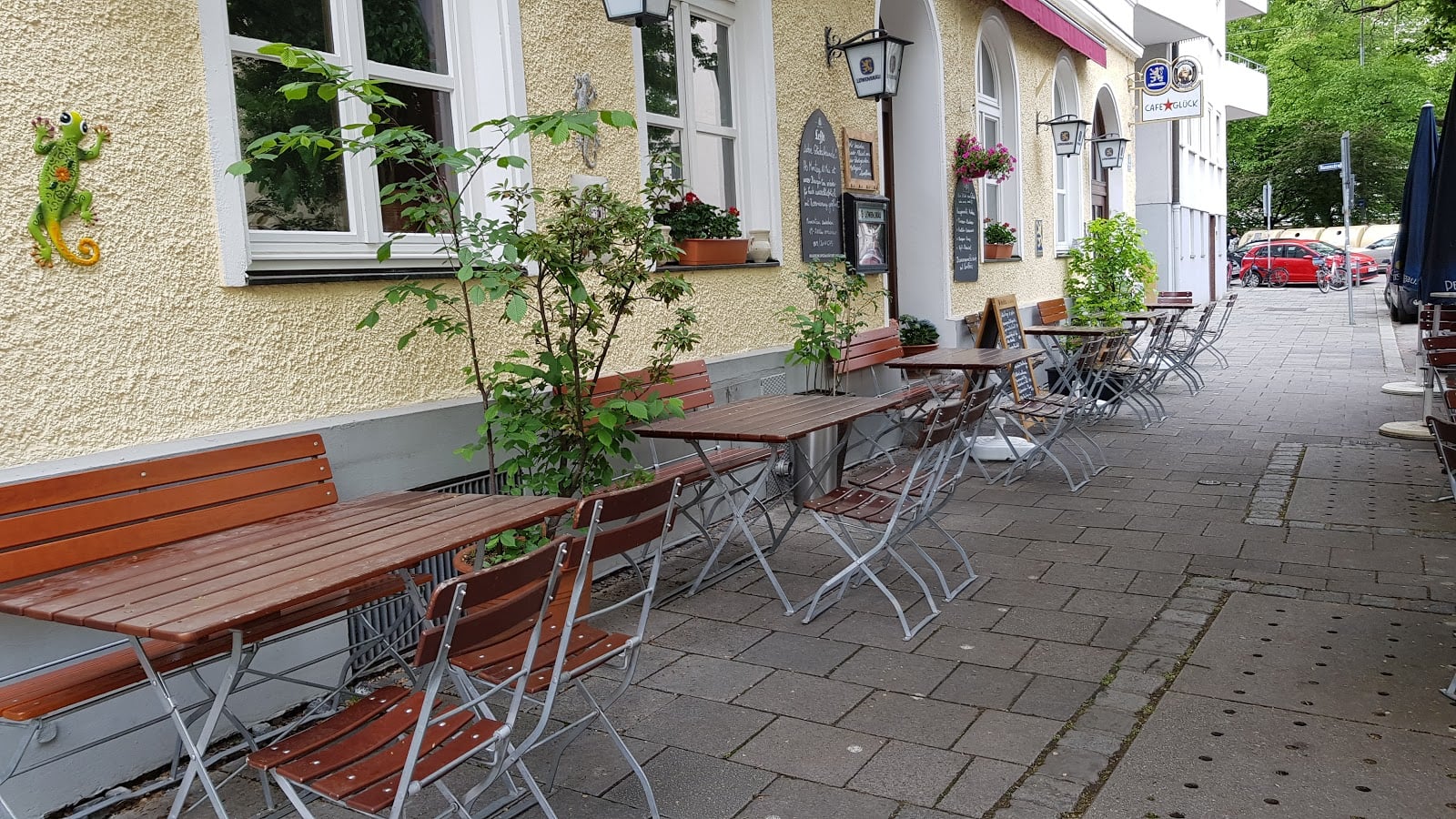
South of Marienplatz, the Glockenbachviertel, often referred to as the Gärtnerplatzviertel, serves as Munich's central LGBTQ+ district. Its boundaries generally encompass Reichenbachstrasse, Klenzestrasse, and the Isar River. Streets like Müllerstraße, Hans-Sachs-Straße, Reichenbachstraße, and the area around Gärtnerplatz host a concentration of LGBTQ+-friendly bars, restaurants, and shops. The atmosphere feels like a local neighborhood, with many establishments welcoming both residents and visitors, fostering a sense of community.
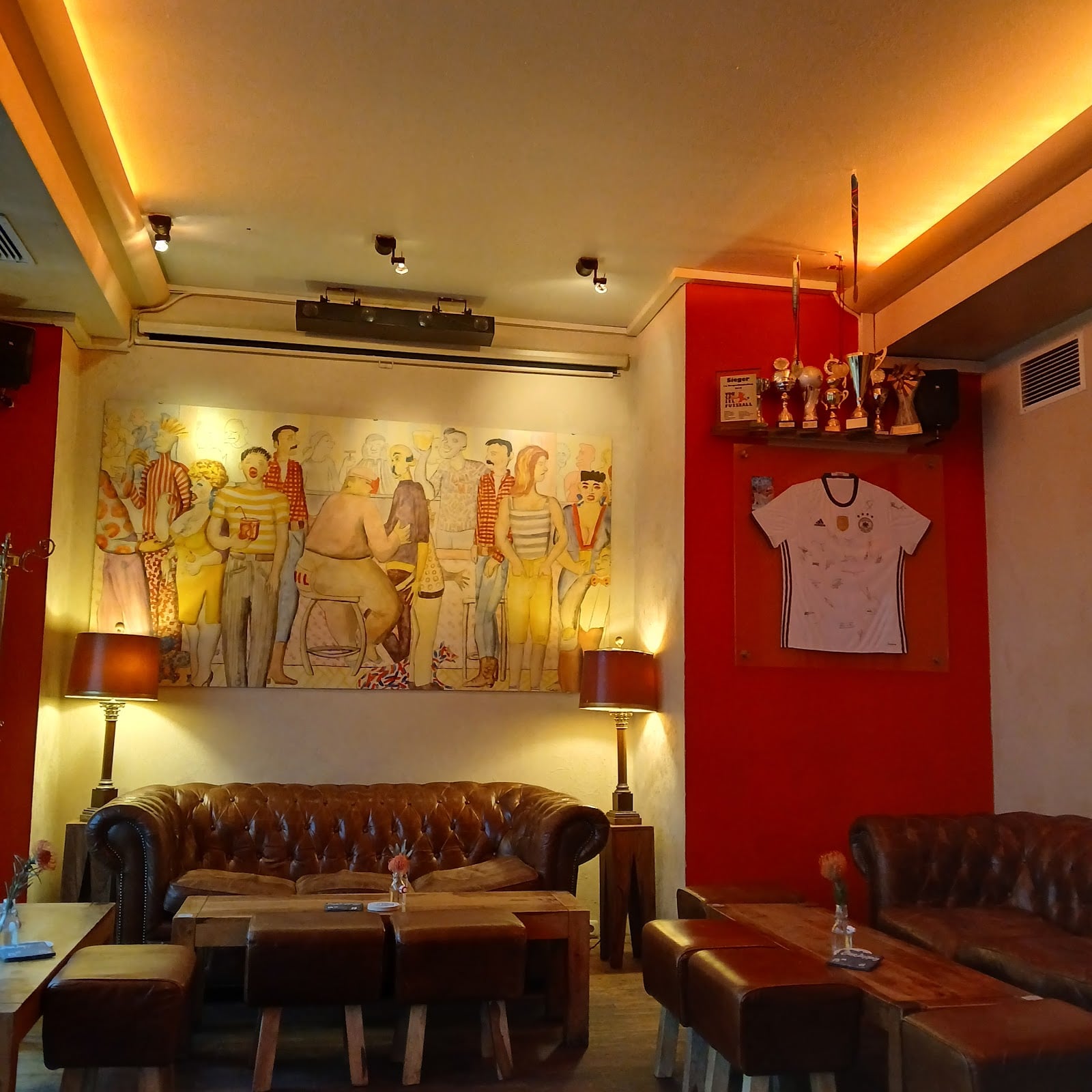
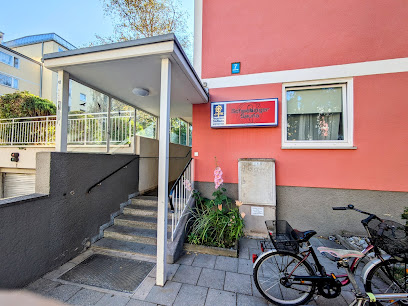
Within the Glockenbachviertel, the historic Deutsche Eiche (a gay hotel, café-restaurant and bathhouse on Reichenbachstraße) is a landmark, alongside the veteran leather bar Ochsengarten (open since 1967) and lively party bars such as Prosecco and Nil. Two gay saunas operate nearby, and the community centre Sub sits on Müllerstraße.
Venues and Nightlife
Munich's nightlife includes dedicated LGBTQ+ venues and mixed establishments. The Deutsches Theaterhaus occasionally hosts relevant events. While Munich has dance clubs that sometimes feature LGBTQ+ nights, the scene is less club-centric than in some other major cities. Saunas are a notable part of Munich's gay culture, with several establishments providing modern amenities and social spaces. Most are community-focused rather than solely for cruising.
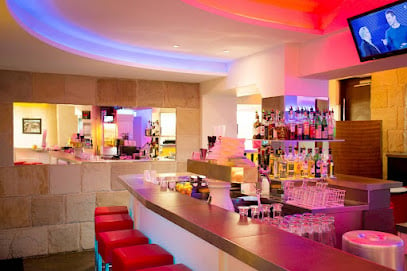
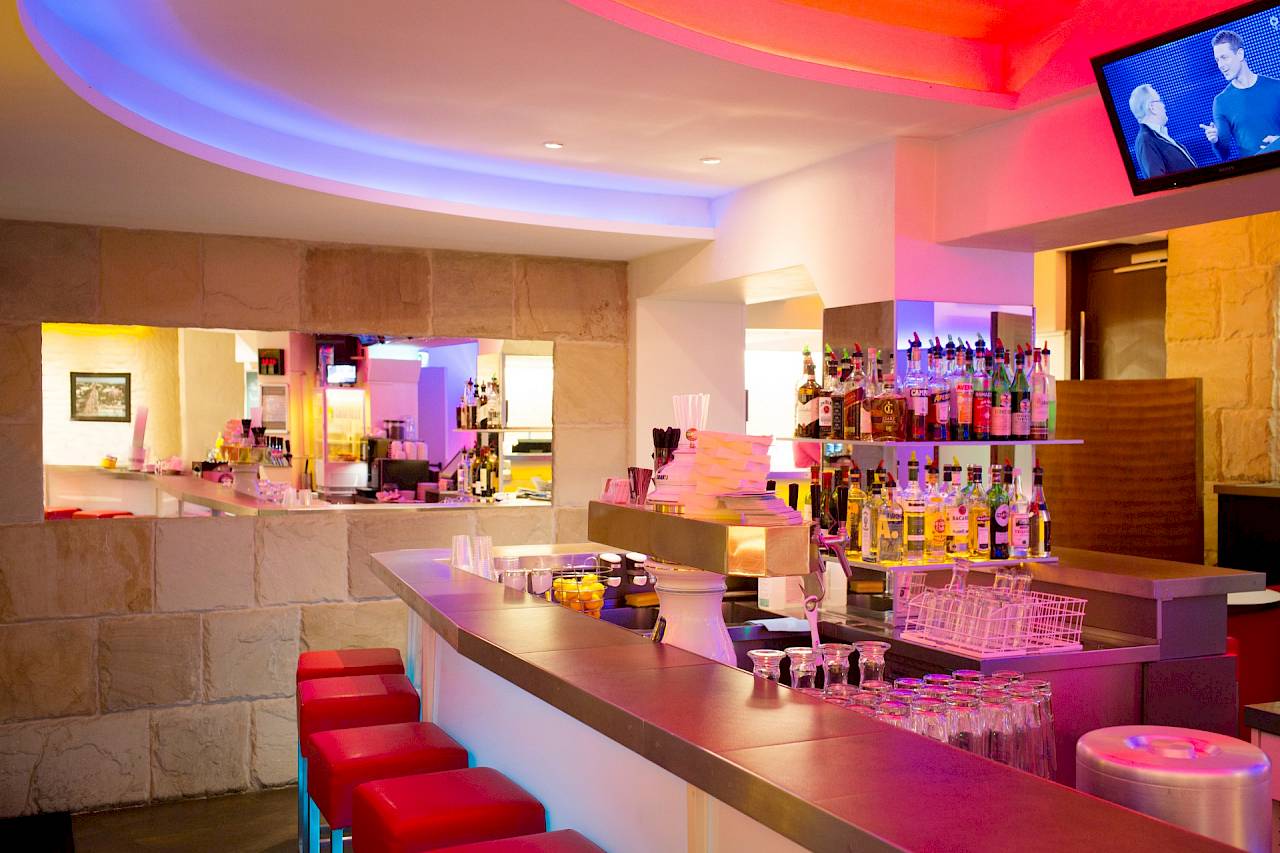
For drinks, the Glockenbachviertel provides a range of options, from intimate wine bars to livelier spots with DJs on weekends. Many bars welcome a diverse clientele, reflecting Munich's integrated gay scene.
Christopher Street Day (CSD) Munich, held in the second half of June, is the city's main LGBTQ+ event. The celebration includes a large parade that draws hundreds of thousands of participants. In 2026 the PolitParade takes place on Saturday 27 June, winding through the city centre to the street festival, with the Pride Weeks running through mid-to-late June. The event features political discussions, cultural performances, and music, extending an inclusive welcome to allies and families.
Leading up to the main CSD event, various Pride-related activities take place in June. While LGBTQ+ focused events are most concentrated around this period, cultural institutions across Munich offer programming throughout the year.
Where to Stay
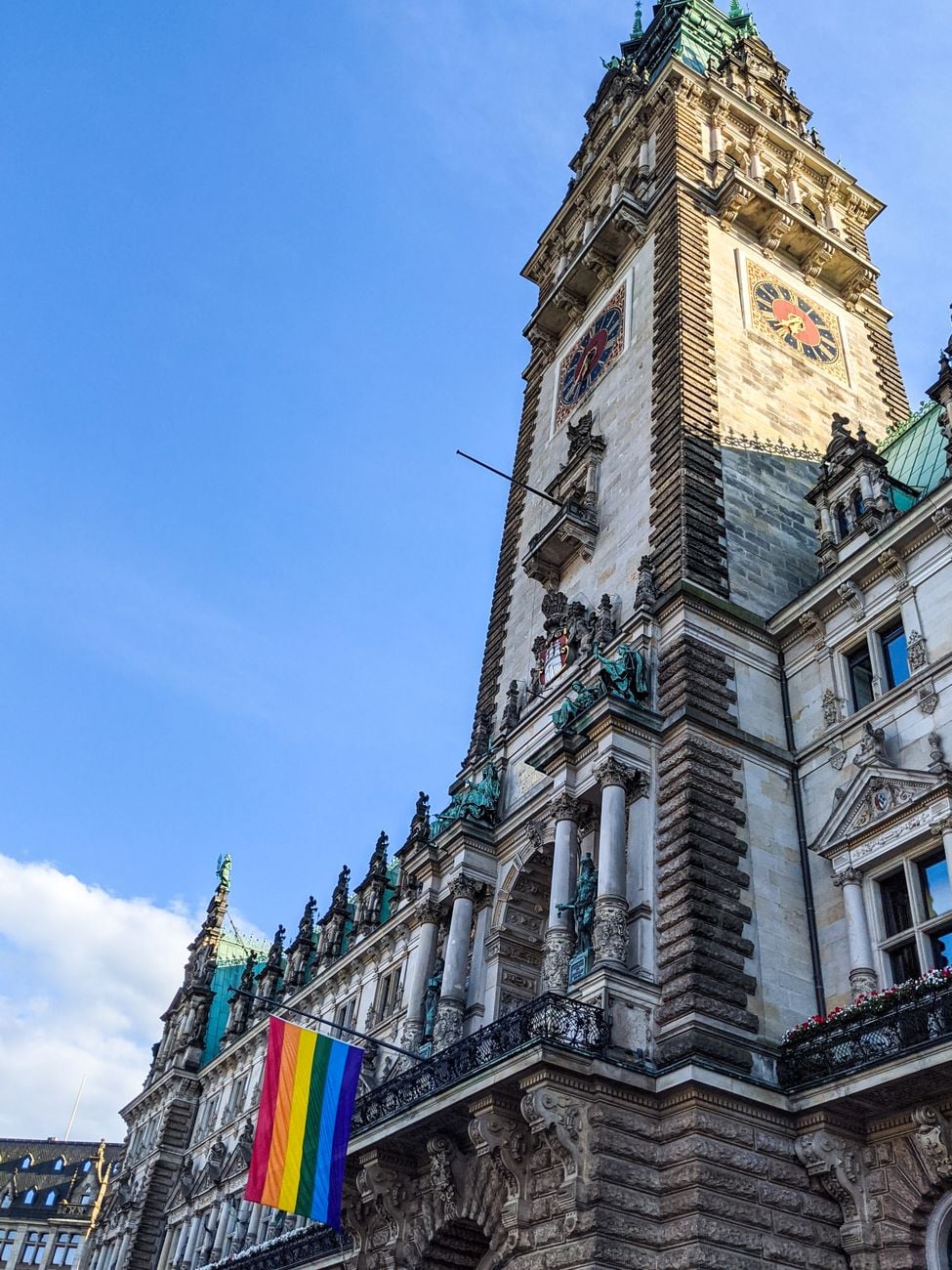
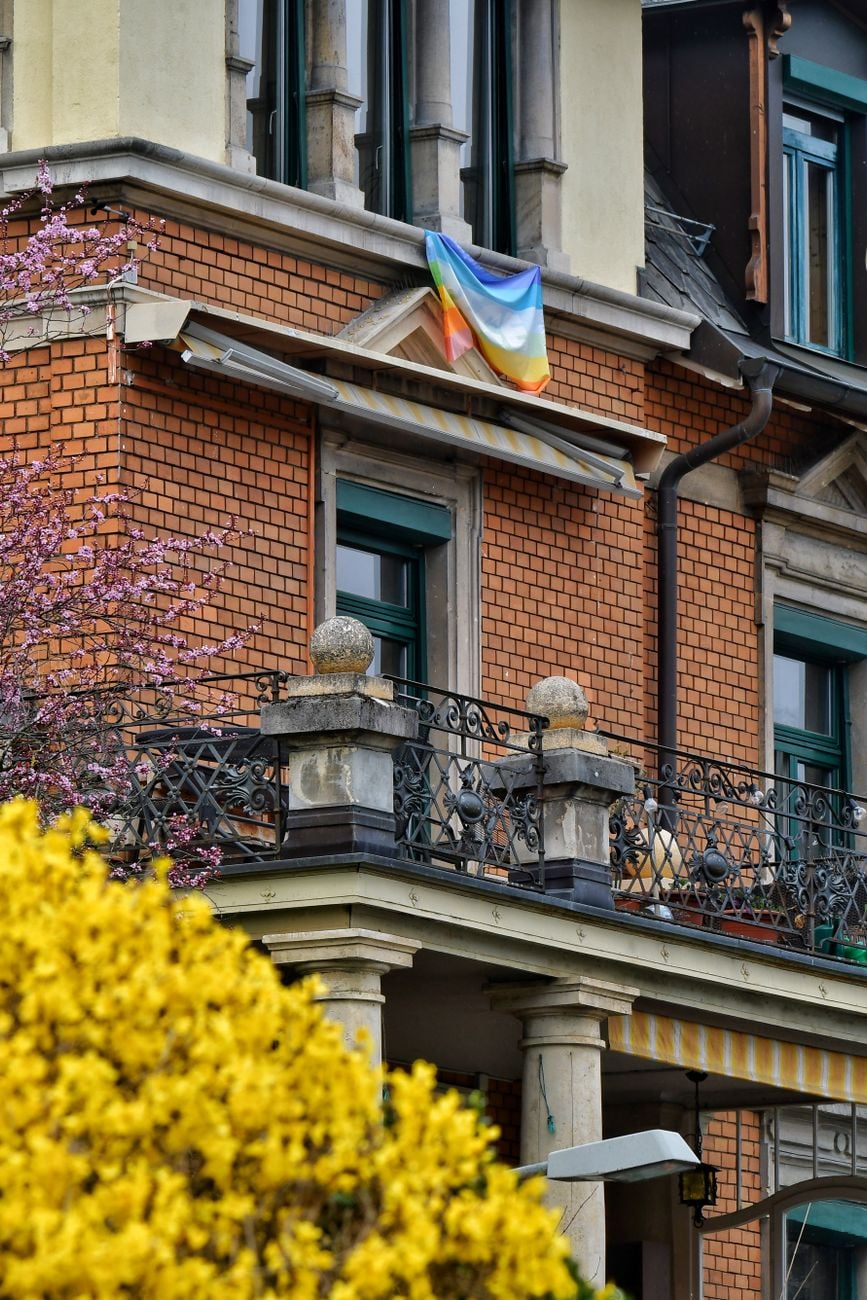
Staying in or near the Glockenbachviertel provides convenient access to LGBTQ+ venues, restaurants, and cafes. The neighborhood offers a selection of smaller hotels and guesthouses, with apartment rentals also available. Alternatively, accommodation in the Altstadt (Old Town) near Marienplatz places visitors close to major attractions and offers easy public transport connections to the Glockenbachviertel. Hotels throughout Munich are generally welcoming to LGBTQ+ travelers, with many displaying rainbow flags during Pride season.
Munich's public transit system, operated by MVG, is efficient and easy to navigate, comprising the U-Bahn (subway), S-Bahn (regional rail), trams, and buses. Many venues in the Glockenbachviertel are within walking distance of the U-Bahn station Fraunhoferstrasse or other central stations. Tickets and day passes are reasonably priced. The system is accessible and generally safe. Cycling is also a popular way to explore the city, with extensive bike lanes.
Safety and General Considerations
Munich is considered a very safe city with low crime rates and a generally welcoming atmosphere for LGBTQ+ travelers. The Glockenbachviertel is safe both day and night, with standard urban precautions advised. While Bavaria has a conservative political reputation, Munich itself is cosmopolitan and progressive, with established legal protections for LGBTQ+ individuals. Same-sex marriage is legal nationwide, and anti-discrimination laws are in place. English is commonly spoken in LGBTQ+ venues, tourist areas, and hotels, particularly by younger people.
Food and Culinary Scene
Munich is known for its Bavarian cuisine, including pretzels, weisswurst, and schweinshaxe. LGBTQ+-friendly restaurants can be found in the Glockenbachviertel and across the city, offering a range of dining experiences. The neighborhood features Italian, Mediterranean, and international restaurants. Beer gardens are a characteristic Munich experience; many are welcoming to a mixed clientele, especially during warmer months. The English Garden, a large urban park, includes beer gardens such as Hirschau and Seehaus, which are relaxed, mixed spaces.
Munich's proximity to the Alps facilitates day trips. Within the city, the English Garden offers opportunities for outdoor activities. Nymphenburg Palace, a Baroque residence with gardens, is accessible by public transport. Lake Starnberg and Lake Ammersee, reachable by S-Bahn, provide options for swimming and hiking. The Bavarian Alps, including towns like Mittenwald and Garmisch-Partenkirchen, are accessible by train. Neuschwanstein Castle is a popular day excursion. Some Alpine villages near Munich have developed LGBTQ+-friendly accommodations, particularly in areas known for outdoor recreation.
Cultural Attractions
Munich boasts numerous cultural institutions. The Deutsches Museum is a large science museum. The Pinakothek museums showcase Old Master paintings and modern art. The Bavarian royal residences, such as Nymphenburg Palace, offer insights into history and architecture. The city's architectural styles range from Gothic to modern. The LGBTQ+ community contributes to Munich's cultural landscape through active artists and performers.
Tips for Visitors
To best experience Munich's LGBTQ+ scene, some research is recommended, as it is less overtly commercialized than in some larger cities. Websites and apps focused on gay Munich can provide current venue listings and event information. Learning a few basic German phrases can be helpful.
Christopher Street Day (CSD) München — 慕尼黑的同志驕傲慶典(Pride)— 於六月舉行。驕傲週活動橫跨整個月的下半段,主要的政治遊行(PolitParade)與街頭嘉年華則安排在最後一個週末;2026年的遊行將於6月27日星期六舉行。該活動通常會吸引數十萬人湧入市中心。
是的。位於中央車站附近的 NY Club 是慕尼黑主要的同志夜店,而位於 Glockenbachviertel 的 Prosecco 則是一間熱鬧的派對酒吧,以 Schlager 和流行音樂聞名。PALAIS 定期舉辦同志夜店活動,而戀物癖與 cruise 族群則會前往 camp 以及 UnderGround(Munich Lions Club)。








 同志酒吧與俱樂部
精選
(606)