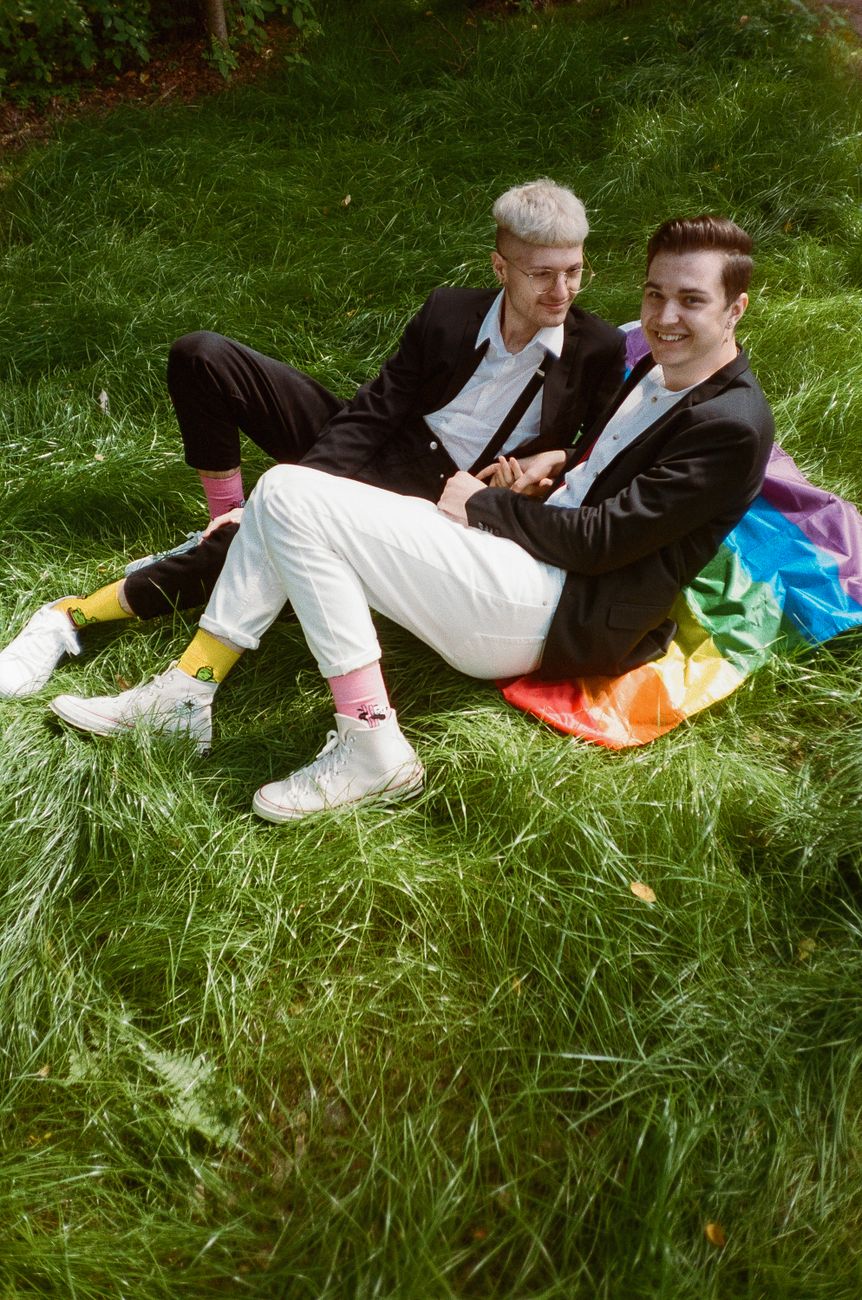
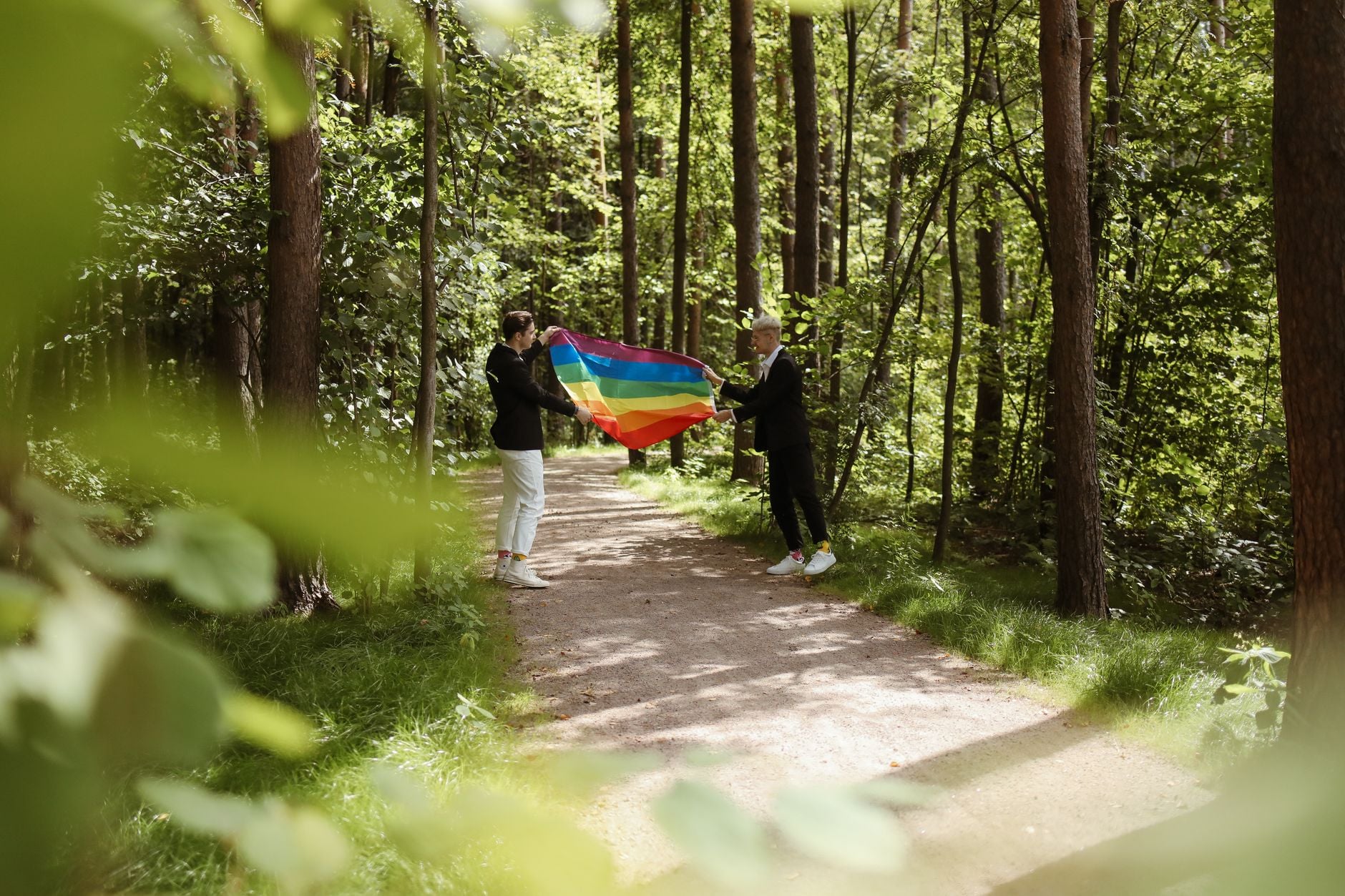
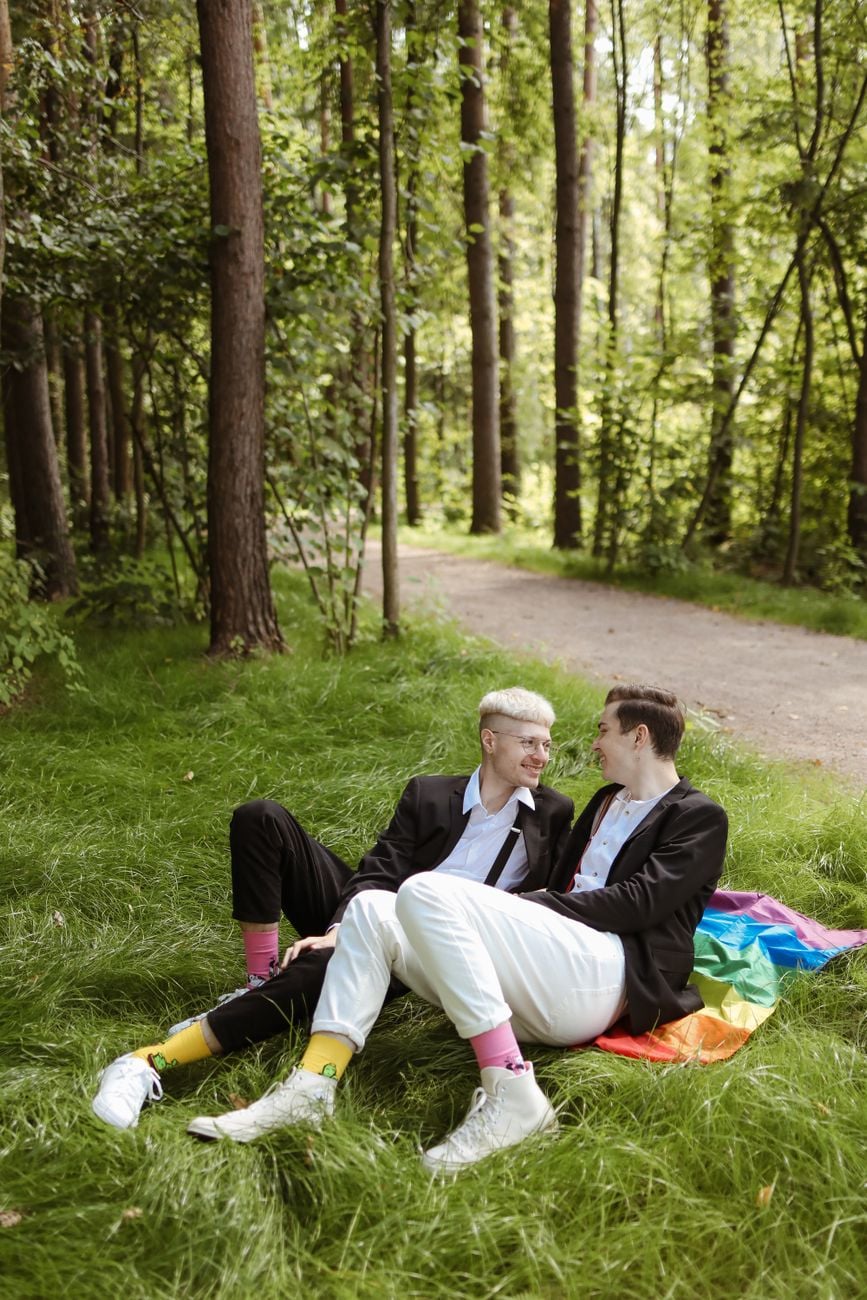
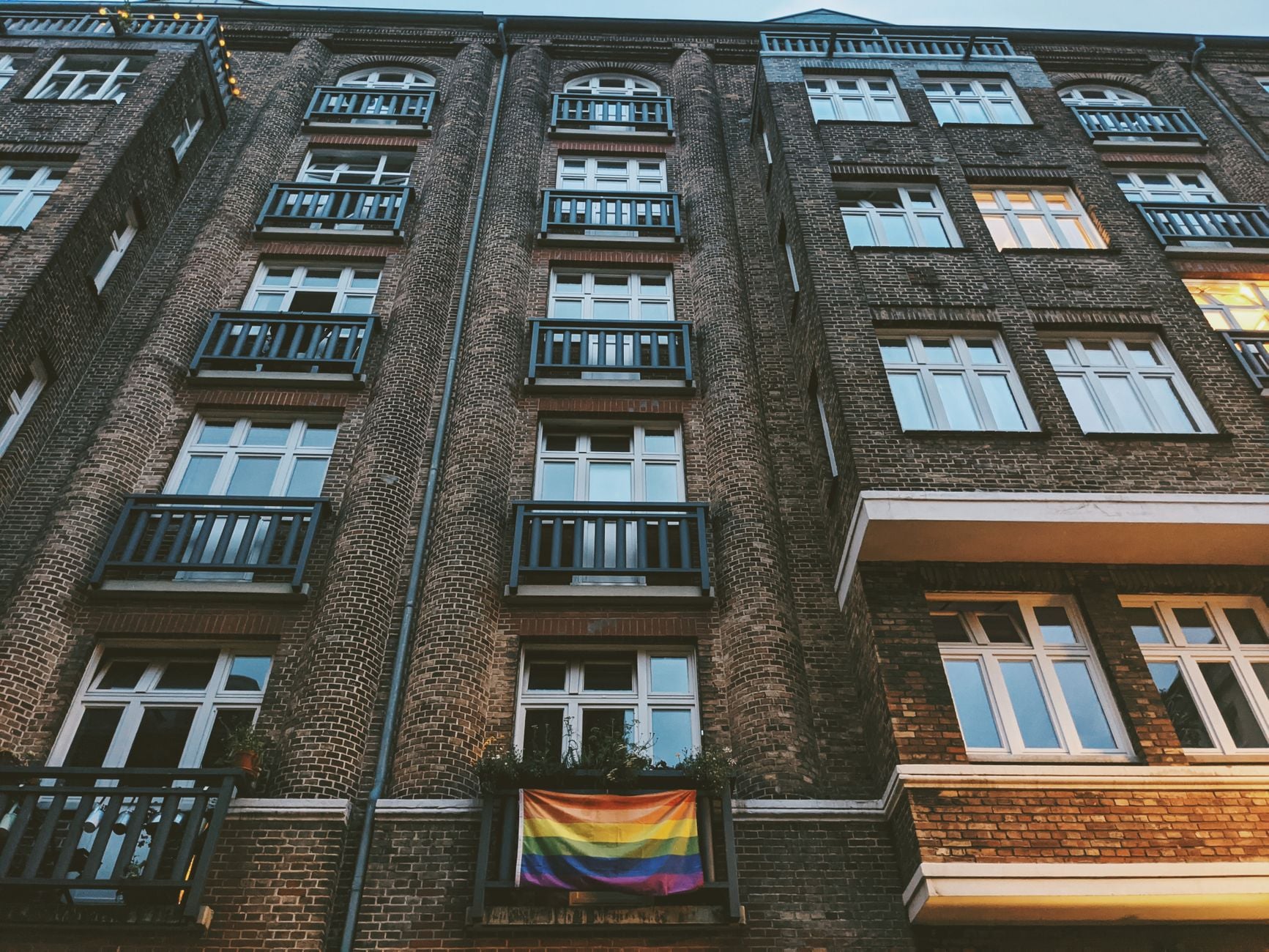
Same-sex marriage (Ehe für alle) legalised 1 October 2017. Civil partnerships (Lebenspartnerschaft) had been available since 2001. Joint adoption rights for same-sex couples since 2017. Strong federal anti-discrimination protections (AGG, General Equal Treatment Act 2006) covering employment, goods and services. Conversion therapy banned for minors 2020; full ban for adults proposed but not yet enacted as of 2026. Trans legal gender change requires psychological assessment and court order…
Hamburg's most beloved gay café-bar on the Lange Reihe — breakfasts, cakes, cocktails and a terrace that defines St Georg's social life. Open since 1981. The heart of the neighbourhood.
Popular St Georg cocktail bar and LGBTQ+ meeting point on the Lange Reihe. Mixed queer clientele, good cocktails, reliable daily opening. The mid-evening stop before the clubs.
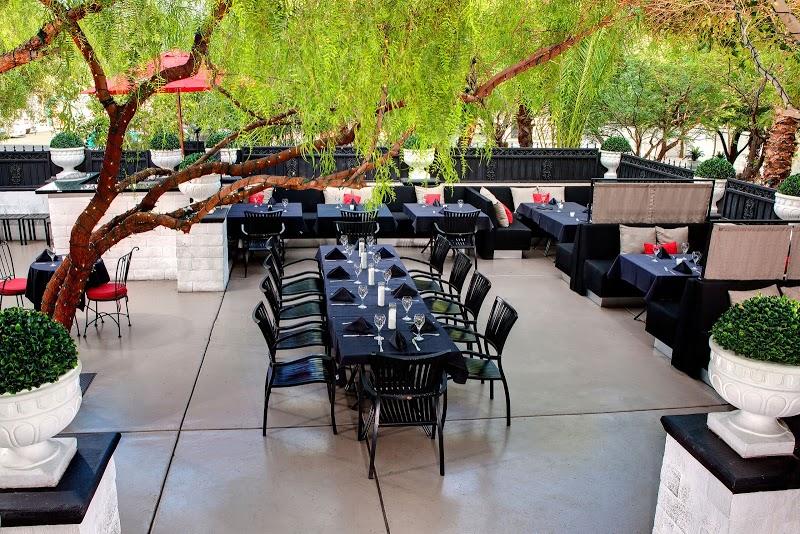
We believe Bellini is the perfect setting for lunch/dinner with your friends or business associates and also those looking for that something extra in the evening.
Large sauna (1500 m²) with Finnish sauna, steam room, lockers, private cabins, spa bathtub, bar & restaurant, TV room, movie rooms with lounge areas, play zones, game room, smoking area, etc.
Gay sauna & spa with swimming pool. Men’s Heaven features a Finnish sauna, large steam room, cruising area, chill-out lounge with large screen TV, smoking room, internet station, bar, massage…
A smaller gay sauna in Hamburg focussed on guys over 40, or their admirers. Very clean and almost stylish, inside there is a dry sauna, steam sauna, relaxation room, movie room and several cabins.
The world-famous rubber and leather tailor that is sure to have something to cover all your fetish needs. In operation since 1985, there is also a sizeable second-hand area to explore
Gay shopping and cruising round-the-clock. Large cinema, private booths, and 24/7 action. Cinema tickets entitle you to multiple visits within 16 hours.
Gay-friendly design hotel near the Alster lake — independently run, welcoming to LGBTQ+ guests, well-positioned for both the gay district and Hamburg's cultural institutions.
Novum Style Hotel Berlin Centrum offers accommodations in Berlin. Guests can enjoy the on-site bar. Each room at this hotel is air conditioned and features a flat-screen TV with cable channels.
Stylish, great-value hotel in the heart of St Georg district, a short walk from the central station. ARCOTEL Rubin has an attractive deep red décor throughout.
The most gay-popular cafe in Hamburg, located in the heart of St. Georg. Claudia Kiesel is the owner, who is also the organizer of L-BEACH and chair of the CSD Hamburg Pride.
Hamburg's queer community has a long history, dating back over a century. Early queer life flourished in the Reeperbahn district. While the Nazi era brought severe persecution, Hamburg re-established itself as a significant hub for queer culture in post-war West Germany. This historical presence has shaped the city's inclusive atmosphere and the development of established queer organizations.
Today the centre of Hamburg's gay life is the St. Georg district, just north of the Hauptbahnhof. Lange Reihe and the surrounding streets — Pulverteich, Danziger Straße, Bremer Reihe and Steindamm — form a compact, walkable gay village packed with gay bars, cafés such as the institution Café Gnosa, saunas, shops and community services like Hein & Fiete. St. Georg has anchored the city's queer scene since the postwar decades and remains its heart today.
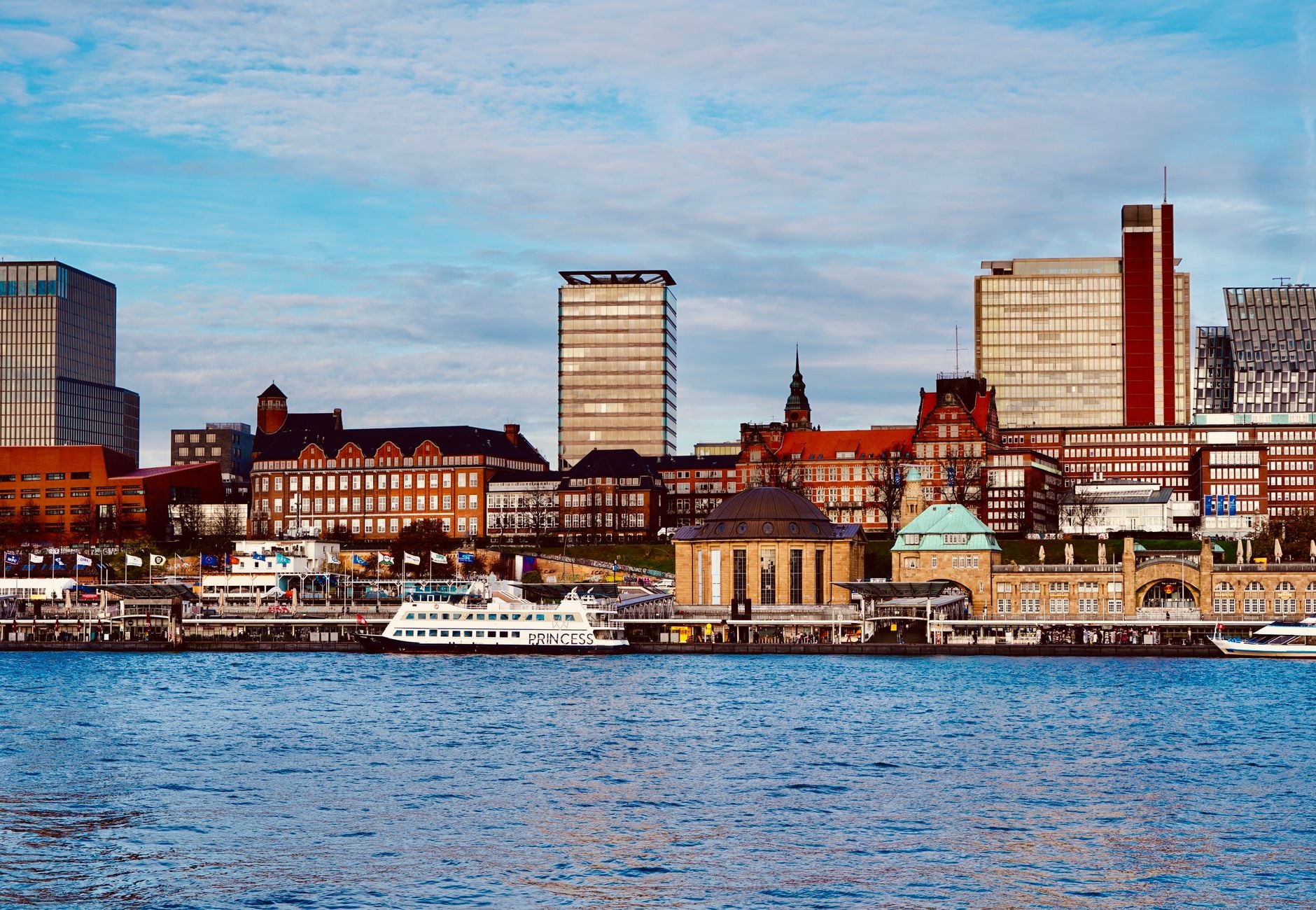
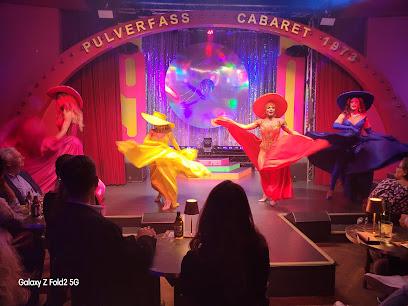
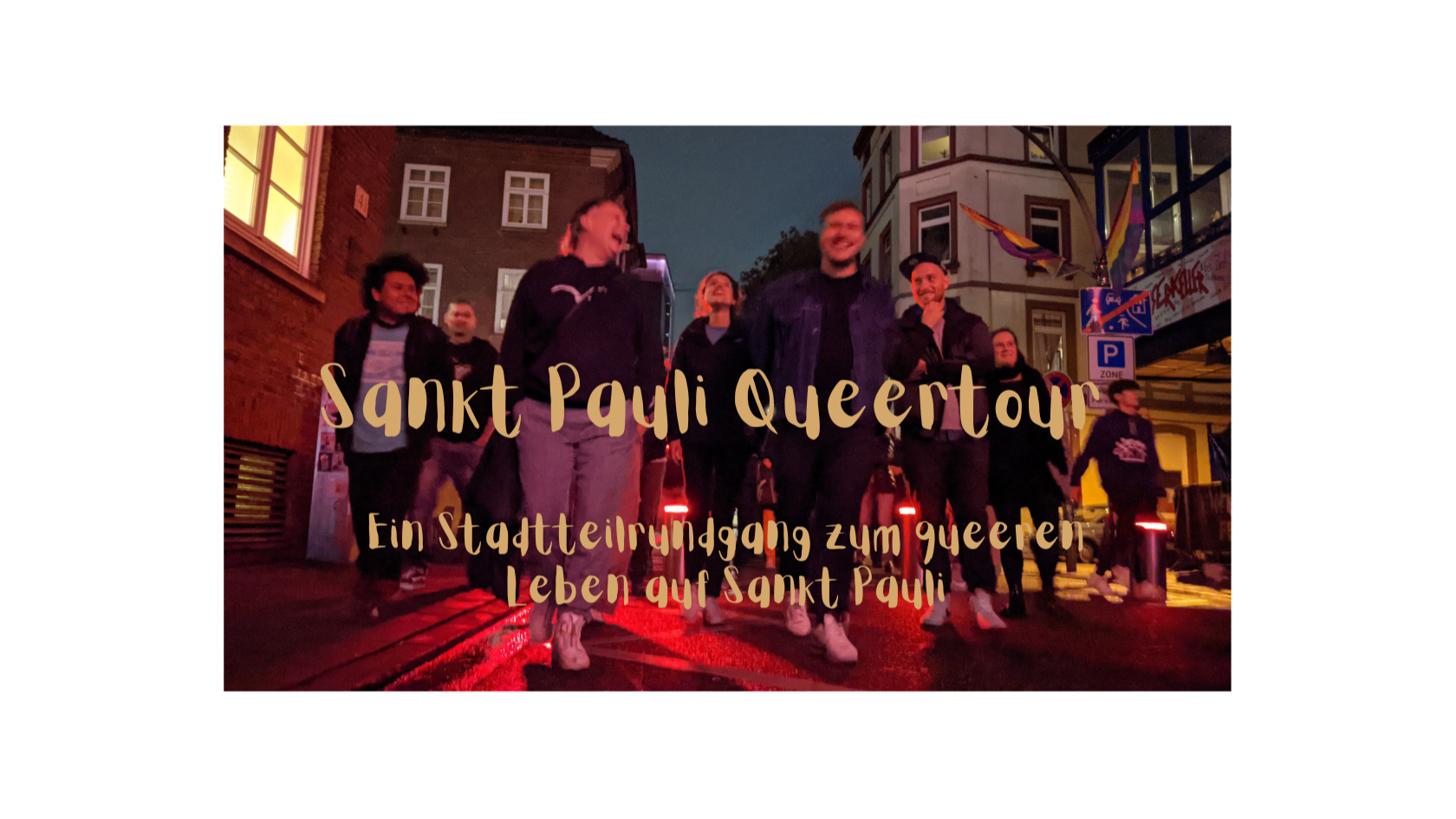
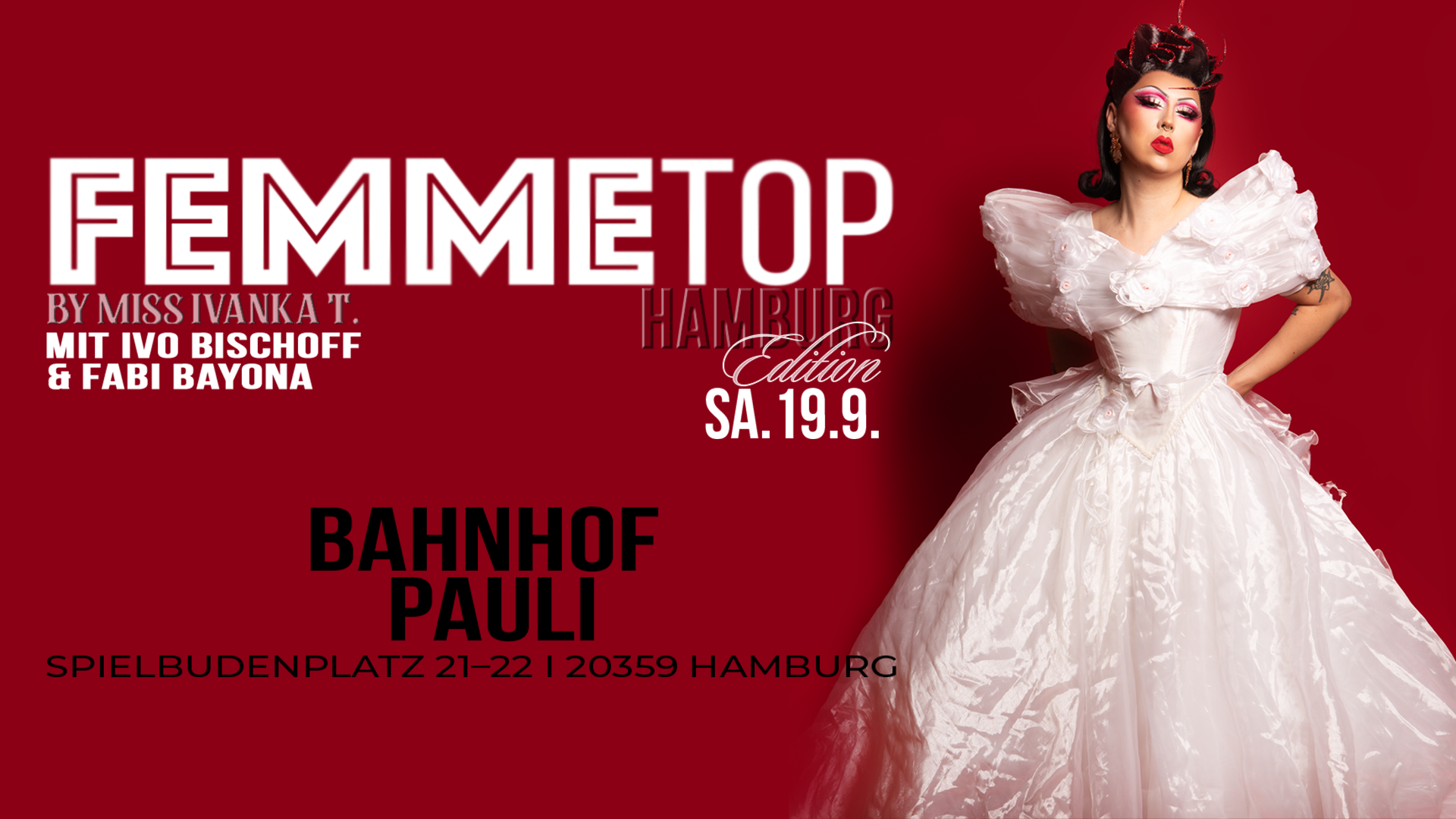
St. Pauli and the Reeperbahn provide a second, nightlife-driven layer, with a handful of long-running gay and drag venues — among them WunderBar, Piccadilly and Olivia Jones' bar — set among the district's music halls and clubs. Further west, Altona and Ottensen hold a smaller queer cluster, while the bohemian Sternschanze is broadly alternative and inclusive rather than a dedicated gay quarter.
More mixed neighborhoods, such as the Altstadt and areas around the Binnenalster lake, also offer gay-friendly venues within a broader urban setting.
Hamburg's queer nightlife offers a variety of options. The St. Georg bars are the most consistent draw for dedicated gay nightlife, from cosy neighbourhood pubs to men's and cruise bars, complemented by queer parties and the nightlife venues over in St. Pauli. The scene ranges across casual bars, cruise and fetish spots, and regular club nights.
The city has several saunas that serve the cruising and sexual wellness community. These establishments typically operate within German regulations and are integrated into the urban environment.
Cultural venues, including theaters and cinemas, often feature LGBTQ+-specific programming or welcome queer audiences. Hamburg's music venues are internationally recognized, and many host performers and events relevant to queer culture.
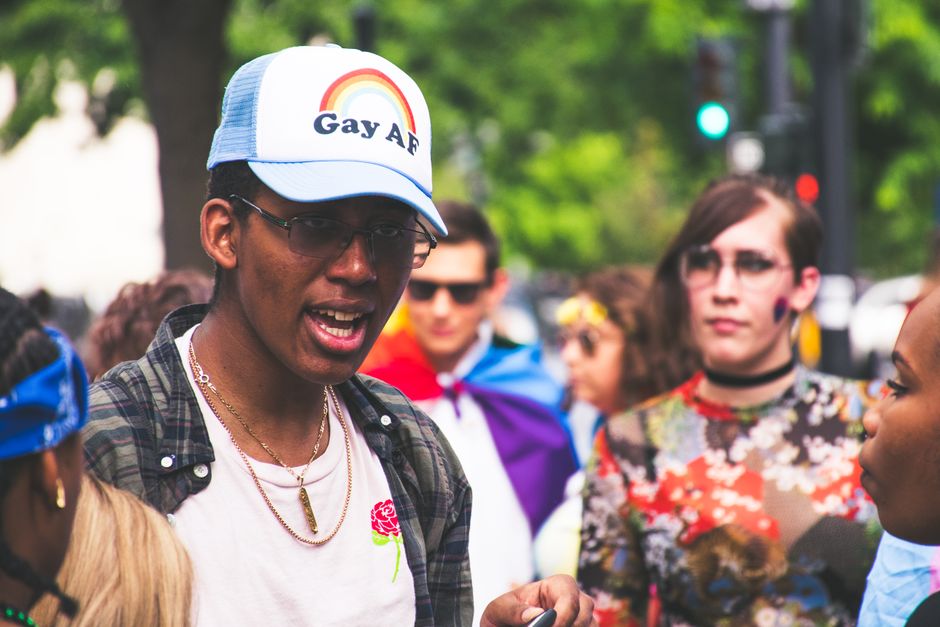
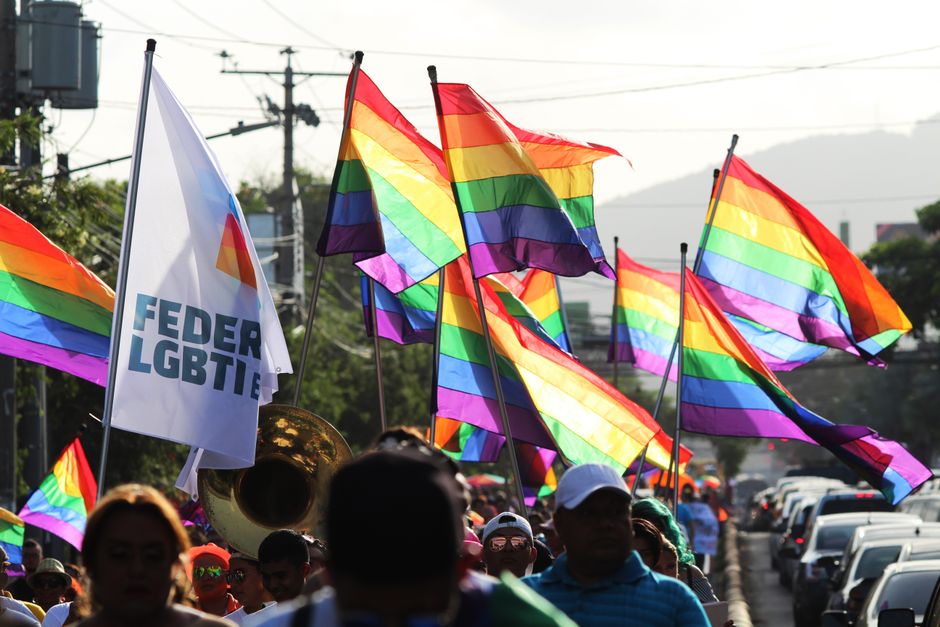
Christopher Street Day Hamburg, usually held in August, is the city's primary LGBTQ+ celebration. The event includes a large street parade, political demonstrations, cultural programming, and multiple entertainment stages. It attracts participants from across Germany and beyond, making it one of the country's largest Pride events.
Throughout the year, Hamburg hosts various cultural events, including film festivals and community gatherings with LGBTQ+ themes.
Where to Stay
Accommodation options are available throughout Hamburg. Hotels near the Reeperbahn and St. Pauli provide convenient access to queer venues, though the city's excellent public transport makes other areas accessible. International hotel chains, boutique hotels, and guesthouses are common. Areas around the Binnenalster and in Schanze also offer central, gay-friendly lodging.
Hamburg's public transportation system, comprising U-Bahn, S-Bahn, buses, and ferries, is efficient and safe. Most queer venues and neighborhoods are easily reachable by public transit. Walking is also a pleasant way to explore central areas, and the city is very bike-friendly with extensive cycling infrastructure.
Hamburg is considered a safe city for LGBTQ+ travelers. Germany has strong legal protections against discrimination and violence. Public displays of affection between same-sex couples are common and accepted. Law enforcement practices are progressive, with a focus on anti-hate-crime enforcement.
Hamburg is known for its fish and seafood, with Fischbrötchen being a popular local snack. The city's restaurant scene is diverse and cosmopolitan. The Schanze neighborhood, in particular, offers independent cafes and restaurants with bohemian atmospheres often frequented by queer patrons.
The city's cultural institutions include the Miniatur Wunderland, the Kunsthalle art museum, and the Elbphilharmonie concert hall. Theater is also a significant part of Hamburg's cultural landscape, with many venues offering productions in German and English.
Hamburg serves as a good base for exploring northern Germany. Lübeck, a UNESCO World Heritage city, is a short train ride away and features medieval architecture. The North Sea coast and various lakes are accessible for weekend trips, as is the surrounding countryside of the Schleswig-Holstein region.
Hamburg operates on Central European Time (CET). German is the official language, but English is widely spoken in tourist areas and among younger people. The currency is the Euro. Most establishments accept both cash and cards, though some smaller venues may prefer cash. The period from May to September offers pleasant weather, with August being the time for Christopher Street Day. Winter can be cold and gray but has fewer crowds and festive holiday markets.
Hamburg offers a blend of authentic queer culture and a cosmopolitan city experience. Its historical queer institutions, active contemporary community, progressive outlook, and cultural resources make it a notable destination for queer travelers.
Yes, Hamburg has a liberal political culture and a visible queer presence, fostering an environment where LGBTQ+ people live openly and safely. The St. Georg neighborhood, a primary gay area, is safe, well-lit, and has a protective police presence.
St. Georg is the primary gay neighborhood and the cultural and social center for the LGBTQ+ community. It is easily accessible from the main train station and features a main gay street, Lange Reihe, with many bars, cafes, and shops.
Yes, the Reeperbahn in the St. Pauli neighborhood has traditional connections to gay culture and hosts several gay-friendly venues and clubs. St. Pauli itself is bohemian and attracts a younger, more alternative crowd.
In St. Georg, accommodations range from dedicated gay hotels to mainstream options with LGBTQ+-friendly management. The guide does not specify particular hotels.
Unlike some European cities where gay scenes are concentrated in small areas, Hamburg's queer culture is genuinely integrated throughout the city. St. Georg is an iconic neighborhood, but queer presence extends beyond it.
The provided guide mentions the city hosts numerous LGBTQ+ organizations and cultural institutions, but does not specify dates for any Pride events or parades.
Your privacy choices.
We use cookies to run GayOut and, with your consent, measure usage. Learn more
Your privacy choices
We use cookies to keep GayOut running, remember your preferences, and (with your permission) measure how the site is used. You can accept all, reject all, or pick what you allow. Learn more
Essential
Required for sign-in, fraud prevention, CSRF protection and remembering your language. Cannot be disabled.
Always on
Remembers your favourites, dark mode and other interface preferences across visits.
Helps us understand which pages people visit (Google Analytics, server-side stats) so we can improve.
Used by campaign tracking pixels. None are active right now, reserved for future use.
Install GayOut
Add GayOut to your home screen for faster access, offline favourites, and Pride alerts.















 Gay Bars & Clubs
Featured
(1728)
Gay Bars & Clubs
Featured
(1728)