Davao City — the largest city in Mindanao and one of the most spread-out cities in the world by land area — has quietly become the queer hub of the southern Philippines. It will never out-party Manila or Cebu, but what it offers instead is genuine: a compact, friendly nightlife cluster in the old downtown, a city government that has backed Pride for a decade, and the easy warmth Davaoeños are known for. For LGBTQ+ travellers it makes an affordable, low-key base for exploring Mindanao.
History and Development
Davao's LGBTQ+ community has grown steadily over the past two decades. The city government has been comparatively progressive for the region, and Davao has hosted annual Pride celebrations since the 2024 (the first officially sanctioned march) with official support. Local groups such as the LGBT Davao City Coalition and TIGALA keep the community organised year-round, running advocacy, health outreach and events. The Philippines has no national anti-discrimination law covering sexual orientation and gender identity — the SOGIE Equality Bill has been stalled in Congress for years — but same-sex relationships have never been criminalised, and daily life in urban Davao is tolerant rather than hostile.
Neighborhoods
The heart of the scene is the Poblacion District, the historic downtown. This is where you'll find the gay bars, clustered on and around Pelayo, Ilustre and the surrounding streets, all within a short ride of each other. Poblacion is walkable in patches and easy to taxi around at night. The Bajada area along J.P. Laurel Avenue, north of downtown, holds more mainstream nightlife and a couple of gay-friendly spots, while newer venues occasionally appear further out toward Buhangin. There is no single "gay street" — the scene is small enough that regulars simply know where everyone is on a given night.
Venues and Nightlife
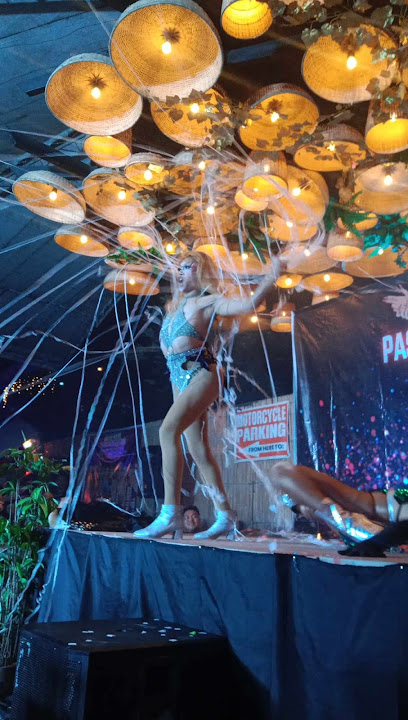
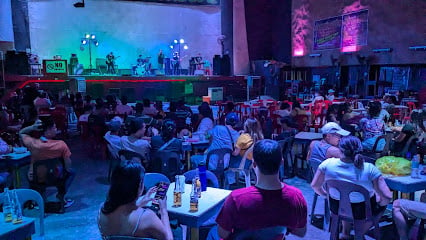
Masculados Entertainment Bar on Pelayo Street is the closest thing Davao has to a flagship gay club, known for macho-dancer floor shows, drag numbers and a lively, mixed crowd. Pasulod Bar — the name means "come in" — is a small, welcoming nightclub with a queer-leaning crowd and cheap drinks. Supladoz Restobar on Ilustre Street is the low-key gay-friendly restobar for eating, drinking and easy conversation, while Casa de Contrabandista, up in Buhangin, is a newer gay night club a little off the downtown strip. Karaoke ("KTV") is woven into Filipino nightlife everywhere, and many neighbourhood spots draw an LGBTQ+ crowd on any given night.
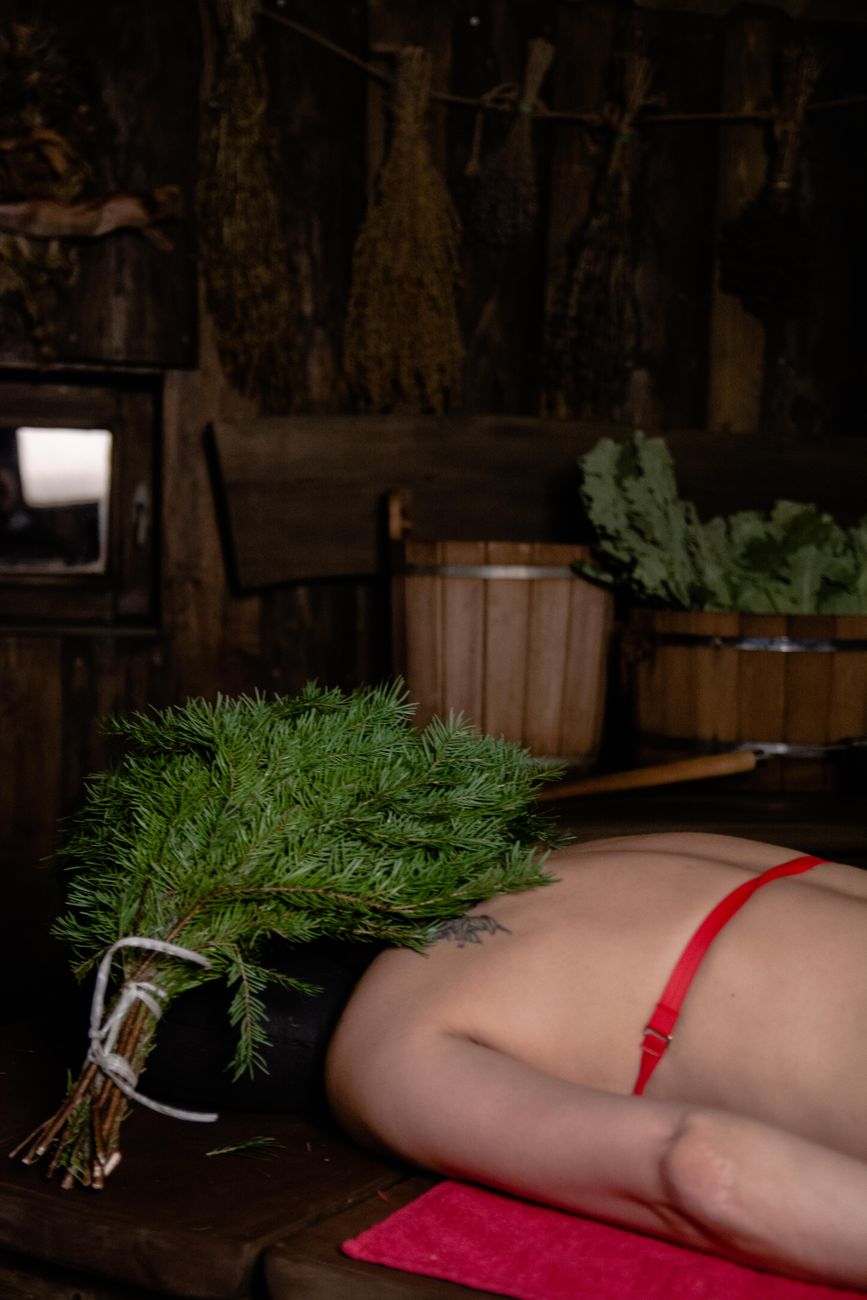
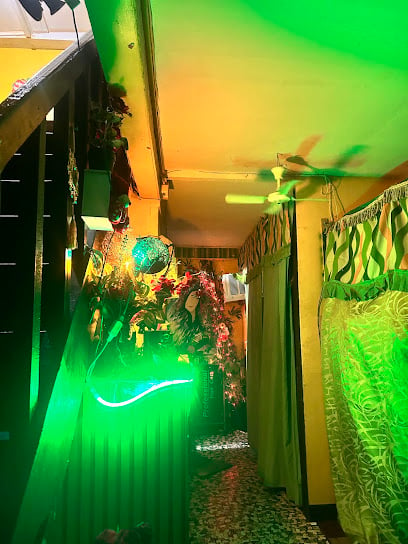
For massage and spa, LE VERTE on Alzate Street in Poblacion is the city's established gay-friendly boys-and-girls massage spa — Davao has no dedicated gay bathhouse, so this is the practical option for male massage.
Davao Pride takes place in June, in line with the global Pride calendar, and has grown from a small march into a city-backed celebration with a parade, cultural performances and community programming. Scale and exact dates shift year to year, so confirm details with the LGBT Davao City Coalition or the city tourism office before planning a trip around it. Smaller events run through the year, usually announced on the organisers' Facebook pages.
Transit and Navigation
Davao is served by Francisco Bangoy International Airport, about 25 minutes from downtown, with frequent flights to Manila and Cebu and a handful of international routes. Grab (Southeast Asia's ride-hailing app) is the most reliable way around and is cheap; metered taxis are plentiful too. Jeepneys cover fixed routes for pocket change but are hard to decode for first-timers. The city is large, so expect to ride rather than walk between districts.
Food and Culture
Davao is a food city, famous for durian, pomelo and some of the best mangoes in the country, all piled high at Bankerohan and Agdao markets. Fresh seafood and Mindanaoan-Filipino cooking dominate, and Poblacion has everything from carinderia comfort food to modern cafés and cocktail spots. People's Park downtown and the Abreeza and SM Lanang malls are the main daytime gathering places.
Day Trips and Nearby Attractions
The Island Garden City of Samal (IGaCoS), a short ferry hop across the strait, is the obvious escape — white-sand beaches, dive spots and island resorts. In the city, the Philippine Eagle Center in Malagos is a must for the endangered national bird, and the highlands around Mount Apo, the country's tallest peak, draw hikers.
Safety Considerations
Davao is known as one of the safer major Philippine cities, with visible policing in commercial areas. Standard urban common sense applies at night. Socially, the Philippines is Catholic and can be conservative outside the cities, but Davao itself is easygoing; discreet same-sex affection rarely draws more than a glance. There is no legal risk attached to being LGBTQ+ here.
Practical Information
Three to five days is enough to enjoy Davao's scene and pair it with Samal or Mount Apo. Costs are well below Manila. English is widely spoken alongside Cebuano and Filipino, the currency is the Philippine peso (PHP), and ATMs are everywhere downtown.
常見問題
Yes. Davao is considered one of the safer major cities in the Philippines, and being LGBTQ+ carries no legal risk — same-sex relationships have never been criminalised here. Society is Catholic and can be conservative, so most couples keep public affection low-key, but the city itself is easygoing and locals are famously warm.
The scene is concentrated in the Poblacion District, the historic downtown, where the gay bars cluster on and around Pelayo and Ilustre streets. The Bajada area along J.P. Laurel Avenue has more mainstream nightlife plus a few gay-friendly spots, and newer venues sometimes appear further out toward Buhangin. There's no single 'gay street' — the scene is small enough that regulars know where everyone is.
Davao Pride is held in June, in line with the global Pride calendar. It has grown from a small march in the mid-2010s into a city-backed event with a parade, performances and community programming. Dates and scale shift year to year, so confirm with the LGBT Davao City Coalition or the city tourism office before planning around it.
Yes. Masculados Entertainment Bar on Pelayo Street is the flagship, known for macho-dancer shows and drag. Pasulod Bar is a small, welcoming nightclub, Supladoz Restobar is the laid-back gay-friendly restobar on Ilustre Street, and Casa de Contrabandista is a newer gay night club up in Buhangin. Karaoke bars across the city also draw LGBTQ+ crowds.
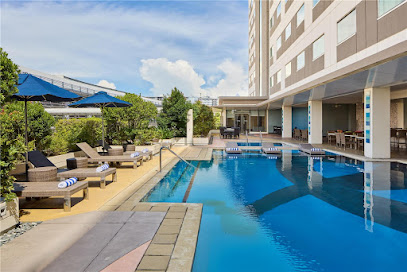
There are no dedicated gay hotels, but plenty of gay-friendly, well-reviewed options at budget and mid-range prices. Staying in or near Poblacion puts you closest to the bars; the Bajada and Lanang areas are handy for malls and business travel. Rates are far cheaper than Manila.
It's modest but real — a handful of genuine gay bars, one gay-friendly massage spa, and active community organisations, rather than a sprawling nightlife district. Think of Davao as a friendly secondary scene: fewer venues than Manila or Cebu, but welcoming and easy to navigate.



 同志酒吧與俱樂部
精選
(2)