Generally tolerant society but no legal recognition of same-sex relationships. A Sexual Orientation and Gender Identity Expression (SOGIE) bill has been pending in Congress for decades. Catholic Church influence is significant.
Quezon City is the Philippines' most populous city and a cornerstone of Metro Manila's LGBTQ+ life. Once the national capital and still the seat of major government and media institutions, it pairs sprawling urban energy with genuine Filipino warmth, and it is home to one of the most organized and visible queer communities in the country.
History of the LGBTQ+ Scene
The Philippines has long been comparatively tolerant of LGBTQ+ people by regional standards — a legacy of indigenous gender flexibility that persisted alongside centuries of Spanish Catholic influence. Quezon City's scene grew from private gatherings and discreet bars into more visible spaces from the 1990s onward. The University of the Philippines Diliman, whose LGBTQ+ student group UP Babaylan was founded in 1992, became one of the earliest and most enduring centers of queer activism in Asia. Quezon City's own government has been a national trailblazer: its 2014 Gender-Fair Ordinance bans discrimination based on sexual orientation and gender identity, and the city later introduced a "Right to Care Card" that lets same-sex partners make medical decisions for one another. Same-sex marriage is still not recognized nationally and the SOGIE Equality Bill remains stalled in Congress, but acceptance in the city — especially among younger Filipinos and across entertainment and media — runs high.
Key Neighborhoods
The Tomas Morato–Timog corridor in the South Triangle (Diliman) is Quezon City's real gay nightlife heart. The meeting of Tomas Morato Avenue and Timog Avenue, together with the surrounding Scout streets, packs restaurants, karaoke joints, drag venues and the city's cluster of male-entertainment bars into a few walkable blocks. This is the long-running Timog strip.
Cubao, centered on the Araneta City complex, is the city's transit-and-shopping crossroads and home to a number of gay-frequented spas and wellness venues, with easy access via the MRT-3 and LRT-2 lines.
Diliman, dominated by the sprawling UP campus, keeps a younger, activist, more bohemian character — the base for student organizing, Pride planning and a steady calendar of queer cultural events.
(Note: Bonifacio Global City and Makati, sometimes lumped together with Quezon City in older guides, are in fact separate cities within Metro Manila; nearby Malate, in the City of Manila, is the metro's historic gay quarter but likewise lies outside Quezon City.)
Venues and Nightlife
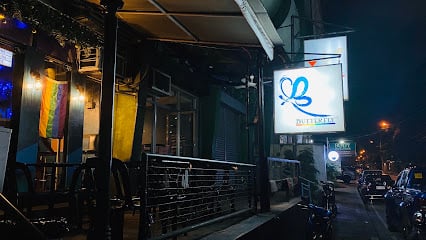
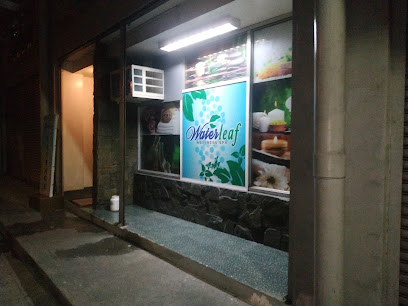
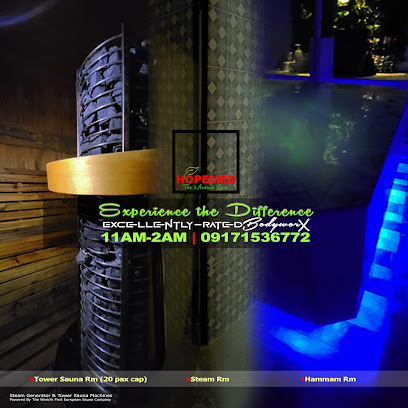
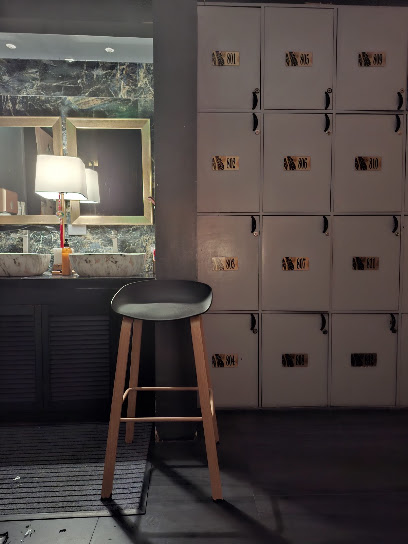
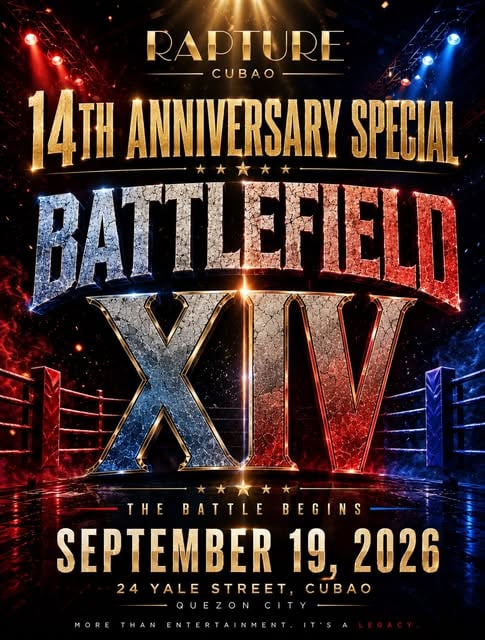
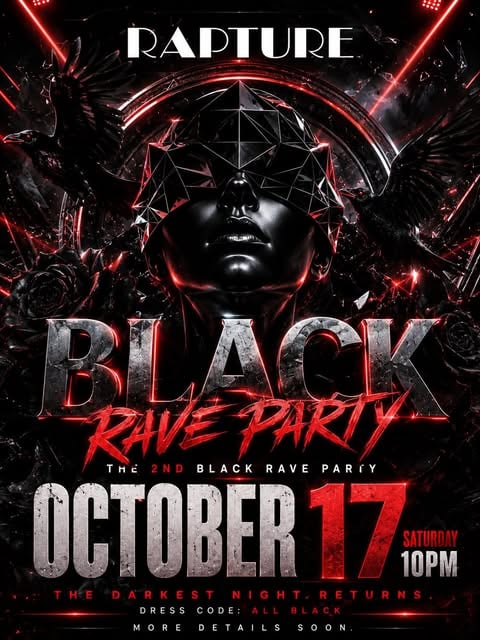
Quezon City's signature nightlife is the Timog/Tomas Morato macho-dancer and drag scene. Established male-entertainment bars such as Adonis, Makisig, Club Mankind, EMO and SpectRoom line the Timog area, Rampa Club is a flagship drag venue, and The One 690 is a long-standing entertainment bar; Butterfly Manila rounds out the mix nearby. The city also has an unusually deep spa and bathhouse scene for gay men — New-York Spa, Alpha Massage and Wellness, Seven Dragons and the two Infinity Spa branches (Quezon City and Fairview), plus smaller male-therapist spas such as Waterleaf and Yugen around Tomas Morato and HopeMed in Cubao. Beyond dedicated venues, many mainstream bars and rooftop lounges across the city are relaxed and welcoming toward LGBTQ+ patrons.
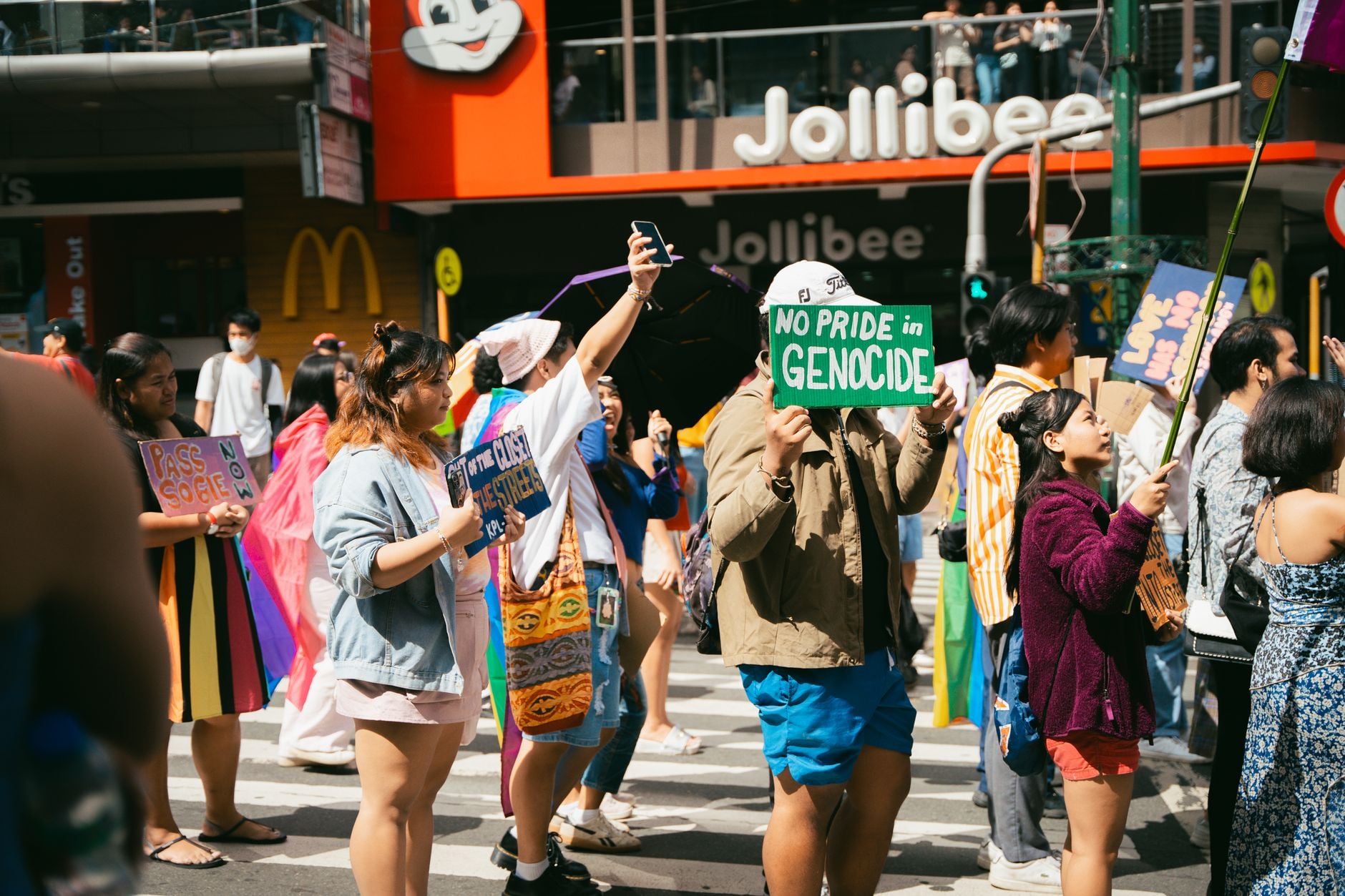
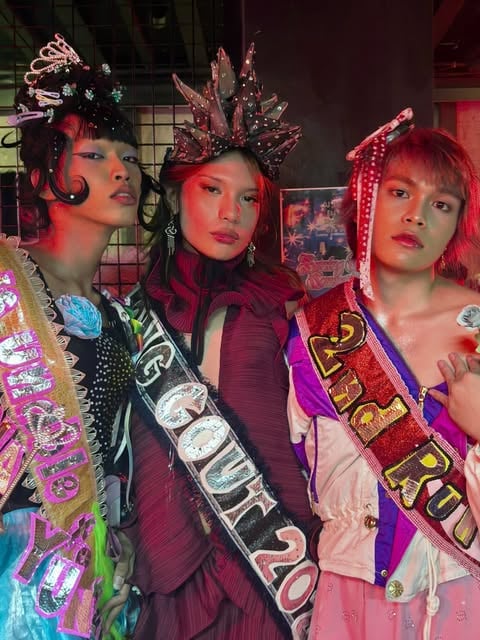
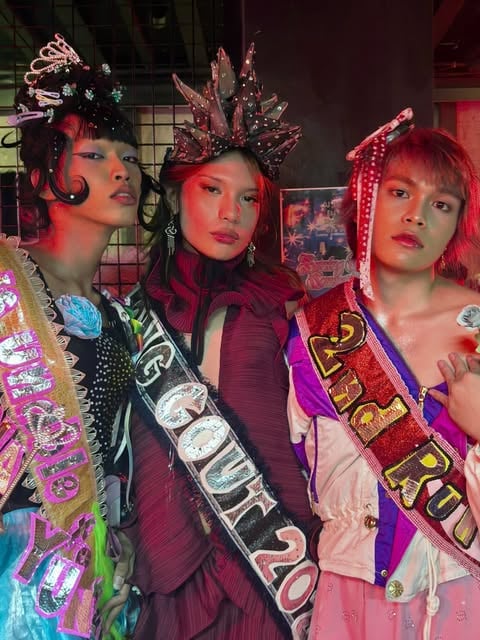
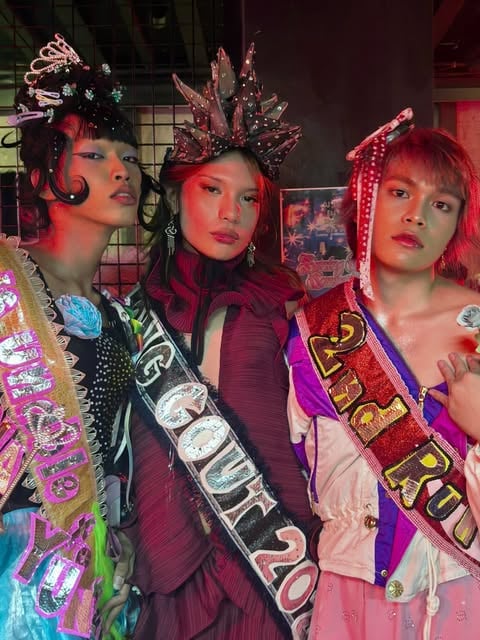
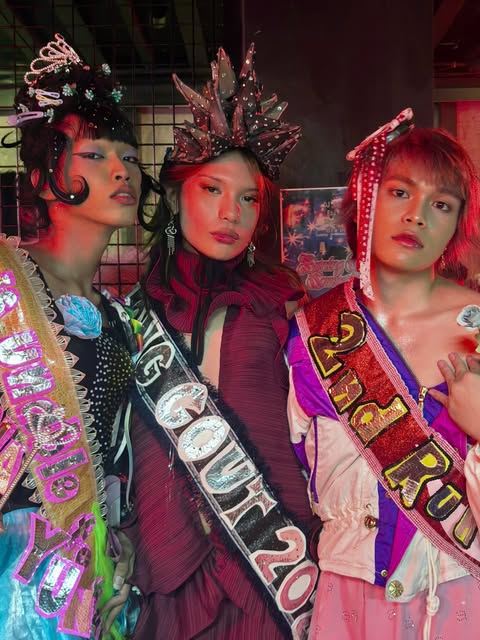
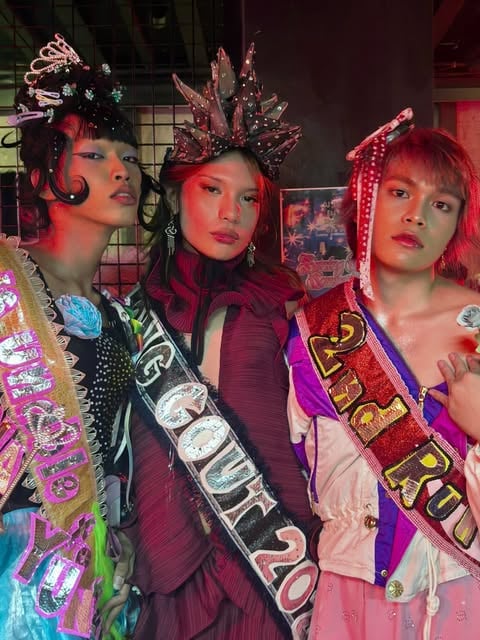
Pride Month is celebrated across Metro Manila every June, and Quezon City is central to it — both through UP Diliman's campus events and the QC government's own LGBTQ+ programming as a self-declared gender-fair city. The metro's main Pride march (long known as Metro Manila Pride, now the Pride PH Festival) draws tens of thousands and has been hosted at large venues around the region. Throughout the year, queer film screenings, theater, pageants and community gatherings keep the calendar busy, with UP Diliman a frequent host.
Where to Stay
Quezon City offers accommodation across every budget. Business hotels such as Seda Vertis North anchor the upscale end, while a wide range of mid-range hotels, staycation condos and boutique properties — many clustered around Timog, Quezon Avenue and Cubao — offer good value and welcome LGBTQ+ guests. Hotel Sogo's QC branches (Timog and Mindanao Avenue) are budget, no-frills options. Discrimination in mainstream hotels is uncommon.
Same-sex sexual activity is legal throughout the Philippines; there are no "sodomy" or anti-gay conduct laws anywhere in the country. Quezon City is generally safe for LGBTQ+ travelers, particularly in commercial and well-developed areas; petty theft and heavy traffic are the main day-to-day concerns rather than any targeting of queer visitors. Same-sex public displays of affection usually draw curiosity rather than hostility in the city, though a little discretion is sensible in more conservative or religious settings. Standard urban precautions apply: use Grab or registered taxis, keep valuables out of sight, and take care in isolated areas after dark.
Transit and Getting Around
Quezon City is served by the MRT-3 line along EDSA (stations including North Avenue, Quezon Avenue, Kamuning and Cubao) and the LRT-2 line along Aurora Boulevard (Cubao, Anonas, Katipunan), giving cheap access across the metro. The Grab ride-hailing app is the most reliable way to get around door-to-door. Traffic is heavy at peak times, so build in extra travel time. Walking works within a district like Timog or Cubao but is impractical over the city's larger distances in the tropical heat.
Food and Dining
Quezon City is one of Metro Manila's best eating destinations. Tomas Morato and Maginhawa Street in Diliman are famous food strips, ranging from Filipino classics — adobo, sinigang, fresh tropical fruit — to a huge spread of international and hole-in-the-wall options, generally at excellent value. Many cafés and restaurants around the university and the Tomas Morato strip are explicitly LGBTQ+ friendly.
Day Trips and Activities Beyond Nightlife
In the city itself, the Quezon Memorial Circle, the UP Diliman campus with its museums and lantern-lit December parade, the Art Deco heritage of New Manila and the Araneta City complex in Cubao all reward a visit. Farther afield, Tagaytay's cool ridge and lake views, the hot springs of Laguna, and historic Corregidor Island are each within a couple of hours.
English is very widely spoken in Quezon City, making it easy for international visitors. The currency is the Philippine peso; ATMs are everywhere, cards work in larger establishments, and cash is useful for smaller venues. Pack light, breathable clothing plus sunscreen and a compact umbrella — the rainy season runs roughly June to November. Filipino hospitality is warm and genuine, and LGBTQ+ visitors consistently report feeling welcome across the city's dining, nightlife and cultural scenes.
Frequently asked questions
Yes. Quezon City is one of the most LGBTQ+-friendly places in the Philippines. Its government passed a Gender-Fair Ordinance in 2014 banning discrimination based on sexual orientation and gender identity, the University of the Philippines Diliman has hosted queer activism since the early 1990s, and same-sex affection generally draws little attention in the city's commercial and nightlife areas.
The main gay nightlife strip runs along Tomas Morato Avenue and Timog Avenue in the South Triangle (Diliman), where you'll find drag venues and a cluster of male-entertainment bars. The Cubao district around Araneta City is known for gay-frequented spas, and UP Diliman anchors a younger, activist community. Note that BGC and Makati, sometimes miscredited to Quezon City, are separate Metro Manila cities.
The Timog/Tomas Morato area is home to most of the scene: Rampa Club (a flagship drag venue), The One 690, Club Mankind, EMO, SpectRoom, plus the macho-dancer bars Adonis and Makisig. Butterfly Manila is another nearby option.
Yes — Quezon City has a notably deep gay spa scene. New-York Spa, Alpha Massage and Wellness, Seven Dragons and the two Infinity Spa branches (Quezon City and Fairview) are the main bathhouses, alongside smaller male-therapist spas like Waterleaf and Yugen near Tomas Morato and HopeMed in Cubao.
Pride Month is celebrated across Metro Manila every June, and Quezon City is central to it through UP Diliman's campus events and the city government's own gender-fair programming. The metro's main march — long known as Metro Manila Pride, now the Pride PH Festival — draws tens of thousands each year.
Yes. Same-sex sexual activity is legal throughout the Philippines and there are no anti-gay conduct laws. Same-sex marriage is not yet recognized nationally, and the SOGIE Equality Bill — which would provide nationwide anti-discrimination protection — remains pending in Congress, though Quezon City already has its own local protections.
The MRT-3 line runs along EDSA (North Avenue, Quezon Avenue, Kamuning, Cubao) and the LRT-2 line along Aurora Boulevard (Cubao, Anonas, Katipunan), both cheap and useful. For door-to-door trips the Grab ride-hailing app is the most reliable option. Traffic is heavy at peak hours, so allow extra time.
Business travelers favor upscale hotels like Seda Vertis North, while mid-range hotels, staycation condos and boutique properties cluster around Timog, Quezon Avenue and Cubao. Hotel Sogo's Timog and Mindanao Avenue branches are budget options. Mainstream hotels across the city are used to welcoming LGBTQ+ guests.
Your privacy choices.
We use cookies to run GayOut and, with your consent, measure usage. Learn more
Your privacy choices
We use cookies to keep GayOut running, remember your preferences, and (with your permission) measure how the site is used. You can accept all, reject all, or pick what you allow. Learn more
Essential
Required for sign-in, fraud prevention, CSRF protection and remembering your language. Cannot be disabled.
Always on
Remembers your favourites, dark mode and other interface preferences across visits.
Helps us understand which pages people visit (Google Analytics, server-side stats) so we can improve.
Used by campaign tracking pixels. None are active right now, reserved for future use.
Install GayOut
Add GayOut to your home screen for faster access, offline favourites, and Pride alerts.



 Gay Bars & Clubs
Featured
(106)
Gay Bars & Clubs
Featured
(106)