Generally tolerant society but no legal recognition of same-sex relationships. A Sexual Orientation and Gender Identity Expression (SOGIE) bill has been pending in Congress for decades. Catholic Church influence is significant.
Never miss a gay event in Davao City
One email a week — the weekend lineup, parties and deals. No spam, unsubscribe anytime.
Weekly event updates. Notifications appear on your lock screen.
On iPhone: first add GayOut to your Home Screen (Share → Add to Home Screen), then open it from there to enable notifications.
Davao City, capital of Davao del Sur province and the second-largest city in Mindanao, has quietly become an important LGBTQ+ hub in the southern Philippines. While smaller than Metro Manila's gay scene, Davao offers a unique blend of urban nightlife, natural beauty, and genuine community warmth that attracts both local and international queer visitors.
History and Development
The LGBTQ+ community in Davao has grown significantly over the past two decades. Unlike some more conservative parts of Mindanao, Davao City's local government has been relatively progressive on LGBTQ+ issues. The city has hosted annual Pride celebrations since at least the mid-2010s, with official city support. Local Pride events reflect broader Philippine LGBTQ+ culture, blending activism with celebration, though scale and visibility vary by year. The community remains vibrant despite the Philippines' lack of comprehensive anti-discrimination laws at the national level.
Neighborhoods
The primary LGBTQ+ hub centers on the Poblacion district, a historic area that hosts numerous bars, restaurants, and entertainment venues. This neighborhood is accessible and walkable, with a mix of commercial establishments and residential areas. The nearby Bajada area also has several gay-friendly venues and is close to the city center. San Pedro Street and the surrounding blocks contain multiple gay bars and hangout spots. These neighborhoods are relatively safe during the day and evening, though standard urban precautions apply as in any city.
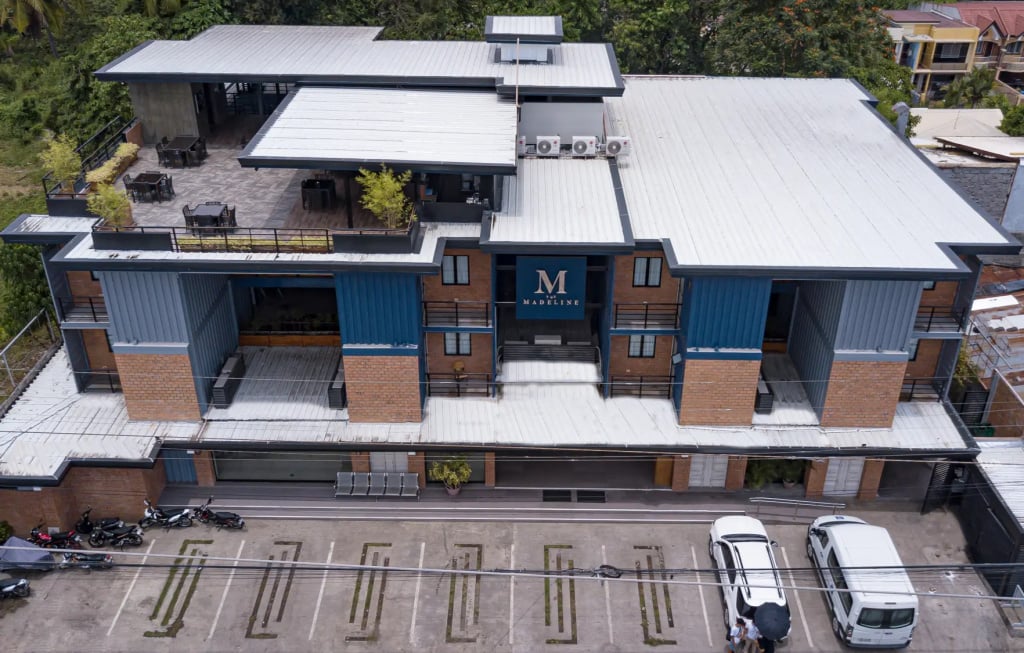
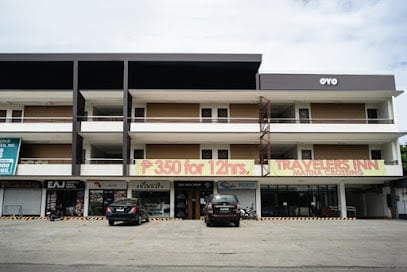
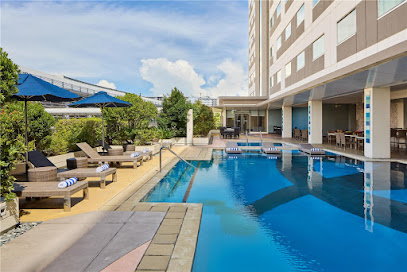
For accommodations, visitors can find gay-friendly hotels throughout the city center. Mid-range and budget options are plentiful and significantly cheaper than Manila. Several hotels and guesthouses are known to be LGBTQ+-friendly, though formal "gay hotels" as such are less common than in larger Metro Manila areas.
Venues and Nightlife
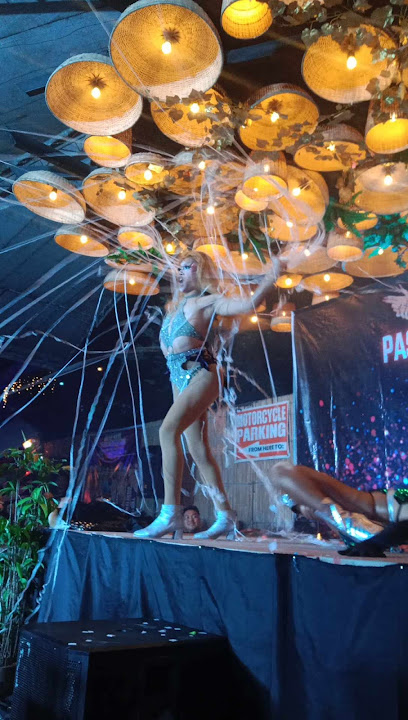
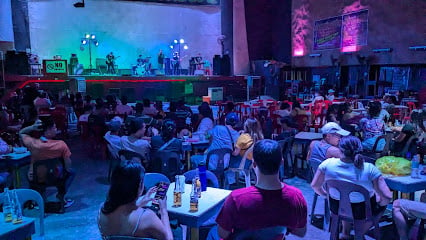
Backstreet Bar has been a longstanding fixture in Davao's gay scene, located in the Poblacion area and offering nightly entertainment including live performances, drag shows, and dancing. The venue attracts a mix of locals and tourists and serves as an important social hub.
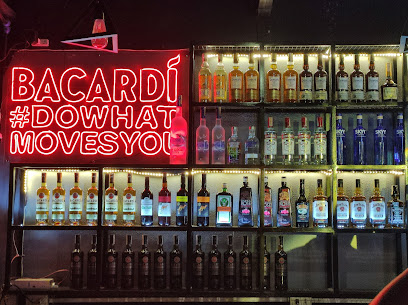
Other gay bars and clubs operate throughout the Poblacion and nearby areas, though the specific venues, names, and operating status can change. Visitors are advised to check current local resources, social media, and hotel concierge recommendations for the most up-to-date information on which venues are currently operating and popular.
Karaoke bars with LGBTQ+ clientele are widespread throughout the city, reflecting broader Philippine culture. These range from upscale venues to casual neighborhood spots.
Davao Pride typically occurs in June, with the 2023 event held as a significant celebration featuring a Pride march through city streets, cultural performances, concerts, and community activities. Official city government participation has elevated the event's visibility and safety. The exact dates, scale, and programming vary year to year, so travelers planning to attend should verify current event details through local tourism boards or LGBTQ+ community organizations.
Other events may be organized throughout the year by local LGBTQ+ groups and businesses, often promoted through social media.
Transit and Navigation
Davao City is served by Francisco Bangoy International Airport, with domestic flights connecting to Manila and other major cities, as well as limited international connections. The airport is approximately 25 kilometers from the city center; taxis, ride-sharing apps like Grab, and shuttle services provide transportation.
Within the city, taxis and Grab (Southeast Asia's ride-sharing app) are the most reliable transportation methods. Jeepneys (colorful public minibuses) operate on fixed routes but can be confusing for unfamiliar travelers. The city is sprawling, so most venues require motorized transport rather than walking.
Food and Culture
Davao is famous for its fresh tropical fruits, particularly mangoes and durian, available at public markets and restaurants. Local cuisine emphasizes fresh seafood and Filipino dishes. The city center and Poblacion have diverse dining options, from casual Filipino eateries to upscale restaurants, many LGBTQ+-owned or operated.
The People's Park in the Center and Abreeza Mall are popular public spaces for shopping and dining. The nearby Philippine Eagle Center offers educational opportunities about the endangered Philippine eagle. Samal Island, accessible by ferry, provides beach and water activities.
Safety Considerations
Davao benefits from being generally safer than some other major Philippine cities, with lower crime rates and visible police presence in tourist and commercial areas. However, as in any urban area, standard travel precautions apply: avoid displaying valuable items, travel in groups at night, and stay aware of surroundings.
The Philippines is a Catholic-majority nation with conservative social attitudes in many communities. While Davao City itself is generally accepting, anti-LGBTQ+ sentiment exists in broader Philippine society. National laws do not provide explicit anti-discrimination protections based on sexual orientation or gender identity, though violence against LGBTQ+ individuals is not systematic in urban areas like Davao. Public displays of affection between same-sex couples, while not dangerous, may attract stares in some contexts.
Day Trips and Nearby Attractions
Samal Island, accessible by ferry from Davao City proper, offers beaches, island resorts, and water activities. Several resorts cater to tourists seeking relaxation and snorkeling.
The Island Garden City of Samal and nearby coastal areas provide scenic alternatives to the city proper.
Mountain hiking opportunities exist in the nearby areas, including trails with natural viewpoints.
Practical Information
Visitors should plan at least three to five days to experience Davao's LGBTQ+ scene and attractions. The city's pace is slower than Manila's, which many travelers appreciate. Cost of living and tourism are significantly cheaper than Manila, making Davao accessible for budget travelers.
English is widely spoken in tourist areas and among younger urban residents, though Filipino (Tagalog) and local Cebuano dialects are primary languages.
The Philippines uses the Philippine Peso (PHP). ATMs are widely available in the city center.
Frequently asked questions
Filipino society is generally accepting of LGBTQ+ people. While Davao City has a growing and increasingly visible LGBTQ+ community, it's important to be aware that the scene is sometimes cautiously public.
Poblacion, the city's original downtown area, hosts several bars and clubs with LGBTQ+ clientele and is a lively social hub. Del Monte and surrounding commercial areas, as well as the Abreeza Mall complex and Lanang, also have establishments catering to the LGBTQ+ community.
The first Pride parade in Davao took place in the early 2010s and has gained momentum over subsequent years. Specific dates for current Pride events are not provided.
Davao's organized LGBTQ+ venues emerged more recently compared to other cities. Poblacion hosts several bars and clubs with LGBTQ+ clientele, and other commercial areas also have establishments catering to the community.
Accommodation is fairly available throughout the city, with mid-range and budget hotels common. Gay travelers often stay in central locations near Poblacion or commercial areas for proximity to nightlife.
Davao has developed a growing and increasingly visible gay and lesbian community since the early 2000s. While not historically a major LGBTQ+ destination, the scene reflects a vibrant community that has become more integrated into mainstream city life.
Your privacy choices.
We use cookies to run GayOut and, with your consent, measure usage. Learn more
Your privacy choices
We use cookies to keep GayOut running, remember your preferences, and (with your permission) measure how the site is used. You can accept all, reject all, or pick what you allow. Learn more
Essential
Required for sign-in, fraud prevention, CSRF protection and remembering your language. Cannot be disabled.
Always on
Remembers your favourites, dark mode and other interface preferences across visits.
Helps us understand which pages people visit (Google Analytics, server-side stats) so we can improve.
Used by campaign tracking pixels. None are active right now, reserved for future use.
Install GayOut
Add GayOut to your home screen for faster access, offline favourites, and Pride alerts.


 Gay-Friendly Bars & Clubs
(1)
Gay-Friendly Bars & Clubs
(1)