Timisoara, in western Romania near the Hungarian and Serbian borders, is a city of approximately 320,000 with a history shaped by Austro-Hungarian, Ottoman, and Soviet influences. The LGBTQ+ scene is developing, offering an experience distinct from larger Western European gay destinations.
Romania decriminalized same-sex relationships in 2001. Legal equality is not complete; civil partnerships and same-sex marriage are not recognized. Timisoara has seen a growth in visible LGBTQ+ spaces over the past 15 years. Its proximity to Hungary and Serbia, along with a younger, internationally-oriented population, contributes to a more open atmosphere compared to more conservative Romanian regions.
The LGBTQ+ community in Timisoara is close-knit. Visible social spaces tend to be male-dominated, though women's groups and online communities exist. Many locals maintain discretion in public while being open in dedicated social settings. The scene is primarily for locals; visitors will encounter residents rather than a transient tourist crowd.
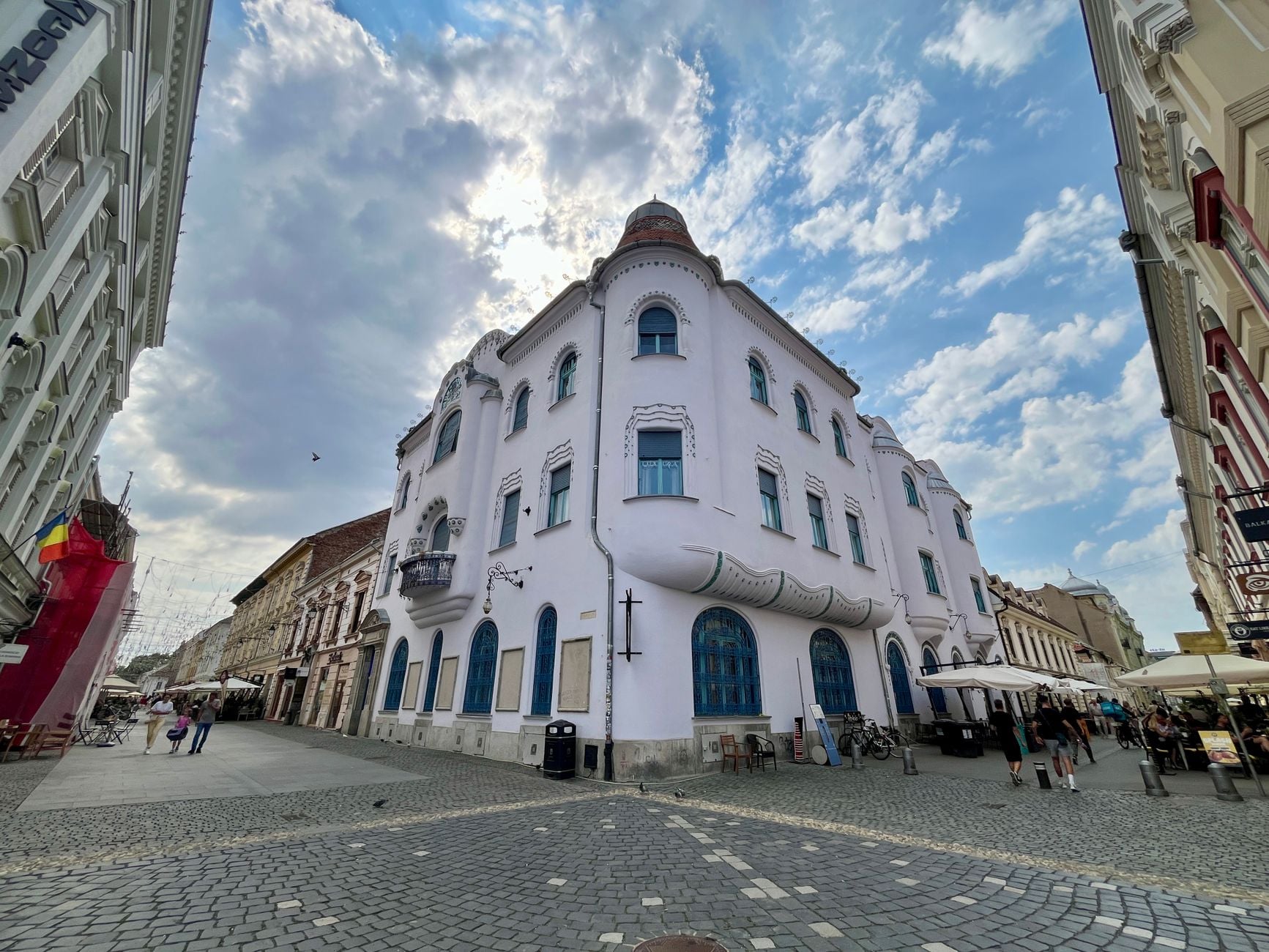
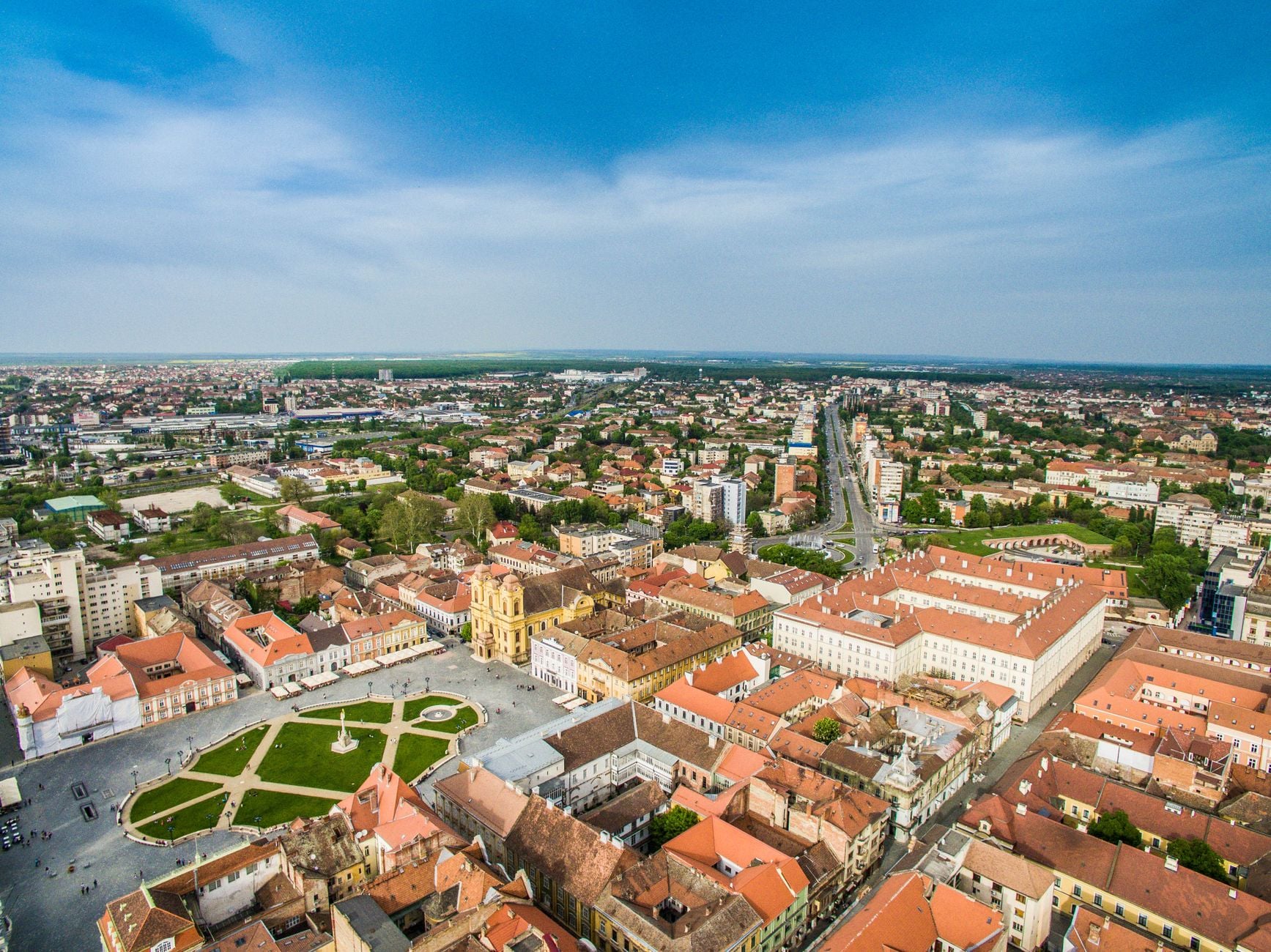
The city center, particularly Piata Unirii square and the adjacent Old Town, is the best base for visiting and contains most LGBTQ+-friendly venues. This area is compact and walkable. Piata Libertatii and its surrounding streets offer additional atmosphere and cultural attractions.
The central area is easily navigable on foot. Public transport includes trams and buses, though most visitor activities are within walking distance of central hotels. The main railway station is about 1.5 km north of Piata Unirii. Taxis are inexpensive and reliable; ride-sharing apps like Uber operate in the city.
Timisoara has a limited number of gay-specific venues. The scene is centered on several gay-friendly cafes, clubs, and informal meeting points. To confirm current venue status, checking local online groups or LGBTQ+ social media before arrival is advisable. Historically, gay-friendly bars in the Old Town have been weekend gathering spots for locals. The community's visibility is maintained through online platforms, dating apps, and word-of-mouth. Facebook groups and other social media are often used to coordinate meetups and events. There are no dedicated saunas or bathhouses; such facilities would require travel to larger cities.
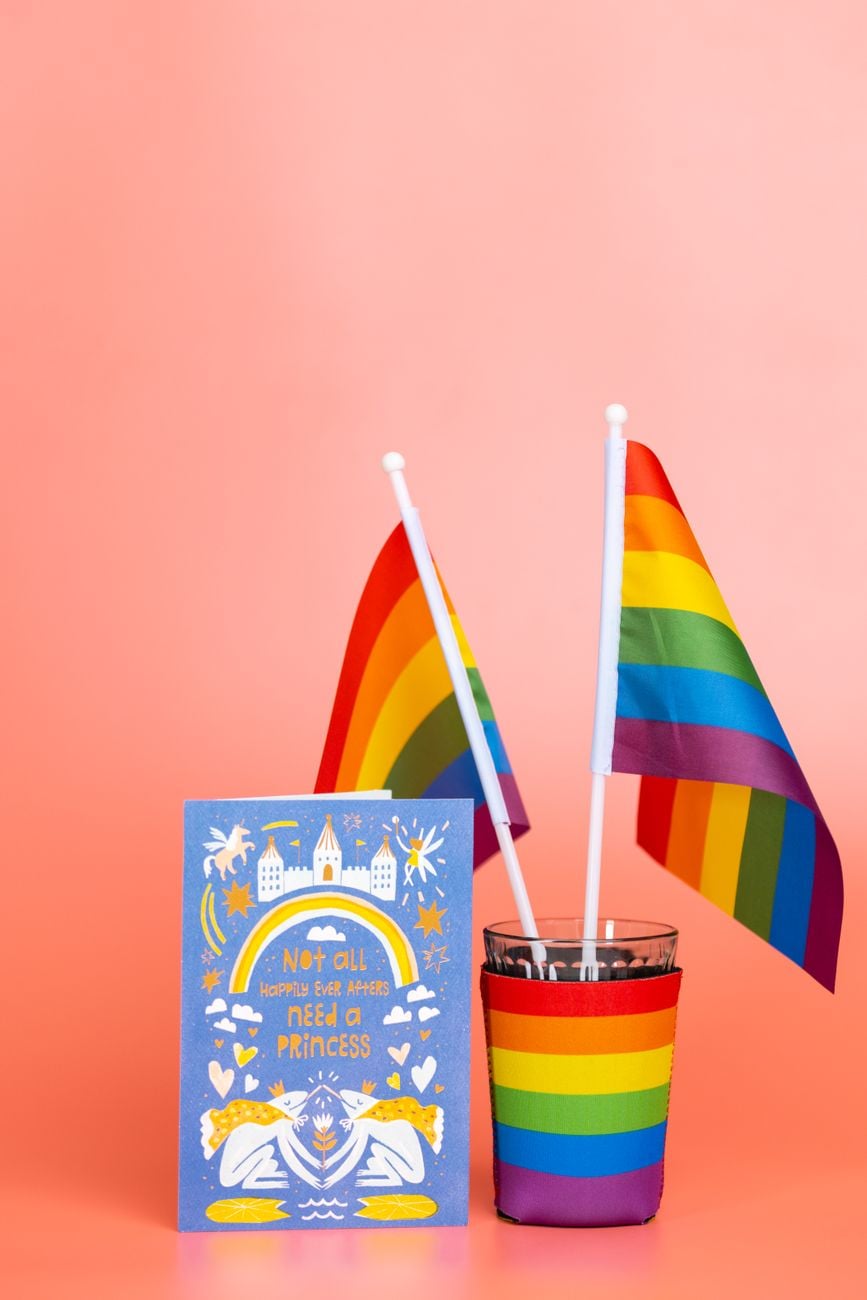
Timisoara Pride takes place each June, typically around mid-month, featuring a parade through the city center, cultural events, and performances. Recent celebrations have seen attendance exceeding 1,000. The event is organized by local LGBTQ+ activists and is one of Romania's visible Pride celebrations outside Bucharest. Beyond Pride, the calendar includes occasional community gatherings, film screenings, and cultural events organized by local groups. Socializing tends to concentrate on regular meetups rather than a packed schedule of events.
The city center near Piata Unirii is the most convenient location for visitors. Mid-range hotels in this area include international chains and local boutique properties. The Old Town district offers charming, centrally-located accommodations with historic character. Airbnb is also a popular option in Timisoara, with choices across various budgets. Staying within walking distance of Piata Unirii provides easy access to restaurants, cafes, and social spaces. Many LGBTQ+ travelers connect with locals via dating apps and online platforms before arrival, who can offer informal recommendations.
Timisoara is generally considered safe for LGBTQ+ travelers, particularly in the city center and well-populated areas. However, Romania's legal framework offers limited protections. Same-sex couples should exercise discretion with public displays of affection, especially outside central districts. The city's international transit links mean visible diversity is common. Younger residents and city dwellers tend to be more accepting than those in rural areas. Language can be a barrier; English is spoken in tourist-focused establishments but is less common in everyday commerce. Learning basic Romanian phrases is helpful. Romanians are generally hospitable once initial language differences are navigated.
Timisoara's culinary scene reflects its Austro-Hungarian and Balkan heritage. Local specialties include mici (grilled meat rolls), ciorbă (sour soup), and pork dishes. The city center has numerous casual restaurants and cafes offering traditional and international cuisine. Cultural attractions include the Orthodox Metropolitan Cathedral, Huniade Castle ruins, the Museum of Art, and several theaters. The Baroque and neoclassical architecture, particularly around Piata Unirii, provides extensive historical exploration.
The Danube gorge and nearby natural areas are accessible for day trips. Timisoara's location near Hungary and Serbia also makes cross-border exploration feasible. Bucharest, Romania's capital with a larger LGBTQ+ scene, is approximately 400 km southeast and is accessible by bus, train, or flight. A visit to Bucharest can supplement a Timisoara trip for those seeking more nightlife options.
Currency: Romanian Leu (RON). ATMs are readily available. Credit cards are accepted in most establishments, but cash is useful for smaller venues.
Language: Romanian. English is increasingly common among younger people and in tourist areas but is not universal.
When to Visit
Best Time to Visit: Late spring (May-June) through early fall (September) offers pleasant weather. June coincides with Pride, attracting LGBTQ+ visitors.
Visa: EU/EEA citizens do not require a visa. Others should verify Romanian visa requirements.


 友善同志友善飯店
(440)