Sant Francesc de s'Estany: A Rural Mallorca Experience
Sant Francesc de s'Estany is one of Mallorca's most authentically quiet villages, located in the interior of the island approximately 30 kilometers southwest of Palma. This tiny community of under 1,000 residents represents rural Mallorca as it has existed for centuries—far removed from the international resort culture of the coast. For LGBTQ+ travelers, understanding what this destination offers and does not offer is essential for setting appropriate expectations.
What to Expect
Sant Francesc de s'Estany has no known dedicated LGBTQ+ venues, no gay bars or clubs, and no visible queer nightlife infrastructure. This is not a destination for those seeking an active gay scene. However, Spain is among Europe's most LGBTQ+-friendly countries legally and socially, and Mallorca's general population is cosmopolitan and accepting. Rural villages tend to be more traditional in character, but visitors should not encounter hostility. This village is simply too small to support specialized venues of any kind.
The appeal of Sant Francesc de s'Estany for LGBTQ+ travelers lies elsewhere: in experiencing genuine village life, observing traditional Mallorcan architecture and culture, enjoying locally-sourced food, and using the location as a base for exploring the rural interior of Mallorca. It is ideal for couples seeking a quiet retreat, groups interested in cultural tourism, or travelers who want to escape the gayfriendly but heavily commercialized coastal gay scenes.
Village Character and Attractions
The village centers on its historic church, a modest stone structure that reflects centuries of Mallorcan rural culture. The main plaza and surrounding narrow streets contain a few local shops, cafes, and restaurants that serve residents and occasional visitors. The landscape surrounding the village consists of agricultural land, olive groves, and Mediterranean countryside ideal for walking and photography.
Local restaurants in Sant Francesc de s'Estany typically serve traditional Mallorcan cuisine, featuring fresh vegetables, local cheese, and meat dishes. Specialties include tumbet (a vegetable stew), sopas mallorquinas (a bread-based soup), and ensalada de col (cabbage salad). These establishments are family-oriented and welcoming to all visitors. The pace of life is slow, meals are leisurely, and the focus is on quality ingredients and traditional preparation.
Nearby Villages and Day Trip Options
The interior of Mallorca offers several charming villages within driving distance of Sant Francesc de s'Estany. Algaida, about 10km away, is another quiet village with a historic church and local restaurants. Montuïri, roughly 15km east, sits on a hilltop and offers panoramic views across central Mallorca. These villages maintain similar character to Sant Francesc de s'Estany and are suitable for day trips exploring rural Mallorca.
The Santuari de Vilafranca, a sanctuary located in the hills near the village of Vilafranca (about 20km northwest), is a notable religious site with historical significance. While primarily a Catholic pilgrimage destination, the beautiful setting and surrounding countryside attract visitors interested in cultural tourism.
Palma and Larger Towns
For LGBTQ+ travelers seeking nightlife, cultural venues, restaurants, and gay-friendly infrastructure, Palma de Mallorca is the essential destination. Located approximately 30km from Sant Francesc de s'Estany, Palma is Mallorca's capital and largest city, with an established gay scene including bars, clubs, and Pride celebrations. The drive takes roughly 45 minutes to an hour depending on traffic and route.
Palma's gay scene centers around the city center and harbor area. While specific venue information changes frequently, Palma consistently features gay bars and clubs, particularly in the streets around the Plaza Mayor and in the waterfront district. The city hosts events throughout the year, and the annual Pride celebration typically occurs in June, featuring parades, parties, and cultural programming that attracts visitors from across the island and mainland Spain.
Calvià, another coastal town approximately 20km southwest of Sant Francesc de s'Estany, also maintains a more developed tourist infrastructure and gay-friendly accommodations and venues compared to the rural interior.
Transportation and Logistics
Sant Francesc de s'Estany is best accessed by rental car. Public transportation between the village and other locations exists but is limited. Buses serve major routes connecting to Palma and other towns, but schedules may be infrequent, particularly on weekends and outside tourist seasons. Traveling with a rental car provides maximum flexibility for exploring the rural interior and making day trips to Palma or coastal areas.
The village has no commercial accommodations specifically marketed to tourists. Visitors typically rent rural properties, converted farmhouses, or stay in nearby towns with hotels or guesthouses, then drive to Sant Francesc de s'Estany for meals and exploration. Several rental agencies in Palma and at Palma de Mallorca Airport (approximately 50km away) offer car rentals. The airport is served by international flights from across Europe and beyond.
Where to Stay
Accommodations in Sant Francesc de s'Estany itself are extremely limited or nonexistent as traditional hotels or guesthouses. Visitors typically arrange private villa rentals through platforms such as Airbnb or Vrbo, which list rural properties and converted farmhouses throughout the region. These provide authentic experiences of rural Mallorcan life and serve as bases for exploring the interior and making day trips to larger towns.
For those preferring conventional hotels and services, nearby towns offer more infrastructure. Algaida, about 10km away, has a few small hotels and restaurants. The larger towns of Calvià and Llucmayor offer broader selections of accommodations ranging from budget guesthouses to upscale resorts.
In Palma, numerous hotels cater to various budgets and travel styles. The city center near the cathedral and along the waterfront contains many options, including several small hotels and guesthouses owned by gay proprietors or specifically marketed to LGBTQ+ travelers. Palma accommodations can accommodate day trips to the interior or serve as a base for exploring the island.
Spain maintains strong legal protections for LGBTQ+ individuals, including marriage equality, legal recognition of transgender identities, and comprehensive anti-discrimination laws. Mallorca, as a major international destination, is generally cosmopolitan and welcoming to LGBTQ+ visitors. Public displays of affection between same-sex couples are culturally accepted in urban areas and among younger generations.
In small rural villages like Sant Francesc de s'Estany, traditional attitudes may be more conservative, though overt hostility toward LGBTQ+ visitors is unlikely. As with any travel, using common sense—dressing appropriately for the cultural context and avoiding confrontational behavior—contributes to positive interactions. The village is safe in terms of crime, with the low crime rates typical of rural Mallorca.
Cultural Sensitivity and Visiting Etiquette
When visiting Sant Francesc de s'Estany and similar rural villages, respecting local culture enhances the experience and contributes positively to community relations. Learning basic Spanish phrases, supporting local restaurants and shops, and showing genuine interest in the village's history and culture demonstrate respect. Photographing individuals should always involve requesting permission first. Many villagers work in agriculture or small-scale businesses and appreciate visitors who approach the community with cultural curiosity rather than simply passing through.
Best Times to Visit
Mallorca's weather is mild year-round, with warm summers (June-September) and cool but generally pleasant winters (December-February). Spring (March-May) and autumn (September-November) offer comfortable temperatures and fewer crowds. Summer is peak season for coastal tourism but can be very hot. For visitors seeking quiet and authentic village experiences, shoulder seasons offer ideal conditions.
For LGBTQ+ Pride and events, timing a visit to coincide with Palma Pride (typically June) provides opportunities to experience both rural village culture and organized LGBTQ+ celebration in one trip.
Conclusion
Sant Francesc de s'Estany represents Mallorca's rural interior: quiet, traditionally-oriented, and focused on authentic island culture rather than tourism infrastructure. For LGBTQ+ travelers, its value lies not in dedicated gay venues or nightlife but in offering a peaceful base for experiencing rural Mediterranean life, local cuisine, and beautiful countryside. Combine time in Sant Francesc de s'Estany with day trips to Palma or other towns for access to gay-friendly dining, nightlife, and Pride events. This approach allows travelers to experience multiple dimensions of Mallorca—both its quiet interior and its cosmopolitan urban and resort culture.
常見問題
Formentera,包括 Sant Francesc de s'Estany,歷來吸引波希米亞風格與另類旅人,其中不乏許多同志旅客,這歸因於其寬容的氛圍以及對多元生活方式普遍開放的文化態度。該島重視自然環境與低調的生活步調。
不,Sant Francesc de s'Estany 村內沒有同志酒吧或專為 LGBTQ+ 族群設計的場所。當地的社交生活主要圍繞著非正式的用餐聚會和私人聚會。
不同於鄰近伊維薩島以派對為中心的同志圈,Sant Francesc de s'Estany 體現了一種寧靜與自然之美的生活哲學。福門特拉島上的 LGBTQ+ 社群呈現出有機、分散且融入更廣泛社區的特質,而非被隔離在特定的同志區域中。
Sant Francesc de s'Estany 的 LGBTQ+ 旅客社交生活主要圍繞海灘活動、非正式用餐以及私人聚會。位於東海岸的 Playa Levante 以輕鬆友善的氛圍聞名,是熱門的聚集地點。
Sant Francesc de s'Estany 與 Formentera 缺乏專門的同志飯店或度假村。住宿通常融入當地的各種住宿選擇中。
Sant Francesc de s'Estany 村莊內沒有驕傲節慶祝活動。該島的旅遊模式重視自然與低調生活,而非商業化,這也塑造了當地 LGBTQ+ 文化的存在方式。



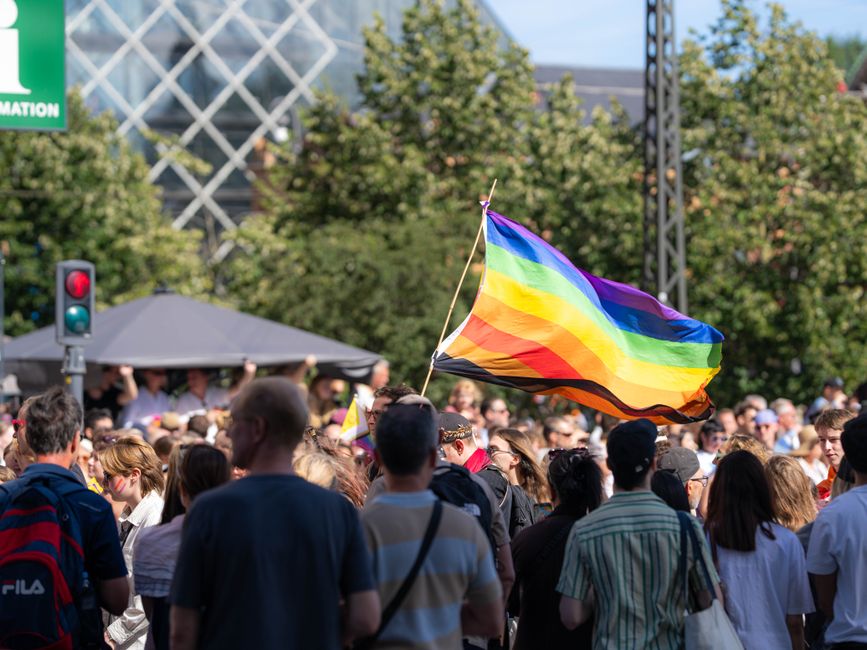
 友善同志友善飯店
(125)