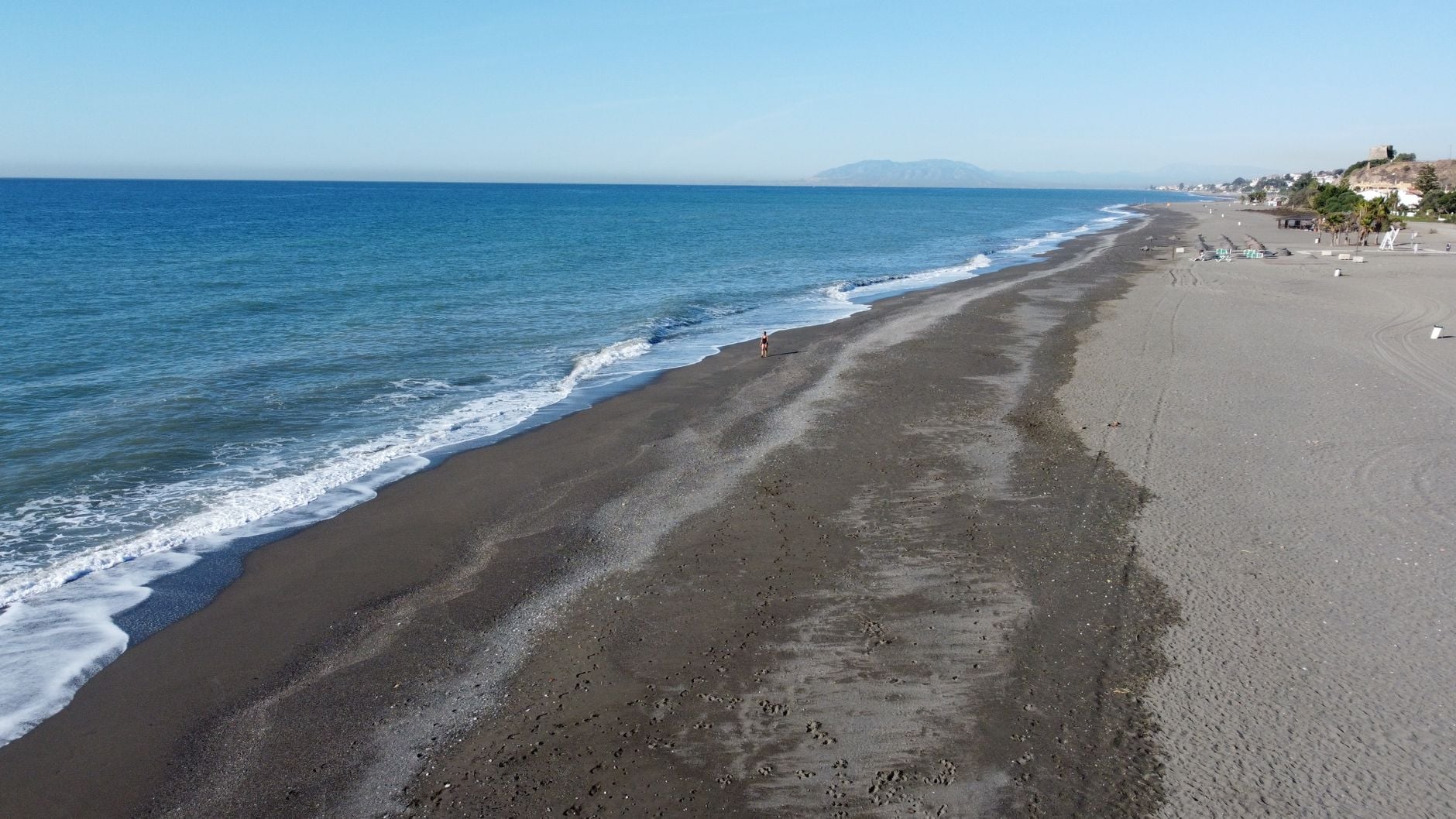
Long-standing cruising spot in the low dunes and scrubland between the Guadalmar car park and the naturist section of the beach. Busiest on warm afternoons and summer evenings.
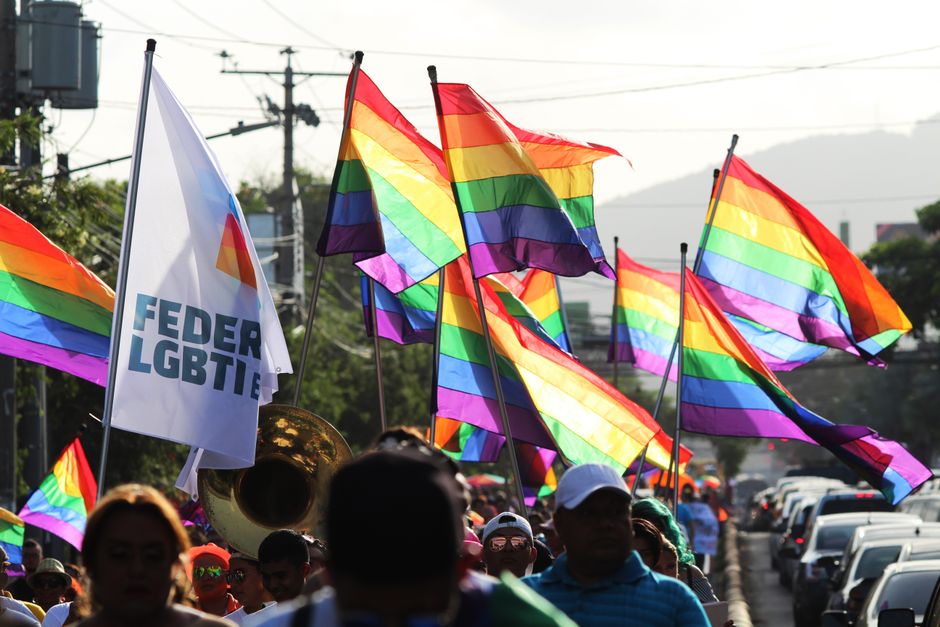
Andalusia's LGBT federation, headquartered just off Plaza de la Merced - legal aid, psychological support, HIV/STI testing and the driving force behind Malaga Pride.
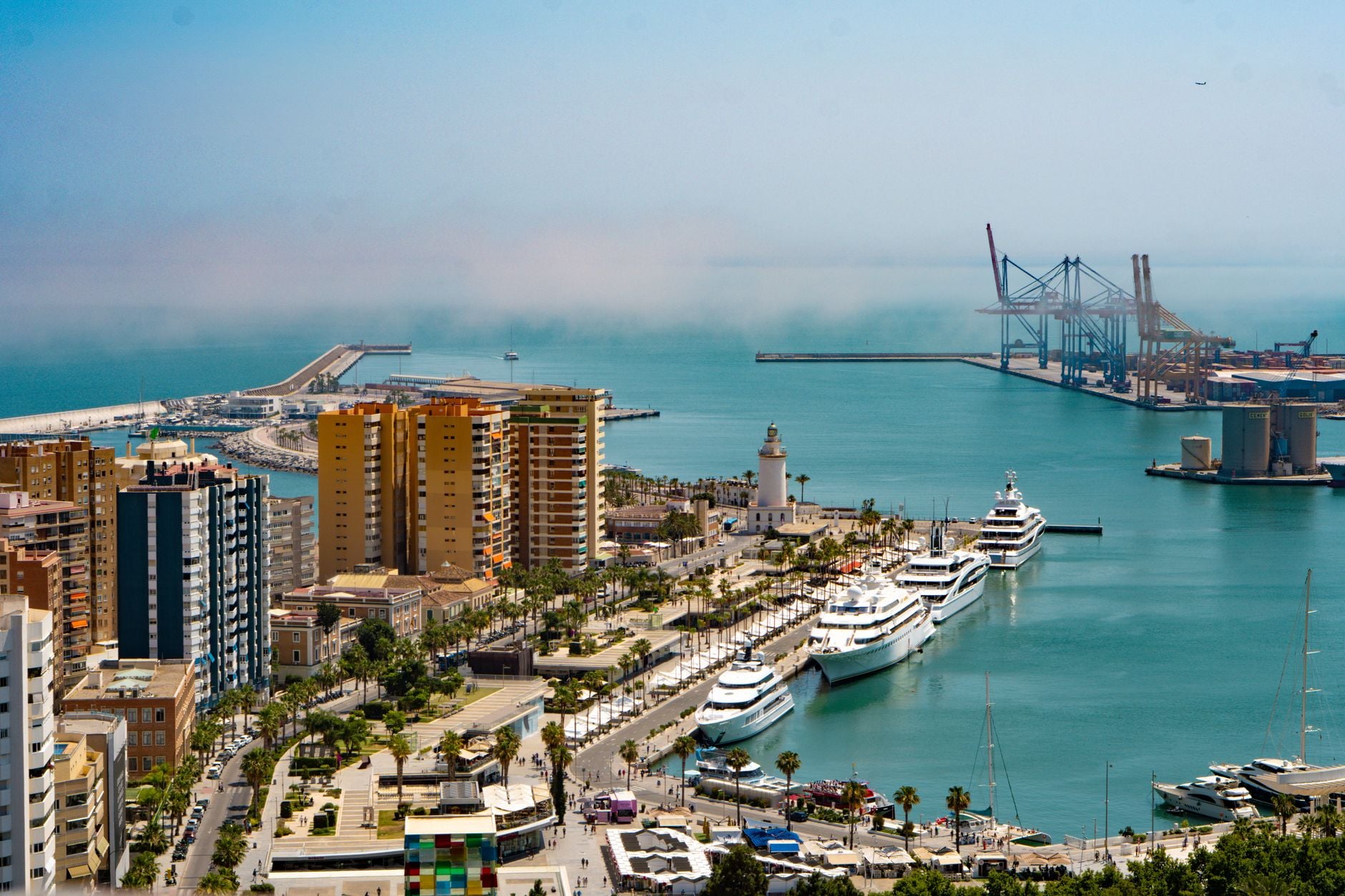
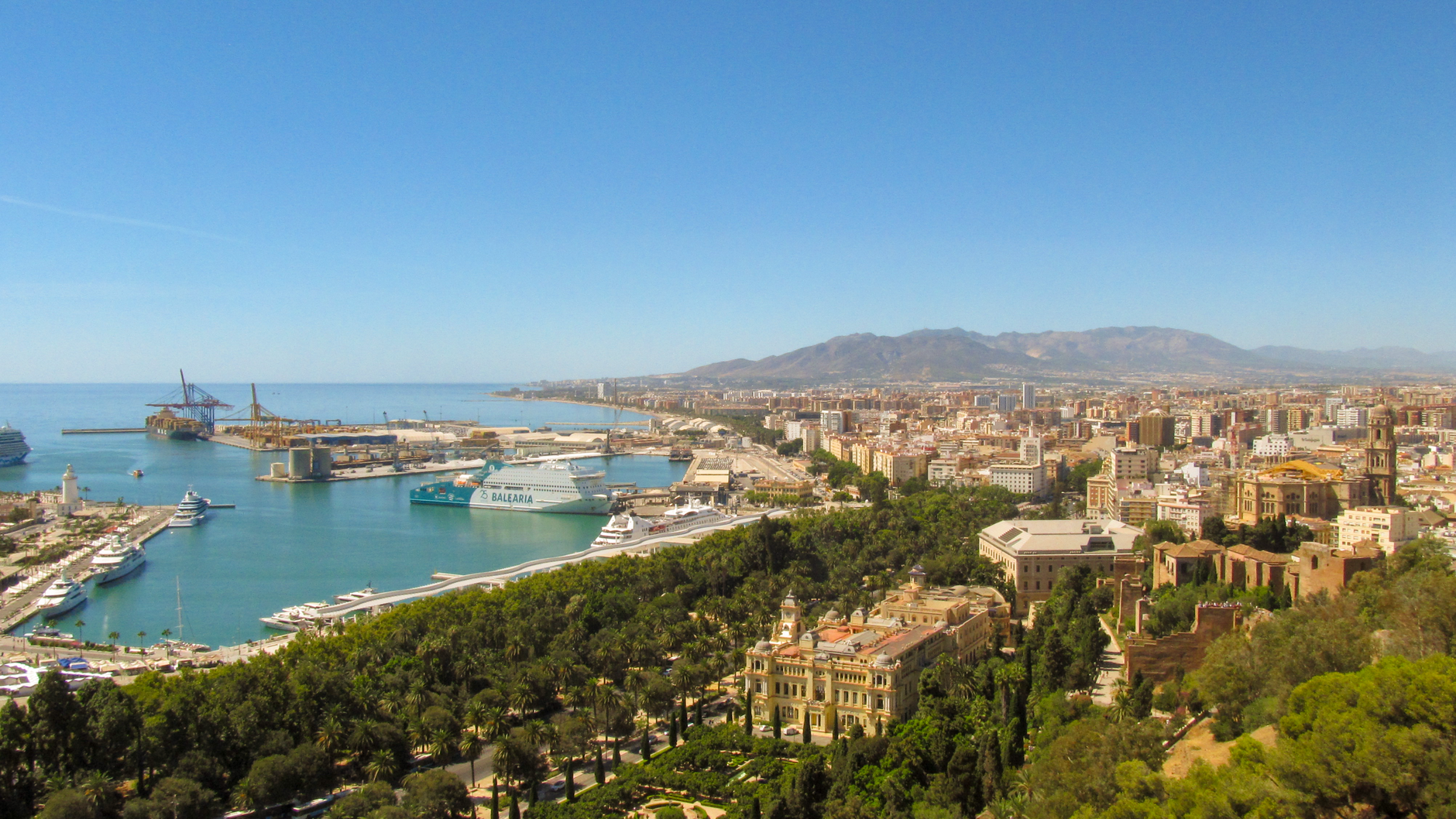
Málaga, on the Costa del Sol, offers a mix of beach culture, architecture, and an evolving LGBTQ+ scene. The city has seen its LGBTQ+ infrastructure develop over recent years, influenced by tourism and Spain's progressive legal framework for LGBTQ+ rights.
The LGBTQ+ scene in Málaga began to take shape in the late 1990s and early 2000s, mirroring Spain's broader societal shifts. Spain legalized same-sex partnerships in 2005 and marriage equality in 2009. In Málaga, the scene has grown organically, integrating into the city's fabric rather than concentrating in a single district, which offers a more integrated experience but can sometimes mean less immediate visibility for newcomers.
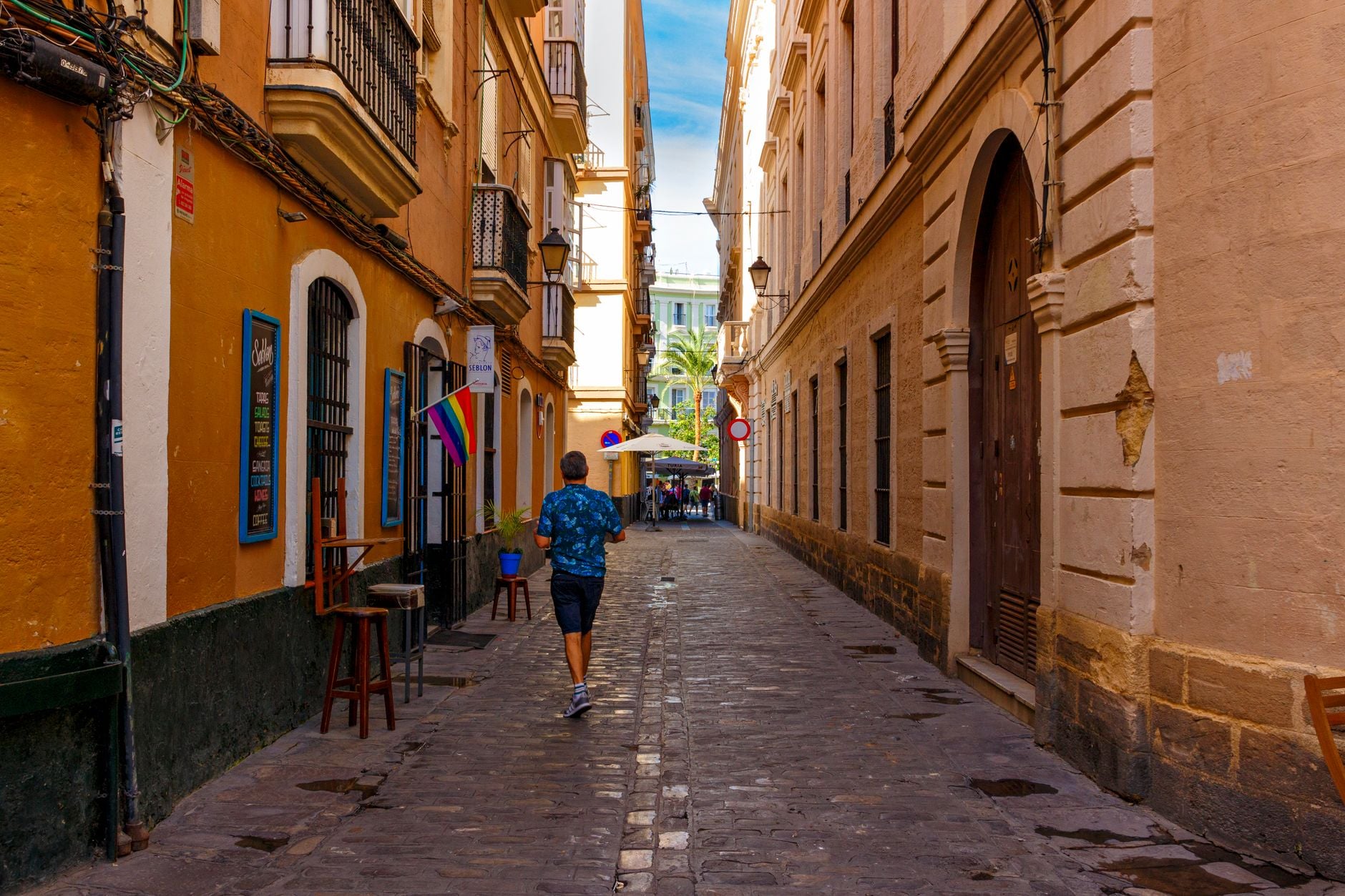
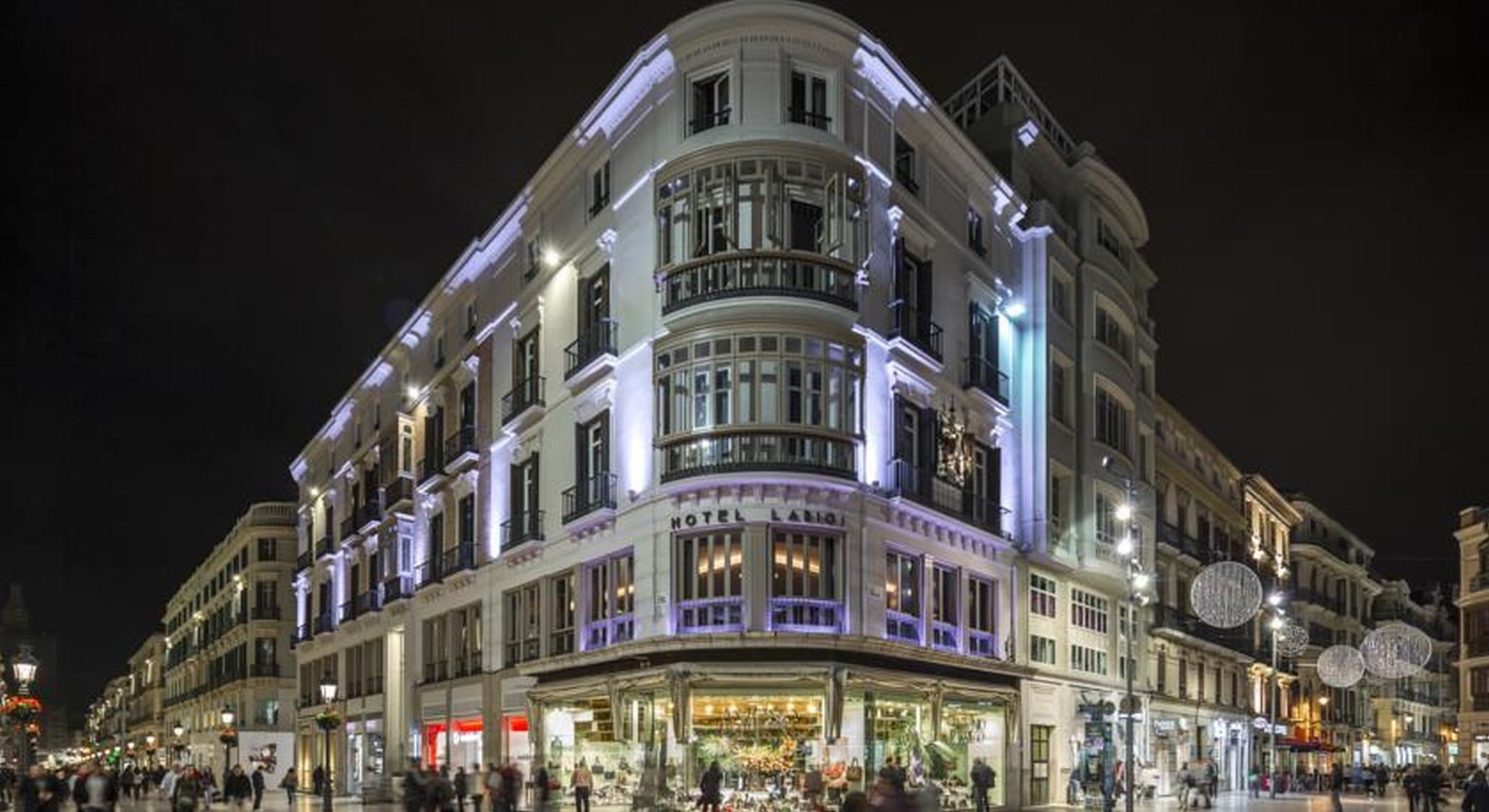
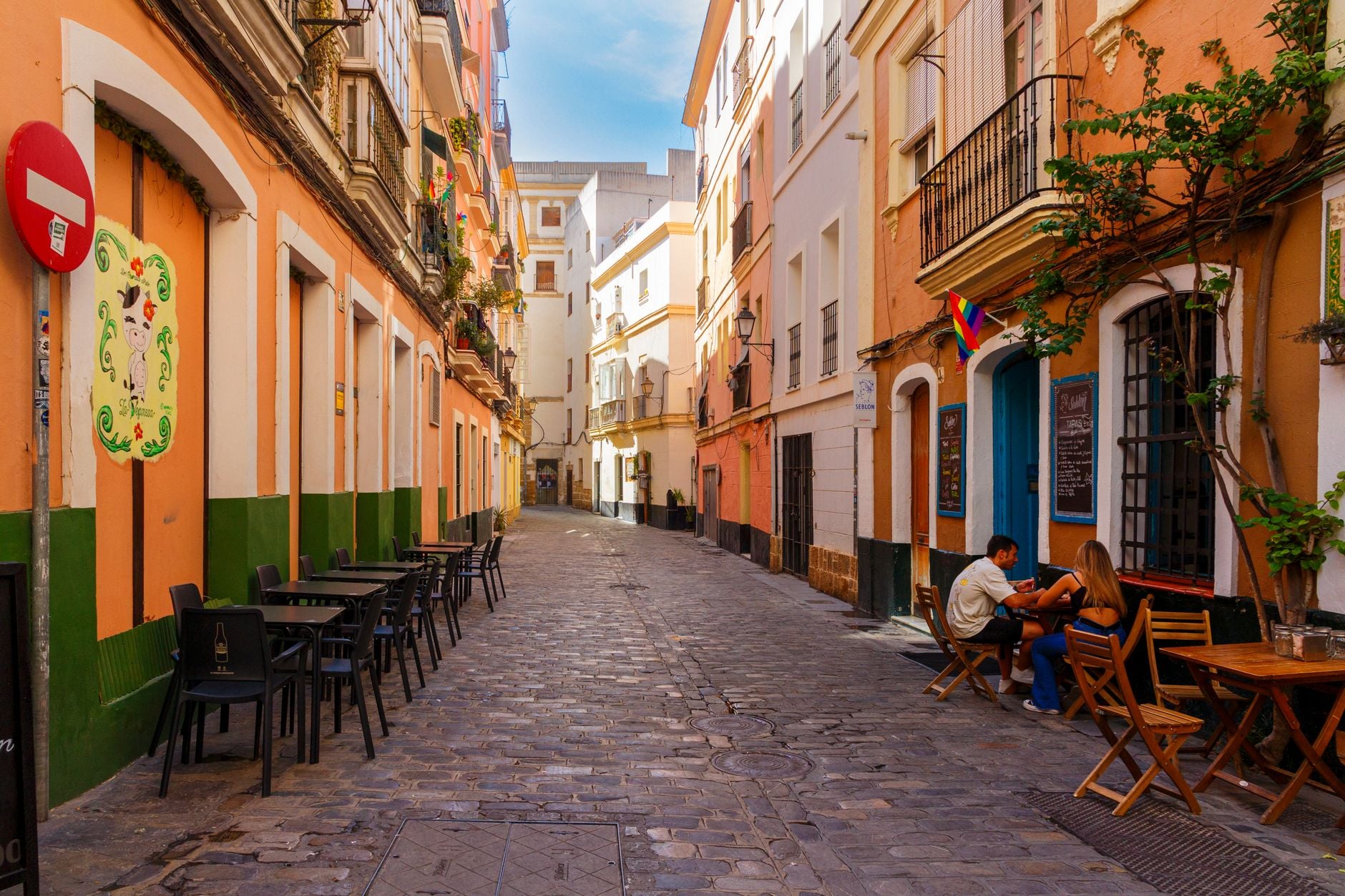
The historic city center (Centro Histórico) is where much of the LGBTQ+ social activity takes place. The streets around Calle Larios and nearby plazas host many gay-friendly bars and cafes, offering an authentic Spanish atmosphere that welcomes visitors.
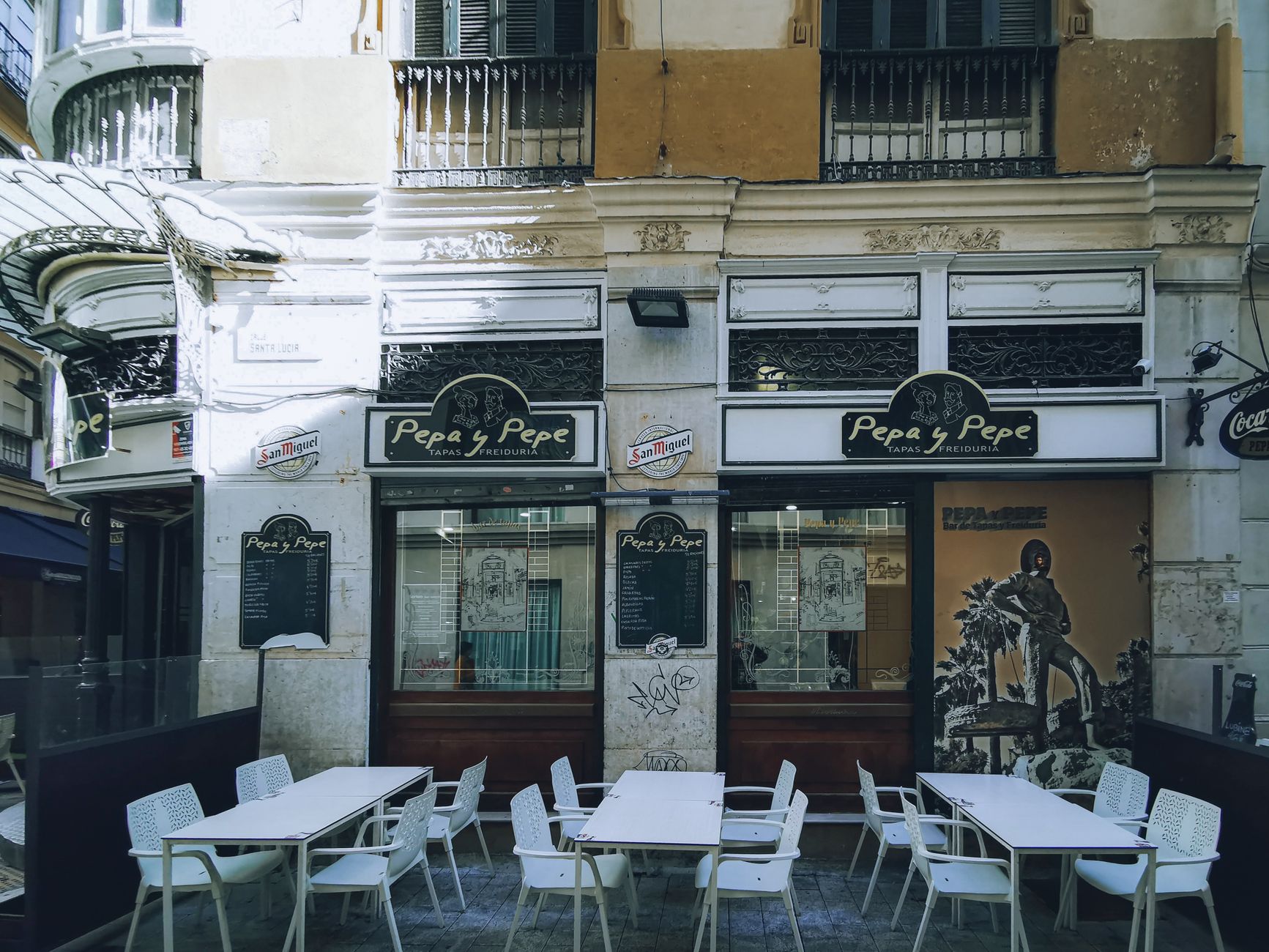
The El Pimpi neighborhood, northwest of the center, is known for its traditional tapas bars and relaxed vibe. While not exclusively LGBTQ+, it’s a popular spot with locals and provides a genuine taste of Málaga life.
Playa de la Malagueta and Playa del Palo, the beachfront areas, attract a younger crowd, particularly in summer. These beaches often have designated areas that are welcoming to the LGBTQ+ community, especially during Pride and summer weekends. The eastern beaches and their chiringuitos (beach bars) offer a relaxed seaside social scene.
Málaga's gay venues are characterized by a focus on quality. While specific bar names can change, the core scene generally includes several reliable establishments. The areas around the Cathedral and streets branching off Calle Larios are where most active gay bars are found. Places like El Tintero serve as common meeting points for evening drinks. Dance clubs often operate seasonally or primarily on weekends, with specific venues sometimes shifting year to year. For the most up-to-date venue information, checking local LGBTQ+ websites, social media groups, and gay travel apps like Hornet or Scruff is recommended, as these sources can provide current recommendations from locals and help avoid outdated information. Information on saunas can also be found through these local resources, as hours and operational status can vary.
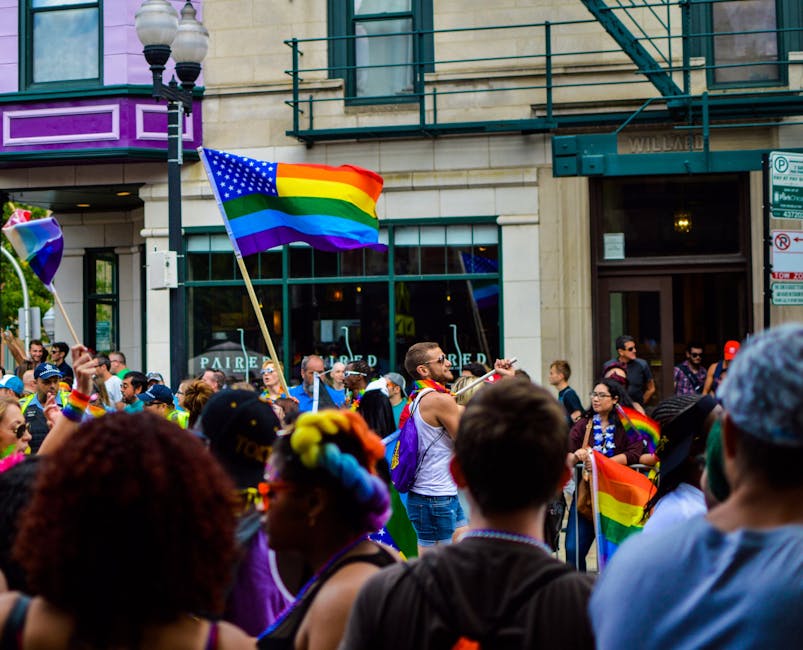
Málaga Pride (Orgullo de Málaga) occurs annually in June, typically around mid-month. The event includes marches, outdoor parties, performances, and themed events across the city. In 2023, the event saw a significant turnout, making it a notable Pride celebration in Spain. Seasonal circuit events and beach parties are also organized, particularly around Easter and throughout the summer months. New Year's Eve also attracts a considerable LGBTQ+ crowd.
Where to Stay
Accommodation options vary in price and style. The city center provides convenient access to bars, restaurants, and attractions, though it can feel tourist-heavy. Hotels and aparthotels in the historic center often cater to LGBTQ+ travelers, with many being LGBTQ+-owned. Booking sites may indicate gay-friendly options and feature reviews from LGBTQ+ travelers. Beachfront areas offer resort-style stays with pools and beach access, appealing to those seeking relaxation. The El Pimpi neighborhood and its surroundings provide mid-range options with a more local feel. Hostels throughout the city are suitable for younger and solo travelers, with some designated gay-friendly locations in the center.
Spain is generally very safe for LGBTQ+ travelers. Same-sex marriage is legal, and anti-discrimination laws are in place. Public displays of affection between same-sex couples are common and unremarkable. Málaga residents, especially in the city center, are known for their friendliness and acceptance. Police are generally helpful and responsive. Standard urban safety precautions apply: avoid isolated areas late at night, be mindful of belongings in crowded tourist spots, and use registered taxis at night. These are general travel safety measures, not specific to LGBTQ+ concerns.
Málaga-Costa del Sol Airport (AGP) is well-connected internationally. It is located 8 kilometers southwest of the city center. The C1 train line provides a direct and inexpensive connection to the city center station, taking about 12 minutes. Taxis and ride-sharing services are also available from the airport. Within the city, walking is the best way to explore most areas of interest, including the historic center and beaches. The local bus system, EMTSA, offers affordable transport for longer distances. Seasonal beach buses run from the city center to more distant beach areas. Taxis are reliable and use meters. Ride-sharing apps operate, but prices may increase during peak times.
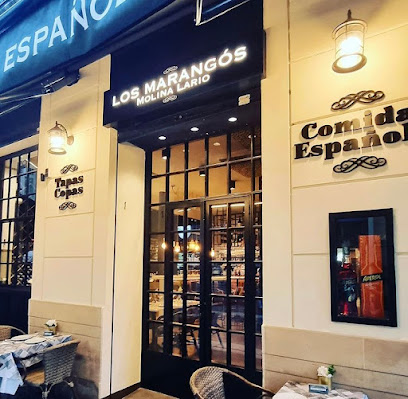
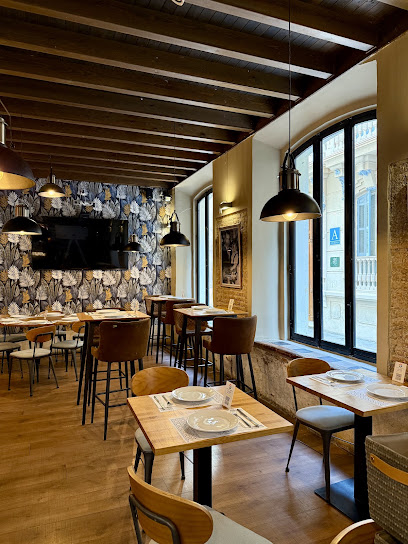
Málaga's culinary scene features Andalusian traditions and Mediterranean flavors, with dishes like gazpacho, espetos (grilled sardines), and fresh seafood being prominent. Numerous casual tapas bars offer small plates and local wines. The El Pimpi area is well-known for its traditional tapas culture. Restaurants in the center provide international options for tourists, while local establishments offer authentic Andalusian cuisine at more accessible prices. Waterfront seafood restaurants offer reliable quality but at higher prices. Cocktail bars are present, particularly in gay-friendly venues in the center. Spanish wines and local beers are widely available and affordable.
Beyond the LGBTQ+ scene, Málaga offers numerous attractions. The Alcázaba fortress and the Cathedral are prominent landmarks. The Picasso Museum, dedicated to Málaga's most famous son, houses a comprehensive collection of his works. Relaxing on Malagueta beach requires no special planning. Day trips to nearby towns are also popular. Nerja, about 50 kilometers east, offers caves and beaches. Ronda, in the mountains 100 kilometers inland, is known for its white-washed villages and hiking. Frigiliana, another hill town, features winding streets and local wine. These excursions can be made via public bus, rental car, or organized tours.
Language: Spanish is the official language. English is commonly understood in tourist areas, hotels, and LGBTQ+ venues, though learning basic Spanish phrases is appreciated.
Currency: Euro. ATMs are widely available, and credit cards are accepted in most places.
Best Time to Visit: May through October offers warm, sunny weather, with July and August being the hottest and busiest months. June combines Pride celebrations with pleasant weather. Winter (November to March) is milder with fewer crowds, though occasional rain can occur.
Budget: Málaga is generally more affordable than larger Spanish cities like Barcelona or Madrid. Budget travelers can expect to spend around 30-40 euros per day for hostels, street food, and free attractions. Mid-range visitors might spend 60-100 euros daily.
Frequently asked questions
Yes, Spanish legal protections, including comprehensive anti-discrimination laws, create a secure environment. The Old Town, the heart of the gay scene, is well-lit with good police presence and is safe to walk around.
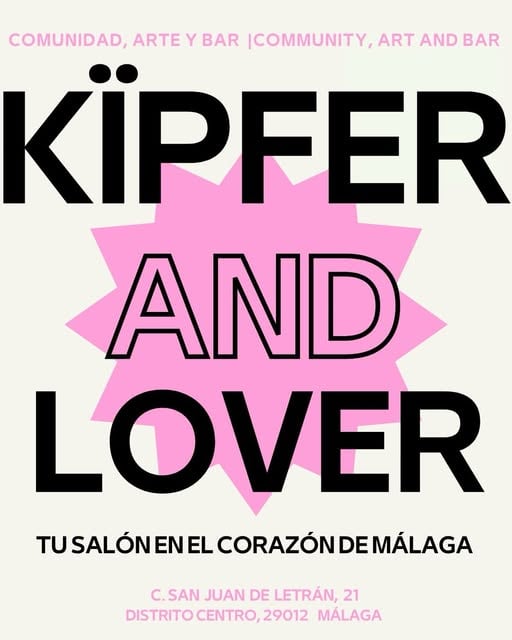
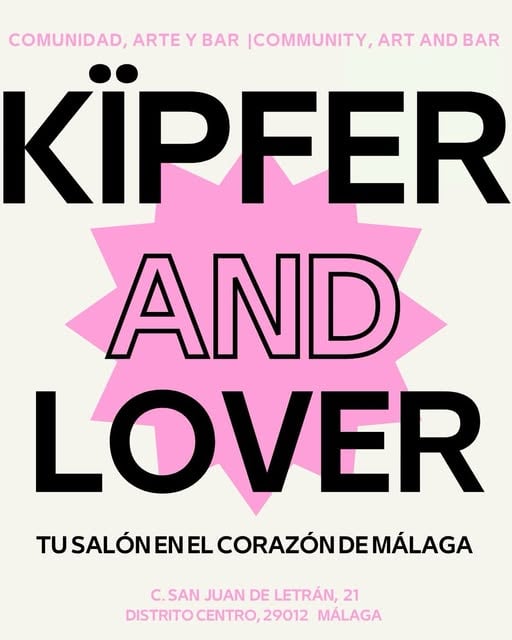
Malaga's gay scene clusters around Plaza de la Merced and the streets just north of it - Calle Cervantes, Calle Comedias and Calle San Juan de Letran - in the historic centre. Locals sometimes call this pocket the city's gay ghetto. It is small and walkable: El Carmen's terrace on the square is the natural starting point, with La Comedia, Kipfer & Lover and the other bars a few minutes on foot.
Yes. Playa de Guadalmar, just west of the airport, is Malaga's only authorised nudist beach and has been the gay-popular choice for decades - the naturist stretch below the golf course is where the crowd gathers. Closer to the centre, La Malagueta is convenient for a swim between sightseeing, and the beach bars of Pedregalejo and El Palo make a relaxed afternoon; they are mixed rather than specifically gay.
Malaga Pride (Orgullo LGTBI Malaga) takes place in the last week of June, ending with the official march through the centre on the final Saturday. The 2026 edition ran 22-27 June under the slogan 'Libres para ser, iguales para amar', with free film screenings at Cine Albeniz, theatre and talks alongside the demonstration. For bigger circuit-style parties, Torremolinos Pride in early June is a short train ride away.
Málaga's gay venues include several established nightlife spots in the old town, typically operating from evening through late night, with the most popular venues drawing crowds after 11 PM. Club life centers around a few discotheques that welcome LGBTQ+ clientele, particularly on weekends.
No, the scene remains less developed than in Madrid or Barcelona, giving it a more intimate, less commercialized character.
Your privacy choices.
We use cookies to run GayOut and, with your consent, measure usage. Learn more
Your privacy choices
We use cookies to keep GayOut running, remember your preferences, and (with your permission) measure how the site is used. You can accept all, reject all, or pick what you allow. Learn more
Essential
Required for sign-in, fraud prevention, CSRF protection and remembering your language. Cannot be disabled.
Always on
Remembers your favourites, dark mode and other interface preferences across visits.
Helps us understand which pages people visit (Google Analytics, server-side stats) so we can improve.
Used by campaign tracking pixels. None are active right now, reserved for future use.
Install GayOut
Add GayOut to your home screen for faster access, offline favourites, and Pride alerts.







 Gay Bars & Clubs
(451)
Gay Bars & Clubs
(451)