Decriminalised 2007 by Supreme Court. Third-gender constitutional recognition 2015 ? first in Asia. Supreme Court marriage equality directive issued 2023; implementation in progress as of 2026. Blue Diamond Society is main NGO. Nepal Pride held annually in Kathmandu, typically August.
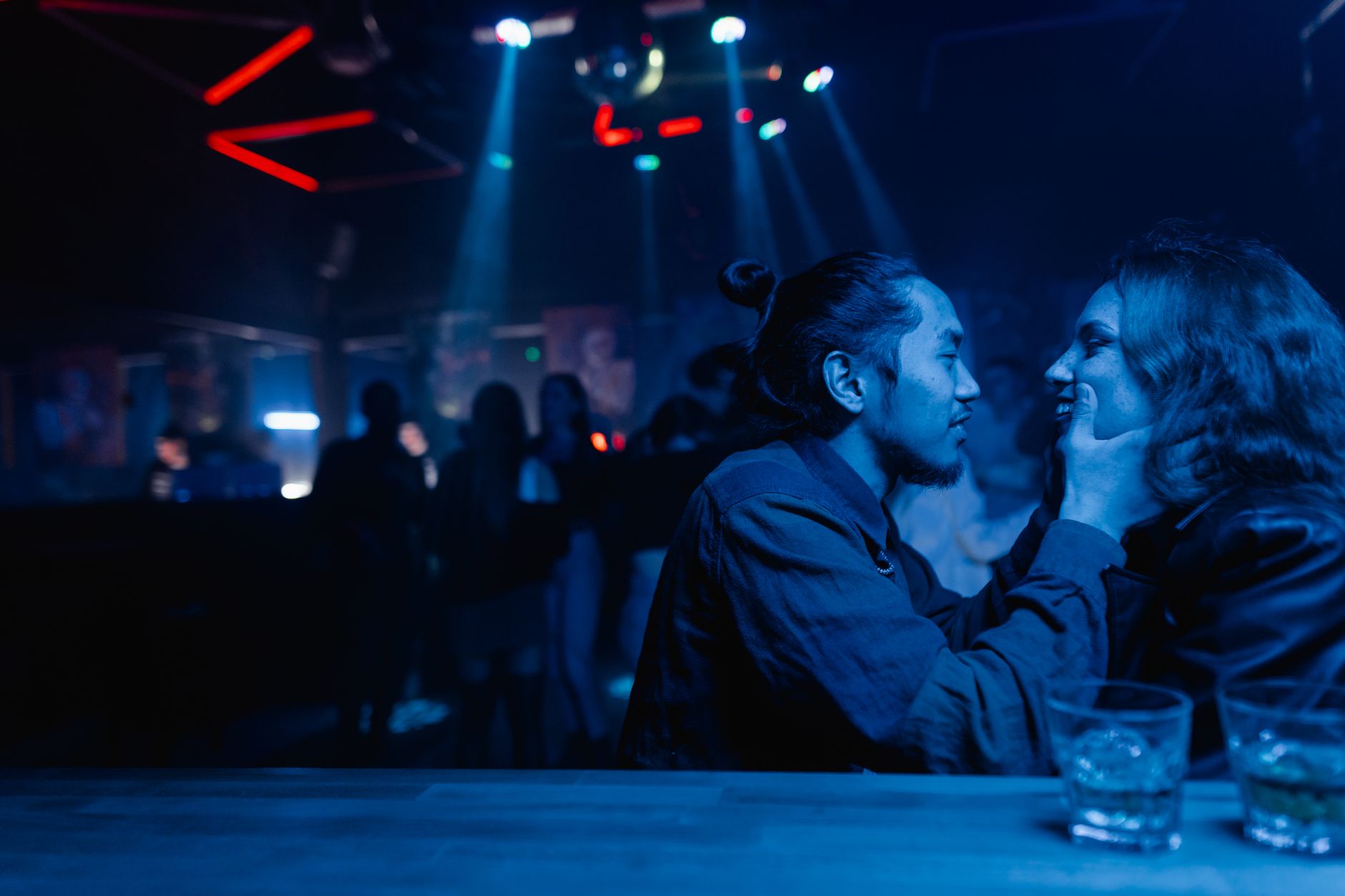
Kathmandu's landmark queer venue on Chaksibari Marg — a cafe-restaurant by day and the city's best-known LGBTQ+ bar by night, opened by transgender activist Meghna Lama.
Nepal's principal LGBTQ+ organisation, founded in 2001 by Sunil Babu Pant — advocacy, health services and community support from its Kathmandu head office.
Nepal's leading organisation for LBT women — lesbian, bisexual and transgender women — running advocacy, support groups and safe spaces from Kathmandu since 2005.
Kathmandu holds a unique position in South Asian LGBTQ+ travel. While it lacks the developed gay scenes of Bangkok or Delhi, it offers something equally valuable: a progressive legal framework, welcoming locals, stunning culture, and authentic experiences without the pressure of explicit gay tourism infrastructure.
HISTORY AND LEGAL LANDSCAPE
Nepal has been a regional leader on LGBTQ+ rights. In 2007, the country decriminalized same-sex relations, making it ahead of many neighboring countries. More significantly, Nepal's 2015 Constitution included progressive language allowing citizens to identify beyond the male-female binary and provided protections against discrimination. The country legally recognizes a third gender category, making it relatively progressive by South Asian standards.
The LGBTQ+ community in Kathmandu, while growing, remains largely underground in traditional Nepali society. However, younger generations, particularly those engaged with tourism and international culture, are notably more open-minded. Organizations like Blue Diamond Society have worked since 2001 to provide support, health services, and advocacy. Pride celebrations do occur but are modest compared to Western cities—they typically happen in December or around human rights days.
NEIGHBORHOODS AND WHERE TO STAY
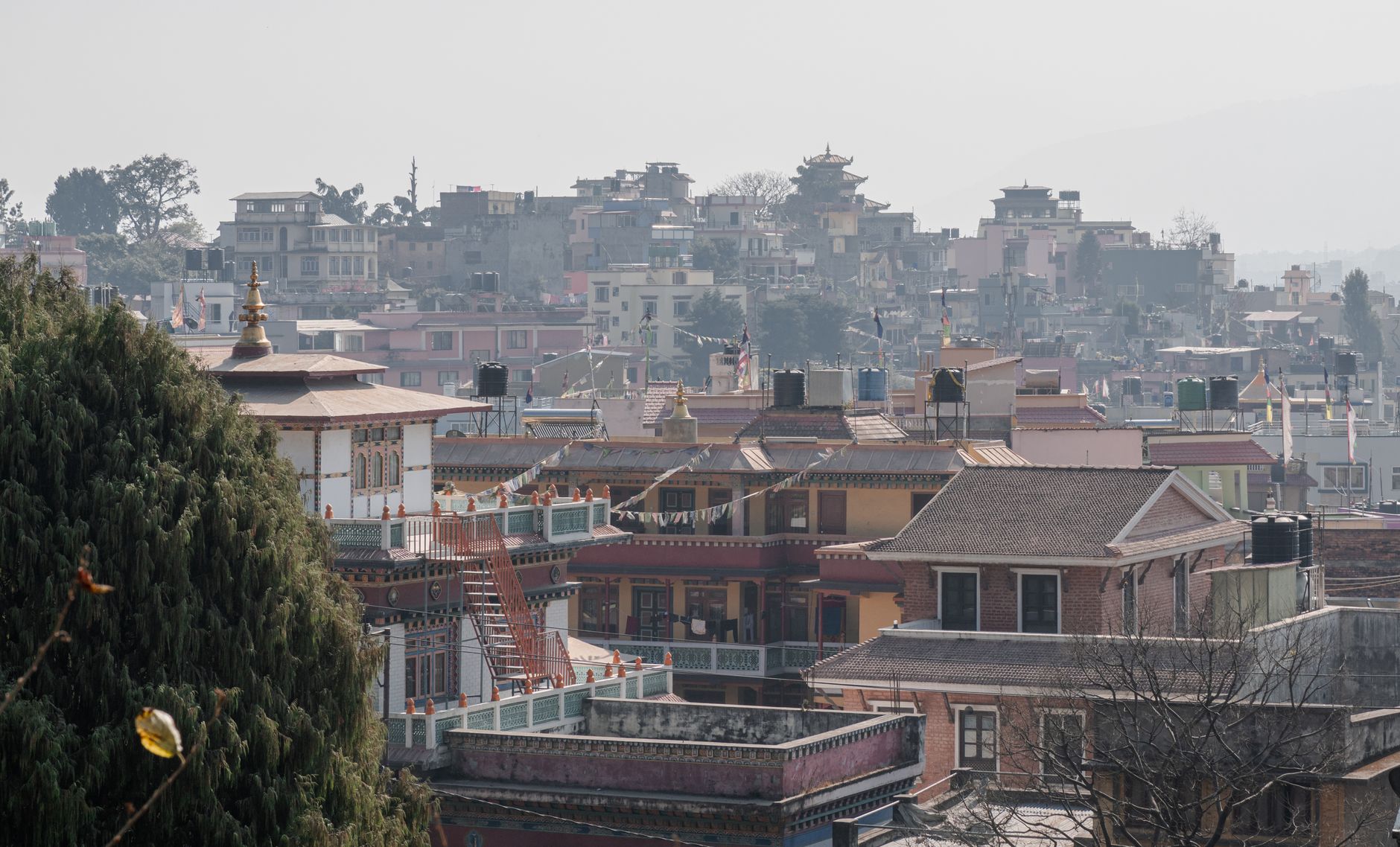
Thamel is the primary tourist district and, by extension, where most LGBTQ+ travelers congregate. This vibrant neighborhood is packed with guesthouses, hostels, restaurants, and shops, creating a cosmopolitan bubble where LGBTQ+ travelers blend into the broader backpacker scene. The area around Freak Street (Jhochen Tole) also has budget accommodations and attracts younger travelers. While neither is exclusively gay, both are understood as welcoming spaces.
Lazimpat, north of Thamel, is a quieter residential area with some boutique hotels and cafes frequented by expats and more established travelers. Bhagwati and Naxal are artsy neighborhoods with cafes and galleries, though less immediately LGBTQ+-focused.
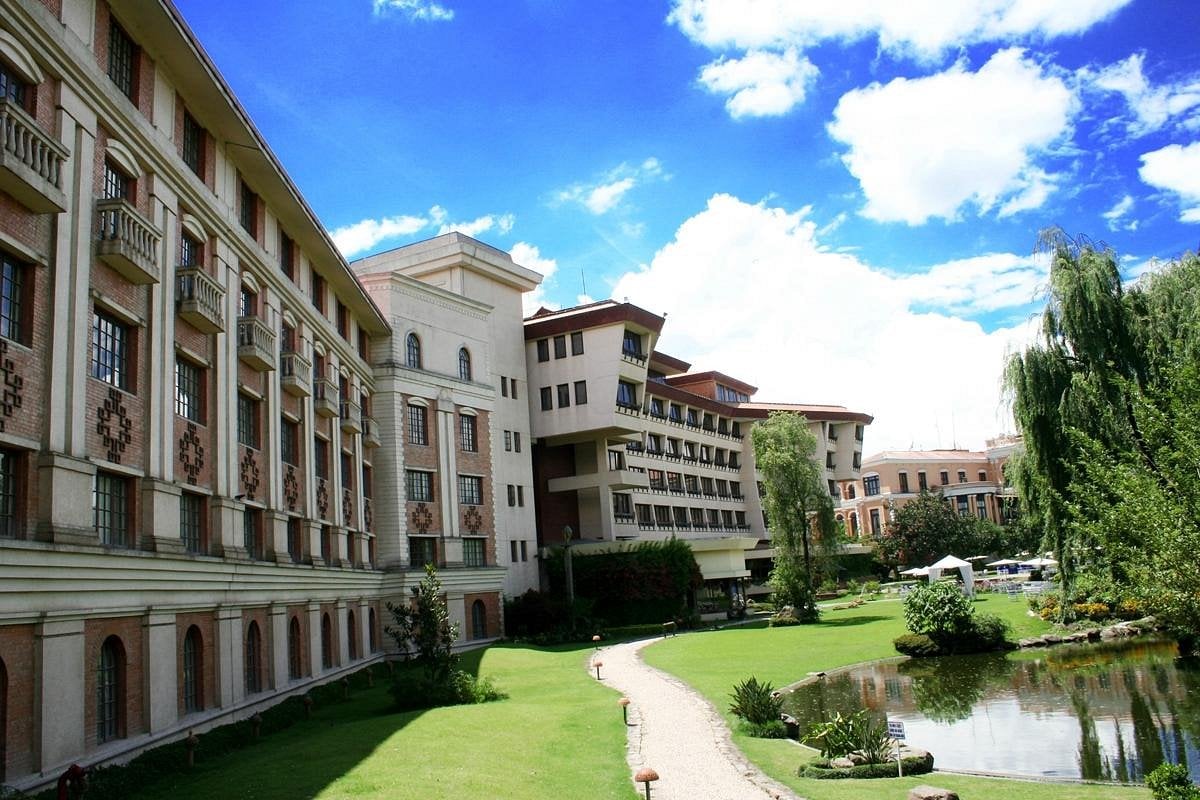
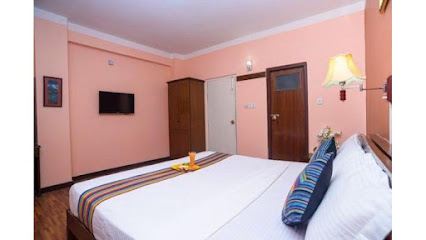
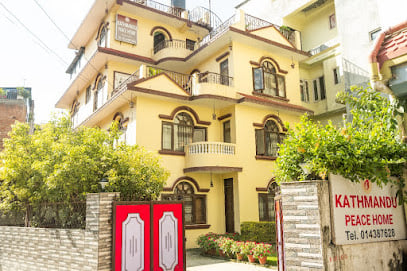
For accommodation, mid-range guesthouses and hostels are abundant. Options like traditional Nepali-style boutique hotels offer cultural immersion. Many LGBTQ+ travelers report feeling safe in Thamel's tourist-oriented establishments, where staff are accustomed to international clientele.
Kathmandu does not have dedicated gay bars or clubs in the traditional sense. Instead, LGBTQ+ social life happens in mixed spaces: cosmopolitan cafes, rooftop bars, and hostel common areas where international travelers gather.
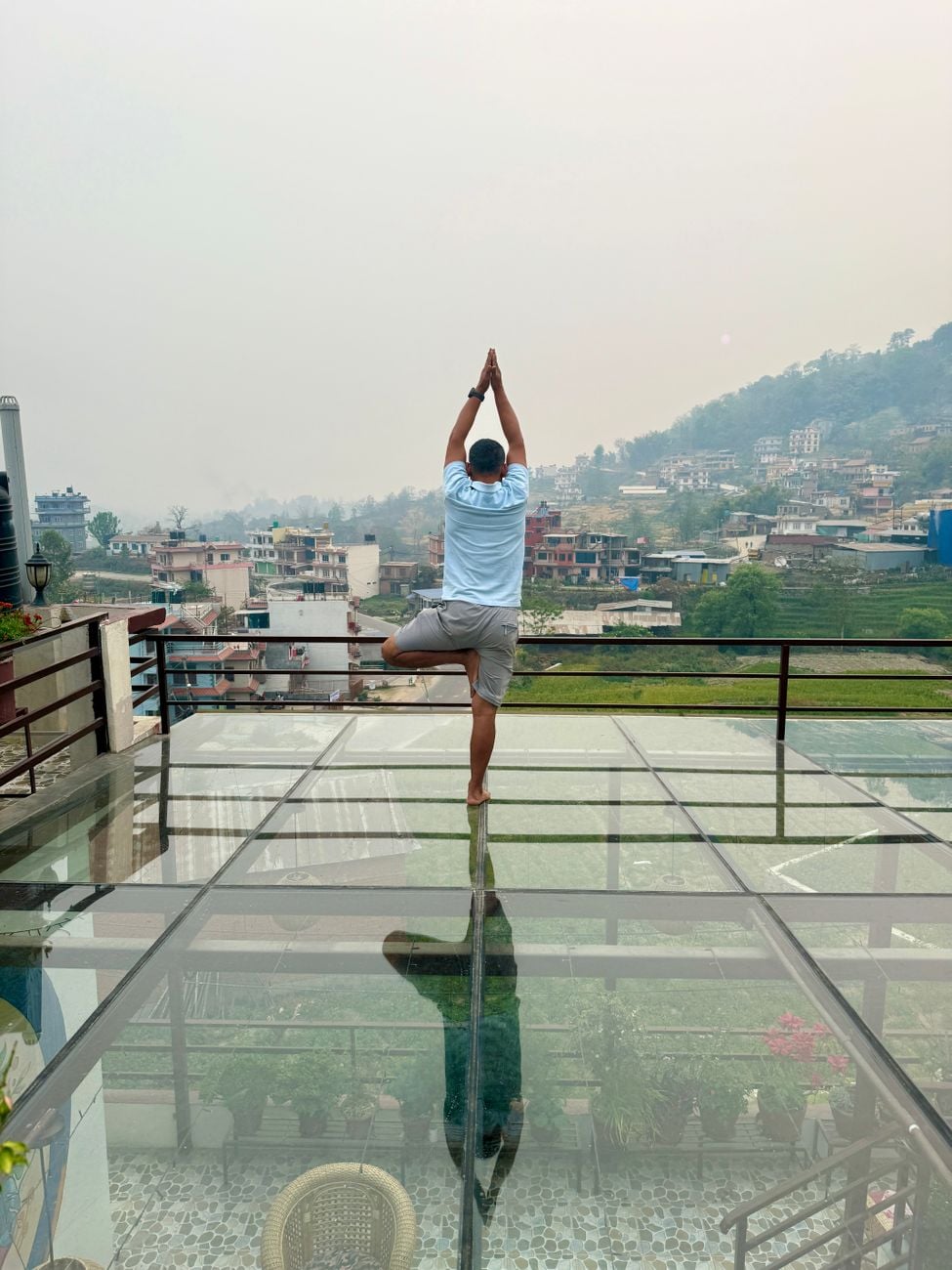
Rooftop bars in Thamel attract a mixed crowd of tourists and young locals. Venues like those around Durbar Marg (the main commercial street) offer evening drinks with views of the Kathmandu Valley. Live music venues and cultural performances, such as traditional Newari dance shows, are popular evening activities.
The Kathmandu LGBTQ+ community occasionally organizes private meetups and events, but these are typically coordinated through social media and apps rather than through public venues. Visitors interested in connecting with local LGBTQ+ groups should research current meetup groups or contact organizations like Blue Diamond Society in advance.
Saunas and bathhouses do exist in Kathmandu but operate discreetly and are not typically advertised to tourists. Apps like Grindr have presence in the city, allowing travelers to connect with locals if desired.
PRIDE AND EVENTS
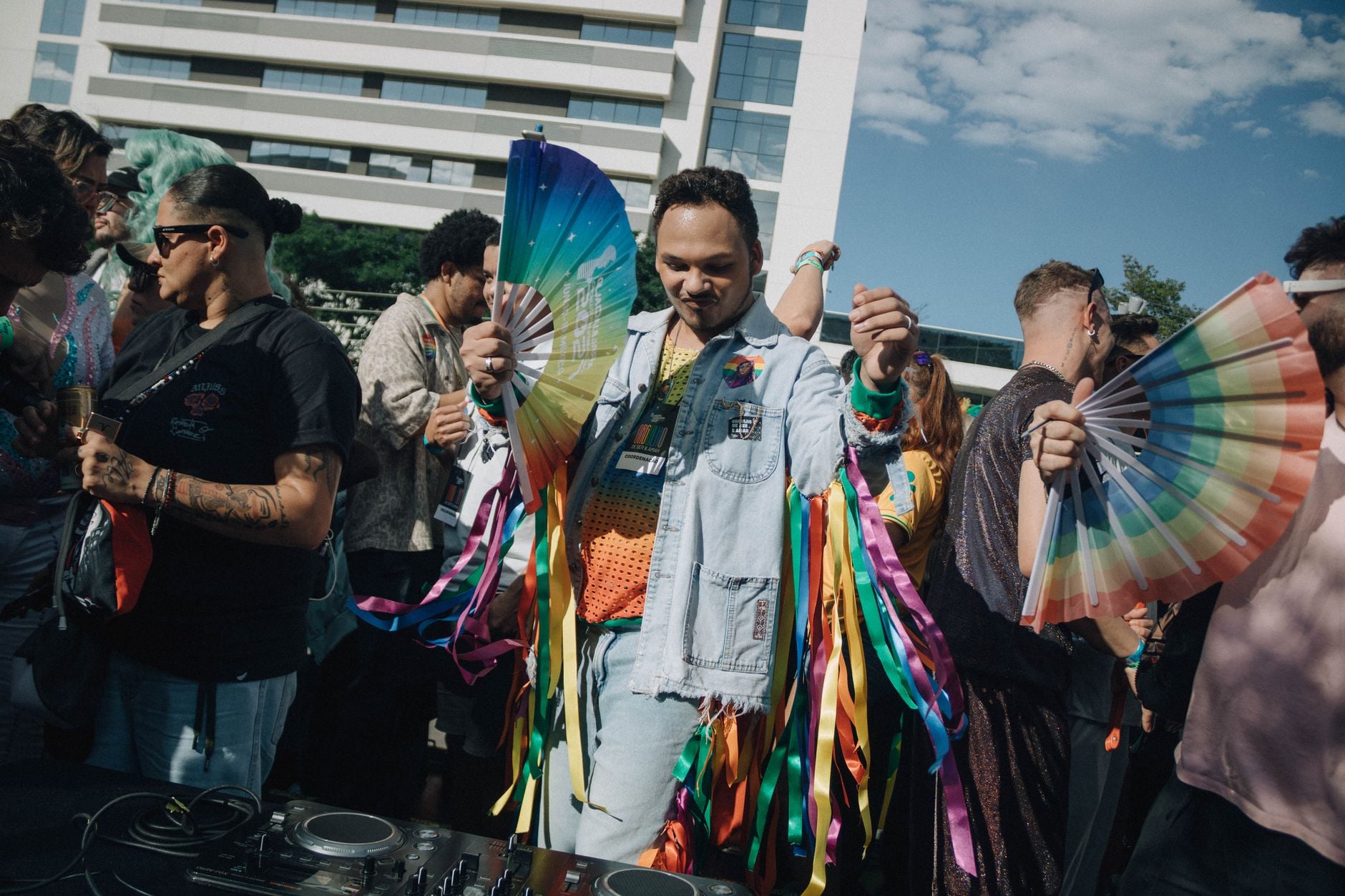
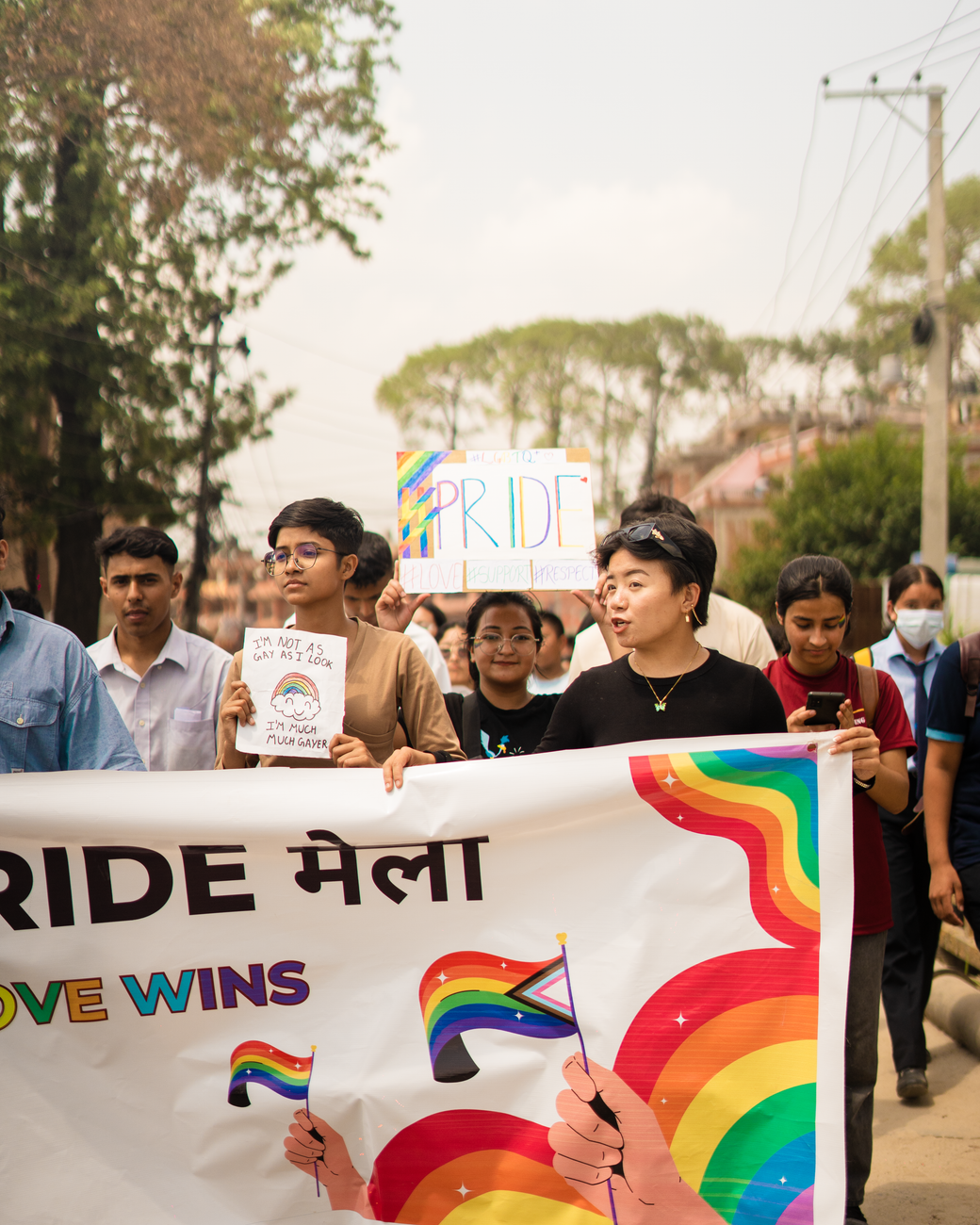
Kathmandu's Pride celebrations are modest but meaningful. Events typically occur in December as part of broader human rights awareness campaigns. The exact timing and format varies yearly, so travelers should check with local LGBTQ+ organizations or social media groups closer to their travel dates. These events, while smaller than international Pride festivals, offer authentic connection to Nepal's community.
Other significant dates include International Day Against Homophobia and Transphobia (May 17), when small gatherings and awareness events occur. The broader cultural calendar—including Dashain and Tihar festivals—sees increased social activity, though these are not LGBTQ+-specific.
SAFETY CONSIDERATIONS
Kathmandu is generally safe for LGBTQ+ travelers, particularly in tourist areas. While legal protections exist, social acceptance varies by neighborhood and demographic. Displays of affection between same-sex couples are less common than in Western cities, but discreet hand-holding and socializing typically attract no negative attention. In Thamel and other tourist zones, LGBTQ+ couples report feeling safe and unbothered.
Rural areas and more conservative neighborhoods warrant standard travel caution. Police harassment is rare for tourists, though local LGBTQ+ individuals face greater social pressure. Travelers should exercise standard discretion regarding public displays of affection, though this is less about safety and more about cultural respect.
TRANSPORT
Kathmandu's public transportation consists mainly of buses, which are crowded but inexpensive. Taxis and ride-hailing apps like Uber and local services provide alternatives. Most travelers find walking through Thamel easiest, as the main streets are pedestrian-friendly. Longer journeys within the valley can be managed via local taxi networks or tours.
Getting to Kathmandu involves flying into Tribhuvan International Airport, about 5 kilometers south of the city center. Taxis and airport shuttle services are readily available and inexpensive.
FOOD AND CULTURE
Kathmandu's food scene is exceptional. Newari cuisine (local to the Kathmandu Valley) features momos (dumplings), dal bhat (lentil rice), and various curries. Tourist restaurants cater to international palates, while street food offers authentic experiences. Vegetarian options abound, making the city accessible for various diets.
Cafes in Thamel often serve as social hubs where travelers spend entire days. These spaces are informal, affordable, and cosmopolitan—perfect for meeting other travelers or enjoying quiet afternoons.
Kathmandu's cultural attractions—Swayambhunath Stupa, Pashupatinath Temple, Durbar Square—are world-class. Many LGBTQ+ travelers find spiritual resonance in Nepal's Hindu and Buddhist traditions, which often treat diverse gender expressions with historical nuance. Visiting temples requires appropriate dress and respectful behavior but welcomes all visitors.
DAY TRIPS AND OUTDOOR ACTIVITIES
Pokhara, a lakeside city 200 kilometers west, is accessible via bus (6-7 hours) and offers paragliding, boating, and mountain views. Many travelers combine Kathmandu and Pokhara into a two-week itinerary.
Trekking is a primary draw. The Everest Base Camp trek (12-14 days) is famous but challenging. Shorter options like the Langtang trek (7 days) or Gosainkunda trek appeal to those with limited time. LGBTQ+ trekkers report that lodge operators, while sometimes curious about solo travelers or same-sex pairs, are generally professional and welcoming. Mixed groups blend seamlessly.
Chimney Cave, Nagarkot (a hill station with valley views), and Bhaktapur (a preserved medieval city) are popular day trips from Kathmandu.
BEST TIME TO VISIT
October to November (autumn) offers clear skies and pleasant temperatures—ideal for trekking and sightseeing. March to May (spring) is also favorable but warming. Monsoon season (June-September) brings rain and reduced visibility. December to February is cold but dry, attracting fewer tourists and offering peaceful exploration.
WHO THIS CITY IS FOR
Kathmandu appeals to adventurous, culturally curious LGBTQ+ travelers seeking authenticity over explicit gay infrastructure. It suits those interested in trekking, spirituality, art, and budget travel. Backpackers, solo travelers, and small groups find community in hostels and cafes. Couples seeking cultural experiences, outdoor adventures, and a welcoming-enough environment will appreciate the city's offerings. Those primarily seeking gay nightlife and circuit parties should look elsewhere; those seeking genuine connection, culture, and adventure should consider Kathmandu highly.
Frequently asked questions
Nepal has made significant legal progress for LGBTQ+ rights, including decriminalizing same-sex relations and recognizing a third gender. While urban centers like Kathmandu are generally more progressive, societal attitudes can still be mixed, ranging from progressive to conservative.
Thamel, Kathmandu's main tourist district, is the de facto heart of the LGBTQ+ scene. Most LGBTQ+ travelers and many welcoming establishments are concentrated here.
Dedicated gay bars and clubs are limited in Kathmandu. The LGBTQ+ scene is more focused on community spaces, cafes, and guesthouses where LGBTQ+ travelers and locals naturally gather.
The Blue Diamond Society is the primary LGBTQ+ advocacy and community organization in Kathmandu, organizing Pride celebrations and providing services. Other local organizations also support the community through events and networking.
Kathmandu has two separate Pride events. The larger Nepal Pride Parade & Gai Jatra Celebration is organised by the Blue Diamond Society and falls with the Gai Jatra festival in the monsoon (late August/September — 29 August in 2026), winding through central Kathmandu; the 2025 edition drew around 1,200 people. A second, community-led Nepal Pride Parade is held on the second Saturday of June (13 June 2026), organised by the Queer Youth Group and partners, running from Ratna Park to Narayan Chaur. Both shift slightly year to year with the lunar calendar, so confirm dates locally before you travel.
Thamel features many guesthouses and hotels that are welcoming to gay and lesbian guests. Many establishments in this area are comfortable for LGBTQ+ tourists due to its international clientele.
Your privacy choices.
We use cookies to run GayOut and, with your consent, measure usage. Learn more
Your privacy choices
We use cookies to keep GayOut running, remember your preferences, and (with your permission) measure how the site is used. You can accept all, reject all, or pick what you allow. Learn more
Essential
Required for sign-in, fraud prevention, CSRF protection and remembering your language. Cannot be disabled.
Always on
Remembers your favourites, dark mode and other interface preferences across visits.
Helps us understand which pages people visit (Google Analytics, server-side stats) so we can improve.
Used by campaign tracking pixels. None are active right now, reserved for future use.
Install GayOut
Add GayOut to your home screen for faster access, offline favourites, and Pride alerts.



 Gay Bars & Clubs
(184)
Gay Bars & Clubs
(184)