Cercado de Lima: A Guide to Peru's Historic Center
History and Context
Lima's LGBTQ+ history is part of Peru's broader social and political evolution. Homosexuality was decriminalized in Peru in 1978, an early step in Latin America, though social acceptance has progressed more gradually. The visible queer movement in Lima gained momentum in the late 20th and early 21st centuries, with activism increasingly focused in the capital. As the center of government and culture, Cercado de Lima has become a symbolic area where LGBTQ+ organizations have operated and visibility has increased alongside Peru's democratization.
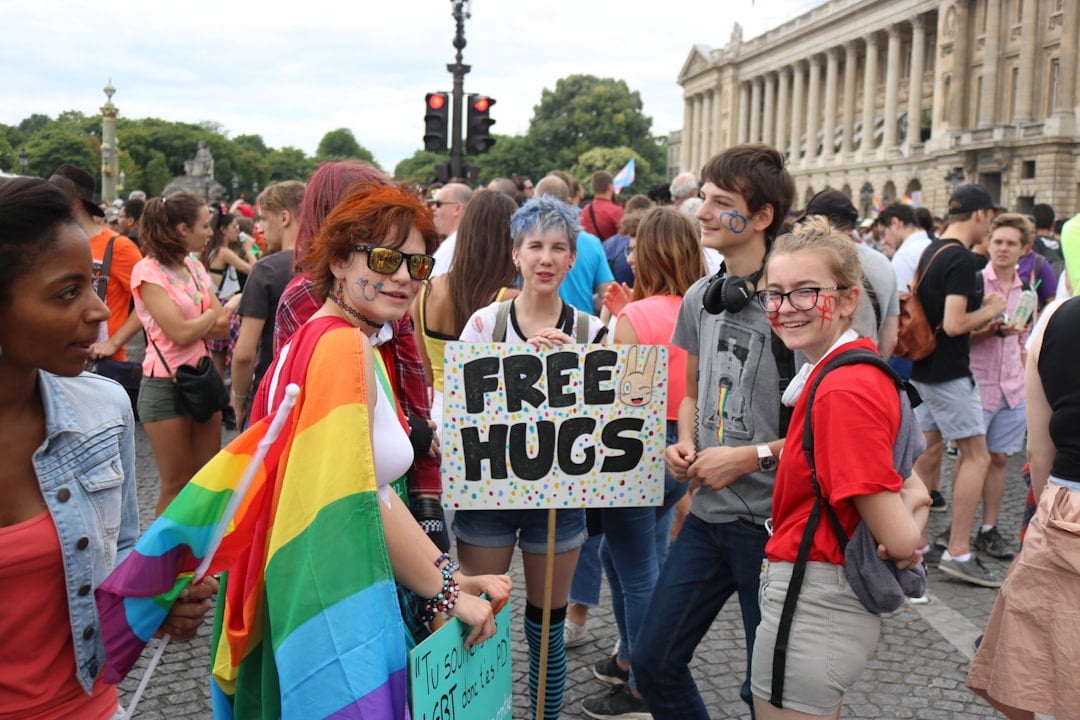
Significant Pride marches and demonstrations have taken place in the district over recent decades. Lima Pride, held annually in June, has become a notable event, typically featuring parades, cultural festivals, film screenings, and community gatherings. Participation and acceptance have grown, though conservative viewpoints persist in Peruvian society.
Navigating Cercado de Lima
Cercado de Lima, established in the 1530s and once enclosed by 17th-century walls, is Peru's oldest district. It extends roughly from Avenida Abancay north to Avenida Garcilaso de la Vega south, and from the Río Rímac east to Avenida Nicolás de Piérola. The historic core is centered on the Plaza Mayor (Plaza de Armas), flanked by the Cathedral, Government Palace, and Archbishop's Palace.
The district is largely walkable, though its narrow colonial streets and heavy traffic require attention. Lima's metro system offers access to other districts via stations like Estación Central. Taxis are readily available and affordable, and ride-sharing apps operate throughout the city. Standard urban caution is advised when walking at night, though the main tourist areas of Cercado generally have foot traffic and a police presence.
LGBTQ+ Presence and Venues
Unlike Miraflores and Barranco, which have more concentrated LGBTQ+ nightlife areas, the queer scene in Cercado de Lima is integrated throughout the downtown. The district does not have a dedicated gay quarter but features a mix of queer-friendly establishments alongside tourist attractions.
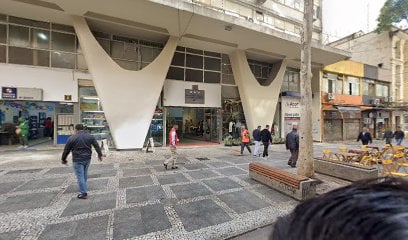
Venues in Cercado lean towards cafes, restaurants, and smaller bars rather than large clubs. The downtown area near Jirón de la Unión, Lima's historic commercial street, hosts various restaurants and bars that are generally welcoming to LGBTQ+ patrons and cater to mixed crowds of locals, tourists, and professionals. For those seeking more concentrated gay nightlife, the Miraflores district offers a range of bars and clubs that specifically cater to LGBTQ+ audiences, accessible by metro or a short taxi ride. Cercado's appeal lies in experiencing the queer community as part of the city's broader cultural fabric.
Cultural and Museum Spaces
Cultural engagement for LGBTQ+ individuals in Cercado de Lima often centers on museums, galleries, and institutions that increasingly incorporate queer perspectives. The Museo de Arte de Lima and other cultural venues occasionally present exhibitions or programming that touch on LGBTQ+ themes and artists. Lima's theater scene, with some concentration in Cercado, includes queer performers and productions with progressive content. Numerous galleries and independent cultural spaces host events, readings, and performances that engage LGBTQ+ audiences and artists, offering avenues for queer cultural expression beyond nightlife.
Pride and Events
Lima Pride (Orgullo LGBTQ+) takes place annually in June, with the main march typically occurring on the second Saturday. The event has grown significantly in participation over the years. The march route varies but usually involves major streets and plazas. Beyond Pride, smaller community events may occur throughout the year. International LGBTQ+ film festivals have sometimes included programming in Lima.
Where to Stay
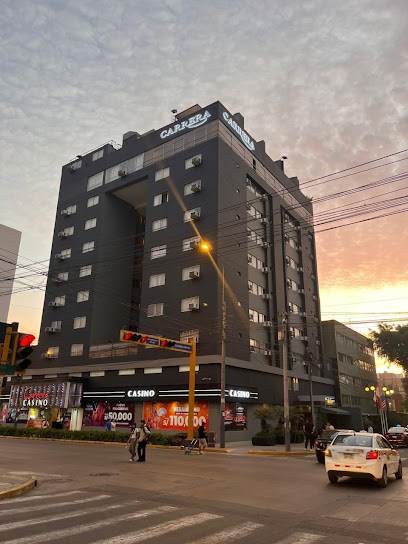
Cercado de Lima offers a range of accommodations, from budget hostels to upscale hotels. Its primary advantage is its proximity to major historical sites and cultural institutions. However, many LGBTQ+ travelers opt to stay in Miraflores or Barranco for more consolidated nightlife, while still being able to access Cercado via short transit rides. Hostels in Cercado, such as those found on Jirón de la Unión, often attract younger travelers and tend to be welcoming. Mid-range hotels serve both tourists and business travelers, while upscale options include historic properties in restored colonial buildings.
Peru has made legal advancements regarding LGBTQ+ rights, though implementation can vary. Same-sex marriage is not legal, though civil unions have seen increasing recognition through judicial decisions. Public displays of affection between same-sex couples are generally accepted in central Lima, particularly in tourist areas and among younger demographics, though attitudes can be more conservative elsewhere.
As a high-tourism area, Cercado de Lima typically has a police presence and consistent foot traffic, contributing to its relative safety. Standard urban precautions are recommended: avoid displaying valuables, use registered taxis or ride-sharing apps at night, and remain aware of your surroundings in less-trafficked areas. The district can feel busy and somewhat chaotic during the day due to commercial activity. Early mornings and late evenings offer quieter experiences of the historic architecture.
Food and Dining
Cercado de Lima offers authentic Peruvian cuisine in a variety of restaurants, from street food stalls to established eateries. The district's dining scene reflects Peru's reputation as a global culinary destination, featuring creative interpretations of traditional dishes alongside international options. Popular Peruvian dishes include ceviche, lomo saltado, ají de gallina, and causa. Fresh seafood is a staple due to Lima's coastal location. Many restaurants in the area cater to diverse preferences while maintaining authentic preparations. The restaurant and cafe culture is generally welcoming to all visitors.
Day Trips and Nearby Attractions
Cercado de Lima serves as a convenient base for exploring wider Lima. The nearby Barranco district, known for its bohemian history, now features galleries, restaurants, and a lively nightlife scene. Miraflores, with its clifftop parks and ocean views, is accessible by metro. The ruins of Pachacamac, a significant pre-Columbian site, can be visited as a day trip. Destinations like the Sacred Valley and Cusco, the gateway to Machu Picchu, are reachable by domestic flights or long-distance buses.
Häufig gestellte Fragen
Cercado de Lima, insbesondere das historische Viertel rund um die Plaza Mayor, ist tagsüber im Allgemeinen sicher. Die Machismo-Kultur ist jedoch in der peruanischen Gesellschaft immer noch einflussreich, und LGBTQ+-Personen sollten sich der unterschiedlichen Akzeptanzniveaus in verschiedenen Gebieten und sozialen Kontexten bewusst sein.
Die von der Plaza Mayor ausgehenden Straßen, insbesondere Jirón de la Unión, Jirón Ica und Jirón Ancash, beherbergen viele Bars, Restaurants und Geschäfte. Dieses Gebiet wurde revitalisiert, wobei einige Kolonialgebäude in Kulturzentren und Gastronomiebetriebe umgewandelt wurden.
Der erste Pride-Marsch in Lima fand 2002 statt, und die Veranstaltung ist seitdem erheblich gewachsen und hat sich zu einer der bedeutendsten Pride-Feiern der Region entwickelt. Die genauen Daten für die Lima Pride variieren jährlich.
Während die LGBTQ+-Szene Limas lebendig und auf bestimmte Viertel konzentriert ist, bleibt Peru ein überwiegend katholisches Land mit anhaltendem gesellschaftlichem Konservatismus außerhalb der großen städtischen Zentren. Die Machismo-Kultur ist ebenfalls einflussreich.
Cercado de Lima hat sich als historisches Herz der Stadt für LGBTQ+-Besucher und Einwohner immer einladender entwickelt, mit sichtbaren schwulenfreundlichen Geschäften und Veranstaltungen, die sich auf die Straßen rund um die Plaza Mayor konzentrieren.
Gleichgeschlechtliche Beziehungen waren in Peru bis ins Jahr 2000 kriminalisiert. Die Entkriminalisierung im Jahr 2000 markierte einen Wendepunkt und ermöglichte schrittweise mehr sichtbare LGBTQ+-Organisation und Gemeinschaftsbildung.
Ein fehlender Veranstaltungsort, ein geschlossenes Geschäft oder veraltete Informationen? Teilen Sie es uns mit – wir freuen uns darüber. Nichts ist erforderlich.
Nichts verpassen
Die neuesten LGBTQ+-Events und Eröffnungen direkt in Ihr Postfach.
Geben Sie Ihre E-Mail ein, um Pride-Event-Updates und Hinweise zu neuen Locations zu erhalten.
Ihre Datenschutz-Einstellungen.
Wir verwenden Cookies, um GayOut zu betreiben und, mit Ihrer Zustimmung, die Nutzung zu messen. Mehr erfahren ↗
Ihre Datenschutz-Einstellungen
Wir verwenden Cookies, damit GayOut zuverlässig läuft, Ihre Einstellungen gespeichert werden und (mit Ihrer Einwilligung) wir messen können, wie die Seite genutzt wird. Sie können alles akzeptieren, alles ablehnen oder gezielt auswählen. Mehr erfahren ↗
Erforderlich
Erforderlich für Anmeldung, Betrugsschutz, CSRF-Schutz und das Speichern Ihrer Sprache. Können nicht deaktiviert werden.
Immer aktiv
Speichert Ihre Favoriten, den Dark Mode und weitere Oberflächeneinstellungen zwischen Besuchen.
Hilft uns zu verstehen, welche Seiten besucht werden (Google Analytics, serverseitige Statistiken), damit wir besser werden.
Wird von Kampagnen-Tracking-Pixeln genutzt. Derzeit keine aktiv, für zukünftige Nutzung reserviert.
GayOut installieren
Fügen Sie GayOut zu Ihrem Startbildschirm hinzu — schnellerer Zugriff, Favoriten offline und Pride-Hinweise.


 Freundliche Schwule Bars & Clubs
(71)
Freundliche Schwule Bars & Clubs
(71)