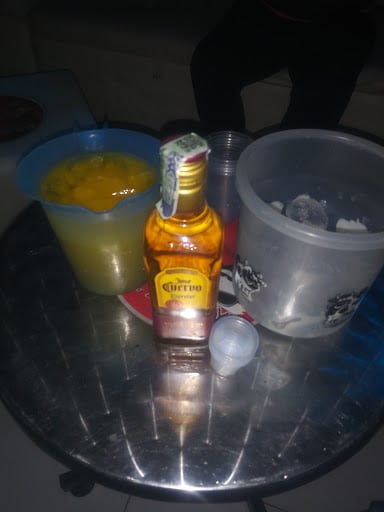
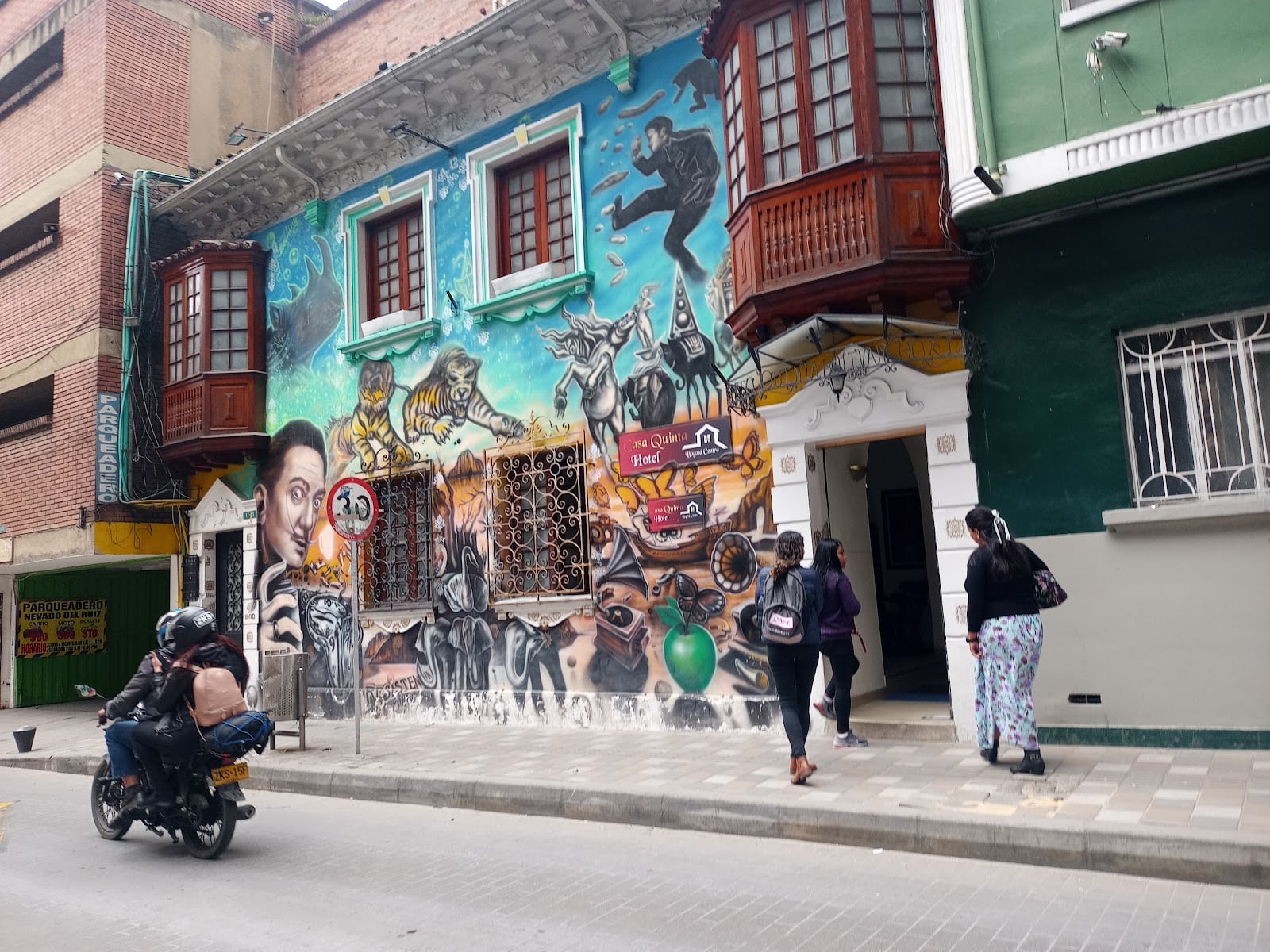
Small gay disco over two floors and three rooms on Carrera 9 in Chapinero - Latin and crossover DJs keep it going until about 6am, with a mixed local and tourist crowd.
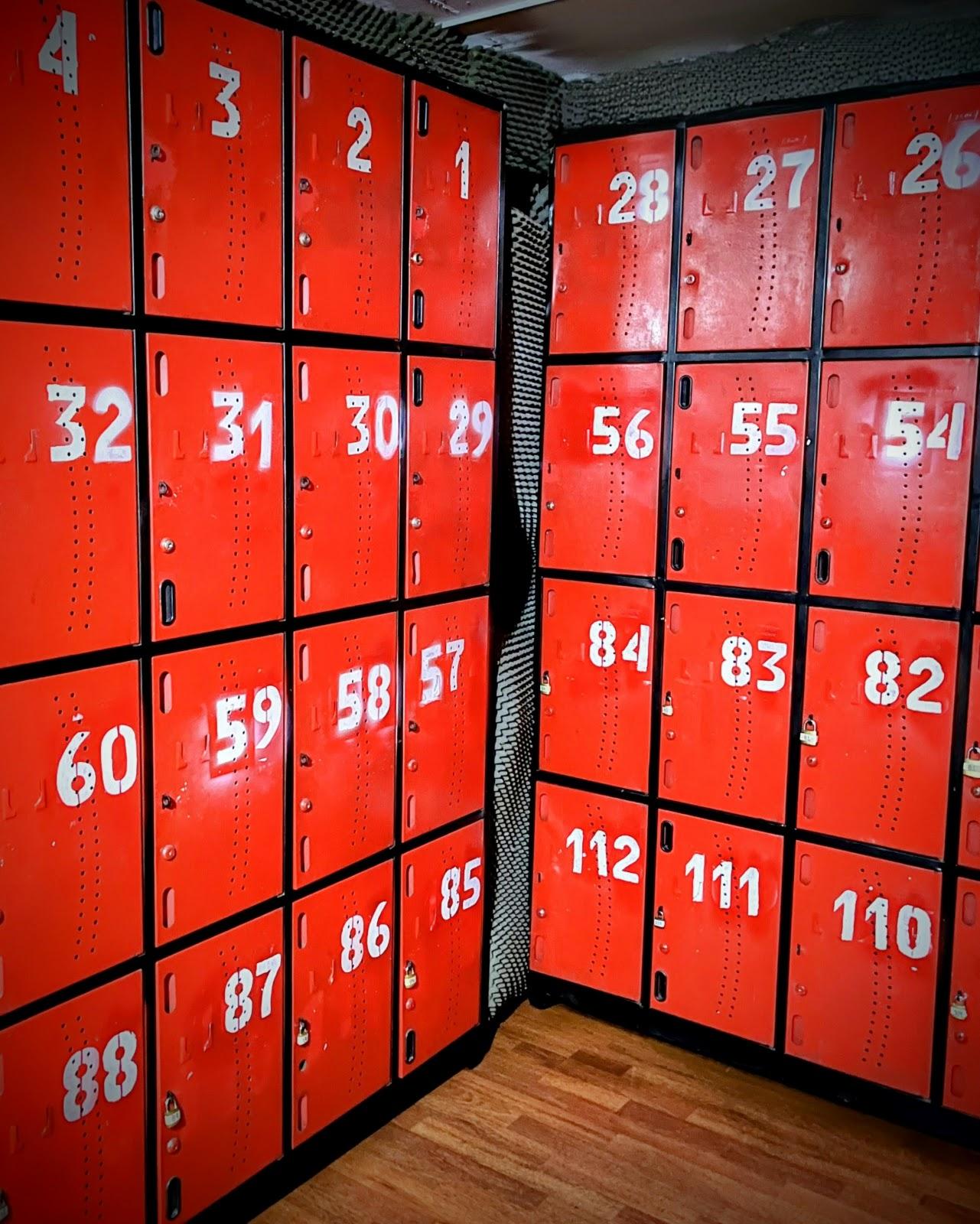
Old-school bano turco on Calle 55 - steam bath, dry sauna, video areas, darkroom and a bar. More traditional Turkish-bath vibe than modern spa; reserve by WhatsApp.
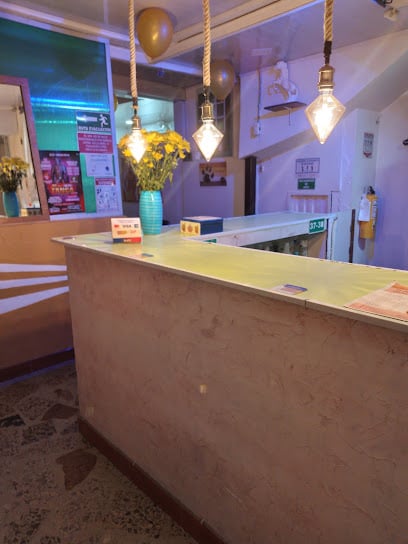
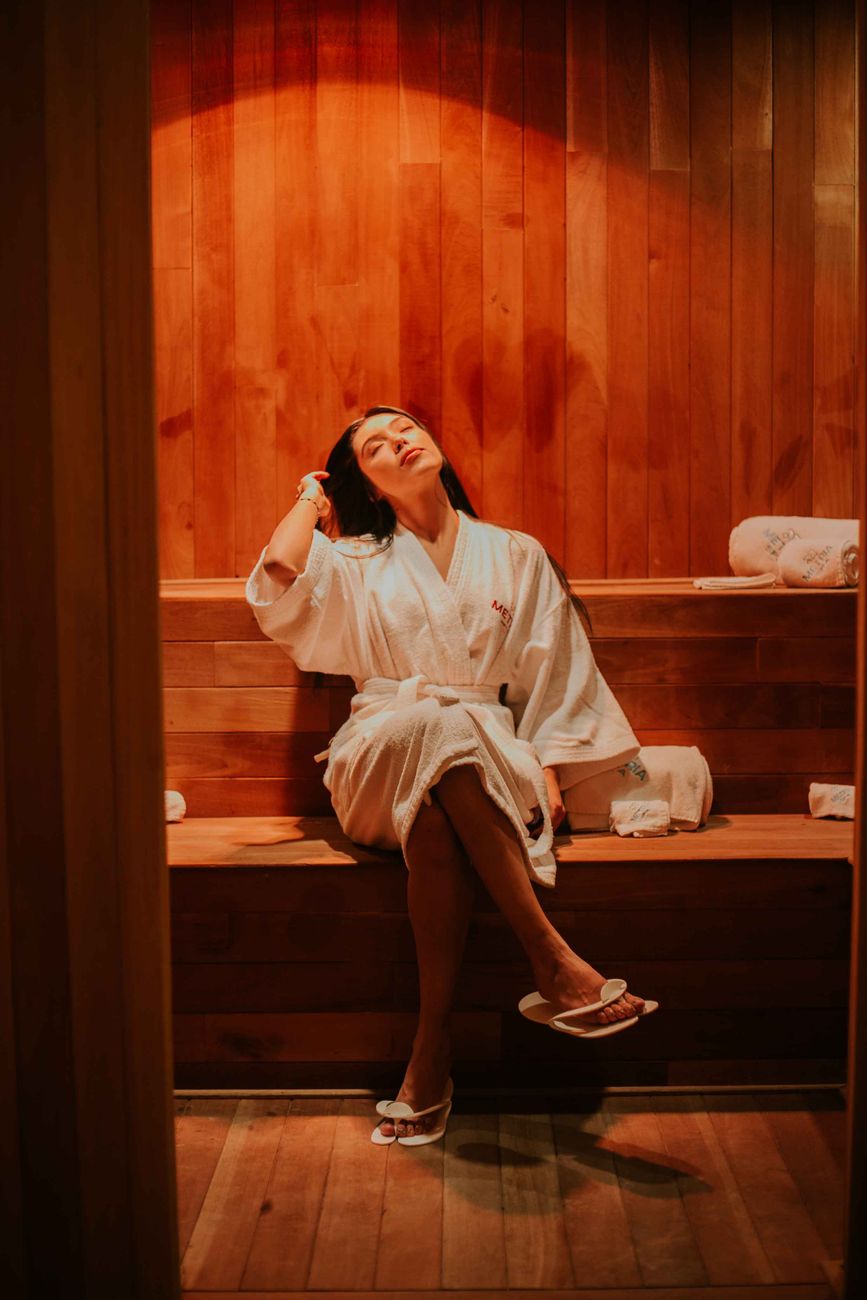
Bogota biggest and longest-running gay sauna, recently renovated - Turkish bath, dry sauna, jacuzzi, private cabins, massage and a bar, plus regular stripper and drag shows.
Men-only video and cruising club up in Suba - video cabins, darkroom and showers, with nudist sessions on weekend afternoons. Open from around 1pm to 10pm.
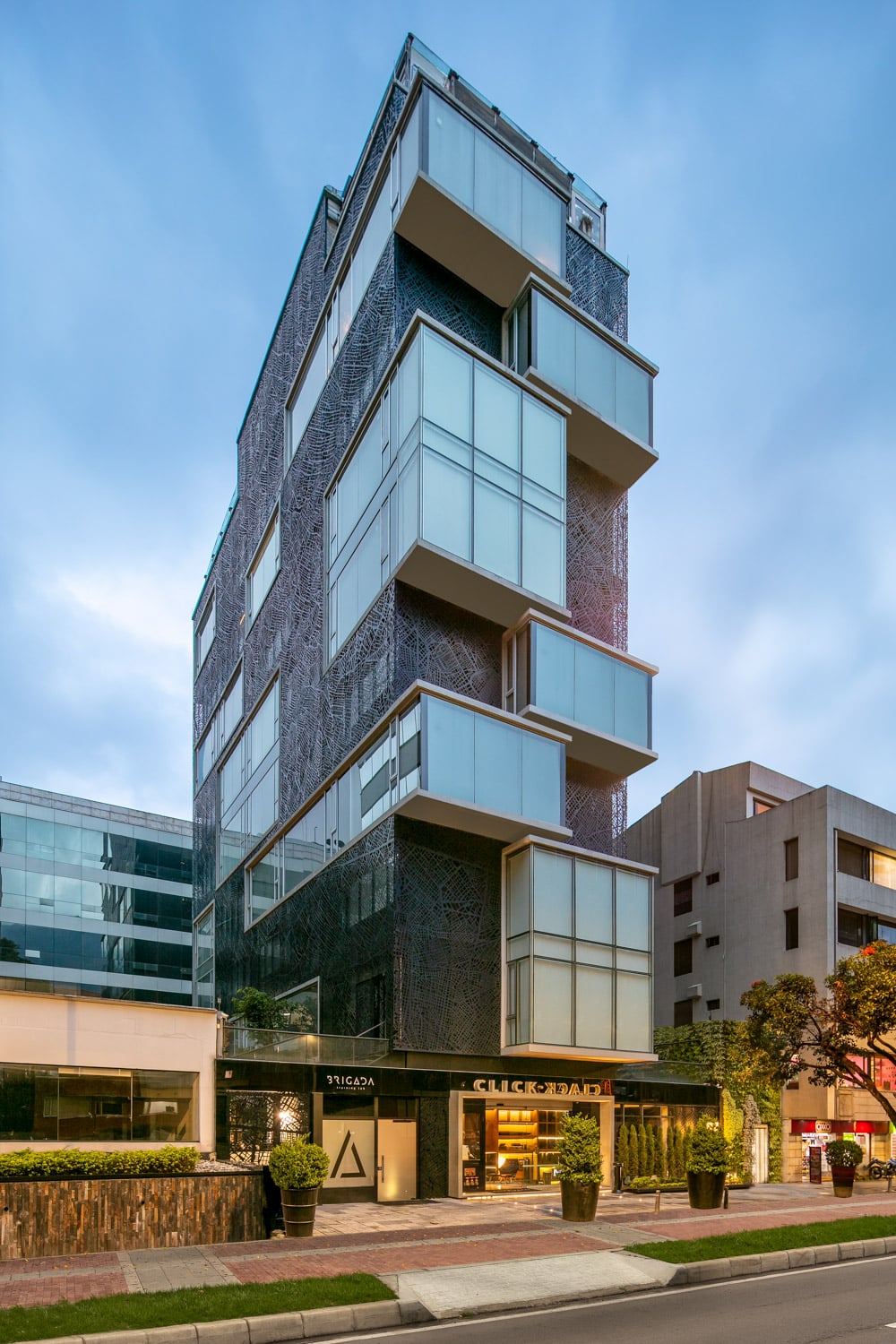
Bogotá's most celebrated design boutique hotel — striking modernist architecture, rooftop pool, and an explicitly gay-welcoming culture in the heart of Zona Rosa.
Luxury design hotel in Zona Rosa — Colombian art collection, rooftop pool, and impeccable service in Bogotá's upscale district. Gay-welcoming five-star hospitality in the Colombian capital.
W Bogota is a luxury hotel in Colombia, through authentic and attentive service, a modern interpretation of the El Dorado legend. The place located in a vibrant erea in town, with many possibilities.
The Hotel San Sebastian is the only 100% gay hotel in Bogota, the hotel is cozy and intimate, characterized by its design Pop Art, under the influence of artists such as Andy Warhol and Roy…
Colombia's leading LGBTQ+ human rights organisation — documenting violence, litigating landmark cases, and advocating for policy change from its base in Bogotá.
Bogota flagship city-run LGBTI community centre, renamed Casa LGBTI Sebastian Romero - free legal aid, psychosocial support, trans ID-change help, family groups, a reading room and courses.
Bogotá's gay scene has evolved dramatically over the past two decades, transforming from a largely underground culture to a visible and celebrated part of the city's identity. Colombia's 2016 legalization of same-sex marriage marked a watershed moment, though the city's LGBTQ+ community had been building visibility and infrastructure for years prior. The city now hosts one of Colombia's most significant Pride celebrations and maintains year-round LGBTQ+ cultural programming including theater, film, and nightlife.
Key Neighborhoods
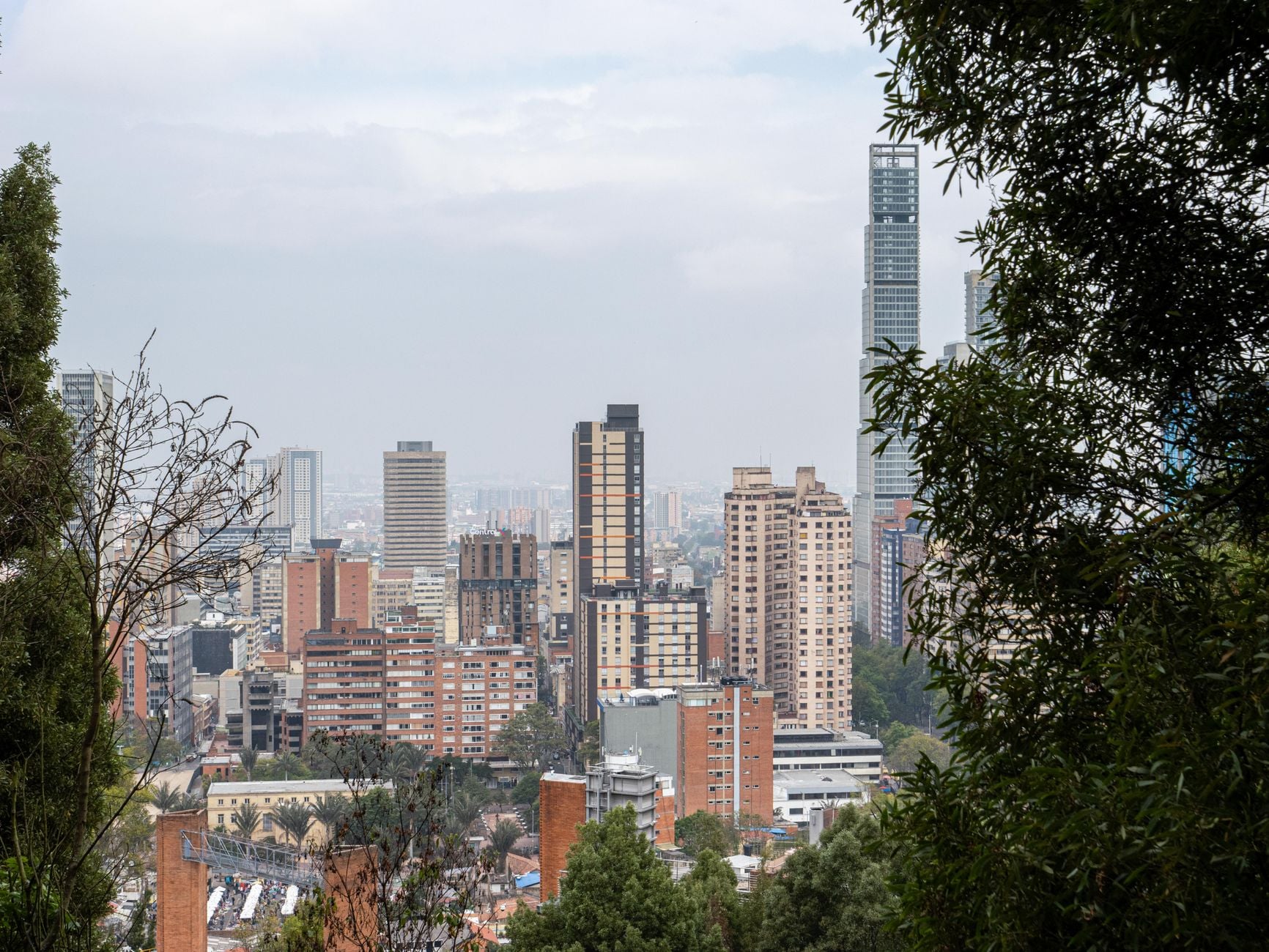
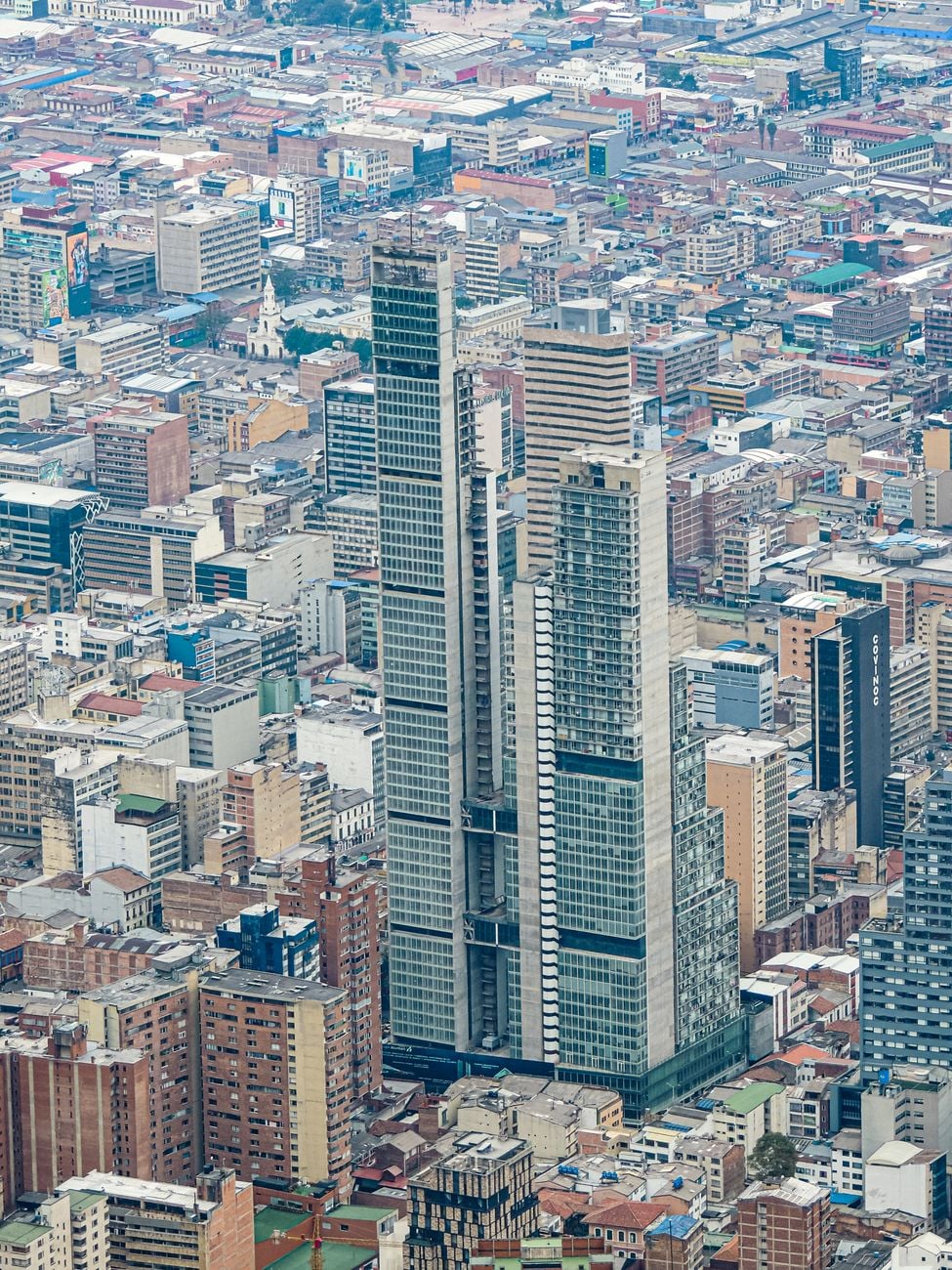
Chapinero Alto remains the heart of Bogotá's gay scene. This historic neighborhood, located in the northern part of the city center, features the highest concentration of gay-friendly bars, clubs, restaurants, and accommodations. The neighborhood has a well-established infrastructure catering to LGBTQ+ visitors, with many establishments openly welcoming and staffed by LGBTQ+ workers. Calle 57 and surrounding streets contain most of the major venues.
Zona Rosa, adjacent to and overlapping with parts of Chapinero, offers a more upscale dining and entertainment scene with high-end restaurants, cocktail bars, and nightclubs that attract diverse crowds including significant LGBTQ+ clientele. While not exclusively gay, many venues in Zona Rosa are gay-friendly and welcoming.
La Candelaria, the historic colonial district, contains museums, galleries, and cultural institutions but fewer explicitly LGBTQ+ venues, though the neighborhood is generally safe and contains important cultural attractions worth visiting.
Nightlife and Venues
Bogotá's gay nightlife centers on bars and clubs in Chapinero Alto. While specific venues can change ownership and focus, the neighborhood maintains consistent options for gay nightlife. The scene typically includes dance clubs featuring DJ sets and live music, cocktail bars with both mixed and gay clientele, and casual cafés and restaurants serving the community.
The city does not currently have well-established bathhouses, though this varies and travelers should research current options upon arrival.
Bogotá Pride takes place in June and July annually, with the main pride parade typically in late June. The celebration has grown substantially in recent years and now spans multiple weeks with cultural events, exhibitions, concerts, and parties throughout the city. Hotels and accommodations often book in advance during Pride season, so early planning is recommended.
While specific circuit party events may occur, Bogotá is better known for its cultural Pride programming than for major dance festivals or circuit events typical of some other Latin American capitals.
Where to Stay
Chapinero Alto is the most convenient neighborhood for LGBTQ+ travelers, with multiple hotels and hostels within walking distance of gay venues and restaurants. Staying in this neighborhood provides easy access to nightlife and community spaces, though room rates are higher than in other areas.
Zona Rosa offers upscale hotel options with proximity to both gay venues and broader dining and entertainment options.
La Candelaria contains budget and mid-range accommodation and provides immersion in Bogotá's cultural attractions, though it requires metro or taxi travel to reach Chapinero's gay venues.
Bogotá, like many major cities, requires standard urban safety precautions. While LGBTQ+ rights are legally protected and the city maintains visible LGBTQ+ spaces, travelers should exercise standard city safety practices: avoid displaying excessive cash or valuables, use registered taxis or ride-share apps rather than hailing taxis on the street, avoid walking alone late at night in unfamiliar areas, and stay aware of surroundings in crowded spaces.
Chapinero Alto and Zona Rosa are generally considered safer neighborhoods, particularly in areas with active nightlife and foot traffic. La Candelaria should be explored during daylight hours and in groups when possible.
Public displays of affection between same-sex couples are generally accepted in central neighborhoods but may attract attention in other areas.
Transportation
Bogotá's metro system is modern, efficient, and safe for tourists, though it becomes crowded during rush hours. Metro cards can be purchased at stations and provide affordable transportation throughout the city.
Ride-sharing apps including Uber and local alternatives are widely available and recommended over street hailing. Taxis can be used if called through hotels or restaurants rather than hailed on the street.
The city sits at high altitude (2,640 meters/8,660 feet), and many visitors experience altitude sickness upon arrival. Slower activity on the first day, staying hydrated, and considering coca tea (a local remedy) can help with adjustment.
Food and Dining
Bogotá has emerged as Colombia's culinary capital, with diverse dining options ranging from street food to fine dining. Chapinero and Zona Rosa contain many gay-friendly restaurants and cafés. The city's café culture is strong, with numerous coffee shops offering specialty preparations of Colombian coffee.
Local specialties include ajiaco (a hearty soup), bandeja paisa (a large platter), empanadas, and fresh tropical fruits not commonly found in North America or Europe.
Cultural Attractions and Day Activities
Beyond nightlife, Bogotá offers substantial cultural attractions. The Gold Museum (Museo del Oro) contains the world's largest collection of pre-Hispanic gold artifacts. The National Museum, Botero Museum (featuring Fernando Botero's distinctive artwork), and numerous smaller galleries provide extensive art and history experiences.
Monserrate, a sanctuary perched on a mountain above the city, offers panoramic views and can be reached by cable car or funicular. La Candelaria neighborhood walking tours showcase colonial architecture.
The city's theater scene is active, and visitors should check for performances during their stay, as English-language options may be limited but cultural experiences are worthwhile.
Day Trips
Salt Cathedral of Zipaquirá, approximately 50 kilometers north, features underground chambers carved from salt deposits and represents an important religious and engineering site.
Jiménez Wetlands (Humedal de Jiménez) offers birdwatching and natural experiences accessible by public transportation.
Monterrredondo area offers hiking and natural landscapes.
Practical Information
Visitors from most countries receive 90-day tourist visas upon arrival. Travelers should verify their specific country's requirements.
The Colombian peso is the currency. ATMs are widely available in central neighborhoods. Credit cards are accepted at most established restaurants and hotels.
Spanish is the primary language. English is spoken in many tourist-oriented businesses but not universally, particularly outside central areas.
Bogotá's weather is cool year-round due to altitude, with temperatures typically ranging from 8-20°C (46-68°F). Rain is common, particularly during green seasons (April-May and September-November). Packing layers and a rain jacket is essential.
Conclusion
Bogotá offers LGBTQ+ travelers a dynamic South American city experience combining visible gay culture, progressive legal frameworks, world-class cultural attractions, and a vibrant culinary scene. The city works best for travelers seeking immersive urban experiences rather than dedicated gay resort vacations, with particular appeal to those interested in culture, history, food, and nightlife.
Frequently asked questions
Colombia has legalized same-sex marriage and prohibits discrimination based on sexual orientation. Chapinero, the main LGBTQ+ neighborhood, is described as feeling safe and walkable during daylight and evening hours with good street lighting and police presence.
Chapinero is the primary LGBTQ+ neighborhood in Bogotá. It is located north of downtown and is the center of gay nightlife and culture, hosting the vast majority of gay bars, clubs, and LGBTQ+-friendly establishments.
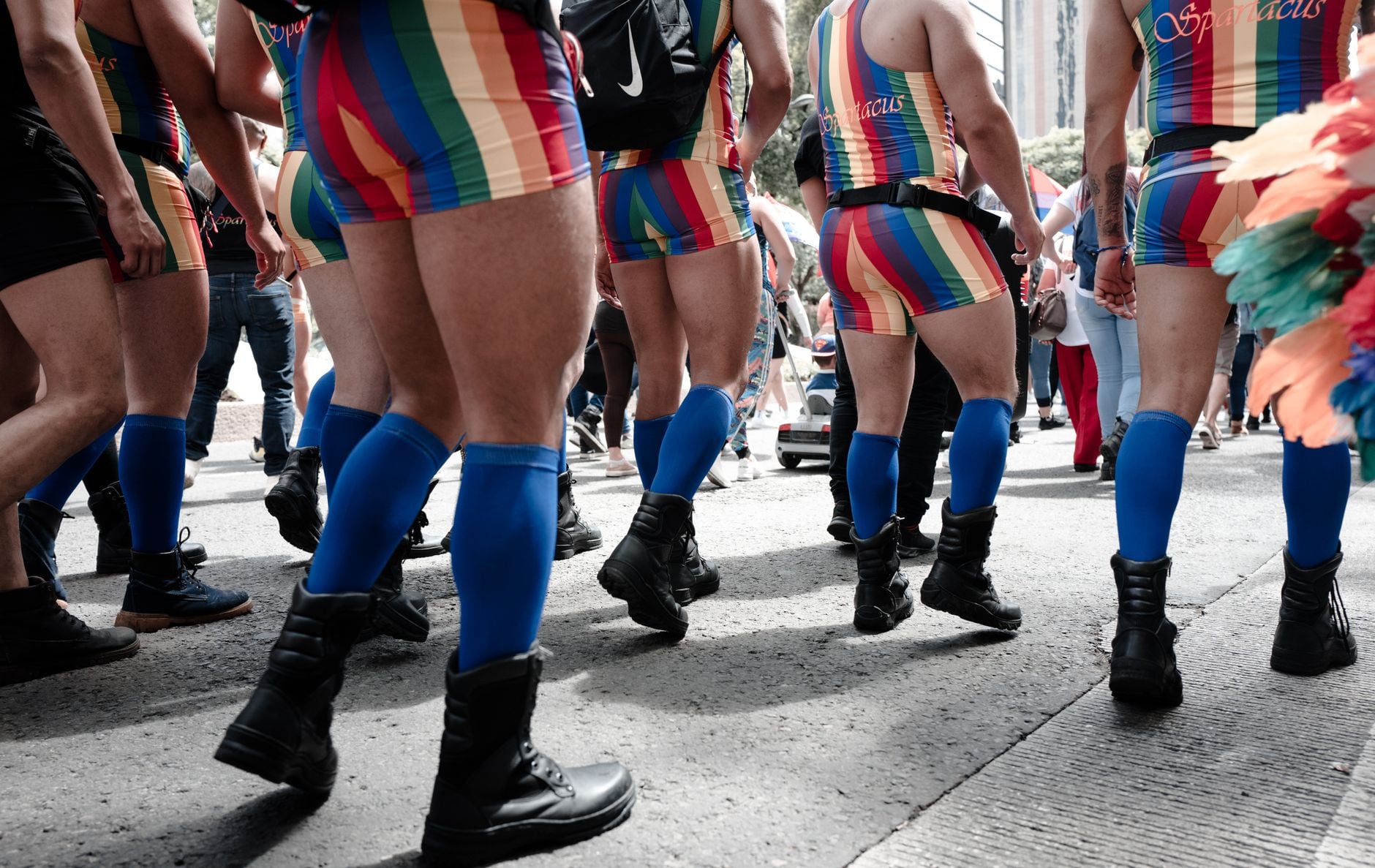
Bogotá held its first Pride march in 1983, among the earliest in Latin America. Today the main march — the Marcha por la Ciudadanía LGBTI — is held on the last Sunday of June (28 June in 2026), running along Carrera Séptima from Parque Nacional to the Plaza de Bolívar and drawing well over 100,000 people.
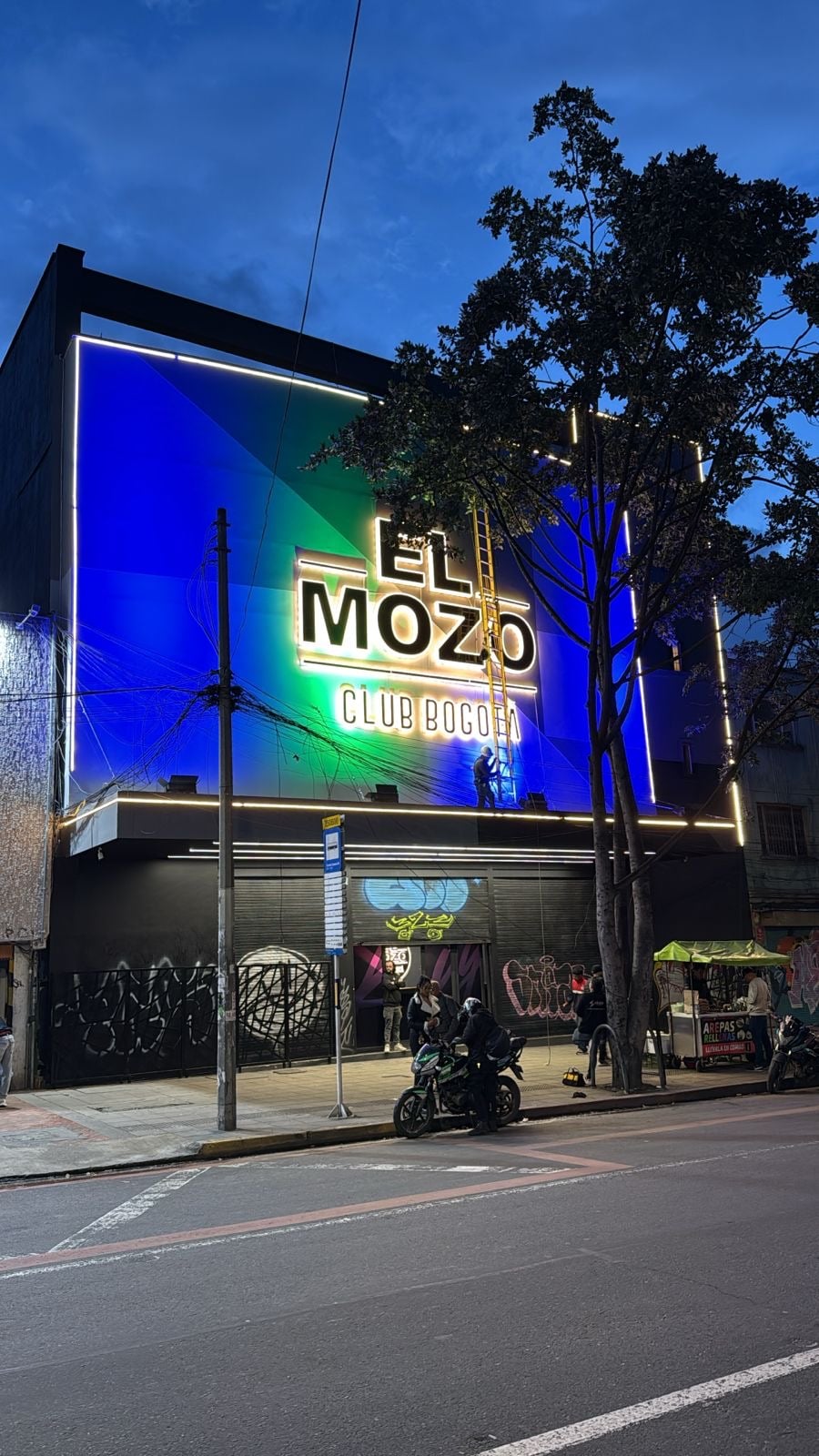
Chapinero concentrates Bogotá's LGBTQ+ nightlife: dance clubs led by Theatrón (billed as the largest gay club in Latin America), plus bars such as Punto 59, El Mozo and Leo's Bar Mística, karaoke and drag venues, and a cluster of gay saunas. You'll also find LGBTQ+-friendly restaurants, cafes and bookstores across the district.
Weekend nights see the highest activity in Chapinero, with clubs often opening late, at 10 p.m. or later, and staying open into the early morning hours.
Bogotá has developed into one of Latin America's most vibrant and welcoming LGBTQ+ destinations. The gay scene experienced significant growth from the 1990s onward.
Your privacy choices.
We use cookies to run GayOut and, with your consent, measure usage. Learn more
Your privacy choices
We use cookies to keep GayOut running, remember your preferences, and (with your permission) measure how the site is used. You can accept all, reject all, or pick what you allow. Learn more
Essential
Required for sign-in, fraud prevention, CSRF protection and remembering your language. Cannot be disabled.
Always on
Remembers your favourites, dark mode and other interface preferences across visits.
Helps us understand which pages people visit (Google Analytics, server-side stats) so we can improve.
Used by campaign tracking pixels. None are active right now, reserved for future use.
Install GayOut
Add GayOut to your home screen for faster access, offline favourites, and Pride alerts.





 Gay Bars & Clubs
Featured
(34)
Gay Bars & Clubs
Featured
(34)