Everything worth knowing before you go.
Cartagena is a significant LGBTQ+ destination in the Caribbean, attracting visitors interested in its colonial history, beaches, and nightlife. This guide outlines the city's LGBTQ+ scene, key neighborhoods, and practical information.
Cartagena's LGBTQ+ community has grown considerably as the city has opened to tourism and embraced more progressive attitudes. While Colombia legalized same-sex marriage in 2016, social acceptance varies. Cartagena, as a major tourist hub, generally offers an accepting atmosphere. The LGBTQ+ scene is primarily centered in specific areas and venues, with acceptance growing. Pride celebrations have become prominent, drawing large crowds. The community comprises both expatriates and Colombian nationals.
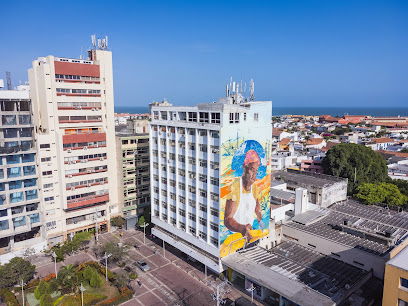
The Walled Old City (Ciudad Amurallada) is central to tourism and hosts many LGBTQ+-friendly establishments. Getsemaní, within the Old City, has become a focal point for the LGBTQ+ scene. This neighborhood, once working-class, has been gentrified, partly by LGBTQ+ individuals and artists. Its streets are lined with colorful buildings, street art, galleries, and independent businesses. Getsemaní's bohemian character appeals to a creative crowd and is home to many queer-friendly bars and clubs.
El Centro, the main tourist area, features historic plazas and attractions. While not exclusively LGBTQ+-focused, it has many restaurants and bars welcoming to LGBTQ+ patrons, popular with both visitors and locals.
Boca Grande, a beach neighborhood accessible from the old city, has resort properties that often welcome LGBTQ+ guests.
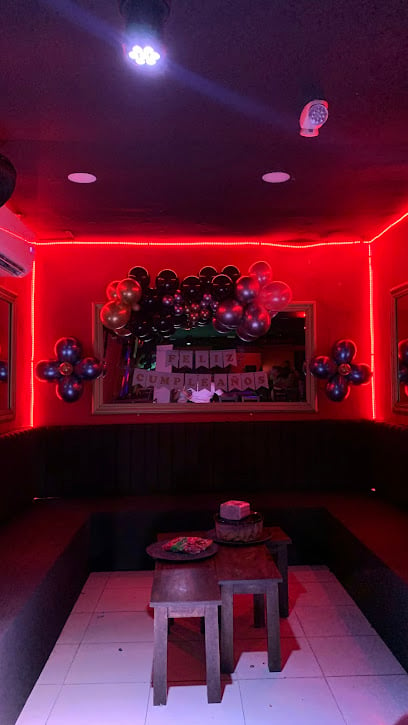
Getsemaní offers the most concentrated LGBTQ+-friendly nightlife. While specific venues may evolve, the neighborhood consistently features bars and clubs catering to an LGBTQ+ clientele. These venues typically include dance floors and themed nights, operating late into the night. Many restaurants and cafes in Getsemaní and El Centro display rainbow symbols and welcome LGBTQ+ customers, serving as both nightlife spots and daytime social hubs. Beach clubs in Boca Grande and nearby islands attract LGBTQ+ visitors for daytime socializing, swimming, and sunbathing.
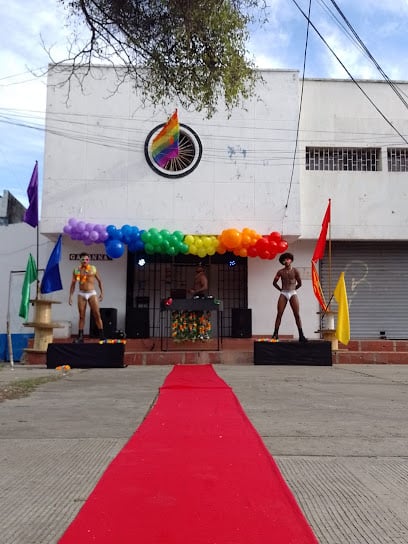
Cartagena Pride (Orgullo Cartagena) typically takes place in June, with a week of events including parties, beach gatherings, cultural performances, and a parade. The event has grown significantly. Hotel bookings are essential well in advance for this period. Throughout the year, the city hosts LGBTQ+ cultural events such as film festivals, art exhibitions, and themed club nights.
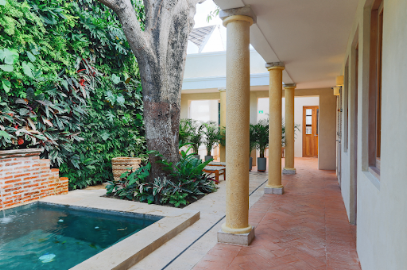
Getsemaní provides a range of guesthouses, boutique hotels, and hostels, many of which cater to LGBTQ+ guests. Staying here offers proximity to nightlife and immersion in the local atmosphere. Guesthouse owners can often offer insights into local venues and events. El Centro offers larger hotels and more upscale accommodations, generally welcoming to LGBTQ+ travelers due to its reliance on international tourism. Boca Grande has resort properties, some marketed to LGBTQ+ travelers, providing beach access and amenities. When booking, utilizing platform filters or reading recent LGBTQ+ traveler reviews can help identify welcoming accommodations.
Cartagena generally maintains good safety standards in its tourist areas, especially within the walled city. LGBTQ+ travelers report feeling welcome in established tourist neighborhoods. Standard precautions are advised, such as avoiding overt displays of wealth, staying in well-populated areas at night, and using registered taxis or ride-sharing apps. Public displays of affection are generally safe in tourist zones and increasingly accepted, though discretion may be advisable in less touristy areas. Same-sex couples holding hands or embracing typically encounter no issues in central Cartagena. Yellow fever vaccination is recommended for travel to Colombia, and adequate travel insurance is advisable.
The walled old city is best explored on foot. Walking tours can provide historical context and orientation. Beyond the old city, ride-sharing apps like Beat and Uber operate reliably. Regular taxis are also available, but apps offer clearer pricing and safety. Ride-sharing is an affordable option for frequent travel. Boats connect the old city to nearby islands and beach areas. Ferry services run to the Rosario Islands, popular for day trips offering beaches and water activities.
Cartagena's food scene blends Caribbean and Colombian influences, featuring fresh seafood, tropical fruits, and local specialties. Getsemaní has many restaurants with diverse price points and creative menus. El Centro offers both casual street food and upscale dining. Street food vendors and small restaurants serve traditional Colombian dishes affordably. A strong café culture exists, with numerous coffee shops serving local coffee, pastries, and light meals.
Day Trips
Day trips include the Rosario Islands (Islas del Rosario) for beaches, snorkeling, and water activities, accessible via day tours. Playa Blanca offers swimming and sunbathing. Tyrona National Park, a few hours away, provides rainforest hiking and beaches. The old city itself contains numerous historical sites, museums, and galleries.
Respecting local culture enhances any visit. Learning basic Spanish phrases and showing respect for Colombian culture are beneficial. Supporting local LGBTQ+ businesses is encouraged. Engaging with members of the Colombian LGBTQ+ community can offer authentic perspectives.
The dry season from December to March offers comfortable temperatures, though prices are highest during this period and around holidays. June coincides with Pride but can be humid with occasional rain, and hotel availability is limited. September to November is shoulder season with lower prices and fewer crowds, though rainfall increases.


 Gay-Friendly Bars & Clubs