Cartagena, on Colombia's Caribbean coast, is a destination for LGBTQ+ travelers seeking a blend of history, natural beauty, and a developing gay scene. It offers Caribbean relaxation with cultural depth.
Cartagena's LGBTQ+ scene is newer than in larger Colombian cities but has grown with tourism. Colombia's legal recognition of same-sex relationships has improved the climate for LGBTQ+ people. Cartagena's status as a tourist hub has contributed to its expanding gay community and visitor scene. The city's international character and reliance on tourism foster a generally progressive attitude toward LGBTQ+ individuals.
The Old City (Ciudad Amurallada), a UNESCO World Heritage site, is Cartagena's primary attraction. This walled quarter features colorful colonial buildings, plazas, and narrow streets. Many LGBTQ+ visitors choose to stay and explore here, where hotels, restaurants, and shops catering to tourists are concentrated. It's an upscale area with a strong police presence, and prices reflect its popularity.
Getsemaní, adjacent to the Old City's northern wall, has become an alternative neighborhood favored by younger travelers and increasingly by LGBTQ+ visitors. Known for its street art, independent galleries, and trendy eateries, Getsemaní offers a more laid-back atmosphere than the Old City. Many visitors divide their time between these two areas.
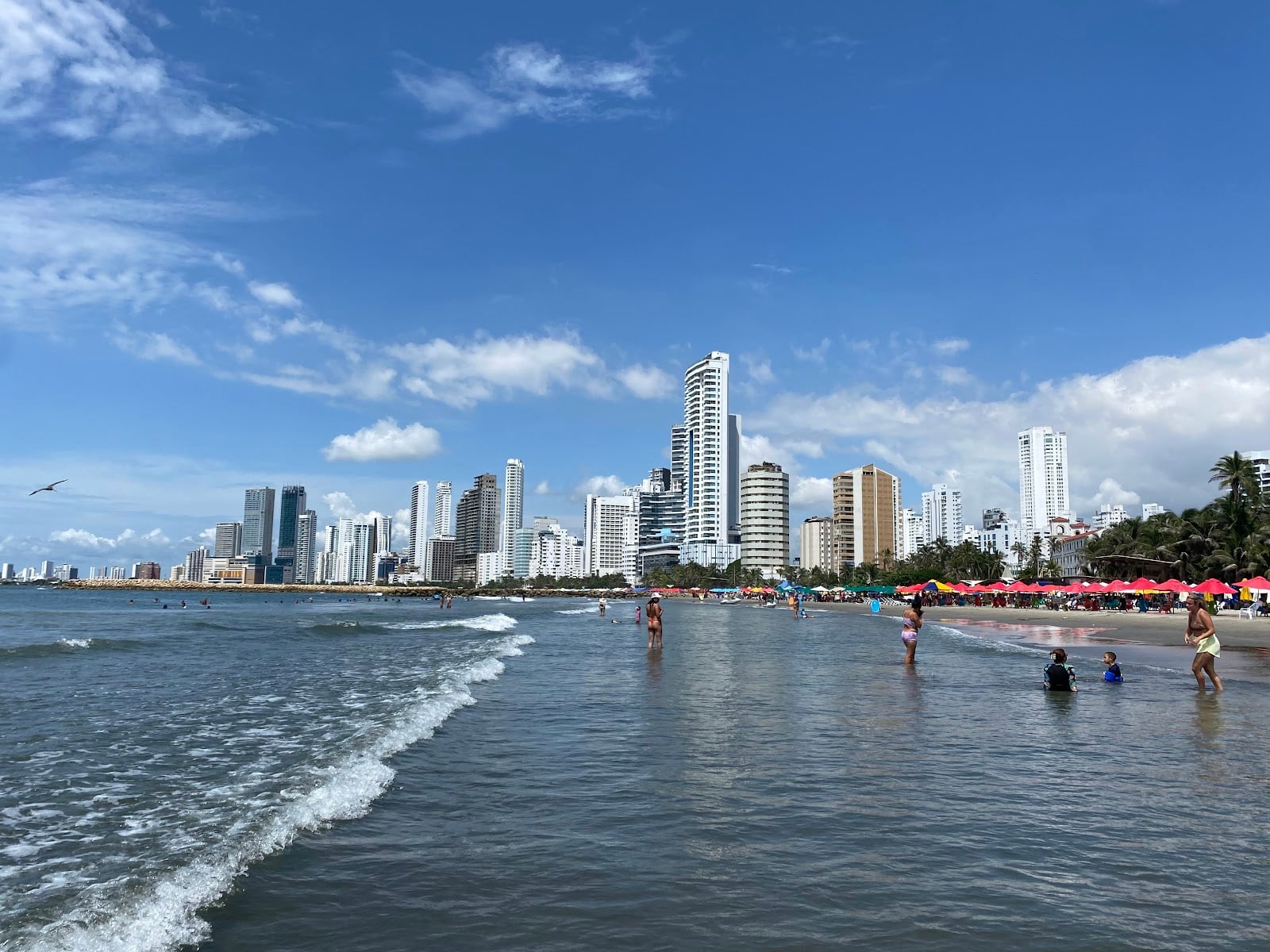
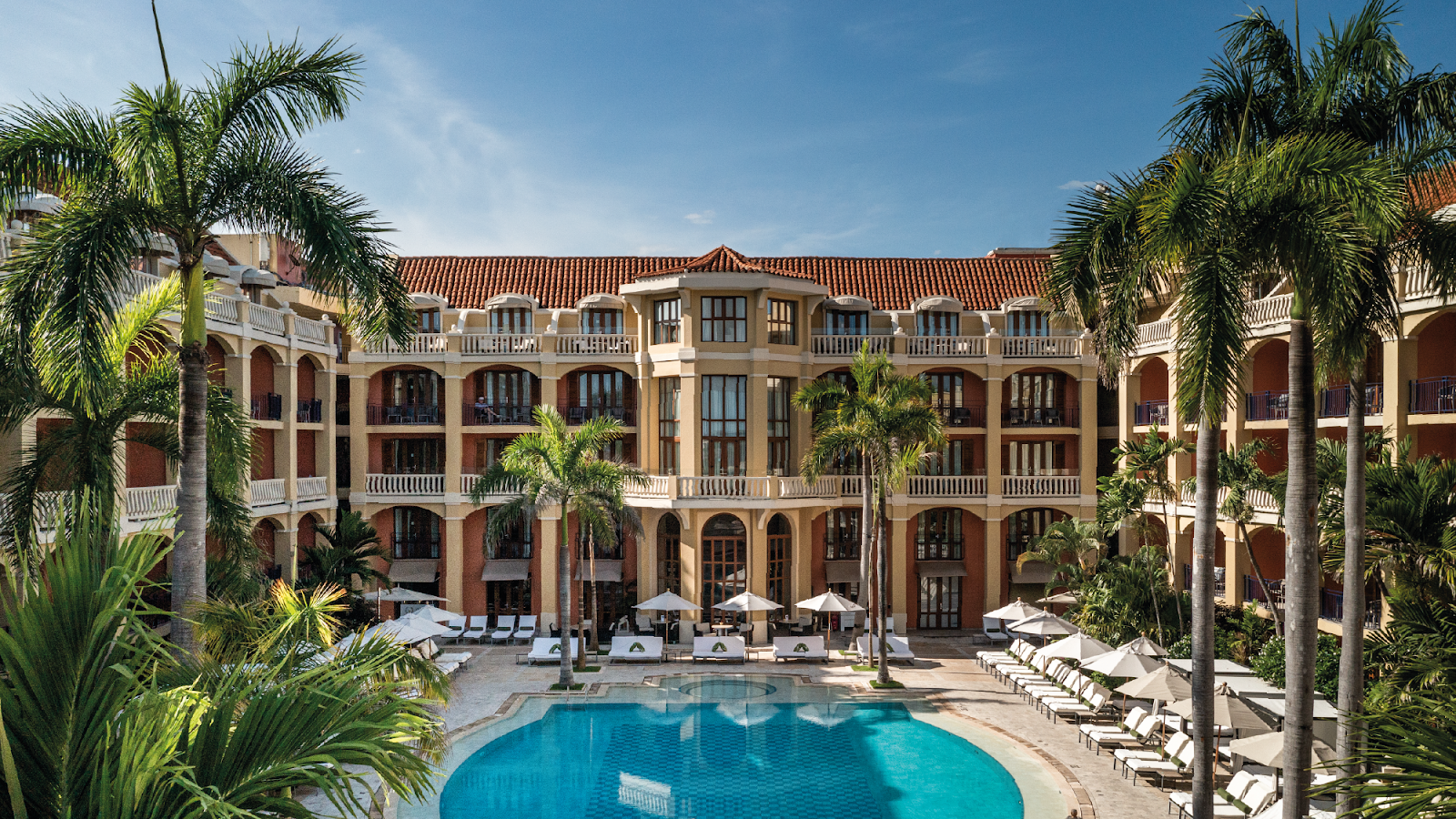
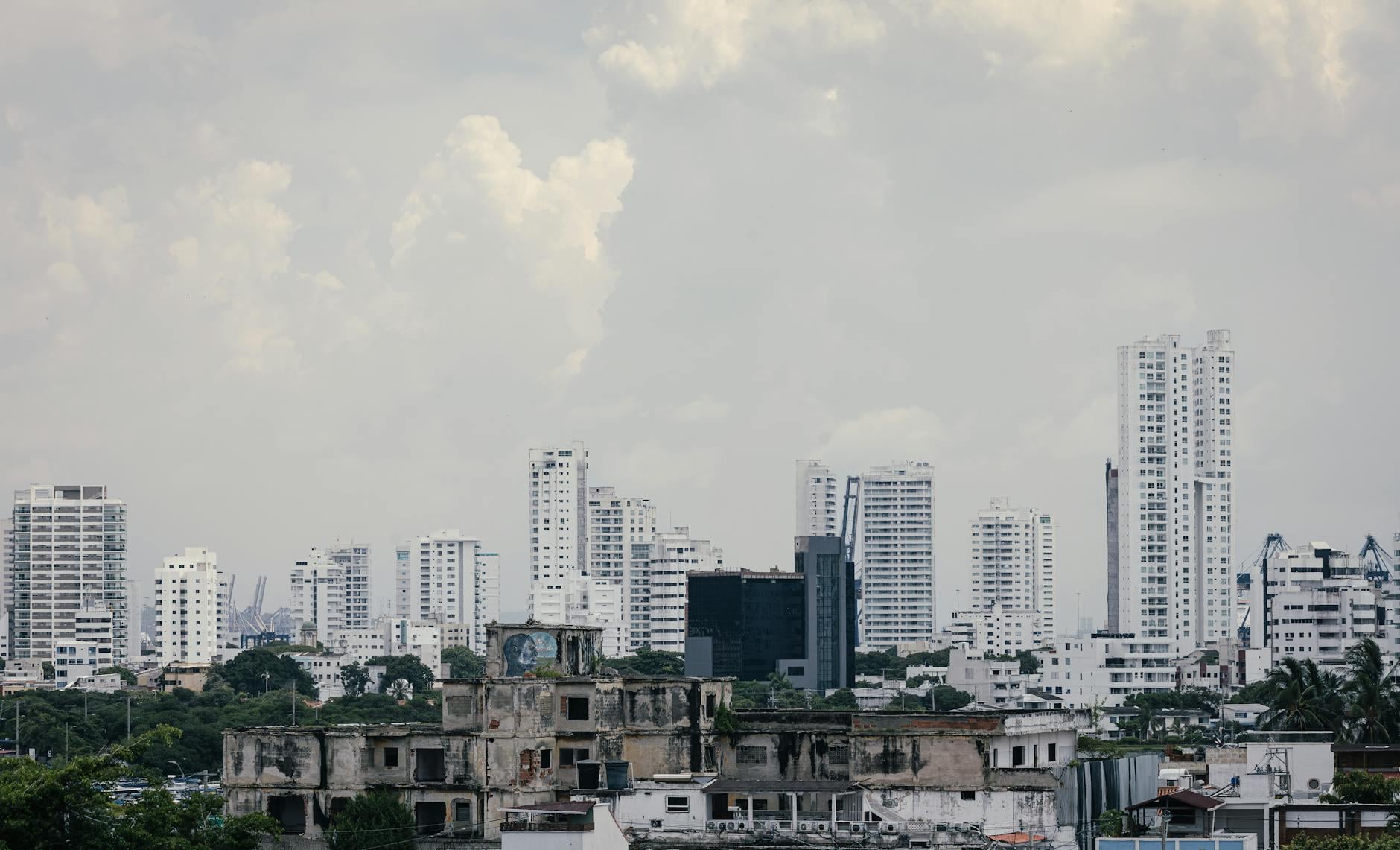
Bocagrande, a beachfront peninsula south of the Old City, hosts upscale resorts and international hotel chains. It is more commercial and less focused on culture than the historic center but provides beach access and modern amenities.
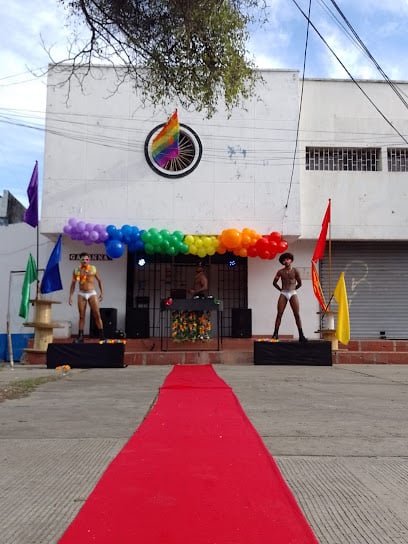
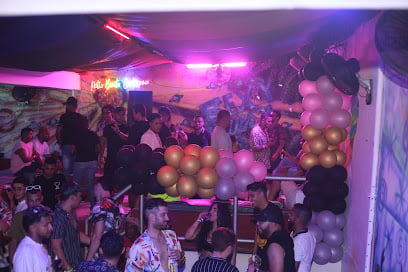
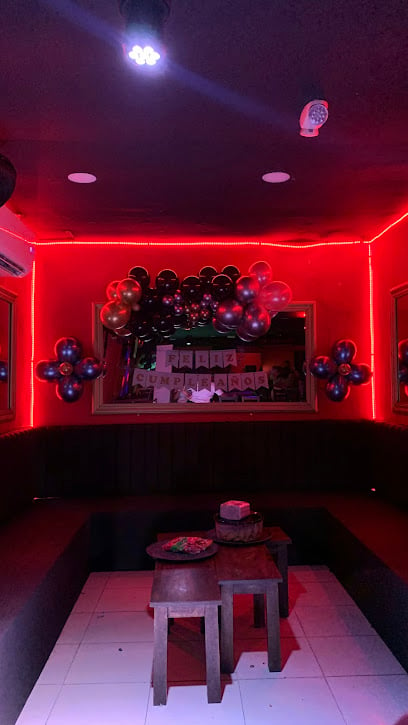
Cartagena's LGBTQ+ nightlife is more subdued than in major Colombian cities, aligning with the city's size and tourism focus. Most LGBTQ+-friendly venues are located in or near the Old City. The scene tends to be more bar-oriented than club-heavy. Many LGBTQ+ travelers enjoy the broader tourist scene, with many bars and restaurants in the Old City and Getsemaní being welcoming to all. There is a real core of dedicated gay venues, most of them a short walk or taxi from the walled city: Avatar Disco Bar in Getsemaní (a long-running gay dance club), the crossover club Taboo in Getsemaní, the three-storey Gabanna in Pie del Cerro, and the veteran ROMA Club Video Bar. For a beach day, Playa Hollywood in Bocagrande — in front of Hotel Caribe — is the city's informally recognized gay beach, busiest on Sundays. Cartagena has no dedicated gay sauna or bathhouse; for those, the nearest options are in Medellín or Bogotá.
Cartagena holds its own Marcha del Orgullo LGBTIQ+ de Cartagena each June, first staged in 2021 and organized by the Mesa Civil de la Diversidad with backing from the city government. It is smaller than the Pride marches of Bogotá or Medellín but visible and growing, drawing collectives such as Caribe Afirmativo. A separate Desfile de Independencia y Diversidad takes place in November as part of Cartagena's Independence Day festivities.
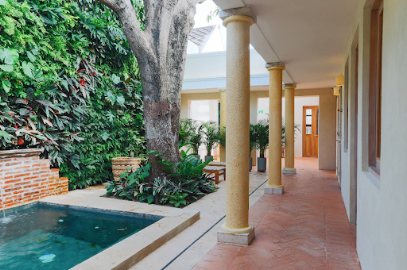
The Old City offers a range of accommodations, from hostels to luxury hotels, many of which are LGBTQ+-friendly. These are convenient for exploring the historic center but can be more expensive. Getsemaní is popular for boutique and mid-range hotels with an artistic, youthful feel. Bocagrande provides international chain hotels with modern amenities and beach access. Hostels in both the Old City and Getsemaní are popular with LGBTQ+ backpackers and offer social opportunities, with many actively welcoming LGBTQ+ guests.
Cartagena is generally safe for LGBTQ+ travelers in its tourist areas. The Old City and Getsemaní are well-patrolled. Standard travel precautions are advised: avoid displaying excessive wealth, be cautious in unfamiliar areas after dark, and remain aware of your surroundings. Public displays of affection by same-sex couples are generally accepted in the tourist center, though discretion is advisable in less tourist-oriented or more conservative neighborhoods. The tourism industry is accustomed to LGBTQ+ visitors and generally provides professional and welcoming service.
The Old City is best explored on foot due to its compact, pedestrian-friendly nature, though streets can be narrow and uneven. Comfortable walking shoes are recommended. Getsemaní is also walkable from the Old City. For longer distances, taxis are affordable and readily available. Ride-sharing apps also operate in Cartagena. Car rentals are generally not necessary for most visitors exploring the main tourist areas. Cartagena's airport is a short taxi or ride-share trip from the city center.
Cartagena's dining scene ranges from street food to fine dining. The Old City features numerous tourist-oriented restaurants, with seafood and Colombian cuisine being prominent. Ceviche, fresh fish, and tropical fruits are local specialties. Restaurants in tourist areas are generally welcoming. Getsemaní is known for its independent and creative eateries. Street food in both neighborhoods is widely available and affordable.
Day Trips
Day trips include the Rosario Islands, accessible by boat, offering beaches and snorkeling. Playa Blanca and other nearby beaches provide alternatives to the city's urban setting. The walled city itself offers several days of exploration, with museums, galleries, and colonial architecture.
Cartagena experiences warm weather year-round. December to March is the driest and most popular tourist season. The wet season runs from June to November, with September and October typically being the rainiest months. Prices are highest during the dry season, particularly around holidays. The dry season is ideal for beach activities, while the wet season offers fewer crowds and lower prices, though afternoon rain is common.
Cartagena offers LGBTQ+ travelers a combination of historic charm, Caribbean beauty, and a welcoming atmosphere. While its gay scene is more relaxed than in larger cities, this contributes to its appeal for those prioritizing cultural exploration, beach relaxation, and colonial architecture over extensive nightlife. The city is accessible, safe, and well-equipped for tourism, with a generally permissive social environment in its tourist areas.




 同志酒吧與俱樂部
精選
(555)