













في هذا الدليل · 21 أقسام
- The neighbourhoods
- Chapinero: the hub
- Zona G and Zona T
- Teusaquillo
- La Candelaria
- Nightlife in brief
- Saunas and cruising
- Safety: the one risk that matters
- Community: the Casas LGBTI
- Pride in Bogotá
- Where to stay
- Eat like a rolo
- Practical tips
- A few words of Bogotano Spanish
- At a glance
- Frequently asked questions
- Is Bogotá gay-friendly?
- Where is the gay area of Bogotá?
- When was Bogotá Pride 2026?
- Is it safe to use dating apps in Bogotá?
- Is same-sex marriage legal in Colombia?
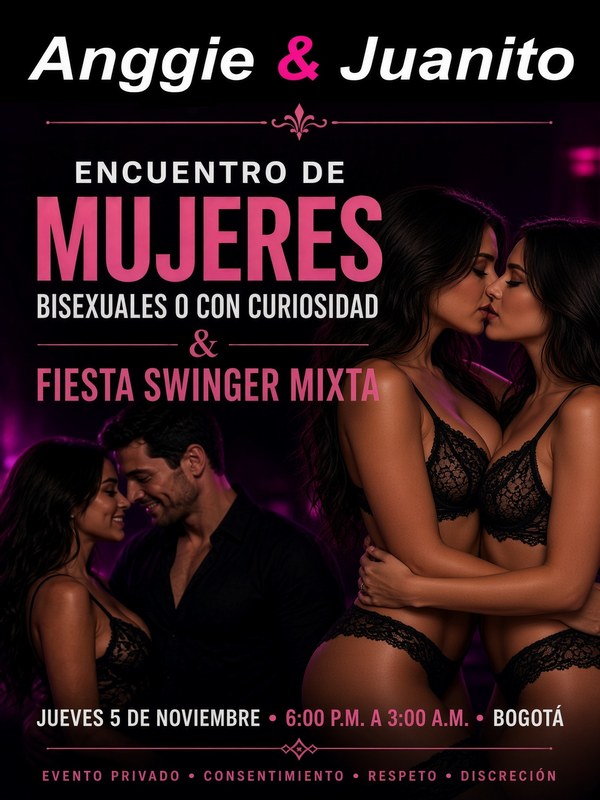
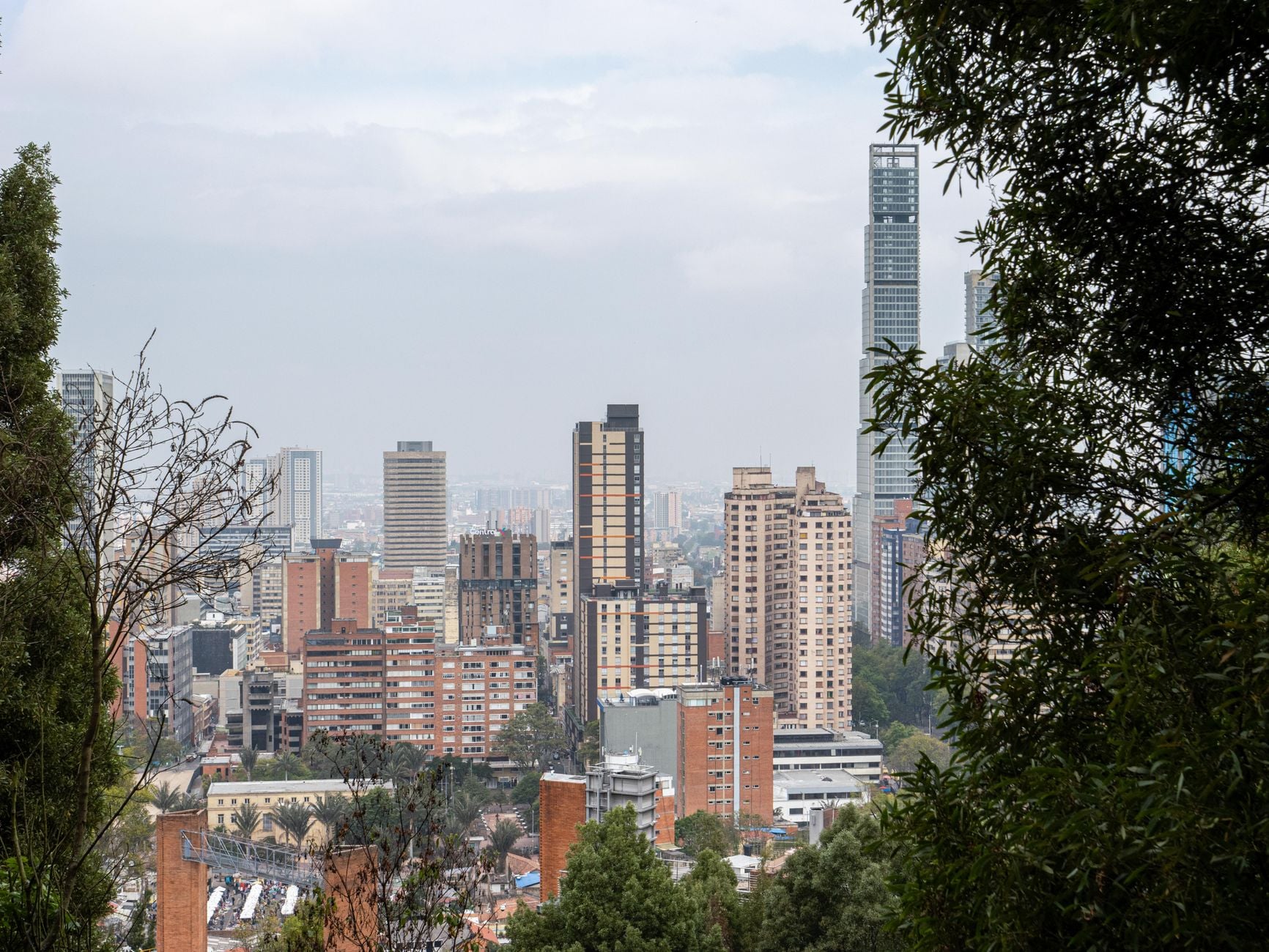
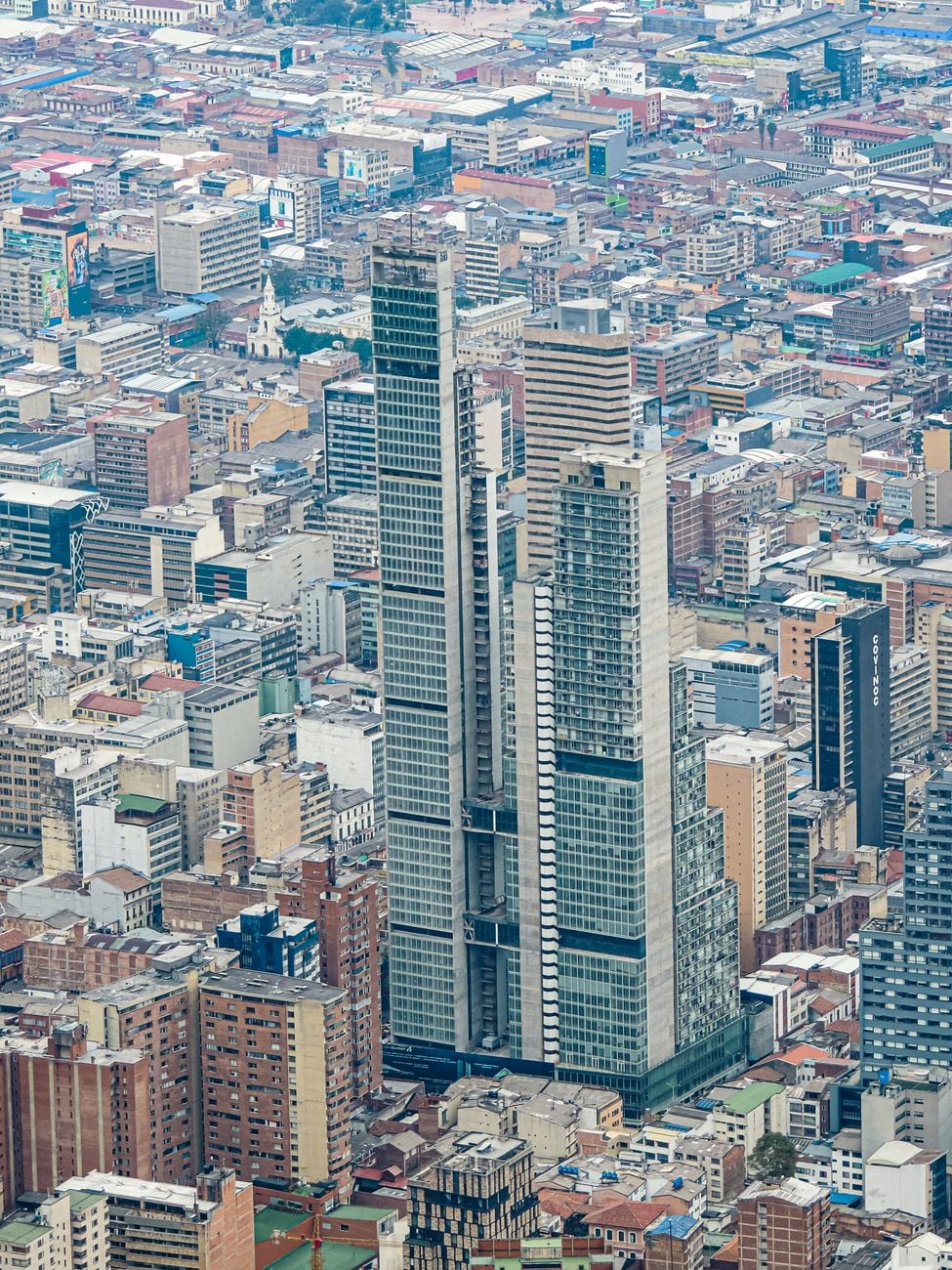
Bogotá sits on a high plateau at 2,640 metres, with the green wall of the eastern hills, Monserrate on top, standing over every street. Mornings are cold and bright, afternoons bring a sudden shower, and the city smells of wet pavement, roasting arepas and strong tinto coffee from every corner shop. Rolos, as Bogotanos call themselves, live a mountain life: a warm layer and a folded umbrella go in the bag every morning, whatever the forecast, and Monserrate's white sanctuary on the ridge is the compass everyone uses to find east. They also dress for the evening as if going to the theatre. The gay scene is big, legal and concentrated: almost everything happens in Chapinero, where Theatron fills a converted cinema that the city's tourism office says holds 5,000 to 7,000 people and dozens of bars line the streets around it. Colombia's laws are among the most protective in the region. The one thing to take seriously is not homophobia but a crime pattern: drugging and robbery after meeting someone on an app. Read the safety box, and the rest of the city is yours.
Legal in one line: same-sex marriage has been legal in Colombia since 2016 and joint adoption since 2015, both by Constitutional Court rulings; trans people can change their legal name and sex marker at a notary without surgery or medical reports; and discrimination based on sexual orientation has been a criminal offence since 2011. Bogotá's city government has its own Dirección de Diversidad Sexual and runs five LGBTI community houses.
The neighbourhoods
Chapinero: the hub
Chapinero is where Bogotá's gay life lives. The city government's own tourism selection calls the locality the "epicentre" of LGBTI celebration and counts more than 100 LGBTI bars, clubs and spaces there. The dense core is lower Chapinero, roughly Calle 58 to Calle 60 between Carrera 7 and Carrera 13, where Theatron, the cantina bars and the dance bars sit within a few blocks of each other. It is also a busy student, office and nightlife district, which means crowds, street food and plenty of pickpockets: keep your phone in a front pocket. Chapinero also topped Bogotá's list of scopolamine robbery complaints in 2024 data reported by the Rio Times, a reason to follow the safety rules below rather than a reason to stay away.

Zona G and Zona T
North of the core, still in the Chapinero locality, are the two mixed upmarket areas. Zona G (the "gourmet zone") is the restaurant quarter around Calle 69 and the streets just east of Carrera 7, quiet, leafy and good for a long dinner. Zona T, around Calle 82 and Carrera 12–13 near the Andino shopping centre, is the polished bar and club district. Neither is a gay district, but both are relaxed about same-sex couples, and a few LGBTQ+ bars, such as Chiquita in the Zona T, sit here.
Teusaquillo
South of Chapinero, Teusaquillo is a calmer residential neighbourhood of older brick houses and parks. It is home to the city's Casa LGBTI Sebastián Romero (Calle 44 #14-60) and to Cómplices SPA, a long-running local sauna, and the Centro de Memoria, Paz y Reconciliación on Calle 26, where the 2026 Contramarcha started.

La Candelaria
The colonial old town, with steep cobbled streets, street art, the Plaza de Bolívar and the city's main museums, is where every visitor spends a day and where the main Pride march ends. It is not a nightlife area for the gay scene, and the UK Foreign Office has reported armed robberies of British visitors there: visit in daylight, keep valuables minimal, and take an app car back north after dark.
Nightlife in brief
The full rundown is in our Bogotá bars guide. The essentials:
- Theatron, Calle 58 Bis #10-32, Chapinero: the city's tourism office describes it as the epicentre of LGBTI nightlife in Bogotá, with a capacity of 5,000 to 7,000 people, 18 to 20 themed rooms and drag shows. Saturday is the big night. Its anniversary party is one of the club's busiest nights of the year; check Theatron's own channels for dates.
- El Perro y la Calandria, Carrera 9 #59-16: a Chapinero classic in cantina style, with karaoke, drag and 1970s and 1980s hits.
- Punto 59, Carrera 13 #59-24, Interior 6: a casual, modern bar for starting or ending the night.
- Coyote Crazy!, Carrera 9 #59-09: a two-floor bar a block from Theatron, with cocktails, Latin DJs and dancing, a good first stop.
- Dark Club, Calle 64 #13-35, 2nd floor: not a bar but a men-only cruising club with a darkroom and cabins, 20+ only.
- Chiquita, Carrera 12A #79-25, Zona T: a small cabaret-style bar with drag and karaoke, which the city's tourism office says came from Medellín to Bogotá in 2023; arrive early at weekends.
- Meet first in a busy bar, café or venue, not in your room.
- Never accept an open drink from someone you have just met, and do not leave yours unattended.
- Do not take a stranger home on the first meeting. Tell a friend or the hotel desk who is visiting.
- Be wary of new profiles with few photos that push quickly to come to you or to "show you the city".
- Carry one card and a little cash at night; leave the rest in the hotel safe.
- Set low daily limits on your bank and transfer apps before a night out, and lock your phone with a code, not just a face scan.
- If you or a friend suddenly feel very drunk or confused after a single drink, tell the bar staff, call 123 and go to a hospital emergency department (urgencias).
- Sebastián Romero, Teusaquillo: Calle 44 #14-60, the most central for visitors.
- Diana Navarro, Los Mártires: Carrera 14B #21-10.
- Laura Weinstein, Suba: Calle 146C #92-78.
- Amapola, Rafael Uribe Uribe: Carrera 21 #25-06.
- Edwar Hernández, Kennedy: Calle 36 Sur #78K-58.
- Hotel Boutique San Sebastián, Calle 62 #9-49, Chapinero: a short walk from Theatron and the Calle 58–60 bars.
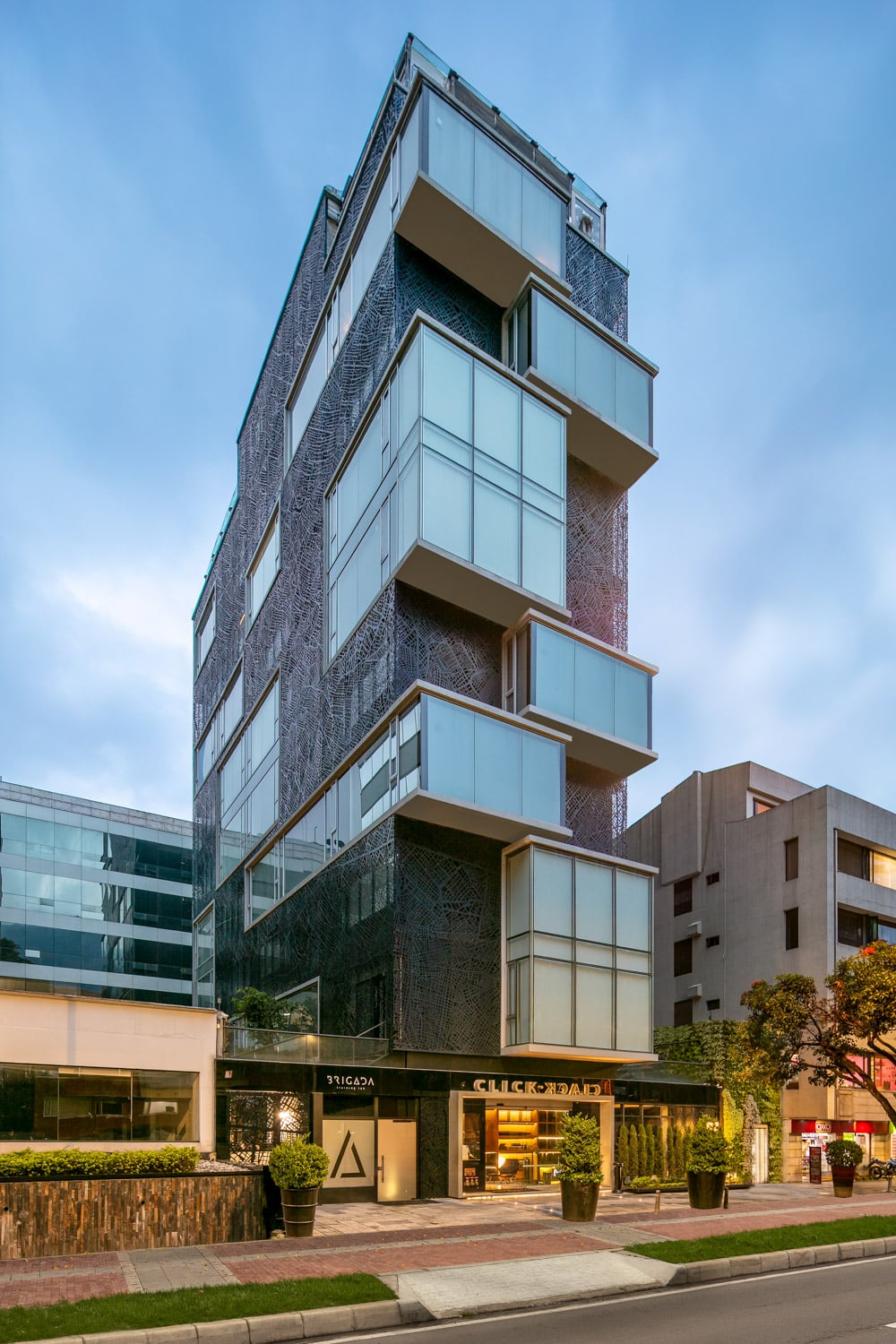
- B.O.G. Hotel, Carrera 11 #86-74: a design hotel by the Zona T.
- Sofitel Bogotá Victoria Regia, Carrera 13 #85-80: 97 rooms and 5 suites, two blocks from the Andino shopping centre and close to the Zona T.
- Rosales Plaza Hotel, Calle 71A #5-47: in the residential Rosales district, a short walk from Zona G.
- W Bogotá: further north towards Usaquén, a taxi ride from Chapinero's bars.
- Altitude: at 2,640 metres, many visitors feel short of breath, sleep badly or get a headache on the first day or two, and alcohol hits harder. Give yourself a day or two to acclimatise before a big night, drink plenty of water, go slowly with alcohol, and pack layers: evenings are cool all year.
- TransMilenio: the city's bus rapid transit network runs on dedicated lanes. Since 14 January 2026 a ride on TransMilenio, TransMiZonal or TransMiCable costs COP 3,550. You pay with a rechargeable TuLlave card; from January 2026 contactless bank cards and phones were also accepted at selected high-traffic stations, at the full fare and without free transfers. Buses get very crowded at rush hour, which is when phones disappear: keep your phone and the TuLlave card in a front pocket, wear a backpack on your chest, stay away from the doors while scrolling, and avoid long rides with luggage at peak times.
- At night: use a ride app (Uber, DiDi or Cabify) door to door, ordered from inside the venue. Avoid hailing taxis on the street after dark.
- Traffic: Bogotá's jams are notorious. Allow 45 minutes or more to cross the city at peak times, especially to the north (Suba, Usaquén) or the airport.
- Money: cards are widely accepted in Chapinero and the north; carry some pesos for small bars, taxis and street food. Use ATMs inside banks or shopping centres.
- Apps: Grindr is the most used, with Tinder and others alongside it. Follow the safety box above every time.
- Rolo / rola: a person from Bogotá, the everyday word locals use for themselves.
- Parcero / parce: mate, buddy. "¿Qué más, parce?" is "how's it going, mate?"
- ¡Qué chimba!: "how great!" Very common, but the word itself can be vulgar, so use it among friends.
- Marica: used constantly among friends of any orientation, roughly "dude". From a stranger, in a hostile tone, it is still an insult.
- Sumercé: an old, affectionate form of "you" heard in Bogotá and the surrounding highlands.
- Tinto: a small black coffee, not red wine. Rumba: a night out.
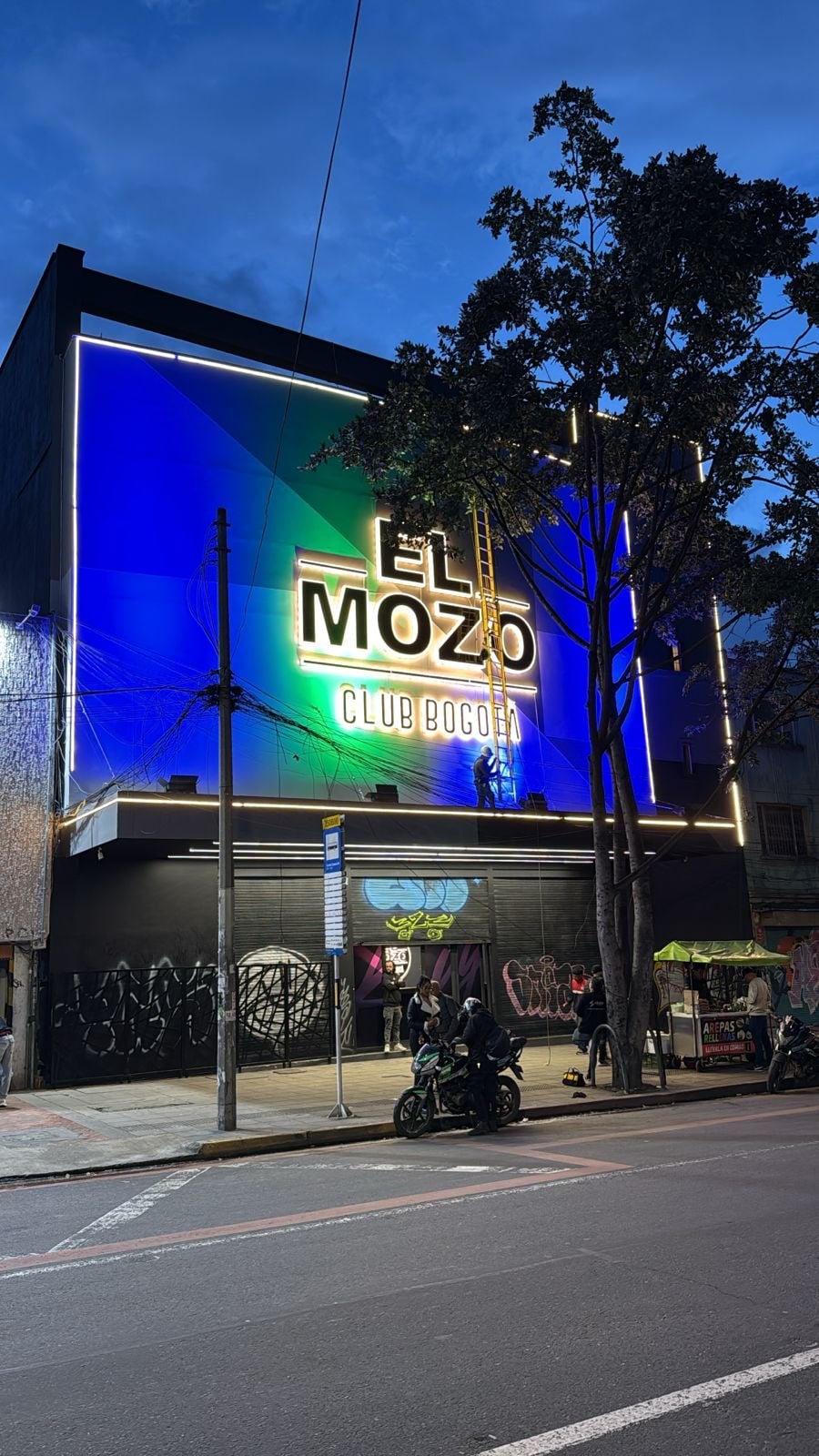
Closed: the old El Mozo club on Avenida Calle 85 in the Zona T has closed; the name now appears on parties at changing venues, so check its social media before going.

Saunas and cruising
Bogotá has several gay saunas, mostly in Chapinero and Teusaquillo, and a dedicated men-only cruising club, Gladiador, in Suba in the far north, which works mainly as an afternoon and early-evening venue. The Chapinero names include Saint Moritz (Calle 65 #13-30) and Dagoas Sauna & Hostel (Calle 59 #9-34), which has advertised round-the-clock opening; La Playa is in the Centro and Cómplices SPA in Teusaquillo. Hours and prices change, so check before you go. Details are in our Bogotá cruising guide.
Parque Nacional, the large public park on Carrera 7 below the eastern hills, has a long history as an outdoor meeting place for men. It is a busy family and sports park by day; treat it as a daytime-to-dusk place only and leave before dark.
Outdoor spots and the law: sex between men is legal in Colombia, but sexual acts in public space are a fineable offence under the national police code (Ley 1801 of 2016), and police patrol the parks. Bogotá's parks carry a real risk of street robbery after dark for anyone. If you go, go in daylight, leave before dusk, take only a little cash and keep your phone out of sight.
Safety: the one risk that matters
Drugging and robbery after app dates. In April 2026 Colombia's prosecutors charged three people in Bogotá who, between 2024 and 2025, met victims on dating apps, gave them drugged drinks in private homes and hotels, then emptied their bank accounts and took their phones, more than 130 million pesos in all. In 2025 Bogotá police arrested a man accused of using Grindr to lure foreign tourists, drug and rob them, with at least 40 cases recorded in about a month. The drug in these robberies is often escopolamina, known as burundanga, which leaves victims compliant and with little memory.
Scopolamine: how to protect yourself
The US State Department rates Colombia at Level 3, "Reconsider travel", in an advisory issued on 31 March 2026, citing crime, terrorism, civil unrest and kidnapping, and it specifically warns about criminals posing as dates. The dating warning applies directly to Bogotá. Other common tricks are phone snatching in crowds and on TransMilenio, and fake police who ask to "check" your money: ask to go to the nearest police post, a CAI. The national emergency number is 123.
If you face discrimination or a homophobic attack, the city's Línea Diversa answers on WhatsApp at 305 312 0417. National organisations Colombia Diversa, based in Bogotá, and Caribe Afirmativo document violence against LGBTIQ+ people and can advise on reporting.

Community: the Casas LGBTI
Bogotá runs five public LGBTI community houses, the Casas LGBTI, through the Secretaría de Integración Social. They are the place to ask for local support, advice on reporting discrimination and community activities:
Opening hours vary by house; check the city's website before visiting. For PEP after a condom accident, go to a hospital emergency department (urgencias) or a Profamilia clinic within 72 hours; PrEP users should bring their full supply.
Pride in Bogotá
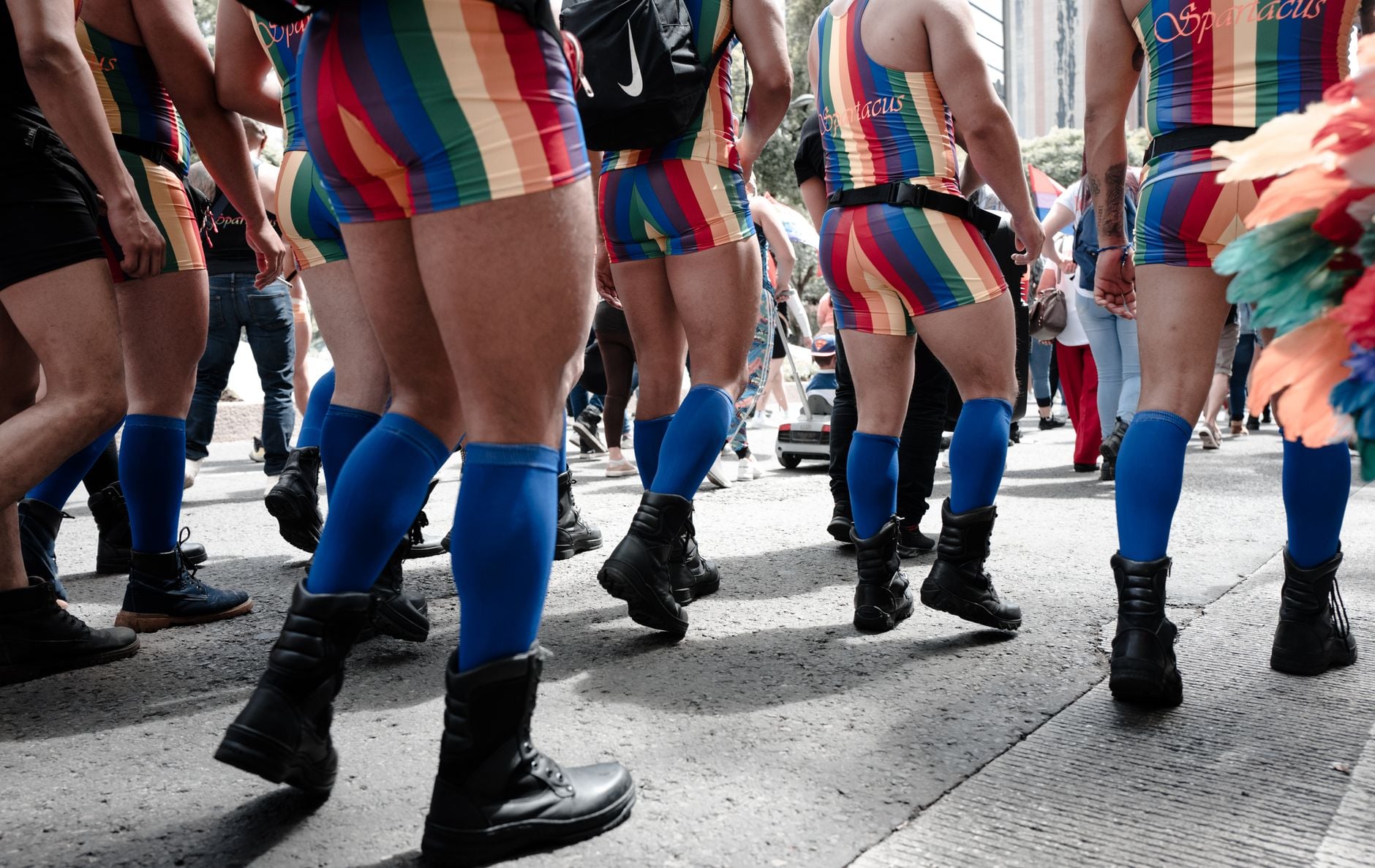
June is Pride month in Bogotá, and in 2026 the city held four marches. The Marcha LGBTIQ+ del Sur, in its 18th edition, took place in Kennedy on Sunday 14 June. The main event, the 30th Marcha Distrital de la Ciudadanía LGBTI, was held on Sunday 28 June, leaving Carrera 7 with Calle 59 at 10:00 and ending in the Plaza de Bolívar; the city government says the march now draws more than 150,000 people. The same morning the Contramarcha LGBTIQ+, a more political alternative to the official march, set off from the Centro de Memoria, Paz y Reconciliación. The 11th Yo Marcho Trans march followed in Engativá on Saturday 4 July, and the Festival por la Igualdad ran more than 30 events from 13 June to 17 July. It is a long way from the first march, on 28 June 1982, when about 30 people walked from the Santamaría bullring to the Plaza de las Nieves. Dates for 2027 had not been announced at the time of writing; expect the main march on a Sunday in late June. See Bogotá Pride for updates.
Where to stay
For the scene, stay in Chapinero or just north of it. Some of the hotels on our Bogotá hotels page:
Colombian law forbids discrimination, so a double bed for two men should never be an issue. If you plan to bring guests back, choose a hotel with a staffed front desk that registers visitors; it is one more layer of protection.
Eat like a rolo
Bogotá food is mountain food, built for cold evenings. The city's signature dish is ajiaco santafereño, a thick chicken and potato soup made with three kinds of potato and the herb guascas, served with corn on the cob, capers, cream and avocado on the side; Sunday lunch is its natural home. Breakfast might be changua, a soup of milk, water, spring onions and a poached egg over stale bread, a Bogotá cure for the night before. The breakfast ritual, repeated at the late-afternoon onces, is chocolate con queso (also called chocolate santafereño): a cup of hot chocolate with a slice of soft white cheese dropped in to melt, fished out with a spoon, alongside an almojábana cheese roll or a tamal wrapped in plantain leaf. For an afternoon drink, try a canelazo (hot cinnamon and aguardiente) in La Candelaria, or a craft beer in Chapinero.

Practical tips
A few words of Bogotano Spanish

At a glance
| Place | Type | Address / area | When | Note |
|---|---|---|---|---|
| Theatron | Gay mega-club, 18–20 rooms | Calle 58 Bis #10-32, Chapinero | Weekends, Saturday biggest | Capacity 5,000–7,000 |
| El Perro y la Calandria | Cantina bar, karaoke, drag | Carrera 9 #59-16, Chapinero | Evenings | 1970s–80s classics |
| Punto 59 | Bar | Carrera 13 #59-24, Int. 6, Chapinero | Evenings | Casual, pre- or post-club |
| Chiquita | Cabaret bar, drag, karaoke | Carrera 12A #79-25, Zona T | Evenings | Arrive early at weekends |
| Gladiador | Men-only cruising club | Suba (north) | Afternoons to early evening | Allow time for traffic |
| Saint Moritz | Gay sauna | Calle 65 #13-30, Chapinero | Check hours | Long-running, local crowd |
| Casa LGBTI Sebastián Romero | Public community house | Calle 44 #14-60, Teusaquillo | Daytime; check hours | City-run support centre |
| Bogotá Pride | Pride march | Carrera 7 with Calle 59 to Plaza de Bolívar | Held Sunday 28 June 2026 | 2027 date not yet announced |
Frequently asked questions

Is Bogotá gay-friendly?
Yes, by Latin American standards it is one of the most open capitals. Colombia has had marriage equality since 2016, the city runs its own sexual diversity office and LGBTI community houses, and Chapinero has a large, visible scene. Outside the centre and the north, attitudes can be more conservative.
Where is the gay area of Bogotá?
The scene is concentrated in Chapinero, above all in the few walkable blocks around Calles 58 to 60, home to Theatron and most of the bars, with a smaller cluster on Calle 64. The Zona G and Zona T further north are mixed areas where same-sex couples are at ease.

When was Bogotá Pride 2026?
The main march took place on Sunday 28 June 2026, walking from Chapinero down Carrera 7 to the Plaza de Bolívar. It was one of four marches that season, alongside the southern march in Kennedy, the Contramarcha and the Yo Marcho Trans march. The 2027 date had not been announced at the time of writing.
Is it safe to use dating apps in Bogotá?
Use them with care. In 2025 and 2026 Colombian police and prosecutors brought cases against people who used dating apps, including Grindr, to drug and rob their dates, a crime often committed with scopolamine. Meet in a busy public place first, never accept a drink you did not see opened, and do not take a stranger back to your room on the first meeting.

Is same-sex marriage legal in Colombia?
Yes. The Constitutional Court opened civil marriage to same-sex couples in 2016, a year after it allowed same-sex couples to adopt. Trans people can change their legal name and sex at a notary without surgery, and discrimination based on sexual orientation is a criminal offence.
Part of the GayOut city guides. See also our Bogotá bars guide, our Bogotá cruising guide, the weekend escape to Melgar, and all of gay Colombia.
