Cercado de Lima: A Guide to Peru's Historic Center
History and Context
Lima's LGBTQ+ history is part of Peru's broader social and political evolution. Homosexuality was decriminalized in Peru in 1978, an early step in Latin America, though social acceptance has progressed more gradually. The visible queer movement in Lima gained momentum in the late 20th and early 21st centuries, with activism increasingly focused in the capital. As the center of government and culture, Cercado de Lima has become a symbolic area where LGBTQ+ organizations have operated and visibility has increased alongside Peru's democratization.
Significant Pride marches and demonstrations have taken place in the district over recent decades. Lima Pride, held annually in June, has become a notable event, typically featuring parades, cultural festivals, film screenings, and community gatherings. Participation and acceptance have grown, though conservative viewpoints persist in Peruvian society.
Navigating Cercado de Lima
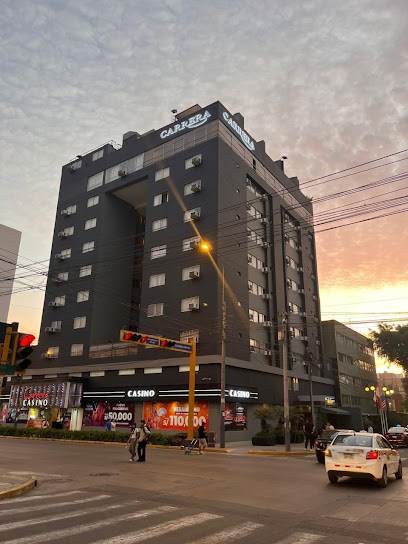
Cercado de Lima, established in the 1530s and once enclosed by 17th-century walls, is Peru's oldest district. It extends roughly from Avenida Abancay north to Avenida Garcilaso de la Vega south, and from the Río Rímac east to Avenida Nicolás de Piérola. The historic core is centered on the Plaza Mayor (Plaza de Armas), flanked by the Cathedral, Government Palace, and Archbishop's Palace.
The district is largely walkable, though its narrow colonial streets and heavy traffic require attention. Lima's metro system offers access to other districts via stations like Estación Central. Taxis are readily available and affordable, and ride-sharing apps operate throughout the city. Standard urban caution is advised when walking at night, though the main tourist areas of Cercado generally have foot traffic and a police presence.
LGBTQ+ Presence and Venues
Unlike Miraflores and Barranco, which have more concentrated LGBTQ+ nightlife areas, the queer scene in Cercado de Lima is integrated throughout the downtown. The district does not have a dedicated gay quarter but features a mix of queer-friendly establishments alongside tourist attractions.
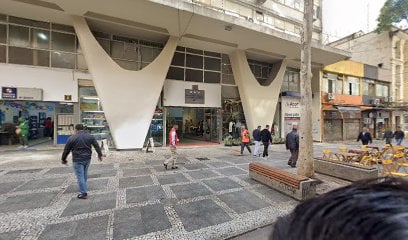
Venues in Cercado lean towards cafes, restaurants, and smaller bars rather than large clubs. The downtown area near Jirón de la Unión, Lima's historic commercial street, hosts various restaurants and bars that are generally welcoming to LGBTQ+ patrons and cater to mixed crowds of locals, tourists, and professionals. For those seeking more concentrated gay nightlife, the Miraflores district offers a range of bars and clubs that specifically cater to LGBTQ+ audiences, accessible by metro or a short taxi ride. Cercado's appeal lies in experiencing the queer community as part of the city's broader cultural fabric.
Cultural and Museum Spaces
Cultural engagement for LGBTQ+ individuals in Cercado de Lima often centers on museums, galleries, and institutions that increasingly incorporate queer perspectives. The Museo de Arte de Lima and other cultural venues occasionally present exhibitions or programming that touch on LGBTQ+ themes and artists. Lima's theater scene, with some concentration in Cercado, includes queer performers and productions with progressive content. Numerous galleries and independent cultural spaces host events, readings, and performances that engage LGBTQ+ audiences and artists, offering avenues for queer cultural expression beyond nightlife.
Pride and Events
Lima Pride (Orgullo LGBTQ+) takes place annually in June, with the main march typically occurring on the second Saturday. The event has grown significantly in participation over the years. The march route varies but usually involves major streets and plazas. Beyond Pride, smaller community events may occur throughout the year. International LGBTQ+ film festivals have sometimes included programming in Lima.
Where to Stay
Cercado de Lima offers a range of accommodations, from budget hostels to upscale hotels. Its primary advantage is its proximity to major historical sites and cultural institutions. However, many LGBTQ+ travelers opt to stay in Miraflores or Barranco for more consolidated nightlife, while still being able to access Cercado via short transit rides. Hostels in Cercado, such as those found on Jirón de la Unión, often attract younger travelers and tend to be welcoming. Mid-range hotels serve both tourists and business travelers, while upscale options include historic properties in restored colonial buildings.
Peru has made legal advancements regarding LGBTQ+ rights, though implementation can vary. Same-sex marriage is not legal, though civil unions have seen increasing recognition through judicial decisions. Public displays of affection between same-sex couples are generally accepted in central Lima, particularly in tourist areas and among younger demographics, though attitudes can be more conservative elsewhere.
As a high-tourism area, Cercado de Lima typically has a police presence and consistent foot traffic, contributing to its relative safety. Standard urban precautions are recommended: avoid displaying valuables, use registered taxis or ride-sharing apps at night, and remain aware of your surroundings in less-trafficked areas. The district can feel busy and somewhat chaotic during the day due to commercial activity. Early mornings and late evenings offer quieter experiences of the historic architecture.
Food and Dining
Cercado de Lima offers authentic Peruvian cuisine in a variety of restaurants, from street food stalls to established eateries. The district's dining scene reflects Peru's reputation as a global culinary destination, featuring creative interpretations of traditional dishes alongside international options. Popular Peruvian dishes include ceviche, lomo saltado, ají de gallina, and causa. Fresh seafood is a staple due to Lima's coastal location. Many restaurants in the area cater to diverse preferences while maintaining authentic preparations. The restaurant and cafe culture is generally welcoming to all visitors.
Day Trips and Nearby Attractions
Cercado de Lima serves as a convenient base for exploring wider Lima. The nearby Barranco district, known for its bohemian history, now features galleries, restaurants, and a lively nightlife scene. Miraflores, with its clifftop parks and ocean views, is accessible by metro. The ruins of Pachacamac, a significant pre-Columbian site, can be visited as a day trip. Destinations like the Sacred Valley and Cusco, the gateway to Machu Picchu, are reachable by domestic flights or long-distance buses.
Preguntas frecuentes
El Cercado de Lima, particularmente el distrito histórico alrededor de la Plaza Mayor, es generalmente seguro durante el día. Sin embargo, la cultura machista sigue siendo influyente en la sociedad peruana, y las personas LGBTQ+ deben ser conscientes de los diferentes niveles de aceptación en distintas áreas y contextos sociales.
Las calles que irradian desde la Plaza Mayor, especialmente Jirón de la Unión, Jirón Ica y Jirón Ancash, albergan muchos bares, restaurantes y tiendas. Esta área ha sido objeto de esfuerzos de revitalización, con algunos edificios coloniales convertidos en espacios culturales y establecimientos gastronómicos.
La primera marcha del Orgullo de Lima ocurrió en 2002 y el evento ha crecido sustancialmente desde entonces, convirtiéndose en una de las celebraciones del Orgullo más importantes de la región. Las fechas específicas para el Orgullo de Lima varían anualmente.
Si bien la escena LGBTQ+ de Lima es vibrante y se concentra en barrios específicos, Perú sigue siendo un país predominantemente católico con un conservadurismo social persistente fuera de los centros urbanos principales. La cultura machista también es influyente.
El Cercado de Lima, como corazón histórico de la ciudad, se ha vuelto más acogedor para visitantes y residentes LGBTQ+, con negocios y eventos visibles y amigables con la comunidad gay concentrados en las calles alrededor de la Plaza Mayor.
Las relaciones entre personas del mismo sexo estuvieron criminalizadas en Perú hasta el año 2000. La despenalización en 2000 marcó un punto de inflexión, permitiendo gradualmente una organización y construcción de comunidad LGBTQ+ más visible.
Tus opciones de privacidad.
Usamos cookies para que GayOut funcione y, con tu consentimiento, para medir su uso. Saber más
Tus opciones de privacidad
Usamos cookies para que GayOut funcione, recordar tus preferencias y (con tu permiso) medir cómo se usa el sitio. Puedes aceptar todas, rechazar todas o elegir qué permites. Saber más
Esenciales
Necesarias para el inicio de sesión, prevención de fraude, protección CSRF y memorizar tu idioma. No se pueden desactivar.
Siempre activo
Recuerda tus favoritos, modo oscuro y otras preferencias de interfaz entre visitas.
Nos ayudan a saber qué páginas visita la gente (Google Analytics, estadísticas del servidor) para poder mejorar.
Se usan en píxeles de seguimiento de campañas. Ninguna está activa ahora; reservadas para el futuro.
Instalar GayOut
Añade GayOut a tu pantalla de inicio para acceso más rápido, favoritos sin conexión y avisos del Orgullo.


 Bares y clubes gay amigables
(71)
Bares y clubes gay amigables
(71)