Sinq Night Club
Bares y Clubs Gay
Gay nightclub in Goa offering dancing, music, and LGBTQ+ community gathering in Candolim.
Guía de Viaje LGBTQ+ y Directorio de Ciudades · Goa
Según las leyes nacionales a partir de 2025
Section 377 decriminalised by Supreme Court in 2018. The Transgender Persons Act (2019) allows legal gender change. Supreme Court declined to legalise same-sex marriage in 2023.
Bares y Clubs Gay
Gay nightclub in Goa offering dancing, music, and LGBTQ+ community gathering in Candolim.
Bares y Clubs Gay
LGBTQ+ nightclub in Goa offering a dedicated gay venue experience in the Calangute-Arpora area.
Bares y Clubs Gay
LGBTQ+ gay bar and club venue in Calangute, Goa, offering a welcoming space for the community.
Bares y Clubs Gay
Waterfront gay nightclub in Goa offering evening entertainment in a beachside setting.
Saunas Gay
Gay sauna and wellness venue in Calangute, Goa offering relaxation and social space for LGBTQ+ visitors.
Saunas Gay
Thai massage and spa services in Calangute, Goa near the beach.
Saunas Gay
Gay sauna in Baga offering relaxation and wellness experiences in Goa's beach resort area.
Saunas Gay
Gay sauna in Candolim offering relaxation and socializing in Goa's beach-friendly LGBTQ+ scene.
Playas Gay
Goa's most LGBTQ+-comfortable beach ? historically the heart of the state's alternative scene, with a relaxed international crowd, the…
Gay-Friendly Hotel
Luxury LGBTQ+-welcoming hotel in Goa's tranquil Saligao village, part of the ITC Hotels collection.
Gay-Friendly Hotel
LGBTQ+-friendly boutique hotel in Panaji offering a welcoming base for exploring Goa.
Gay-Friendly Hotel
LGBTQ+-friendly hotel accommodation in Anjuna, Goa, offering a welcoming space for gay travellers.
Gay-Friendly Hotel
LGBTQ+-welcoming hotel in Goa's Benaulim beach area, near luxury resorts.
Guía de Viaje
Todo lo que vale la pena saber antes de ir.
Goa is not a gay destination in the way that Bangkok, Tel Aviv, or Amsterdam might be understood — there is no dedicated gayborhood, no strip of rainbow-flagged bars, and no long-established Pride parade anchoring the calendar. What Goa offers instead is something rarer within the South Asian context: a broadly permissive, cosmopolitan holiday atmosphere shaped by centuries of Portuguese influence, a thriving international tourist scene, and a cultural looseness that makes it the most accessible destination in India for LGBTQ+ travelers.
Understanding the legal and social context is important. India's Supreme Court decriminalized consensual same-sex relations in 2018, striking down the colonial-era Section 377 of the Indian Penal Code. That landmark ruling was a major step forward, but legal recognition of same-sex partnerships, marriage equality, and formal anti-discrimination protections remain absent as of 2024. In practice, queer life in India is lived with varying degrees of visibility depending on geography and community. Goa sits at the more open end of that spectrum, but travelers should still exercise common sense around public displays of affection, particularly in more traditional inland villages or religious sites.
Goa's reputation as a haven for countercultural travelers dates to the 1960s and 1970s, when Western hippies settled along its beaches and introduced a social liberalism that slowly became embedded in the local tourist economy. The trance and rave scene of the 1980s and 1990s — centered on beaches like Anjuna and Vagator — brought a second wave of international visitors for whom sexuality was simply not a barrier. LGBTQ+ travelers from India's major cities, particularly Mumbai, began making regular pilgrimages to Goa because it offered a degree of anonymity and freedom difficult to find at home.
The queer scene in Goa has never been formally organized in the way that scenes in Mumbai or Delhi have been, with advocacy groups, community centers, and structured Pride events. Instead, LGBTQ+ life here is woven into the broader fabric of beach tourism and nightlife — visible and relatively accepted, but not institutionalized.
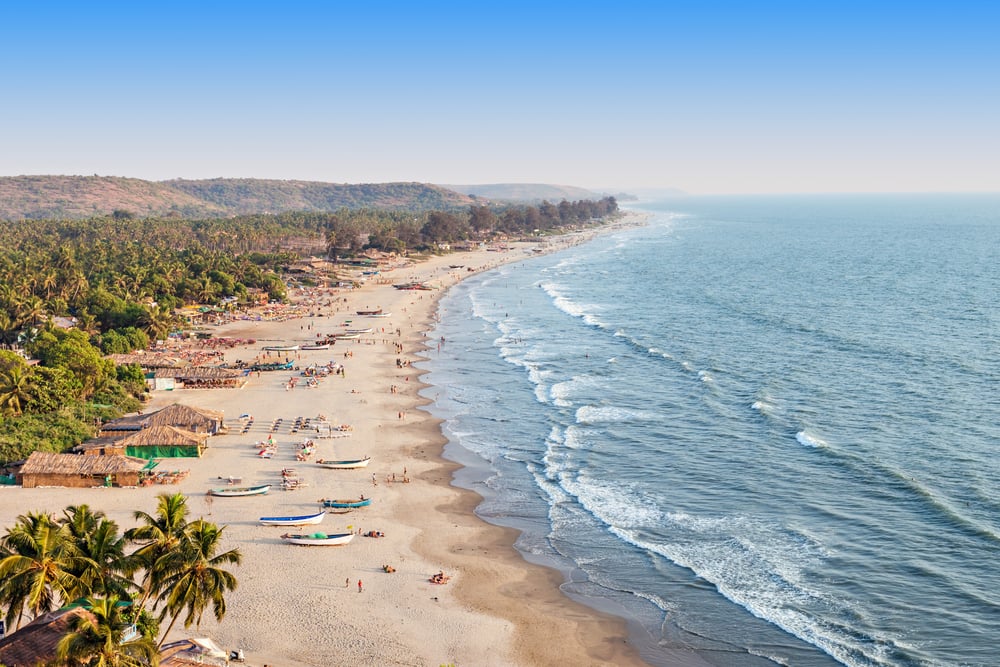
North Goa is where most LGBTQ+ travelers spend their time. The coastal belt running from Calangute and Baga in the south through Anjuna to Vagator and Chapora in the north is the social core of the state's tourist scene. Anjuna, with its famous flea market and legacy rave venues, has a particularly freewheeling reputation. Vagator, perched on dramatic red cliffs above two small beaches, is home to some of the best clubs in India and draws a sophisticated, internationally minded crowd. The Assagao area, slightly inland from Anjuna and Vagator, has emerged as a quieter, more curated destination with boutique guesthouses and restaurants that attract design-conscious travelers, including many from the LGBTQ+ community.
Panaji, the state capital on the Mandovi River, offers a different experience: colonial Portuguese architecture, tree-lined plazas, and a growing arts and cafe culture. The historic Latin Quarter, known as Fontainhas, is charming and walkable. Panaji is not specifically a queer hub but is generally comfortable for LGBTQ+ visitors, particularly those who prefer a quieter, more cultural trip.
South Goa — Palolem, Agonda, Benaulim — tends to be quieter and more conservative in character, with a backpacker and yoga-retreat crowd. It is generally safe for LGBTQ+ travelers but offers less in the way of nightlife or queer-specific social spaces.
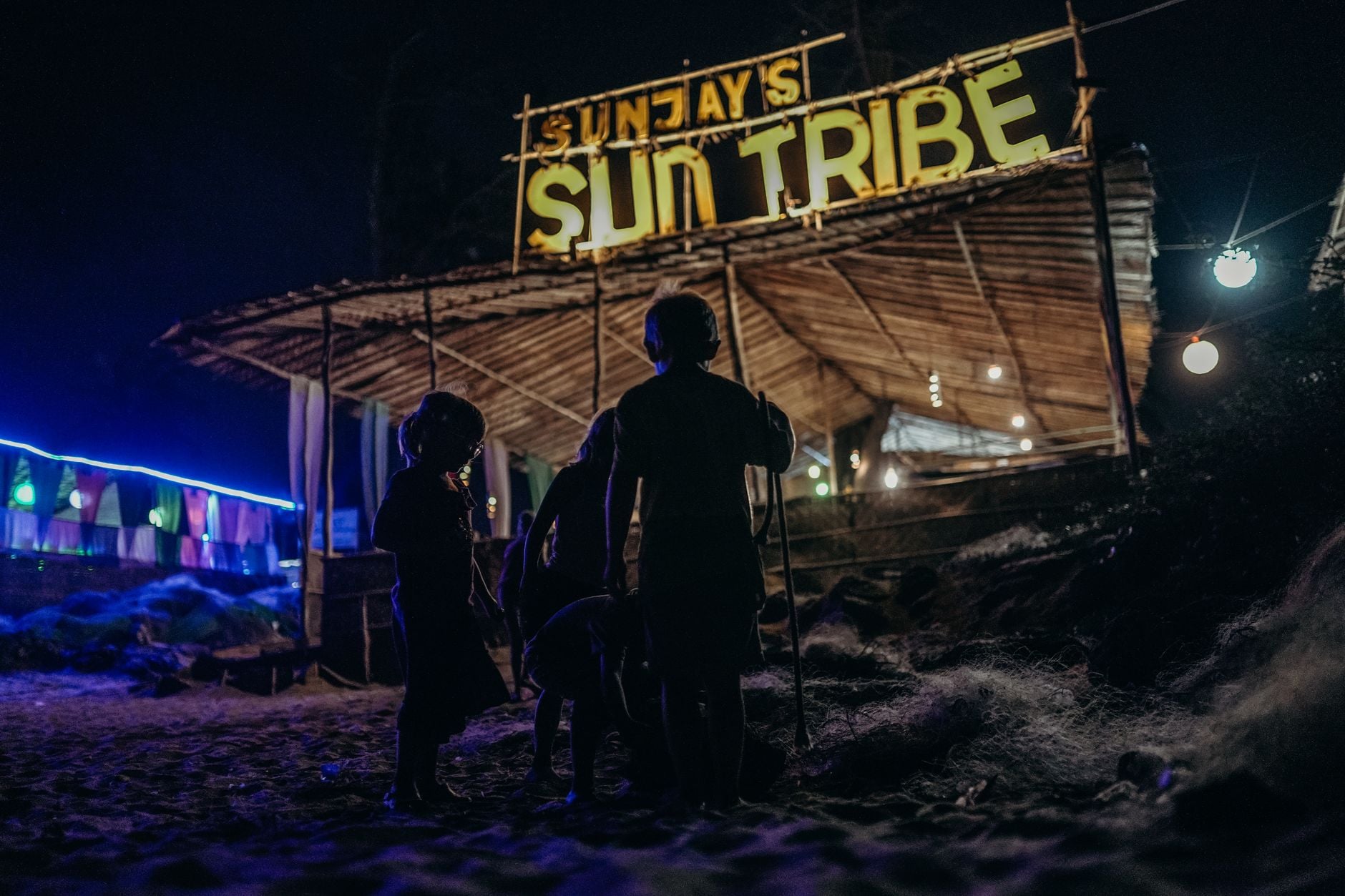
Goa's nightlife is among the best in India, and many of the top venues have welcoming, inclusive atmospheres by default rather than by designation. Hilltop in Vagator is one of the most famous open-air party venues in the country, known for hosting leading electronic music acts and events from international promoters. The crowd here is typically cosmopolitan and queer-friendly. Curlies Beach Shack in Anjuna has a long history as a gathering point for the alternative and rave crowd and remains a popular spot for both day and evening socializing.
Nhow Hotel's pool parties and the various events hosted at venues along the Vagator-Anjuna belt frequently attract LGBTQ+ revelers. The broader electronic music event circuit — including the Sunburn Festival, which has been held in Goa (typically in December), and smaller curated events by international promoters — creates regular moments where the queer community is visibly present and comfortable.
It is worth noting that Goa does not, as of the most recent available information, have a permanently operating dedicated gay bar or gay club in the conventional sense. The queer scene here is integrated into the general nightlife rather than existing separately. Travelers looking for a scene comparable to Mumbai's Kitty Su or Delhi's emerging queer nightlife options may need to adjust expectations — Goa's appeal is its ambient inclusivity rather than formal gay infrastructure.
Some beach shacks and smaller bars in Anjuna and Vagator have informally become meeting points for LGBTQ+ locals and tourists over the years, and chatting with guesthouse owners or checking community apps like Grindr and Scruff upon arrival can help visitors connect with the local scene and find out about current pop-up events or parties.
Goa has hosted Pride marches, though these have been smaller and less consistent than the major events in Mumbai (which holds its Queer Azaadi March typically in January or February) or Delhi (which holds its Pride Parade typically in November). Goa Pride events, when organized, have generally taken place in Panaji and are worth monitoring through local LGBTQ+ advocacy groups and social media in the months before travel.
The December to January peak season coincides with both the best beach weather and the highest concentration of international tourists, making it the de facto high season for queer travel to Goa as well. Major music festivals during this window, including Sunburn (historically held in late December in or around Vagator/Anjuna), attract large numbers of LGBTQ+ attendees and have an inclusive, festival atmosphere.
February and March, just before the monsoon heat intensifies, can also be good months to visit — crowds thin slightly, temperatures are comfortable, and the vibe remains relaxed.
Accommodation in Goa ranges from budget guesthouses and beach huts to luxury resorts and boutique heritage hotels. For LGBTQ+ travelers, the most important factor is location rather than specific gay-friendly certification, as the majority of tourist-oriented accommodation in North Goa is welcoming by default.
The Vagator and Assagao areas offer some of the most design-forward boutique guesthouses, many run by creatives who relocated from Mumbai or from abroad — these tend to be particularly comfortable for queer travelers. The Nilaya Hermitage in Arpora is one of Goa's legendary boutique properties, known for its artistic atmosphere and inclusive guest list. Several villa rental properties in the Anjuna-Assagao belt are popular with groups of LGBTQ+ friends visiting from Indian cities.
For those who prefer larger hotels with pools and amenities, properties in the Calangute and Baga area are convenient, though the atmosphere there is more mass-market. Panaji has seen growth in boutique hotels within and near Fontainhas for travelers who want a more heritage-focused experience.
Goan cuisine is one of the great pleasures of any visit. The seafood is exceptional — prawn balchão, fish curry rice, crab xec xec, and the iconic sorpotel are staples that reflect the state's Portuguese-Hindu culinary fusion. Beach shacks along Anjuna and Vagator serve fresh catches daily. Inland restaurants in Assagao, such as the celebrated Vinayak, have become popular with a food-conscious crowd. Panaji has excellent cafes and bakeries in Fontainhas serving local snacks and strong coffee.
Day trips from Goa reward the curious traveler. Old Goa, a short drive from Panaji, contains UNESCO-listed Portuguese cathedrals and basilicas including the Basilica of Bom Jesus, housing the remains of St. Francis Xavier. The spice plantations of the interior offer an afternoon excursion with plantation tours and traditional Goan meals. The Dudhsagar Waterfalls, accessible by jeep tour from the eastern edge of the state, are spectacular especially after the monsoon season. The neighboring state of Karnataka is within reach, with the charming heritage town of Hampi accessible by overnight bus or a longer drive.
Goa is, by Indian standards, a relaxed environment for LGBTQ+ travelers, but some practical awareness helps. Holding hands or other visible affection is unlikely to cause issues in the main tourist zones of Anjuna, Vagator, and Baga, but may attract stares or discomfort in more traditional towns, villages, or religious sites. Inland Goa and smaller communities are considerably more conservative than the coastal tourist belt.
Harassment of foreign tourists, including LGBTQ+ tourists, is not commonly reported in Goa's main tourist areas, and the general experience is one of hospitality and commerce-driven friendliness. Solo female travelers and same-sex female couples may find the beach areas comfortable, though the general advice about avoiding isolated areas at night applies universally.
Goa is served by Dabolim Airport (also known as Goa International Airport), located in South Goa near Vasco da Gama, with direct connections to major Indian cities and some international routes. A new airport, Manohar International Airport in North Goa near Mopa, opened in 2023 and serves an increasing number of routes — its North Goa location is more convenient for travelers heading to Anjuna and Vagator.
Within Goa, renting a scooter or motorcycle is the most popular and convenient way to get around, with rental shops throughout the tourist areas. Taxis and app-based services are widely available, though Uber and Ola have had periods of limited operation in Goa due to local taxi union disputes — verifying the current situation on arrival is advisable. Auto-rickshaws operate in towns. The distances between beach areas are manageable on two wheels, and the coastal roads are scenic.
Goa will not satisfy the traveler seeking a destination built around an organized gay scene with dedicated bars, clubs, and community infrastructure. What it offers instead is something India rarely provides: a genuinely relaxed, cosmopolitan, beach-and-party atmosphere where LGBTQ+ visitors can enjoy themselves without constant hypervigilance. For queer Indians escaping the more constrained social environments of larger cities, and for international travelers who want a slice of South Asian beauty with a friendlier-than-average social climate, Goa remains the standout choice on the subcontinent.
Entradas sin colas, tours a pie, excursiones de un día y experiencias únicas amigables con LGBTQ+ — reserva al instante con cancelación gratuita.
Yes — Goa has an active LGBTQ+ scene with bars, clubs and Pride events. Browse the venues on this page for the most-reviewed spots, and check the calendar for upcoming events.
We list the top-reviewed gay bars and clubs in Goa on this page. Filter by category and rating to find dance clubs, cocktail bars, cruise bars and more — every venue is verified by the GayOut community.
Pride season (typically June–July in the northern hemisphere) is the most lively time, with parades and parties. Spring and early autumn are also great for sightseeing without summer crowds. Check the events calendar above for specific dates.
Yes — see the "Where to stay in Goa" map above for hotels with current prices, including LGBTQ+ welcoming properties recommended by our community.
Goa is generally safe for LGBTQ+ visitors in tourist and central areas. Standard travel-safety advice applies. Check the country page for an LGBTQ+ rights overview specific to India.
🎥 Vídeos representativos de India
Zoom Vacations Gay Group Tour to India
Ayuda a la comunidad añadiéndolo a nuestro directorio — es gratis y revisado en 48 horas.
Recibe los últimos eventos LGBTQ+ y nuevos locales directo en tu correo.
Añade GayOut a tu pantalla de inicio para acceso más rápido, favoritos sin conexión y alertas de Pride.