Section 377 decriminalised by Supreme Court in 2018. The Transgender Persons Act (2019) allows legal gender change. Supreme Court declined to legalise same-sex marriage in 2023.
Mumbai's most high-profile LGBT nightclub ? sleek, well-produced, with regular themed nights, visiting DJs, and a crowd that embraces the full spectrum of the city's queer community.
India criminalises same-sex sexual activity under Section 377 of the Indian Penal Code, which dates to colonial law and remains in force despite decades of activist challenges. The law is broadly written and technically applies to all consensual same-sex acts. Penalties on paper are severe—imprisonment up to life, fines, or both. In practice, enforcement against tourists is extremely rare. However, Indian nationals and long-term residents, particularly those from lower socioeconomic backgrounds or outside major cities, do face prosecution, blackmail, and violence. High-profile arrests have declined in recent years, and some police in major cities are less aggressive than in the past, but this trend is neither guaranteed nor consistent across all jurisdictions. The Supreme Court has not decriminalised Section 377, despite repeated petitions. LGBTQ+ activists and civil society organisations operate in Mumbai and other cities, but they work within significant legal and social constraints. For tourists, the risk of direct legal action is low, but the law's existence creates a chilling effect on open behaviour and leaves travellers vulnerable if anything goes wrong.
PRACTICAL SAFETY
Stay informed about which apps are monitored. Dating and hookup apps with location features are used by Indian police and blackmailers to identify and entrap users, particularly in conservative areas or smaller cities. Mumbai is less dangerous in this regard than rural or smaller-town India, but risk remains. Many users employ VPNs and dummy profiles; others avoid apps altogether. Do not assume privacy on any platform.
Where to Stay
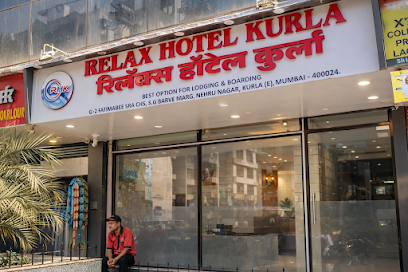
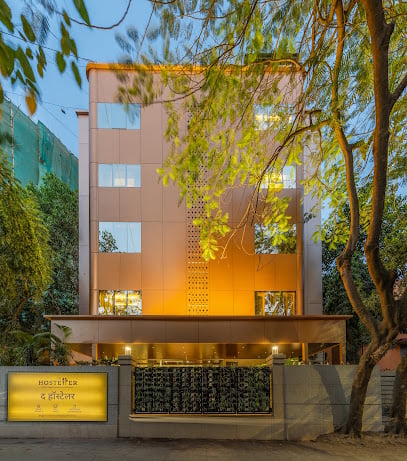
Hotels: International hotel chains (Taj, Oberoi, ITC, Marriott, Hilton) and upscale properties regularly accommodate same-sex couples in double rooms without issue. Staff are trained for international clientele and rarely comment. Budget guesthouses, smaller family-run hotels, and heritage properties vary widely. Some will refuse to rent a room to two men or two women, or will demand separate beds. Book well-known international chains if possible; read reviews carefully; call ahead if uncertain. Paying in cash at a small guesthouse and claiming to be friends can work, but carries risk if neighbours become suspicious or staff change their mind. Having copies of hotel confirmation emails and your passport is useful for any disputes.
Public behaviour: Holding hands, hugging, or kissing as a same-sex couple in public will attract negative attention—stares, verbal comments, and occasionally hostility. In crowded markets, poorer neighbourhoods, or religious areas, the reaction can be harsh. In upscale malls, restaurants, international hotels, and areas with visible expat presence (central South Mumbai, parts of Bandra), mixed-gender groups and couples of any orientation are common and draw less scrutiny. Even in these areas, affectionate behaviour should be minimal. Presenting as friends rather than a couple is safer. Single LGBTQ+ travellers attract far less attention than couples.
Police: Corruption is routine in Indian policing. If stopped or confronted, having your passport, hotel details, and contacts of your embassy or consulate is essential. Bribing officers is not recommended for tourists unfamiliar with local dynamics, but being cooperative and non-confrontational is wise. Real danger comes less from random police stops than from blackmailers or criminals who learn of your orientation and exploit you. Avoid telling strangers, including rickshaw drivers or street vendors, personal details.
There are no openly operating gay bars, nightclubs, saunas, or LGBTQ+ venues in Mumbai. LGBTQ+ Indians and residents socialise through private gatherings, private WhatsApp and Telegram groups, and increasingly through encrypted apps and online communities. Some of these spaces are accessible to visiting travellers, but entry is by invitation and requires trust-building with locals or expatriates already in those circles. Hotels in upscale areas often have bars and restaurants where mixed groups gather; these are not LGBTQ+ spaces, but they are tolerant of diverse clientele. The Park, Aer (rooftop bar), and bars in five-star hotels attract cosmopolitan crowds where discretion is respected. These spaces are expensive and are not meeting places specifically for LGBTQ+ people, but they are environments where one is unlikely to face overt hostility.
Expat and diplomatic communities: Mumbai has significant expat populations—diplomats, NGO workers, teachers, finance professionals—who often maintain more liberal attitudes. Some maintain private networks and social circles that include LGBTQ+ people. Connecting with expat communities through international churches, NGOs, cultural institutes, or coworking spaces is one way in. However, this requires time and integration; it is not something a tourist can easily tap into on a one-week visit.
Private gatherings: LGBTQ+ Indians and expatriates sometimes host private dinners, film screenings, or parties. These are by-invitation-only and accessed through personal networks or introductions. Travel blogs and forums sometimes mention underground community spaces, but verifying them and gaining access as an outsider is uncertain.
Mainstream nightlife: Mumbai has a vibrant mainstream nightlife scene in areas like Bandra, South Mumbai, and along Marine Drive. Nightclubs, bars, live music venues, and restaurants cater to Indian youth, tourists, and expats. These are not LGBTQ+ spaces, but they are high-energy, diverse environments where gender nonconformity may be less scrutinised than in daytime or residential areas. The anonymity of a crowded dance floor can feel liberating after days of caution.
MAINSTREAM TRAVEL HIGHLIGHTS
Gateway of India and Taj Mahal Palace Hotel: Iconic landmarks and a scenic waterfront. The area is crowded with tourists and locals; it is a safe, well-policed space.
Marine Drive: A crescent-shaped coastal road with art deco buildings, restaurants, and street food stalls. The promenade is particularly busy in evenings; it is a classic Mumbai experience.
Bollywood: Film studios, film museums, and tours offer insight into India's massive film industry. These are mainstream tourist attractions.
Food & Drink
Food: Street food (chaat, vada pav, pav bhaji), seafood, and diverse cuisines from across India. Eating in crowded markets and food courts is a genuine Mumbai experience. Restaurants in Bandra, South Mumbai, and Mahim offer everything from traditional Indian to international cuisine.
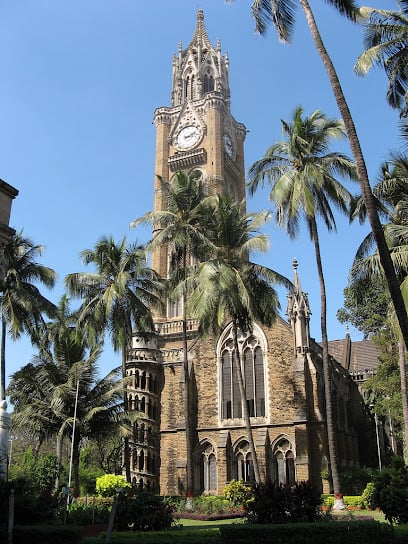
Museums and galleries: Prince of Wales Museum, National Gallery of Modern Art, and smaller galleries showcase Indian art and history.
Temples, mosques, and churches: These reflect Mumbai's religious diversity. Siddhivinayak Temple, Haji Ali Dargah, and the Cathedral are significant sites. Dress modestly at religious sites.
Beaches: Chowpatty, Juhu, and Worli beaches are popular evening spots, though they are crowded and not particularly clean.
Nightlife and bars: Bandra, Fort, and South Mumbai have numerous bars, lounges, and nightclubs catering to mainstream crowds. Music venues and live performances are common. These are not targeted at LGBTQ+ people, but they are cosmopolitan spaces.
WHERE TO STAY
Upscale international chains: Taj Hotels, Oberoi, ITC, Marriott, Hilton, and similar properties are the safest bet for same-sex couples. They are accustomed to diverse clientele, staff are professional, and they have clear non-discrimination policies (at least internally). These hotels are expensive, but booking a double room online and showing up poses no risk. Properties in South Mumbai (Fort area), Bandra, and near the airport are well-established and reliable.
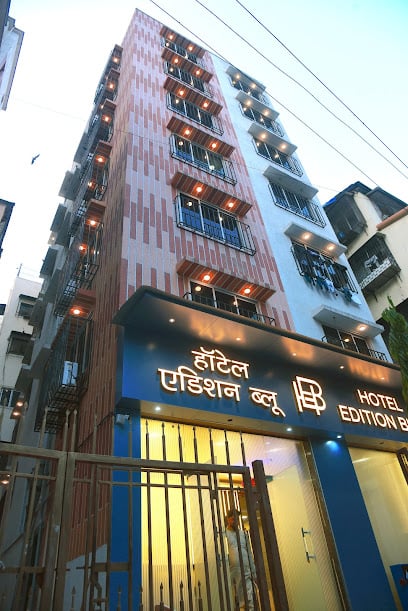
Boutique and mid-range hotels: Smaller hotels, heritage properties, and locally-run establishments vary. Some are LGBTQ+-friendly; others are conservative. Reading recent reviews on TripAdvisor or other platforms and contacting them directly before booking can help. Budget guesthouses are the most risky; many are family-run and less accustomed to non-traditional arrangements. Couples may be asked to provide proof of marriage.
Airbnb: Listings vary by host. Hostels are best avoided by couples; dormitory living and staff scrutiny can be uncomfortable.
Areas to stay: South Mumbai (Fort, Colaba) is the most tourist-friendly, upscale, and cosmopolitan. Bandra is trendy, with many restaurants and bars; it is home to expats and young professionals. Mahim and Worli are similarly developed. Central Mumbai (around Dadar, Parel) is less touristy but increasingly cosmopolitan. Avoid staying in isolated areas or purely residential neighbourhoods.
Mumbai can be a rewarding destination for LGBTQ+ travellers, particularly those who:
- Are experienced travellers comfortable with caution and discretion in less-open environments.
- Are interested in Indian culture, history, food, and arts without needing an open LGBTQ+ scene.
- Have the financial means to stay in upscale hotels and travel safely.
- Are single or travelling in mixed-gender groups (less conspicuous than same-sex couples).
- Are prepared for stares, comments, and social disapproval if they are visibly non-heteronormative.
- Understand the legal risks and accept them as a condition of travel.
Who should reconsider:
- People who require an open LGBTQ+ scene, Pride events, gay nightlife, or community spaces to enjoy a trip. These do not exist openly in Mumbai.
- Those uncomfortable with constant discretion or the psychological weight of hiding.
- Couples seeking to travel openly and affectionately; Mumbai does not accommodate this.
- People with health or legal vulnerabilities (e.g., those on visa overstays, undocumented) who cannot afford legal complications.
- Anyone unable to handle potential confrontation, hostility, or discrimination with composure.
Mumbai is manageable and can be enjoyed by LGBTQ+ travellers, but it requires pragmatism, caution, and a willingness to separate public and private life. It is not a destination for those seeking affirmation or celebration of sexual orientation or gender identity. It is a destination for those seeking world-class culture, food, history, and urban energy—with the added awareness that being LGBTQ+ is a secret to keep.
Your privacy choices.
We use cookies to run GayOut and, with your consent, measure usage. Learn more
Your privacy choices
We use cookies to keep GayOut running, remember your preferences, and (with your permission) measure how the site is used. You can accept all, reject all, or pick what you allow. Learn more
Essential
Required for sign-in, fraud prevention, CSRF protection and remembering your language. Cannot be disabled.
Always on
Remembers your favourites, dark mode and other interface preferences across visits.
Helps us understand which pages people visit (Google Analytics, server-side stats) so we can improve.
Used by campaign tracking pixels. None are active right now, reserved for future use.
Install GayOut
Add GayOut to your home screen for faster access, offline favourites, and Pride alerts.


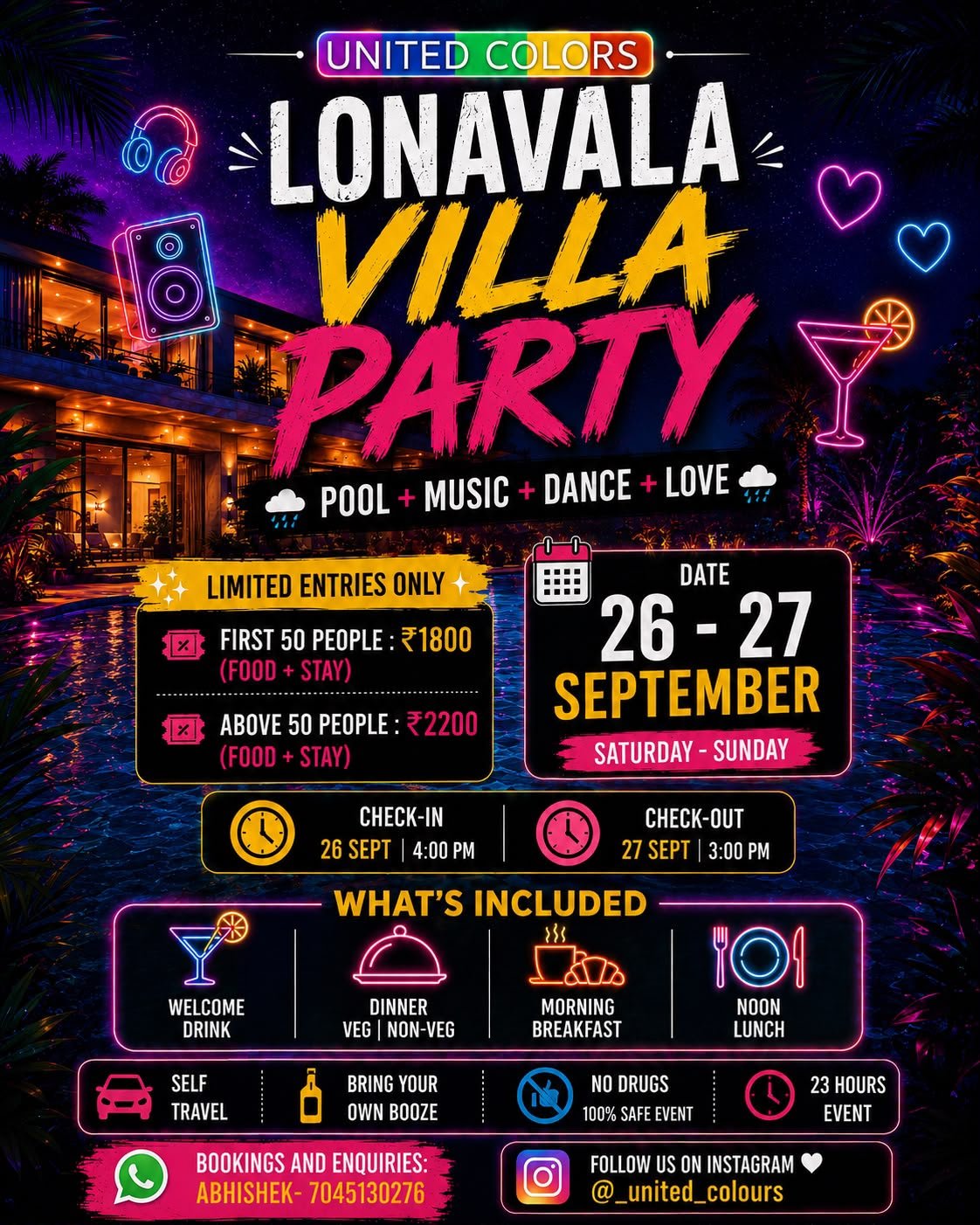
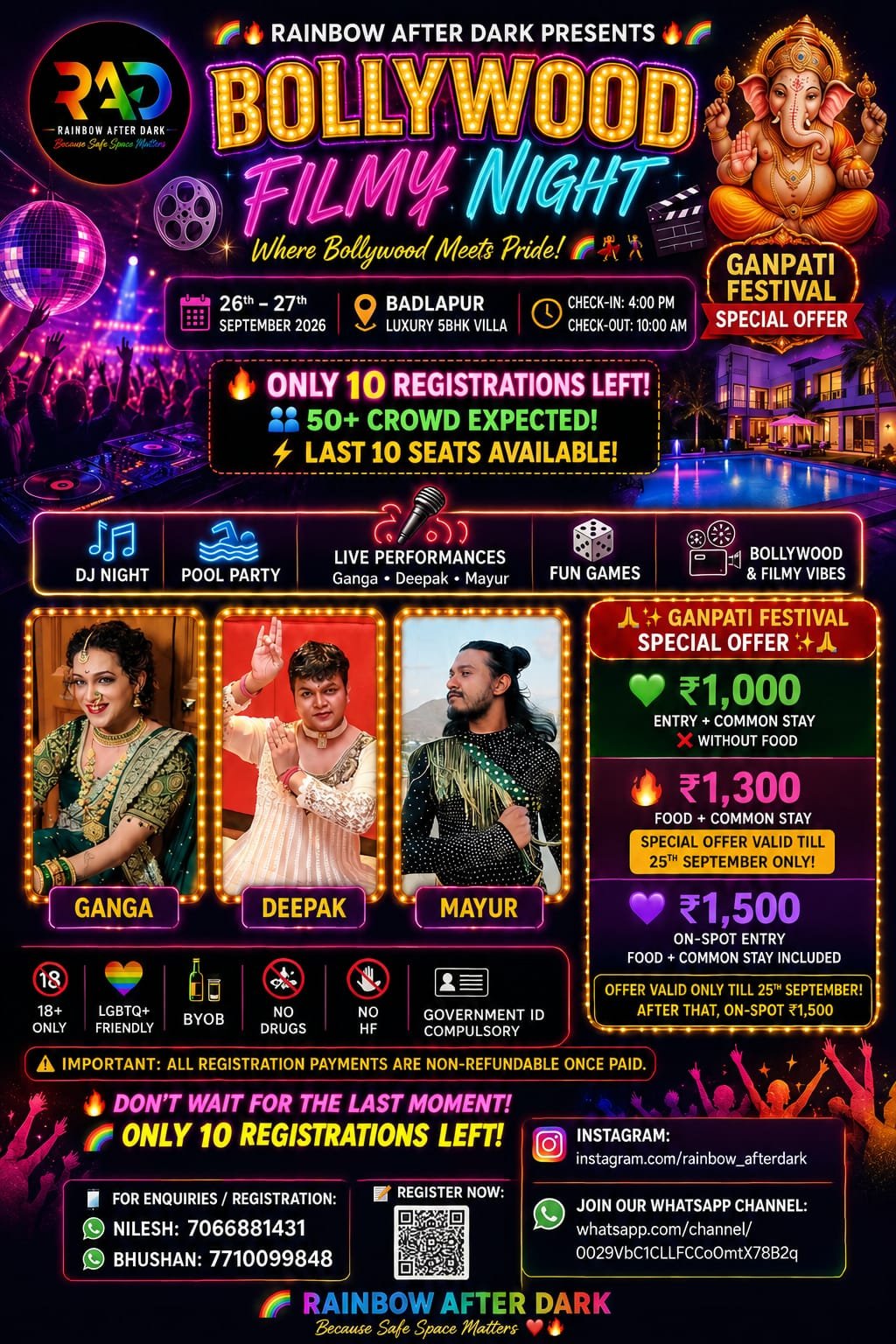
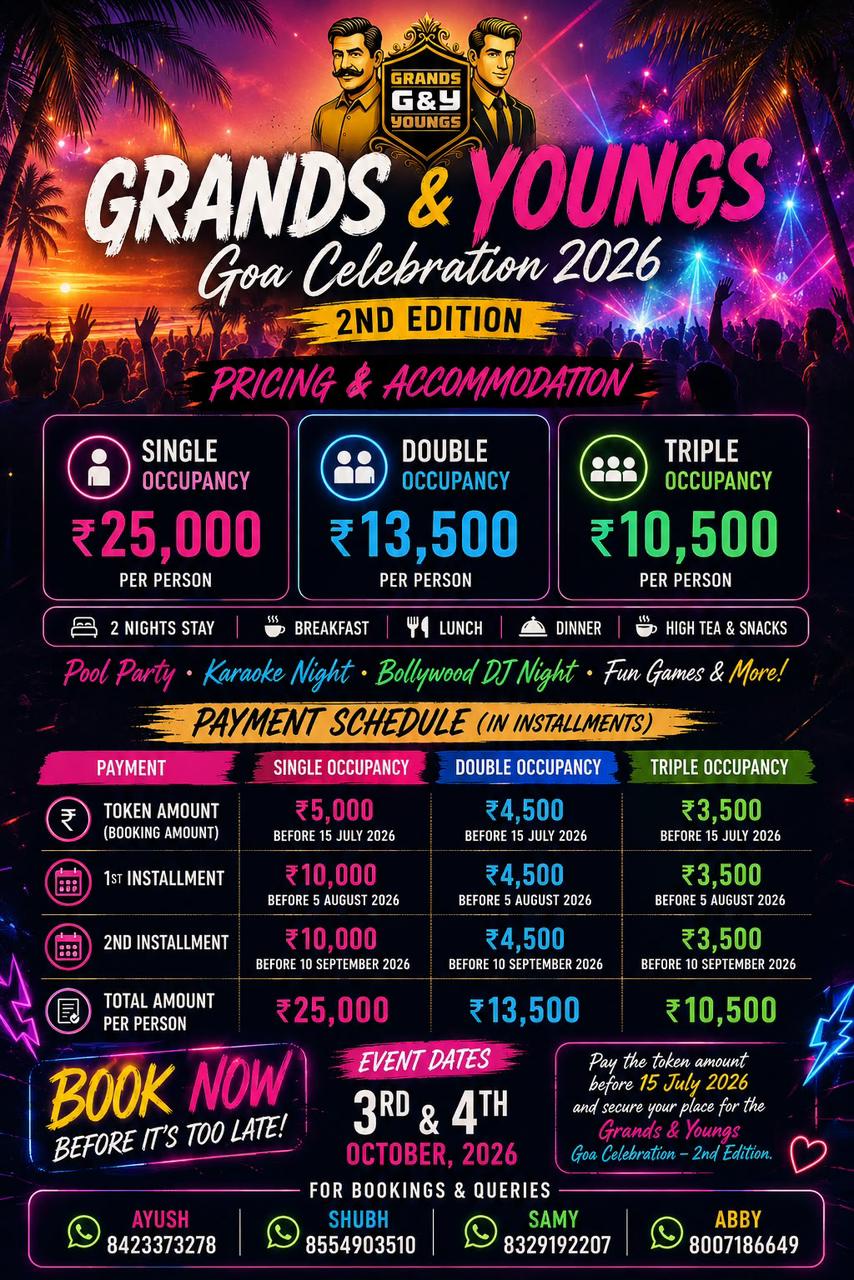
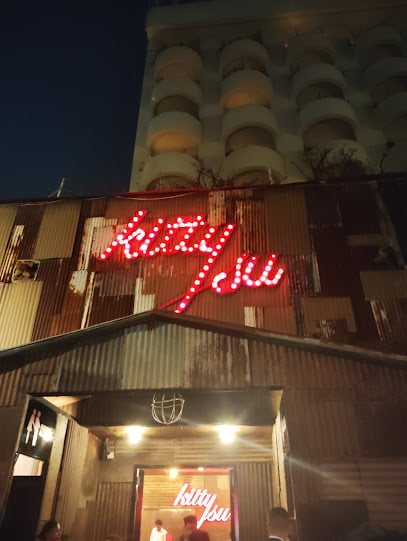 Gay-Friendly Bars & Clubs
(1166)
Gay-Friendly Bars & Clubs
(1166)