Section 377 decriminalised by Supreme Court in 2018. The Transgender Persons Act (2019) allows legal gender change. Supreme Court declined to legalise same-sex marriage in 2023.
Never miss a gay event in Bangalore
One email a week — the weekend lineup, parties and deals. No spam, unsubscribe anytime.
India's Section 377 of the Indian Penal Code criminalises "whoever voluntarily has carnal intercourse in violation of the order of nature" with punishment up to life imprisonment. This provision has been used historically to prosecute consensual same-sex relationships, though prosecutions are inconsistent and often occur in conjunction with other charges such as public indecency or morality offences. In 2018, the Supreme Court of India partially decriminalised same-sex conduct by narrowing the scope of Section 377, but the full law remains in force. Same-sex marriage is not recognised, and there is no legal protection against discrimination based on sexual orientation or gender identity in employment, housing, or services.
In Bangalore specifically, enforcement is less aggressive than in smaller towns, but the legal ambiguity persists. Foreign nationals are rarely targeted for prosecution, partly because arrest and deportation would create diplomatic complications, but the possibility exists. Local LGBTQ+ Indians face greater risk, and any interaction with law enforcement could become problematic. Travellers should be aware that the law creates a chilling effect: even where enforcement is lax, the criminality on paper affects how people behave in public and private.
PRACTICAL SAFETY AND DISCRETION
Discretion in Bangalore means understanding context and geography. In public spaces—buses, trains, streets, markets—same-sex couples should avoid physical affection. Holding hands, kissing, or embracing will draw stares and potentially verbal comments. In cosmopolitan areas like Indiranagar, Koramangala, Whitefield, and around major shopping malls, the atmosphere is more relaxed and diverse, and mixed groups of friends attract less attention than couples openly displaying intimacy. However, even in progressive areas, overt displays of same-sex affection can be uncomfortable for both the couple and surrounding strangers.
Dating apps such as Grindr, Scruff, and Jack'd are widely used in Bangalore, but users should assume no privacy. Law enforcement and private actors have been known to monitor or screen-capture activity on these platforms. Meeting strangers from apps carries inherent risks—not primarily from police but from potential blackmail, theft, or violence. Private, vetted networks are safer than app-based hookups. Solo travellers should be especially cautious and prioritise meeting people in known social spaces rather than private homes.
Where to Stay
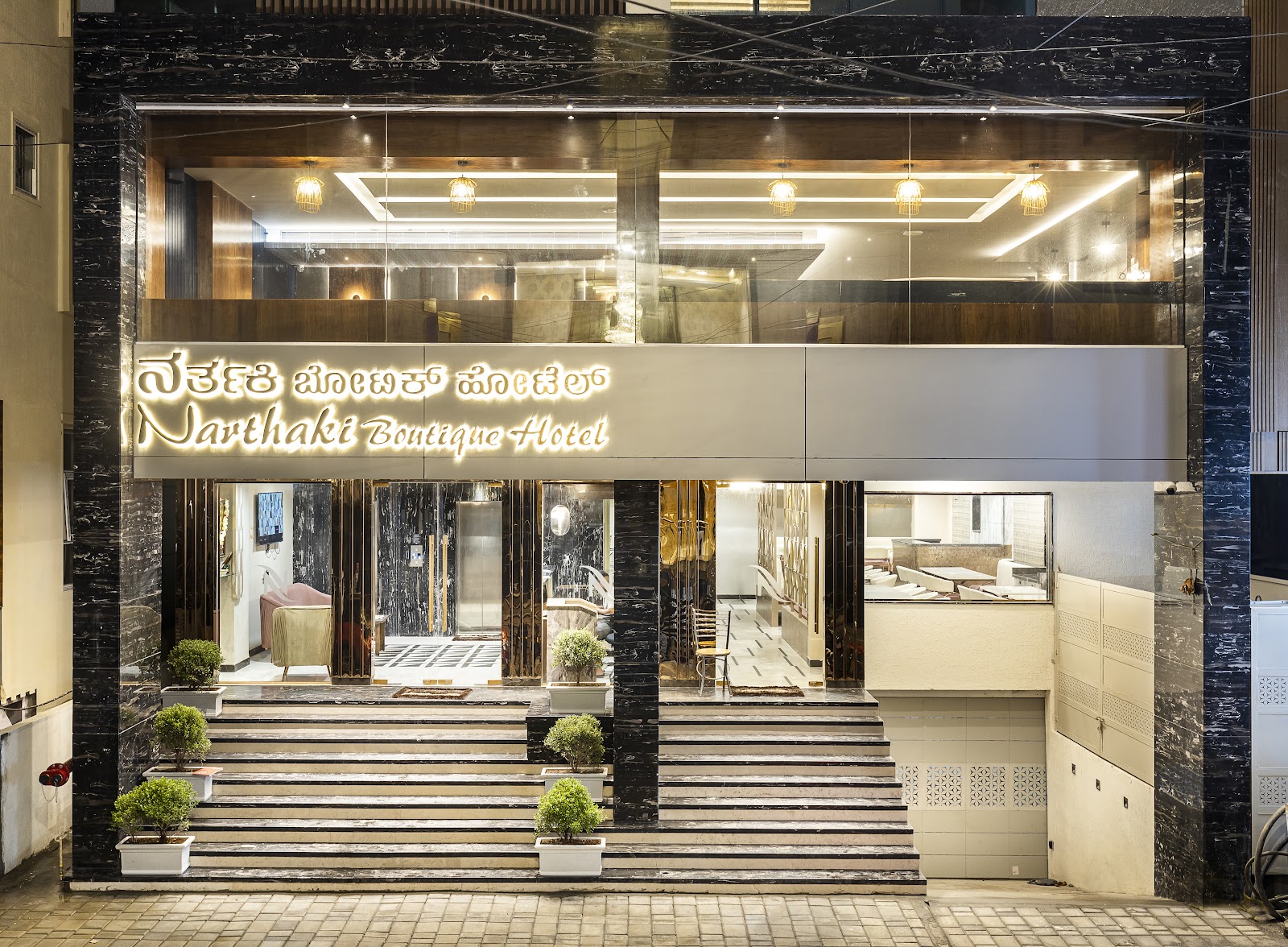
Hotels and accommodation: International chains (Marriott, Hilton, ITC, Taj, Oberoi) and mid-range international brands routinely book same-sex couples in double rooms without question. Staff are trained to treat all guests equally. Budget guesthouses and Indian-run mid-range hotels vary; some are welcoming, others may refuse to book two men or two women in one room or make uncomfortable comments. When booking, use platforms like Booking.com or directly contact hotels to confirm, or book a room large enough for separate beds if uncertain. Airbnb hosts in Bangalore tend to be cosmopolitan and accepting, but read reviews carefully.
Public displays of affection (PDA): Keep it minimal. A hand on the arm is acceptable in many contexts; holding hands is risky in public. Kissing, embracing, or sitting close in a way that reads as romantic should be avoided in public spaces and on transport. In hotels, private spaces, and closed groups of friends, PDA is fine. Religious sites (temples, mosques, churches) require respectful behaviour regardless of orientation, but be extra cautious because these are often crowded and conservative spaces.
What to avoid: Avoid discussing sexuality with hotel staff, taxi drivers, or shopkeepers unless necessary. Do not assume that someone's friendliness or English fluency means acceptance of LGBTQ+ relationships—many educated, cosmopolitan Indians hold conservative views about sexuality. Avoid using dating apps in public places, particularly with location services on. Do not take photos of strangers or intimate moments in public. Avoid religious processions, crowded religious events, and areas known for communal tension. Do not carry pride flags, pins, or overt LGBTQ+ symbols in public, even though they may be available in some shops; the symbol can provoke confrontation.
LGBTQ+ social life in Bangalore is largely private and network-based rather than venue-based. There are no openly gay bars, clubs, or dedicated LGBTQ+ spaces in the Western sense. Instead, socialising happens through: private house parties and dinners in expat-friendly areas like Koramangala, Indiranagar, and Whitefield; mixed groups meeting in mainstream restaurants and cafes that attract cosmopolitan crowds; international hotel bars where mixed groups blend in; and online networks and affinity groups (Facebook groups, WhatsApp communities) that coordinate private gatherings.
Expat communities, tech workers, and educated young professionals form informal circles where LGBTQ+ identities are more openly discussed in private settings. International NGOs and human rights organisations occasionally host private discussions or cultural events. These circles are not advertised and are accessed through personal connections. Travellers with contacts in Bangalore's expat or professional communities should reach out; locals working in tech, media, academia, and international organisations are more likely to have progressive networks.
Mixed nightlife is available at mainstream bars and clubs in areas like Koramangala, Whitefield, and around MG Road. These are not "gay" venues but cosmopolitan spaces where diverse groups gather and same-sex friends can socialise without standing out. Popular mainstream restaurants and lounges tolerate mixed groups of all orientations. The key is not appearing as a couple seeking specifically LGBTQ+ space, but as friends or colleagues enjoying Bangalore's urban social scene.
MAINSTREAM TRAVEL HIGHLIGHTS
Bangalore's attractions for mainstream travellers include: Cubbon Park, a large green space in the city centre with gardens, walking paths, and a lake—ideal for daytime relaxation; Vidhana Soudha, an iconic neo-Dravidian legislative building; the Bangalore Palace, a 19th-century royal residence; the ISKCON temple in Rajajinagar for religious and architectural interest; markets like K.R. Market and Commercial Street for shopping; the Tipu Sultan's Summer Palace; museums including the Visvesvaraya Industrial and Technological Museum; and the Lalbagh Botanical Garden.
The city's food scene is extensive, ranging from traditional South Indian cuisine (idli, dosa, uttapam) at local restaurants to international fine dining in Koramangala, Indiranagar, and Whitefield. The cafe culture is strong, with numerous coffee shops and bistros catering to young professionals and tourists. Nightlife includes nightclubs, lounges, and bars scattered across the city—these are mainstream, mixed venues with no LGBTQ+ focus, but safe spaces to socialise in urban settings. Weekend entertainment includes cinema, live music venues, comedy shows, and theatre productions at venues like Ranga Shankara.
The city's tech parks and innovation hubs like Whitefield and Outer Ring Road areas are where the expatriate community concentrates, and these areas tend to be more cosmopolitan and English-speaking. Shopping malls are modern, air-conditioned, and filled with international brands—good places to spend time in comfort.
WHERE TO STAY
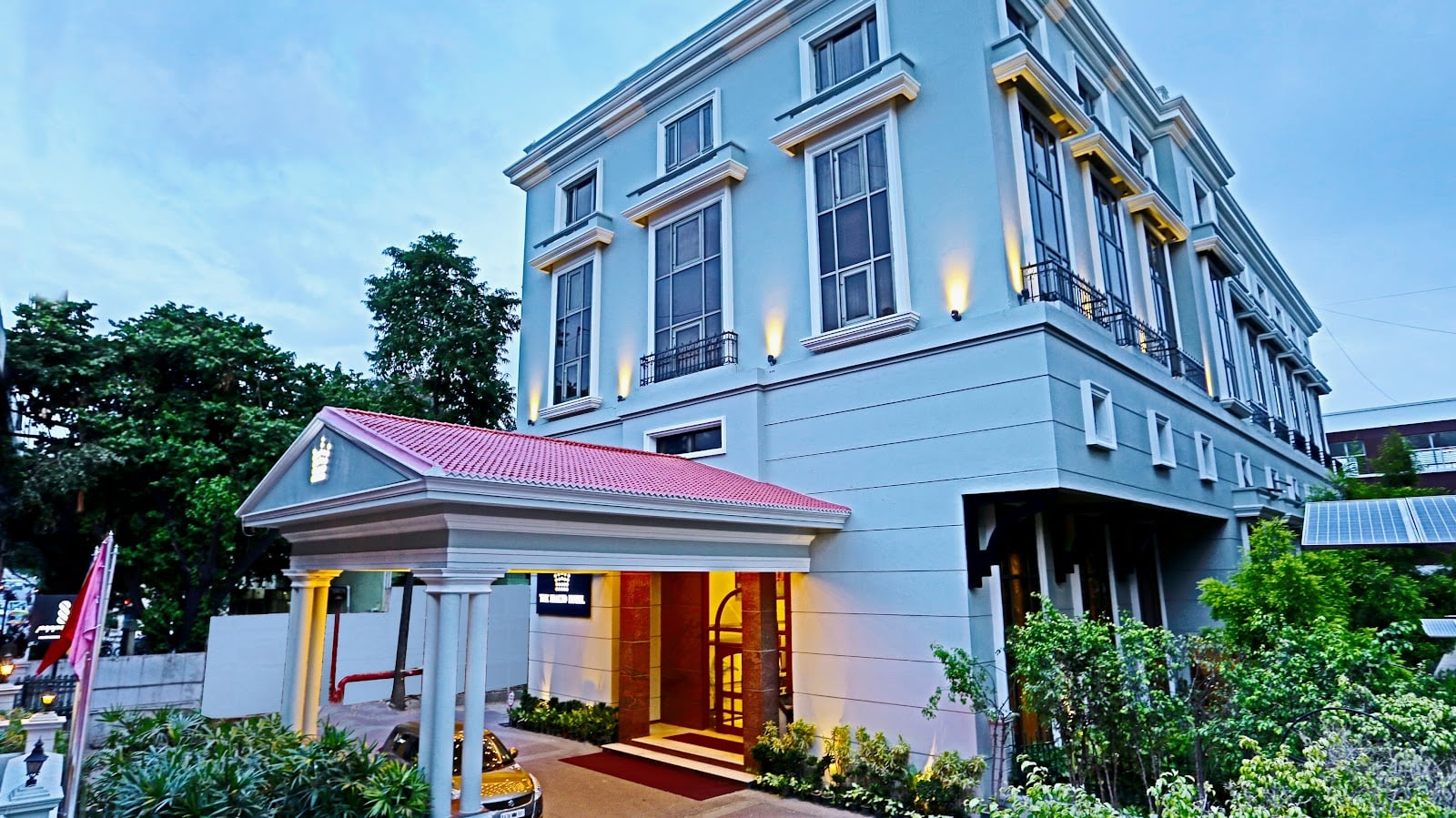
International hotel chains (Marriott, Hilton, ITC, Taj, Oberoi, Radisson) are the most straightforward choice for same-sex couples. These hotels have established policies of non-discrimination and staff training. Rooms are booked without issue, and staff do not question guest relationships. Mid-range international brands and larger Indian hotel chains (often affiliated with international groups) follow similar practices.
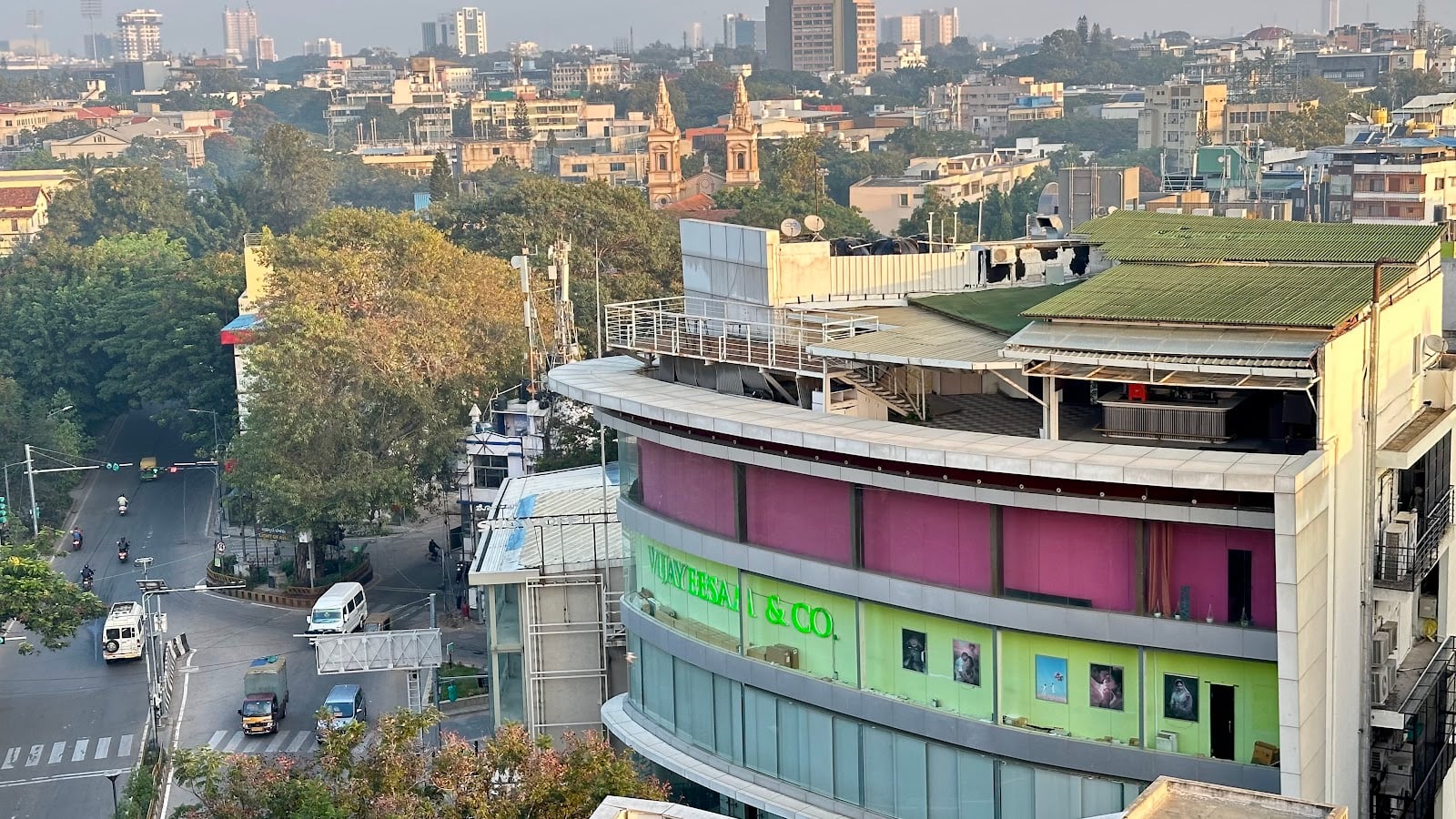
Areas to stay: Koramangala is a trendy, upscale neighbourhood with boutique hotels, restaurants, and shops—popular with expats and younger professionals, and very cosmopolitan. Indiranagar is similar: younger demographic, cafes, restaurants, a more relaxed vibe. Whitefield (near the tech parks) is expat-heavy, with modern infrastructure and international amenities. MG Road and the city centre (around Cubbon Park) are central and have mid-range and upscale hotels, with good access to attractions.
Budget guesthouses vary widely in their openness. Some are welcoming and progressive; others are run conservatively and may object to same-sex couple bookings. If staying in budget accommodation, call ahead or use online reviews to gauge the property's atmosphere. Booking platforms often have reviews mentioning guesthouse policies.
Wifi security: Use a VPN on public or hotel wifi if accessing sensitive websites or apps. While surveillance is not systematic for tourists, privacy is not guaranteed. Keep location services off on dating apps and use them primarily on secure, private networks.
Bangalore is a reasonable destination for LGBTQ+ travellers who are comfortable with discretion and willing to adopt practices that are standard for many locals. The city is cosmopolitan, has an expat presence, educated and often-liberal younger residents, and a functioning tourism infrastructure. Same-sex couples can visit, stay in good hotels, eat well, enjoy cultural attractions, and socialise in mainstream spaces without extreme risk.
Who should visit: Couples and individuals comfortable with public discretion; those with professional or social connections in Bangalore who can access private networks; travellers seeking mainstream cultural, culinary, and urban experiences; those who understand the legal context and can navigate accordingly; people who do not need or expect an open LGBTQ+ scene.
Who should think carefully: Travellers seeking an open LGBTQ+ community or scene—this does not exist openly in Bangalore. Those with limited experience navigating restrictive countries. People who are newly out or uncomfortable with discretion. Individuals with high-profile LGBTQ+ activism or visibility. Those who cannot manage the psychological stress of hiding an essential part of their identity.
Bangalore is safer and more welcoming than many Indian cities and far more open than smaller towns. But it is not a destination where LGBTQ+ identity is publicly celebrated or fully legally protected. Visit with eyes open, choose discretion in public, connect with local networks, enjoy the city's culture and food, and move safely.
Your privacy choices.
We use cookies to run GayOut and, with your consent, measure usage. Learn more
Your privacy choices
We use cookies to keep GayOut running, remember your preferences, and (with your permission) measure how the site is used. You can accept all, reject all, or pick what you allow. Learn more
Essential
Required for sign-in, fraud prevention, CSRF protection and remembering your language. Cannot be disabled.
Always on
Remembers your favourites, dark mode and other interface preferences across visits.
Helps us understand which pages people visit (Google Analytics, server-side stats) so we can improve.
Used by campaign tracking pixels. None are active right now, reserved for future use.
Install GayOut
Add GayOut to your home screen for faster access, offline favourites, and Pride alerts.


 Gay-Friendly Hotel
(470)
Gay-Friendly Hotel
(470)