Everything worth knowing before you go.
LGBTQ+ status
Legal but conservative
India decriminalised consensual same-sex activity in September 2018, when the Supreme Court's landmark Navtej Singh Johar judgment read down Section 377 of the Indian Penal Code. That protection still stands: the 2023 overhaul of India's criminal code (the Bharatiya Nyaya Sanhita) did not re-criminalise same-sex relationships. Transgender people have legal recognition under the 2014 NALSA judgment and the Transgender Persons Act, 2019. What India does not yet have is marriage equality, the Supreme Court having declined to legalise same-sex marriage in October 2023 and left the question to Parliament. So while the law is on your side, everyday society remains conservative and legal protections against discrimination are limited.
Goa is one of the most relaxed corners of the country for LGBTQ+ visitors. Its economy runs on international tourism, its towns are used to foreigners of every stripe, and the North Goa beach belt in particular has a bohemian, anything-goes reputation. Gay and lesbian travellers generally move through Goa without trouble. As anywhere in India, the main thing to be mindful of is public displays of affection: overt hand-holding or kissing between any couple, gay or straight, draws attention, so most people keep things low-key, especially away from the tourist zones.
For accommodation, international and upscale hotels (Taj, ITC, Marriott, Hyatt and the many boutique properties in North Goa) are used to hosting couples of all kinds and rarely raise an eyebrow at two guests sharing a room. Very budget or family-run guesthouses in non-tourist areas can occasionally be awkward about it, so booking a room in both names through a major platform smooths things over.
Dating and social apps such as Grindr, Tinder, Scruff and Blued are widely used across India, including by travellers in Goa. Use the same common sense you would anywhere: meet in a public place first, be alert to fake profiles, and hold back your exact hotel and personal details until you feel comfortable.
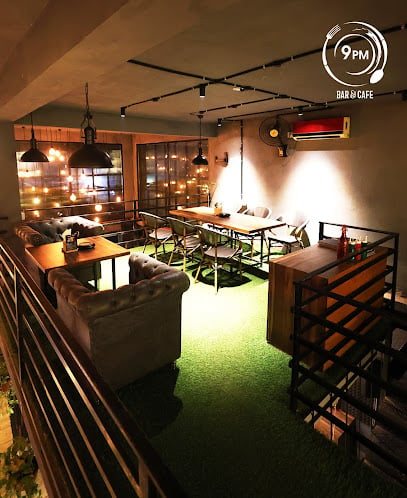
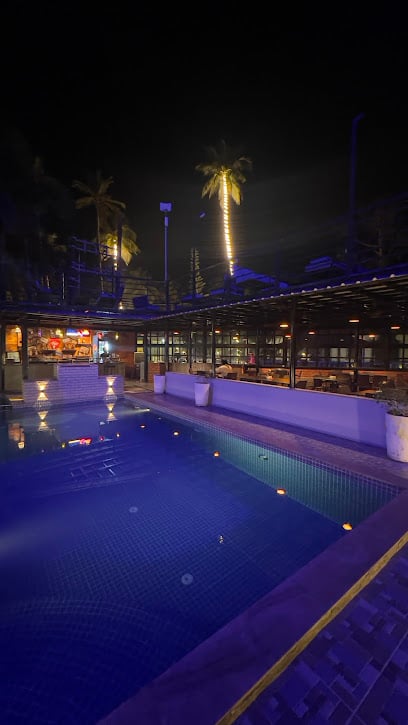
Goa has no permanent gay bar, club or sauna, but that does not mean there is no scene, only that it moves around. Queer Kinara, the state's main LGBTQIA+ party and community collective, runs a roaming programme of drag nights, parties and socials at gay-friendly and mainstream venues around North Goa; the best way to catch one is through its Instagram (@queer_kinara_goa). Goa also hosts a Pride festival, usually around June, and homegrown organisations such as Goa Rainbow Trust support the local community with peer networks, mental-health support and advocacy. The rest of the time, the clifftop bars and clubs around Anjuna and Vagator and the beach shacks along the North Goa coast are the most relaxed, mixed places to go out.
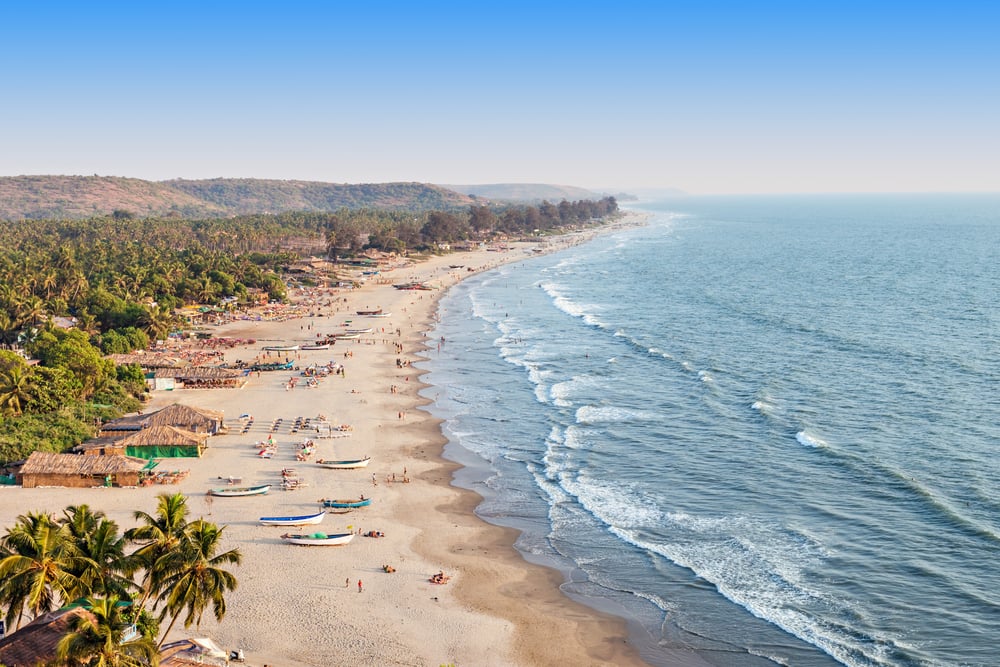
Beyond the scene, Goa offers plenty for every traveller: beaches from lively Baga and Anjuna to mellow Palolem, water sports, Portuguese-colonial landmarks such as the Basilica of Bom Jesus and Aguada Fort, spice plantations, seafood, yoga and Ayurveda retreats, and a growing music and arts culture. North Goa is busier and more developed, South Goa is quieter, and the capital Panaji (Panjim) has an atmospheric colonial old town.
In short, Goa is a comfortable and enjoyable destination for LGBTQ+ travellers who are happy with a low-key, resort-and-party holiday rather than a visible gay district. Couples who keep public affection discreet, in line with local norms, will find it welcoming, safe and easy to navigate.




 Gay-Friendly Bars & Clubs
Featured
Gay-Friendly Bars & Clubs
Featured