Section 377 decriminalised by Supreme Court in 2018. The Transgender Persons Act (2019) allows legal gender change. Supreme Court declined to legalise same-sex marriage in 2023.
India's Section 377 of the Indian Penal Code technically criminalises consensual same-sex activity between adults, with penalties ranging from life imprisonment to fines. However, the landscape changed meaningfully in September 2018 when the Supreme Court effectively decriminalized homosexual acts between consenting adults in private, significantly narrowing the law's scope. In practice, criminal prosecution for consensual same-sex relations is now extremely rare in urban centres like Pune, particularly involving foreign nationals.
That said, the law remains on the books, and social conservatism persists. Police typically do not proactively raid or arrest people in private settings, but harassment, blackmail, or extortion involving LGBTQ+ individuals can occur and may not be met with sympathetic law enforcement response. Public displays of affection between same-sex couples—kissing, hand-holding, or dancing together—can provoke social backlash, legal complications, or police intervention depending on location and witnesses. Foreign nationals accused of "morality offences" may face deportation. It is essential to understand that while criminalisation is no longer aggressively enforced in everyday life in Pune, the legal risk exists and discretion remains necessary.
PRACTICAL SAFETY
Discretion is the operative word for LGBTQ+ travellers in Pune. Public displays of affection should be avoided; same-sex couples should not kiss, hold hands prominently, or display physical intimacy in public spaces, restaurants, or transport. In private settings—hotel rooms, homes of trusted friends, closed social gatherings—the risk is minimal.
Hotel booking: Major international chains (Marriott, ITC, Four Seasons, Hyatt, Radisson) have no issue with same-sex couples requesting double beds or sharing rooms. Budget hotels, guesthouses, and local chains often have outdated or conservative policies and may refuse bookings, express discomfort, or ask invasive questions. When booking, use mainstream platforms (Booking.com, Expedia) rather than local-only sites; international hotel brands have global non-discrimination policies. Check reviews carefully—hotels in Koregaon Park and Kalyani Nagar tend to be more accustomed to diverse clientele.
Apps and digital safety: Dating and hookup apps (Grindr, Jack'd, Scruff, etc.) are accessible in Pune, but users should understand that these apps can be monitored by local authorities or used for extortion by bad actors. Profile visibility, location sharing, and photo storage carry risk. Conservative estimates suggest that high-profile users in smaller towns face greater exposure; in a large city like Pune, the risk is lower but not zero. Use a VPN if accessing such apps. Avoid sharing identifiable information, real names, or workplace details with strangers.
Transport and public spaces: Autorickshaws and taxis are generally safe and non-judgmental. Public parks after dark should be avoided as cruising grounds; such activity attracts police attention. Streets in the city centre and commercial areas are busy and generally safe; quieter, residential neighbourhoods at night carry higher social risk. Always be aware of your surroundings and avoid isolated areas.
Where to Stay
Accommodation sharing: Hotels will accept same-sex couple check-ins without issue in international chains. In cheaper hotels, couples may be asked questions or refused. Some local hosts on platforms like Airbnb may reject bookings from same-sex travellers; this is not uncommon and is frustrating but survivable. Book through mainstream platforms, communicate clearly in booking messages, and read host reviews for inclusivity signals.
Pune does not have openly advertised LGBTQ+ bars, clubs, saunas, or Pride events. However, socialising happens.
Hotel bars and lounges: International hotel bars in Koregaon Park (The Hyatt, Four Seasons, Radisson) and central Pune attract cosmopolitan crowds—expats, young professionals, tourists—where mixed-gender groups and diverse presentations are normal. These are not LGBTQ+-specific but are spaces where LGBTQ+ individuals blend in naturally. Conversation and connection happen without formal signalling.
Expat and professional networks: Pune's IT and startup ecosystem includes many expat workers and internationally-minded young professionals. LinkedIn, Meetup.com, and professional conferences create informal networks where LGBTQ+ individuals often connect. These are not exclusive spaces but overlapping social circles where discretion is still practiced but acceptance is higher.
Private gatherings: Many LGBTQ+ individuals in Pune socialise through private dinners, house parties, and trusted friend networks. These are not advertised publicly. Travellers with local contacts or through expat friends-of-friends may access such gatherings; outsiders should not expect to find them.
Online communities: Instagram, Facebook, and WhatsApp groups exist for LGBTQ+ individuals and allies in Pune, but these are private and require trust-based invitation. These spaces allow connection but also require discretion and caution.
MULTICULTURAL AND COSMOPOLITAN AREAS
Koregaon Park (KP): Historically a bohemian neighbourhood, Koregaon Park remains the most progressive and diverse area in Pune. It is home to artists, writers, expats, young professionals, and cafés with mixed, youthful crowds. Walking around KP at any time feels safe and unremarkable; people of various presentations are visible. Bars, restaurants, and cafés here—such as those along the main lane—attract cosmopolitan crowds where LGBTQ+ individuals are less conspicuous.
Kalyani Nagar: An upscale residential and commercial area with modern restaurants, pubs, and cafés frequented by young professionals and expats. Similar atmosphere to KP but more affluent. Feeling of safety and diversity is present.
Baner and surrounding tech hubs: Young, professional atmosphere with IT workers and startups. Less bohemian than KP but also less conservative than older residential areas.
Central Pune (around Camp): Historic and commercial centre. Busier, more mixed socioeconomically. Still safe but less cosmopolitan feel.
MAINSTREAM TRAVEL HIGHLIGHTS
Food: Pune's food scene is one of its greatest draws. The city is known for Misal Pav (spiced curry and bread), Puran Poli (sweet bread), and authentic Maharashtrian cuisine. KP and surrounding areas have excellent restaurants spanning Indian regional cuisines, international food, vegan and vegetarian options, and trendy cafés. Street food is superb; exploring food stalls and markets is safe and rewarding.
History
History and culture: Aga Khan Palace (where Gandhi was imprisoned) is a major historical site. Pataleshwar Cave Temple, Shaniwar Wada (old royal fort), and various museums offer cultural engagement. The city has a strong literary and artistic heritage.
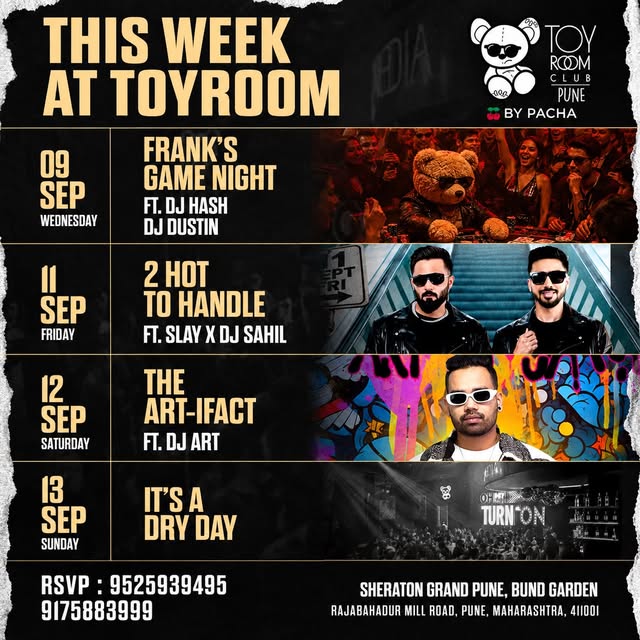
Nightlife and entertainment: Pune has mainstream bars, pubs, and nightclubs in KP, Kalyani Nagar, and central areas. These are not specifically LGBTQ+ venues but function as ordinary social spaces. Live music venues, comedy clubs, and cinema halls are common. The atmosphere in central and upscale neighbourhoods is modern and youthful without stigma.
Outdoor activities: Nearby trekking, hill stations (Lonavala, Khandala), and natural areas make for excellent day trips.
WHERE TO STAY
International chain hotels: Hyatt Centric, Four Seasons, Radisson, Marriott, ITC Grand, Novotel. These are reliable, welcoming to same-sex couples, and located in cosmopolitan areas. Cost: ₹6,000–₹20,000+ per night ($72–$240+).
Upscale independent hotels: Boutique and mid-range hotels in KP and Kalyani Nagar that cater to expats and international travellers (like The Orchid, Blue Diamond, etc.). Generally safe; check reviews mentioning same-sex couples.
Budget and guesthouses: Widely available and affordable (₹500–₹2,000/$6–$25 per night), but more inconsistent in policies. Avoid unless you have positive reviews from similar travellers or local recommendation. Risk of refusal or discomfort is higher.
Airbnb: Viable in upmarket neighbourhoods (KP, Kalyani Nagar). Search carefully; read host reviews and message hosts directly to gauge openness.
WHO SHOULD VISIT? WHO SHOULD RECONSIDER?
Good fit: Travellers who are comfortable with discretion; couples who don't need or expect public displays of affection; people seeking cultural, food, and historical experience; those with local contacts or expat networks; individuals visiting for professional reasons; anyone comfortable in urban India generally.
Should reconsider: Travellers seeking openly LGBTQ+ venues, nightlife, or visible community events (these don't exist openly here). Those uncomfortable with any level of discretion. Individuals who have experienced trauma related to criminalisation or homophobia and need affirming, visibly queer space. People unable to navigate social nuance or who prioritise loud self-expression over safety.
Final perspective: Pune is one of India's most progressive cities and genuinely pleasant to visit. The legal risk is low in practice, social acceptance in cosmopolitan areas is real, and the city has tremendous cultural and culinary appeal. However, it is not a queer holiday destination in the sense of visible nightlife or institutional LGBTQ+ spaces. It is a city to explore with awareness, discretion, and connection to trusted local networks or international communities already present. Many LGBTQ+ travellers and residents navigate Pune successfully and enjoy rich social lives—but always within the framework of pragmatic discretion.
Your privacy choices.
We use cookies to run GayOut and, with your consent, measure usage. Learn more
Your privacy choices
We use cookies to keep GayOut running, remember your preferences, and (with your permission) measure how the site is used. You can accept all, reject all, or pick what you allow. Learn more
Essential
Required for sign-in, fraud prevention, CSRF protection and remembering your language. Cannot be disabled.
Always on
Remembers your favourites, dark mode and other interface preferences across visits.
Helps us understand which pages people visit (Google Analytics, server-side stats) so we can improve.
Used by campaign tracking pixels. None are active right now, reserved for future use.
Install GayOut
Add GayOut to your home screen for faster access, offline favourites, and Pride alerts.


 Gay-Friendly Saunas
(57)
Gay-Friendly Saunas
(57)


