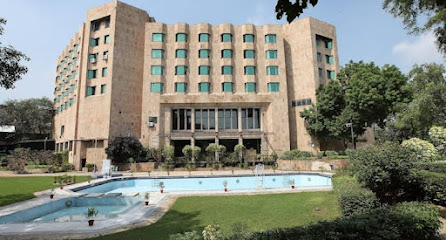
Everything worth knowing before you go.
LGBTQ+ status
Legal but conservative
India's legal framework regarding same-sex relationships is complex. While consensual adult same-sex conduct in private was decriminalised by the Supreme Court in 2018, Section 377 of the Indian Penal Code, which criminalises "voluntary carnal intercourse against the order of nature," remains in effect. This can still be used in certain situations, and LGBTQ+ individuals may face harassment or blackmail. While direct enforcement against foreign tourists is uncommon, it is not impossible, particularly in cases involving disputes or public complaints. Indian LGBTQ+ citizens face a higher risk, but visitors should remain aware of the situation.
The legal landscape lacks specific anti-discrimination laws, marriage equality, hate crime protections, and legal recognition for trans identities or same-sex unions.
Given the legal context, discretion is advisable. Public displays of affection between same-sex partners, such as holding hands or kissing, may attract unwanted attention in public spaces, on public transport, or in venues frequented by local families.
Dating and hookup applications are reportedly monitored by various individuals, including those posing as law enforcement. Users have reported instances of being photographed, threatened, or asked for money. Private, pre-arranged meetings are generally considered safer than encounters initiated through apps. While some established expat and traveller networks exist, they operate through private channels and personal introductions.
When booking accommodation, international hotel chains (such as Marriott, Hilton, ITC, Oberoi, Leela, and Taj Hotels) typically accommodate same-sex couples requesting double beds without issue. Budget guesthouses, Airbnb hosts, and family-run establishments may be less accommodating. It is recommended to book upscale hotels in advance and confirm requirements in writing. Some international guesthouses in expat-heavy areas may be more relaxed, but it is always best to inquire discreetly before booking. Sharing a room with someone of the same gender is legal and common practice for friends, colleagues, or family, so same-sex couples can present themselves as friends if they feel it necessary. International travellers booking through major platforms are generally at low risk, as hotels are accustomed to diverse guest arrangements.
It is prudent to avoid discussing personal relationships or sexuality with strangers, including taxi drivers, street vendors, or service staff. Attitudes can vary, even in cosmopolitan areas. Exercise caution with alcohol consumption in public or with new acquaintances, as impaired judgment can increase vulnerability.
For digital security, consider using a VPN when accessing LGBTQ+ content or apps. Be aware that online platforms may be monitored. Avoid sharing identifying photos or personal details on insecure platforms and refrain from carrying physical identification that specifies sexuality.
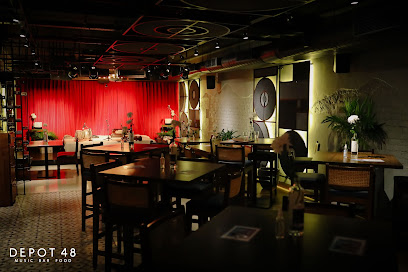
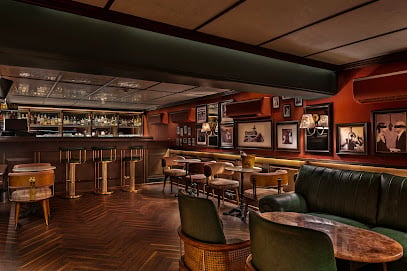
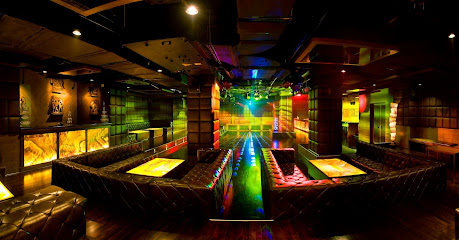
There are no openly designated LGBTQ+ venues such as bars, clubs, or saunas in Delhi. Social gatherings for the LGBTQ+ community tend to be private. Some hotel bars in upscale areas that cater to an international clientele may attract a mixed crowd, including LGBTQ+ individuals, but these operate on an implicit understanding of discretion.
The expat and international business community in Delhi includes LGBTQ+ professionals and travellers. Social connections can be made through workplace networks, university alumni groups, diplomatic circles, and international NGOs, typically via trusted introductions. Some individuals find community in spaces like yoga studios, fitness clubs, arts venues, and literary circles that attract diverse and progressive individuals. Private house parties and dinners among trusted friends are the primary mode of socialising, accessed through personal invitations.
Online platforms, including dating apps and social media, carry risks in Delhi due to potential blackmail and surveillance. Private messaging is generally safer than public posting. LGBTQ+ social life in Delhi is generally private and often requires pre-existing local connections. Solo travellers or couples without local contacts may find it challenging to access social scenes. Discretion remains important even when connecting with friends or through work.
Delhi offers a wide range of cultural and culinary experiences. Key attractions include the National Museum, National Gallery of Modern Art, and Gandhi Smriti. Historic sites in Old Delhi like the Red Fort, Jama Masjid, and the bazaars of Chandni Chowk are significant, as are the planned avenues and government buildings of New Delhi. The city's food scene ranges from street food in Old Delhi to upscale dining in South Delhi neighbourhoods and international cuisine across the city. Markets such as Dilli Haat, Khan Market, and Connaught Place provide opportunities for shopping and observing daily life.
Nightlife is available but not specifically LGBTQ+-oriented. Bars and clubs in areas like South Delhi, Gurgaon, and around Connaught Place cater to a general audience. These venues often have earlier closing times and may enforce dress codes, with behaviour being monitored. Some establishments are more cosmopolitan than others, with international chains often being more relaxed.
Popular day trips include visiting Qutb Minar, Humayun's Tomb, the Lotus Temple, and Lodi Gardens. Delhi also serves as a base for longer excursions to Agra, Jaipur, and Udaipur.
For LGBTQ+ travellers, prioritising international hotel chains and well-reviewed properties that are clear about their policies on same-sex couples is recommended. Five-star hotels are generally the most welcoming. Four-star chains in South Delhi, such as ITC Maurya, Taj Palace, and Oberoi New Delhi, are known to accommodate same-sex couples and offer comfort and discretion.
Mid-range options include some chains like Lemon Tree and The Lodhi, which may be more progressive, but full LGBTQ+ affirmation is not guaranteed. Budget guesthouses should be avoided unless reviews explicitly mention LGBTQ+ friendliness.
Recommended areas to consider for accommodation include South Delhi (Defence Colony, Greater Kailash, Hauz Khas) for its cosmopolitan atmosphere and expat presence. Connaught Place is central and tourist-oriented. New Delhi near the monuments is convenient for sightseeing but less lively. Gurgaon, located across the border in Haryana, is a more modern, corporate, and international hub, though further from the main historical sights.
Reliance on Airbnb or local guesthouses is not advised unless explicit confirmation from the host regarding the welcome of same-sex couples is obtained, as some hosts may be uncomfortable or cancel bookings.
LGBTQ+ travellers can visit Delhi, and many do. The experience will depend on individual risk tolerance, social awareness, and expectations.


 Gay-Friendly Bars & Clubs
(12)
Gay-Friendly Bars & Clubs
(12)