Tutto quello che vale la pena sapere prima di partire.
LGBTQ+ status
Legal but conservative
Il quadro giuridico indiano riguardo alle relazioni tra persone dello stesso sesso è complesso. Sebbene i rapporti consensuali tra adulti dello stesso sesso in privato siano stati depenalizzati dalla Corte Suprema nel 2018, l'articolo 377 del Codice Penale Indiano, che criminalizza "atti carnali volontari contro natura", rimane in vigore. Questo può ancora essere utilizzato in determinate situazioni, e le persone LGBTQ+ potrebbero subire molestie o ricatti. Sebbene l'applicazione diretta nei confronti dei turisti stranieri sia rara, non è impossibile, soprattutto in caso di controversie o denunce pubbliche. I cittadini indiani LGBTQ+ affrontano un rischio maggiore, ma i visitatori dovrebbero rimanere consapevoli della situazione.
Il panorama giuridico è privo di leggi specifiche contro la discriminazione, di parità matrimoniale, di tutele contro i crimini d'odio e di riconoscimento legale per le identità trans o le unioni tra persone dello stesso sesso.
Considerato il contesto legale, la discrezione è consigliabile. Manifestazioni pubbliche di affetto tra partner dello stesso sesso, come tenersi per mano o baciarsi, potrebbero attirare attenzioni indesiderate in luoghi pubblici, sui mezzi di trasporto pubblico o in locali frequentati da famiglie locali.
Le applicazioni per incontri e appuntamenti sarebbero monitorate da vari individui, compresi coloro che si spacciano per forze dell'ordine. Gli utenti hanno segnalato casi di essere stati fotografati, minacciati o richiesti di denaro. Incontri privati e preorganizzati sono generalmente considerati più sicuri rispetto a incontri iniziati tramite app. Sebbene esistano alcune reti consolidate di espatriati e viaggiatori, queste operano attraverso canali privati e presentazioni personali.
Quando prenotate un alloggio, le catene alberghiere internazionali (come Marriott, Hilton, ITC, Oberoi, Leela e Taj Hotels) solitamente accolgono coppie dello stesso sesso che richiedono letti matrimoniali senza problemi. Pensioni economiche, host Airbnb e stabilimenti a conduzione familiare potrebbero essere meno accomodanti. Si consiglia di prenotare hotel di lusso in anticipo e di confermare le proprie esigenze per iscritto. Alcune pensioni internazionali in zone con una forte presenza di espatriati potrebbero essere più flessibili, ma è sempre meglio informarsi con discrezione prima di prenotare. Condividere una stanza con una persona dello stesso sesso è legale e una pratica comune per amici, colleghi o familiari, quindi le coppie dello stesso sesso possono presentarsi come amici se lo ritengono necessario. I viaggiatori internazionali che prenotano tramite le principali piattaforme sono generalmente a basso rischio, poiché gli hotel sono abituati a diverse disposizioni per gli ospiti.
È prudente evitare di discutere di relazioni personali o sessualità con estranei, inclusi tassisti, venditori ambulanti o personale di servizio. Gli atteggiamenti possono variare, anche nelle aree cosmopolite. Esercitate cautela nel consumo di alcol in pubblico o con nuove conoscenze, poiché un giudizio alterato può aumentare la vulnerabilità.
Per la sicurezza digitale, considerate l'uso di una VPN quando accedete a contenuti o app LGBTQ+. Siate consapevoli che le piattaforme online potrebbero essere monitorate. Evitate di condividere foto identificative o dettagli personali su piattaforme non sicure e astenetevi dal portare con voi documenti fisici che specifichino l'orientamento sessuale.
Non ci sono locali apertamente designati per la comunità LGBTQ+ come bar, club o saune a Delhi. Gli incontri sociali per la comunità LGBTQ+ tendono ad essere privati. Alcuni bar d'albergo in zone di lusso che si rivolgono a una clientela internazionale potrebbero attrarre un pubblico misto, inclusi individui LGBTQ+, ma questi operano su un'intesa implicita di discrezione.
La comunità di espatriati e professionisti internazionali a Delhi include anche professionisti e viaggiatori LGBTQ+. Le connessioni sociali si possono creare attraverso reti lavorative, gruppi di ex-alunni universitari, circoli diplomatici e ONG internazionali, solitamente tramite presentazioni fidate. Alcuni individui trovano una comunità in spazi come studi di yoga, club fitness, sedi artistiche e circoli letterari che attraggono persone diverse e progressiste. Le feste private in casa e le cene tra amici fidati sono la modalità principale di socializzazione, a cui si accede tramite inviti personali.
Le piattaforme online, comprese le app di incontri e i social media, comportano dei rischi a Delhi a causa del potenziale ricatto e della sorveglianza. La messaggistica privata è generalmente più sicura della pubblicazione sui social. La vita sociale LGBTQ+ a Delhi è generalmente privata e spesso richiede connessioni locali preesistenti. Viaggiatori solitari o coppie senza contatti locali potrebbero trovare difficile l'accesso alle scene sociali. La discrezione rimane importante anche quando ci si connette con amici o tramite il lavoro.
Delhi offre un'ampia gamma di esperienze culturali e culinarie. Le attrazioni principali includono il National Museum, la National Gallery of Modern Art e Gandhi Smriti. Siti storici nella Vecchia Delhi come il Red Fort, Jama Masjid e i bazar di Chandni Chowk sono significativi, così come i viali pianificati e gli edifici governativi della Nuova Delhi. La scena gastronomica della città spazia dallo street food della Vecchia Delhi ai ristoranti di lusso nei quartieri di South Delhi e alla cucina internazionale in tutta la città. Mercati come Dilli Haat, Khan Market e Connaught Place offrono opportunità per lo shopping e per osservare la vita quotidiana.
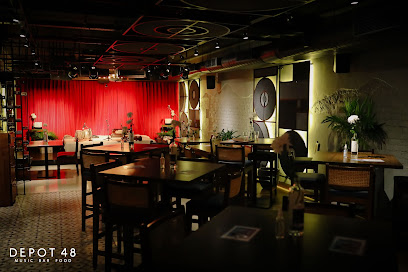
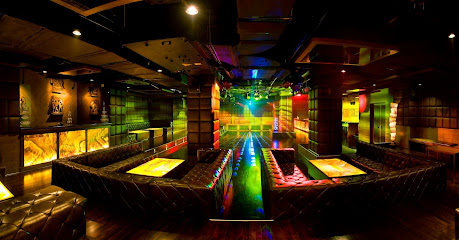
La vita notturna è presente, ma non specificamente orientata alla comunità LGBTQ+. Bar e locali in zone come South Delhi, Gurgaon e nei dintorni di Connaught Place si rivolgono a un pubblico eterogeneo. Questi locali hanno spesso orari di chiusura anticipati e potrebbero applicare codici di abbigliamento, con un controllo sul comportamento. Alcuni locali sono più cosmopoliti di altri, e le catene internazionali tendono ad essere più rilassate.
Tra le gite di un giorno più popolari figurano la visita a Qutb Minar, Humayun's Tomb, il Lotus Temple e i Lodi Gardens. Delhi funge anche da base per escursioni più lunghe ad Agra, Jaipur e Udaipur.
Per i viaggiatori LGBTQ+, si consiglia di dare priorità alle catene alberghiere internazionali e alle strutture ben recensite che siano chiare riguardo alle loro politiche sulle coppie dello stesso sesso. Gli hotel a cinque stelle sono generalmente i più accoglienti. Le catene a quattro stelle a South Delhi, come ITC Maurya, Taj Palace e Oberoi New Delhi, sono note per accogliere coppie dello stesso sesso e offrire comfort e discrezione.
Le opzioni di fascia media includono alcune catene come Lemon Tree e The Lodhi, che potrebbero essere più progressiste, ma non è garantita una piena affermazione LGBTQ+. Le pensioni economiche dovrebbero essere evitate a meno che le recensioni non menzionino esplicitamente l'accoglienza per la comunità LGBTQ+.
Le zone consigliate per l'alloggio includono South Delhi (Defence Colony, Greater Kailash, Hauz Khas) per la sua atmosfera cosmopolita e la presenza di espatriati. Connaught Place è centrale e orientata ai turisti. New Delhi, vicino ai monumenti, è comoda per visitare i siti storici ma meno vivace. Gurgaon, situata oltre il confine nello stato di Haryana, è un centro più moderno, corporate e internazionale, sebbene più distante dalle principali attrazioni storiche.
Non si consiglia di affidarsi ad Airbnb o a pensioni locali a meno che non si ottenga una conferma esplicita dall'host riguardo all'accoglienza di coppie dello stesso sesso, poiché alcuni host potrebbero sentirsi a disagio o cancellare le prenotazioni.
I viaggiatori LGBTQ+ possono visitare Delhi, e molti lo fanno. L'esperienza dipenderà dalla tolleranza al rischio individuale, dalla consapevolezza sociale e dalle aspettative.


 Bar e club gay accoglienti
(12)
Bar e club gay accoglienti
(12)