Osijek, located in northeastern Croatia along the Danube River, is the cultural center of Slavonia. While not a primary international LGBTQ+ destination, the city has seen a growing welcoming atmosphere for its LGBTQ+ community over the past decade.
Croatia legalized same-sex relationships in 1977 and has since introduced civil unions for same-sex couples. Osijek, as a significant city in a post-conflict region, has experienced a gradual social shift, particularly among younger residents. The LGBTQ+ scene here is less prominent than in Zagreb but features openly gay-friendly establishments and events. The city's size contributes to a more integrated social environment rather than a distinctly separate gay scene.
The Old Town (Tvrđa), an 18th-century Austrian Baroque fortress, is the most relevant area for visitors. Its cobblestone streets, riverside cafes, and cultural venues form the city's social and cultural hub, and where many gay-friendly establishments are located. The wider city center extends north and west from Tvrđa. The Danube River promenade offers pleasant walks.
Dedicated LGBTQ+ nightlife venues are few. The social scene tends to center on gay-friendly cafes, bars, and cultural spaces. Venues can change, so it is advisable to verify current recommendations locally. The Old Town offers numerous cafes and wine bars that attract a mixed and LGBTQ+ clientele, especially during warmer months with outdoor seating. Cultural events, theater, and gallery openings often provide informal social opportunities. Information on saunas is not widely available.
Osijek Pride usually occurs in June. The event has grown in recent years, featuring a parade and cultural programs primarily in the Old Town and surrounding public areas. Pride week often includes discussions, film screenings, and social gatherings at local venues. The event receives municipal support and increasing local business participation, reflecting a commitment to LGBTQ+ inclusion.
Where to Stay
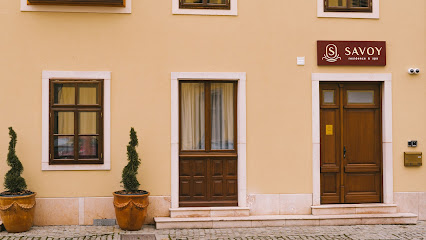
Accommodation options include hotels, guesthouses, and apartments. While no exclusively LGBTQ+ hotels exist, several establishments in and around the Old Town are known for being welcoming. The Hotel Osijek and various apartments in Tvrđa offer convenient locations. Riverside accommodations provide views and proximity to social areas. Accommodation is generally more affordable than in Croatia's coastal cities.
Osijek is compact and walkable, especially the Old Town and city center. Public buses and taxis are available for wider city travel. The city is accessible by train from Zagreb (approximately 2.5 hours), bus, or car. Osijek Airport serves some regional flights. Most tourist and social activities are within walking distance.
Croatia has legal protections for LGBTQ+ individuals, and Osijek is generally a safe city for gay travelers. Public displays of affection between same-sex couples are usually acceptable in the city center and among younger, more liberal crowds. Discretion may be advised in less touristy areas or late at night. Osijek is considered more progressive than rural Slavonia. Hate crimes are rare and prosecutable. The city's welcoming atmosphere, particularly around Pride and in cultural venues, contributes to a comfortable experience for LGBTQ+ visitors.
The Slavonia region is known for its local cuisine and wine. Osijek features restaurants serving traditional Slavonian dishes and fresh Danube fish. Wine bars and cellar restaurants offer local Slavonian wines, such as Graševina. Cafe culture is prominent, and riverside dining provides a pleasant ambiance. Many establishments are welcoming to LGBTQ+ couples and groups.
Beyond the LGBTQ+ scene, Osijek offers cultural attractions including the Museum of Slavonia, various galleries, and the Osijek National Theatre. Danube walks and riverside parks provide relaxation. Day trips can include nearby wine regions, nature reserves, and smaller Danube towns.
Kopački Rit, a wetland national park northeast of Osijek, is suitable for birdwatching and nature exploration. The Danube region offers access to small medieval towns and wine estates. Vukovar, a historically significant town downriver, can be visited as a day trip, requiring sensitivity to its recent history.
Osijek is suited for LGBTQ+ travelers interested in culture, history, wine, and nature who do not prioritize a large, visible gay entertainment scene. It appeals to couples, friends, and solo travelers seeking Central European culture in less-touristed destinations. Travelers primarily seeking nightlife and a prominent gay social scene may find Zagreb or the coastal cities more suitable. Osijek serves well as part of a broader Danube or Croatian itinerary, offering a distinct experience from coastal destinations while remaining safe and welcoming.
For the best weather and outdoor cafe culture, visit between May and September. June is ideal for Osijek Pride. Learning a few Croatian phrases is appreciated. Book accommodations in advance during summer and Pride week. It is recommended to check current venue information locally or through LGBTQ+ travel forums, as the scene is small and businesses may change. The Osijek tourism office can provide updated event and venue information.
Osijek has an increasingly inclusive atmosphere and a growing openly gay-friendly presence. While the LGBTQ+ community is more discreet than in larger cities, legal protections are in place, and the city is generally welcoming.
The Old Town (Tvrđa) is the most relevant area, as it's where most gay-friendly establishments are concentrated. This historic district offers a good base for exploring the city's social and cultural life.
Dedicated gay nightlife venues are limited in Osijek. The scene tends to revolve around gay-friendly cafes, bars, and cultural spaces, particularly in the Old Town, which attract mixed and LGBTQ+ crowds.
Osijek Pride typically takes place in June and has been growing significantly.
Dedicated gay nightlife venues are limited in Osijek. The scene tends to revolve around gay-friendly cafes, bars, and cultural spaces rather than dedicated gay clubs.
Osijek has a small but welcoming gay community and an increasingly inclusive atmosphere. The scene is naturally more intimate and integrated into the broader cultural life due to the city's relatively small population.
Tus opciones de privacidad.
Usamos cookies para que GayOut funcione y, con tu consentimiento, para medir su uso. Saber más
Tus opciones de privacidad
Usamos cookies para que GayOut funcione, recordar tus preferencias y (con tu permiso) medir cómo se usa el sitio. Puedes aceptar todas, rechazar todas o elegir qué permites. Saber más
Esenciales
Necesarias para el inicio de sesión, prevención de fraude, protección CSRF y memorizar tu idioma. No se pueden desactivar.
Siempre activo
Recuerda tus favoritos, modo oscuro y otras preferencias de interfaz entre visitas.
Nos ayudan a saber qué páginas visita la gente (Google Analytics, estadísticas del servidor) para poder mejorar.
Se usan en píxeles de seguimiento de campañas. Ninguna está activa ahora; reservadas para el futuro.
Instalar GayOut
Añade GayOut a tu pantalla de inicio para acceso más rápido, favoritos sin conexión y avisos del Orgullo.


 Hotel gay-friendly
(40)
Hotel gay-friendly
(40)


![ONE DAY IN DUBROVNIK - Don't Miss Things To Do [TRAVEL VLOG]](https://i.ytimg.com/vi/mmS9BLKYIig/hqdefault.jpg)