Chile se encuentra entre los países más progresistas de Sudamérica: igualdad matrimonial desde 2022, leyes antidiscriminación y de identidad de género en vigor. La aceptación es alta en las ciudades, pero más reservada en el conservador norte (Tarapacá) y las zonas rurales.
Iquique: Guía para Viajeros de la Escena LGBTQ+ del Norte de Chile
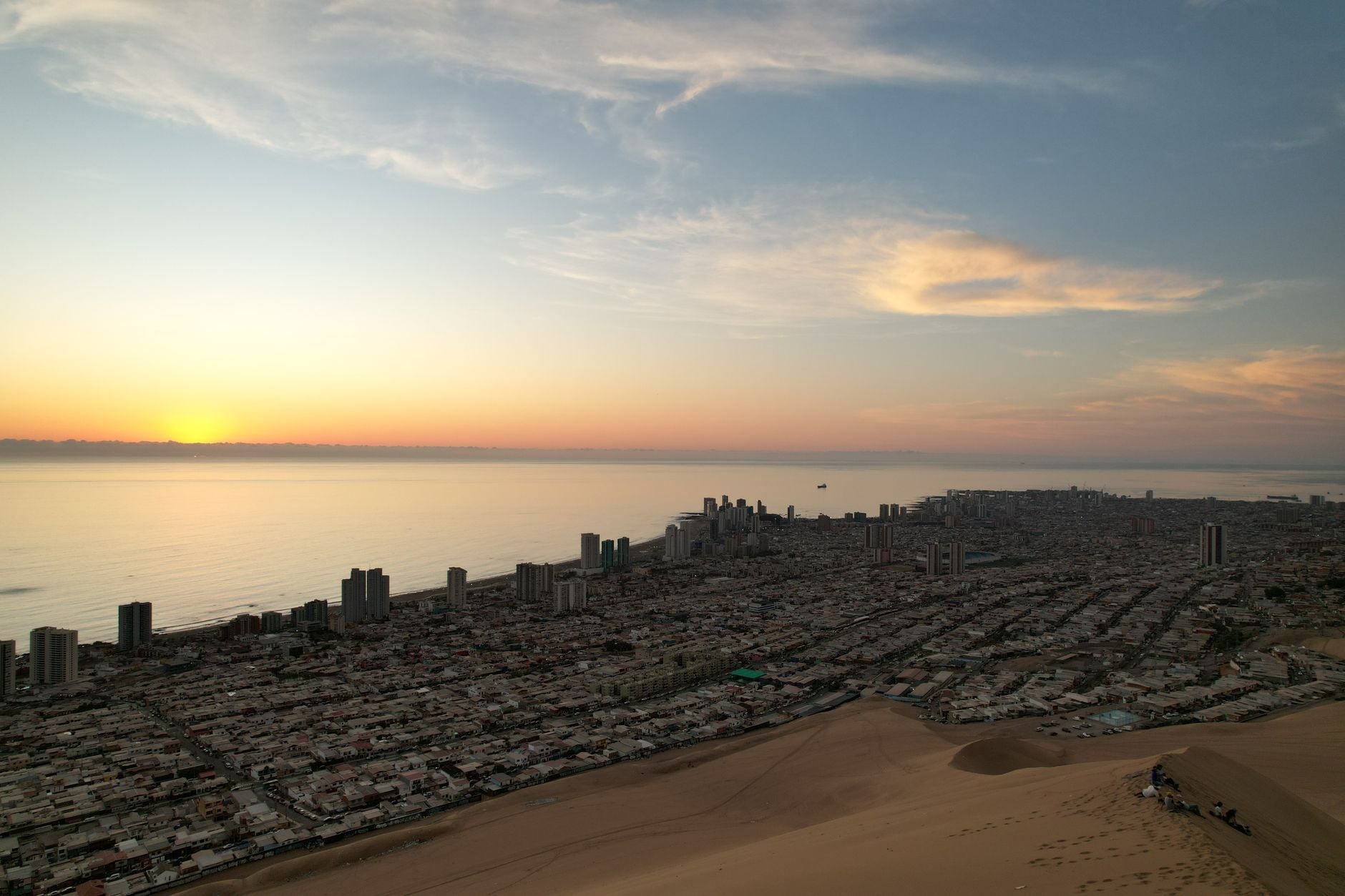
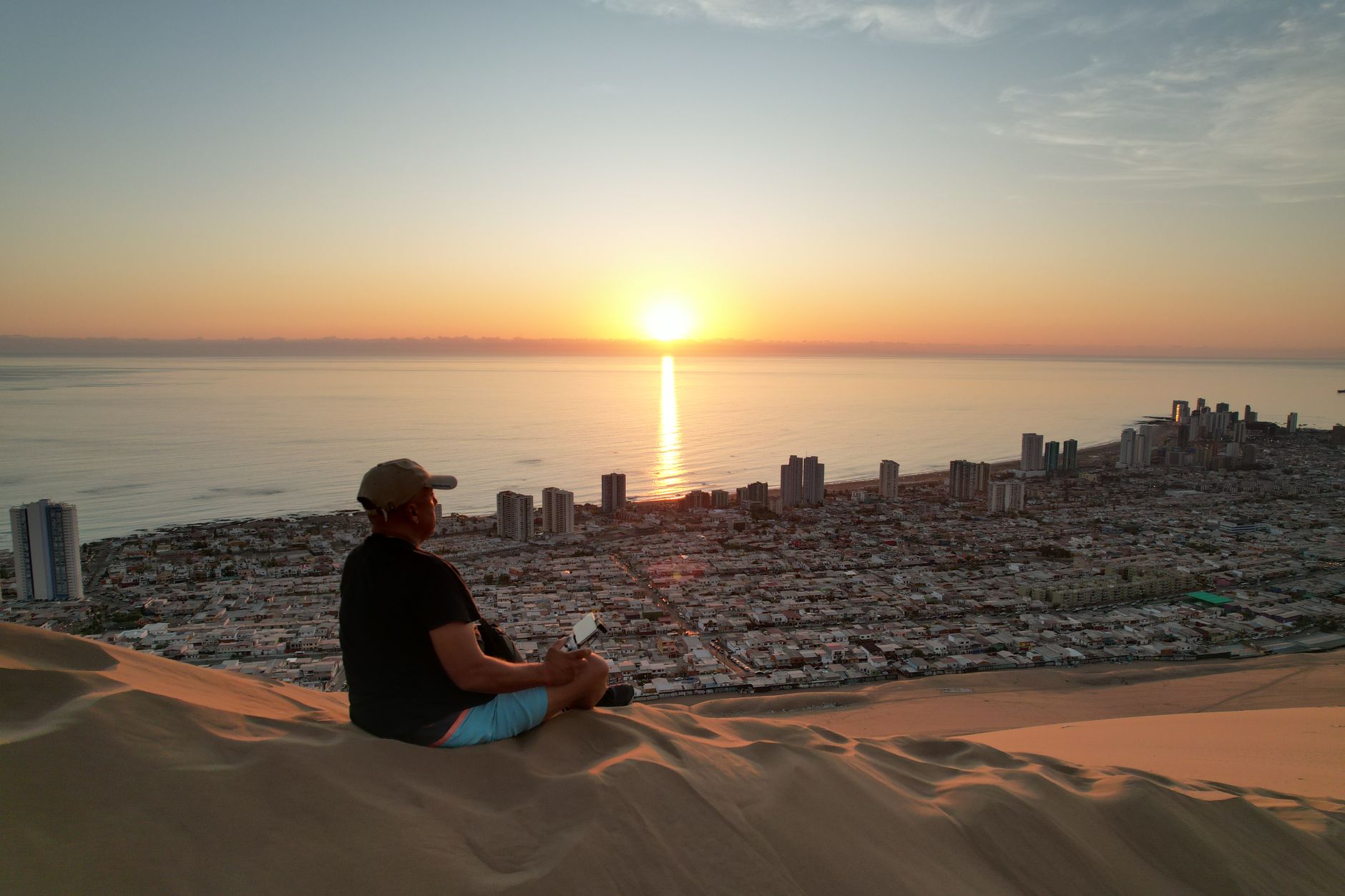
Iquique, la capital de la Región de Tarapacá en el extremo norte de Chile, es una ciudad portuaria activa con profundas raíces históricas en la industria del salitre. Para los viajeros LGBTQ+, Iquique ofrece una experiencia de la vida cotidiana chilena, donde los visitantes pueden conocer la cultura local con relativa facilidad.
Historia y Escena Actual
Chile ha logrado avances significativos en derechos LGBTQ+ durante las últimas dos décadas, con la unión civil reconocida en 2015, igualdad matrimonial completa desde marzo de 2022 y ampliación de las protecciones contra la discriminación. Iquique, aunque más conservadora que Santiago, ha sido testigo de estos cambios. La ciudad cuenta con una comunidad LGBTQ+ y grupos locales activos. Las celebraciones del Orgullo en Iquique son más pequeñas que en las grandes ciudades, pero se celebran anualmente. La cultura regional tiende a la amabilidad y la informalidad, lo que a menudo se traduce en tolerancia hacia los visitantes LGBTQ+, aunque las zonas urbanas son generalmente más progresistas que las rurales.
Barrios y Distribución
El centro de Iquique es compacto y fácil de recorrer a pie. La principal zona comercial y de entretenimiento se concentra alrededor de la Plaza Prat, la plaza principal histórica rodeada de arquitectura colonial, y se extiende hacia la costanera. El centro de la ciudad alberga la mayoría de los servicios, restaurantes y bares. El Barrio Histórico presenta edificios restaurados del siglo XIX y es agradable para pasear. Los barrios residenciales se extienden tierra adentro desde la costa. A diferencia de Santiago o Valparaíso, Iquique no tiene un barrio gay definido; la vida LGBTQ+ está integrada en toda la ciudad. La costanera y el centro son los lugares donde ocurre la mayor parte de la actividad social.
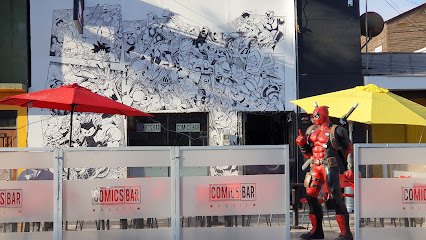
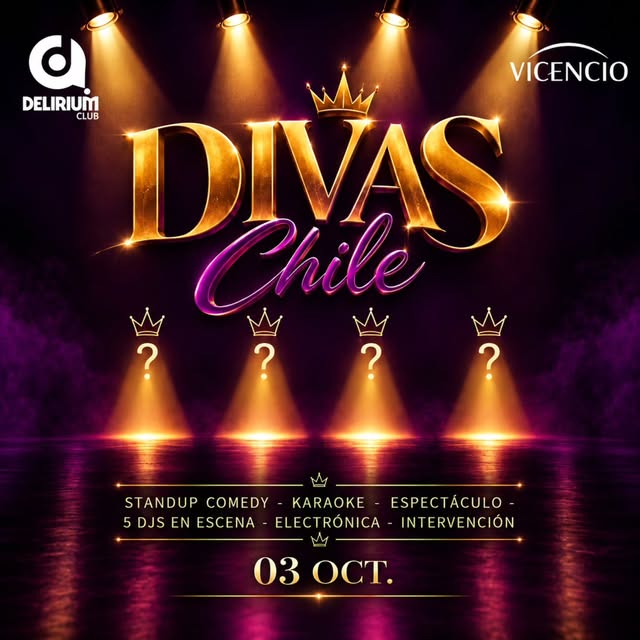
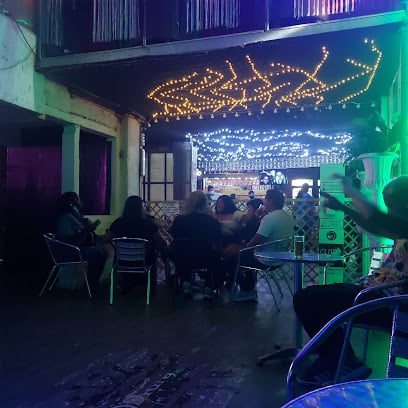
La vida nocturna de Iquique es modesta. El único local dedicado al colectivo LGBTQ+ de la ciudad es Indigo Club, situado en el sector Bajo Molle, en Avenida La Tirana. Aquí se celebran espectáculos de drag y transformismo, además de noches de fiesta los fines de semana, siendo la dirección de referencia para una salida nocturna abiertamente gay. Fuera de este espacio, el ambiente se integra en locales mixtos: el amplio Delirium Club (también en Bajo Molle) programa noches regulares de drag y "divas", mientras que los bares del centro, cerca de la Plaza Prat y a lo largo del paseo peatonal Baquedano, son puntos de encuentro sociales relajados y amigables con la comunidad gay. Es recomendable preguntar localmente a la llegada por recomendaciones de locales, ya que la escena en ciudades más pequeñas puede variar. La vida nocturna cierra antes que en Santiago; esperen que los bares bajen el ritmo hacia medianoche o la 1 a.m. la mayoría de las noches. No se conocen saunas ni baños públicos en funcionamiento en Iquique. Para una vida nocturna más intensa, muchos visitantes realizan viajes de una noche a Antofagasta (unas 5 horas al sur) o planifican sus salidas nocturnas en torno a eventos organizados.
Orgullo y Eventos
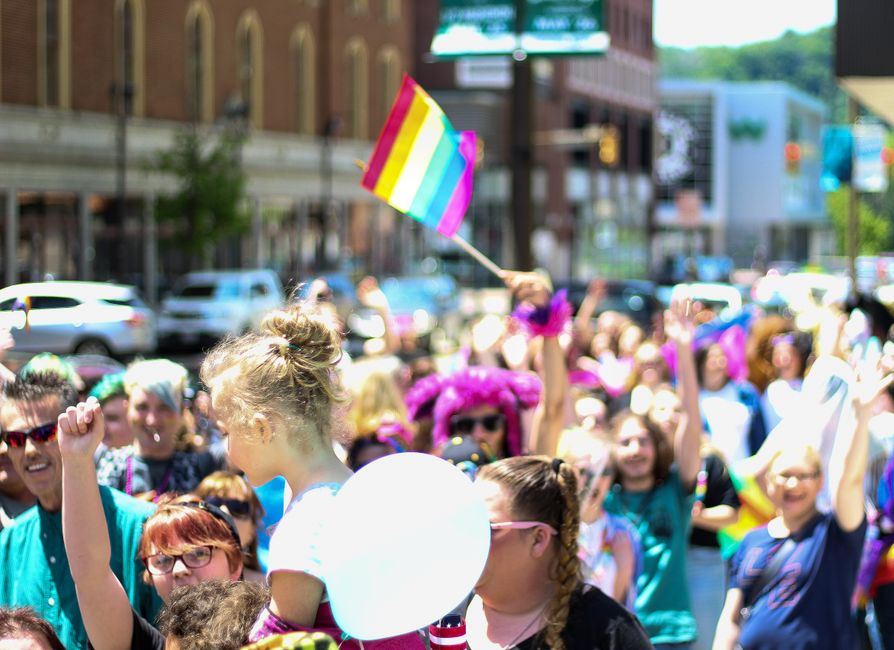
Iquique celebró su propia Marcha por la Diversidad en octubre, organizada por primera vez en 2010 por el grupo local FADISE, pero la marcha no se ha realizado de forma constante en los últimos años y actualmente no hay una edición anual confirmada. Los visitantes LGBTQ+ que buscan un gran evento de Pride suelen viajar a Antofagasta, cuya marcha se celebra en junio, o a Santiago, que organiza las mayores marchas de Chile a finales de junio y de nuevo en noviembre. En Iquique, la vida social queer se desarrolla principalmente a través de la vida nocturna y las redes sociales, más que por un calendario fijo de Pride; consulte con organizaciones locales como Fundación Tíreseas Diversidad para conocer las actividades actuales.
Dónde Alojarse
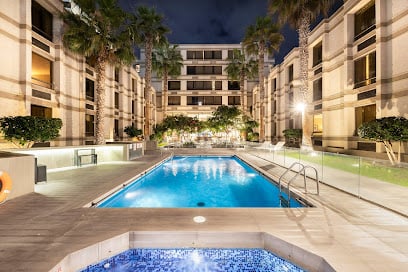
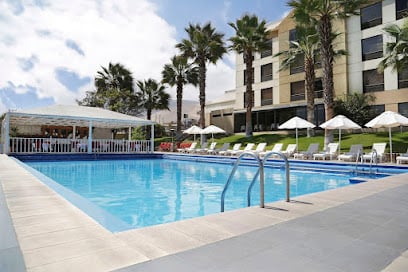
Las opciones de alojamiento van desde hostales económicos hasta hoteles de gama media. La zona centro, cerca de Plaza Prat, ofrece cercanía a restaurantes y servicios. Varios hostales en el centro de la ciudad atienden a mochileros y suelen tener ambientes acogedores y mixtos. Los hoteles de gama media cerca de la Costanera brindan comodidad y a menudo incluyen vistas al mar. No hay hoteles exclusivamente LGBTQ+, pero algunas propiedades son conocidas por ser acogedoras. Las plataformas de reserva y las reseñas recientes de viajeros son guías fiables. Los precios son significativamente más bajos que en Santiago, y la calidad es generalmente buena.
Consideraciones de Seguridad
Chile es, en general, seguro para viajeros LGBTQ+, e Iquique no es la excepción. Los delitos violentos dirigidos a turistas son poco comunes. Se aplican precauciones de seguridad estándar para viajes: evite exhibir objetos de valor excesivos, manténgase atento a su entorno por la noche y utilice taxis registrados o aplicaciones de transporte compartido. Las parejas del mismo sexo pueden caminar de la mano sin temor a la violencia. La policía es profesional y generalmente receptiva. La atención médica es buena. Como en cualquier ciudad, use el sentido común: evite caminar solo muy tarde por la noche en áreas desconocidas. La sociedad chilena en general es cada vez más tolerante, aunque algunas personas mantienen puntos de vista conservadores. La visibilidad LGBTQ+ en público es normal en las zonas céntricas y turísticas.
Transporte
El Aeropuerto Internacional Diego Aracena de Iquique (IQQ), situado a unos 40 km al sur de la ciudad, recibe vuelos principalmente de Santiago y otras ciudades importantes. La mayoría de los visitantes llegan por aire. El transporte público dentro de la ciudad se basa en autobuses (micros), que son económicos y cubren una amplia red, pero pueden resultar confusos para quienes visitan por primera vez; preguntar a los locales es de gran ayuda. Aplicaciones de transporte compartido como Uber y Didi operan en Iquique y son fiables. Los taxis están disponibles, pero deben ser registrados (taxis blancos con taxímetro). Para explorar la región, el alquiler de coches es una opción, aunque muchos visitantes optan por tours organizados. La Carretera Panamericana conecta Iquique con otras ciudades del norte; autobuses de larga distancia enlazan Iquique con Antofagasta (al sur) y Perú (al norte).
Comida y Gastronomía
La gastronomía de Iquique refleja su ubicación costera. El marisco fresco es abundante y asequible. El ceviche, las empanadas y los platos de pescado son los protagonistas. La ciudad ofrece restaurantes que van desde puestos de comida callejera informal (anticuchos, completos) hasta establecimientos de alta cocina. La zona del mercado central, cerca del paseo marítimo, ofrece especialidades locales. El vino chileno es excelente y económico. Los cafés son puntos de encuentro social; la cultura del café está muy arraigada. Las opciones vegetarianas y veganas son cada vez más comunes, especialmente en restaurantes orientados al turismo. Los costes de la comida son inferiores a los de Santiago.
Excursiones y Atracciones Regionales
El verdadero atractivo de Iquique reside en su acceso al cercano Desierto de Atacama y a sus singulares parajes regionales. Entre las atracciones cercanas se encuentran:
— El Salar de Atacama, un impresionante paisaje salino de gran altitud, que se visita habitualmente en tours organizados.
— Pueblos fantasma y sitios mineros históricos, vestigios de la era del salitre. Humberstone y Santa Laura son Patrimonio de la Humanidad por la UNESCO, accesibles en excursiones de un día.
— Pica, un pequeño oasis en el desierto conocido por sus aguas termales naturales y su fruta local, a aproximadamente 1.5 horas tierra adentro.
— Cerro Pintado, con petroglifos y sitios arqueológicos.
— Playas a lo largo de la costa de Atacama para nadar, hacer sandboard y parapente.
— La Cordillera de la Costa de Iquique ofrece senderismo y exploración de la naturaleza.
La mayoría de las atracciones requieren tours organizados o vehículos de alquiler; varios operadores turísticos en la ciudad atienden a los visitantes.
Notas Culturales y Sociales
La cultura chilena valora la amabilidad y la conexión personal. Los saludos con besos en la mejilla son habituales incluso entre conocidos recientes. El idioma es el español; el inglés es menos común que en las principales ciudades turísticas, por lo que un español básico es útil. La ciudad se mueve a un ritmo relajado en comparación con Santiago. La propina no es obligatoria, pero se agradece por un buen servicio (5-10%). La población local es acogedora con los visitantes respetuosos.
Planificación de una Visita
La mejor época para visitar es de octubre a abril (primavera y verano en el hemisferio sur), cuando el clima es cálido y seco. De junio a agosto son los meses de invierno; aunque las temperaturas rara vez bajan de cero en Iquique (el desierto modera las temperaturas costeras), puede hacer más fresco. Una semana en Iquique permite tiempo para explorar la ciudad y realizar excursiones de un día por la región. Muchos visitantes combinan Iquique con otros destinos del norte de Chile como San Pedro de Atacama o Antofagasta para una experiencia más amplia en el norte.
Preguntas frecuentes
Iquique recibe a los visitantes LGBTQ+ con genuina hospitalidad. Si bien la escena es más pequeña que en las capitales importantes, la ciudad se ha vuelto más abierta y tolerante, particularmente entre los residentes más jóvenes y en los sectores empresarial y turístico.
La comunidad LGBTQ+ en Iquique está integrada en toda la ciudad en lugar de concentrarse en barrios específicos. Los lugareños tienden a socializar en múltiples locales y establecimientos mixtos.
Iquique tiene una discoteca LGBTQ+ dedicada, Indigo Club, en el sector Bajo Molle, conocida por sus espectáculos de drag y noches de fiesta de fin de semana. Fuera de eso, la escena es pequeña y se integra en locales mixtos, y el gran Delirium Club también organiza noches de drag y "divas", por lo que vale la pena revisar las redes sociales de los locales para ver los eventos actuales.
El centro de la ciudad (Centro) es accesible a pie y contiene la mayoría de los restaurantes, tiendas y locales sociales, incluida la calle peatonal Paseo Baquedano, bordeada de bares y cafés. Para una base junto a la playa, la Costanera de Cavancha alberga muchos de los hoteles de la ciudad y está cerca de la playa principal.
Iquique celebró su propia Marcha por la Diversidad en octubre, organizada por primera vez en 2010 por el grupo local FADISE, pero no se realiza de manera fiable cada año y actualmente no hay una edición anual confirmada. Los visitantes LGBTQ+ que buscan una gran celebración del Orgullo suelen viajar a Antofagasta, cuya marcha se celebra en junio, o a Santiago, que acoge las marchas más grandes de Chile a finales de junio y noviembre.
Los encuentros sociales y las conexiones en Iquique a menudo ocurren de boca en boca, a través de grupos en redes sociales y aplicaciones de citas, ya que la escena está más dispersa que en los centros urbanos más grandes.
Tus opciones de privacidad.
Usamos cookies para que GayOut funcione y, con tu consentimiento, para medir su uso. Saber más
Tus opciones de privacidad
Usamos cookies para que GayOut funcione, recordar tus preferencias y (con tu permiso) medir cómo se usa el sitio. Puedes aceptar todas, rechazar todas o elegir qué permites. Saber más
Esenciales
Necesarias para el inicio de sesión, prevención de fraude, protección CSRF y memorizar tu idioma. No se pueden desactivar.
Siempre activo
Recuerda tus favoritos, modo oscuro y otras preferencias de interfaz entre visitas.
Nos ayudan a saber qué páginas visita la gente (Google Analytics, estadísticas del servidor) para poder mejorar.
Se usan en píxeles de seguimiento de campañas. Ninguna está activa ahora; reservadas para el futuro.
Instalar GayOut
Añade GayOut a tu pantalla de inicio para acceso más rápido, favoritos sin conexión y avisos del Orgullo.



 Bares y clubes gay
Destacado
(8)
Bares y clubes gay
Destacado
(8)