

 Gay Bars & Clubs
Featured
(1111)
Gay Bars & Clubs
Featured
(1111)

🇨🇱
Gay Valparaíso 2026
LGBTQ+ Travel Guide & City Directory · Valparaíso
280,000 residents
20:51 GMT-03:00
View on Maps
15°C · Partly cloudy
CLP $
SCL · 86 km
Build a 3-Day Valparaíso Trip
3 Gay Bars & Clubs
1 Gay Saunas
1 Gay Beaches
1 Cruising Areas
6 Gay-Friendly Hotels
18 Gay-Friendly Restaurants
3 LGBTQ+ Organizations
Upcoming Events in Valparaíso
Know an event that's not listed here?
+ Add it now
Never miss a gay event in Valparaíso
One email a week — the weekend lineup, parties and deals. No spam, unsubscribe anytime.
Weekly event updates. Notifications appear on your lock screen.
On iPhone: first add GayOut to your Home Screen (Share → Add to Home Screen), then open it from there to enable notifications.
Gay Bars & Clubs in Valparaíso
Gay Bars & Clubs
Featured
(1111)
Pagano
Gay Bars & Clubs
Featured
(933)
Pagano
Barrio Puerto
Pagano in Valparaíso: An inclusive and welcoming spot for LGBTQ+ travelers seeking a friendly atmosphere.
Verified by GayOut
Sep 2026
 Gay-Friendly Bars & Clubs
(2478)
Gay-Friendly Bars & Clubs
(2478)
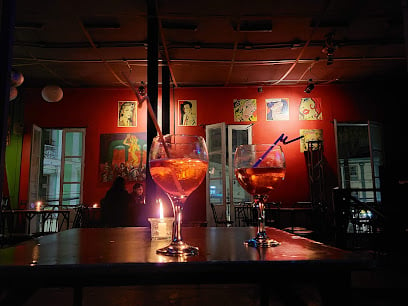
El Internado
Gay-Friendly Bars & Clubs
Gay bar on Cerro Concepción — the twin bohemian hill to Cerro Alegre, with its own network of painted streets, street art, and creative community.
gay-friendly
mixed-lgbtq
chill
LGBTQ+ Friendly
Sep 2026
Gay Saunas in Valparaíso
Gay-Friendly Beaches in Valparaíso
 Gay-Friendly Beaches
(3691)
Gay-Friendly Beaches
(3691)
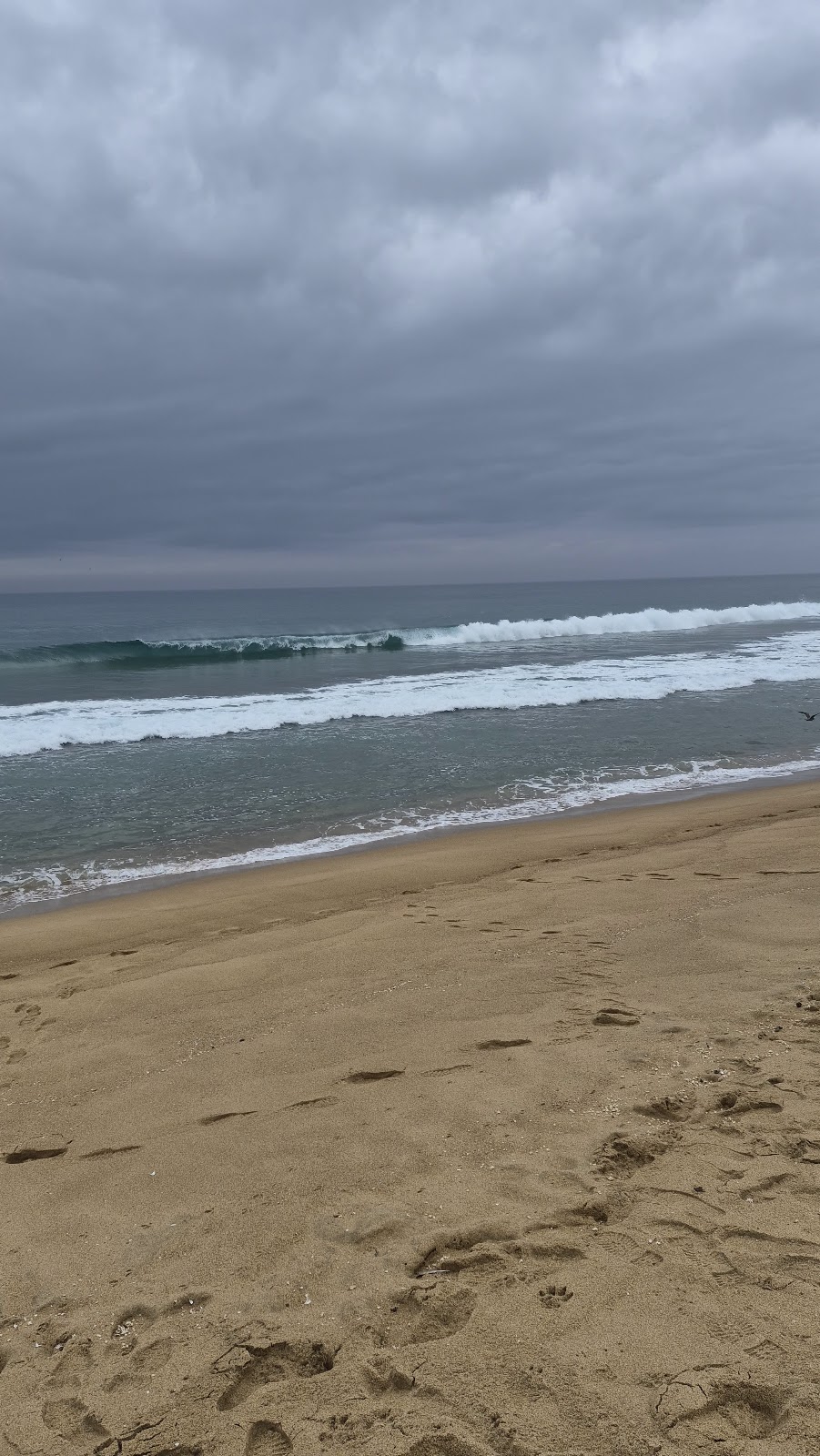
Playa Renaca
Renaca, Vina del Mar
Northern end of Renaca beach past the rocks, Chile most established gay beach Located near Vina del Mar (10km from Valparaíso).
gay
mixed-lgbtq
day-venue
LGBTQ+ Friendly
Sep 2026
Cruising Areas in Valparaíso

Gay-Friendly Hotels in Valparaíso
View all 6 → Gay-Friendly Hotel
Featured
(850)
Gay-Friendly Hotel
Featured
(850)
Hotel Brighton
Gay-Friendly Hotel
Boutique hotel on Cerro Alegre — staying on the hill is the ideal Valparaíso experience, and Hotel Brighton provides the perfect base among the painted streets, sea views, and bohemian culture of the…
gay-friendly
gay-popular
wifi
LGBTQ+ Friendly
Sep 2026
 Gay-Friendly Hotel
(1)
Gay-Friendly Hotel
(1)
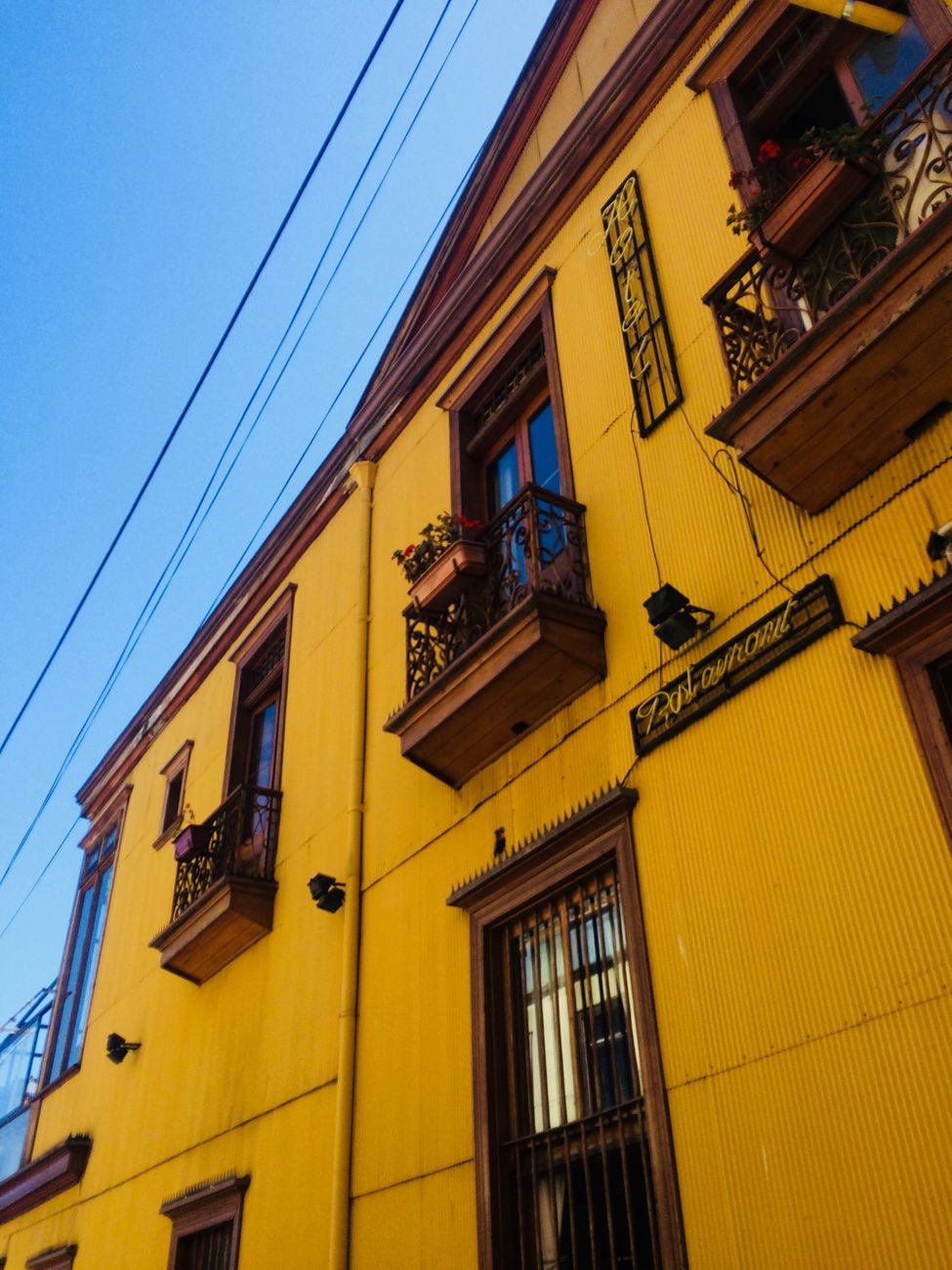
Pink House Hostal (Gay Friendly)
Gay-Friendly Hotel
Featuring free WiFi throughout the property, Pink House Hostal (Gay Friendly) offers accommodation in Valpara?so, 200 metres from 21 de Mayo walk. Guests can enjoy the on-site bar.
gay-friendly
wifi
year-round
LGBTQ+ Friendly
Sep 2026
 Gay-Friendly Hotel
(531)
Gay-Friendly Hotel
(531)
VERSO HOTEL
Gay-Friendly Hotel
Cultural bliss close to Pablo Nerudo's house, rooms highlight Latin American authors, staff is extremely gay friendly and welcoming, two rooftop hot tubs available for reservations.
gay-friendly
reservations
wifi
LGBTQ+ Friendly
Sep 2026
 Gay-Friendly Hotel
(112)
Gay-Friendly Hotel
(112)
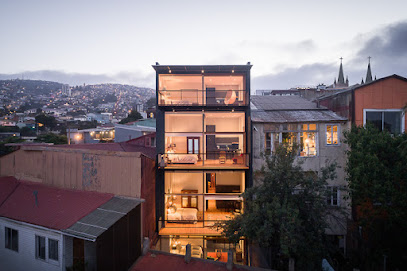
Augusta Apart Hotel
Gay-Friendly Hotel
Comfortable rooms and a location that keeps Valparaíso's scene within easy reach.
gay-friendly
card-payments
walk-ins
LGBTQ+ Friendly
Sep 2026
Where to stay in Valparaíso
via Stay22Where to stay in Valparaíso
Loading map…
🎟️ Tours & Experiences in Valparaíso
via GetYourGuideSkip-the-line tickets, walking tours, day trips and unique LGBTQ+ friendly experiences — booked instantly with free cancellation.

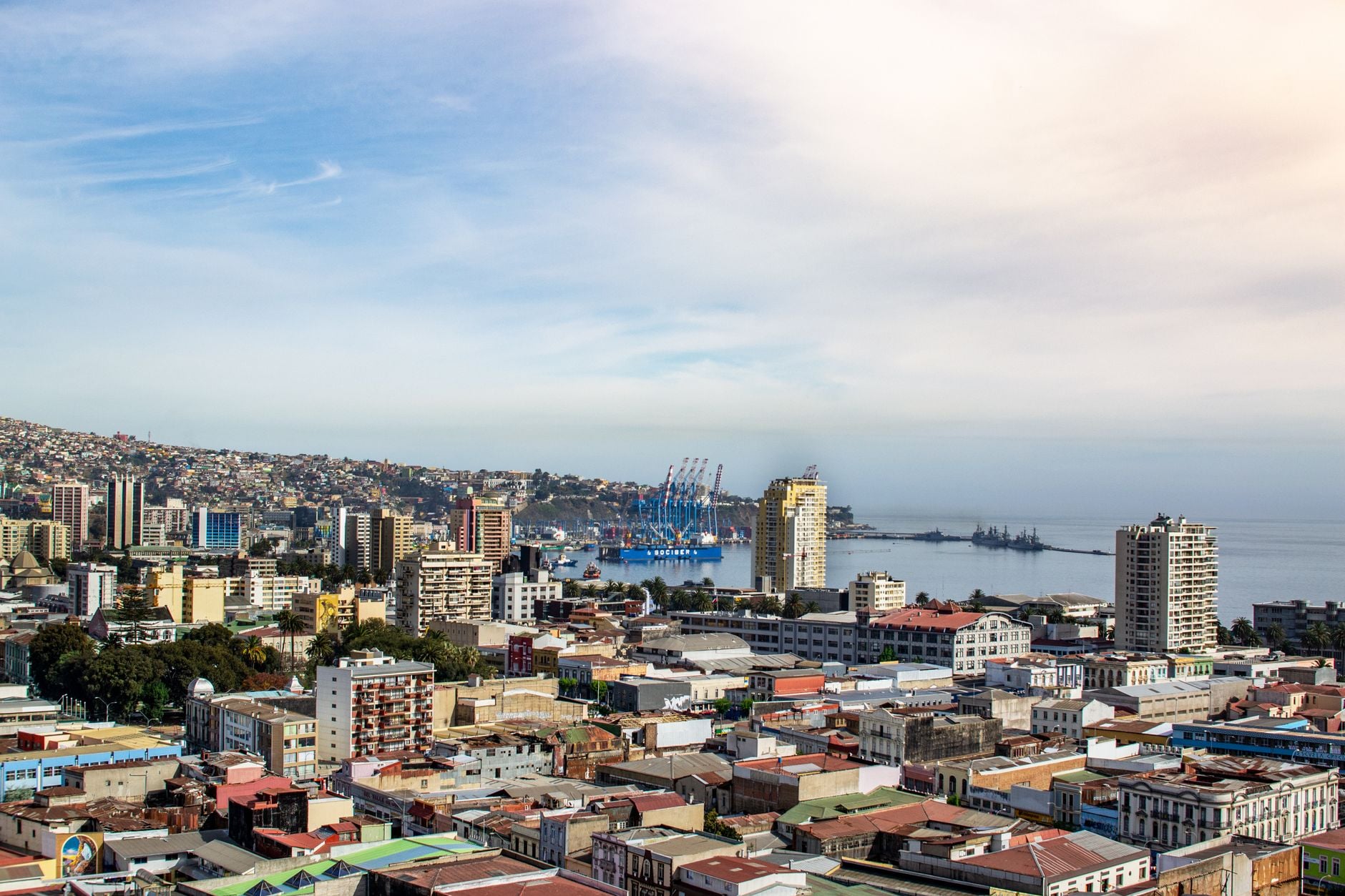

- Free cancellation
- Reserve now, pay later
- Mobile tickets
Gay-Friendly Restaurants in Valparaíso
View all 18 → Gay-Friendly Restaurants
(1156)
Gay-Friendly Restaurants
(1156)
Bogarín
Gay-Friendly Restaurants
Inclusive restaurant in Valparaíso, Chile. Enjoy a welcoming atmosphere and delicious food.
LGBTQ+ Friendly
Sep 2026
 Gay-Friendly Restaurants
(1027)
Gay-Friendly Restaurants
(1027)
Cholos Criollo Valparaiso
Gay-Friendly Restaurants
Inclusive Chilean dining in Valparaíso. Highly-rated for a welcoming experience.
LGBTQ+ Friendly
Sep 2026
 Gay-Friendly Restaurants
(845)
Gay-Friendly Restaurants
(845)
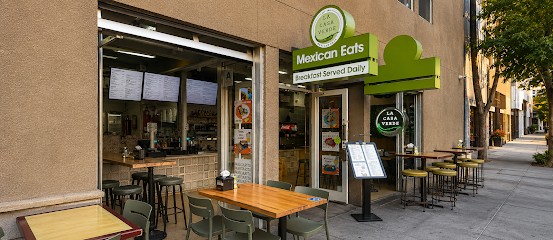
La Casa Verde
Gay-Friendly Restaurants
LGBTQ+ friendly restaurant in Valparaíso, Chile. Enjoy delicious food in an inclusive atmosphere.
LGBTQ+ Friendly
Sep 2026
 Gay-Friendly Restaurants
(575)
Gay-Friendly Restaurants
(575)
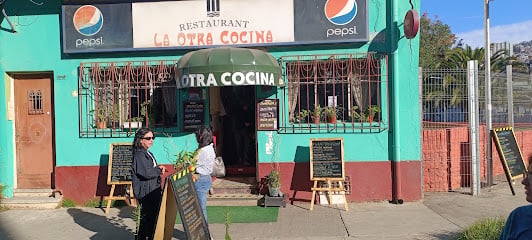
La Otra Cocina
Gay-Friendly Restaurants
LGBTQ+ friendly dining in Valparaíso, Chile. Enjoy delicious food in a welcoming atmosphere.
LGBTQ+ Friendly
Sep 2026
LGBTQ+ Organizations in Valparaíso
Mega Events in Valparaíso

05
SEP
2027
MEGA EVENT
⭐ Featured
Valparaíso, Chile
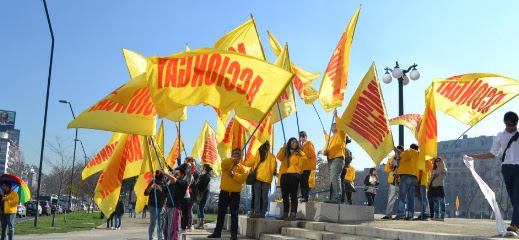
Marcha por la Diversidad y Disidencias Sexuales de Valparaíso
Valparaíso's Marcha (Carnaval) por la Diversidad y Disidencias Sexuales is the port city's annual LGBTQ+ pride and memorial…
More Guides for Valparaíso
Gay Bars & Clubs in Valparaíso
Valparaíso's Vibrant Gay Scene: A Guide to Its Bars & Clubs Valparaíso, Chile's bohemian port city, pulses with a creative energy that extends vibrantly in
Gay Hotels in Valparaíso
Valparaíso: A Kaleidoscope of Color and Queer Charm Valparaíso, Chile's bohemian jewel, pulses with a vibrant and inclusive spirit, making it a captivating
Gay-Friendly Restaurants in Valparaíso
Valparaíso: A Culinary Haven for the LGBTQ+ Traveler Valparaíso, Chile's vibrant port city, pulsates with an artistic spirit and a remarkably inclusive atm
Travel Guide
Gay Valparaíso — Your Complete Guide
Everything worth knowing before you go.
Gay venues
4
LGBTQ+ status
Welcoming
In this guide · 2 sections
Valparaíso offers a distinct LGBTQ+ experience within Chile's evolving social landscape. Queer culture has become more visible since the early 2000s, mirroring the country's gradual social liberalization. Civil unions (Acuerdo de Unión Civil) arrived in 2015 and full marriage equality followed in March 2022, alongside the 2012 Ley Zamudio anti-discrimination law and the 2019 Gender Identity Law.
The primary LGBTQ+ presence is found in the historic downtown and lower Cerro Alegre. These areas combine traditional architecture with street art and independent shops. Cerro Alegre and Cerro Concepción are known for their galleries, cafes, and restaurants frequented by LGBTQ+ individuals. These neighborhoods are home to many artists and young professionals.
Valparaíso's nightlife is less concentrated than Santiago's, but the city has a genuine queer core. Pagano, a gay dance club that has run for over two decades on Avenida Errázuriz near the port, is the anchor, with weekend drag shows; Máscara, a retro disco on Plaza Aníbal Pinto, draws an LGBTQ+ crowd with regular drag nights. Other downtown bars and clubs draw mixed crowds where LGBTQ+ patrons feel comfortable. The city's social scene leans towards daytime and café culture. Chilean nightlife generally begins late, with bars opening around 10 PM and clubs after midnight.
Valparaíso participates in Chile's broader LGBTQ+ calendar. Santiago hosts the country's largest Pride events — the Marcha del Orgullo in late June and a second parade in November — while Valparaíso holds its own Marcha por la Diversidad y Disidencias Sexuales each September, a carnival-style march from Plaza Sotomayor that also commemorates the victims of the 1993 Divine nightclub fire. The organizing coalition, ACCIONGAY, and MOVILH's regional section anchor the community year-round. The city's artistic community often organizes LGBTQ+-themed exhibitions, film screenings, and cultural events, particularly during the southern hemisphere summer (December-February).
Where to Stay
Accommodation includes boutique hotels, hostels, and Airbnbs, with many options in Cerro Alegre and downtown. The historic neighborhoods provide stays in restored buildings. Budget travelers will find numerous hostels with social atmospheres. Midrange options include guesthouses and small hotels.
Navigating Valparaíso involves understanding its hilly terrain. Walking can be demanding but reveals intimate neighborhood spaces. Public transport primarily consists of minibuses (micros), costing approximately 800-900 Chilean pesos. Historic funiculars (ascensores) connect the hillside neighborhoods and serve as both transport and attractions. Taxis are readily available. Visitors should wear comfortable shoes due to steep and uneven streets.
Standard travel precautions are advised for safety. While LGBTQ+ individuals are generally accepted in tourist areas, public displays of affection are more reserved than in some Western cities. Certain downtown areas and lower-income neighborhoods may be less safe at night. The main tourist areas like Cerro Alegre, Cerro Concepción, and Paseo Yugoslavo are generally secure. Following basic safety practices, such as not displaying valuables and avoiding deserted streets at night, is recommended. Police are present in tourist zones, and incidents targeting tourists based on sexual orientation are uncommon.
Valparaíso's food scene highlights fresh seafood, reflecting its port heritage. Waterfront restaurants and markets offer ceviche, empanadas, and local fish. Independent restaurants and cafes in Cerro Alegre serve international and fusion cuisine. Local markets provide fresh produce. Dining is generally affordable, and most restaurants are welcoming.
Find gay-friendly hotels in Valparaíso, chile
Real prices · Free cancellation · Verified bookings
Day Trips
Day trips offer diverse experiences. Viña del Mar, a short distance north, is a beach resort town. Quintay and Laguna Verde provide beach access and seafood. The Casablanca and San Antonio wine regions are accessible by car or tour. Isla Negra, home to Pablo Neruda's house-museum, offers a cultural excursion. Cachagua Beach provides a more secluded coastal setting.
A stay of 2-4 days allows for exploration of Valparaíso's neighborhoods, architecture, and culture. Late spring (November-December) and autumn (March-April) offer pleasant weather and fewer crowds. Summer (January-February) is warmer but busier and more expensive.
Valparaíso's LGBTQ+ scene, while smaller than Santiago's, offers a unique experience through its bohemian character, artistic community, and coastal setting for travelers seeking Chilean culture beyond the capital.

Frequently asked questions
Valparaíso has generally been ahead of national trends in terms of LGBTQ+ acceptance, reflecting its artistic and bohemian history. The LGBTQ+ community is woven into the fabric of local culture rather than existing in a separate enclave.
Cerro Alegre is arguably the most vibrant neighborhood for visitors and the LGBTQ+ community, known for its galleries, cafes, and independent shops. Barrio Puerto, the port district, also maintains original character and is experiencing cultural revival with new establishments.
Yes. Valparaíso's queer nightlife centres on Pagano, a gay dance club that has operated for over two decades on Avenida Errázuriz near the port and is known for its weekend drag shows, and Máscara, a retro disco on Plaza Aníbal Pinto that draws an LGBTQ+ crowd with regular drag nights. The scene is smaller and more mixed than Santiago's, and several bohemian bars and cafés in Cerro Alegre and Cerro Concepción are also welcoming.
Valparaíso holds its Marcha (Carnaval) por la Diversidad y Disidencias Sexuales every September. The carnival-style march sets out from Plaza Sotomayor and commemorates the victims of the 1993 Divine nightclub fire (4 September 1993); it is organised by the Mesa de las Diversidades y Disidencias de Valparaíso. Chile's largest Pride events are in Santiago — the Marcha del Orgullo in late June and a second parade in November.
Valparaíso's scene is smaller and more bohemian than Santiago's. Santiago has a concentrated gay nightlife hub around Bellavista, the largest Prides, and most of the region's gay saunas. Valparaíso offers a more laid-back, artistic and café-driven queer culture across its colourful hillside neighbourhoods such as Cerro Alegre and Cerro Concepción, anchored by a couple of gay clubs — Pagano and Máscara — and a strong community sector led by ACCIONGAY and MOVILH's regional section. Many visitors combine both cities.
The guide does not specify any LGBTQ+-friendly hotels. However, Cerro Alegre is a popular neighborhood for visitors and is characterized by restored mansions, galleries, and cafes.
Cities like Valparaíso
Gay Valparaíso on YouTube
Videos representative of Chile

Gay Travel CHILE
Know a great venue in Valparaíso?
Help the community by adding it to our directory — it's free and reviewed within 48 hours.
Gay Valparaíso — Interactive Map
Trips planned for Valparaíso
Real itineraries other travellers built with our planner.