Magallanes: An LGBTQ+ Traveler's Guide to Southern Patagonia
Magallanes is the southernmost region of Chile, bordering Argentina and the Southern Ocean. It is one of the most remote, sparsely populated, and strikingly beautiful regions on Earth. For LGBTQ+ travelers, Magallanes offers an unusual proposition: not a gay destination in the traditional sense, but rather an adventure destination where LGBTQ+ visitors are welcome and safe, with minimal but functional social infrastructure.
The Region and Its History
Magallanes was named after Ferdinand Magellan, the explorer who navigated the Strait of Magellan in 1520. The region remained extremely isolated until the late 19th century, when sheep farming and wool production brought European settlers, primarily from Croatia, Spain, and Italy. Punta Arenas emerged as a port town and became strategically important during the gold rush era. The region's harsh climate, remoteness, and small population have shaped its character: hardy, independent, pragmatic, and increasingly cosmopolitan due to tourism.
Chile as a nation has made significant strides in LGBTQ+ rights. Same-sex marriage has been legal since 2015, and anti-discrimination protections exist in employment and public accommodation. Magallanes, while more conservative in some respects than northern urban centers, benefits from these national protections and from a general attitude of "live and let live" common in frontier communities. The LGBTQ+ community here is small but present, and visibility has increased in recent years with younger generations and increased tourism.
Key Cities and Neighborhoods
Punta Arenas is the regional hub, with a population of around 130,000. It's a working port city with a mix of historic architecture and modern services. The city center, around the Plaza Muñoz Gamero and along Avenida Colón, contains shops, restaurants, and services. The waterfront (costanera) area is pleasant for walks with views of the Strait. There is no distinct "gay neighborhood" in Punta Arenas, but the city center is walkable and relatively compact. The downtown area and nearby restaurants are where any LGBTQ+ social activity occurs.
Puerto Natales, located about 250 kilometers northwest of Punta Arenas, is a smaller town (around 19,000 people) that has grown as a gateway to Torres del Paine National Park. It is younger, more touristy, and more cosmopolitan than Punta Arenas, with backpacker hostels, outdoor outfitters, and restaurants catering to international visitors. Puerto Natales has a more liberal atmosphere due to its tourism-driven economy and younger demographic. Avenida España is the main commercial street.
Venues and Social Spaces
Magallanes does not have an established circuit of gay bars or clubs comparable to Santiago or Valparaíso. However, Punta Arenas has some venues where LGBTQ+ people socialize:
- Social venues and bars in Punta Arenas' city center do welcome LGBTQ+ patrons, though they are not exclusively gay spaces. Venues change and open/close regularly in this remote region, so travelers should ask hotel staff or use online resources closer to their travel date for current recommendations.
Puerto Natales, being smaller and more touristy, has a more relaxed and inclusive vibe overall. Restaurants and bars cater to international backpackers and adventure tourists, creating naturally welcoming spaces. Many visitors socialize at their hotels or hostels rather than in dedicated gay venues.
Online communities and travel groups for LGBTQ+ Patagonia tourists are active on platforms like Couchsurfing, Meetup, and various travel forums. Local tourism offices in both Punta Arenas and Puerto Natales can provide current information on welcoming venues.
Events and Pride
Magallanes does not have an annual Pride festival comparable to those in larger Chilean cities. However, National Pride activities occur in late June (the Winter Pride/Día del Orgullo), with smaller celebrations in Punta Arenas and Puerto Natales. These are modest affairs compared to Santiago's massive pride parade, but they do occur and reflect growing visibility.
The region's major events are nature-focused: summer season (December-February) brings outdoor festivals, marathons, and outdoor markets. Many travelers time visits to these months for better weather and longer days, though Patagonian weather is unpredictable year-round.
Where to Stay
Punta Arenas:
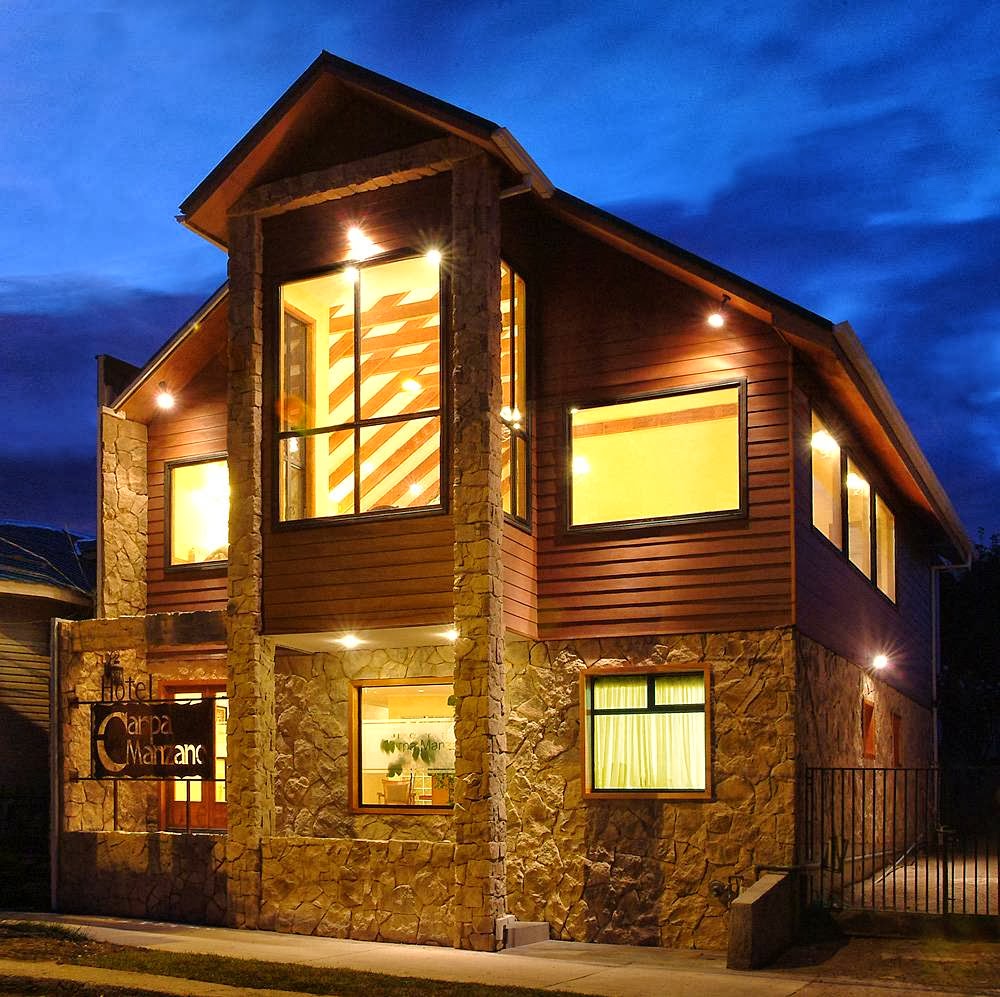
- Mid-range hotels are available throughout the city center and near the waterfront. Options include Hotel Costaustralis, Hotel Finis Terrae, and numerous smaller hotels and residenciales (guesthouses). Many are LGBTQ+-friendly, particularly those accustomed to international tourists.
- Accommodation is readily available and reasonably priced compared to North America or Europe.
Puerto Natales:
- This town is backpacker-oriented with numerous hostels, many with private rooms available. Hostels tend to be very LGBTQ+-friendly due to their international clientele. Examples include La Oveja Negra and other well-known establishments.
- Boutique hotels and lodges are available for those seeking more comfort.
- Accommodation here tends to be younger and more liberal in atmosphere.
For both cities, booking in advance is recommended during peak summer season (December-February) and during shoulder months (November, March).
Chile, including Magallanes, is generally safe for LGBTQ+ travelers. Same-sex marriage is legal, and anti-discrimination laws exist. Violent crime against LGBTQ+ people is not documented as a systemic concern in this region. Like any travel destination, standard urban safety precautions apply (avoid displaying valuables, be aware of surroundings at night).
Magallanes' remoteness presents practical challenges unrelated to LGBTQ+ status: weather can be severe, distances between towns are vast, and some services are limited. Healthcare facilities are adequate in Punta Arenas and Puerto Natales, but serious medical emergencies may require transport to Santiago.
Language: Spanish is the official language. English is spoken in tourist areas and among younger people, but not universally. Translation apps are helpful.
Transportation
Getting There:
- Punta Arenas has an airport (Presidente Carlos Ibáñez del Campo International Airport) served by LATAM and other carriers from Santiago and other major Chilean cities. Flights are relatively expensive and travel time is 3-4 hours from Santiago.
- Bus services connect Punta Arenas and Puerto Natales to other Chilean cities and to Argentina. The journey from Santiago is very long (48+ hours).
- Many travelers combine Magallanes with travel to Argentina (El Calafate, El Chaltén) via the Argentina-Chile border crossings.
Within the Region:
- Rental cars are available and essential for exploring the region independently. Roads are paved between major towns but can be challenging in winter.
- Bus services connect Punta Arenas and Puerto Natales (approximately 5 hours).
- Many tours depart from Puerto Natales for Torres del Paine and other attractions.
Food and Dining
Magallanes is known for lamb (cordero), seafood, and traditional Patagonian cuisine. Both Punta Arenas and Puerto Natales have restaurants serving these specialties. Puerto Natales has a higher concentration of international cuisine and vegetarian options due to its tourism focus. Restaurants are generally welcoming to all patrons. Local specialties include centolla (king crab), various fish, and traditional meat dishes.
Day Trips and Attractions
The primary draw of Magallanes is its natural attractions:
Torres del Paine National Park (accessed from Puerto Natales): One of the world's most spectacular national parks, featuring granite peaks, turquoise lakes, and glaciers. The famous W Trek is a multi-day hiking route. Day trips and longer treks are available.
Perito Moreno Glacier (Argentina): Technically in Argentina but accessed via Magallanes. Located in Los Glaciares National Park near El Calafate. The glacier is one of South America's most impressive natural wonders.
Penguin Colonies: Punta Arenas is a departure point for tours to penguin colonies on nearby islands and the Strait of Magellan. Magdalena Island and other locations host large colonies of Magellanic penguins.
Straight of Magellan: Historic waterway with scenic boat tours available from Punta Arenas.
Fjords and Landscape: The region's coastal and interior landscapes are dramatic and beautiful. Various boat tours, hiking expeditions, and scenic drives are available.
These attractions are universally welcoming and completely apolitical, making them ideal for all visitors regardless of sexual orientation or gender identity.
Culture and Activities
Beyond natural attractions, the region offers:
- Museums in Punta Arenas documenting regional history
- Local markets and shops selling crafts and regional products
- Restaurants and cafes
- Outdoor gear shops (the region is a hub for adventure sports equipment)
Best Time to Visit
Summer (December-February): Longer days, milder weather (though still cool and windy), more services open, higher prices, and more crowds.
Winter (June-August): Shorter days, colder temperatures, fewer services, lower prices. Not ideal for unprepared travelers but spectacular for those equipped and experienced.
Shoulder months (November, March-May): Moderate weather, fewer crowds than peak summer, reasonable services.
For most LGBTQ+ travelers, late November through early March is recommended.
Conclusion
Magallanes is not a gay destination in the sense of having a vibrant gay bar scene or concentrated LGBTQ+ neighborhoods. Instead, it is a spectacular natural region where LGBTQ+ travelers are welcome and safe, within the context of Chilean legal protections and general societal openness. It is ideal for those seeking adventure, natural beauty, and authentic travel experiences, combined with the assurance of safety and basic accommodations. The region rewards those who venture far from mainstream tourism circuits with some of Earth's most breathtaking landscapes.
Frequently asked questions
Magallanes is increasingly open and accepting, and LGBTQ+ travelers will find a welcoming atmosphere, particularly in Punta Arenas. While the region remains conservative in some respects due to its remote, small-town character, it has not been a focal point of anti-LGBTQ+ sentiment.
There is no dedicated gay neighborhood in Punta Arenas as exists in larger cities. LGBTQ+ visitors and locals tend to gather in cafes, restaurants, and community spaces rather than dedicated gay venues.
Magallanes does not have an established LGBTQ+ nightlife infrastructure like Santiago or Valparaíso. Punta Arenas has limited dedicated LGBTQ+ venues, with no well-established gay bars or clubs with consistent operations.
LGBTQ+ visitors and locals tend to gather in cafes, restaurants, and community spaces rather than dedicated gay venues. Several restaurants and cafes in the city center are known to be LGBTQ+-friendly and welcoming to all patrons.
Pride celebrations in Punta Arenas are modest compared to larger cities, but the city generally participates in national LGBTQ+ observances and events. Information on specific dates is primarily organized through social media, community organizations, and informal networks.
The queer community in Punta Arenas is small but active. The region is sparsely populated, with most residents concentrated in Punta Arenas.
Your privacy choices.
We use cookies to run GayOut and, with your consent, measure usage. Learn more
Your privacy choices
We use cookies to keep GayOut running, remember your preferences, and (with your permission) measure how the site is used. You can accept all, reject all, or pick what you allow. Learn more
Essential
Required for sign-in, fraud prevention, CSRF protection and remembering your language. Cannot be disabled.
Always on
Remembers your favourites, dark mode and other interface preferences across visits.
Helps us understand which pages people visit (Google Analytics, server-side stats) so we can improve.
Used by campaign tracking pixels. None are active right now, reserved for future use.
Install GayOut
Add GayOut to your home screen for faster access, offline favourites, and Pride alerts.


 Gay-Friendly Hotel
(99)
Gay-Friendly Hotel
(99)